
 Save 15% on your 1st Autoship learn more

 Email us
 Live Chat
 FAQs
FAQs





Introduction
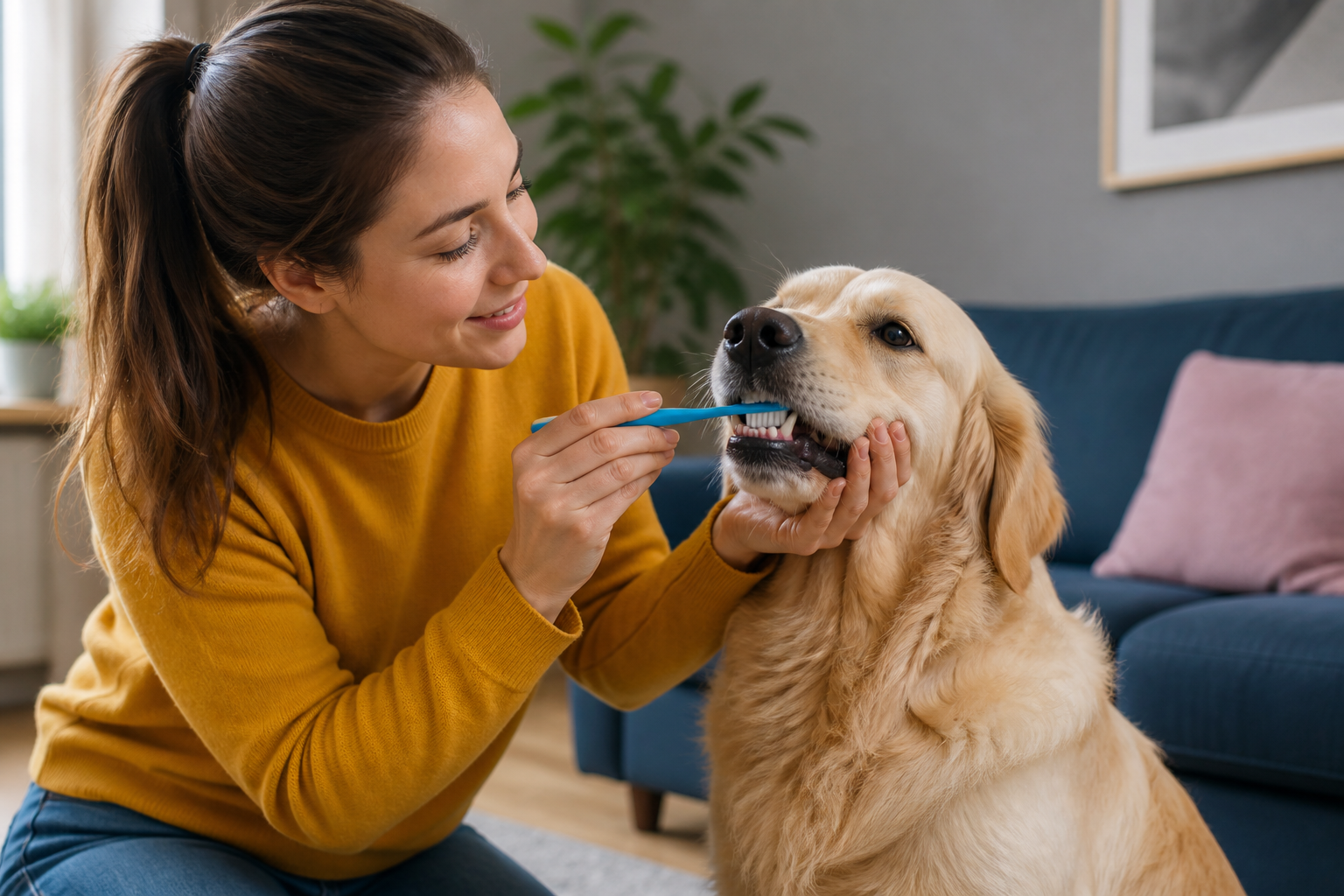
You lean in for a happy morning nuzzle only to be met with a scent that is far from fresh. Most dog owners have experienced that "dog breath" moment. It is often the first sign that oral hygiene has fallen behind. While bad breath is unpleasant, the real concern is what is happening under the gumline. Plaque and tartar can lead to painful infections and systemic health issues if left alone. At BaxterBoo, we see thousands of pet parents looking for the most effective way to keep those pearly whites shining. This guide covers everything from the gold standard of daily brushing to the role of dental chews and professional cleanings. The best way to clean a dog's teeth is a consistent, multi-layered approach that combines at-home care with veterinary expertise.
The Gold Standard: Daily Brushing
Brushing your dog's teeth is the most effective way to remove plaque before it hardens into tartar. Plaque is a sticky film of bacteria that forms on the teeth after eating. If it is not brushed away, it mineralizes into tartar within 48 hours. Once tartar forms, you cannot remove it with a toothbrush. It requires professional scaling by a veterinarian.
Choosing the Right Gear
You should never use human toothpaste for your dog. Our toothpaste contains ingredients like xylitol and fluoride. These are toxic to dogs when swallowed. Dog-specific toothpaste comes in flavors like poultry, beef, or peanut butter. These flavors make the experience much more enjoyable for your pet. You can find brushes and dog-safe toothpaste in our dog dental and breath care collection.
For the brush, you have several options. A finger brush is a small rubber cap that fits over your index finger. It provides great control and is less intimidating for beginners. A long-handled dog toothbrush has an angled head to reach the deep molars in the back of the mouth. If you are in a pinch, a soft-bristled baby toothbrush also works well for smaller breeds.
Training Your Dog to Accept Brushing
Most dogs do not naturally enjoy having their mouths handled. You must introduce the process slowly. Start by letting your dog lick a small amount of pet toothpaste off your finger. Once they like the taste, begin rubbing your finger along their gums and teeth in a circular motion.
After they are comfortable with your finger, introduce the brush. Focus on the outside surfaces of the teeth. This is where the most plaque accumulates. You do not need to worry about the inside surfaces near the tongue. A dog's tongue does a decent job of keeping those areas clean through natural friction.
Quick Answer: The best way to clean a dog's teeth is daily brushing with dog-specific toothpaste. This physical scrubbing removes plaque before it hardens into tartar, which is the root cause of dental disease.
The Role of Dental Chews and Treats
Not every dog will sit still for a toothbrush. This is where dental chews become a valuable tool in your kit. These treats are designed to scrub the teeth mechanically as the dog chews. The texture is often porous or ridges to help scrape away debris from the tooth surface. Explore our dental chews for dogs when you need an at-home brushing supplement.
Looking for the VOHC Seal
When you browse the aisles at BaxterBoo, look for products with the Veterinary Oral Health Council (VOHC) seal. This seal means the product has met specific standards for reducing plaque or tartar in clinical trials. It is a reliable way to know a treat actually does what it claims.
Safety and Hardness
A dental chew must be hard enough to provide friction but soft enough not to break a tooth. You should be able to make a small dent in the chew with your thumbnail. If it is as hard as a rock, it might cause a slab fracture on a premolar. Always supervise your dog when they are enjoying a chew to prevent choking or large pieces from being swallowed.
- Select the correct size for your dog's weight.
- Check for ingredients like C.E.T. enzymes that fight bacteria.
- Feed dental treats once per day for the best results.
- Monitor your dog's calorie intake to avoid weight gain from treats.
Greenies dental dog chews are one option to consider when choosing a chew for your dog's routine.
Key Takeaway: Dental chews are a great supplement to brushing but should not be the only method used. They are most effective at cleaning the large chewing teeth in the back of the mouth.
Water Additives and Dental Wipes
For dogs that are highly resistant to handling, water additives and dental wipes offer a low-stress alternative. These products help manage the bacterial load in the mouth without requiring a full brushing session. BaxterBoo's dog dental care selection includes options for different at-home routines.
How Water Additives Work
Dental water additives are clear, tasteless liquids you mix into your dog's water bowl. They contain enzymes or minerals that break down plaque and freshen breath. They work every time your dog takes a drink. While they are not a substitute for physical scrubbing, they are an excellent "set it and forget it" addition to a routine.
The Benefit of Dental Wipes
Wipes are essentially textured cloths pre-soaked with dental cleaning solutions. They allow you to swipe the surface of the teeth quickly. They are less bulky than a toothbrush and can be less scary for sensitive dogs. They are particularly good for removing the daily film of slime that forms on the teeth.
Vet Tip: If your dog has red, bleeding gums or a foul odor that fills the room, skip the additives and see a vet. These are signs of active infection that require medical intervention, not just a breath freshener.
Nutrition and Natural Teeth Cleaning
What your dog eats impacts their oral health. There is a common myth that dry kibble cleans teeth better than wet food. While some specialized dental diets have a specific kibble shape that scrubs teeth, standard kibble usually crumbles too quickly to provide much benefit.
Natural Food Options
Some raw vegetables can help provide a mild mechanical cleaning effect. Raw carrots and apple slices are crunchy and require significant chewing. This action can help wipe away some surface debris. However, these are treats and should not be relied upon as a primary cleaning method.
The Controversy of Raw Bones
Some owners use raw, meaty bones to keep teeth clean. The act of gnawing on a bone can scale the teeth naturally. However, bones come with risks. Cooked bones are strictly forbidden as they splinter and can cause internal damage. Raw bones can still cause tooth fractures or gastrointestinal blockages. If you choose to use bones, always discuss the risks with your veterinarian first.
Bottom line: Diet plays a role in oral health, but most standard foods do not replace the need for active cleaning through brushing or chews.
Professional Veterinary Cleanings
Even with perfect at-home care, most dogs will eventually need a professional cleaning. This is similar to a human going to the dentist for a deep clean. A veterinarian can reach the areas under the gumline where the most dangerous bacteria hide. For additional guidance on warning signs, read what to do when your dog may be hiding bad teeth.
Why Anesthesia is Necessary
A thorough dental exam and cleaning require the dog to be under general anesthesia. This allows the vet to take dental X-rays to check for abscesses or bone loss. It also ensures the vet can scale and polish every surface of the tooth without the dog moving or feeling any discomfort.
Non-anesthetic dental cleanings are sometimes offered as a cheaper alternative. However, these only address the visible tartar. They cannot clean under the gums or address hidden pain. Most veterinary organizations do not recommend non-anesthetic cleanings as a substitute for a full medical procedure.
Managing Costs and Care
Professional cleanings can be expensive, but they prevent much costlier surgeries later. Our pharmacy partnership with Pet's Choice can help you manage the cost of follow-up care. If your vet prescribes a specific dental diet like Farmina Vet Life or oral antibiotics after a procedure, we provide a convenient way to fulfill those needs through our pet pharmacy. We carry over 500 trusted brands, making it easy to find exactly what your vet recommends for recovery.
Key Takeaway: Home care is about prevention, while professional care is about treatment. You need both to ensure your dog lives a long, pain-free life.
Recognizing the Signs of Dental Disease
It is important to know when a "dirty mouth" has turned into a medical problem. Dogs are experts at hiding pain. They will often continue to eat even if they have a loose tooth or a painful infection. You must be proactive in checking their mouth weekly.
Symptoms to Watch For
- Persistent bad breath (halitosis).
- Yellow or brown crust near the gumline.
- Red, swollen, or bleeding gums.
- Difficulty picking up food or dropping kibble.
- Pawing at the face or rubbing the mouth on the floor.
- Excessive drooling, sometimes tinged with blood.
If you notice these signs, a vet visit is the only safe next step. Dental infections do not just stay in the mouth. The bacteria can enter the bloodstream and cause damage to the heart, kidneys, and liver.
A Step-by-Step Routine for Success
Building a routine does not have to be overwhelming. You can start small and add layers as your dog becomes more comfortable. Consistency is more important than perfection. For more ideas, review these pet dental care tips.
Step 1: The Flavor Test.
Introduce a dog-safe toothpaste by letting your pet lick it off your finger. Do this for three days without trying to brush.
Step 2: The Finger Rub.
Start rubbing your finger over the front teeth for 10 seconds. Increase the time daily until you can reach the back molars.
Step 3: Introduce the Brush.
Switch from your finger to a toothbrush or finger brush. Focus on the gumline where the tooth meets the soft tissue.
Step 4: Supplement with Chews.
On days when you are too busy to brush, provide a VOHC-approved dental chew. This keeps the routine going without the time commitment.
Step 5: Schedule an Annual Exam.
Have your vet check your dog's mouth during their yearly wellness visit. They can tell you if it is time for a professional cleaning.
Vet Tip: Some breeds are more prone to dental issues than others. Small breeds and flat-faced dogs like Pugs or Chihuahuas often have crowded teeth. This crowding traps food and bacteria, making daily brushing absolutely vital for these dogs.
The Long-Term Benefits of Oral Care
Investing time in your dog's teeth pays off in the long run. Dogs with healthy mouths generally have better overall health and longer lifespans. You will also save money by avoiding emergency extractions and complex oral surgeries.
At BaxterBoo, we want to help you make these routines as easy as possible. Whether you choose a high-quality dental chew or a specific enzymatic toothpaste, we have the tools to support your efforts. For repeat purchases, our Autoship programme can help keep dental supplies on a regular schedule.
Our MVP Rewards programme also lets you earn points on every dental care purchase, helping you save while you care for your pet.
Conclusion
Cleaning your dog's teeth is an essential part of being a responsible pet owner. While brushing remains the most effective method, a combination of dental chews, water additives, and professional veterinary care provides the best defense against disease. Start slow, stay consistent, and always use products designed specifically for dogs. By making oral hygiene a priority today, you are ensuring your dog stays happy and healthy for years to come.
- Brush daily with dog-specific toothpaste.
- Use VOHC-approved dental chews for mechanical cleaning.
- Monitor for signs of gum disease and see a vet regularly.
- Access professional help through our pharmacy for prescription needs.
Bottom line: A clean mouth is about more than just fresh breath; it is a critical component of your dog's total body health.
FAQ
How often should I clean my dog's teeth?
Ideally, you should brush your dog's teeth every single day to prevent plaque from hardening into tartar. If daily brushing is not possible, aim for at least three times a week to maintain a basic level of oral hygiene. Supplementing with dental chews on the days you do not brush can also help bridge the gap.
Can I use human toothpaste on my dog?
No, you should never use human toothpaste on a dog because it often contains ingredients like xylitol and fluoride. Xylitol is a sugar substitute that is highly toxic to dogs, and fluoride can cause stomach upset or more serious issues if swallowed. Dog-specific toothpastes are formulated to be safely swallowed and come in flavors dogs actually enjoy.
Do dental chews really work to clean teeth?
Dental chews are effective at reducing plaque and tartar through mechanical scrubbing as your dog chews. However, they work best on the large molars in the back and are less effective for the small incisors in the front. For the best results, look for chews with the VOHC seal of approval and use them as part of a broader dental care routine.
At what age should I start cleaning my dog's teeth?
You should start a dental care routine as early as possible, ideally when your dog is still a puppy around 8 to 12 weeks old. Starting early helps your dog get used to having their mouth handled before they develop their adult teeth. While puppies eventually lose their baby teeth, the habit you build early will make life much easier once their permanent teeth arrive.






