
 Save 15% on your 1st Autoship learn more

 Email us
 Live Chat
 FAQs
FAQs





Introduction
Petting your cat is one of the best parts of being a pet owner. It is a quiet moment of bonding that usually ends with a happy purr. However, finding a spray of white flakes across their back can be a sudden cause for concern. While some skin shedding is normal, bad dandruff often signals that your cat needs a little extra help with their wellness routine. At BaxterBoo, we have helped thousands of pet parents navigate skin and coat health since 2006. We understand that a flaky coat is often a window into your cat's overall health and hydration. This guide covers why these flakes appear and the practical steps you can take to restore your cat's silky shine. We will look at grooming habits, nutritional needs, and when it is time to seek professional medical advice.
Quick Answer: To manage cat dandruff, increase daily brushing to distribute natural skin oils and ensure your cat has access to plenty of fresh water. If the flaking is accompanied by redness, itching, or hair loss, consult a veterinarian to rule out parasites or underlying health conditions.
Understanding the Difference Between Dandruff and Dander
It is common to hear the terms dander and dandruff used as if they are the same thing. They are actually quite different in the world of feline health. Every cat has dander. These are microscopic bits of skin that shed naturally as old cells make way for new ones. You generally cannot see dander with the naked eye. It is the material that carries the proteins responsible for human cat allergies. Because it is microscopic, it stays airborne easily and settles on furniture without being noticed.
Dandruff is a different story. These are larger, visible white flakes that clump in the fur. When you see these flakes, it means the skin is shedding more rapidly than it should. This might be due to extreme dryness or an overproduction of skin oils. If you can see the flakes on your cat's coat or on the places where they sleep, you are dealing with dandruff. This visible shedding is a signal that the skin's natural balance has been disrupted.
Dandruff is not a disease by itself. It is a symptom of an underlying issue. This might be as simple as dry winter air or as complex as a metabolic disorder. Recognizing that those white flakes are an alert system is the first step in helping your cat feel better. A healthy coat should be smooth, shiny, and free of visible debris.
Cat Skin & Coat Care






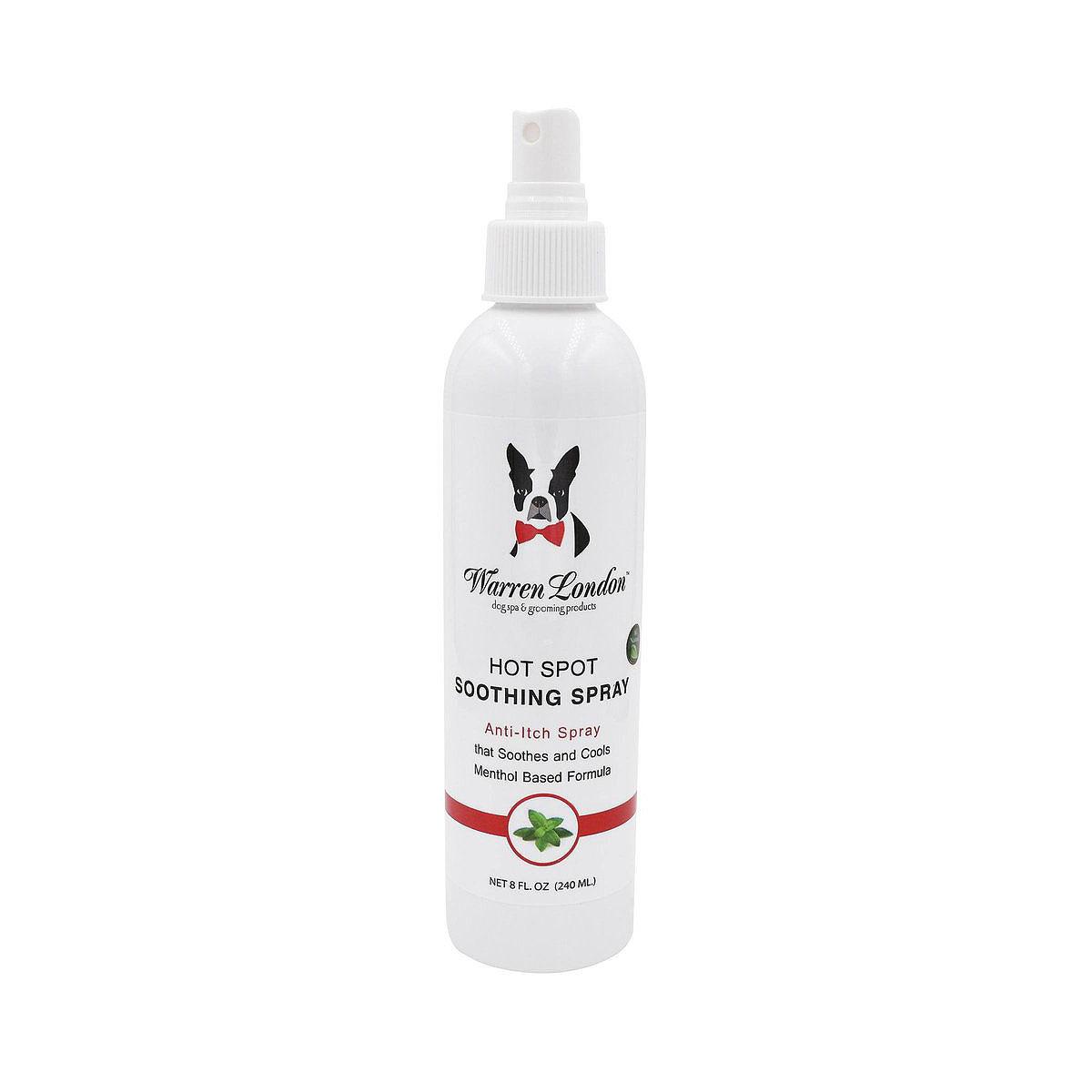

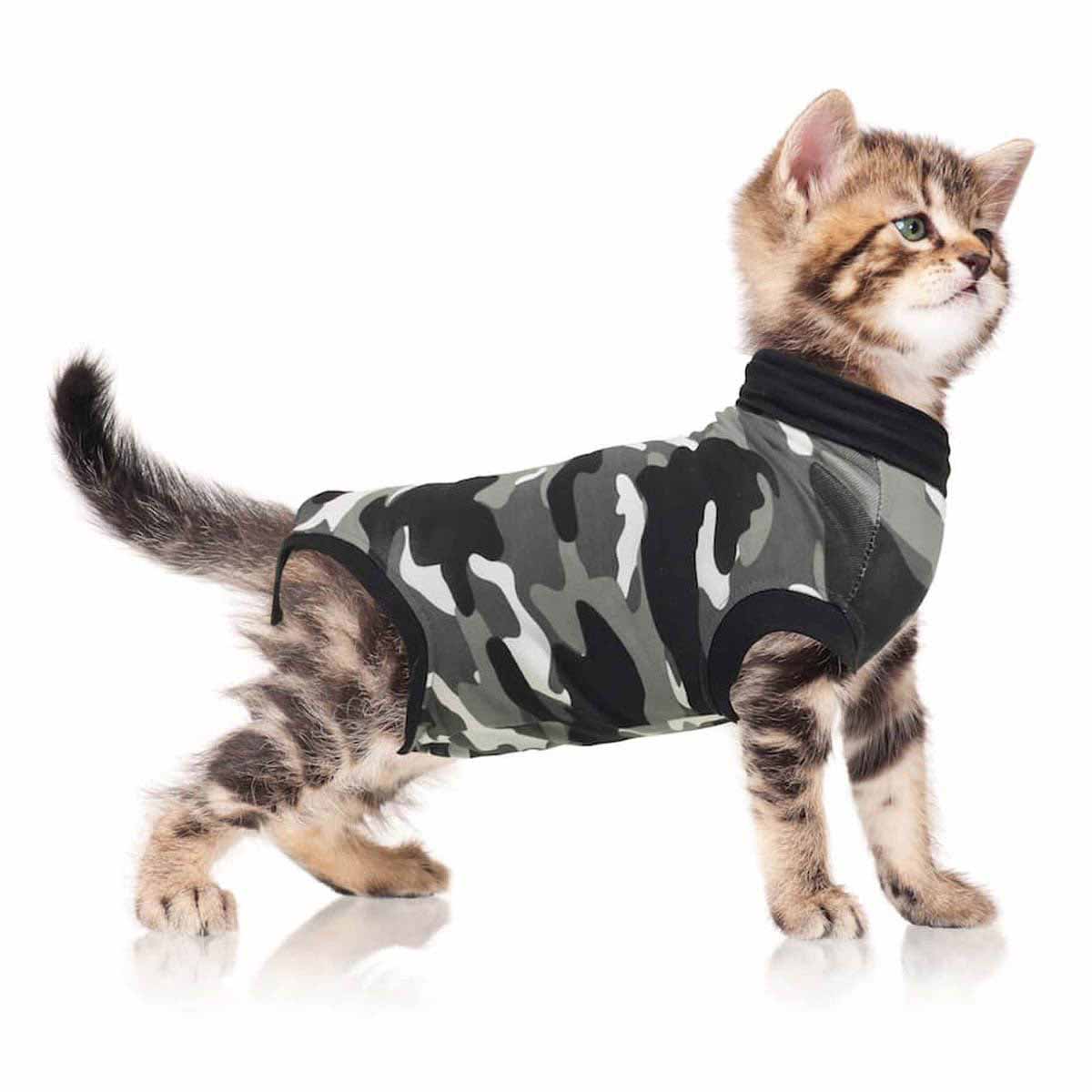


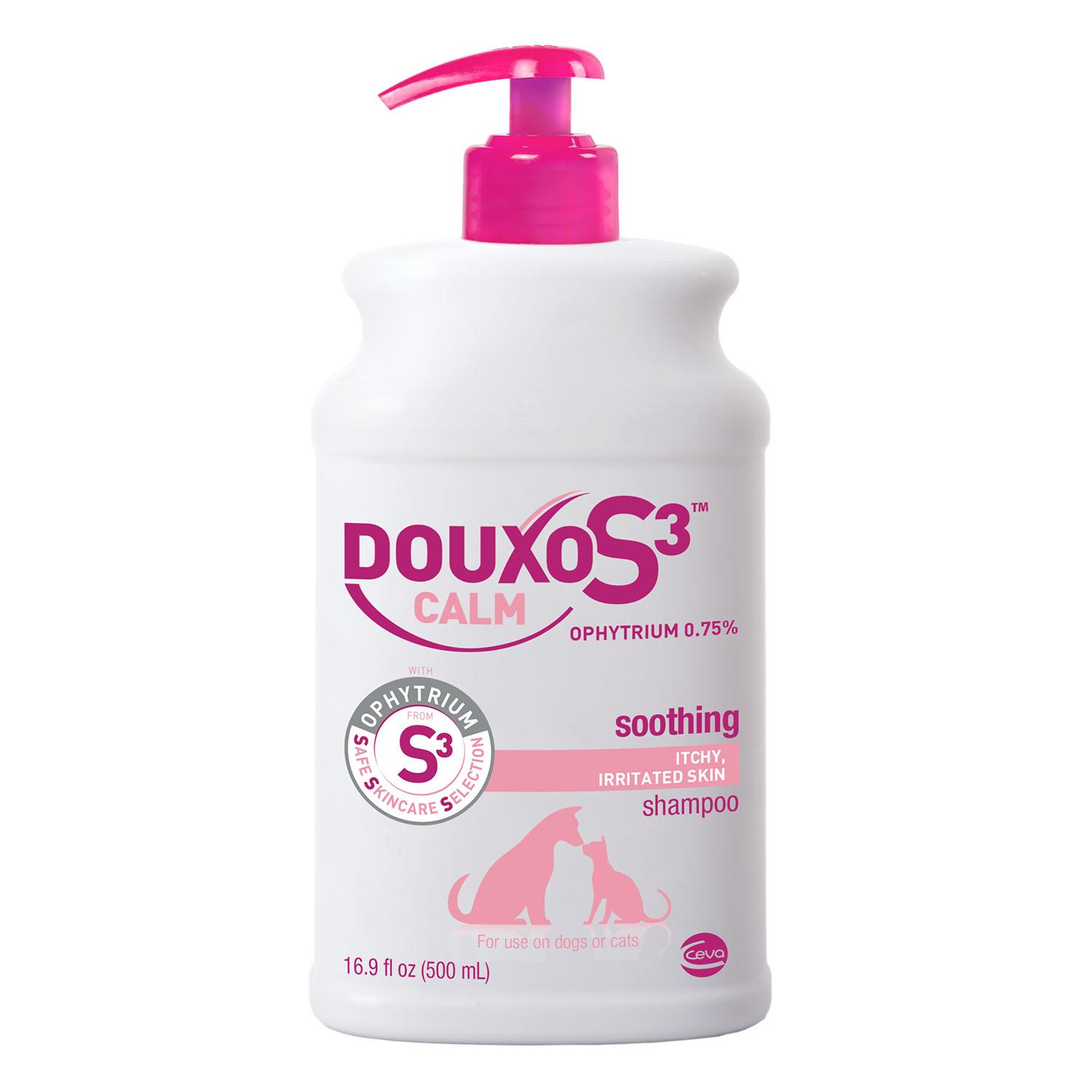
The Most Common Causes of Feline Flaking
Identifying the cause of dandruff is essential for choosing the right solution. For many cats, the issue is environmental. During the winter months, indoor heating systems strip moisture from the air. This lack of humidity dries out a cat's skin just as it does for humans. Without enough moisture in the environment, the skin becomes brittle and starts to flake away in large visible pieces.
Another frequent culprit is a lack of proper grooming. Healthy cats spend a significant portion of their day cleaning themselves. This process removes dead skin and spreads natural oils across the fur. If a cat stops grooming effectively, those skin cells build up and become visible. This often happens with senior cats who have arthritis. It also occurs in obese cats who simply cannot reach the base of their tail or their lower back.
Dietary deficiencies also play a major role in skin health. Cats require specific fatty acids to maintain a healthy skin barrier. If their food is low quality or lacks essential nutrients, the skin is often the first place to show signs of trouble. A dull, flaky coat is a classic sign of a cat that is not getting the right balance of vitamins and minerals.
Key Takeaway: Cat dandruff is a visible symptom of skin imbalance often caused by environmental dryness, poor grooming habits, or nutritional gaps.
The Impact of Hydration
Cats are notorious for having a low thirst drive. In the wild, they get most of their moisture from their prey. Domestic cats eating a strictly dry kibble diet often live in a state of mild, chronic dehydration. This lack of internal moisture reflects directly on the quality of their skin. When a cat is dehydrated, their skin loses its elasticity and begins to flake.
You can check your cat's hydration levels with a simple skin tent test. Gently pinch the skin between their shoulder blades. In a well-hydrated cat, the skin should snap back instantly. If it moves slowly or stays in a "tent" shape, your cat needs more fluids. Improving hydration is one of the fastest ways to improve skin health from the inside out. For additional ideas, read these tips for encouraging healthy hydration for indoor cats.
How to Improve Grooming Routines
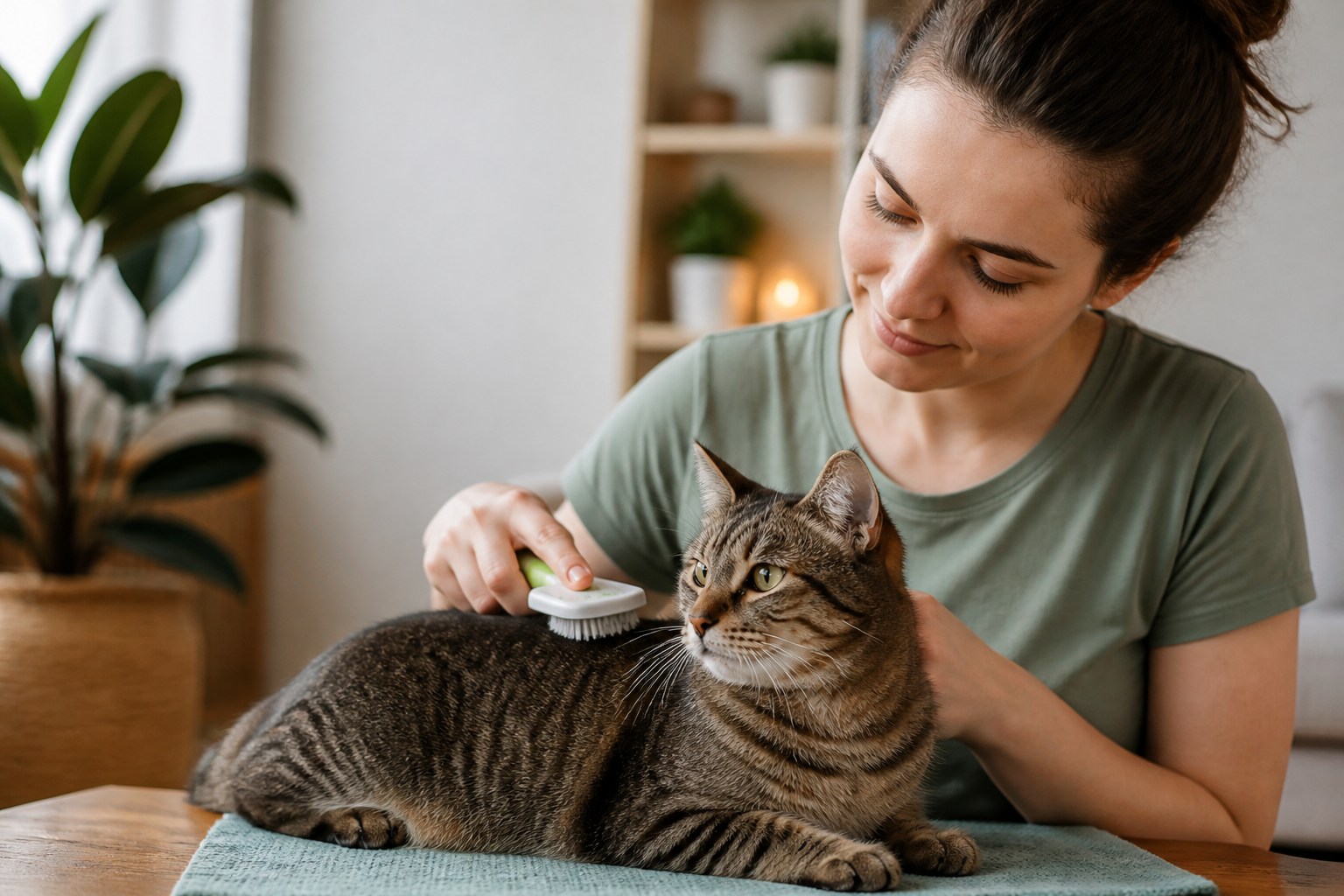
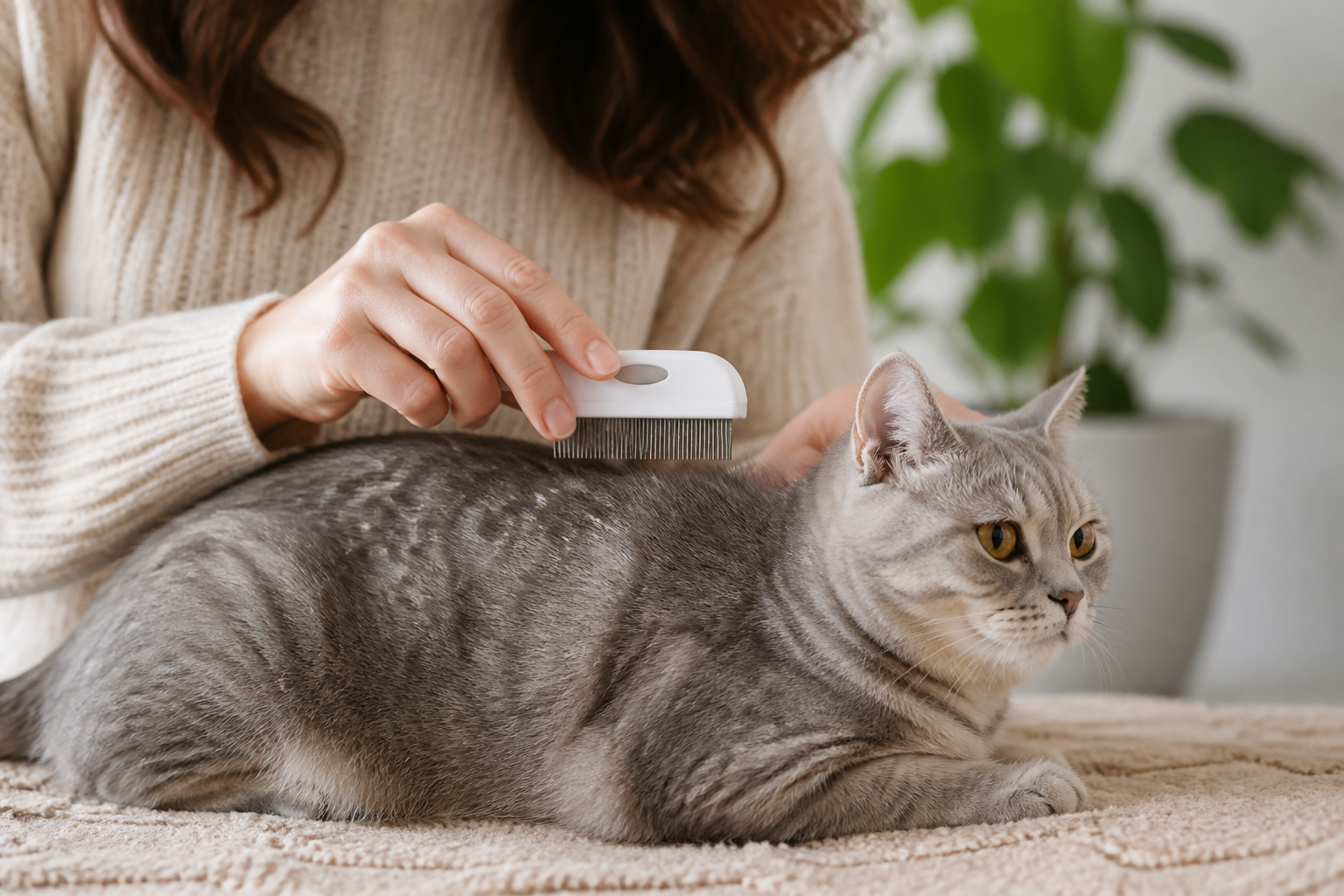
If your cat is struggling with dandruff, they may need your help with their daily beauty routine. Regular brushing is the most effective way to manage flakes at home. Brushing does more than just remove the white spots. It stimulates the skin and encourages the production of natural sebum. This oil acts as a built-in moisturizer for the fur and skin.
For cats with short hair, a soft bristle brush or a rubber grooming mitt works well. These tools are gentle enough not to irritate dry skin but effective at pulling away loose cells. If your cat has long hair, you may need a stainless steel comb to reach the undercoat. Be very gentle when brushing a cat with bad dandruff. Their skin may be sensitive or slightly inflamed, so you want the experience to be relaxing rather than painful. Browse our cat grooming supplies for brushes, wipes, and cat-safe shampoos.
If your cat is overweight or has limited mobility, pay special attention to the base of the spine. This is the most common "dead zone" for grooming. Many cats with dandruff only show flakes in this specific area because they cannot reach it. Daily assistance in these hard-to-reach spots can make a massive difference in their coat quality within just a few weeks.
Choosing the Right Grooming Tools
- Soft Bristle Brushes: Best for cats with sensitive skin or very short coats.
- Grooming Mitts: Excellent for cats who are nervous about traditional brushes.
- Slicker Brushes: Good for removing trapped dander in thicker coats, but use with a light touch.
- Stainless Steel Combs: Essential for long-haired cats to prevent mats that trap dandruff.
Vet Tip: If your cat is unable to groom due to obesity or arthritis, daily brushing is a medical necessity rather than just a cosmetic choice. Helping them reach those spots prevents painful matting and skin infections.
Nutrition and Supplementation for Skin Health
What goes into your cat's bowl is just as important as the brush you use. High-quality animal proteins are the building blocks of healthy skin cells. We recommend looking for foods that list a specific meat as the first ingredient. Brands like Farmina, Orijen, and Acana focus on high-protein recipes that support overall vitality. These premium diets often include natural sources of fatty acids that help maintain the skin's moisture barrier. Explore our cat food selection when reviewing options with your veterinarian.
Omega-3 and Omega-6 fatty acids are vital for reducing skin inflammation. If your cat's current food is not cutting it, you might consider a supplement. Fish oils, such as salmon or pollock oil, are highly effective. You can easily pump these over their normal food. Over time, these healthy fats work to strengthen the skin from within, making it more resilient to dryness and flaking. Our skin and coat health products include supplements and other care options.
Before you make a major change to your cat's diet, it is a good idea to consult your veterinarian. They can help you determine if your cat's dandruff is linked to a food allergy. Sometimes, switching to a limited-ingredient diet or a different protein source like rabbit or duck can clear up skin issues almost overnight. Our pet pharmacy offers a variety of prescription pet foods through our partnership with Pet's Choice for cats with severe dermatological needs.
Bottom line: A diet rich in high-quality protein and Omega fatty acids is the most effective long-term solution for persistent cat dandruff.
When Parasites are the Culprit
Sometimes, what looks like simple dry skin is actually a sign of unwanted guests. External parasites are a leading cause of feline skin irritation. Fleas are the most common suspect. Even if you do not see jumping bugs, flea saliva can cause an allergic reaction known as flea allergy dermatitis. This condition causes intense itching, redness, and a significant amount of flaking.
Mites are another possibility. A specific type of mite causes a condition often called walking dandruff. To the naked eye, it looks like large flakes of skin are moving across the cat's back. In reality, it is the tiny mites traveling under the skin scales. This condition is highly contagious to other pets and can even cause itchy spots on humans. If you see "moving" flakes, you need to see a vet immediately.
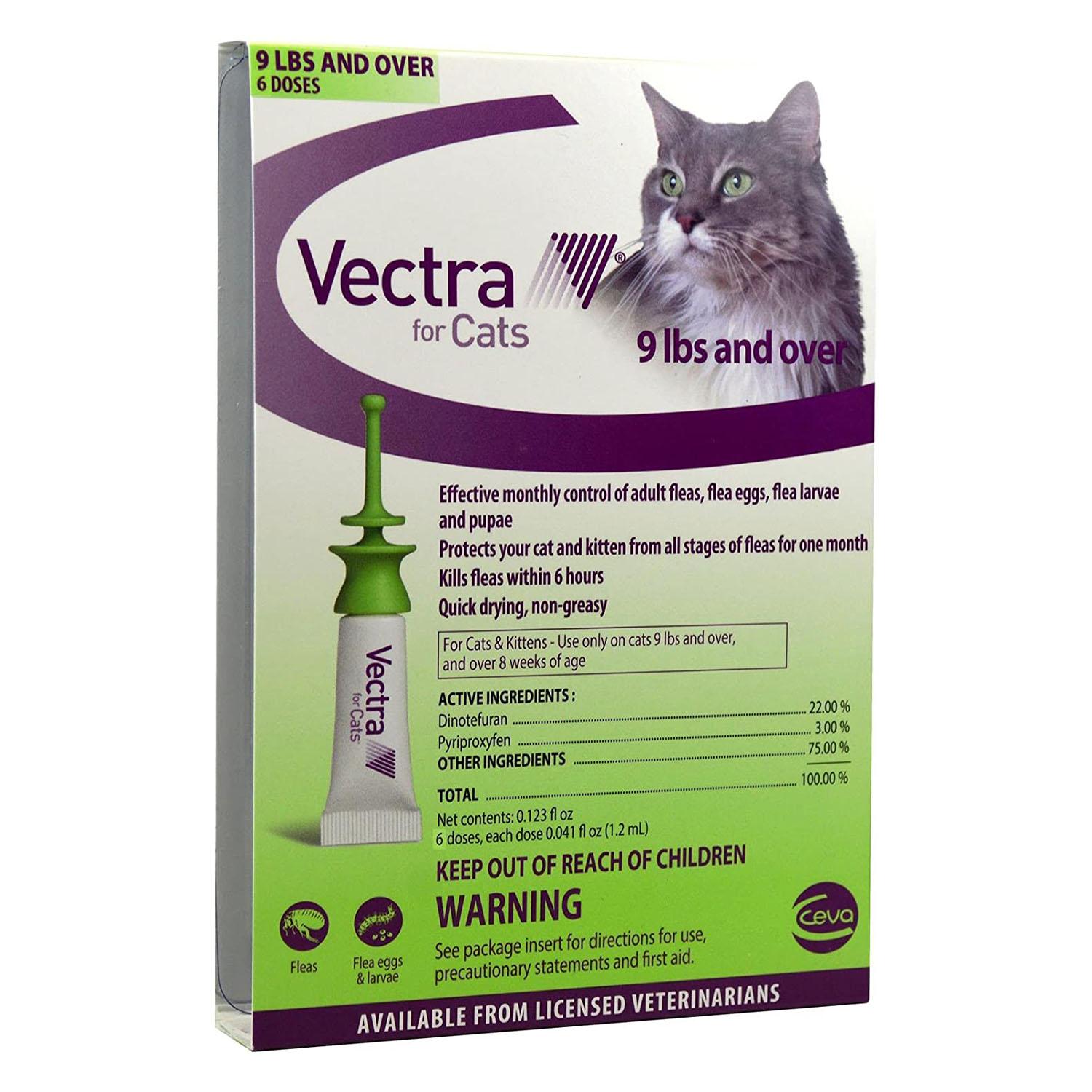
Consistent parasite prevention is the best way to keep these issues at bay. We carry trusted brands like Frontline and NexGard to help protect your pets year-round. Keeping your cat on a monthly preventive schedule ensures that their skin remains healthy and free from the inflammation caused by bites. Our Frontline and NexGard selection includes cat flea and parasite care options. Our pharmacy carries many FDA-approved preventives that can help manage these infestations effectively.
Environmental Adjustments for Indoor Cats
Modern homes can be very tough on a cat's skin. Forced-air heating and air conditioning both remove humidity from the air. If you notice your own skin feeling tight or dry during certain seasons, your cat is likely feeling it too. Adding a humidifier to the rooms where your cat spends the most time can provide significant relief. Aim for a humidity level between 40% and 50% to keep their skin comfortable.
You should also look at the chemicals used in your home. Cats spend a lot of time on the floor and then groom their fur with their tongues. Harsh floor cleaners, scented laundry detergents, or carpet powders can irritate their skin. If your cat has dandruff specifically on their belly or paws, an environmental irritant might be the cause. Switching to pet-safe, unscented cleaning products can reduce the toxic load on their skin. These cat-safe grooming and cleaning options can support a gentler routine.
Finally, consider their water source. Many cats prefer running water over a stagnant bowl. A pet fountain can encourage your cat to drink significantly more water. The more hydrated they are, the better their skin can retain its natural moisture. This simple change to the environment can have a ripple effect on their total health.
Potential Health Conditions Linked to Dandruff
While most dandruff is a minor issue, it can sometimes be a sign of a more serious internal health problem. For example, feline diabetes can lead to poor coat quality and dry skin. Because the body is struggling to manage glucose, it often becomes dehydrated, which shows up as flakes. Similarly, hyperthyroidism can cause a cat's skin to become greasy or excessively flaky as their metabolism runs too fast.
Kidney disease is another condition where dandruff is a common secondary symptom. As the kidneys struggle to filter waste, the cat becomes chronically dehydrated. This leads to a dull, "staring" coat and visible dandruff. If your cat's dandruff is accompanied by increased thirst, frequent urination, or sudden weight loss, a vet visit is mandatory.
Skin infections, such as ringworm, can also cause localized flaking. Ringworm is a fungus, not a worm, and it often creates circular patches of hair loss with crusty or flaky edges. This is a zoonotic condition, meaning it can spread to you and your family. If you see patches of hair loss along with the dandruff, avoid over-handling the area until a professional can take a look.
Vet Tip: Dandruff that appears suddenly alongside changes in appetite, weight, or litter box habits should always be evaluated by a veterinarian to rule out metabolic diseases.
Bathing a Cat with Dandruff: Is it Necessary?
Most cats do not need regular baths. In fact, bathing a cat too often can actually make dandruff worse by stripping away the very oils they need. However, if your cat has a greasy type of dandruff or a fungal infection, a medicated bath might be part of the treatment plan. Always use a shampoo specifically formulated for cats. Human shampoos have a different pH balance and can cause severe irritation.
If your vet recommends a bath, look for soothing ingredients like oatmeal or aloe vera. These help to calm inflamed skin and provide temporary moisture. Make sure to rinse the cat thoroughly. Any soap residue left on the skin will dry into new flakes and cause the cat to itch even more. If your cat finds water highly stressful, consider using waterless foam shampoos or grooming wipes instead. These can remove surface flakes without the trauma of a full bath.
Step 1: Prepare the area. / Set out your cat-safe shampoo, towels, and a non-slip mat in the sink or tub before bringing the cat in.
Step 2: Use lukewarm water. / Extreme temperatures can further irritate dry skin. Ensure the water is comfortable for your bare hand.
Step 3: Lather and rinse. / Gently massage the shampoo into the coat, paying attention to the flaky areas. Rinse twice to ensure no soap remains.
Step 4: Dry thoroughly. / Use a warm towel to blot the fur. Avoid high-heat hair dryers, which can cause further skin dryness.
How to Support Skin Health Long-Term
Maintaining a flake-free coat is an ongoing process. It starts with a foundation of excellent nutrition and consistent grooming. At BaxterBoo, we believe that preventive care is the best way to keep your cat comfortable. By monitoring their coat daily, you can catch changes before they become major problems. A few flakes here and there might just mean it is time for a brushing session, but a sudden explosion of dandruff warrants a closer look.
Keep a close eye on seasonal changes. You may need to increase the humidity in your home or add a bit of wet food to your cat's diet when the temperature drops. Brands like Tiki Cat or Fancy Feast offer high-moisture options that are great for boosting hydration. Even adding a tablespoon of water to their dry kibble can make a difference over time. For cats who need help managing their weight and grooming, read this guide to helping an indoor cat lose weight.
Don't forget the importance of mental health. Stress can manifest physically in cats, often leading to over-grooming or a complete stop in grooming. Both can result in skin issues. Providing a stable environment with plenty of enrichment, like Kong toys or Jackson Galaxy scratching posts, helps keep their stress levels low. A happy cat is more likely to keep themselves clean and healthy.
Transitioning to a New Skin-Support Diet
If you and your vet decide that a diet change is the best path forward, do it slowly. A sudden switch can cause digestive upset, which adds more stress to the cat's body. A gradual transition allows the gut microbiome to adjust to the new nutrient profile.
- Days 1-2: 75% old food, 25% new food.
- Days 3-4: 50% old food, 50% new food.
- Days 5-6: 25% old food, 75% new food.
- Day 7: 100% new food.
Watch for any changes in stool quality or energy levels during this week. It usually takes 4 to 6 weeks to see the results of a diet change in the quality of the coat. Be patient and consistent. The skin is the largest organ of the body, and it takes time for internal nutrition to show on the surface.
Final Thoughts on Managing Cat Dandruff
Dealing with bad cat dandruff requires a mix of environmental control, nutritional support, and physical grooming. While it is often a benign issue related to dry air or a missed grooming spot, it should never be ignored. Consistent care will keep your cat's coat soft and their skin comfortable. Remember that you are your cat's primary advocate for their health.
We are here to support you with a curated selection of over 500 brands to meet every feline need. Whether you need a high-quality brush, a new water fountain, or specialized supplements, we have the expert-picked products to help. Our MVP Rewards program also allows you to earn back on every purchase as you build a better wellness routine for your pet.
Key Takeaway: A multifaceted approach involving hydration, premium nutrition, and regular assisted grooming is the most effective way to eliminate bad cat dandruff and prevent its return.
For persistent issues or prescription needs, our Autoship programme is a reliable resource for recurring care purchases through our partnership with Pet's Choice. Keeping your cat healthy and flake-free is a journey, and we are proud to be part of your team.
FAQ
Why does my cat have white flakes on their back?
White flakes on a cat's back are usually dandruff, which consists of dead skin cells that have shed more rapidly than normal. This is often caused by dry air, a lack of dietary fatty acids, or the cat's inability to groom that specific area due to age or weight. Brushing your cat daily and increasing their water intake can often help clear up these mild cases.
Is cat dandruff contagious to humans or other pets?
Standard dandruff caused by dry skin or poor nutrition is not contagious. However, if the "dandruff" is actually caused by the Cheyletiella mite, also known as walking dandruff, it is highly contagious to other animals and can cause itchy spots on humans. If you see the flakes moving or if multiple pets start itching at once, you should see a veterinarian immediately.
Can I use human dandruff shampoo on my cat?
No, you should never use human dandruff shampoo on a cat. These products contain active ingredients and chemicals that are formulated for human skin pH and can be toxic or highly irritating to felines. Always use a shampoo specifically designed for cats, or consult your vet for a medicated recommendation if the skin issue is severe.
How can I tell if my cat's dandruff is a medical emergency?
Dandruff itself is rarely an emergency, but it can be a symptom of a larger problem. If the flakes are accompanied by patches of total hair loss, red and oozing sores, or if your cat is acting lethargic and refusing to eat, you should seek veterinary care promptly. These signs could indicate a fungal infection like ringworm or an internal metabolic disorder that requires professional diagnosis.



- Site & Contents BaxterBoo.com. BaxterBoo is located in the United States.
- Privacy & Security
- Terms of Use
- Accessibility Statement
