
 Save 15% on your 1st Autoship learn more

 Email us
 Live Chat
 FAQs
FAQs





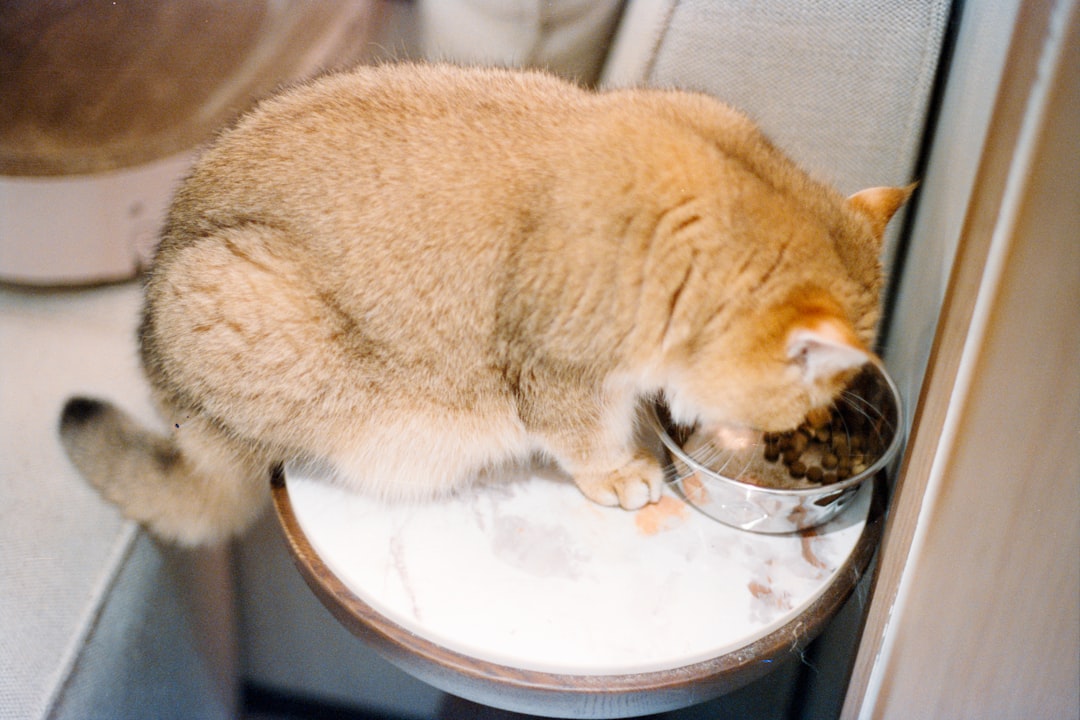
Why Healthy Cat Weight Loss Matters More Than You Think
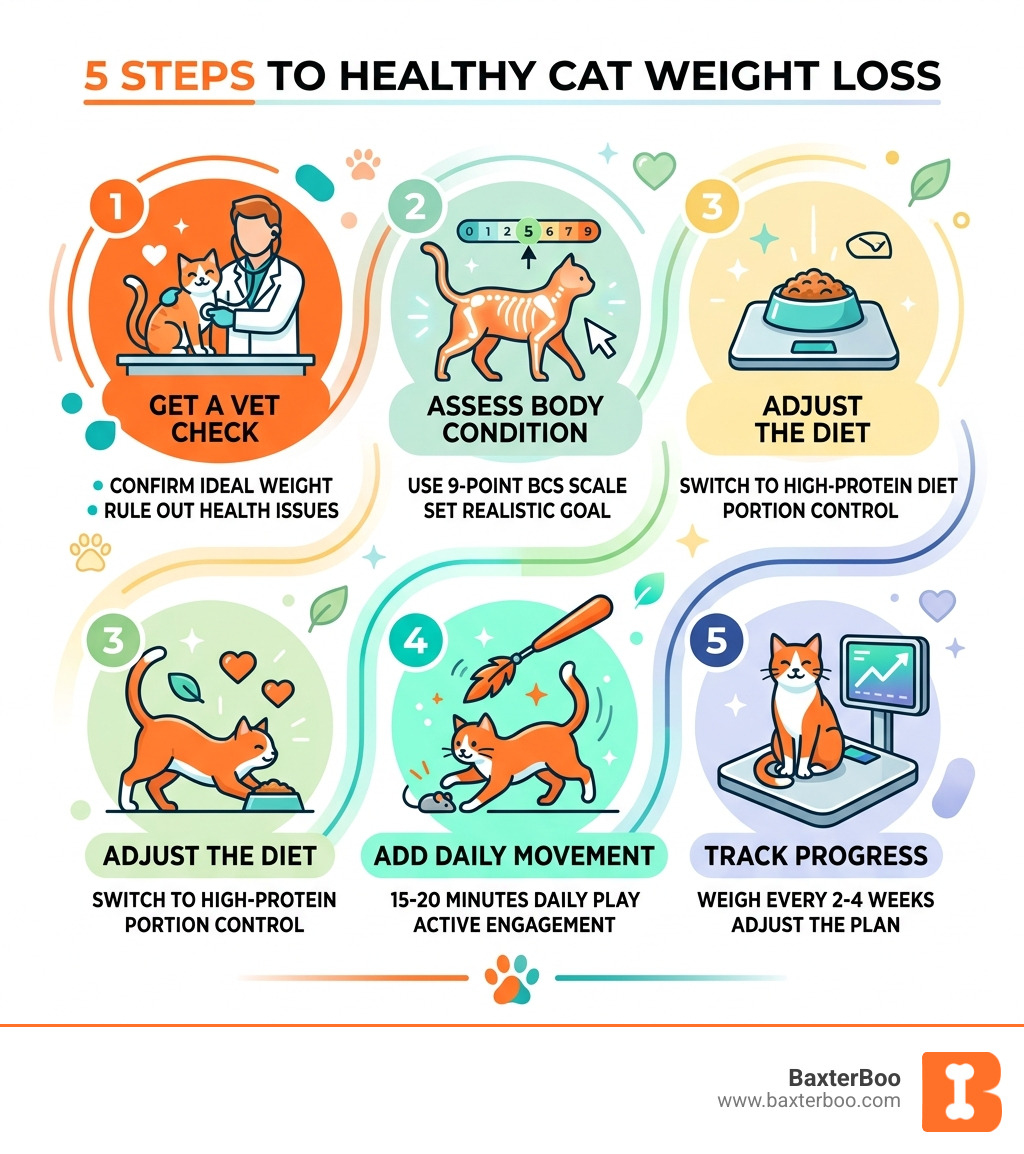
Healthy cat weight loss is one of the most impactful things you can do for your cat's long-term wellbeing. Here's a quick overview of how to do it safely:
5 Steps to Healthy Cat Weight Loss:
- Get a vet check - Confirm your cat's ideal weight and rule out underlying health issues
- Assess body condition - Use the 9-point Body Condition Score (BCS) to set a realistic goal
- Adjust the diet - Switch to a high-protein, portion-controlled weight-loss diet
- Add daily movement - Aim for at least 15-20 minutes of active play per day
- Track progress - Weigh your cat every 2-4 weeks and adjust the plan as needed
Here's a number that should stop you mid-scroll: 61% of cats in the United States are overweight or obese. That's more than half of all pet cats carrying extra weight that quietly shortens their lives.
And the risks are serious. Even just two pounds above your cat's ideal weight can raise the odds of diabetes, arthritis, and liver disease. Obese cats are roughly three times more likely to develop diabetes than lean cats.
The good news? Weight loss works. And it doesn't have to be a battle of wills between you and your cat.
The catch is that it has to be done slowly and carefully. Cats who lose weight too fast — even going just two or three days without eating enough — can develop hepatic lipidosis (fatty liver disease), a potentially life-threatening condition.
This guide walks you through every step: spotting the problem, making a safe plan, adjusting meals, adding exercise, and handling the everyday challenges like begging, multi-cat households, and midnight hunger cries.
Assessing Your Cat’s Current Condition
Before we start counting calories, we need to know exactly where your cat stands. While a scale gives us a number, it doesn't tell the whole story. A 12-pound Maine Coon might be underweight, while a 12-pound Siamese might be dangerously obese.
To get an objective look at your cat's health, veterinarians use a 9-point scale known as the Body Condition Score (BCS). On this scale, a 1 is emaciated, a 9 is grossly obese, and a 5 is the "Goldilocks" zone—just right.
The Hands-On Rib Check
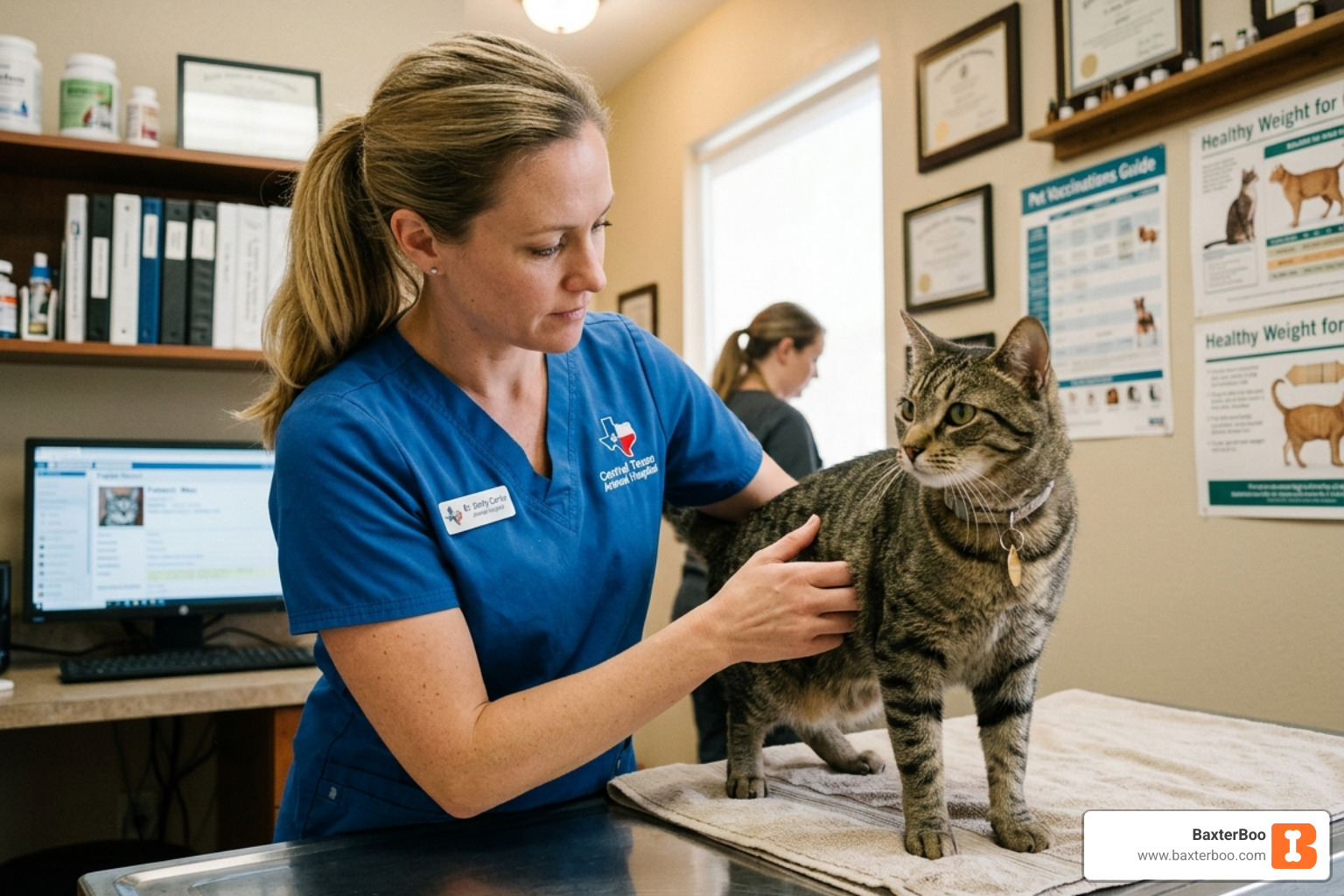
You shouldn't just look at your cat; you need to feel them. In a cat with a healthy BCS of 5, you should be able to feel the ribs easily with a light touch, similar to the back of your hand. If you have to press down to find them, your cat is likely overweight. If you can't feel them at all, they have reached the obese category.
Visualization: Waistline and Tummy
Look at your cat from above. Do they have a visible "waist" behind the ribs? Or do they look like a continuous loaf of bread? From the side, a healthy cat should have an "abdominal tuck"—the belly should slope upward toward the hind legs.
Understanding the Primordial Pouch
Don't let the "swingy belly" fool you! Many owners see a flap of skin hanging near the hind legs and assume their cat is fat. This is actually the primordial pouch, a natural anatomical feature that protects a cat's vital organs during fights and allows them to fully extend while running. A cat can have a prominent pouch and still be at an ideal weight. Focus on the ribs and the waistline instead.
| Category | Definition | Visual Signs |
|---|---|---|
| Overweight | 10-20% over ideal weight | Ribs difficult to feel; waist barely visible from above; slight abdominal rounding. |
| Obese | >20% over ideal weight | Ribs not palpable under thick fat; no waistline; prominent belly fat; fat deposits on limbs/face. |
The Golden Rules of Healthy Cat Weight Loss
When we talk about healthy cat weight loss, the most important rule is: Never starve a cat. Unlike humans or dogs, a cat’s liver is not designed to process large amounts of fat for energy. If a cat stops eating or loses weight too rapidly, the liver becomes overwhelmed with fat stores, leading to hepatic lipidosis. This can cause liver failure in as little as 48 to 72 hours.
To avoid this, we aim for a safe loss rate of 1% to 2% of their total body weight per week. For most cats, this equates to roughly 0.5 to 1.0 pound per month. It’s a marathon, not a sprint; most cats take 6 to 12 months to reach their goal.
Creating a safe healthy cat weight loss plan
The first step is a veterinary consultation. We recommend a full physical exam and blood work to ensure there aren't underlying issues like hypothyroidism or diabetes already present. Your vet will help calculate your cat's specific metabolic needs based on their target weight, not their current weight.
At BaxterBoo, we emphasize Weight Management as a holistic process. Your vet might suggest reducing current intake by 20% or switching to a therapeutic diet designed to keep your cat full while cutting calories.
Managing activity for healthy cat weight loss
Exercise for cats isn't about long walks; it's about mimicking the "hunt-eat-groom-sleep" cycle. Cats are sprinters, not distance runners. Aim for two 10- to 15-minute play sessions each day.
- Interactive Play: Use a feather wand toy to simulate bird movement.
- Laser Pointers: These are great for movement, but always end the session by letting your cat "catch" a physical toy or a small healthy treat to prevent frustration.
- Vertical Space: Encourage climbing by placing food bowls on elevated surfaces or using cat trees.
Mastering the Menu: Diet and Portion Control
The "cup" measurement on the back of the bag is often just a suggestion—and a generous one at that. Research shows that using standard measuring cups can lead to overfeeding by as much as 80%!
To succeed, you need precision. We highly recommend using a small kitchen scale to weigh food in grams. This eliminates the "heaping scoop" error and ensures your cat gets exactly what the plan calls for.
The Power of Wet Food
If your cat primarily eats dry kibble, consider incorporating more wet food. Canned food typically has a higher water content and fewer carbohydrates, which helps cats feel fuller on fewer calories. It’s also easier to control portions with cans than with a giant bag of dry food.
Transitioning to a healthy cat weight loss diet
Never switch foods overnight. A sudden change can lead to GI upset or, worse, a cat refusing to eat entirely. Use a gradual 7-14 day transition:
- Days 1-3: 25% new food, 75% old food.
- Days 4-7: 50% new food, 50% old food.
- Days 8-10: 75% new food, 25% old food.
- Day 11+: 100% new food.
If your cat is a "volume eater" and seems perpetually hungry, you can add a small amount of pure pumpkin (not pie filling!) to their meals. It's high in fiber and moisture, helping them feel satisfied without adding significant calories.
Overcoming Common Weight Loss Hurdles
The biggest challenge isn't the cat's metabolism—it's their behavior. We've all dealt with the 4 AM wake-up calls and the soulful eyes at the dinner table.
Multi-Cat Households
Feeding one cat a diet while the other is a "grazer" is a recipe for disaster. To manage this:
- Separate Rooms: Feed the dieting cat in a closed room and the other elsewhere.
- Microchip Feeders: These only open for a specific cat's chip, preventing the "weight-loss candidate" from stealing the other's food.
- Elevated Feeding: If your other cat is fit and active, place their food on a high counter that the overweight cat cannot reach.
Managing the "Hangry" Cat
If your cat is begging constantly, try breaking their daily calorie allowance into 4-6 smaller meals. This keeps their blood sugar stable and prevents the "starving" feeling. You can also use Feliway® diffusers to reduce stress during the transition.
The "Midnight Snack" Strategy
If your cat wakes you up for food, save a tiny portion of their daily allowance for a "midnight snack" right before you go to bed. This can help them (and you) sleep through the night. Remember: affection is a great substitute for food. When your cat begs, try a 5-minute brushing session or play instead.
Frequently Asked Questions about Feline Obesity
How quickly should my cat lose weight?
Safety first! Your cat should lose no more than 1% to 2% of their body weight per week. For an average cat, that is about 0.5 to 1.0 lb per month. If you notice your cat losing more than 3% of their weight in a week, or if they stop eating for more than two days, contact your vet immediately.
What are the risks of rapid weight loss in cats?
The primary risk is hepatic lipidosis. When a cat loses weight too fast, their body sends fat to the liver to be processed into energy. The feline liver isn't efficient at this, so the fat builds up, causing the liver to turn yellow and fail. This is why we emphasize healthy cat weight loss through gradual changes.
How do I handle a cat that begs for food constantly?
Consistency is key. Use an automatic feeder so the cat associates food with the machine, not you. Also, ensure they have plenty of environmental enrichment. Often, what we perceive as hunger is actually boredom. A great YouTube video of birds and squirrels can provide "Cat TV" to distract them from the kitchen.
Conclusion
Helping your cat reach a healthy weight is one of the kindest things you can do. It reduces pain in their joints, lowers the risk of life-threatening diseases, and—most importantly—gives you more years together.
Remember to track progress with an inexpensive digital scale designed for infants and small pets for the most accurate home weigh-ins.
At BaxterBoo, we are committed to your pet's wellness. Whether you need the right toys to get them moving or high-quality food to fuel their journey, we are here to help. Ready to start? Shop Fussie Cat for healthy weight management and give your feline friend the vibrant, active life they deserve.






