
 Save 15% on your 1st Autoship learn more

 Email us
 Live Chat
 FAQs





Introduction
You are relaxing on the sofa with your cat when you notice a dusting of white flakes across their dark fur. It looks just like human dandruff, and it often appears most clearly along the base of the tail or the lower back. While a few flakes might seem like a minor cosmetic issue, they often signal that your cat needs a little extra help with their skin health or grooming routine. At BaxterBoo, we know that a healthy coat starts from the inside out. This post covers the common causes of feline flakes and the practical steps you can take to restore your cat's glossy shine. We will look at nutrition, grooming tools, and when it is time to consult a professional. Understanding why these flakes appear is the first step toward a comfortable, itch-free pet.
Quick Answer: Cat dandruff is a buildup of dead skin cells that have not been properly shed or groomed away. It can be caused by dry air, poor diet, obesity, or underlying health issues like parasites. Most cases improve with better hydration, regular brushing, and high quality nutrition.
What Is Cat Dandruff?
Cat dandruff consists of visible white or grey flakes of dead skin that accumulate in the fur. All cats naturally shed skin cells as new ones grow underneath. This is a normal biological process. Usually, a cat grooms these cells away before you ever see them. When those cells clump together and become visible, it means the natural cycle is out of balance.
The appearance of dandruff can vary. On some cats, it looks like a light dusting of flour. On others, the flakes may be larger and waxy. It is most noticeable on cats with black or dark grey coats because of the high contrast. Even if you cannot see it easily on a light colored cat, you might feel a slight grittiness when you pet them.
It is important to distinguish between occasional flakes and a chronic condition. A few flakes during a dry winter might not be a major concern. However, if the skin looks red or if your cat is constantly scratching, the dandruff is likely a symptom of a larger issue.
Cat Skin & Coat Care








Understanding the Difference Between Dandruff and Dander
Many people use the terms dandruff and dander interchangeably, but they are not the same thing. Understanding the difference helps you better manage your home environment and your pet's health.
What is Dander?
Dander is microscopic. It consists of tiny skin cells that all healthy cats shed constantly. You cannot see dander with the naked eye. It is perfectly normal and does not indicate a skin problem. Dander is also the primary carrier of the Fel d 1 protein. This protein is found in cat saliva and is the main cause of allergies in humans.
What is Dandruff?
Dandruff is visible. It is the result of many dead skin cells clumping together. While dander is a sign of a healthy shedding process, dandruff often suggests that the skin is too dry, too oily, or that the cat is not grooming effectively.
Key Takeaway: Every cat has dander, but not every cat has dandruff. Dander is invisible and normal, while dandruff is visible and often indicates an underlying health or environmental issue.
Common Causes of Flaky Skin in Cats
Before you can fix the problem, you have to know why it is happening. Feline skin is a sensitive organ that reacts to both internal health and external environments.
Environmental Factors
Low humidity is one of the most common causes of dry skin. During the winter, indoor heating systems strip moisture from the air. This dries out your cat's skin just as it does yours. If your cat spends a lot of time near heat vents, their skin may become particularly flaky in those areas.
Poor Grooming Habits
Cats are famous for their cleanliness. If a cat stops grooming, dead skin and loose hair build up quickly. This is common in senior cats who suffer from arthritis. If it hurts to reach their lower back, they will simply stop cleaning that area. Obesity also plays a role. If a cat is too heavy to reach certain spots, those areas will inevitably develop dandruff and mats.
Nutritional Deficiencies
The skin and coat require a lot of protein and specific fats to stay healthy. If a cat is eating a low quality diet, their skin is often the first thing to suffer. They need Omega-3 and Omega-6 fatty acids to maintain a moisture barrier. Without these, the skin becomes brittle and flakes off easily.
Parasites and Infections
External parasites like fleas can cause intense irritation. Some cats have a condition called "walking dandruff," which is actually caused by Cheyletiella mites. These tiny mites look like moving flakes of skin. Fungal infections like ringworm can also cause scaling and hair loss.
The Role of Hydration and Diet
What your cat eats directly impacts the quality of their skin oils. If the skin lacks these natural oils, it cannot hold onto moisture.
Adding Moisture to the Menu
Many cats live in a state of mild dehydration. This is especially true for cats that only eat dry kibble. Cats have a low thirst drive because their ancestors obtained most of their water from prey. If your cat is flaky, consider incorporating wet food. Brands like Tiki Cat or Fancy Feast provide high moisture content that helps hydrate the skin from the inside. You can explore our cat food collection to compare wet and dry options.
Essential Fatty Acids
Omega fatty acids are the building blocks of healthy skin. If your cat's food does not provide enough of these, you might see a dull coat and plenty of flakes. You can find supplements like those from Zesty Paws or Honest Paws that are designed to support skin and coat health. These are often flavored like salmon or chicken, making them easy to add to a meal.
Transitioning to Premium Food
Higher quality foods like Farmina, Orijen, or Acana often use better fat sources and more digestible proteins. If you decide to switch foods, do it slowly over seven to ten days. Start by mixing a small amount of the new food with the old. Gradually increase the ratio until the transition is complete. This helps prevent stomach upset.
Vet Tip: If you notice your cat is drinking significantly more water than usual or has a sudden change in appetite along with dandruff, schedule a veterinary exam. These can be signs of systemic issues like diabetes or hyperthyroidism that require professional diagnosis.
Grooming Techniques to Reduce Flakes
Regular grooming is your best defense against dandruff. It does more than just remove the flakes you can see. It stimulates the skin and helps spread natural oils.
Choosing the Right Brush
The goal is to reach the skin without causing irritation. For most cats, a soft rubber brush like the Kong ZoomGroom is excellent. It massages the skin and grabs loose hair without scratching. For cats with thick undercoats, a slicker brush can help remove the trapped debris that contributes to flaking. Our cat grooming collection includes brushes, combs, shampoos, and other grooming supplies.
The Brushing Routine
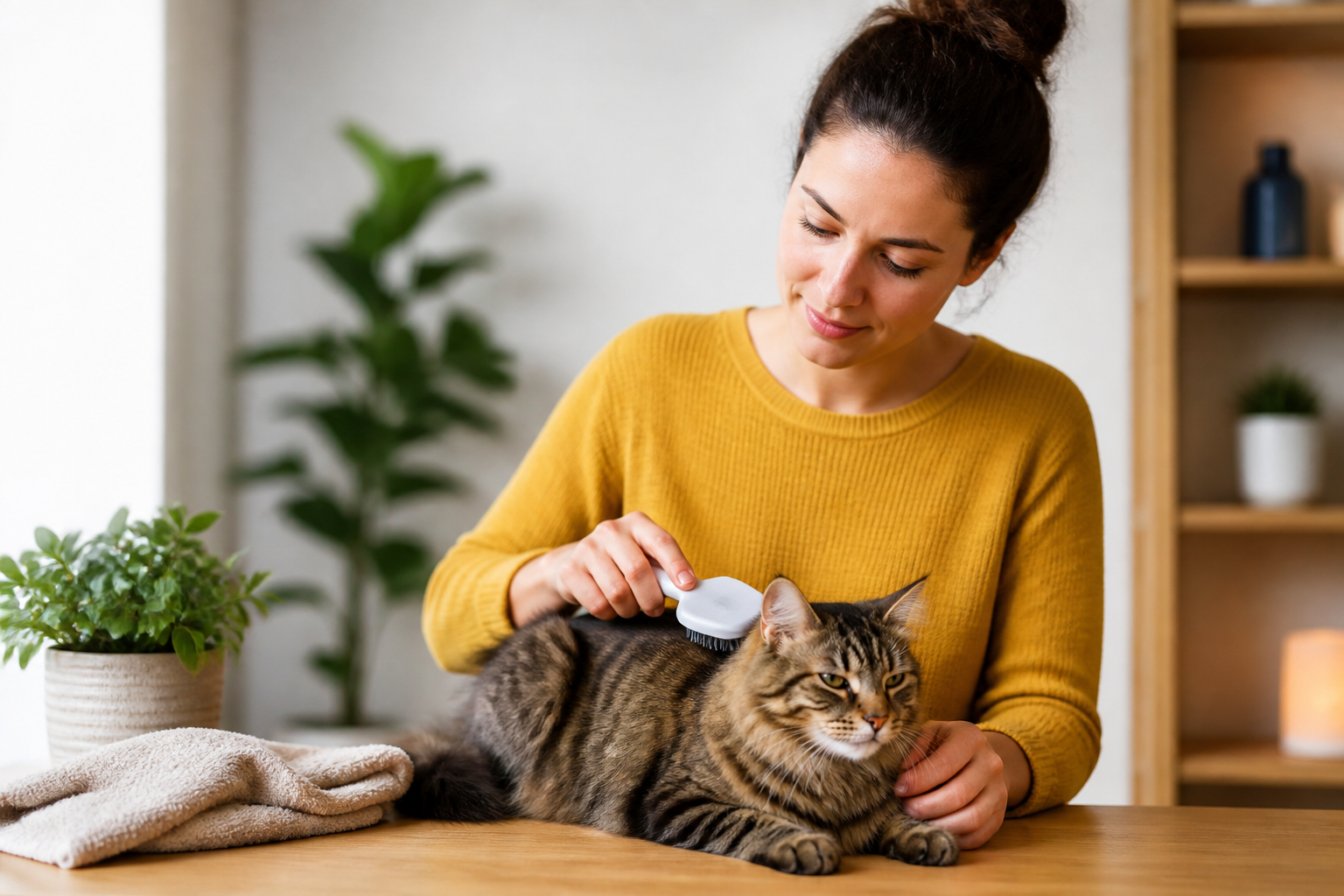
Establish a daily routine. Even five minutes of gentle brushing can make a difference. Start at the head and work your way down the back. Pay special attention to the base of the tail, as this is a common "hot spot" for dandruff. If your cat is senior or arthritic, be very gentle around their joints.
A versatile option is the U-Groom Combo Brush for Dogs and Cats, which combines stainless-steel pins with boar bristles for everyday coat care.
Should You Bathe Your Cat?
Most cats do not need regular baths. In fact, bathing a cat too often can strip their natural oils and make dandruff worse. However, if the dandruff is caused by a fungal infection or a very greasy coat, a medicated bath might be necessary. Always use a shampoo specifically formulated for cats. Human shampoos have a different pH balance and can cause severe dryness.
Environmental and Lifestyle Adjustments
Sometimes the solution is as simple as changing the air in your home. Small lifestyle tweaks can lead to big improvements in coat quality.
Using a Humidifier
If your skin feels dry in the winter, your cat's skin does too. Placing a humidifier in the room where your cat sleeps can help. Adding moisture to the air prevents the skin from losing its natural hydration. This is a simple, non-invasive way to manage seasonal flaking.
Weight Management
If your cat is struggling to groom because of their size, weight loss is the long-term solution. Carrying extra weight puts stress on joints and prevents physical flexibility. We carry several weight management formulas, such as Farmina Vet Life, that can help your cat reach a healthy size. Once they can reach their back and tail again, the dandruff often disappears on its own.
Stress Reduction
Stress can manifest as skin problems in cats. If there have been changes in the home, your cat may over-groom or stop grooming altogether. Ensure they have quiet places to hide and consistent routines. Calming supplements or pheromone diffusers can also help lower stress levels.
When to Use the Pharmacy and See a Vet
While home care helps many cats, some dandruff requires medical intervention. If the skin is broken, bleeding, or has a strong odor, it is time for a professional opinion.
Our pet pharmacy provides access to medications for cats when recommended by a veterinarian. If your veterinarian determines that the dandruff is caused by a skin infection or a parasite like Cheyletiella mites, you may need prescription treatments.
Prescription Diets
For cats with severe food allergies that lead to skin issues, a prescription diet may be the only solution. These foods use hydrolyzed proteins that the immune system does not recognize as a threat. Our pharmacy carries prescription options like Royal Canin Vet Diet and Farmina Vet Life for these specific needs.
Parasite Prevention
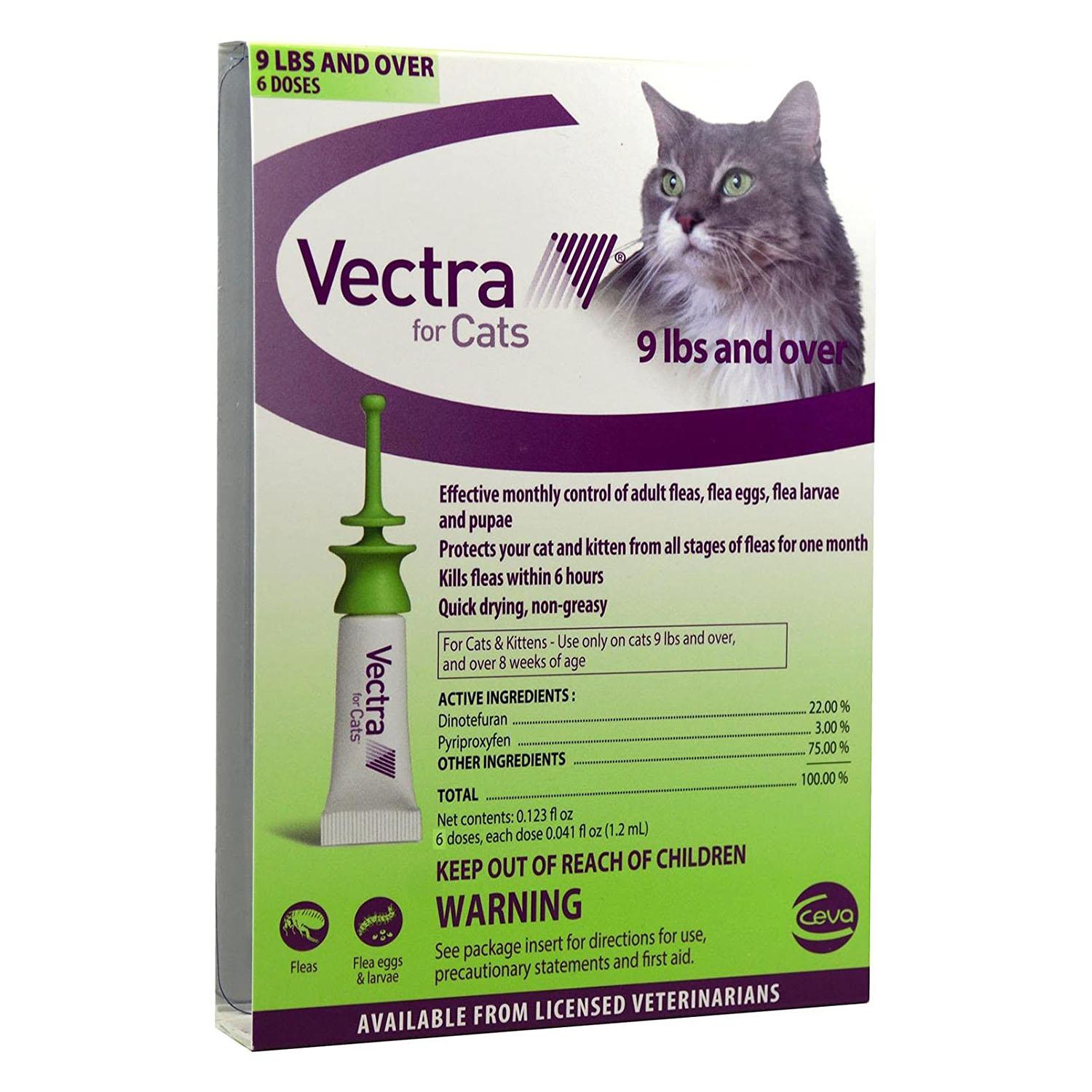
Even indoor cats can get fleas. Fleas are a major cause of skin inflammation and flaking. Products like Frontline or NexGard offer protection against these pests. Keeping your cat on a consistent preventative schedule ensures that parasites do not become the root cause of their skin troubles.
Key Takeaway: Always consult your veterinarian if dandruff is accompanied by hair loss, redness, or behavioral changes. They can rule out serious conditions and provide prescriptions through a pharmacy for targeted treatment.
Choosing the Right Products at BaxterBoo
We pride ourselves on offering a curated selection of products that we would use for our own pets. Managing dandruff often requires a multi-step approach. You might start with a new brush, add a hydration supplement, and ensure your flea prevention is up to date.
Our MVP Rewards program allows you to earn points on every purchase of food or grooming supplies. This is a great way to save on the items your cat needs every month. If you find a food or supplement that works well, our Autoship programme ensures you never run out. You will save on your first order and gain MVP Gold membership for even more benefits.
We have been operating since 2006, and we have seen nearly every type of skin concern. Whether your cat needs a gentle brush or a specialized diet, we are here to help you find the right solution.
Summary of Next Steps
If you are ready to tackle those white flakes, follow these simple steps to get started:
Step 1: Increase hydration. / Add wet food to your cat's daily meals or provide a water fountain to encourage more drinking.
Step 2: Start a brushing routine. / Use a soft brush for five minutes every day to distribute oils and remove dead cells.
Step 3: Evaluate the environment. / Add a humidifier to your home during dry months to keep the skin from drying out.
Step 4: Check for parasites. / Ensure your cat is on a regular flea and tick preventative to avoid irritation-related flaking.
Bottom line: Most cat dandruff is manageable with a combination of high-quality nutrition, daily grooming, and environmental moisture.
Conclusion
Cat dandruff is a common issue, but it is not something your pet has to live with forever. By focusing on better nutrition and regular grooming, you can help your cat feel more comfortable and look their best. Remember that the skin is a reflection of what is happening inside the body. Start with small changes like adding wet food or a new brushing routine. If the problem persists or your cat seems uncomfortable, your veterinarian is your best resource for a diagnosis. Our pharmacy and wide selection of supplies at BaxterBoo are always available to support you in keeping your feline friend flake-free.
Vet Tip: Never use human dandruff shampoos on cats. Many contain ingredients like zinc or salicylic acid that can be toxic if your cat licks their fur after a bath. Stick to products specifically labeled for feline use.
FAQ
Is cat dandruff contagious to humans?
Standard dandruff caused by dry skin or poor grooming is not contagious. However, if the dandruff is actually "walking dandruff" caused by Cheyletiella mites or if the cat has ringworm, these can be passed to humans. If you notice itchy spots on yourself after handling your cat, see a doctor and take your cat to the vet.
Can I use olive oil or coconut oil on my cat's dandruff?
While these oils are not toxic, they are often messy and can lead to more skin problems. If you put oil on your cat's fur, they will likely lick it off, which can cause an upset stomach. It is much more effective to provide healthy fats through their diet or a veterinary-approved skin supplement.
Why does my cat only have dandruff on their lower back?
The lower back and base of the tail are the hardest areas for a cat to reach, especially if they are older or overweight. If a cat cannot reach these spots to groom them, dead skin cells and loose hair will build up there first. Regular brushing in these specific areas can solve most of these cases.
Does dandruff mean my cat is dirty?
Dandruff does not mean your cat is dirty or that your home is unkempt. It simply means the skin is shedding faster than the cat can groom it away or that the skin is too dry to remain intact. Many very clean cats still get dandruff due to dry winter air or nutritional needs.






- Site & Contents BaxterBoo.com. BaxterBoo is located in the United States.
- Privacy & Security
- Terms of Use
- Accessibility Statement
