
 Save 15% on your 1st Autoship learn more

 Email us
 Live Chat
 FAQs





Introduction
You are sitting on the sofa with your cat, enjoying a quiet moment of petting, when you notice something unusual. Instead of a sleek, glossy coat, your fingers find a grit of white flakes scattered across their fur. It is a common sight for many owners, but seeing a sudden increase in these flakes can be worrying. While a few specks are normal, a cat that has bad dandruff often needs a little extra help to get their skin back in balance.
At BaxterBoo, we know that your cat's coat is a direct reflection of their internal health. This article explores why these flakes appear, from simple environmental changes to underlying medical conditions. We will cover the best grooming practices, nutritional support, and when it is time to consult a professional. Our goal is to help you understand exactly what your cat's skin is trying to tell you.
Understanding Feline Dandruff
It is helpful to start by identifying what you are actually seeing on your cat's fur. Many people use the terms dander and dandruff interchangeably, but they are quite different. Dander consists of microscopic skin cells that every healthy cat sheds naturally. You usually cannot see dander with the naked eye. It is the material that carries the proteins responsible for human allergies.
Dandruff is much more obvious. It consists of larger, visible flakes of dead skin that have clumped together. These flakes can be white, gray, or yellowish. They often show up most clearly on cats with dark fur. If you see a significant amount of these flakes, it means the skin cells are turning over faster than they should or the cat is unable to remove them through normal grooming.
Quick Answer: Cat dandruff is a visible buildup of dead skin cells that appears as white or gray flakes in the fur. While a small amount can be normal, excessive flaking often points to issues with grooming, diet, or underlying health conditions like allergies or parasites.
Cat Skin & Coat Care








Common Reasons for Flaky Skin
When a cat has bad dandruff, the cause is often environmental or related to their daily habits. One of the most frequent culprits is low humidity. During the winter months, indoor heating strips moisture from the air. This dries out your cat's skin just as it does yours. Without enough moisture, the top layer of skin becomes brittle and begins to flake off in large amounts.
Another common factor is a lack of proper grooming. Healthy cats spend a large portion of their day cleaning themselves. This process removes loose hair and dead skin cells while spreading natural oils across the coat. If a cat stops grooming effectively, those skin cells build up and become visible dandruff. This is especially common in the hard to reach areas along the lower back and the base of the tail.
Mobility Issues and Grooming
If your cat is older or carries extra weight, they may physically struggle to reach certain parts of their body. Obesity is a leading cause of localized dandruff. A cat who cannot twist around to reach their back will often develop a thick layer of flakes and matted fur in that area.
Similarly, senior cats with osteoarthritis may find the act of grooming painful. If it hurts to bend or lick their back, they will simply stop doing it. In these cases, the dandruff is not a skin disease. It is a secondary symptom of a mobility problem. We often see improvement when owners assist with daily brushing to take the load off their senior pets.
Nutritional Deficiencies
The skin is the largest organ of the body. It requires a significant amount of protein and specific fats to remain healthy. If a cat is eating a low quality diet that lacks essential fatty acids, their skin will be the first place to show it. Omega-3 and Omega-6 fatty acids are crucial for maintaining the skin barrier.
When these nutrients are missing, the skin loses its ability to hold onto moisture. This leads to a dry, dull coat and persistent flaking. We carry brands like Royal Canin and Farmina that prioritize skin health through balanced nutrition. Switching to a high quality food or adding a supplement can often clear up mild cases of dry skin.
Key Takeaway: Dandruff is frequently a symptom of an external or lifestyle issue rather than a primary skin disease. Addressing humidity, improving diet, and helping with grooming are the first steps toward relief.
When Dandruff Is a Medical Concern
Sometimes, flakes are a sign of something more serious than dry air. Several medical conditions can cause a cat to develop bad dandruff. If the flaking is accompanied by redness, intense itching, or hair loss, it is time to look deeper.
Parasites and Walking Dandruff
Certain parasites can mimic the look of standard dandruff. One specific mite, called Cheyletiella, is actually nicknamed "walking dandruff." These mites are large enough to be seen with the naked eye. As they move under the scales of the skin, it looks like the flakes themselves are crawling.
Other parasites like fleas and lice can also cause skin irritation that leads to flaking. Flea allergy dermatitis is an especially common cause. Even a single flea bite can cause an allergic cat to scratch so much that they damage their skin, resulting in scabs and dandruff.
For additional guidance about parasite prevention, read how flea collars work.
Skin Infections and Allergies
Bacterial and fungal infections are another common cause. Ringworm, which is actually a fungus, often presents as circular patches of hair loss with crusty, flaky skin. This is a contagious condition that can spread to humans and other pets.
Allergies are also a major player in feline skin health. Cats can be allergic to ingredients in their food or environmental triggers like pollen and dust. These allergies often manifest as itchy, inflamed skin. The constant scratching and over-grooming that follows will lead to a significant amount of dandruff.
Vet Tip: If you notice your cat is losing hair, has red sores, or seems intensely itchy along with the dandruff, schedule a visit with your veterinarian. They can perform a skin scraping or fungal culture to identify the exact cause and provide the right medication.
The Role of the Pharmacy in Skin Health
Many of the issues that cause bad dandruff require professional medical treatment. Through our partnership with Pet's Choice, the BaxterBoo pharmacy provides access to FDA-approved medications that can address these underlying problems. If your vet determines that parasites are the cause, they may prescribe specific flea and tick preventives or medicated treatments to eliminate mites.
For cats with chronic skin conditions or severe allergies, a prescription diet might be necessary. Brands like Farmina Vet Life offer specialized formulas designed to support the skin barrier and reduce inflammation. Having a pharmacy on hand means you can get these essential health products delivered directly to your door alongside your cat's favorite toys and treats.
Step-by-Step Guide to Managing Dandruff at Home
If your vet has ruled out serious illness, you can manage most cases of dandruff with a few simple changes to your routine.
Step 1: Increase humidity in your home.
If you live in a dry climate or use central heating, place a humidifier in the room where your cat spends the most time. This adds moisture back into the air and prevents the skin from drying out.
Step 2: Start a daily brushing routine.
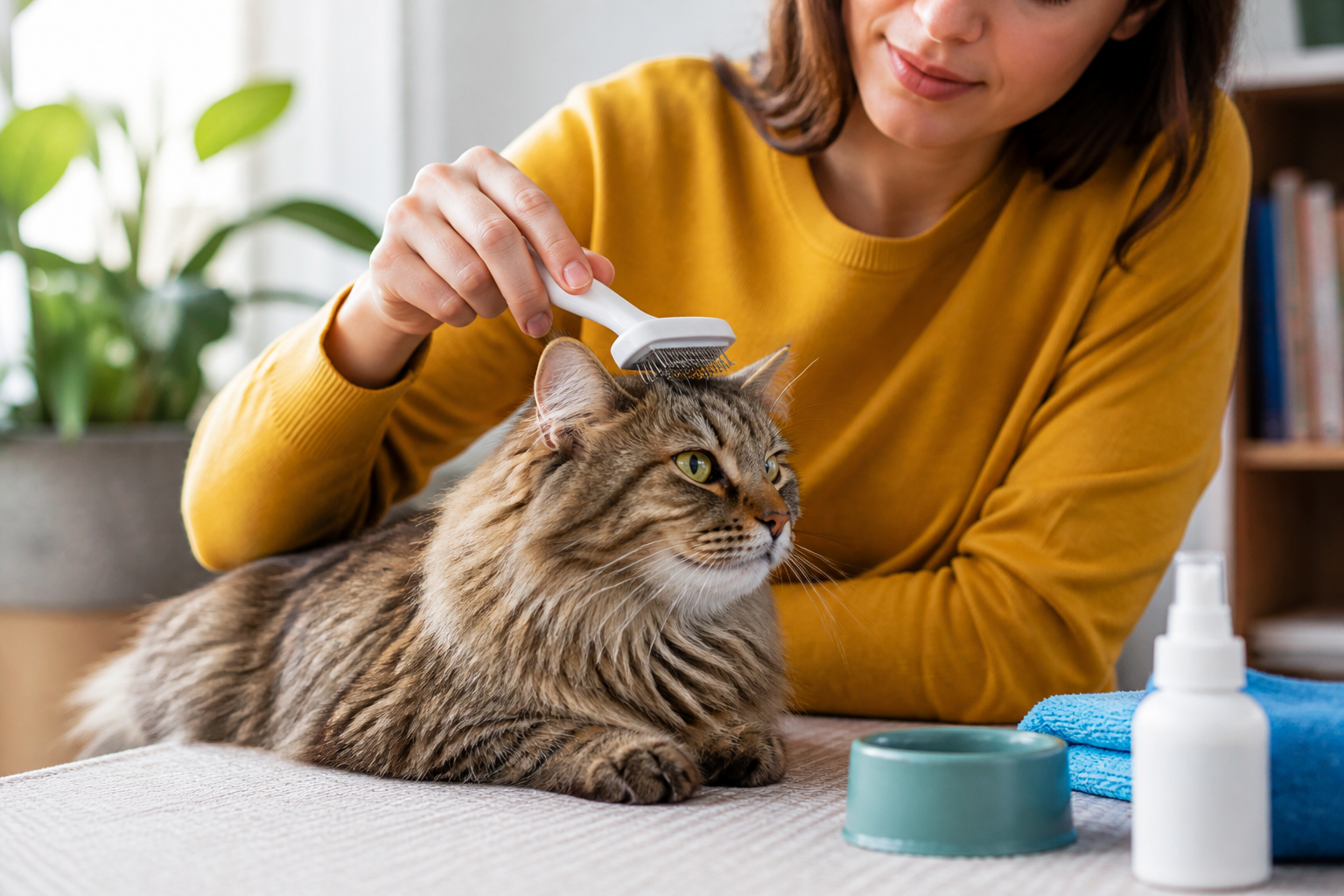
Use a soft brush or a grooming tool like the Kong ZoomGroom to gently remove loose hair and flakes. This mimics the cat's natural grooming and helps distribute oils.
Step 3: Evaluate their diet.
Look for foods rich in animal-based proteins and healthy fats. Consider adding a fish oil supplement if your current food is low in Omega fatty acids.
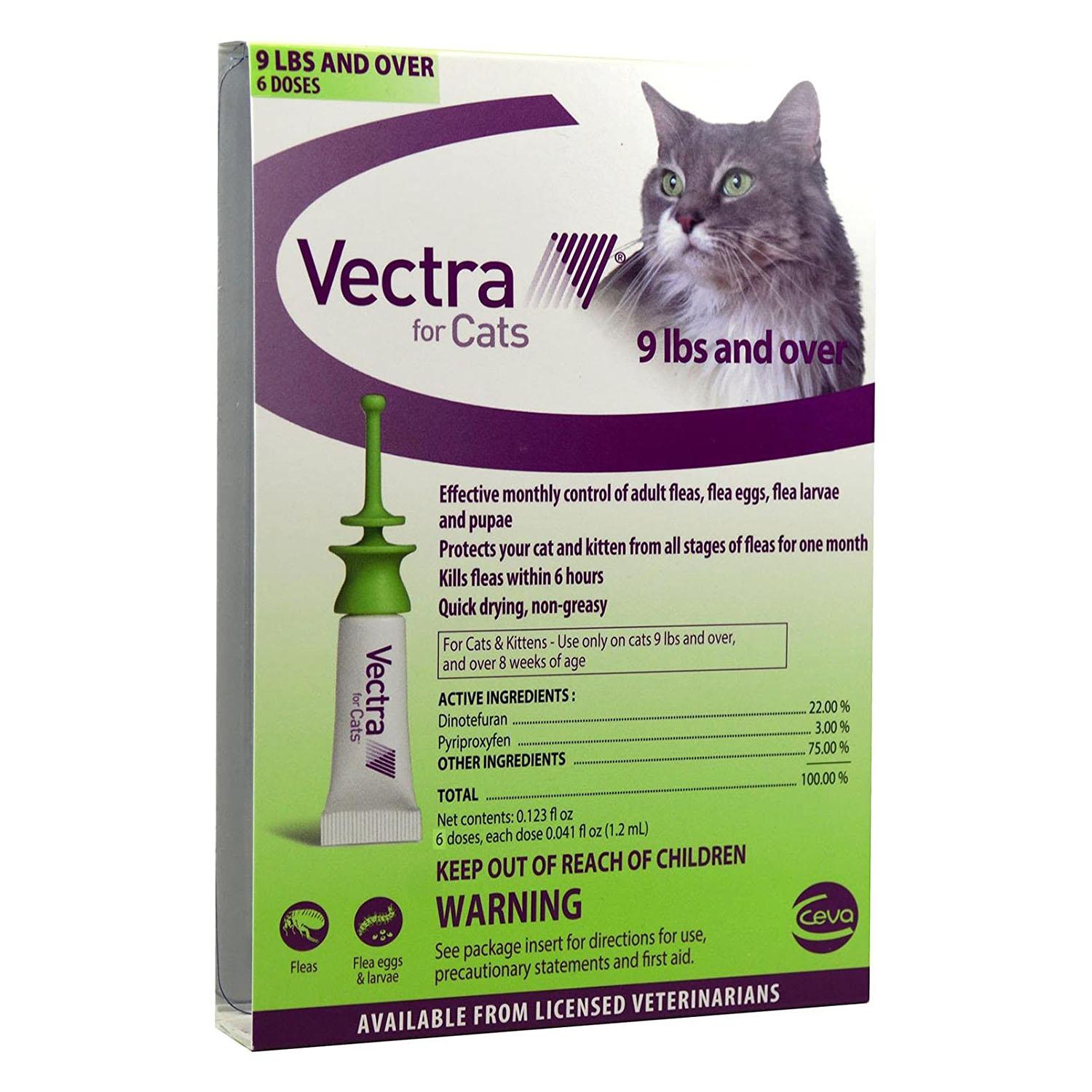
Step 4: Maintain flea prevention.
Even indoor cats can get fleas. Use a trusted preventive like Frontline or NexGard to ensure parasites are not the cause of the irritation. You can also explore our cat flea and tick collection.
Step 5: Provide plenty of fresh water.
Hydration starts from the inside out. Ensure your cat has multiple water sources or consider a pet fountain to encourage them to drink more.
Choosing the Right Grooming Tools
The type of brush you use makes a big difference when dealing with dandruff. For short-haired cats, a rubber grooming mitt is often the best choice. It is gentle on the skin but effective at grabbing loose fur and dead skin cells. For long-haired cats, a slicker brush or a long-toothed comb is necessary to get through the thick undercoat.
For daily care, consider our cat grooming supplies or a versatile U-Groom Combo Brush for Dogs and Cats.
Be careful not to over-groom or use tools that are too abrasive. If you scrub the skin too hard, you can cause more irritation and worsening flakes. The goal is to be gentle. If your cat has matted fur along with dandruff, do not try to cut the mats out with scissors. A professional groomer or a vet should handle severe matting to avoid injuring the thin skin of the cat.
The Impact of Stress on Skin
It might seem surprising, but stress can actually cause a cat to develop dandruff. When a cat is stressed, their body releases hormones that can affect the skin's oil production. Stressed cats also tend to change their grooming habits. Some may stop grooming entirely, while others may over-groom one specific spot until it is raw.
If you have recently moved, added a new pet, or changed your daily schedule, your cat might be feeling the pressure. Providing a calm environment with plenty of hiding spots and vertical space can help. Using calming diffusers or toys can also reduce anxiety and, by extension, help clear up stress-related skin issues.
Long-Term Prevention Strategies
Keeping dandruff away requires a consistent approach to wellness. We recommend a few long-term strategies to keep your cat's coat in peak condition.
- Regular Weight Checks: Keep your cat at a healthy weight so they can reach all their grooming spots.
- Monthly Parasite Control: Never skip a month of flea and tick prevention.
- High-Quality Nutrition: Stick to premium brands that use real meat and natural fats.
- Routine Vet Visits: Senior cats should see a vet twice a year to check for arthritis or systemic issues like hyperthyroidism.
Using our Autoship programme is a great way to stay consistent. You can have your favorite skin-supportive food and grooming supplies delivered on a schedule that works for you. This ensures you never run out of the essentials needed to keep your cat's skin healthy.
Senior Cat Skin Care
As cats age, their skin naturally becomes thinner and less elastic. Their self-grooming also becomes less efficient. If you have a senior cat, you will likely need to take over more of their grooming duties. Pay close attention to the base of their tail and their hips.
If your senior cat has bad dandruff despite your help, it could be a sign of an internal issue. Conditions like kidney disease or hyperthyroidism can change the texture of the coat and the health of the skin. Regular blood work at the vet is the best way to monitor these conditions. For owners of older pets, having FIGO pet insurance can provide peace of mind when these health challenges arise.
Bottom line: While dandruff is often a simple fix, it serves as an important visual cue for your cat's overall health and comfort.
Conclusion
Finding flakes in your cat's fur can be a bit of a surprise, but it is usually a problem you can solve with a few practical steps. Whether it is adjusting the humidity in your home, upgrading their diet to a premium brand like Stella and Chewy's, or helping an older cat with their daily brushing, most feline dandruff responds well to consistent care. Always remember to watch for signs of discomfort or itching, as these indicate a need for professional veterinary advice.
By staying proactive with grooming and nutrition, you can keep your cat's coat soft, shiny, and flake-free. If you are ready to start a new skin care routine for your pet, our cat grooming collection is the perfect place to begin.
- Check for parasites and stay current on preventives.
- Help your cat groom hard to reach areas.
- Ensure their diet includes essential fatty acids.
- Consult a vet if the dandruff is persistent or severe.
Our pharmacy is here to help with any prescription needs your veterinarian recommends to get your cat's skin back to its best.
FAQ
Can I use human dandruff shampoo on my cat?
No, you should never use human dandruff shampoo on a cat. These products contain chemicals and medications that can be toxic to cats if licked off the fur. Additionally, the pH balance of human skin is different from cat skin, so these shampoos can cause severe irritation or even chemical burns.
Is cat dandruff contagious to humans?
Standard dandruff caused by dry skin or poor grooming is not contagious. However, if the "dandruff" is actually caused by the Cheyletiella mite (walking dandruff) or a fungal infection like ringworm, those can be passed to humans. If you or other family members develop itchy spots or rashes, see a doctor and take your cat to the vet immediately.
How often should I brush my cat to get rid of dandruff?
For a cat with active dandruff, daily brushing is usually recommended. This helps to manually remove the buildup of flakes and stimulates the skin to produce natural oils. Once the dandruff is under control, you can usually drop back to once or twice a week for short-haired cats, while long-haired cats should be brushed daily for life.
Does wet food help with cat dandruff?
Yes, wet food can often help because it significantly increases your cat's water intake. Dehydration is a common cause of dry skin. Many high-quality canned foods also contain higher levels of healthy fats and proteins than some dry kibbles, which directly supports the skin barrier and reduces flaking.






- Site & Contents BaxterBoo.com. BaxterBoo is located in the United States.
- Privacy & Security
- Terms of Use
- Accessibility Statement
