Save 15% on your 1st Autoship learn more

 Email us
 Live Chat
 FAQs
FAQs





Introduction
You are enjoying a quiet moment on the couch when your cat jumps up for some attention. As you stroke their back, you notice small white flakes scattered across their dark fur. You might wonder if you missed a mess or if your cat walked through some dust. If those flakes persist and seem to be coming from the skin itself, you are likely dealing with feline dandruff. At BaxterBoo, we understand that changes in your cat's coat can be worrying for any pet parent. While a few flakes might seem like a minor cosmetic issue, they often signal something deeper about your cat's health or environment. This post will help you identify the causes of these flakes and provide practical steps to restore your cat's glossy coat. Understanding why your cat is getting dandruff is the first step toward a happier and more comfortable pet.
Quick Answer: Cat dandruff is the visible buildup of dead skin cells on your cat's fur. It can be caused by environmental factors like low humidity, physical issues like obesity or arthritis, or medical concerns like parasites and allergies.
The Difference Between Dandruff and Dander
Many pet owners use the terms dandruff and dander interchangeably, but they are not the same thing. Understanding the distinction helps you describe the issue more accurately to your veterinarian. Every healthy cat produces dander. It consists of microscopic skin cells that shed naturally as the skin renews itself. You cannot see dander with the naked eye. It is the protein found in this dander that usually triggers allergies in humans.
Dandruff is a different matter. These are larger, visible flakes of skin that have clumped together. When you see white or gray specks on your cat’s back or around the base of their tail, you are looking at dandruff. It often indicates that the skin is shedding cells too quickly or that the natural oils on the skin are out of balance. While dander is a normal biological process, dandruff is a sign that something is interrupting the skin's healthy cycle.
Environmental Causes of Flaky Skin
The air inside your home plays a significant role in the health of your cat's skin. During the winter months, indoor heating systems can strip moisture from the air. This lack of humidity causes the skin to dry out and flake. This is one of the most common reasons for a cat getting dandruff. You might notice the flakes appearing more frequently when the furnace is running constantly.
Cats that spend a lot of time near heat vents or radiators are especially prone to this. The direct heat can lead to localized dryness. If the dandruff only appears during certain seasons, the environment is likely the primary culprit. Using a humidifier in the rooms where your cat spends the most time can help put moisture back into their skin and coat.
Grooming Challenges and Mobility
Cats are famous for their meticulous grooming habits. They spend a large portion of their waking hours cleaning themselves. Their sandpaper-like tongues are designed to remove loose fur and dead skin cells. If a cat stops grooming effectively, those skin cells begin to build up and become visible as dandruff. For more coat-care ideas, explore our cat grooming supplies.
Obesity and Accessibility
If your cat is carrying extra weight, they may struggle to reach certain parts of their body. The lower back and the base of the tail are common areas where overweight cats cannot groom. When a cat cannot reach these spots, the natural oils become trapped and the skin becomes flaky and dull.
Senior Cats and Arthritis
Older cats often experience joint stiffness or arthritis. This makes the twisting and stretching required for grooming painful. If your senior cat is getting dandruff, it might be a sign that they need help maintaining their coat. You may notice that the dandruff is accompanied by a slightly greasy feel or matted fur in hard-to-reach areas.
Key Takeaway: Dandruff is often a secondary symptom of a physical limitation. If your cat cannot groom themselves due to weight or age, they rely on you to step in with regular brushing.
Nutrition and Skin Health
The quality of your cat's diet directly impacts the quality of their skin. Skin is the largest organ of the body. It requires a significant amount of protein and specific fats to remain healthy. If a diet is lacking in essential nutrients, the skin is often the first place where you will see a problem.
Omega-3 and Omega-6 fatty acids are crucial for maintaining the skin's moisture barrier. These healthy fats help keep the skin supple and the coat shiny. Many budget-friendly cat foods may be lower in these specific nutrients. We offer a variety of premium foods and supplements designed to support skin health from the inside out. Dehydration can also lead to dry skin. Cats often have a low thirst drive, so ensuring they get enough moisture through wet food or a water fountain is essential. Browse our cat food selection when reviewing your cat’s everyday nutrition.
Parasites and "Walking Dandruff"
Sometimes, what looks like dandruff is actually something much more active. External parasites can cause significant skin irritation and flaking. Fleas are a common cause of skin issues. Even if you do not see a flea, your cat may have a sensitivity to flea saliva that causes the skin to become red and flaky. You can compare options in our cat flea and tick collection.
Cheyletiella Mites
There is a specific type of mite known as Cheyletiella. This condition is often called "walking dandruff" because the mites are large enough to be seen moving under the skin flakes. This is a highly contagious parasite that can spread between cats, dogs, and even humans. It typically causes heavy scaling along the back.
The Role of Flea Prevention
Consistent flea and tick prevention is the best defense against parasite-related dandruff. Many modern preventives also protect against certain types of mites. Our pharmacy carries FDA-approved flea and tick preventives through our partnership with Pet's Choice. For additional parasite-prevention guidance, read our guide to flea and tick prevention products.
Vet Tip: If you notice the flakes on your cat appear to be moving, or if your cat is itching intensely, consult your vet immediately. Walking dandruff and flea infestations require specific medical treatments to clear.
Underlying Health Conditions
In some cases, dandruff is a signal that an internal organ system is struggling. When a cat is unwell, their body may prioritize vital organs over skin health. Several systemic conditions can lead to a dull, flaky coat.
- Diabetes Mellitus: This can affect the skin's ability to heal and maintain moisture.
- Hyperthyroidism: An overactive thyroid can cause the coat to become greasy, matted, or very dry and flaky.
- Kidney Disease: Dehydration associated with kidney issues often leads to poor skin elasticity and dandruff.
- Skin Infections: Bacterial or fungal infections like ringworm can cause patches of flaky skin and hair loss.
Because dandruff can be a sign of these serious issues, a veterinary checkup is important for any persistent case. A vet can run blood work to rule out these internal conditions. If your veterinarian recommends medication, you can review our cat pharmacy.
Managing Dandruff Through Grooming
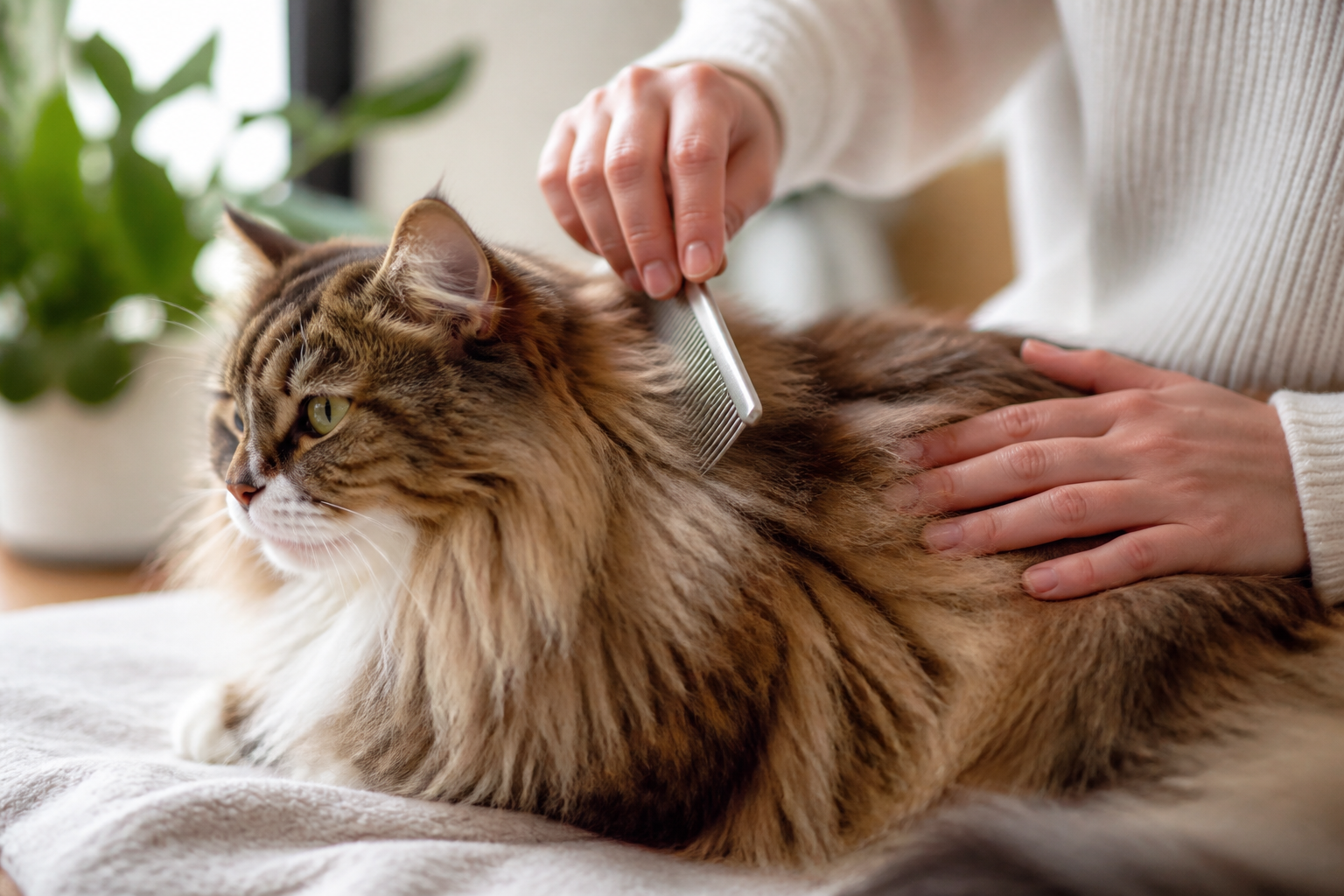
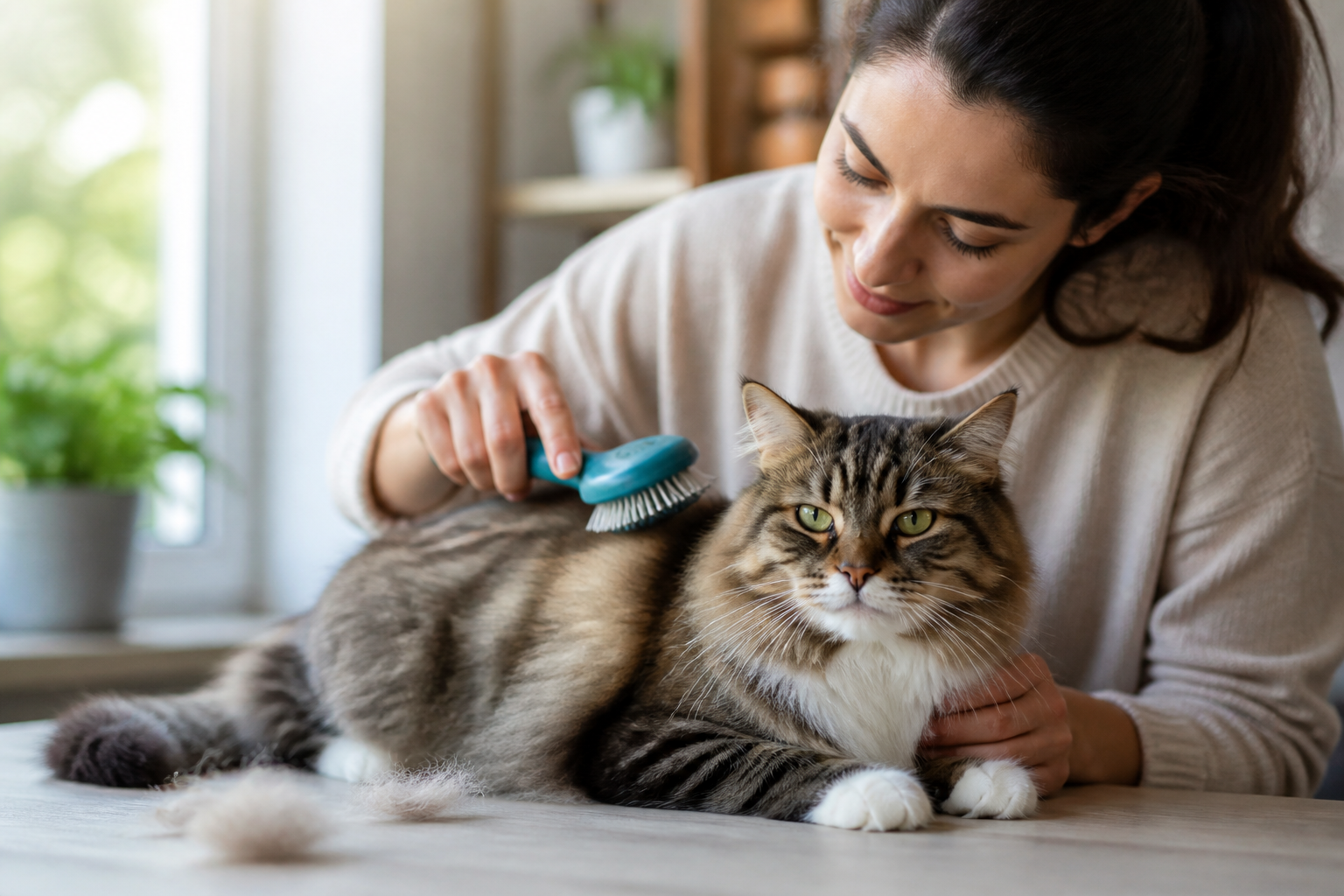
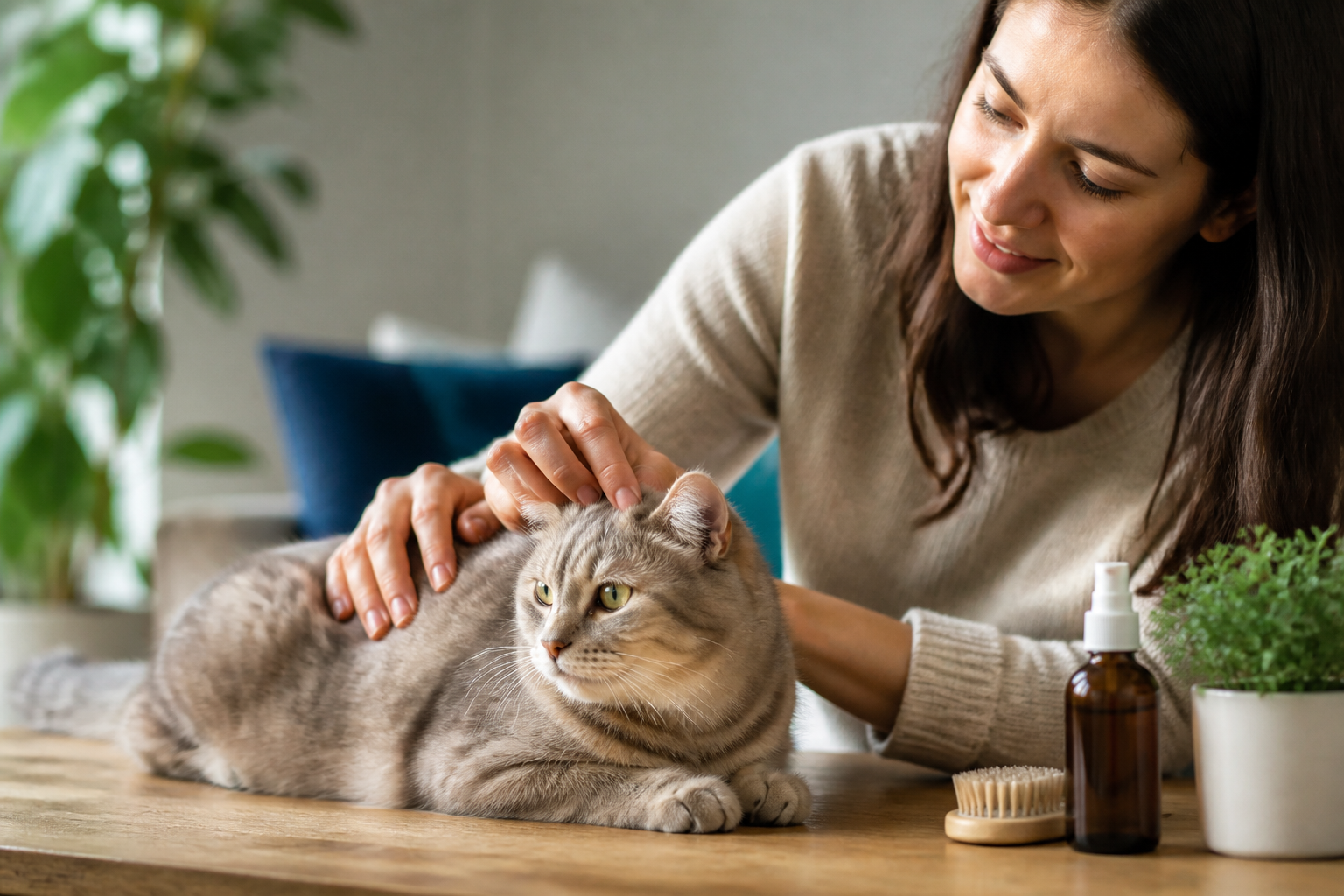
If your vet has ruled out serious medical issues, you can manage most dandruff with a consistent grooming routine. Brushing does more than just remove flakes. It stimulates blood flow to the skin and helps distribute natural oils across the entire coat. Gentle grooming can also support the coat-care habits discussed in our article about cat whisker care.
Choosing the Right Tools
The type of brush you need depends on your cat's hair length. For short-haired cats, a soft bristle brush or a rubber grooming mitt is often enough. For long-haired cats, you may need a slicker brush or a comb to get through the undercoat. We carry many styles of grooming tools that are gentle on sensitive skin.
Steps for a Successful Grooming Session
Step 1: Choose a calm time. Wait until your cat is relaxed or sleepy before starting.
Step 2: Start slowly. Begin with areas your cat likes being touched, such as the chin or cheeks.
Step 3: Focus on the problem areas. Gently brush the areas where dandruff is most visible, usually the lower back.
Step 4: Keep it short. Aim for five minutes of brushing and reward your cat with a treat afterward.
Support from the BaxterBoo Pharmacy
When lifestyle changes like brushing and humidifiers are not enough, your vet may prescribe medical interventions. This is especially true if the dandruff is caused by an allergy or a skin infection. Through our partnership with Pet's Choice, the pharmacy at BaxterBoo provides access to prescription diets and medications.
If your vet determines that your cat has a food allergy, they may recommend a prescription hydrolyzed protein diet. These specialized foods are formulated to prevent the immune system from reacting, which helps clear up skin issues. We also offer medicated shampoos and topical treatments that can soothe inflamed skin. Having these products delivered through our Autoship programme ensures you never run out of the supplies your cat needs to stay comfortable.
Signs You Should See a Veterinarian
While many cases of dandruff are mild, some require professional help. You should monitor your cat for other symptoms that suggest the dandruff is more than just dry skin. Contact your veterinarian if you notice any of the following:
- Excessive Itching: If your cat is scratching, biting, or licking their skin raw.
- Hair Loss: Thinning fur or bald patches often indicate a medical problem.
- Redness or Sores: Any signs of skin inflammation or open wounds need a vet's attention.
- Behavioral Changes: Lethargy, changes in appetite, or hiding can indicate internal illness.
- Foul Odor: A strange smell from the skin can signal a yeast or bacterial infection.
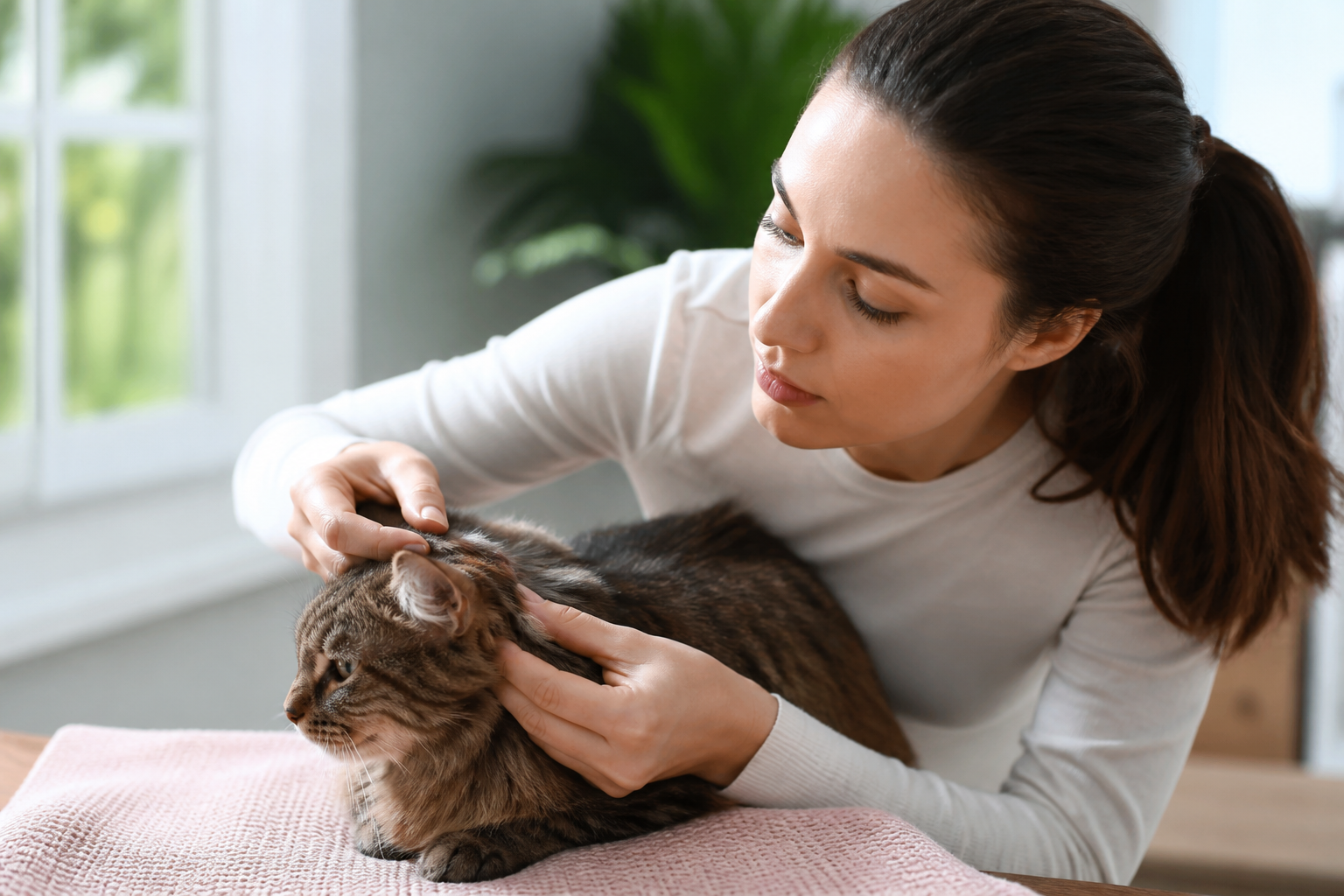
A veterinarian can perform a skin scraping or a fungal culture to identify the exact cause of the irritation. This ensures your cat gets the right treatment rather than just treating the symptoms.
Hydration and Diet Tips
Improving your cat's hydration is one of the simplest ways to help their skin. Many cats live in a state of mild dehydration because they do not drink enough water from a bowl. You can increase their water intake by adding a little warm water to their kibble or switching to a primarily wet food diet.
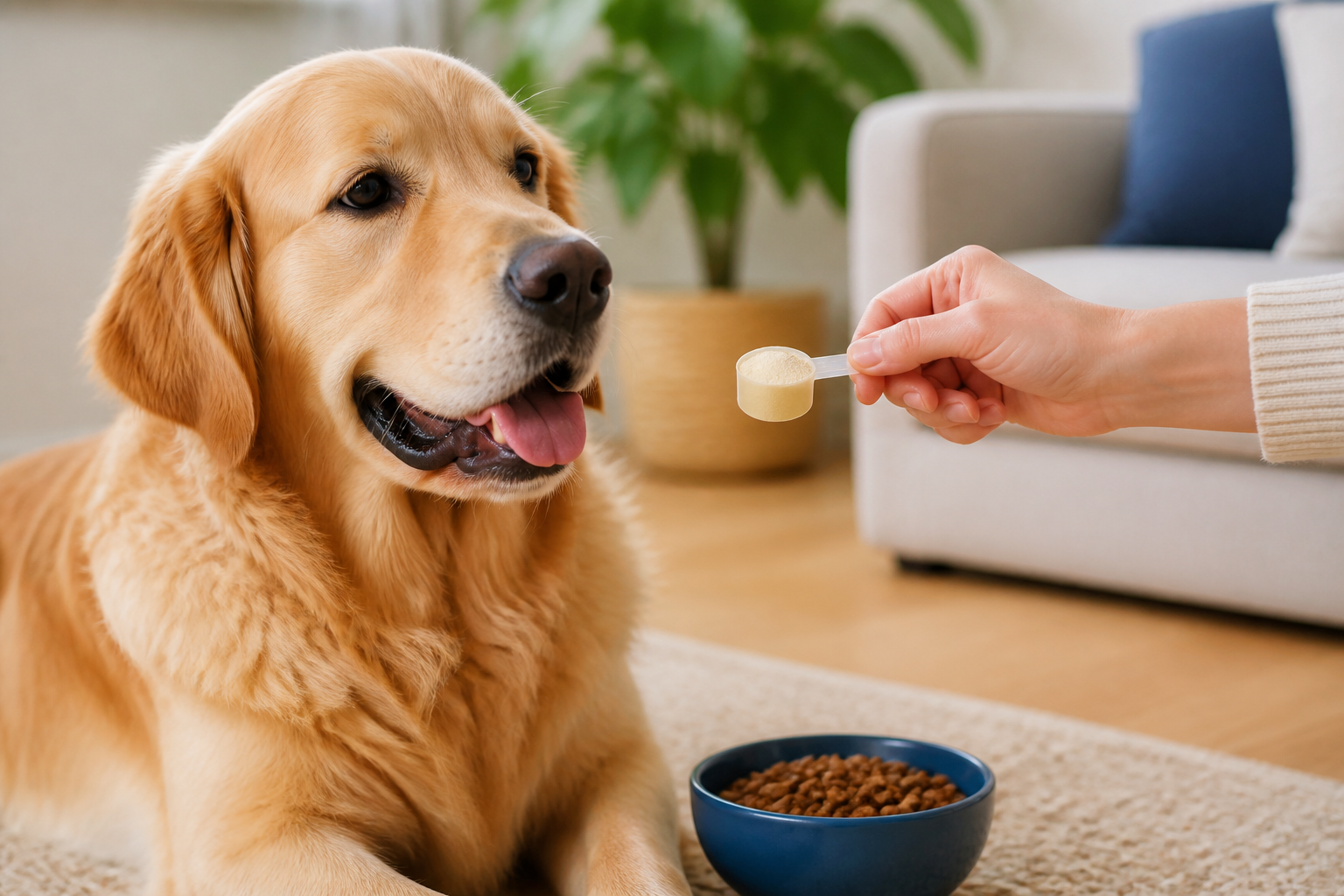
Check the ingredient label on your cat's food. Look for high-quality animal proteins as the first ingredient. Foods that include added fish oil or flaxseed are excellent for cats prone to dry skin. If you are looking for a supplement, salmon oil is a popular choice that most cats find very tasty. Just a small pump over their food can make a noticeable difference in their coat's shine within a few weeks.
Key Takeaway: Healthy skin starts with what your cat eats. High-quality protein and essential fatty acids are the building blocks of a flake-free coat.
Summary of At-Home Care
Managing cat dandruff is often about consistency. Small changes in your daily routine can lead to significant improvements in your cat's comfort.
- Brush daily: This is the most effective way to remove flakes and spread oils.
- Add moisture: Use a humidifier during winter and increase water intake.
- Check for pests: Maintain year-round flea and tick prevention.
- Watch the weight: Help your cat stay at a healthy weight so they can groom themselves.
- Quality food: Invest in nutrition that supports skin and coat health.
Bottom line: Most cat dandruff can be managed with better grooming and nutrition, but persistent flakes should be evaluated by a veterinarian.
Conclusion
Finding dandruff on your cat can be frustrating, but it is usually a manageable condition. By paying attention to their environment, activity level, and diet, you can help them maintain a healthy, glossy coat. Whether the cause is a dry house in the winter or a need for better nutrition, there are clear steps you can take to help. We are here to support you with the products and expert advice you need for every stage of your cat's life. Our pharmacy and wide selection of grooming gear make it easy to provide the best care possible. For ongoing needs like skin-supportive food or flea prevention, consider signing up for our Autoship programme to save time and ensure your cat never misses a treatment.
FAQ
Is it normal for my cat to have a little bit of dandruff?
A very small amount of flaking can be normal, especially as cats age or during seasonal changes. However, if the dandruff is clearly visible, covers a large area, or is accompanied by itching, it usually indicates an underlying issue. It is always best to monitor the skin for redness or irritation that might suggest a more serious problem.
Can I use human dandruff shampoo on my cat?
No, you should never use human dandruff shampoo on your cat. These products are formulated for the pH levels of human skin and often contain ingredients like zinc or salicylic acid that are toxic to cats if ingested during grooming. Always use a shampoo specifically formulated for felines or follow the recommendations of your veterinarian.
How long does it take for cat dandruff to go away?
The timeline for improvement depends on the cause of the dandruff. If the issue is environmental dryness, you might see a change within a week of using a humidifier. For nutritional or allergy-related issues, it can take four to six weeks for the skin to fully renew and for the flakes to disappear.
Does brushing really help with cat dandruff?
Yes, regular brushing is one of the most effective home remedies for dandruff. It manually removes the dead skin cells before they can clump together and become visible. Furthermore, the action of brushing stimulates the sebaceous glands in the skin to produce the natural oils that keep the coat healthy and hydrated.