
 Save 15% on your 1st Autoship learn more

 Email us
 Live Chat
 FAQs
FAQs





Introduction
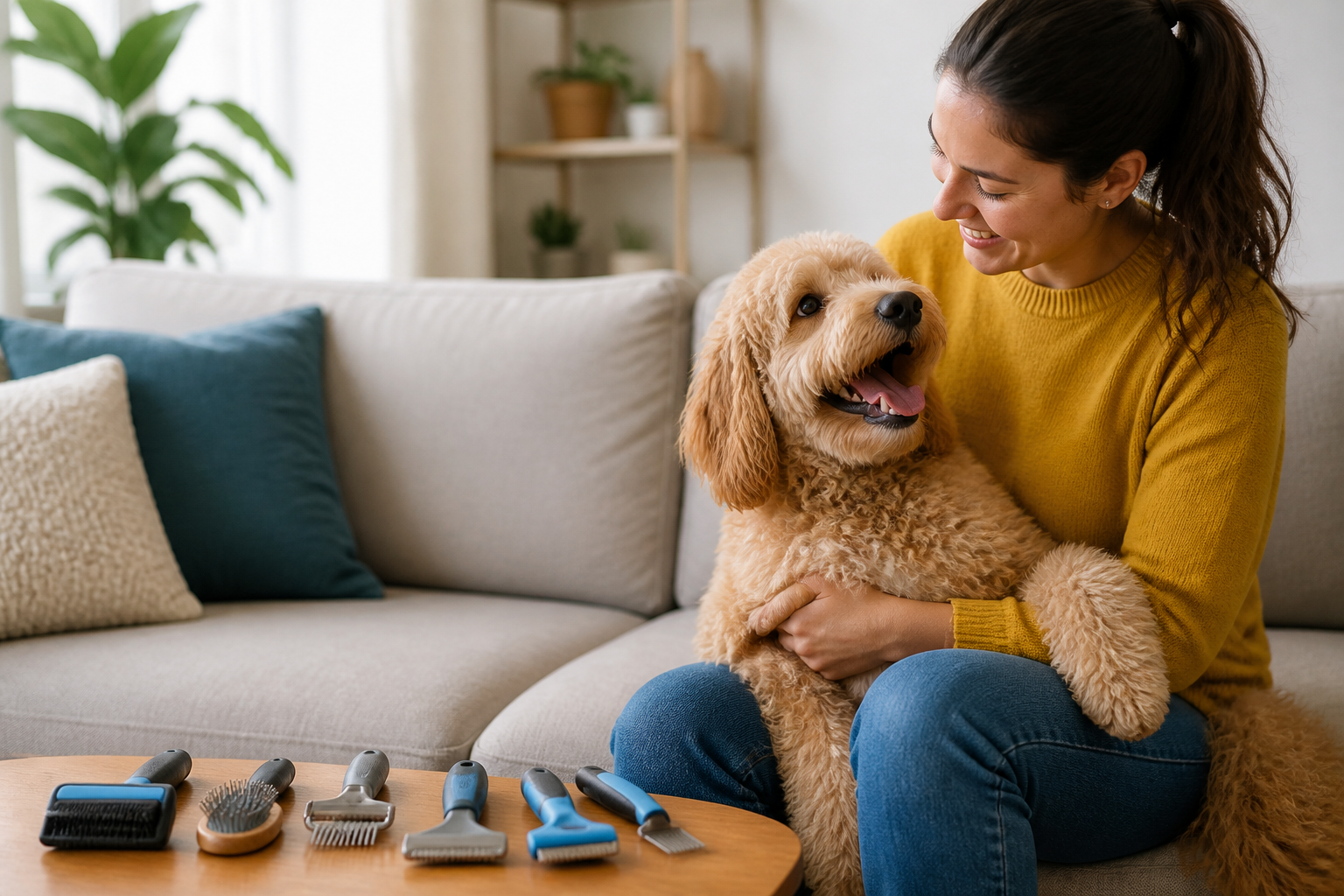
You are standing in the grooming aisle or scrolling through an online shop, and you are staring at a wall of metal, plastic, and bristles. Your dog is currently at home leaving a trail of fur across your favorite rug, and you just want to know which tool will actually work. Choosing the right brush can feel like a guessing game, but it is one of the most important decisions you make for your pet's comfort. At BaxterBoo, we have spent years helping pet owners navigate the world of grooming to find the perfect match for every coat type. This guide will walk you through the different styles of brushes, which coats they serve best, and how to use them effectively. Finding the right tool ensures that grooming sessions become a bonding moment rather than a struggle.
Quick Answer: The best brush depends entirely on your dog's coat. Short-haired dogs usually need a bristle brush or rubber curry comb, while long-haired or curly dogs require a slicker brush or a pin brush to manage tangles. Double-coated breeds need an undercoat rake to remove loose fur before it sheds.
Why Your Dog's Coat Type Dictates the Tool
Before you pick up a brush, you have to understand what you are trying to achieve. Every dog breed has a unique hair structure. Some have a single layer of fur that grows to a certain length and stops. Others have a dense undercoat that sheds seasonally, known as "blowing the coat."
If you use a brush designed for a short-haired Boxer on a thick-coated Alaskan Malamute, you will barely scratch the surface. The brush will not reach the skin where the dead hair and dander sit. Conversely, using a heavy-duty undercoat rake on a thin-skinned Greyhound could cause significant discomfort or even skin abrasions.
Common Coat Categories
- Short and Smooth: Think Beagles, Pugs, and Labradors. These coats lie flat and are generally easy to maintain but shed frequently.
- Double Coats: This includes Huskies, German Shepherds, and Golden Retrievers. These dogs have a soft, insulating undercoat and a tougher outer layer.
- Long and Silky: Breeds like Yorkies and Afghan Hounds have hair that continues to grow and tangles easily.
- Curly or Wooly: Poodles and various "Doodle" mixes fall here. Their hair traps shed fur, leading to quick matting if not brushed daily.
- Wire-Haired: Terriers often have this rough, bristly texture that requires specific tools to remove dead hair without damaging the skin.
Vet Tip: While brushing, take a moment to look closely at your dog's skin. If you notice unusual redness, flaky patches, or "flea dirt" (small black specks), it is time to consult your veterinarian. Our pharmacy partnership with Pet's Choice carries FDA-approved flea and tick preventives like NexGard and Frontline to help manage these issues.
The Slicker Brush: The Universal Workhorse
The slicker brush is perhaps the most common tool you will see in a professional groomer's kit. It features a flat or slightly curved head with rows of thin, angled wire pins. These pins are designed to grab onto loose hair and gently pull through small tangles.
Slicker brushes are ideal for dogs with medium to long hair and those with curly coats. If you have a Goldendoodle or a Poodle mix, this is your primary tool. It reaches through the curls to pull out the trapped shed hair that causes mats. You can compare styles in our dog brushes and combs collection.
How to Use a Slicker Brush
- Work in sections. Start at the bottom of the leg and work your way up.
- Use a light touch. The wire pins can be sharp. Do not press the brush into the skin.
- Brush with the grain. Move the brush in the direction the hair grows.
- Clear the pins frequently. A full brush is less effective at grabbing new hair.
Key Takeaway: A slicker brush is the best defense against matting for curly and long-haired dogs. Use it at least three times a week to keep the coat manageable.
Bristle Brushes for Smooth Coats and Shine
A bristle brush looks very similar to the brushes humans use. They consist of clusters of natural or synthetic bristles packed tightly together. These brushes do not reach deep into thick coats. Instead, they work on the surface of short-haired dogs to remove loose fur, dust, and dirt.
One of the biggest benefits of a bristle brush is how it distributes natural skin oils. As you brush, you are essentially "polishing" the coat. This leads to a healthy, vibrant shine that makes the fur feel soft to the touch.
Choosing the Right Bristles
- Soft Bristles: Best for puppies, senior dogs with thin skin, or dogs with very short, fine hair.
- Firm Bristles: Better for dogs with thicker, shorter coats like Labradors.
- Longer Spaced Bristles: Good for dogs with slightly longer hair to help separate the strands.
Bottom line: If your dog has a short coat like a Boxer or a Boston Terrier, a firm bristle brush is your best daily tool for reducing shedding and increasing shine.
The Undercoat Rake: Essential for Double Coats
If you own a dog that seems to "explode" with fur twice a year, you need an undercoat rake. These tools do not look like traditional brushes. They usually have one or two rows of long, sturdy metal pins attached to a handle.
The pins are designed to bypass the topcoat and dive deep into the dense undercoat. This is where the "dead" fur lives. By removing this layer, you allow the skin to breathe and significantly reduce the amount of fur that ends up on your furniture.
Managing the Shedding Season
During "shedding season," you might feel like you are losing the battle against fur. An undercoat rake is the only way to get ahead of it. Brands like Kong and others offer tools specifically designed to handle this volume of hair. For example, our Master Grooming Tools selection includes slicker brushes, undercoat rakes, and finishing combs.
- Step 1: Use the rake to pull through the coat in long, steady strokes.
- Step 2: Focus on the "high shed" areas like the haunches, neck, and tail.
- Step 3: Follow up with a slicker brush to catch any remaining surface hair.
Vet Tip: Excessive shedding or bald patches can sometimes indicate an underlying health issue or a nutritional deficiency. If your dog's coat seems dull or thinning despite regular grooming, a vet can help determine if a prescription diet or supplement is necessary. Our pharmacy carries a range of Farmina Vet Life prescription foods that support skin and coat health.
Pin Brushes and Their Specific Purpose
Pin brushes are often confused with slicker brushes, but they serve a different role. They have straight, flexible metal pins that usually end in a rounded tip. These tips are very gentle on the skin.
This type of brush is best for dogs with long, silky hair that is prone to breakage. Breeds like the Maltese or the Silky Terrier benefit from a pin brush because it detangles without snapping the delicate hair shafts. It is also a great "finishing" brush to fluff up the coat after a more intensive grooming session.
When to Reach for a Pin Brush
- Daily maintenance for long-haired breeds.
- Dogs that are particularly sensitive to the "scratchy" feel of a slicker brush.
- Adding volume to the coat before a photo or a walk.
Rubber Curry Combs and Grooming Mitts
For many dogs, the traditional "brush" feel is scary or uncomfortable. This is where rubber tools shine. A rubber curry comb has short, nubby teeth that massage the skin as you work.
These are incredibly effective for short-haired breeds during bath time. You can use the curry comb to work the shampoo down to the skin while simultaneously lifting out loose fur. Because they are made of soft rubber, there is no risk of scratching the skin, making them perfect for nervous puppies or dogs with very sensitive skin.
For more options, browse our dog grooming tools, including brushes, combs, gloves, and bathing accessories.
Grooming Mitt Benefits
- Mimics Petting: The dog feels like they are just getting a long massage.
- Easy to Clean: Simply peel the layer of fur off the rubber surface.
- Wet or Dry Use: Equally effective in the tub or on the living room floor.
Specialized Tools: De-shedding Blades and Mat Rakes
Sometimes a standard brush is not enough. If your dog has developed a "mat," which is a clump of tangled fur that has knotted tight against the skin, you need specialized help.
De-matting Tools
Mat rakes have sharp, serrated blades that are designed to cut through a knot rather than pulling on it. Pulling on a mat is very painful for a dog because the knot is usually tight against the sensitive skin. A de-matting tool allows you to break the knot into smaller pieces so it can be brushed out safely.
De-shedding Blades
Often called "shedding blades," these are looped metal bands with small teeth. They are used on short-haired or "flat" coats to pull off large amounts of loose hair quickly. They are very common in the horse grooming world but work wonders on breeds like Labradors and Great Danes.
Key Takeaway: Never try to pull a mat out with a standard brush. Use a dedicated de-matting tool or a pair of safety shears, and always place a comb between the skin and the blades to prevent accidental cuts.
How to Establish a Grooming Routine
We know that life gets busy, but consistency is the secret to a healthy coat. When you brush your dog regularly, you prevent the tiny tangles from becoming the giant mats that require a professional groomer to shave off.
Suggested Grooming Frequency
| Coat Type | Recommended Frequency | Primary Tool |
|---|---|---|
| Short / Smooth | Once a week | Bristle Brush / Rubber Curry |
| Double Coat | 2–3 times a week | Undercoat Rake |
| Curly / Wooly | Daily | Slicker Brush / Metal Comb |
| Long / Silky | Every other day | Pin Brush / Slicker Brush |
| Wire-Haired | 1–2 times a week | Slicker Brush / Pin Brush |
A Step-by-Step Session
- Start when they are calm. A post-walk session is often better than a high-energy morning.
- Offer a distraction. A lick mat with a bit of peanut butter can keep them occupied.
- Check for "trouble spots." Look behind the ears, in the armpits, and around the tail. These areas mat first.
- Brush in the direction of growth. This is more comfortable and effective.
- Finish with a treat. Make sure they associate the brush with a positive reward.
For additional guidance, see our guide to grooming curly-haired dogs.
Addressing Skin Sensitivity and Health
Sometimes the problem is not the brush, but the skin underneath. Dogs with allergies or sensitive skin may react poorly to even the gentlest grooming tools. If you notice your dog scratching excessively or if the skin looks inflamed after a brushing session, it might be an allergic reaction or a sign of environmental irritation.
At BaxterBoo, we carry a variety of supplements and medications to help manage these conditions. Our partnership with Pet's Choice allows us to provide access to medicated shampoos and prescription allergy medications that can soothe the skin. When the skin is healthy, the coat is naturally more resilient and easier to groom.
You can also explore our dog skin and coat care options when building a routine for sensitive skin.
Vet Tip: If your dog has chronic skin issues, talk to your vet about adding an Omega-3 supplement like those from Zesty Paws or Honest Paws. These can improve skin elasticity and coat shine from the inside out.
Building Your Grooming Kit
You do not need every tool on the market, but having a small, curated kit will save you time and stress. For most owners, a two-tool system is perfect.
The Essential Dog Grooming Checklist
- One "Deep" tool: A slicker brush or undercoat rake.
- One "Surface" tool: A bristle brush or pin brush.
- A metal comb: Essential for checking your work and finding hidden knots.
- Safety shears: For trimming hair around the paws or carefully removing a small mat.
- Styptic powder: Just in case you accidentally nick a nail or the skin.
We also recommend keeping a detangling spray on hand. Spraying a light mist over the coat before you start can help the brush glide through the hair, reducing breakage and making the experience much more pleasant for your dog.
Making Grooming a Rewarding Experience
We want your dog to see the brush and wag their tail, not run for the hills. This takes time and patience, especially with puppies. Start with very short sessions—just 30 seconds of brushing followed by a high-value treat. Gradually increase the time as your dog becomes more comfortable with the sensation.
If your dog is particularly anxious, look into calming aids like those from Jackson Galaxy or Zesty Paws. Sometimes a little bit of relaxation support can make the difference between a stressful chore and a peaceful afternoon.
Bottom line: The best brush is the one your dog will let you use. If they hate the slicker brush, try a grooming mitt. The goal is a healthy coat, not a perfect technique.
Conclusion
Choosing the right brush is the first step toward a healthier, happier dog and a cleaner home. By matching the tool to your dog's specific coat type—whether it is a slicker for your Doodle or a rake for your Husky—you make the grooming process more efficient and much more comfortable for your pet. Remember that brushing is about more than just looks; it is an essential part of monitoring your pet's health and keeping their skin in top condition.
At BaxterBoo, we are committed to providing the tools and knowledge you need to care for your pets properly. From our expertly curated selection of brushes to our pharmacy services for skin and health needs, we are here to support you at every stage of your pet's life.
- Identify your dog's coat type before shopping.
- Keep a consistent schedule to prevent painful matting.
- Use grooming time to check for skin issues or parasites.
- Reward your dog to build a positive association with the brush.
If you are ready to upgrade your grooming routine, explore our full collection of brushes and grooming supplies. Do not forget that the MVP Rewards programme lets you earn points on every purchase, helping you save on everything from slicker brushes to your dog's favorite treats.
FAQ
Can I use a human hairbrush on my dog?
While it might seem convenient, human brushes are rarely effective for dogs. Dog fur is much denser than human hair, and the bristles on a human brush usually cannot reach the skin or remove the undercoat. Additionally, the pins on human brushes may be too stiff or poorly angled for a dog's sensitive skin, potentially causing irritation.
My dog hates being brushed. What should I do?
Start very slowly with a soft tool like a rubber grooming mitt or a soft bristle brush. Use plenty of high-value treats and keep the sessions under one minute. Gradually work your way up to different tools as your dog builds trust. If they are extremely anxious, consider a calming supplement or consult a professional groomer for a "happy visit" to help desensitize them.
How do I know if I have brushed deep enough?
The best way to check your work is with a metal "Greyhound" comb. After you finish brushing with your slicker or rake, run the metal comb through the fur from the skin outward. If the comb snagging on anything, there is still loose undercoat or a small tangle that needs attention. If it glides through easily, you have done a thorough job.
Why does my dog get mats even though I brush them?
Matting often happens when the brush only touches the top layer of fur, leaving the hair near the skin to tangle. This is known as "surface brushing." To prevent this, make sure you are using a tool that reaches the skin, like a slicker brush or an undercoat rake, and work in small sections to ensure every layer of fur is detangled.






