
 Save 15% on your 1st Autoship learn more

 Email us
 Live Chat
 FAQs





Introduction
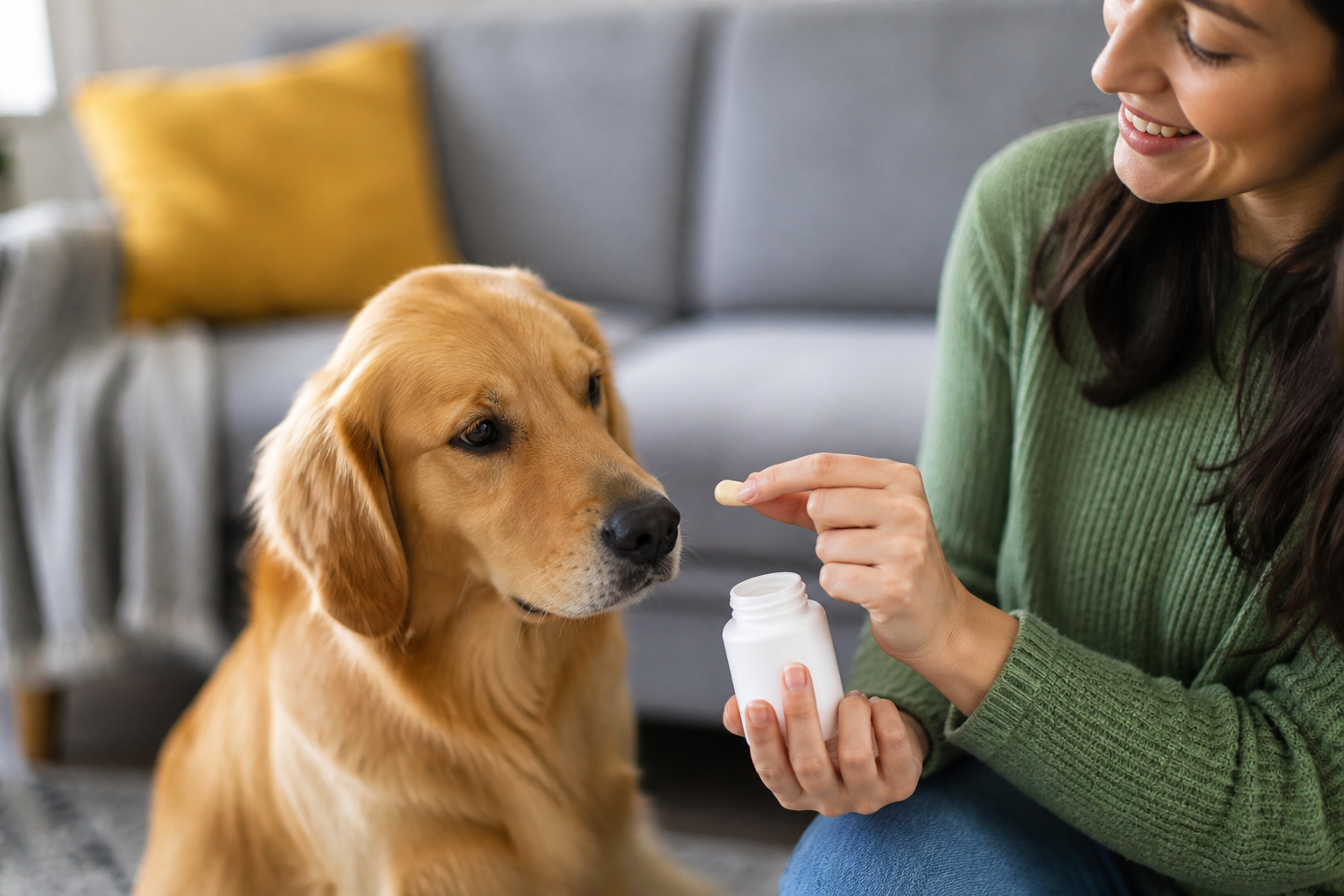
You are likely here because your dog just finished a round of antibiotics, or perhaps they have been dealing with a gurgling stomach and loose stools. It is stressful to watch your pet pace the floor or need frequent trips outside. These moments often lead owners to wonder if a supplement could help restore balance. At BaxterBoo, we see these concerns every day from neighbors visiting our Vernon Hills warehouse and customers ordering online. This post covers the specific situations where these supplements shine, from managing "garbage gut" to supporting a nervous dog during a big move. We will explain how to time the doses and when to talk to a professional about a more targeted approach. Understanding the right timing helps you get the most value out of these beneficial bacteria.
Quick Answer: Give your dog probiotics during or immediately after a meal to help the live bacteria survive stomach acid. If your dog is on antibiotics, wait at least two hours after the medication dose before giving the probiotic to prevent the medicine from killing the "good" bacteria.
The Most Effective Times to Start Probiotics
Knowing exactly when to start a probiotic can make a significant difference in how quickly your dog feels better. While some dogs take them daily for general wellness, specific health events often serve as the primary trigger for supplementation. Our dog digestive health supplements include several formats for supporting your pet's routine.
During and After Antibiotic Treatment
Antibiotics are life saving medications, but they do not discriminate between bad and good bacteria. They often wipe out the healthy microbes in the gut. This imbalance frequently leads to "antibiotic associated diarrhea." Starting a probiotic at the same time as the prescription can help maintain a level of healthy flora. You should continue the probiotic for at least two weeks after the last pill is finished to help the gut fully recover.
Managing Seasonal and Environmental Stress
Stress has a direct impact on a dog's digestive system. The "gut brain axis" means that when a dog is anxious, their digestion often suffers. If you know a stressful event is coming up, you should begin probiotics several days in advance. Common triggers include:
- Boarding at a kennel or visiting a pet sitter.
- Moving to a new home.
- Adding a new pet or baby to the household.
- Holiday gatherings with lots of noise and new people.
For additional guidance on choosing supplement formats, read how to supplement your dog's diet.
Dietary Changes and "Garbage Gut"
Dogs are notorious for eating things they should not. Whether it is a sudden switch to a new brand of kibble or a successful raid on the kitchen trash can, these events disrupt the microbiome. Probiotics help competitive inhibition. This means the good bacteria take up the "parking spaces" in the gut, making it harder for pathogens like Salmonella or E. coli to take hold.
Key Takeaway: Probiotics are most effective when used as a proactive tool before known stressors or as a recovery aid during medical treatments.
Digestive Support for Dogs









Morning vs. Night: Does Clock Time Matter?
Many owners ask if there is a "perfect" hour to give a supplement. Scientific research does not show a major clinical difference between a morning dose and an evening dose. The most important factor is consistency.
If your dog is a champion eater at breakfast, morning is likely best. If they tend to be picky until dinner, wait until the evening. Choosing a time that aligns with their most reliable meal ensures the bacteria have a "buffer" of food. This buffer helps the live cultures pass through the high acidity of the stomach.
Vet Tip: If your dog has a sensitive stomach, introduce a new probiotic at half the recommended dose for the first three days. This allows their system to adjust without causing extra gas or bloating. Consult your veterinarian if your dog has a severely compromised immune system before starting any bacterial supplement.
Using Probiotics for Chronic Health Issues
Beyond temporary stomach upsets, certain ongoing conditions may benefit from long term probiotic use. We often talk to owners who are managing complex health needs that go beyond basic digestion. The ultimate pet supplement guide covers digestive, skin, immune, and other supplement categories.
Skin and Allergy Support
It might seem strange to treat itchy skin by focusing on the gut. However, roughly 70 percent of a dog's immune system lives in the digestive tract. A healthy gut lining can help modulate the immune response to allergens. Dogs with atopic dermatitis often have less diverse gut bacteria. Adding specific strains like Lactobacillus acidophilus can support skin health from the inside out.
Support for Senior Dogs
As dogs age, their microbiome naturally changes. Senior dogs may struggle with nutrient absorption or have more frequent bouts of constipation. A daily probiotic can help keep things moving and support their immune defenses. For seniors managing chronic illnesses like kidney or liver issues, we often recommend discussing specific prescription diets. Our pharmacy carries options like Farmina Vet Life and Royal Canin through our partnership with Pet's Choice, which are formulated for these specific needs.
For more nutrition considerations, explore how to choose the right dog food for senior pets.
How to Successfully Introduce Probiotics
Transitioning to a new supplement should be a smooth process. Follow these steps to ensure your dog accepts the new addition to their routine.
Step 1: Choose the right format. / Decide between a flavored chew, a powder to mix with food, or a capsule. Chews are often easiest for picky eaters, while powders are simple to hide in wet food.
Step 2: Read the label for live counts. / Look for the number of Colony Forming Units or CFUs. Most dogs benefit from a range of 1 to 10 billion CFUs per day, but follow the specific package directions for your dog's weight.
Step 3: Monitor the "output." / Keep an eye on your dog's stool for the first week. You should see a gradual firming of the stool if they previously had issues.
Step 4: Store the product correctly. / Some probiotics are shelf stable, but others require refrigeration to keep the bacteria alive. Heat and moisture are the enemies of live cultures.
For a specific chew format, consider Zesty Paws Vet Strength Pre, Post & Probiotic Gut Health Bites for Dogs.
Navigating the Pharmacy and Prescription Options
Not every digestive issue can be solved with an over the counter chew. If your dog has persistent vomiting, bloody diarrhea, or significant weight loss, a standard probiotic is not enough. You must consult your veterinarian for a formal diagnosis.
In cases of chronic inflammatory bowel disease or severe allergies, a vet may prescribe a medical grade probiotic or a prescription diet. Our dog pharmacy serves as a convenient way to get these items delivered to your door. Through our Pet's Choice prescription service, we handle the verification of your vet's prescription for medications and specialized foods. This ensures your dog gets exactly what the doctor ordered without extra trips to the clinic.
Common Probiotic Strains to Look For
Different strains serve different purposes. When you are looking at labels on our shelves or online, keep these names in mind:
- Enterococcus faecium: Often used to shorten the duration of diarrhea.
- Bifidobacterium animalis: Good for general digestive health and stool quality.
- Lactobacillus acidophilus: Supports the immune system and skin health.
- Bifidobacterium longum: Sometimes used to help support calm behavior in anxious dogs.
Bottom line: Matching the specific probiotic strain to your dog's symptoms provides the best chance for a positive result.
Why Quality Matters More Than Quantity
It is tempting to just pick the product with the highest number on the front of the jar. However, the quality of the manufacturing process is what determines if those bacteria are actually alive when they reach your dog. At BaxterBoo, we handpick brands like Zesty Paws, NutriSource, and Honest Paws because they prioritize stability and testing.
A product that has expired or been stored in a hot warehouse will not help your dog. The bacteria must be viable to colonize the gut. Always check the expiration date and ensure the seal is intact. If you are using our Autoship programme, you can set a schedule that ensures a fresh supply arrives just as you are finishing your current container. This helps you maintain that essential consistency without ever running out.
Managing the Side Effects
While probiotics are very safe, some dogs may experience a brief adjustment period. You might notice a bit more gas than usual or a slight change in appetite during the first few days. These signs usually resolve quickly as the gut environment stabilizes.
If you notice your dog becoming lethargic or if the diarrhea worsens significantly, stop the supplement and call your vet. It is possible the product contains an ingredient your dog is sensitive to, such as a specific protein flavoring or a dairy base.
Key Takeaway: Most minor side effects disappear within 48 to 72 hours as the microbiome balances out.
FAQ
Can I give my dog human probiotics like yogurt or human capsules?
While plain, unsweetened yogurt is generally safe in small amounts, it often lacks the specific bacterial strains dogs need and contains lactose which can cause upset. Human capsules are formulated for human stomach acid levels and may not survive the much harsher environment of a dog's digestive tract. It is always better to use a species specific product designed for canine biology.
How long does it take for probiotics to start working?
For acute issues like a minor stomach upset, you might see improvements in stool quality within two to three days. For chronic issues like skin allergies or anxiety support, it can take four to six weeks of consistent daily use to see a noticeable change. Persistence is key when trying to shift the balance of the microbiome.
Is it okay to give probiotics to my dog every single day?
Yes, for most healthy dogs, a daily probiotic is perfectly safe and can be a great part of a preventative wellness routine. It helps maintain a strong immune system and consistent digestion. However, always consult your vet if your dog has a serious underlying health condition or is on multiple medications.
What should I do if I miss a dose of my dog's probiotic?
If you miss a dose, simply give it when you remember, unless it is almost time for the next scheduled dose. Do not double up on doses to make up for a missed one. While an extra dose is unlikely to cause serious harm, it might lead to temporary gas or bloating. Just resume your normal schedule the following day.






- Site & Contents BaxterBoo.com. BaxterBoo is located in the United States.
- Privacy & Security
- Terms of Use
- Accessibility Statement
