
 Save 15% on your 1st Autoship learn more

 Email us
 Live Chat
 FAQs





Introduction
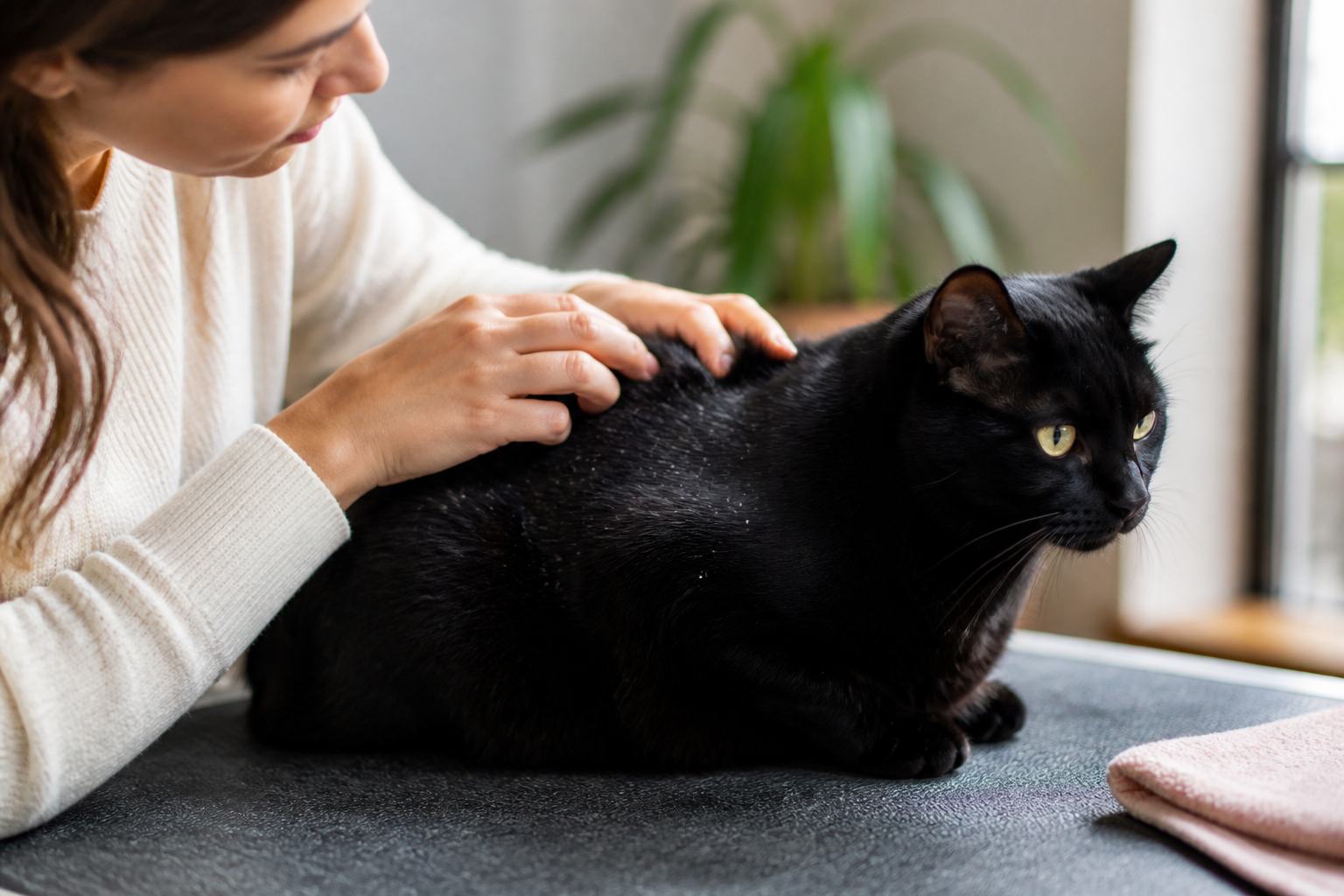
You are relaxing on the sofa with your cat when you notice something unusual. Against their sleek, midnight-colored fur, dozens of tiny white specks have appeared. These flakes stand out sharply against a dark coat, making it look like your cat has been caught in a miniature snowstorm. While it is easy to worry, feline dandruff is a common issue that we see frequently at BaxterBoo.
This post will explain why these flakes appear, how a black coat makes them look more dramatic, and what you can do to restore your cat's skin health. We will look at environmental triggers, nutritional needs, and when you should talk to your veterinarian about a prescription solution. Understanding the root cause of these flakes is the first step toward a shiny, comfortable coat for your feline friend.
Quick Answer: Dandruff in black cats is usually caused by dry skin, poor grooming, or nutritional gaps. The flakes are simply more visible against dark fur, but they often signal that your cat needs better hydration, more omega fatty acids, or assistance with grooming.
The Blackboard Effect: Why Black Cats Show More Flakes
If you have a tuxedo, black, or dark charcoal cat, you likely notice skin flakes much sooner than someone with a white or cream-colored pet. This is often called the blackboard effect. The high contrast between the white dead skin cells and the dark hair makes every single flake visible. This does not always mean a black cat has more dandruff than other cats. It just means their coat does not hide the problem as well.
Dandruff is technically called seborrhea sicca. It occurs when the skin produces too many skin cells too quickly. As these cells die and slough off, they clump together with natural skin oils to form visible white flakes. In a healthy cat, this process happens microscopically, and the cat grooms the few loose cells away before you ever see them. When the system gets out of balance, the flakes accumulate faster than the cat can clean them.
Cat Skin & Coat Care








Environmental Factors and Seasonal Dryness
One of the most common reasons for flaky skin is the environment inside your home. During the winter months, many households use central heating that strips moisture from the air. This dry air pulls moisture away from your cat's skin. Without enough humidity, the skin becomes brittle and starts to flake.
You might notice the dandruff gets worse when your cat spends long hours lounging near a heater or a sunny window. While cats love the warmth, that direct heat can dry out their natural oils. If the dandruff only appears during the cold months and disappears in the spring, the air quality in your home is likely the culprit.
- Check your home humidity levels with a simple hygrometer.
- Aim for a humidity level between 40 and 50 percent.
- Place water bowls or fountains away from heating vents.
- Consider using a humidifier in the room where your cat sleeps most often.
The Importance of Proper Hydration
Many cats live in a state of mild, chronic dehydration. This is especially true for cats that eat only dry kibble. Cats have a low thirst drive because their ancestors obtained most of their water from prey. If your cat is not drinking enough water, their skin is one of the first places to show signs of trouble.
Dehydrated skin loses its elasticity and becomes prone to cracking and flaking. We often recommend adding moisture to the diet through wet food toppers or switching to a brand like Tiki Cat or Stella and Chewy’s that offers high-moisture options. Explore our wet cat food selection when looking for moisture-rich meal options. Encouraging your cat to drink more can be as simple as moving their water bowl. Many cats prefer their water to be separate from their food area, as this mimics natural hunting behaviors where water and food are rarely found in the same spot.
Key Takeaway: Proper skin health starts from the inside. Increasing water intake and adding moisture to the diet is often the fastest way to reduce environmental dandruff.
Mobility Issues and Grooming Habits
Cats are famous for their grooming skills, but sometimes they cannot keep up with their chores. If you notice dandruff specifically along the lower back or near the base of the tail, your cat might be having trouble reaching those spots. This is a very common scenario for two specific groups: senior cats and overweight cats.
Senior cats often suffer from arthritis or joint stiffness. Bending and twisting to clean the lower back can be painful. As a result, they stop grooming that area, and dead skin cells build up into thick dandruff. Similarly, overweight cats may have physical barriers that prevent them from reaching their spine or rear. When a cat stops grooming, the natural oils on the skin are not distributed evenly, leading to localized dry patches.
Supporting the Senior or Overweight Cat
If your cat has stopped grooming properly, they need your help. Regular brushing can act as a substitute for their tongue. Using a high-quality tool like a U-Groom Combo Brush for Dogs and Cats can help lift dead skin and distribute natural oils without scratching the sensitive surface.
For cats managing weight or joint pain, we carry a variety of supportive tools. Our cat healthcare collection includes supplements that support joint health, such as Cosequin. Keeping your cat at a healthy weight is also vital for their skin. Brands like Farmina Vet Life offer specialized formulas designed for weight management. Helping your cat reach a healthy weight often solves their dandruff problem by restoring their ability to groom themselves.
Vet Tip: If your cat suddenly stops grooming a specific area or reacts with pain when you touch their back, please consult your veterinarian. This could be a sign of arthritis or another underlying condition that requires a professional diagnosis and a management plan.
Nutritional Foundations for a Healthy Coat
The skin is the largest organ of the body, and it requires a lot of energy and nutrients to maintain. If your cat’s food is lacking in specific vitamins or fatty acids, the coat will be the first thing to lose its luster. Omega-3 and Omega-6 fatty acids are essential for maintaining the skin's moisture barrier.
Look for foods that list high-quality animal proteins as the first ingredient. Brands like Orijen, Acana, and Open Farm focus on nutrient-dense ingredients that support overall wellness. Browse our cat food category when comparing food options. If you do not want to switch foods, you can add a supplement. Fish oil or krill oil supplements from brands like Zesty Paws or Honest Paws can provide the necessary boost to eliminate flakes.
Essential Nutrients for Skin Health
- Omega-3 Fatty Acids: Reduces inflammation and supports the moisture barrier.
- Vitamin E: Protects skin cells from oxidative damage.
- Zinc: Necessary for cell division and skin repair.
- Biotin: Supports the production of keratin, the primary protein in hair.
Dealing with Skin Parasites and Infections
Sometimes dandruff is not just dry skin. It can be caused by uninvited guests. Fleas, mites, and fungal infections like ringworm can all cause the skin to flake. One specific parasite, the Cheyletiella mite, is even nicknamed walking dandruff. These mites are large enough to see with the naked eye, and as they move under the fur, they make it look like the flakes of skin are crawling.
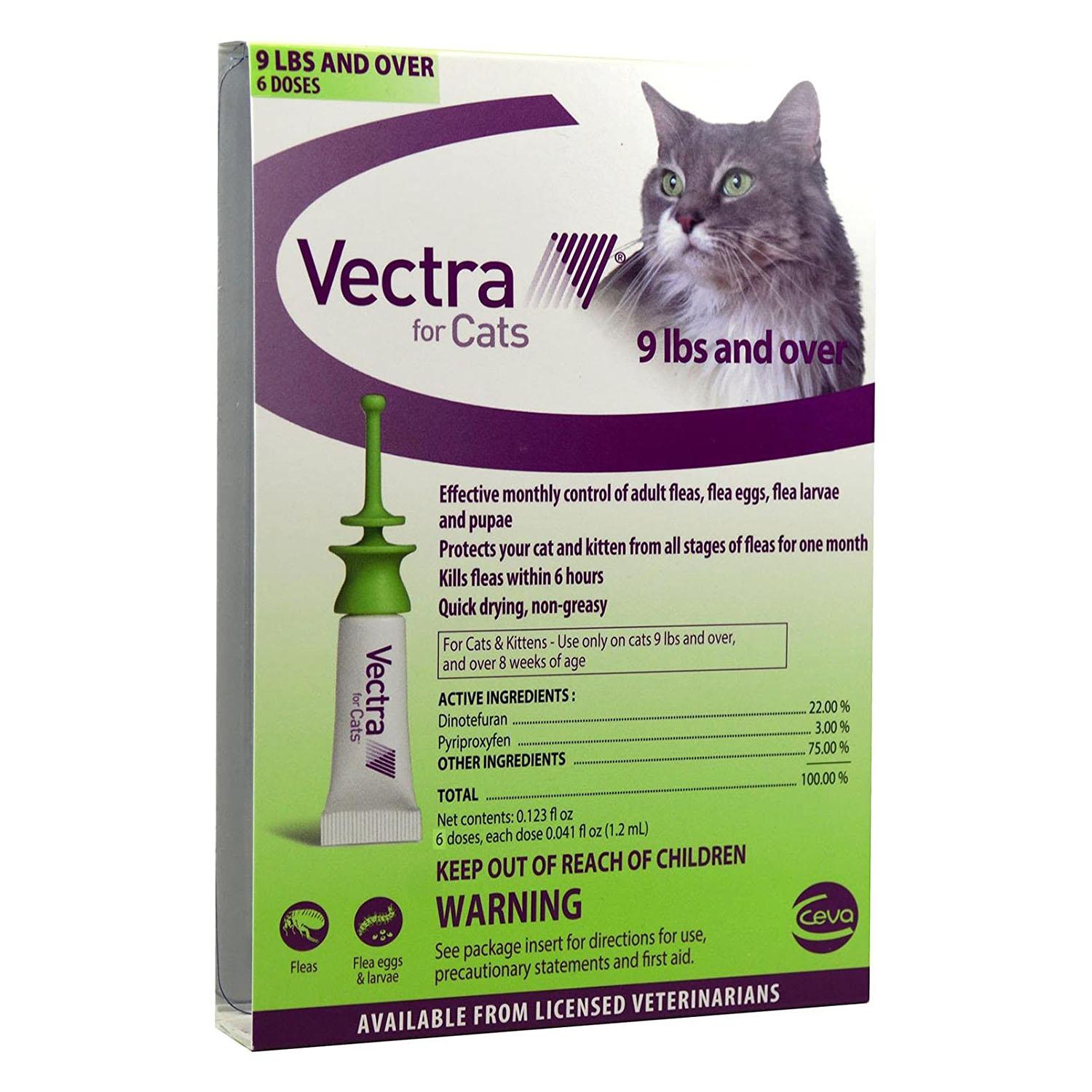
If your cat is scratching excessively, has bald patches, or has red and inflamed skin, parasites are a likely cause. This is where professional help becomes necessary. Our pharmacy partnership with Pet's Choice allows you to access FDA-approved flea and tick preventives and other medications once your vet provides a prescription. You can also review our cat flea and tick collection for prevention options. Brands like Frontline and NexGard offer powerful protection against the pests that cause skin irritation.
Key Takeaway: Flakes accompanied by intense itching or hair loss usually indicate a parasite or infection rather than simple dry skin.
When Dandruff Signals Internal Health Changes
In some cases, flaky skin is a secondary symptom of a more serious internal issue. Conditions like diabetes, hyperthyroidism, and kidney disease can all impact the quality of a cat's skin. These diseases often affect the body’s ability to stay hydrated or process nutrients.
If your cat has dandruff along with a change in appetite, increased thirst, or weight loss, it is time for a veterinary checkup. These signs suggest that the dandruff is a symptom of a systemic problem. A veterinarian can run blood tests to check organ function and hormonal balance. If your cat is diagnosed with a chronic condition, our cat pharmacy can help you manage it with prescription pet foods and medications delivered right to your door.
Practical Steps to Manage Feline Flakes
Once you have ruled out serious medical issues, you can start a home care routine to clear up the flakes. Consistency is the most important part of any skin care plan for cats.
Step 1: Increase humidity. / Use a humidifier in your cat's favorite room to stop the air from stripping moisture from their skin.
Step 2: Start a brushing routine. / Brush your cat at least three times a week to remove dead skin and stimulate blood flow to the surface.
Step 3: Add Omega fatty acids. / Introduce a fish oil supplement or a skin-supportive treat to their daily diet.
Step 4: Improve hydration. / Switch to a wide water bowl or a fountain to encourage more frequent drinking.
Choosing the Right Grooming Tools
Not all brushes are created equal. For a black cat with dandruff, you want a tool that reaches the skin without being abrasive. A soft-bristled brush or a rubber grooming mitt is often better than a harsh metal comb for dealing with flakes. The goal is to gently massage the skin to release the trapped flakes and move the natural oils down the hair shaft. Our cat grooming supplies include brushes, combs, shampoos, and other care tools.
Avoid over-bathing your cat. While it might be tempting to wash the flakes away, frequent bathing can actually make dry skin worse by stripping away the oils the skin is trying to produce. If your cat is very dirty or oily, use a soap-free, moisturizing shampoo specifically formulated for cats. We carry gentle options from brands like Jackson Galaxy that focus on soothing the skin rather than just cleaning the fur.
The Role of Stress in Skin Health
Cats are sensitive creatures. Changes in the household, such as a new pet, a move, or even a change in your work schedule, can cause stress. When a cat is stressed, their body produces cortisol, which can affect the health of their skin and immune system. Stress can also lead to over-grooming or under-grooming, both of which contribute to dandruff.
If you suspect stress is a factor, look into calming aids. We offer a variety of anxiety and calming products, including pheromone diffusers and calming treats. Creating a stable, predictable environment helps your cat's body focus on maintenance and repair rather than survival.
Bottom line: Managing dandruff requires a multi-pronged approach that includes environmental changes, nutritional support, and regular grooming.
Summary of Next Steps
Dealing with dandruff on a black cat requires a bit of detective work. Because their dark fur acts as a backdrop, you will see every flake, but do not let that discourage you. Most cases of dandruff are easily managed with a few simple changes to their daily routine.
- Audit the environment: Ensure your home is not too dry and your cat is staying hydrated.
- Evaluate the diet: Check for high-quality protein and essential fatty acids.
- Assist with grooming: Use gentle tools to help senior or overweight cats reach difficult spots.
- Monitor for symptoms: Watch for itching, redness, or changes in behavior.
- Consult the experts: Talk to your vet about any persistent issues.
If your vet determines that your cat needs a specialized diet or medication, our pet pharmacy is here to help. Through our partnership with Pet's Choice, we can fulfill prescriptions for FDA-approved medications and therapeutic diets like Farmina Vet Life. This ensures your cat gets exactly what they need to feel their best.
FAQ
Is cat dandruff the same as human dandruff?
While they look similar, the causes can be different. Human dandruff is often caused by a yeast-like fungus, whereas cat dandruff is frequently tied to environmental dryness, grooming habits, or nutritional deficiencies. You should never use human dandruff shampoos on a cat, as the ingredients can be toxic to them.
Can I use olive oil or coconut oil on my cat's skin?
While these oils are generally safe in tiny amounts, applying them directly to the fur can lead to a greasy mess and may encourage your cat to over-groom the area. It is much more effective to provide healthy fats through their diet or specialized supplements that work from the inside out.
Why is the dandruff only on my cat's lower back?
This is usually a sign of a mobility or weight issue. The lower back and the base of the tail are the hardest spots for a cat to reach. If they have arthritis or are carrying extra weight, they may give up on grooming those areas, leading to a buildup of dead skin cells.
When should I be worried about my cat's dandruff?
You should consult a veterinarian if the dandruff is accompanied by intense scratching, red skin, sores, or patches of missing fur. You should also seek advice if your cat shows other symptoms like increased thirst, lethargy, or a sudden change in appetite, as these can point to internal health conditions.






- Site & Contents BaxterBoo.com. BaxterBoo is located in the United States.
- Privacy & Security
- Terms of Use
- Accessibility Statement
