Save 15% on your 1st Autoship learn more

 Email us
 Live Chat
 FAQs
FAQs





Introduction
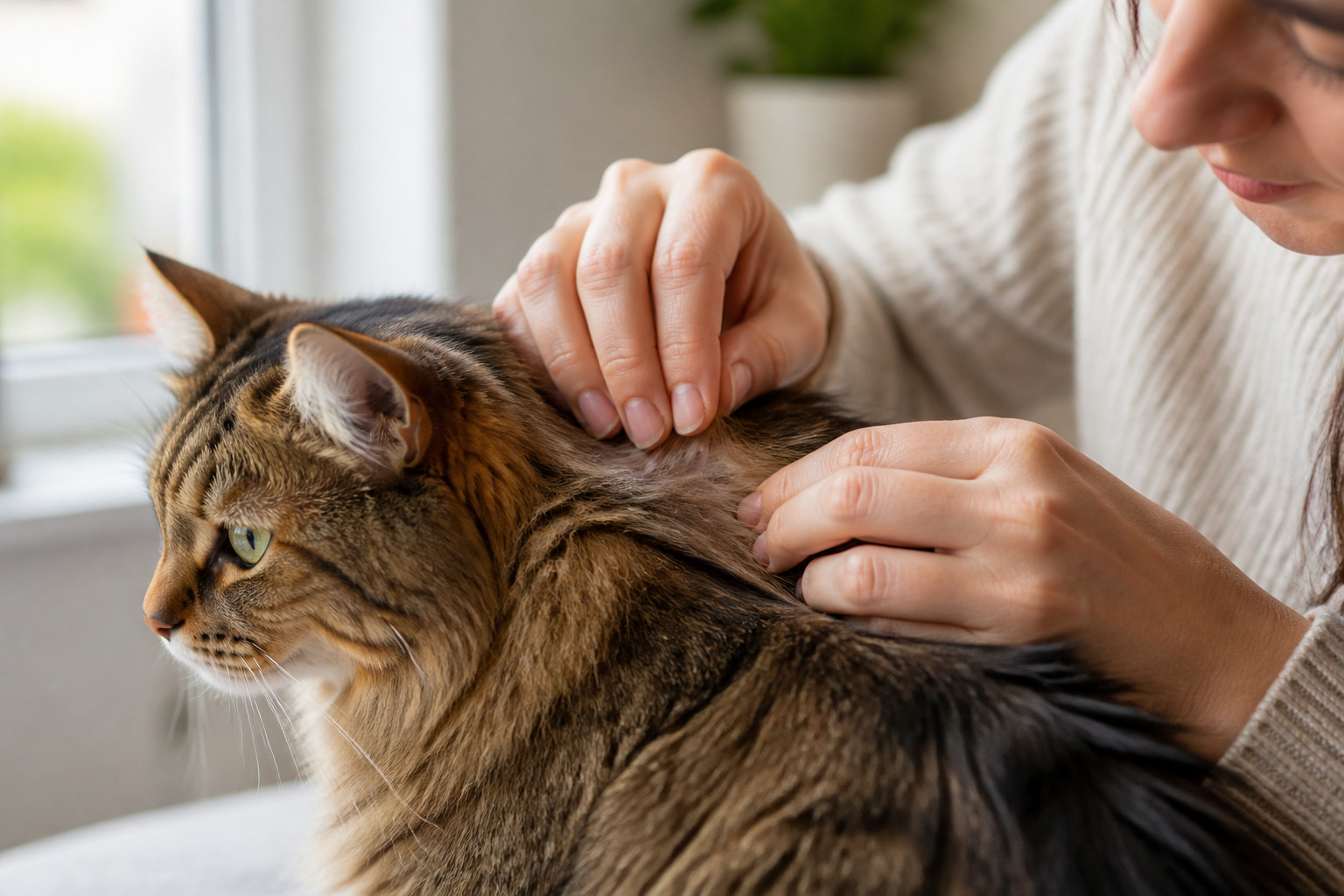
You are sitting on the sofa petting your cat when you notice a dusting of white flakes along their lower back. It looks a bit like salt or tiny pieces of paper stuck in their fur. While cats are famous for being clean, seeing these flakes often makes owners wonder why does my cat has dandruff and if it means something is wrong. At BaxterBoo, we see this concern frequently from pet parents who want to keep their cats comfortable and their coats shiny. Feline dandruff is often a sign that your cat’s skin is struggling with dryness, a lack of grooming, or an underlying health issue. This post will walk you through the common causes of flaky skin and how to help your cat feel better. Understanding the root cause is the first step toward a flake-free coat.
Quick Answer: Cat dandruff is the visible buildup of dead skin cells on your cat's fur. It is usually caused by low humidity, poor nutrition, or health issues like obesity or arthritis that prevent proper grooming. While often benign, persistent dandruff should be evaluated by a veterinarian to rule out parasites or internal conditions.
What Exactly Is Cat Dandruff?
Dandruff is a collection of dead skin cells that have clumped together and become visible. In a healthy cat, skin cells regenerate and shed constantly. This process is usually invisible because cats groom themselves so efficiently. When you start seeing white or gray flakes, it means the shedding process has sped up or the grooming process has slowed down.
It is important to distinguish between dandruff and dander. Every cat has dander. Dander consists of microscopic skin cells and proteins that shed naturally. You cannot see dander with the naked eye, but it is often what triggers allergies in humans. Dandruff is different because it is large enough to see. You might notice it mostly on the base of the tail or along the spine. These are areas that are sometimes harder for cats to reach during their daily cleaning routine.
The presence of dandruff does not always mean your cat is dirty. Even the most fastidious groomers can develop flakes if their skin environment is off. However, it is a signal from the body that the skin barrier needs a little extra support.
Common Environmental and Lifestyle Causes
The environment inside your home plays a huge role in skin health. Just like humans get itchy, dry skin in the winter, cats do too. When the heater runs constantly, it pulls moisture out of the air. This can lead to brittle fur and a flaky coat. If you only notice flakes during the colder months, humidity is a likely culprit.
Another common factor is how much water your cat drinks. Many cats live in a state of mild dehydration because they have a low thirst drive. If their body does not have enough water, the skin is often the first organ to show signs of trouble. This results in less elasticity and more flaking.
Your cat’s weight and age also matter. If a cat is carrying extra pounds, they may not be able to reach their lower back or hindquarters to groom. The same applies to senior cats dealing with joint stiffness. If they cannot bend comfortably, dead skin cells and loose hair will build up. This creates a cycle where the coat becomes dull and dandruff becomes more prominent.
Vet Tip: If your cat has suddenly stopped grooming or seems stiff when moving, it is important to consult your veterinarian. They can check for conditions like osteoarthritis or obesity that might be making it physically difficult for your cat to keep their coat clean.
The Role of Nutrition in Skin Health
What goes into your cat’s bowl directly affects the quality of their fur. The skin is the largest organ in a cat's body. It requires a significant amount of protein and specific fats to stay healthy. If a diet is low in essential fatty acids, the skin barrier can become weak and leaky. This leads to moisture loss and the characteristic white flakes of dandruff.
We carry brands like Farmina and Stella and Chewy's that focus on high-quality proteins and balanced fats. Look for foods that include Omega-3 and Omega-6 fatty acids. These nutrients help maintain the oily layer that keeps skin hydrated. If you are feeding a strictly dry food diet, your cat might benefit from adding wet food to their routine. Tiki Cat and Fussie Cat wet food offer high-moisture options that can help with internal hydration.
Transitioning to a new food should always be done slowly. Start by mixing a small amount of the new food with the old over the course of a week. This prevents digestive upset while you work on improving their coat quality.
Nutrients That Support the Skin Barrier
- Omega-3 Fatty Acids: Found in fish oils, these help reduce inflammation.
- Omega-6 Fatty Acids: These help maintain the structural integrity of the skin.
- Vitamin E: A powerful antioxidant that protects skin cells from damage.
- Biotin: A B-vitamin that supports keratin production for hair and skin.
Bottom line: A balanced diet rich in fatty acids is the foundation of a healthy, flake-free coat.
Parasites and "Walking Dandruff"
Sometimes, what looks like dandruff is actually something else entirely. There is a specific mite called Cheyletiella that causes a condition known as walking dandruff. If you look very closely at the flakes, you might actually see them moving. This is because the mites are moving around under the scales of the skin.
This condition is highly contagious between pets. It also causes intense itching and redness. Unlike standard dry skin, walking dandruff usually requires medical treatment to eliminate the mites. Standard fleas can also cause skin irritation that leads to flaking. When a cat has a flea allergy, even one bite can cause a massive reaction. This often results in scabs, hair loss, and plenty of dandruff.
Our team at BaxterBoo knows how frustrating parasites can be. Keeping your cat on a year-round preventive is the best way to avoid these issues. You can explore our cat flea and tick collection for options designed for feline households. For more prevention guidance, read our guide to flea and tick prevention products.
Underlying Health Conditions to Watch For
In some cases, dandruff is a secondary symptom of a more serious internal problem. Conditions that affect the metabolism can change how the skin functions. For example, hyperthyroidism or diabetes can lead to changes in coat texture and increased shedding. Kidney disease can cause dehydration, which dries out the skin.
Allergies are another major player. Cats can be allergic to things in their environment, like dust or pollen. They can also have food sensitivities. These allergies often manifest as skin inflammation. When the skin is inflamed, it does not shed cells properly. This leads to the buildup of flakes.
If your cat’s dandruff is accompanied by other signs, it is time for a checkup. Watch for changes in appetite, increased thirst, or lethargy. A vet may perform blood work or skin scrapings to find the exact cause.
Key Takeaway: While a few flakes are often harmless, widespread dandruff combined with itching or behavioral changes usually points to a medical issue that needs professional diagnosis.
Managing Dandruff with Regular Grooming
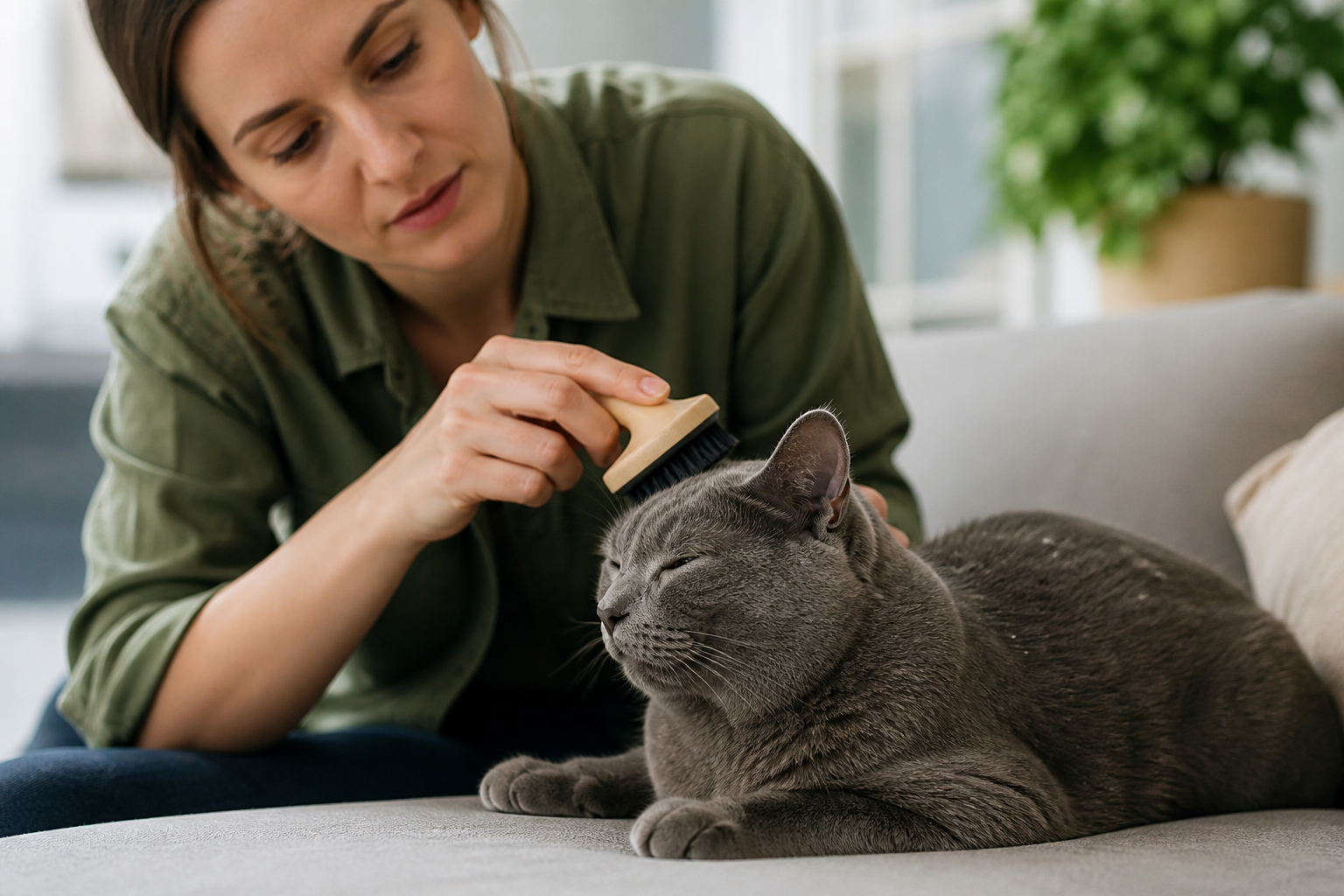
One of the most effective ways to manage mild dandruff is through physical grooming. When you brush your cat, you are doing more than just removing loose hair. You are stimulating the skin and distributing natural oils across the coat. This helps to moisturize the skin and lift away dead cells before they clump into visible dandruff.
For short-haired cats, a soft bristle brush or a rubber grooming mitt works well. Long-haired cats need more intensive tools like a metal comb or a slicker brush to prevent mats. If your cat has a very thick undercoat, a de-shedding tool can help remove the trapped hair and skin cells that contribute to flaking. Browse our cat grooming supplies for brushes, combs, shampoos, and other grooming tools.
If your cat struggles to groom themselves due to age or weight, they may need your help daily. Focus on the base of the tail and the lower back. These are the "hard to reach" spots where dandruff tends to congregate. Be gentle, as skin with dandruff can sometimes be sensitive or tender.
Bottom line: Daily brushing is a simple, cost-effective way to reduce flakes and bond with your cat.
Using the BaxterBoo Pharmacy for Skin Support
When a veterinarian identifies a medical cause for your cat's dandruff, you may need specific treatments. This could include medicated shampoos, prescription diets, or medications to manage allergies or parasites. BaxterBoo offers access to a pet pharmacy for cats through our partnership with Pet's Choice. This allows you to get FDA-approved medications and prescription pet foods delivered directly to your door.
If your cat is diagnosed with a skin infection, your vet might prescribe an antifungal or antibiotic treatment. For cats with severe allergies, prescription diets like Farmina Vet Life can provide specialized nutrition that avoids common triggers. Having a reliable source for these medical needs makes managing chronic skin conditions much easier.
Remember that any prescription item requires a valid script from your veterinarian. This ensures that your cat is getting the exact treatment they need for their specific condition. Our pharmacy service is designed to be a convenient next step once you have a plan from your vet.
Practical Steps to Reduce Flakes at Home
If your vet has ruled out serious illness, you can take several steps to improve your cat’s skin health at home. These changes focus on the environment and daily care.
Step 1: Increase the humidity. / Use a humidifier in the rooms where your cat spends the most time. This is especially helpful during the winter months when indoor air is very dry.
Step 2: Improve hydration. / Encourage your cat to drink more by using a pet fountain. You can also add a little warm water or unsalted tuna juice to their wet food to increase their daily fluid intake.
Step 3: Add a supplement. / Consult your vet about adding a fish oil supplement to their diet. Brands like Zesty Paws or Honest Paws offer omega-rich options that are easy to mix into food.
Step 4: Maintain a grooming schedule. / Set aside five minutes every day to brush your cat. Consistent grooming prevents the buildup of dead skin and allows you to spot new skin issues early.
Step 5: Check for parasites. / Regularly part your cat's fur to look for signs of fleas or mites. Ensure your flea prevention is up to date every single month.
Key Takeaway: Environmental changes and consistent grooming are often enough to clear up mild, non-medical dandruff.
When Is Dandruff an Emergency?
Dandruff itself is rarely an emergency, but the symptoms that sometimes come with it can be serious. You should contact a veterinarian immediately if you notice your cat has large open sores or red, raw patches of skin. This can indicate a severe infection or an intense allergic reaction that needs immediate intervention.
If your cat is pulling out clumps of hair or grooming so much that they are creating bald spots, they are in distress. This level of itching is often painful and can lead to secondary bacterial infections. Additionally, if the dandruff appeared suddenly alongside a major change in behavior, like hiding or refusing to eat, it is a sign of systemic illness.
Most cases of dandruff are slow-developing and can be handled during a standard vet appointment. However, never ignore a cat that seems uncomfortable in their own skin. Early treatment for skin issues is always easier and more effective than waiting until a secondary infection develops.
Conclusion
Seeing white flakes on your cat can be worrying, but in most cases, it is a manageable condition. Whether the cause is dry winter air, a need for better nutrition, or a physical hurdle like arthritis, there are clear steps you can take to help. By focusing on high-quality food, regular grooming, and a hydrated environment, you can support your cat's skin from the inside out. If the flakes persist, our team at BaxterBoo recommends a visit to the vet to rule out underlying health issues. You can explore our selection of cat food or visit our cat pharmacy for prescription needs. Taking care of your cat’s skin today leads to a happier, more comfortable pet tomorrow.
FAQ
Is cat dandruff the same thing as fleas?
No, cat dandruff and fleas are different, though they can happen at the same time. Dandruff is made of white or gray skin flakes, while flea "dirt" looks like tiny black specks of pepper. If you see the flakes moving, it might be "walking dandruff" mites, which require a specific treatment from your veterinarian.
Can I use human dandruff shampoo on my cat?
You should never use human dandruff shampoo on a cat unless specifically told to do so by a vet. Human products often have different pH levels and ingredients like zinc or salicylic acid that can be toxic if your cat licks them off their fur. Always use a shampoo specifically formulated for felines to keep them safe.
Does my cat need a bath to get rid of dandruff?
Most cats do not need regular baths to manage dandruff, and too much washing can actually dry out their skin further. Brushing is usually more effective for removing flakes. If a bath is necessary, use a moisturizing oatmeal-based cat shampoo and make sure to rinse every bit of soap out of their thick coat. For additional grooming guidance, see our article about cat grooming and whisker care.
Can a change in diet really stop dandruff?
Yes, nutrition is one of the most common ways to improve skin health. Diets rich in Omega-3 fatty acids help strengthen the skin's natural moisture barrier. Many owners see a significant improvement in coat shine and a reduction in flakes after switching to a high-quality food or adding a fish oil supplement.