Save 15% on your 1st Autoship learn more

 Email us
 Live Chat
 FAQs
FAQs





Introduction
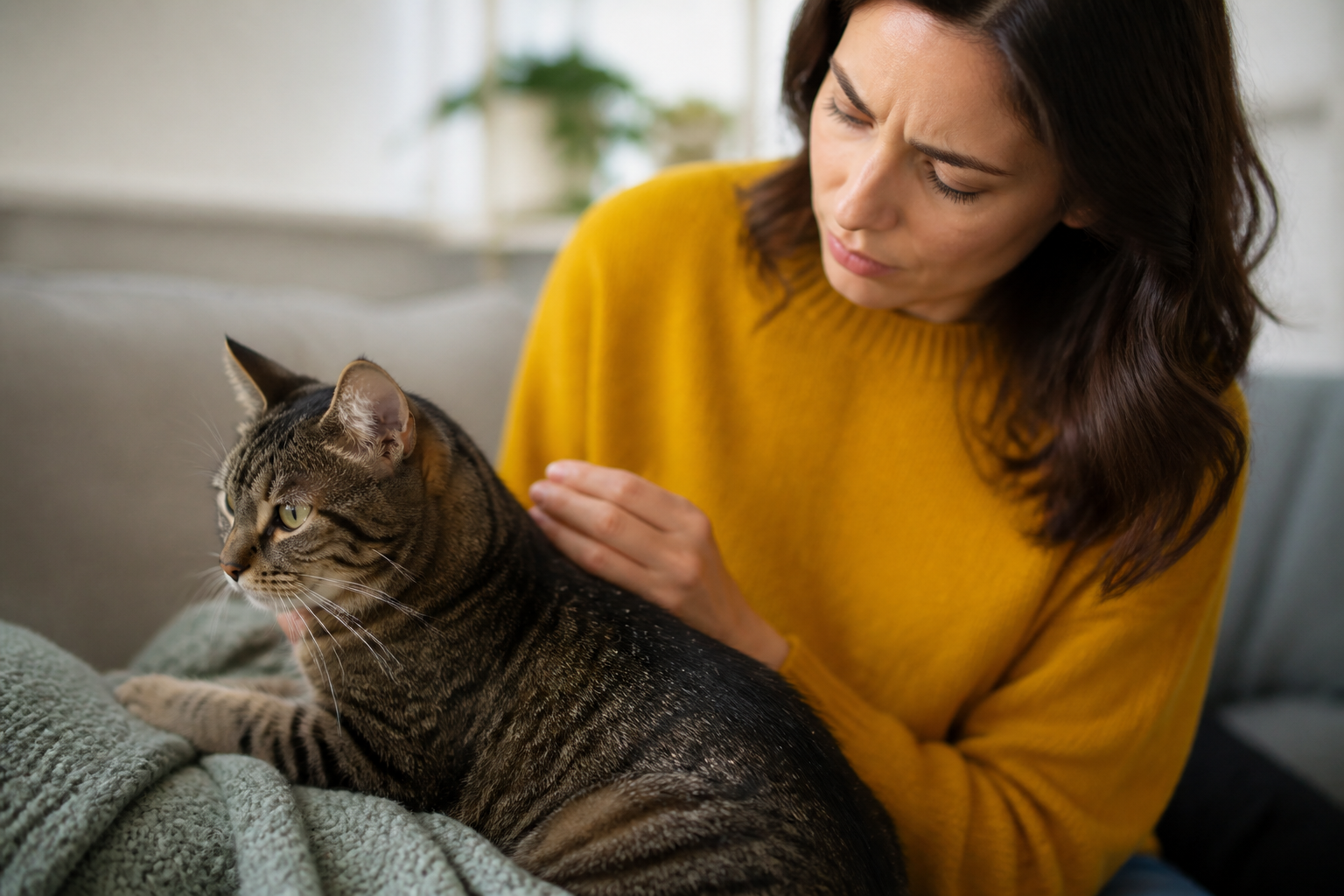
You are relaxing on the sofa with your cat when you notice a dusting of white specks along their spine. At first, you might think it is just a bit of dust or lint. However, when you run your hand down their back, the flakes do not brush away easily. They are stuck in the fur, and there seem to be more of them every day. This is a common moment for many pet owners that leads to one specific question: why does my cat have dandruff?
At BaxterBoo, we know that your cat’s coat is often the first indicator of their internal health. Seeing those little white flakes can be frustrating, especially if your cat is usually a meticulous groomer. This post covers the various reasons for feline skin flakes, from simple environmental changes to underlying health conditions that require a closer look. We will help you understand the difference between normal shedding and clinical dandruff so you can keep your feline friend comfortable and flake-free.
Quick Answer: Cat dandruff is the visible buildup of dead skin cells often caused by dry air, poor nutrition, or difficulty grooming. While mild cases are common, persistent flaking can signal underlying issues like allergies, parasites, or systemic health conditions that require a veterinary consultation.
Understanding the Difference Between Dandruff and Dander
It is easy to use the terms dandruff and dander interchangeably, but they represent two different things in the world of feline health. Every cat produces dander. Dander consists of microscopic skin cells that are shed as part of the normal, healthy cycle of skin renewal. Because these cells are microscopic, you generally cannot see them with the naked eye. Dander is what typically triggers allergies in humans, but it does not mean your cat has a skin problem.
Dandruff is different because it is visible. These are larger clumps of dead skin cells that have scaled off the surface. When you see white or grayish flakes on your cat’s fur, especially along the lower back and the base of the tail, you are looking at dandruff. While dander is a sign of a healthy, functioning body, dandruff usually indicates that the skin cycle has been disrupted.
Telling the Difference at a Glance
- Dander: Invisible to the eye, present on all cats, part of normal skin health.
- Dandruff: Visible flakes, may feel oily or dry, often concentrated in specific areas.
- Flea Dirt: Small black or brown specks that look like pepper. If you put these on a wet white paper towel and they turn red, they are flea droppings, not dandruff.
Key Takeaway: If you can see the flakes, it is dandruff. If you can only feel the symptoms of your own allergies, it is likely just normal dander.
Environmental Factors and Dry Air
One of the most common reasons a cat develops dandruff is the environment. Just like humans, cats can experience dry, itchy skin when the humidity levels in the home drop. This is most frequent during the winter months when heaters are running constantly. Forced air heating strips moisture from the air, which in turn dries out your cat’s skin.
Low humidity causes the top layer of the skin to lose its elasticity and crack. This leads to the flaking you see on the surface. If your cat spends a lot of time near heat vents or radiators, they are even more likely to develop localized dandruff in those areas.
How to Manage Environmental Dryness
- Use a humidifier: Placing a humidifier in the room where your cat spends the most time can help maintain skin moisture.
- Hydration is key: Encourage your cat to drink more water. Cats have a low thirst drive, so adding a water fountain or mixing wet food into their diet can improve their overall hydration.
- Limit direct heat: Try to discourage your cat from sleeping directly on top of or against heat sources.
The Role of Grooming and Physical Limitations
Cats are famous for their grooming habits. A healthy cat spends a large portion of their waking hours cleaning their fur and distributing natural oils across their skin. These oils keep the skin supple and the coat shiny. When a cat stops grooming effectively, dead skin cells and oils build up, leading to visible dandruff.
If your cat has suddenly developed flakes, it might be because they physically cannot reach certain spots anymore. This is very common in older cats or cats carrying extra weight. If they cannot reach their lower back or the base of their tail, that is exactly where the dandruff will begin to accumulate.
Obesity and Mobility Issues
Overweight cats often struggle with flexibility. They simply cannot twist and turn to reach the areas where skin cells naturally shed. Similarly, senior cats often manage arthritis or joint stiffness. Reaching around to groom the hindquarters can be painful, so they skip those areas. Over time, the fur becomes matted and the skin beneath becomes flaky and irritated.
Dental Health and Grooming
Sometimes the issue is not flexibility but comfort in the mouth. If a cat has dental disease or painful gums, the act of licking and grooming can become uncomfortable. If you notice your cat has dandruff along with a change in eating habits or bad breath, their teeth might be the hidden cause of their poor coat quality.
Vet Tip: If your cat is older or overweight and has stopped grooming, do not assume they are just getting lazy. Consult your veterinarian to screen for arthritis or dental pain, as managing these conditions can often restore their ability to groom and eliminate dandruff.
Parasites and Walking Dandruff
Not all dandruff is just dry skin. Sometimes, what looks like dandruff is actually a sign of an external parasite. Fleas are the most common culprit. A cat with a flea allergy will often have red, inflamed skin and heavy flaking along the back.
There is also a specific mite called Cheyletiella that causes a condition known as walking dandruff. These mites are large enough to be seen with the naked eye. When they move around under the scales of the skin, it looks like the dandruff flakes are actually walking. This condition is highly contagious between pets and can cause significant itching and discomfort.
Other Parasites to Consider
- Mites: Aside from walking dandruff, ear mites or mange mites can cause localized skin irritation and flaking.
- Lice: While less common in indoor cats, lice can cause a very scruffy, flaky appearance.
- Ticks: Large infestations can stress the immune system and lead to poor coat health.
We recommend keeping your cat on year-round flea and tick prevention to avoid these issues. Explore our cat flea and tick collection for prevention products and grooming tools.
For prescription options, our cat pharmacy offers medications that may require authorization from your veterinarian.
Nutritional Deficiencies and Skin Health
The quality of the food your cat eats has a direct impact on the quality of their skin. Skin is the largest organ of the body, and it requires a significant amount of protein and specific fats to remain healthy. If a cat’s diet is lacking in essential fatty acids, specifically Omega-3 and Omega-6, the skin barrier weakens.
When the skin barrier is weak, moisture escapes and irritants get in. This results in dry, brittle fur and a flaky skin surface. We carry many premium brands at BaxterBoo that prioritize these essential nutrients to support coat health.
What to Look for in Cat Food
- High-quality animal protein: Protein provides the building blocks for skin cells and hair.
- Omega fatty acids: Look for ingredients like salmon oil or flaxseed.
- Specific vitamins: Vitamin E and Vitamin A are both crucial for maintaining the skin’s integrity.
Step 1: Check your current food label. / Ensure that a high-quality animal protein is the first ingredient and that it contains added healthy fats.
Step 2: Consider a supplement. / If your vet agrees, adding a small amount of fish oil to your cat's meals can provide the extra boost needed to clear up dry skin.
Step 3: Monitor for changes. / It usually takes about 4 to 6 weeks for nutritional changes to show up in the quality of the coat.
Browse our cat food selection when reviewing options for your cat’s daily diet.
Bottom line: A balanced diet rich in fatty acids is often the simplest way to resolve non-medical dandruff and improve coat shine.
Underlying Health Conditions
In some cases, dandruff is a secondary symptom of a more serious internal health problem. When a cat’s body is fighting a chronic illness, it often diverts nutrients away from "non-essential" areas like the skin and fur to focus on vital organs. This can leave the coat looking dull, greasy, or flaky.
Common Medical Causes
- Diabetes Mellitus: Changes in metabolism and hydration levels can lead to very poor skin quality.
- Hyperthyroidism: An overactive thyroid can cause the skin to become greasy or excessively dry and flaky.
- Kidney Disease: Dehydration associated with kidney issues often shows up first as dry, tenting skin and dandruff.
- Allergies: Both food allergies and environmental allergies (like pollen or dust) can cause a cat to over-groom or develop inflamed, flaky skin.
If your cat has dandruff alongside other symptoms like increased thirst, changes in appetite, or weight loss, a vet visit is essential. Your veterinarian may recommend blood work or skin scrapings to rule out these systemic issues. For cats diagnosed with chronic conditions, our cat healthcare selection includes products for ongoing care.
How to Manage and Treat Cat Dandruff at Home
If your veterinarian has ruled out serious medical conditions, there are several practical steps you can take at home to help your cat feel more comfortable. The goal is to remove the existing flakes while supporting the skin's ability to repair itself.
Regular Brushing
Brushing is the most effective way to manage dandruff. It mimics the natural grooming process by removing dead skin cells and loose fur. More importantly, brushing stimulates the skin and helps distribute natural oils across the entire coat. For short-haired cats, once or twice a week is usually enough. Long-haired cats may need daily attention to prevent mats that trap dandruff against the skin.
For more ideas about gentle feline grooming, read these cat grooming tips.
Topical Treatments and Shampoos
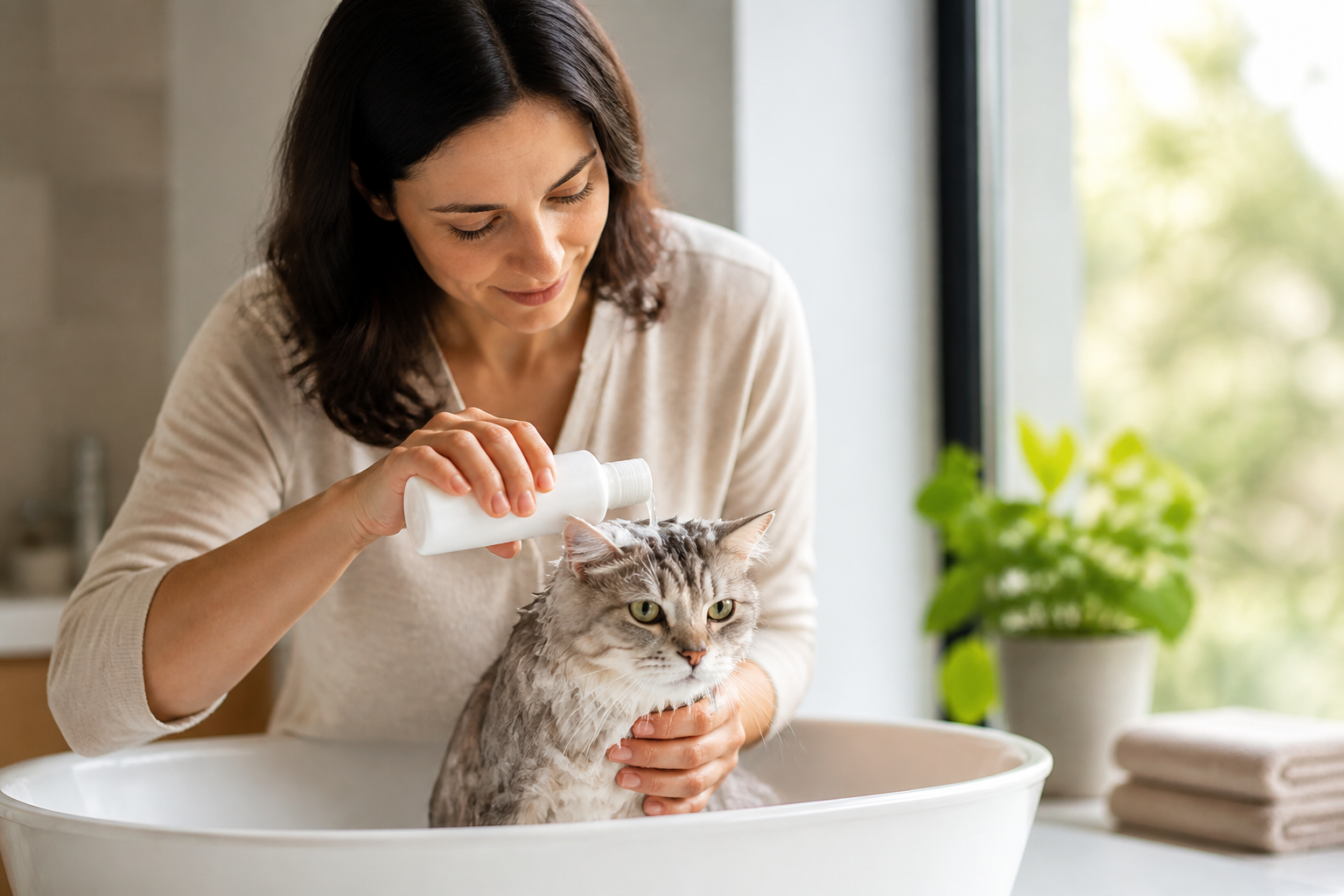
While most cats are not fans of baths, sometimes a medicated or moisturizing shampoo is necessary. Look for products specifically formulated for cats that contain soothing ingredients like oatmeal or aloe vera.
Our cat grooming supplies include brushes, combs, shampoos, and other coat-care products.
Vet Tip: Never use human dandruff shampoos on your cat. Many human products contain ingredients like zinc pyrithione or salicylic acid, which can be toxic to cats if they lick their fur after the bath. Always use a feline-specific product recommended by a professional.
Water and Hydration
Ensuring your cat stays hydrated from the inside out is vital. Many cats are "closet drinkers" and prefer running water. A pet fountain can encourage them to drink more frequently. If your cat eats only dry kibble, try introducing some wet food to increase their daily moisture intake.
| Solution Type | Recommended Action | Goal |
|---|---|---|
| Environmental | Use a humidifier | Increase air moisture to stop skin from drying out |
| Grooming | Daily brushing | Distribute oils and remove dead skin flakes |
| Nutritional | Omega-3 supplements | Strengthen the skin barrier from the inside |
| Medical | Prescription Flea Control | Eliminate parasites that cause irritation |
When to See the Veterinarian
While a few flakes might just mean the air is dry, certain signs indicate that the dandruff is a symptom of something that needs medical intervention. You should schedule an appointment with your vet if you notice any of the following:
- Intense itching or over-grooming: If your cat is constantly scratching or licking one spot until it is bald.
- Red or inflamed skin: Dandruff accompanied by sores, scabs, or redness.
- Odor: A foul smell coming from the skin or ears.
- Behavioral changes: Lethargy, hiding, or changes in eating and drinking habits.
- Lumps or lesions: Any unusual growths under the skin where the dandruff is most concentrated.
Early intervention for conditions like mites or fungal infections (such as ringworm) can prevent the issue from spreading to other pets or even the humans in your household.
For additional context about parasite prevention, read this guide to flea and tick products.
Caring for Your Cat’s Coat Long-Term
Maintaining a flake-free coat is an ongoing process that involves a mix of good nutrition, regular grooming, and environmental management. By staying observant, you can catch changes in your cat’s skin before they become a major source of discomfort.
We have been helping pet owners care for their feline companions since 2006. Every product we carry at BaxterBoo is handpicked by people who truly understand pet health. Whether you need a high-quality brush, a specific supplement, or a prescription diet through our pharmacy, we are here to support your cat's wellness journey.
If you are a regular shopper, our Autoship programme is a great way to ensure you never run out of the food or supplements that keep your cat’s skin healthy. Plus, it earns you a free MVP Gold membership for even better savings.
Key Takeaway: Cat dandruff is usually a manageable symptom of environmental or grooming issues, but it can also be the first sign of internal health changes. Consistent brushing and a high-quality diet are your best tools for prevention.
FAQ
Is cat dandruff contagious to humans?
Standard dandruff caused by dry skin or nutrition is not contagious. However, if the "dandruff" is actually caused by parasites like Cheyletiella mites (walking dandruff) or a fungal infection like ringworm, these can be passed to humans and other pets. If you see skin lesions on yourself or other family members, consult both a vet for the cat and a doctor for the humans.
Can I use coconut oil on my cat's dandruff?
While coconut oil is generally safe, it is very messy and can cause digestive upset if your cat licks too much of it off their fur. It is usually better to provide healthy fats through their diet or a feline-specific supplement. If you want to use something topical, a water-based moisturizing spray made specifically for cats is a better choice.
Why does my cat only have dandruff near their tail?
The base of the tail and the lower back are the hardest places for many cats to reach, especially if they are senior or overweight. Because these areas receive the least amount of natural grooming and tongue-action, dead skin cells and oils build up there faster than anywhere else on the body. Regular brushing in this specific area can often solve the problem.
Does bathing a cat help with dandruff?
Bathing can help remove existing flakes, but if done too often or with the wrong soap, it can actually make the problem worse by stripping away natural oils. Most cats do not need frequent baths. If you do bathe them, use a gentle, soap-free moisturizing shampoo designed for cats and ensure you rinse them thoroughly to prevent further irritation.