Save 15% on your 1st Autoship learn more

 Email us
 Live Chat
 FAQs
FAQs





Introduction
You run your hand along your cat’s back, expecting the usual soft, sleek fur. Instead, you notice a dusting of white flakes. It looks like salt scattered across their coat. This is a common sight for many cat owners, but it can be frustrating when you are not sure where it started. At BaxterBoo, we know that a cat's coat is often a window into their overall wellness. While a few flakes might seem minor, they can signal anything from a dry home to a physical struggle with grooming. This post covers the common causes of feline flaking and how you can help your cat feel comfortable again. Understanding these triggers helps you decide when a simple brushing routine is enough and when a professional checkup is necessary.
Quick Answer: Cat dandruff is a visible buildup of dead skin cells often caused by low humidity, obesity, or poor nutrition. While sometimes benign, persistent flaking can also signal parasites like mites or internal health issues like diabetes and kidney disease.
Understanding the Difference Between Dandruff and Dander
It is easy to confuse dandruff with dander, but they are not the same thing. Every cat produces dander. These are microscopic skin cells that shed naturally as part of a healthy skin cycle. You cannot see dander with the naked eye. It is the protein found on these microscopic cells that often triggers allergies in humans.
Dandruff is different because it is visible. These are larger, clumped flakes of dead skin that stay trapped in the fur or fall onto furniture. When you see these white or gray specks, it means the skin is shedding faster than normal or the cat is not able to wash them away. Dandruff is often a symptom of an underlying issue rather than a disease itself.
Identifying the Flakes
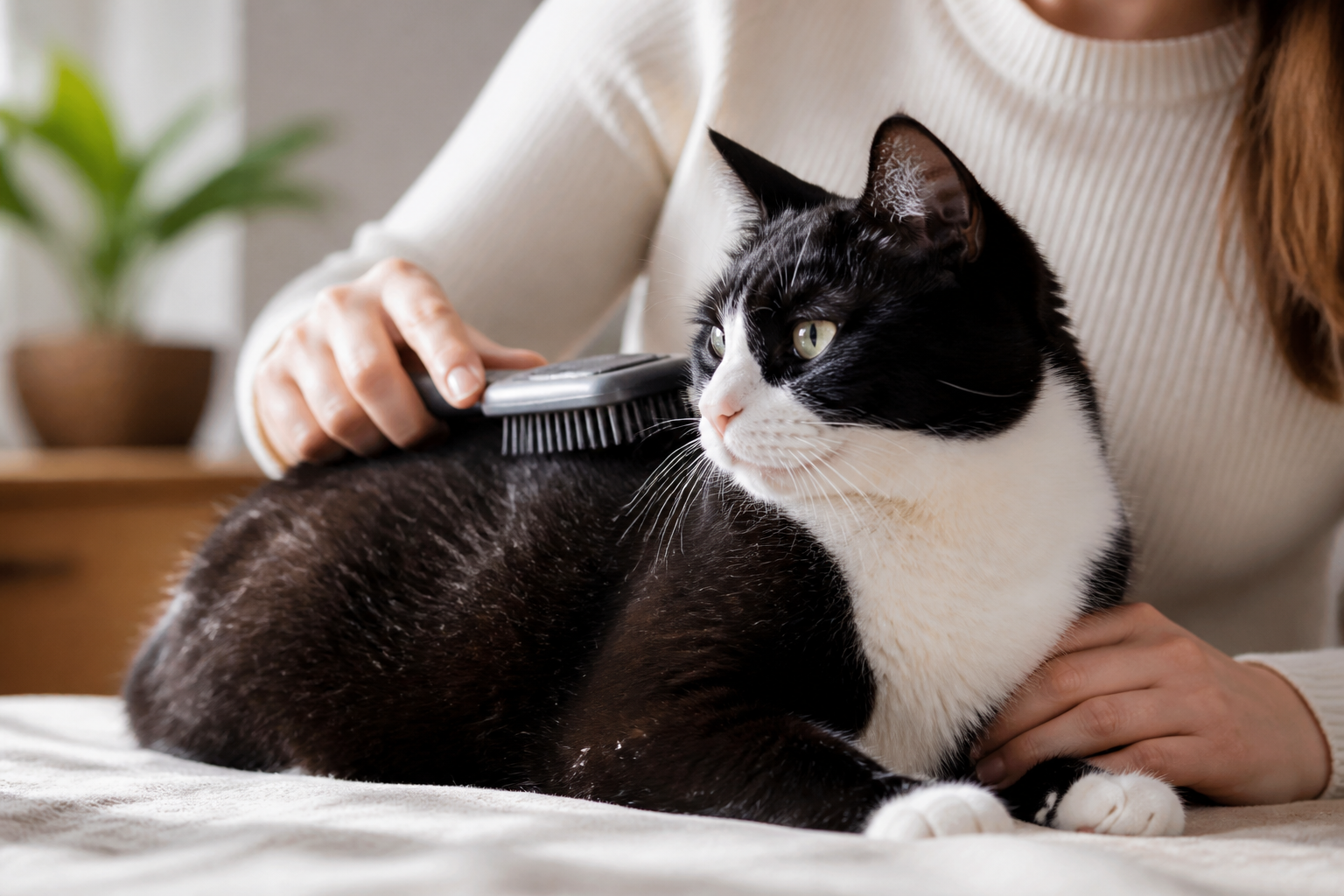
Dandruff usually appears as white or light gray specks. In some cases, the skin underneath might look red or irritated. You might notice the flakes are most prominent along the lower back and the base of the tail. This is often because these areas are harder for some cats to reach during their daily grooming routine.
Key Takeaway: Dander is a normal, invisible part of a cat's skin cycle, while dandruff consists of visible flakes that indicate an imbalance in skin health or grooming.
Common Environmental Causes
The environment inside your home plays a large role in your cat's skin health. Just like humans, cats can suffer from dry skin when the air lacks moisture. This is especially common during the winter months in the US.
Low Humidity and Indoor Heating
When the temperature drops and the heater kicks on, the humidity in your home plummets. This dry air saps moisture from your cat's skin. Over time, the skin becomes brittle and starts to flake. If you only notice dandruff when the furnace is running, the environment is the likely culprit.
Seasonal Changes
Some cats experience a "seasonal shed" where they lose their undercoat to prepare for warmer or colder weather. If this old hair is not brushed away, it can trap dead skin cells and oils. This buildup eventually leads to visible flakes. Regular brushing during these transitions can help keep the coat clear.
Bottom line: Dry indoor air is a leading cause of mild flaking, particularly during the winter months.
Physical Limitations and Grooming Struggles
Cats are famous for being clean animals. They spend a large portion of their day grooming. When a cat stops grooming effectively, dandruff is often the first sign. Several physical factors can interfere with their ability to stay clean.
The Impact of Obesity
Obesity is a significant factor in feline skin health. If a cat carries too much weight, they literally cannot reach certain parts of their body. The middle of the back and the base of the tail are the most common "dead zones" for overweight cats. Oils and skin cells build up in these unreachable spots, leading to heavy dandruff and even matting.
Arthritis and Senior Cats
As cats age, they often develop osteoarthritis. This makes twisting and reaching to groom painful. A senior cat might want to stay clean but finds it too difficult to reach their hindquarters. If you notice your older cat has a "staring" coat that looks unkempt or flaky, it could be a sign of joint discomfort.
Vet Tip: If your cat is older or overweight and has dandruff along their spine, they likely have mobility issues. Consult your veterinarian to discuss weight management or pain relief options for joint health.
Internal Health Conditions and Dandruff
Sometimes the cause of dandruff is deeper than the skin. Because the skin is the body's largest organ, it often shows signs of internal distress first. Several chronic conditions can change the way a cat's skin functions.
Diabetes and Kidney Disease
Conditions like diabetes or chronic kidney disease can lead to dehydration. When a cat is dehydrated, their skin loses elasticity and becomes dry and flaky. Diabetes can also change the quality of a cat's coat, making it look greasy and full of dandruff.
Hyperthyroidism
An overactive thyroid is common in middle-aged and senior cats. This condition speeds up the body's metabolism, which can lead to a rapid turnover of skin cells. It often results in a greasy, unkempt appearance with plenty of visible flakes.
The Role of the Pharmacy
Managing these internal conditions often requires prescription medication or specific therapeutic diets. Our cat pharmacy carries prescription medications and prescription pet foods. If your veterinarian diagnoses an underlying condition like hyperthyroidism or kidney disease, you can fulfill those prescriptions directly through us. This ensures your cat gets the exact care they need to manage their health and restore their skin.
Bottom line: Persistent dandruff alongside changes in thirst, appetite, or energy levels may indicate an internal health condition that requires veterinary intervention.
Parasites and "Walking Dandruff"
Not all flakes are just dead skin. Some are actually caused by tiny invaders. External parasites are a common reason for sudden skin irritation and flaking.
Cheyletiella Mites
There is a specific type of mite called Cheyletiella that is often mistaken for regular dandruff. In fact, it is commonly called "walking dandruff." These mites are large enough to be seen with the naked eye. If you look closely at the "flakes" on your cat and notice they are moving, your cat has a mite infestation. This condition is highly contagious to other pets and can even cause itchy spots on humans.
Fleas and Ticks
Flea bites can cause a condition known as flea allergy dermatitis. Even one or two bites can cause a massive reaction in sensitive cats. This leads to intense scratching, redness, and flaking skin. Keeping your cat on a year-round preventive is the best way to avoid this.
Treatment Options
Parasites require specific medical treatments. Our cat healthcare collection provides a wide range of flea and tick preventives, including options that require a prescription. These essential health products can help support your home and your cat’s parasite-prevention routine.
- Inspect the fur for moving specks.
- Look for "flea dirt" which looks like tiny black pepper flakes.
- Consult a vet for a skin scraping if you suspect mites.
- Apply a veterinarian-recommended preventive.
Key Takeaway: "Walking dandruff" is a parasitic mite infestation that requires medical treatment and should not be treated with simple grooming.
Nutrition and Skin Health
What your cat eats directly impacts the quality of their skin and coat. The skin requires high-quality protein and specific fats to maintain its barrier function.
Essential Fatty Acids
Omega-3 and Omega-6 fatty acids are vital for skin health. These healthy fats help keep the skin hydrated and reduce inflammation. If a cat's diet is low in these nutrients, their skin may become dry and prone to flaking. Many premium brands like Stella and Chewy's or Farmina include these essential fats in their recipes.
Protein Quality
Cats are obligate carnivores. They need animal-based protein to thrive. Low-quality fillers can lead to a dull, flaky coat. Switching to a high-protein, nutritionally complete food can often clear up mild dandruff within a few weeks.
Supplements
If your cat's food is already high quality but they still have dry skin, a supplement might help. Brands like Zesty Paws or Honest Paws offer salmon oil and other skin-focused supplements. These can be added to your cat's meals to boost their intake of healthy oils.
Bottom line: A diet rich in animal protein and Omega fatty acids is essential for preventing dry, flaky skin.
How to Manage Cat Dandruff at Home
If your veterinarian has ruled out serious health issues, you can manage most cases of dandruff with a few simple changes to your routine.
Establish a Brushing Routine
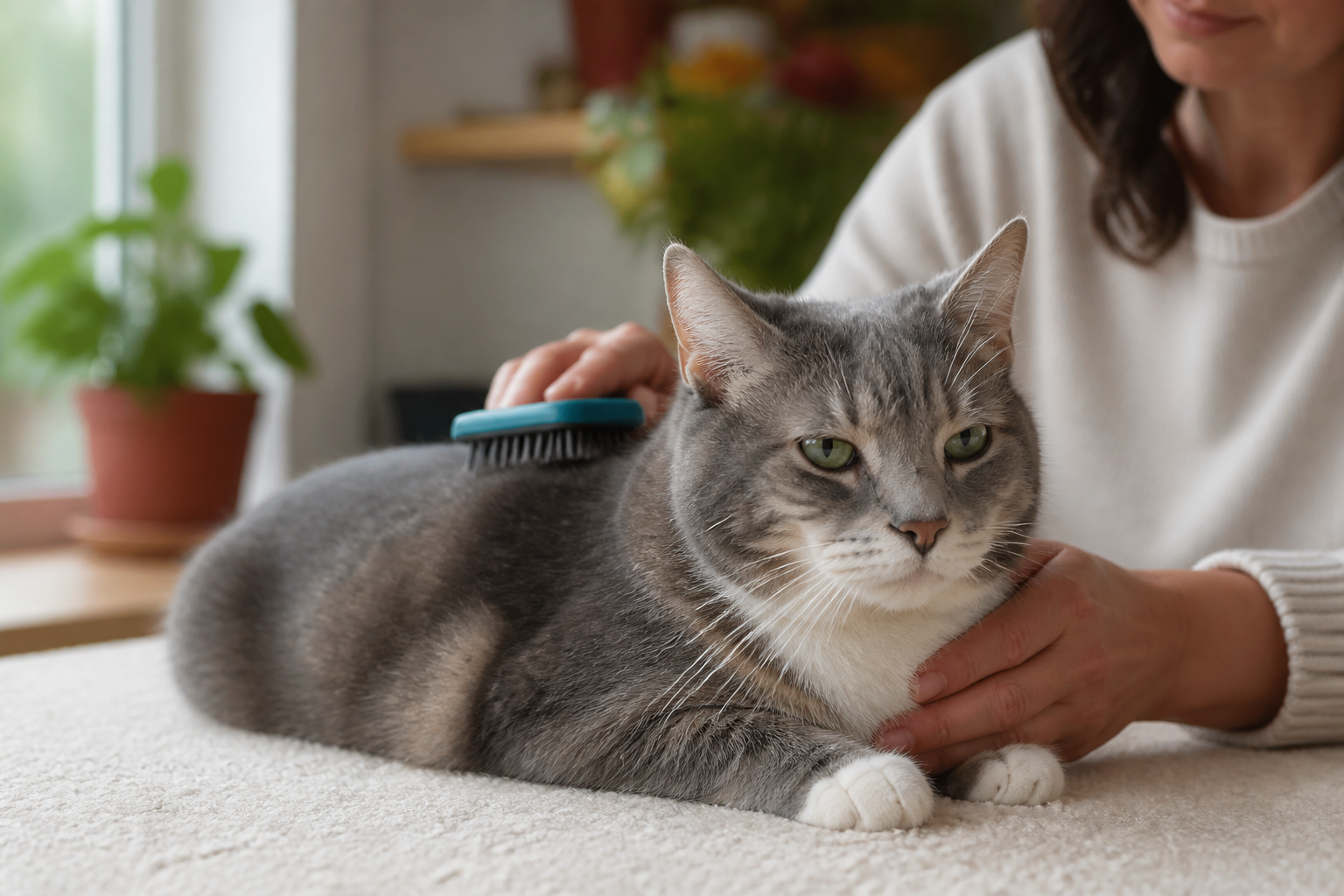
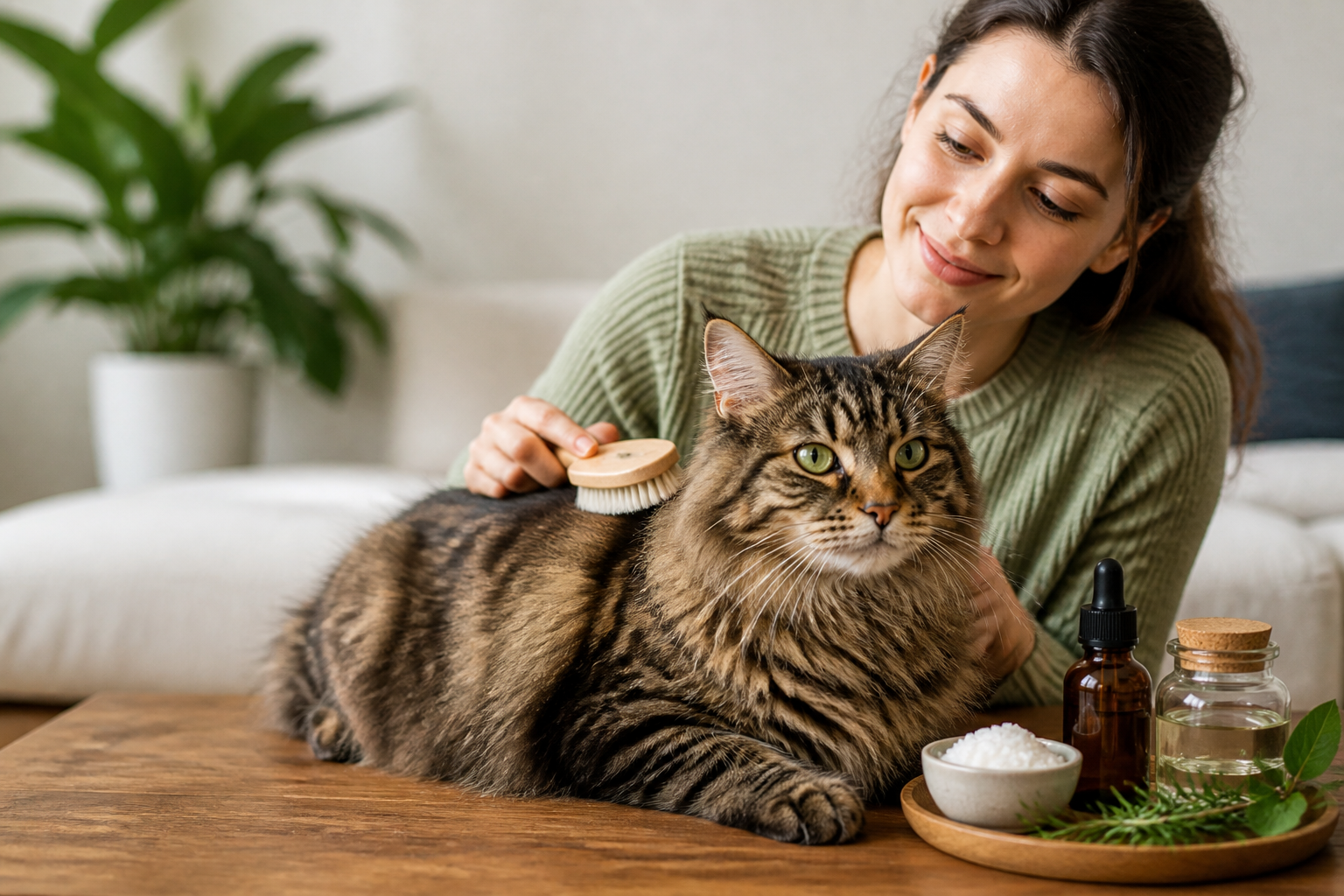
Brushing is the most effective way to remove dead skin and distribute natural oils. For short-haired cats, a weekly session with a soft slicker brush is usually enough. Long-haired cats may need daily brushing to prevent mats and clear out the undercoat. Explore our cat grooming supplies for brushes, combs, wipes, and other grooming tools.
Increase Hydration
Encourage your cat to drink more water. You can do this by adding a pet fountain or mixing a little water into their wet food. Proper hydration keeps the skin supple from the inside out.
Use a Humidifier
If your home is very dry, running a humidifier in the room where your cat sleeps can make a big difference. This adds moisture back into the air and prevents the skin from drying out overnight.
Avoid Frequent Baths
Unlike dogs, most cats do not need regular baths. In fact, bathing a cat too often can strip away the natural oils they need for skin health. Unless your cat is physically dirty or your vet has prescribed a medicated shampoo, it is usually best to skip the tub.
Steps for a Successful Grooming Session:
Step 1: Choose a quiet time / Pick a moment when your cat is relaxed and sleepy.
Step 2: Use the right tools / Use a fine-tooth comb or a slicker brush designed for cats.
Step 3: Be gentle / Start with light strokes along the back where they enjoy being petted.
Step 4: Reward them / Give a small treat after the session to build a positive association.
When to See a Veterinarian
While a few flakes are often harmless, certain signs indicate that your cat needs professional help. Do not ignore dandruff if it is accompanied by other symptoms.
Schedule an appointment if you notice:
- Intense itching or over-grooming
- Red, inflamed, or bleeding skin
- Patches of hair loss
- A foul odor coming from the skin
- Changes in thirst or litter box habits
- Lethargy or weight loss
A veterinarian can perform skin scrapings or blood tests to find the root cause. They can also provide access to the pharmacy for any necessary medications or prescription diets.
Conclusion
Finding dandruff on your cat can be worrying, but it is usually a manageable issue. Whether the cause is the dry winter air, a need for better nutrition, or a struggle with grooming due to age, there are clear steps you can take to help. Regular brushing and a high-quality diet are the foundations of a healthy coat. For more complex issues like parasites or chronic health conditions, working with your vet and utilizing our pharmacy ensures your cat stays comfortable. We invite you to explore our cat food collection and grooming supplies to support your cat's wellness. Keeping your cat’s skin healthy is one of the best ways to show them you care.
FAQ
Is cat dandruff contagious to humans or other pets?
Regular dandruff caused by dry skin or obesity is not contagious. However, if the flaking is caused by parasites like Cheyletiella mites or fungal infections like ringworm, it can easily spread to other animals and people. It is important to have a vet confirm the cause if you have multiple pets in the home.
Can I use human dandruff shampoo on my cat?
No, you should never use human dandruff shampoo on a cat. Many human products contain ingredients like zinc pyrithione or salicylic acid that can be toxic if your cat licks their fur. Always use a shampoo specifically formulated for felines or one recommended by your veterinarian.
Does my cat's weight really affect their dandruff?
Yes, obesity is one of the leading non-medical causes of dandruff in cats. Overweight cats often lack the flexibility to reach their middle and lower back during grooming. This leads to a buildup of dead skin and oils that eventually flakes off as visible dandruff.
Why does my cat have dandruff only in the winter?
Winter dandruff is usually caused by low humidity. When indoor heating systems run, they dry out the air, which in turn dries out your cat's skin. Providing a humidifier and increasing your cat’s water intake can help combat these seasonal flakes.