
 Save 15% on your 1st Autoship learn more

 Email us
 Live Chat
 FAQs





Introduction
You reach down to scratch your favorite feline behind the ears, but instead of just soft fur, your hand comes away with a dusting of white flakes. It is a common moment for many pet owners. While cats are famous for being clean, seeing that your cat has a lot of dandruff can be a bit of a shock. These flakes are more than a cosmetic nuisance. They are often a signal from the body that something in the skin, diet, or environment needs attention. At BaxterBoo, we see this often and know how much you want to get your cat back to feeling sleek and comfortable. This post covers the common causes of feline dandruff, from simple dry air to underlying medical conditions. You will also learn practical steps for grooming and nutrition to restore your cat's coat.
Quick Answer: Cat dandruff is the visible accumulation of dead skin cells on the fur. While a few flakes can be normal, a large amount often points to issues like poor nutrition, low humidity, parasites, or a health condition that prevents proper self-grooming.
Understanding Feline Dandruff vs. Dander
It is easy to use the terms dandruff and dander interchangeably, but they are quite different. Every healthy cat produces dander. These are microscopic skin cells that shed naturally as the skin renews itself. Because they are so small, you usually cannot see them with the naked eye. Dander is the substance that often triggers allergies in humans, but it does not mean your cat has a skin problem.
Dandruff consists of much larger, visible flakes. These flakes are often white or gray and may feel dry or oily to the touch. They usually cluster in specific areas like the lower back or the base of the tail. When you see your cat has a lot of dandruff, it means the skin cells are shedding faster than normal or are not being groomed away. This imbalance can lead to itching, redness, or a dull coat that loses its usual luster.
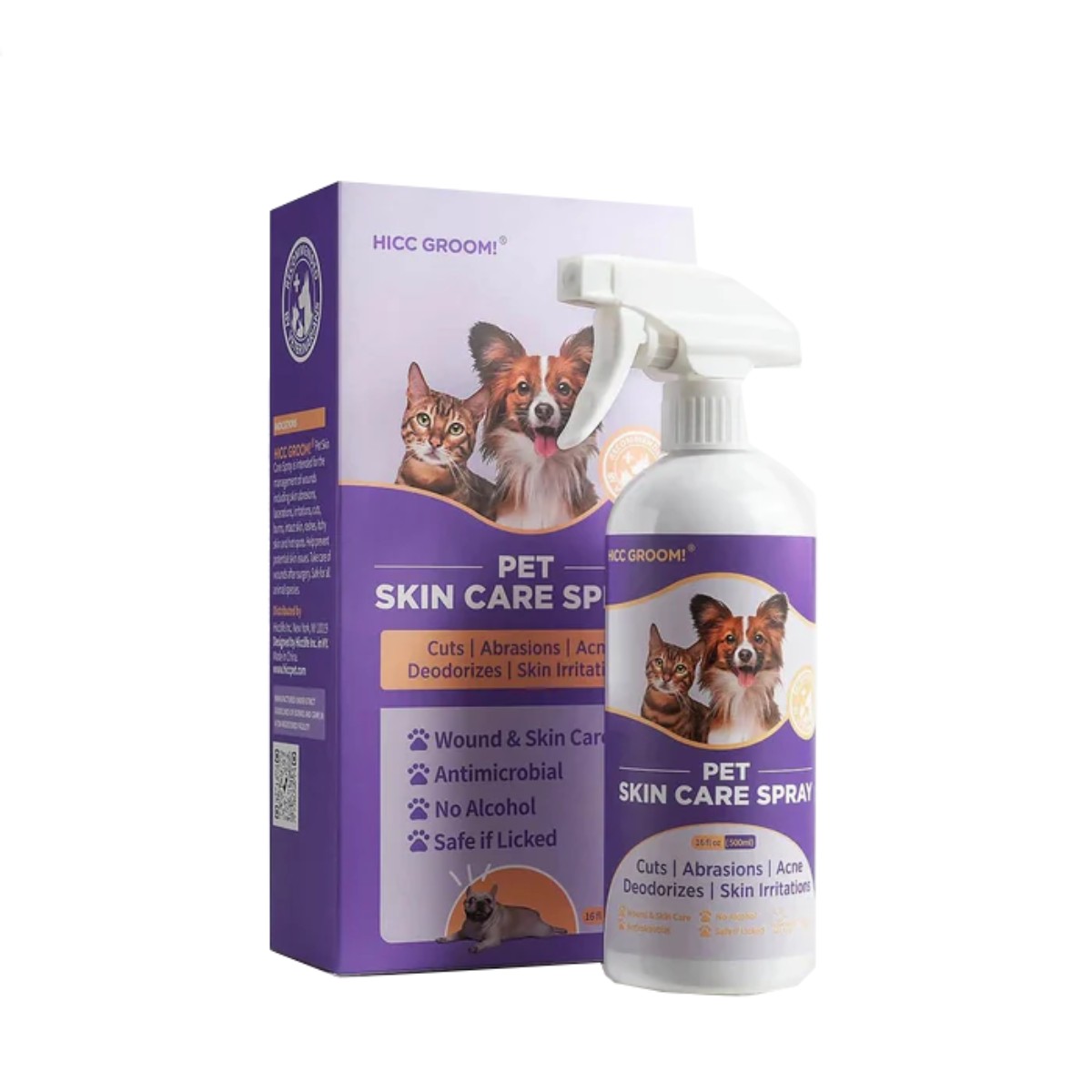
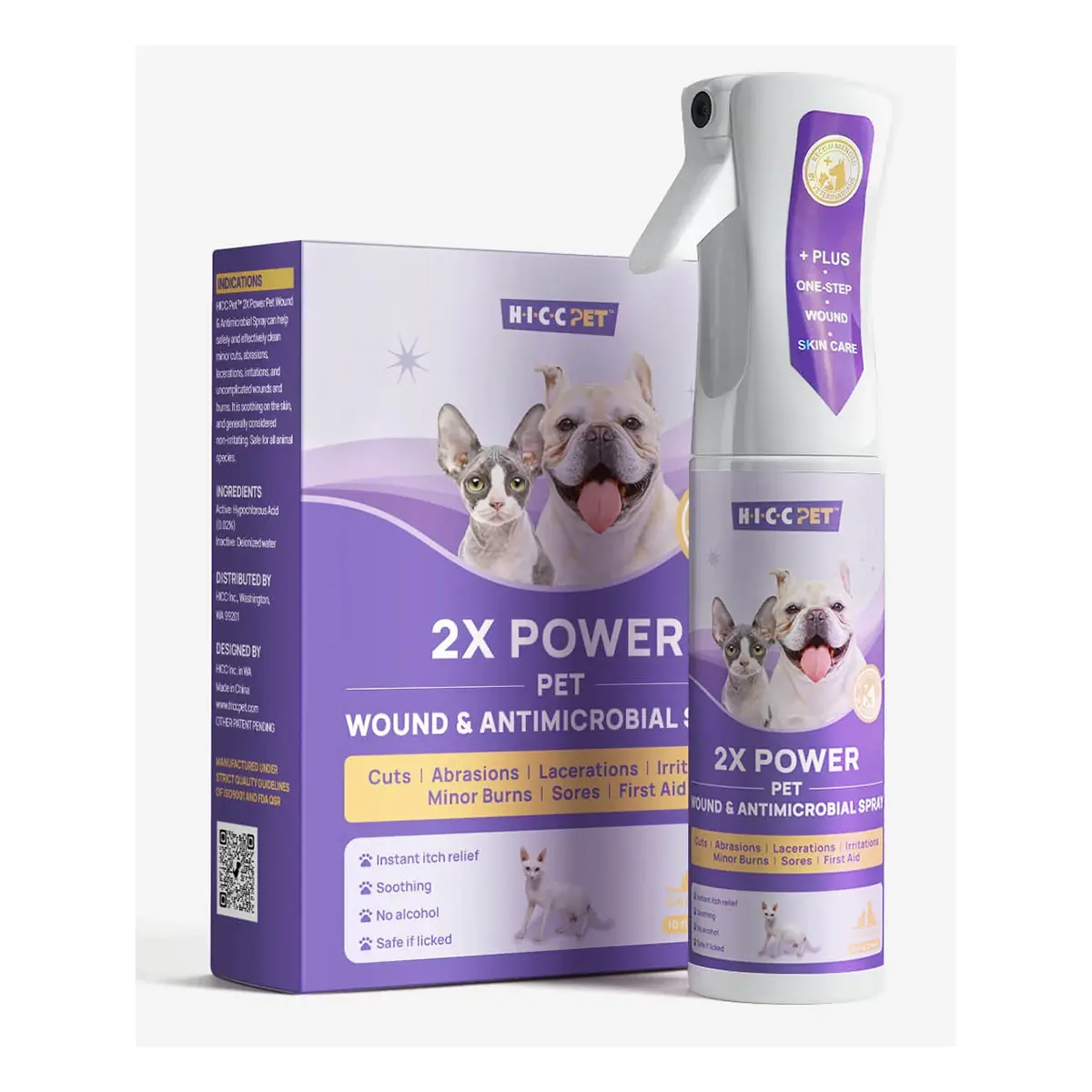
Cat Skin & Coat Care








Common Environmental Causes
The air inside your home plays a significant role in your cat's skin health. During the winter months, indoor heating systems can strip moisture from the environment. This leads to low humidity, which dries out feline skin just as it does human skin. If your cat spends a lot of time near a heat vent or a sunny window, those areas of the body may show more flaking.
Low humidity is one of the easiest causes to address. Using a humidifier in the rooms where your cat spends the most time can make a noticeable difference. You might also notice that the dandruff improves once the weather warms up and the furnace turns off. However, if the flakes persist even in humid weather, the cause likely lies elsewhere.
The Role of Self-Grooming and Mobility
Cats are famously fastidious. A healthy cat spends a large portion of their waking hours cleaning their fur. This process removes loose hair, dirt, and dead skin cells before they can accumulate as dandruff. When a cat stops grooming effectively, dandruff is often the first visible sign.
Obesity and Grooming Challenges
If a cat carries excess weight, they may physically struggle to reach certain parts of their body. The lower back and the base of the tail are the most common spots for dandruff in overweight cats. If your cat cannot reach these areas, the dead skin cells and natural oils build up, leading to thick flakes. Helping your cat reach a healthy weight through measured feedings and interactive play can improve their ability to self-groom.
Senior Cats and Arthritis
As cats age, they often develop osteoarthritis or general joint stiffness. These conditions make the twisting and stretching required for grooming painful. A senior cat might want to stay clean but simply cannot bend far enough to reach their hindquarters. If you notice your older cat has a lot of dandruff, it may be time to assist them with a soft brush and talk to your vet about mobility support.
Key Takeaway: Dandruff is often a secondary symptom of a mobility issue. If your cat is older or overweight, the flakes are likely a sign they need help reaching the spots that are currently out of reach.
Nutritional Factors and Skin Health
The skin is the largest organ of the body, and it requires specific nutrients to stay healthy. If a cat's diet is lacking in essential fatty acids, the skin barrier becomes weak. This lead to moisture loss and increased flaking. High-quality animal proteins and healthy fats are the building blocks of a glossy, flake-free coat.
Essential Fatty Acids
Omega-3 and Omega-6 fatty acids are vital for skin elasticity and moisture. Many premium foods, like those from Stella and Chewy's or Farmina, include these naturally. If your cat is eating a lower-quality kibble, they may not be getting enough of these oils. You can often see an improvement by adding a fish oil supplement or switching to a diet formulated for skin and coat health.
You can compare options from our selection of Stella & Chewy's cat food when reviewing your cat's regular diet.
Hydration and Skin Elasticity
Cats have a low thirst drive. In the wild, they get most of their moisture from their prey. If a cat eats only dry kibble and does not drink enough water, they can live in a state of mild, chronic dehydration. This affects the moisture levels in the skin. Adding wet food from brands like Tiki Cat or Fussie Cat can boost their daily water intake and help hydrate the skin from the inside out.
For moisture-rich meal options, explore our wet cat food collection.
Vet Tip: If you notice sudden changes in your cat's skin or coat, schedule a wellness exam. A veterinarian can run blood work to rule out internal issues like kidney disease or hyperthyroidism, which can both cause poor coat quality and skin changes.
Parasites and "Walking Dandruff"
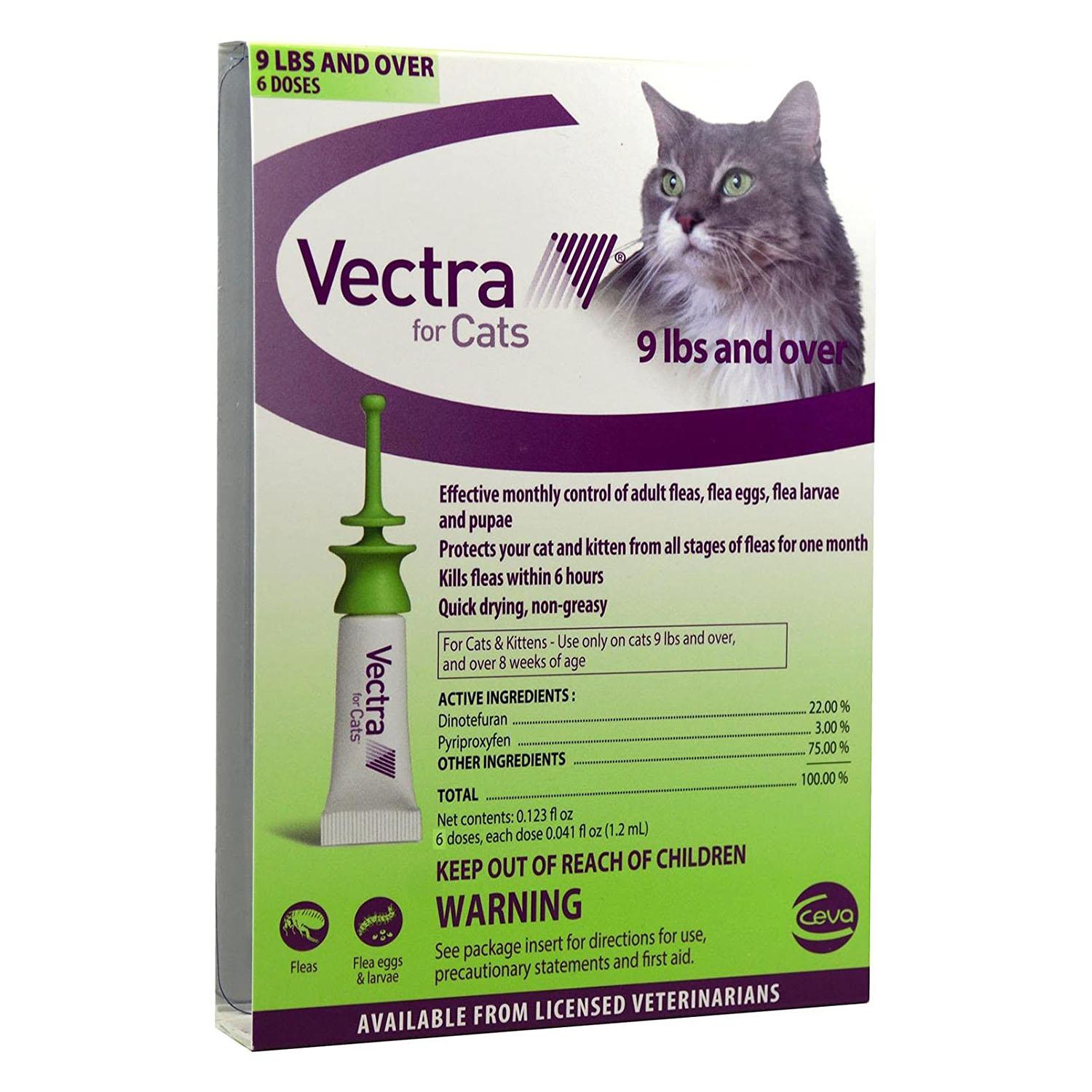
Sometimes, what looks like dandruff is actually something else entirely. There are several parasites that can cause the skin to flake or create the illusion of flakes. Regular flea and tick prevention is a critical part of maintaining skin health, even for indoor cats.
Cheyletiella Mites
One specific parasite is the Cheyletiella mite, also known as walking dandruff. These tiny mites are large enough to be seen with the naked eye. As they move under the scales of the skin, the flakes appear to be moving on their own. This condition is highly contagious between pets and can cause significant itching and irritation.
Fleas and Allergies
Flea bites can cause a condition called flea allergy dermatitis. If your cat is allergic to flea saliva, even a single bite can trigger a massive inflammatory response. This lead to intense scratching, hair loss, and a surge in dandruff. Our pharmacy carries FDA-approved flea and tick preventives through our partnership with Pet's Choice to help keep these pests away from your feline friend.
For additional prevention guidance, read our guide to flea and tick prevention.
When Dandruff Signals a Medical Condition
While often benign, dandruff can sometimes be a window into more serious health problems. The skin often reflects the body's internal state. If your cat is dealing with a chronic illness, their body may prioritize vital organs over skin health.
Common medical causes for increased dandruff include:
- Hyperthyroidism: An overactive thyroid can cause the skin to become greasy or very dry, leading to flaking.
- Diabetes Mellitus: This condition affects the body's ability to process nutrients and stay hydrated, often resulting in a poor coat.
- Skin Infections: Bacterial or fungal infections like ringworm cause crusting and scaling that looks like heavy dandruff.
- Allergies: Food or environmental allergies cause inflammation that disrupts the skin's normal shedding cycle.
If you see your cat has a lot of dandruff along with symptoms like increased thirst, weight loss, or lethargy, a vet visit is essential. They can provide a proper diagnosis and prescribe any necessary medications through our pet pharmacy.
Practical Steps to Manage Feline Dandruff
Once you have ruled out serious medical issues with your veterinarian, you can start a home care routine. The goal is to remove existing flakes while supporting the growth of healthy new skin. This process takes time, as the skin cycle for a cat is roughly three weeks.
Establish a Brushing Routine
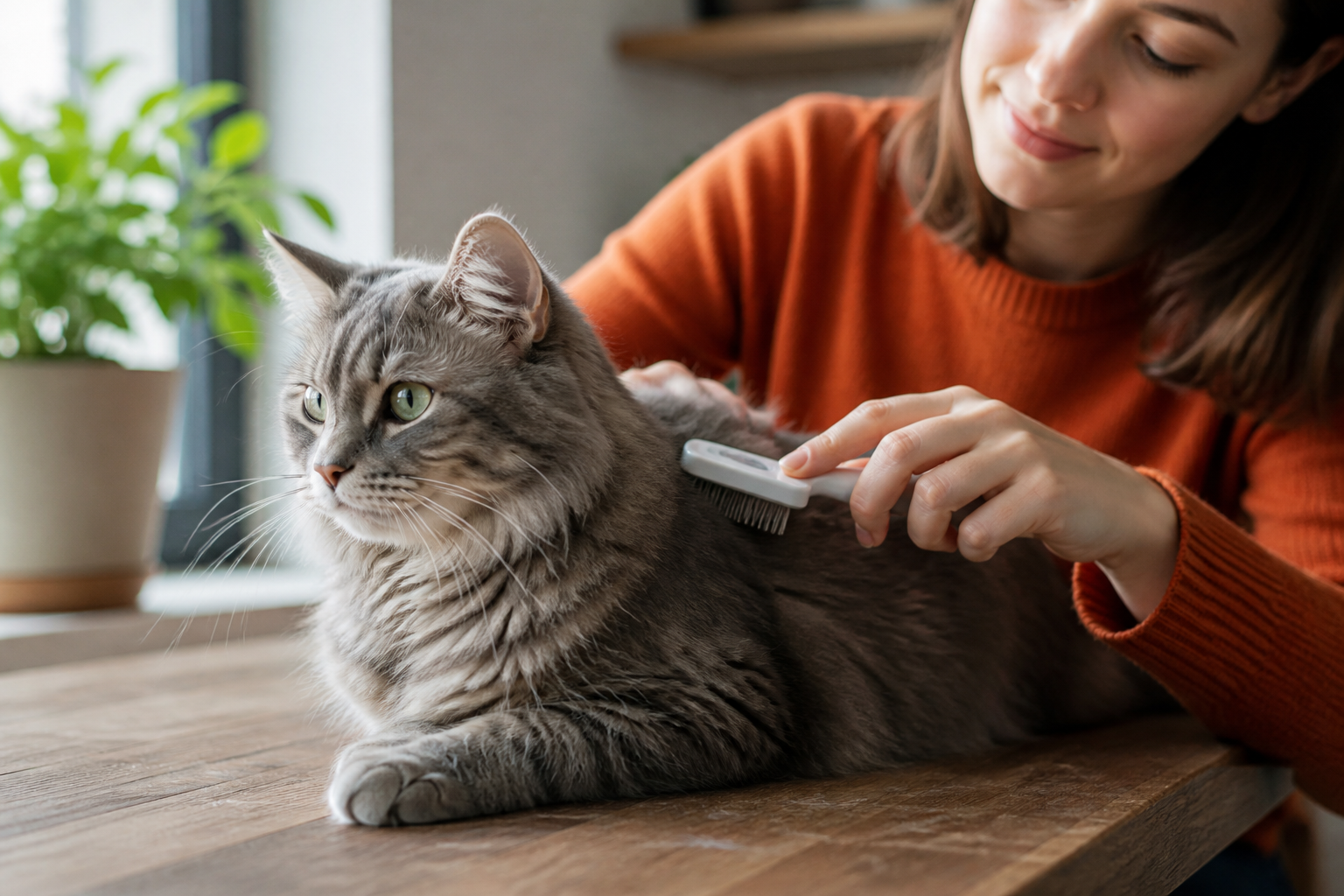
Brushing is the most effective way to manage dandruff at home. It mimics the natural grooming process by removing dead skin and distributing natural oils across the coat.
Step 1: Choose the right tool. Use a soft bristle brush for short-haired cats or a slicker brush for long-haired cats to reach the undercoat.
Step 2: Start slowly. Many cats enjoy being brushed, but if yours is sensitive, start with just two minutes a day.
Step 3: Focus on problem areas. Spend extra time on the lower back and base of the tail where flakes tend to gather.
Step 4: Reward your cat. Use a healthy treat after each session to create a positive association with grooming.
You can find brushes, combs, shampoos, and other tools in our cat grooming supplies.
Improve the Diet
Check your cat's food label. Look for named animal proteins as the first ingredient and the inclusion of fish oils or flaxseed for healthy fats. If your cat is a picky eater, you might try adding a small amount of wet food to their daily routine to increase moisture.
Monitor Your Home Environment
If you live in a dry climate or have the heat on, consider a humidifier. Keeping the humidity around 40 to 50 percent is beneficial for both your cat's skin and your own. Also, ensure your cat has multiple sources of fresh, clean water to encourage drinking.
Bottom line: Consistent grooming and high-quality nutrition are the best defenses against common, non-medical cat dandruff.
Grooming Supplies and Support
Helping your cat stay clean does not have to be a chore. Using the right gear makes the process faster and more comfortable for your pet. We carry a wide selection of brushes, combs, and waterless shampoos designed specifically for sensitive feline skin. If your cat is particularly stressed by traditional baths, a waterless foam shampoo can help remove flakes without the drama of a tub.
We also offer rewards for keeping your pet healthy. Through the MVP Rewards programme, you can earn points on every grooming tool and bag of premium food you purchase. These points turn into savings on future orders, making it easier to provide the high-quality care your cat deserves.
Conclusion
Seeing that your cat has a lot of dandruff can be worrying, but in most cases, it is a manageable condition. By looking at the environment, assessing their diet, and keeping up with grooming, you can help your cat feel their best. Remember that the skin is a reflection of overall wellness. If home remedies do not work, or if your cat seems itchy and uncomfortable, always consult your veterinarian to rule out underlying health issues. We are here to support you with everything from specialized brushes to prescription diets and medications through our pharmacy.
Key Takeaway: Healthy skin starts with a combination of good hydration, high-quality fats, and regular grooming assistance when needed.
If you are ready to help your cat get their shine back, explore our collection of cat grooming supplies or talk to your vet about a specialized diet through the BaxterBoo pharmacy.
FAQ
Is it normal for my cat to have some dandruff?
A small amount of dandruff can be normal as cats naturally shed old skin cells to make room for new ones. However, if the flakes are very visible, covering large areas, or accompanied by itching and redness, it usually indicates an underlying issue. You should monitor your cat to see if their grooming habits or environment have changed recently.
Can I use human dandruff shampoo on my cat?
No, you should never use human dandruff shampoo on a cat. These products are formulated with a different pH balance and contain chemicals that can be toxic if your cat licks their fur. Always use a shampoo specifically designed for cats, or better yet, consult your vet before using any topical treatments on flaky skin.
How often should I brush my cat to get rid of dandruff?
For a cat with visible dandruff, daily brushing is often recommended until the flakes are under control. Once the skin improves, you can move to a maintenance schedule of two to three times a week. Regular brushing helps distribute natural oils that keep the skin moisturized and prevents the buildup of dead cells.
Why does my cat only have dandruff on their lower back?
The lower back and base of the tail are common areas for dandruff because they are the hardest spots for a cat to reach during self-grooming. This is frequently seen in senior cats with arthritis or overweight cats who lack the flexibility to groom those areas. Assisting your cat with regular brushing in these specific spots can significantly reduce the flaking.






- Site & Contents BaxterBoo.com. BaxterBoo is located in the United States.
- Privacy & Security
- Terms of Use
- Accessibility Statement
