Save 15% on your 1st Autoship learn more

 Email us
 Live Chat
 FAQs
FAQs





Introduction
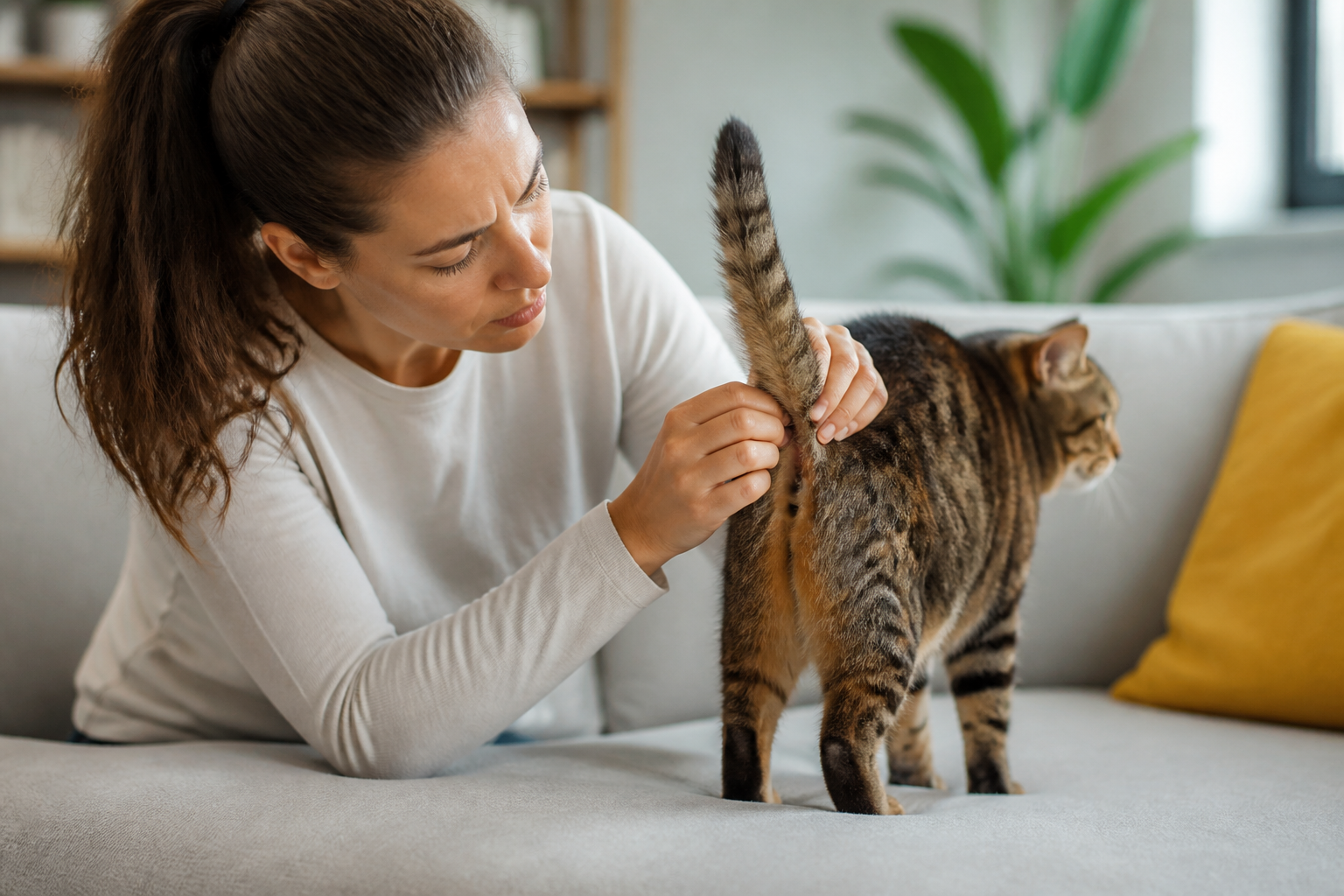
You are likely enjoying a quiet moment on the sofa, running your hand down your cat's back, when you notice a dusting of white flakes concentrated right above their tail. This is a common discovery for many pet owners, but it often brings up questions about hygiene, health, and comfort. At BaxterBoo, we know that your cat's coat is a primary indicator of their overall well-being. Seeing dandruff specifically at the base of the tail usually points toward a few specific issues, ranging from simple grooming challenges to underlying nutritional needs. This post covers why these flakes appear in that specific spot, how to tell the difference between normal shedding and health concerns, and the practical steps you can take to restore your cat's glossy coat. Understanding the cause is the first step toward helping your feline friend feel their best.
Quick Answer: Cat dandruff at the base of the tail is often caused by limited mobility from obesity or arthritis, which prevents proper grooming. It can also stem from dry skin, parasites like fleas, or a lack of omega-3 fatty acids in their diet.
Understanding the Difference Between Dandruff and Dander
Before addressing the flakes, it is helpful to understand what you are actually seeing. All cats produce dander. This consists of microscopic skin cells that shed naturally as the skin renews itself. Dander is generally invisible to the naked eye, though it is the primary culprit for human allergies. It is a normal part of a healthy cat's biology.
Dandruff is different. These are larger, visible clumps of dead skin cells that have stayed on the coat instead of being groomed away. When the skin becomes too dry or too oily, or when the natural shedding process is interrupted, these flakes accumulate. While dander is inevitable, visible dandruff is usually a sign that something in the cat's environment, diet, or physical ability needs adjustment.
Identifying Flea Dirt and Parasites
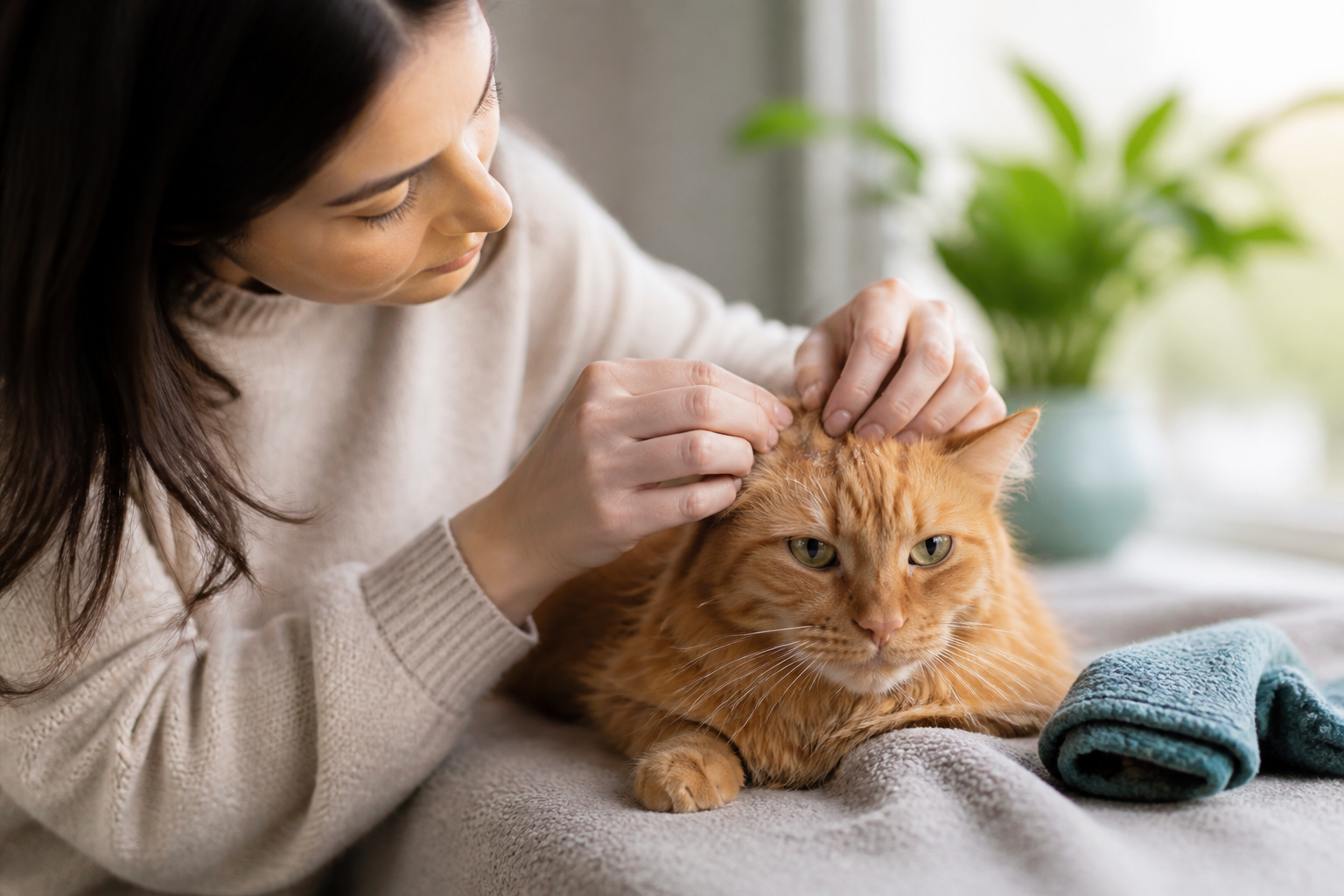
Sometimes, what looks like dandruff is actually evidence of pests. If you see dark, pepper-like specks along with the white flakes, this is likely flea dirt. You can test this by placing the dark specks on a wet white paper towel. If they turn reddish-brown, it is flea dirt.
You should also look for "walking dandruff," which is a nickname for Cheyletiella mites. These are tiny parasites that look like moving flakes of skin. If the dandruff seems to be shifting on its own, a veterinary visit is necessary to secure the right antiparasitic treatment. You can also review our cat flea and tick collection when looking for prevention supplies.
Key Takeaway: Visible white flakes are dandruff, whereas microscopic skin cells are dander. If the flakes appear to move or are accompanied by black specks, parasites are the likely cause.
Why the Base of the Tail is a Trouble Spot
The base of the tail and the lower back are the most common areas for dandruff to accumulate. This is rarely a coincidence. Cats are incredibly flexible, but as they age or gain weight, the lower back becomes the hardest place for them to reach with their tongue.
The Impact of Obesity
If a cat is carrying extra weight, they simply cannot reach their lower back to groom effectively. This leads to a buildup of natural oils and dead skin cells. Over time, these materials clump together into visible dandruff. Because the cat cannot clean the area, the skin can become itchy and irritated, leading to more flaking.
Arthritis and Joint Stiffness
Senior cats often suffer from arthritis or general joint stiffness. Even if a cat is at a healthy weight, the act of twisting to reach the base of the tail can be painful. If your cat has stopped grooming their lower back, it might be an early sign of mobility issues. We carry a variety of joint supports and mobility aids in our cat healthcare category to help senior pets stay comfortable.
Overactive Oil Glands (Stud Tail)
In some cases, the base of the tail produces excessive oil. This is often called "stud tail" or supracaudal gland hyperplasia. While more common in unneutered males, it can happen to any cat. The excess oil traps skin cells, creating a waxy, flaky patch right at the top of the tail. This condition often requires specialized degreasing shampoos to manage.
Vet Tip: If your cat has dandruff localized only at the base of the tail, observe their grooming routine. If they seem to struggle to reach that area or move stiffly, consult your veterinarian to check for arthritis or weight-related mobility issues.
Environmental and Dietary Factors
Sometimes the issue is not how the cat grooms, but the quality of the skin itself. Just like humans, cats react to the air around them and the fuel they put in their bodies.
Low Humidity and Dry Air
During the winter months, indoor heating strips moisture from the air. This can dry out a cat's skin significantly. If your cat only has dandruff during the colder months, the environment is a likely culprit. Using a humidifier in the rooms where your cat spends the most time can help keep their skin hydrated.
Dehydration and Water Intake
Cats are notorious for having a low thirst drive. If a cat is chronically dehydrated, their skin is often the first place to show it. It becomes less elastic and more prone to flaking. To encourage better hydration, consider the following:
- Switching part of their diet to wet food from brands like Tiki Cat or Fussie Cat.
- Using a pet water fountain to provide circulating water.
- Adding a small amount of water or bone broth to their kibble.
For moisture-rich options, explore our wet cat food selection.
Nutritional Deficiencies
A coat that is dull and flaky often lacks essential fatty acids. Omega-3 and Omega-6 fatty acids are crucial for maintaining the skin's moisture barrier. If your cat's food is low quality or lacks these fats, the skin will become brittle. High-quality brands like Farmina, Orijen, and Acana prioritize these nutrients to support coat health. You can also browse our skin and coat care options for nutritional support.
Bottom line: Environmental moisture and dietary fats are the building blocks of a flake-free coat.
Practical Steps for Managing Cat Dandruff
Once you have ruled out serious medical conditions with your vet, you can start a home care routine to clear the flakes. Consistency is the most important factor in seeing results.
Step-by-Step Grooming Routine
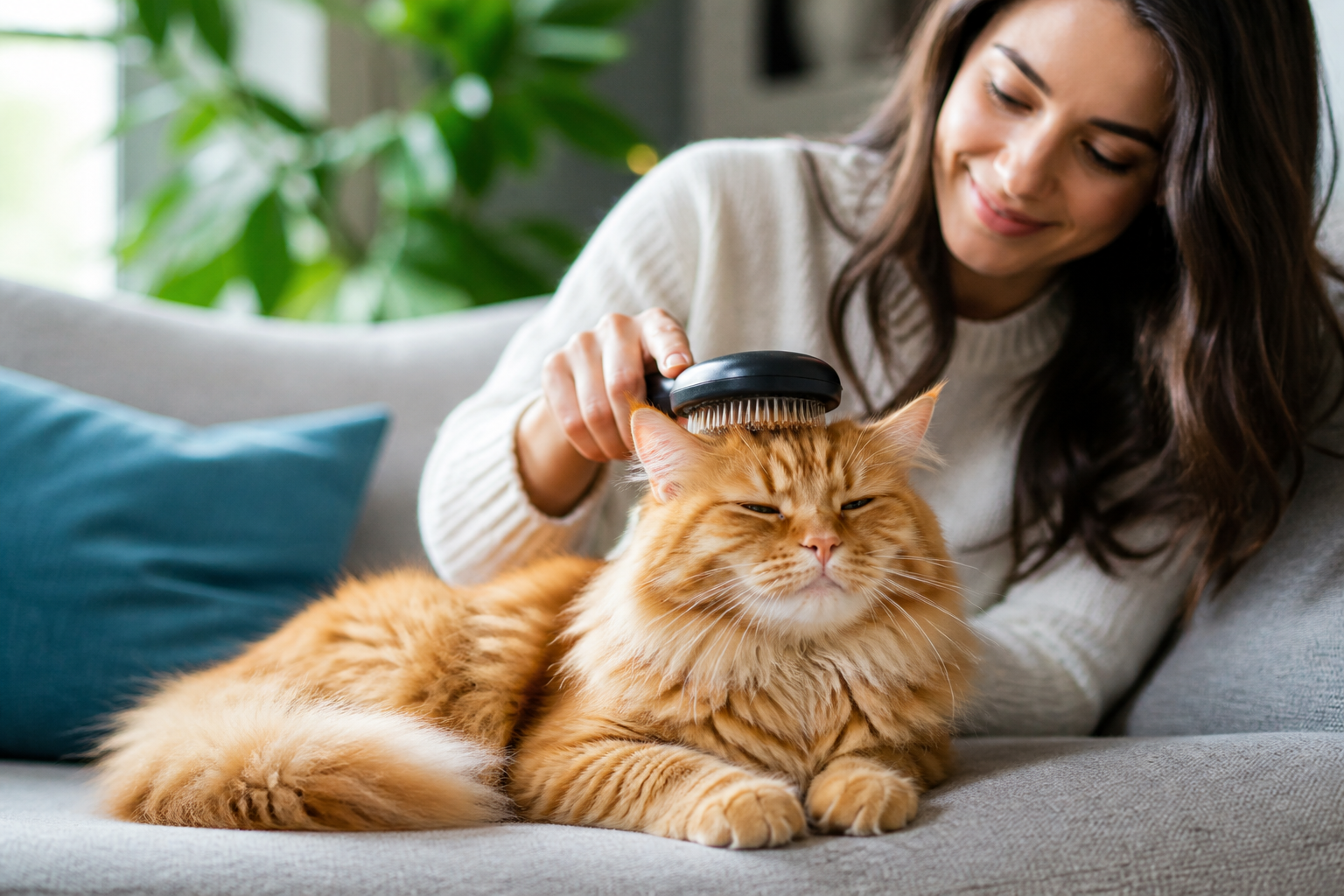
Step 1: Choose the right tool. / Use a soft slicker brush or a fine-toothed comb designed for cats. Avoid harsh metal bristles that might scratch already irritated skin.
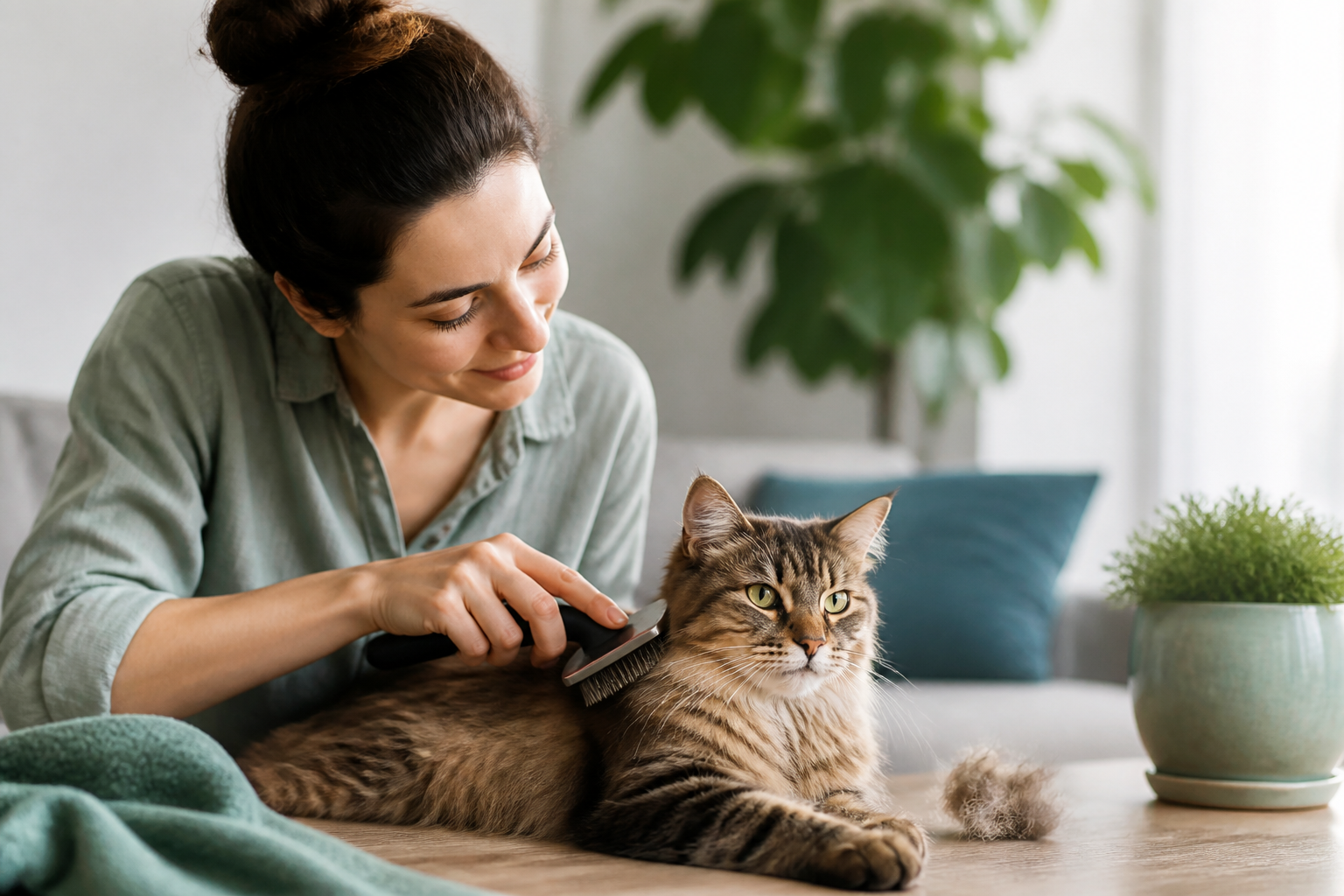
Step 2: Brush daily. / Since your cat cannot reach the base of their tail, you must do the work for them. Daily brushing removes dead hair and distributes natural skin oils across the coat.
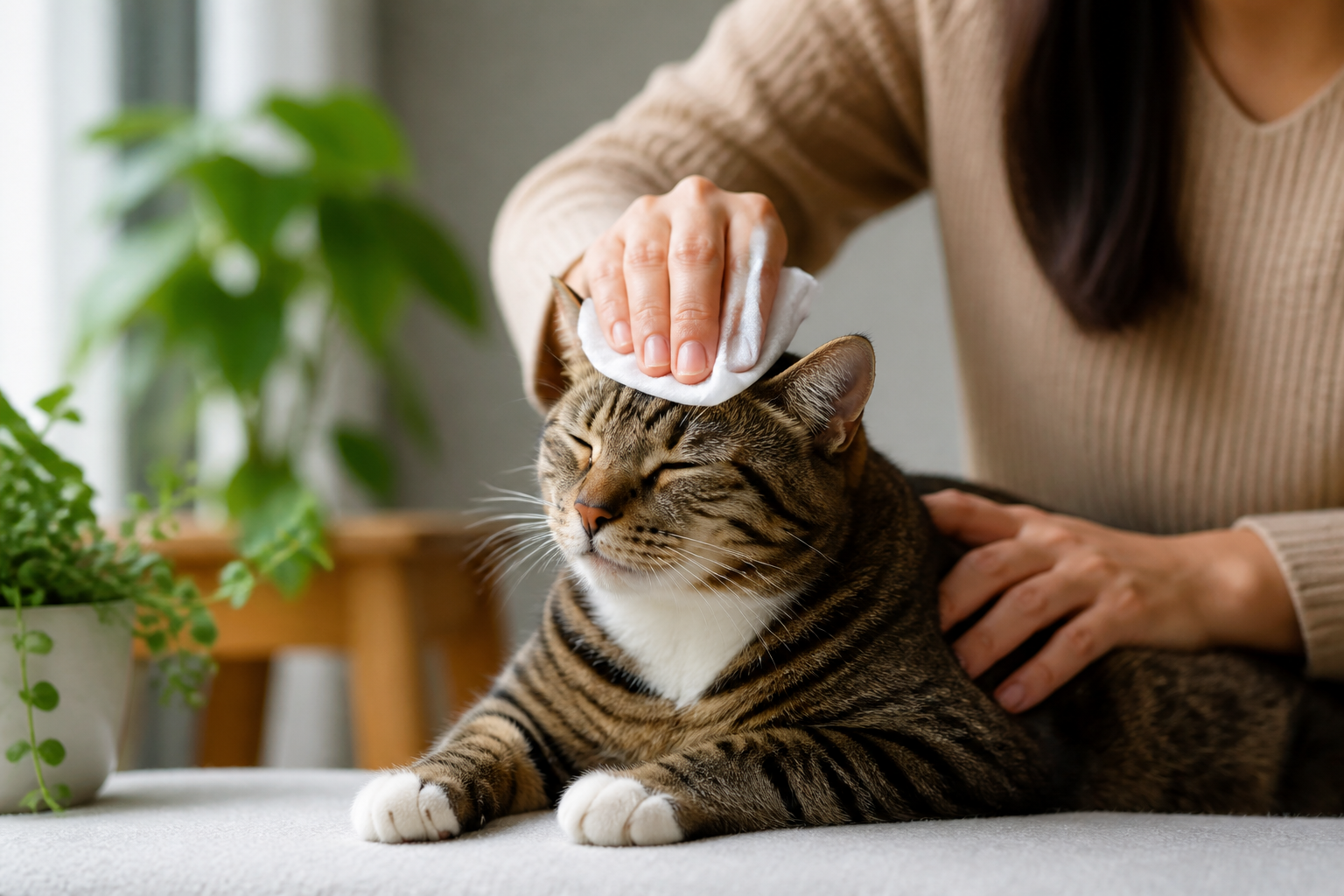
Step 3: Use a waterless shampoo or grooming wipe. / Most cats dislike baths. A moisturizing grooming wipe or a foam-based waterless shampoo can help break up oils and remove flakes without the stress of a tub. Our cat grooming supplies include brushes, combs, shampoos, and grooming tools.
Step 4: Supplement the diet. / Add a fish oil supplement or a skin and coat chew, such as those from Zesty Paws or Honest Paws. These provide the internal boost needed to repair the skin barrier.
When to Consider a Professional Groomer
If the dandruff is accompanied by matting, a professional groomer might be necessary. Mats trap moisture against the skin, which can lead to bacterial infections. A professional can safely shave or thin out the undercoat at the base of the tail, allowing the skin to breathe and making it easier for you to apply topical treatments.
For additional parasite-prevention guidance, read our flea and tick prevention guide.
Health Conditions That Require Veterinary Care
While most dandruff is a grooming or dietary issue, it can sometimes be a symptom of a systemic health problem. If you notice other changes in your cat’s behavior, it is time for a professional evaluation.
Diabetes and Hyperthyroidism
Both diabetes and hyperthyroidism can change the texture of a cat’s skin and fur. Cats with these conditions often develop a "staring" coat, where the fur looks unkempt, greasy, or excessively flaky. These are serious metabolic disorders that require blood work for diagnosis.
Skin Infections
If the skin under the dandruff is red, raw, or has a strange odor, your cat may have a secondary bacterial or fungal infection. Ringworm, for example, is a fungus that causes circular patches of hair loss and heavy scaling. These conditions will not resolve with brushing alone and require medicated treatments.
Allergies
Cats can develop allergies to their food or things in their environment like dust and pollen. This often manifests as itchy, flaky skin. If your cat is over-grooming other areas while leaving the base of the tail flaky, allergies might be causing the inflammation.
Vet Tip: Always consult your veterinarian if dandruff is accompanied by increased thirst, changes in appetite, lethargy, or patches of total hair loss. These signs suggest a medical issue rather than a simple grooming problem.
Utilizing the BaxterBoo Pharmacy
When a veterinarian diagnoses a specific condition like a skin infection, severe allergies, or a metabolic disorder, they will often prescribe medication or a therapeutic diet. This is where our pet pharmacy can help. Through our partnership with Pet's Choice, we offer a wide range of FDA-approved medications and prescription pet foods.
If your cat needs a specialized diet like Farmina Vet Life or Royal Canin Veterinary Diet to manage weight or skin sensitivities, you can fulfill those requirements through us. We also carry prescription flea and tick preventives, which are essential if parasites are the root cause of your cat's skin irritation. Having your prescriptions delivered alongside your regular treats and toys makes managing a chronic condition much easier.
Transitioning to a Skin-Supportive Diet
If you and your vet decide a diet change is necessary to help your cat's skin, it is important to move slowly. A sudden change can cause digestive upset, which only adds to your cat's stress.
- Days 1-2: 25% new food, 75% old food.
- Days 3-4: 50% new food, 50% old food.
- Days 5-6: 75% new food, 25% old food.
- Day 7: 100% new food.
During this transition, look for foods that list high-quality animal proteins as the first ingredient. Avoid fillers that don't provide nutritional value for the skin. Brands like Stella and Chewy's or The Honest Kitchen offer minimally processed options that retain more of their natural nutrients.
Key Takeaway: A slow transition to a high-quality, omega-rich diet can significantly improve skin health over several weeks.
Creating a Stress-Free Environment
Stress can actually manifest physically in cats, often leading to changes in their coat. When a cat is stressed, they may over-groom certain areas or stop grooming altogether. If you have recently moved, added a new pet, or changed your schedule, your cat's dandruff might be a physical reaction to that stress.
Using calming diffusers or supplements from our Anxiety and Calming section can help lower your cat's stress levels. A relaxed cat is more likely to engage in healthy self-grooming behaviors. Providing vertical space, like cat trees, and predictable routines can also help your feline friend feel secure, which reflects in the health of their skin.
Summary of Care for Tail-Base Dandruff
Managing dandruff is about more than just aesthetics. It is about ensuring your cat is comfortable and healthy. By addressing the physical limitations that prevent grooming and providing the right nutrients, you can usually clear up those white flakes within a month.
- Monitor your cat's weight to ensure they can reach their lower back.
- Brush the base of the tail daily to assist with grooming.
- Increase hydration through wet food and water fountains.
- Add omega-3 fatty acid supplements to support the skin barrier.
- Use a humidifier during dry winter months.
- Consult a vet for any signs of infection, parasites, or metabolic changes.
BaxterBoo is here to support you through every stage of your cat's life. Whether you need a new grooming brush, a high-protein food, or a prescription filled through our pharmacy, we have the tools you need to keep your cat's coat shiny and flake-free. Our MVP Rewards program also makes it easy to save on the supplies you use most, ensuring your pet gets the best care without stretching your budget.
Bottom line: Tail-base dandruff is usually a call for help with grooming or nutrition, and most cases can be resolved with consistent home care and high-quality supplies.
FAQ
Is cat dandruff at the base of the tail a sign of fleas?
It can be, but it is not the only cause. Fleas cause irritation that leads to scratching and flaking, and their "dirt" can sometimes be mistaken for dark dandruff. Check the skin for small red bumps or moving insects, and use a flea comb to look for debris. If you find evidence of pests, our cat pharmacy offers several FDA-approved flea preventives to clear the infestation.
Why does my senior cat suddenly have flakes on her lower back?
As cats age, they often develop arthritis or general stiffness that makes it painful to reach their lower back. Since they cannot groom that area effectively, dead skin cells and oils build up into dandruff. Helping your senior cat with daily brushing and providing joint supplements can make a significant difference in their coat quality and comfort.
Can I use human dandruff shampoo on my cat?
No, you should never use human dandruff shampoos on a cat. Many of these products contain ingredients that are toxic to cats if ingested during grooming. Cats also have a different skin pH than humans, and human products can strip their natural oils, making the dandruff worse. Always use a shampoo specifically formulated for felines.
Does diet really affect how much dandruff a cat has?
Yes, nutrition is one of the biggest factors in skin health. A diet lacking in essential fatty acids, specifically omega-3s, will result in dry, brittle skin and a dull coat. Switching to a premium food or adding a fish oil supplement can help the skin retain moisture and reduce the production of flakes over time.