Save 15% on your 1st Autoship learn more

 Email us
 Live Chat
 FAQs
FAQs





Introduction
You are sitting on the sofa with your cat when they jump up for a scratch behind the ears. As you stroke down their back toward the tail, you notice something out of place. Instead of the usual sleek, shiny fur, there are tiny white flakes clinging to the hair near the base of the spine. Seeing these flakes can be a bit startling, especially when your cat is usually so focused on staying clean. This is a common issue for many feline friends, and at BaxterBoo, we see pet owners asking about it throughout the year.
Cat tail dandruff is rarely just a cosmetic problem. It often points to issues with the environment, grooming habits, or internal health. This post covers why those flakes appear specifically on the tail, how to tell dandruff apart from parasites, and what you can do to restore your cat's coat. Understanding these signs helps you ensure your cat stays comfortable and flake-free.
What Exactly Is Cat Dandruff?
Dandruff is a collection of dead skin cells that have clumped together and become visible. In a healthy cat, skin cells grow, die, and shed in a constant cycle. Usually, these cells are microscopic. You never notice them because your cat grooms them away during their daily cleaning routine. When the skin becomes irritated, dry, or overactive, the cells shed too quickly. They stick to the natural oils in the fur and form the visible white flakes you see.
It is important to distinguish between dandruff and dander. Every cat has dander. These are the tiny, invisible skin cells that everyone sheds. Dander is what typically triggers allergies in humans. Dandruff, however, is a sign that the skin barrier is struggling. It is most common along the back and the base of the tail because these areas have a high concentration of oil-producing glands.
Quick Answer: Cat tail dandruff consists of visible white flakes of dead skin that accumulate when the skin is dry, irritated, or when the cat cannot groom properly. It often indicates an underlying issue like low humidity, poor nutrition, or mobility problems.
Why the Tail Base Is a Problem Area
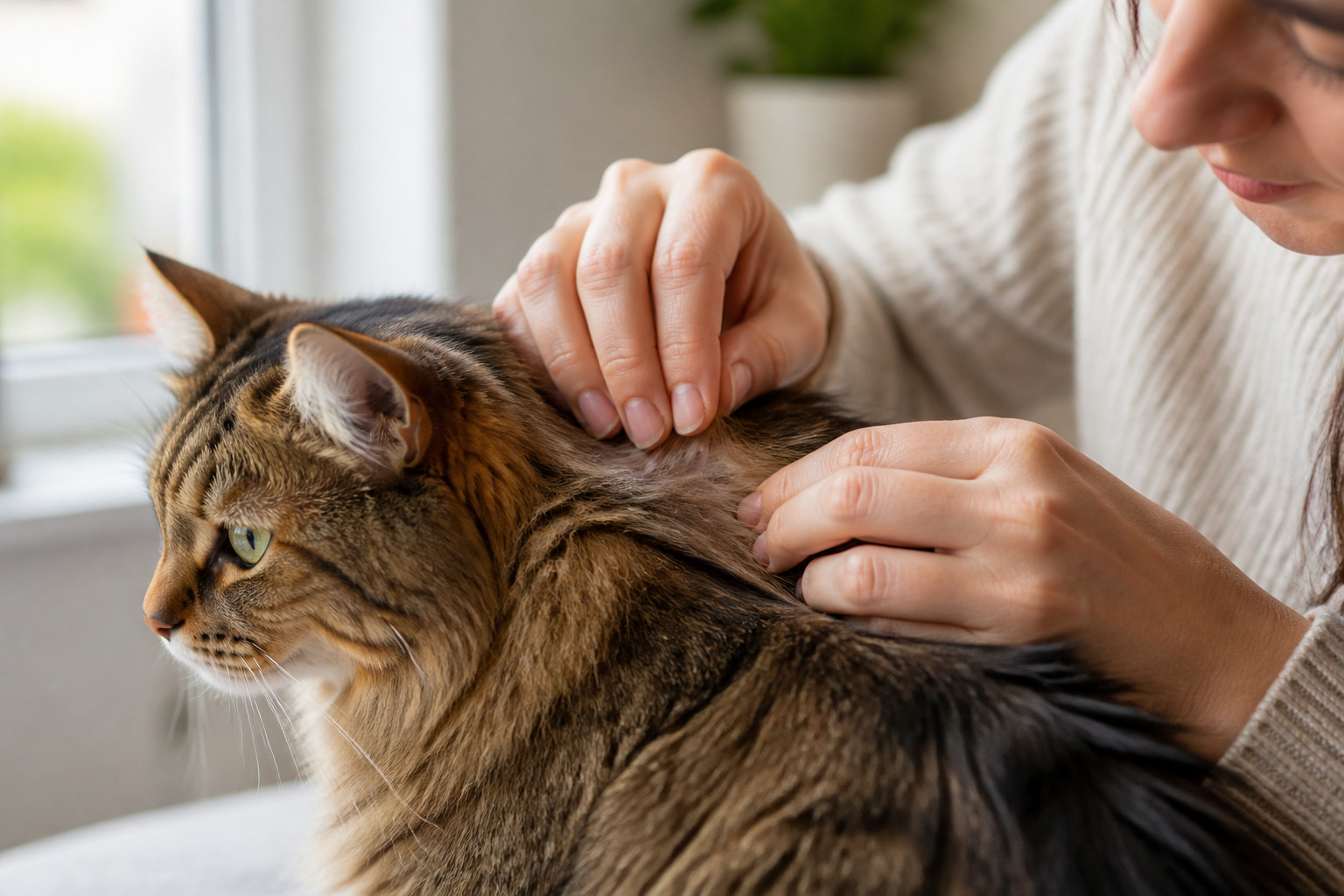
Many owners notice that dandruff seems concentrated right at the base of the tail and along the spine. There are several biological reasons for this specific placement. The skin along the back and tail base contains a high density of sebaceous glands. These glands produce sebum, which is the natural oil that keeps the coat waterproof and shiny. If these glands overproduce oil, it can trap dead skin cells and create flakes.
The tail base is also a difficult spot for some cats to reach. If a cat is carrying extra weight or has stiff joints, they may stop grooming that specific area. When the tongue cannot reach those spots to clear away dead skin, the flakes build up quickly. This makes the tail a "canary in the coal mine" for other health issues like obesity or arthritis.
Environmental Triggers and Dry Air
The environment inside your home plays a massive role in skin health. During the winter months, many US homes use forced-air heating. This system pulls moisture out of the air, which can cause the skin to lose its natural hydration. If the air is too dry, the skin becomes brittle and starts to flake. This is very similar to how humans get dry skin or "winter itch" when the humidity drops.
Low humidity is one of the most common causes of mild dandruff. If your cat only gets flakes during the cold months, the environment is the likely culprit. You might also notice that your cat's fur feels a bit more static-prone or looks duller than usual during this time.
Key Takeaway: Seasonal changes and indoor heating often lead to dry skin. Monitoring the humidity levels in your home can significantly reduce flaky skin on your cat's tail.
Simple Steps for Environmental Control
- Place a humidifier in the room where your cat sleeps most often.
- Keep the home temperature consistent to avoid sudden skin stress.
- Ensure your cat has access to multiple fresh water sources to stay hydrated from the inside out.
The Link Between Nutrition and Skin Health
What goes into your cat's body shows up on their coat. The skin is the largest organ in the body and requires a lot of protein and healthy fats to stay strong. If a diet is low in essential fatty acids, the skin barrier weakens. This leads to moisture loss and flaking. At BaxterBoo, we carry a wide variety of premium foods like Stella and Chewy's, Open Farm, and Farmina that prioritize high-quality proteins and healthy fats. Explore our cat food selection when reviewing your cat's current diet.
Omega-3 and Omega-6 fatty acids are crucial for skin health. These fats help "glue" the skin cells together, creating a waterproof seal. When this seal is broken, the skin becomes dry and reactive. If you are feeding a budget-friendly kibble that is high in fillers, your cat might not be getting the nutrients they need for a glossy coat.
Vet Tip: If your cat has persistent dandruff despite grooming and environmental changes, consult your veterinarian about their diet. They may recommend a prescription diet or a specific supplement to support the skin barrier.
When Grooming Becomes Difficult
Cats are famous for their cleanliness. If a cat has visible dandruff on their tail, it often means they have stopped grooming that area. This change in behavior is a significant clinical sign. For younger cats, obesity is a common reason. A cat that is overweight simply cannot bend far enough to reach the base of their tail.
For senior cats, the issue is often related to discomfort. Arthritis in the hips or spine makes the twisting motion of grooming painful. If your cat used to be a fastidious cleaner but now has a messy tail, it is time to look at their mobility. Our Medical and Mobility section offers products that can help support senior pets, but a vet visit is essential to manage any underlying pain.
Signs of Grooming Struggles
- Matted fur along the spine or tail.
- A greasy feel to the coat in hard-to-reach spots.
- The cat reacts with sensitivity or "twitching" when you touch their lower back.
- Visible flakes that do not disappear after a few days.
Parasites and "Walking Dandruff"
Not all white flakes are just dead skin. There is a specific parasite called Cheyletiella mites that is often confused with regular dandruff. These mites are large enough to be seen with the naked eye. Because they move around under the fur, the condition is nicknamed "walking dandruff." If you look closely at the flakes and notice they seem to be shifting, your cat likely has a mite infestation.
Standard fleas can also cause skin irritation that leads to flaking. Flea allergy dermatitis is a condition where a cat is hypersensitive to flea saliva. A single bite can cause a massive inflammatory response, leading to redness, itching, and heavy dandruff. Our pharmacy carries FDA-approved flea and tick preventives through our partnership with Pet's Choice. Options like Frontline or NexGard can help keep these pests away. You can also review our cat flea and tick collection for prevention options.
Vet Tip: Never use human dandruff shampoos or over-the-counter flea treatments without checking with a professional first. Many human products contain ingredients like zinc or tea tree oil that are toxic to cats.
For more guidance on protecting pets from parasites, read our guide to flea and tick prevention products.
The Role of Stress and Anxiety
Cats are highly sensitive to changes in their routine. Stress can manifest in many physical ways, including changes to the skin and coat. When a cat is stressed, their body produces cortisol. High levels of this hormone can interfere with the skin's ability to repair itself. Some cats also engage in "displacement grooming" where they over-groom certain areas while neglecting others, leading to an uneven coat and flaking.
If you have recently moved, added a new pet, or changed your work schedule, your cat might be feeling the pressure. Adding enrichment toys or using calming pheromones can help. We carry a range of Anxiety and Calming products to help manage these transitions.
How to Manage Cat Tail Dandruff at Home
Once you have ruled out serious medical issues with your vet, you can take steps to improve your cat's coat at home. The goal is to remove the existing flakes while encouraging the skin to produce healthy new cells.
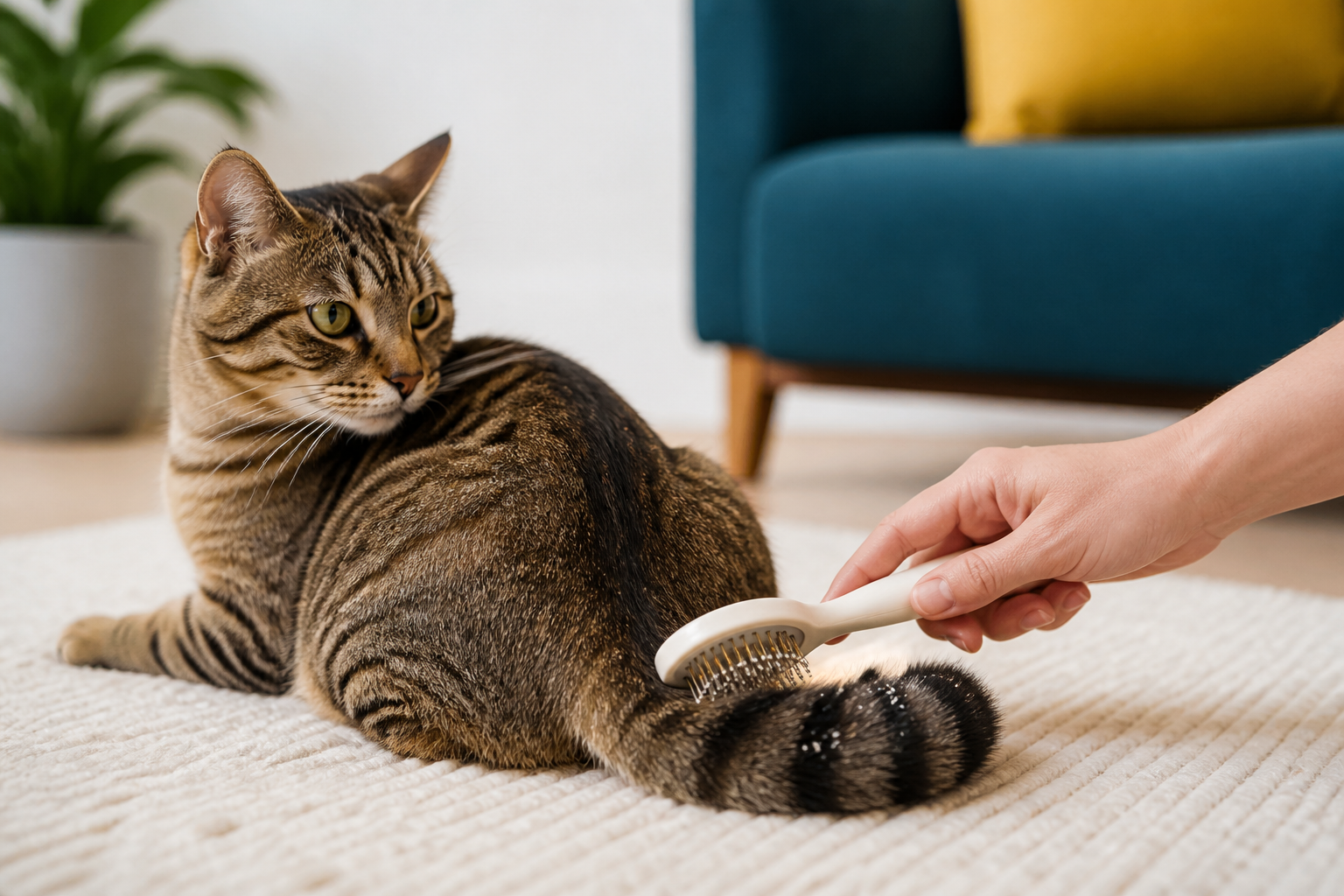
Step 1: Increase Brushing Frequency. / Use a soft-bristled brush or a grooming glove to gently remove loose flakes and hair. This mimics the action of their tongue and stimulates blood flow to the skin. Our cat grooming supplies include brushes, combs, wipes, and other helpful tools.
Step 2: Add Moisture to the Diet. / Consider adding a small amount of wet food if your cat primarily eats kibble. This increases their overall hydration, which is vital for skin health.
Step 3: Use a Waterless Shampoo. / Most cats hate baths, and traditional soap can strip away beneficial oils. A cat-specific foam or waterless shampoo can help break down oils and flakes without the stress of a tub. For a gentler cleanup option, browse waterless grooming products for cats.
Step 4: Check the Tail Area Daily. / Keep a close eye on the base of the tail to see if the flakes are improving or if the skin looks red and irritated.
Key Takeaway: Consistent, gentle grooming and increased hydration are the most effective ways to manage mild dandruff at home.
When to See a Veterinarian
While a few flakes during a dry winter might not be an emergency, dandruff can sometimes signal internal health problems. Conditions like hyperthyroidism or diabetes can change the way a cat's body processes nutrients, leading to poor coat quality. If the dandruff is accompanied by other symptoms, a professional evaluation is necessary.
Schedule a visit if you notice:
- Red, inflamed, or bleeding skin.
- Patches of hair loss (alopecia).
- A sudden change in appetite or thirst.
- The flakes appear to be "moving" (mites).
- Your cat is excessively scratching or biting at their tail.
Your vet may perform a skin scraping to look for parasites or order blood work to check for underlying diseases. If your cat needs specialized care, the pet pharmacy for cats offers prescription pet foods and medications through our Pet's Choice partnership. This is a convenient way to get the exact products your vet recommends delivered to your door.
Nutritional Supplements for Skin Support
If your vet confirms that the dandruff is due to dry skin or a lack of nutrients, supplements can be a great addition to the routine. Fish oil is the most common recommendation. It is packed with EPA and DHA, which are specific types of Omega-3s that reduce inflammation in the skin.
We carry several trusted brands like Zesty Paws, Honest Paws, and Cosequin that offer skin and coat support. These often come in liquid or treat forms, making them easy to give to even the pickiest cats. Regular use of these supplements can lead to a noticeably shinier coat and a reduction in flakes within four to six weeks. Browse skin and coat health products for cats to explore available options.
Bottom line: High-quality nutrition and Omega-3 supplements provide the building blocks for a healthy, flake-free skin barrier.
Maintaining Long-Term Coat Health
Preventing dandruff is much easier than treating it once it becomes severe. Establishing a routine helps you catch changes early. We recommend a weekly "body check" where you feel for lumps, check the skin for flakes, and look at the ears and eyes. This keeps you in tune with your cat's baseline health.
For those who use repeat-purchase items like skin-support food or flea preventives, our Autoship programme is a great way to save. You get a discount on your first order and a free MVP Gold membership. This ensures you never run out of the supplies your cat needs to stay healthy.
At BaxterBoo, we have been helping pet owners care for their cats since 2006. Whether you are visiting our warehouse in Vernon Hills or ordering online, our team is here to help you find the right tools for the job. Taking care of your cat's skin is a small but important part of their overall well-being.
FAQ
Is cat dandruff the same as flea eggs?
No, cat dandruff and flea eggs look quite different upon close inspection. Dandruff consists of flat, irregular white flakes that often stick to the hair. Flea eggs are perfectly oval, white, and look like tiny grains of salt that usually fall off the fur easily. If you see black specks as well, that is flea dirt, which confirms an infestation.
Can I give my cat a bath to get rid of dandruff?
In most cases, a full bath is not recommended for cat dandruff. Soap and water can strip away natural oils and cause more dryness, making the problem worse. Instead, use a cat-specific grooming wipe or a waterless foam shampoo. These products clean the fur and remove flakes without the stress or drying effects of a traditional bath.
Why does my senior cat have so much dandruff on their lower back?
Senior cats often develop dandruff because of reduced mobility. Arthritis or general stiffness makes it difficult for them to reach their lower back and tail. When they stop grooming those areas, dead skin cells and oils build up. You can help by gently brushing those hard-to-reach spots for them once or twice a day.
Can a change in diet fix my cat's dandruff?
A change in diet can often improve skin health if the current food is lacking essential fatty acids. Switching to a high-quality food with Omega-3 and Omega-6 fats helps strengthen the skin barrier. However, it usually takes about four to eight weeks to see the results of a diet change on your cat's coat. Always consult your vet before making significant dietary shifts.