
 Save 15% on your 1st Autoship learn more

 Email us
 Live Chat
 FAQs





Introduction
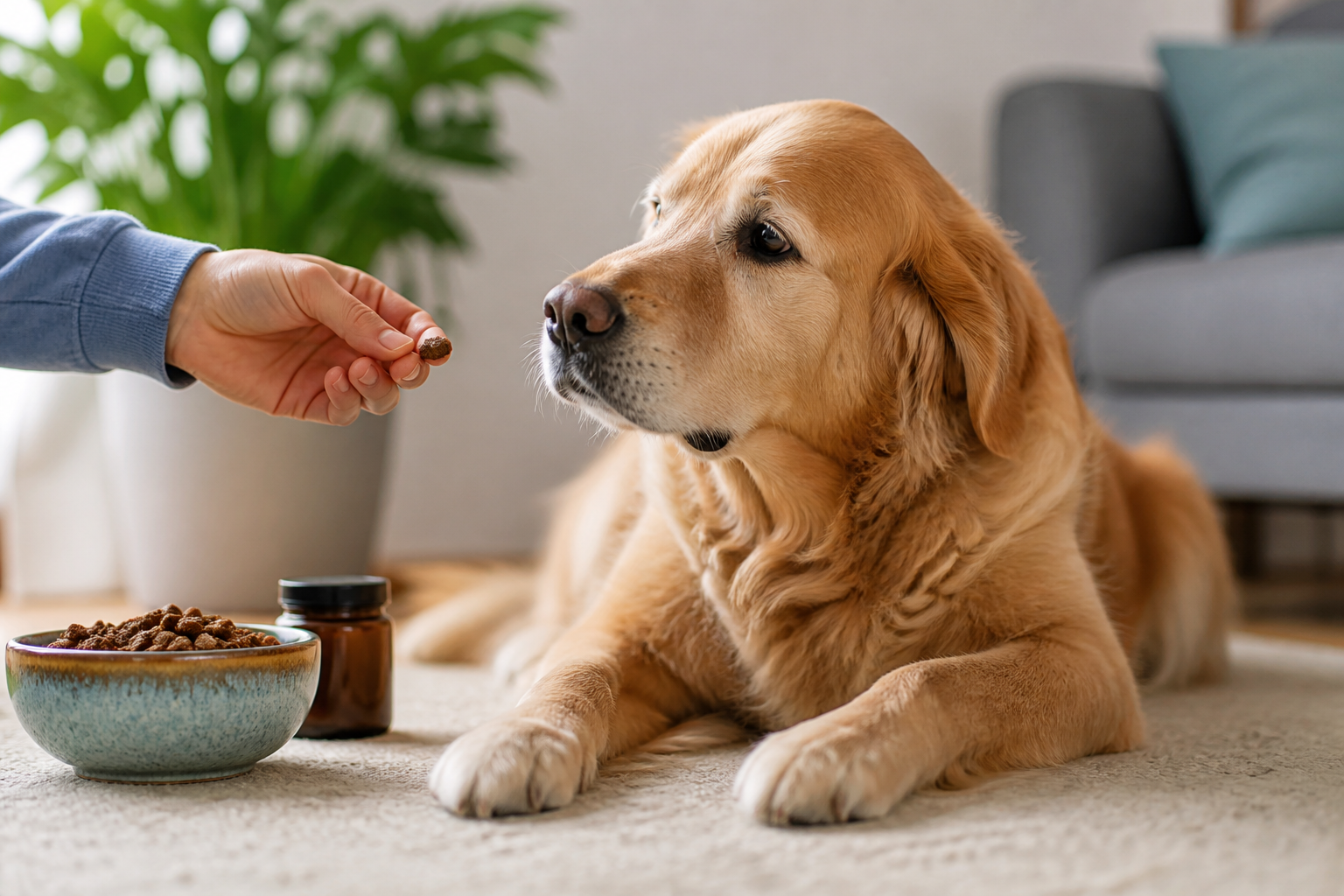
If you have just finished a course of antibiotics for your dog's ear infection or UTI, you might think the hard part is over. However, many pet owners notice that once the infection clears, new issues like loose stools or a lack of appetite begin. This happens because antibiotics are powerful tools that do not distinguish between harmful bacteria and the beneficial microbes in your dog's gut. At BaxterBoo, we see this often and want to help you navigate the recovery process safely. This post covers how to choose the right supplements, why timing matters, and how to support your dog’s microbiome during and after medication. Restoring gut health is a vital step in ensuring your dog stays happy and active after a health scare.
The Impact of Antibiotics on the Canine Microbiome
The gut microbiome is a complex ecosystem of billions of bacteria and microorganisms living in your dog’s intestines. These tiny workers help digest food and produce vitamins. They also play a massive role in supporting the immune system. In fact, about 70 percent of a dog’s immune system lives within the digestive tract. When your veterinarian prescribes antibiotics, the goal is to kill the harmful bacteria causing an infection.
Unfortunately, antibiotics act like a scorched earth policy in the gut. While they eliminate the "bad guys," they also wipe out the "good guys" that keep your dog’s digestion running smoothly. This imbalance is often called dysbiosis. When the gut is out of balance, your dog might experience gas, bloating, or chronic diarrhea.
Quick Answer: Antibiotics kill both harmful and beneficial bacteria in the gut. Giving your dog probiotics helps replenish these good bacteria, reduces the risk of diarrhea, and supports long term immune health.
The loss of diversity in the gut can last for weeks or even months after the medication ends. This is why many pet owners turn to probiotics. These supplements introduce live, beneficial bacteria back into the system to help restore order. Without this support, your dog may be more susceptible to secondary infections or digestive upset. Explore our dog digestive health supplements when choosing products for your dog’s recovery.
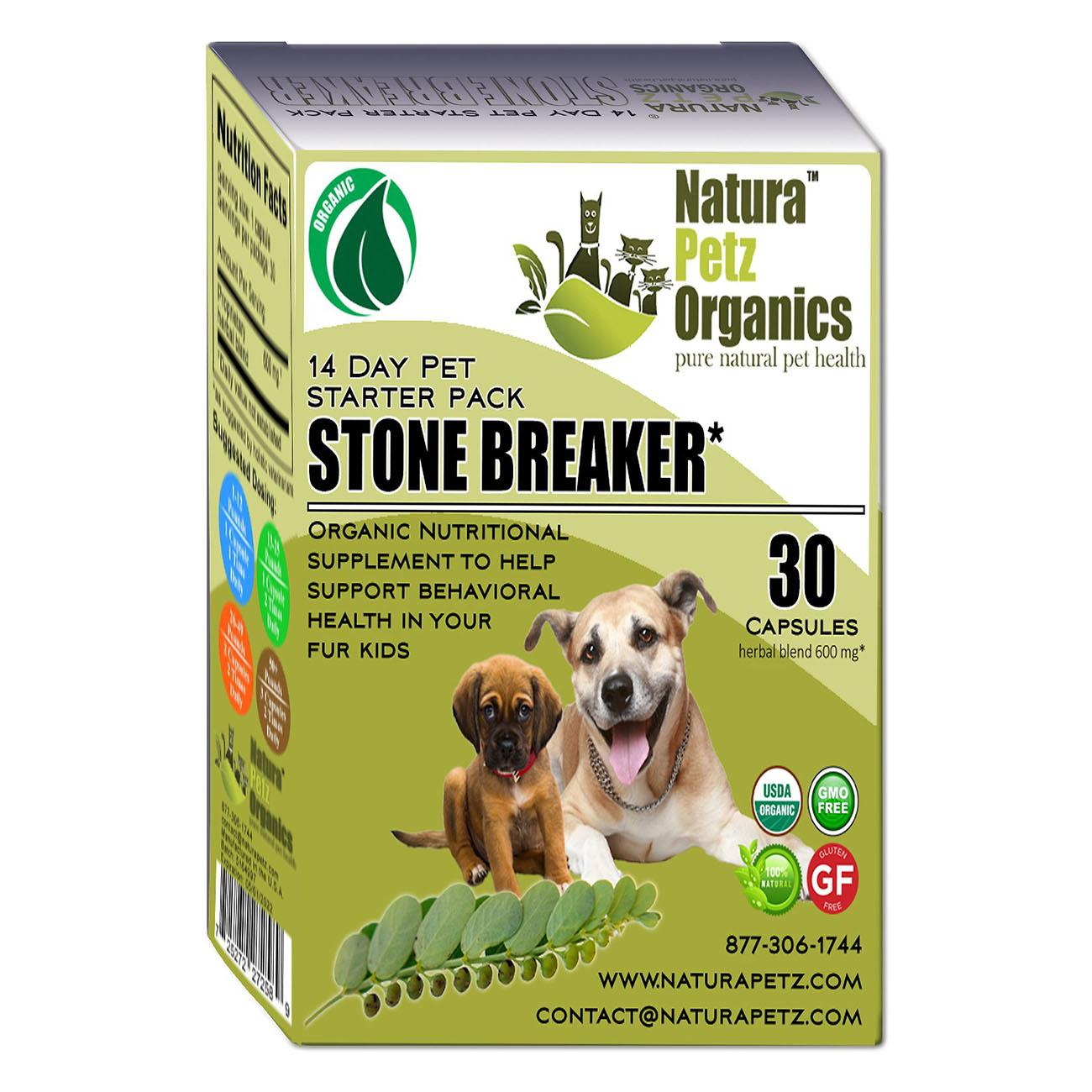
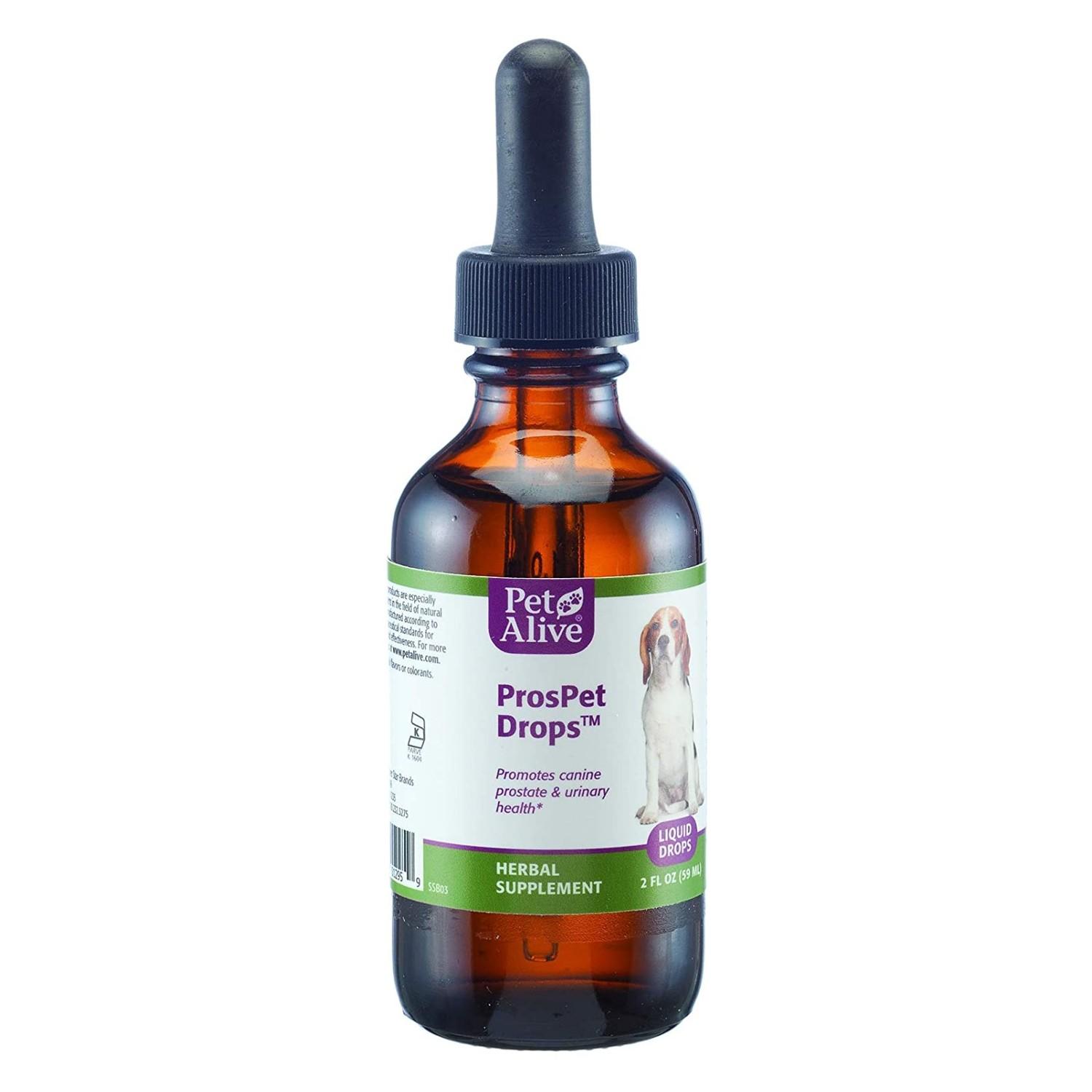
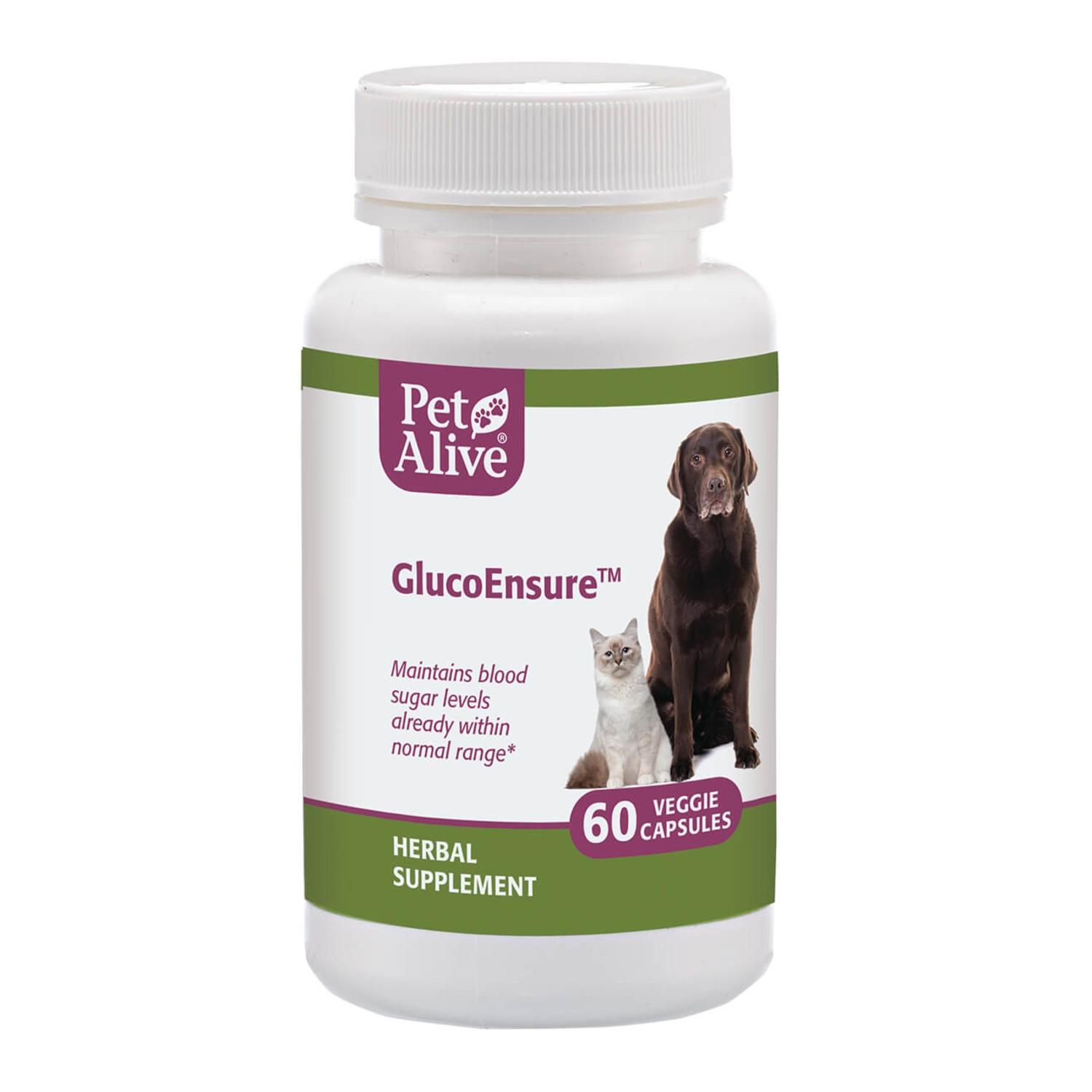
Dog Digestive & Urinary Aid






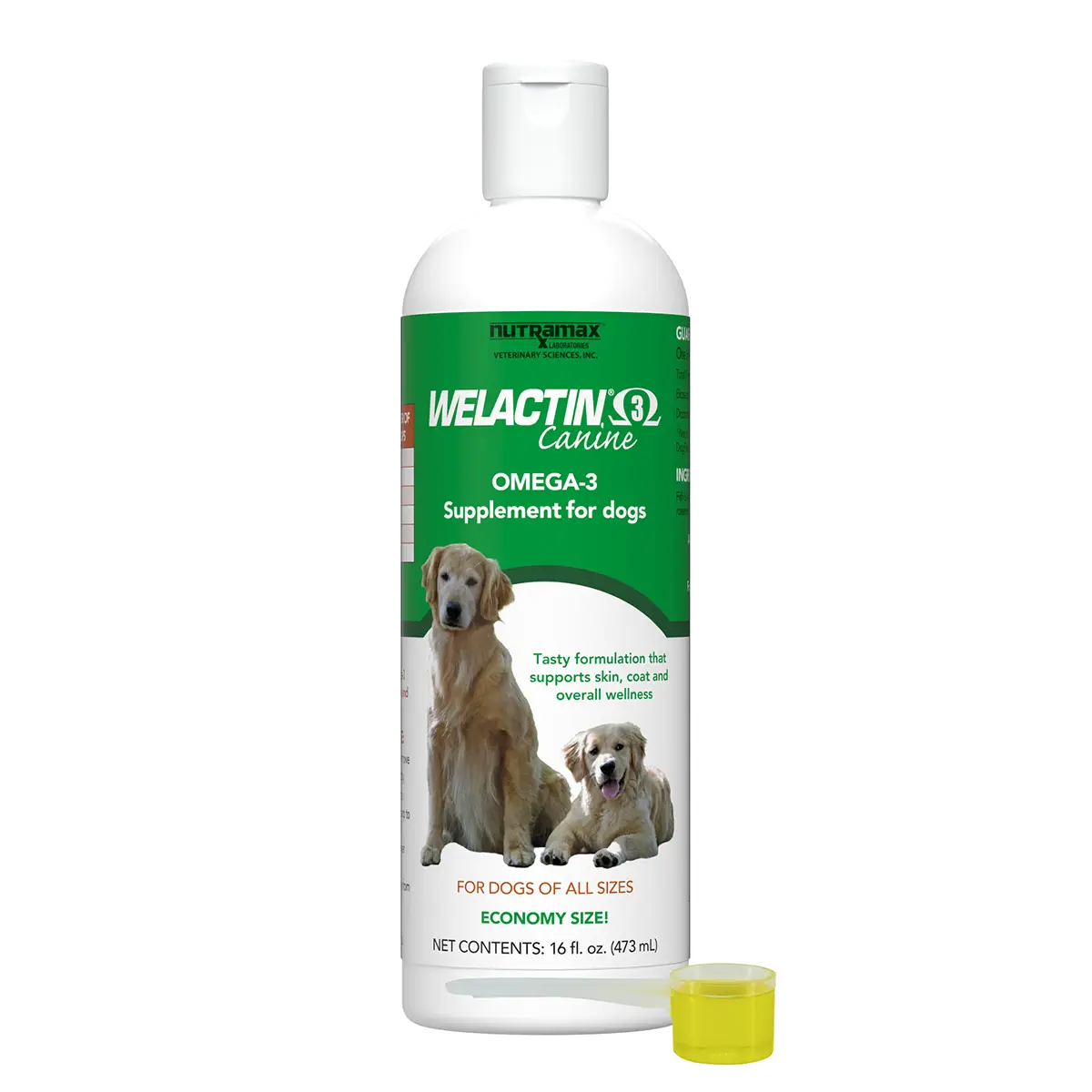


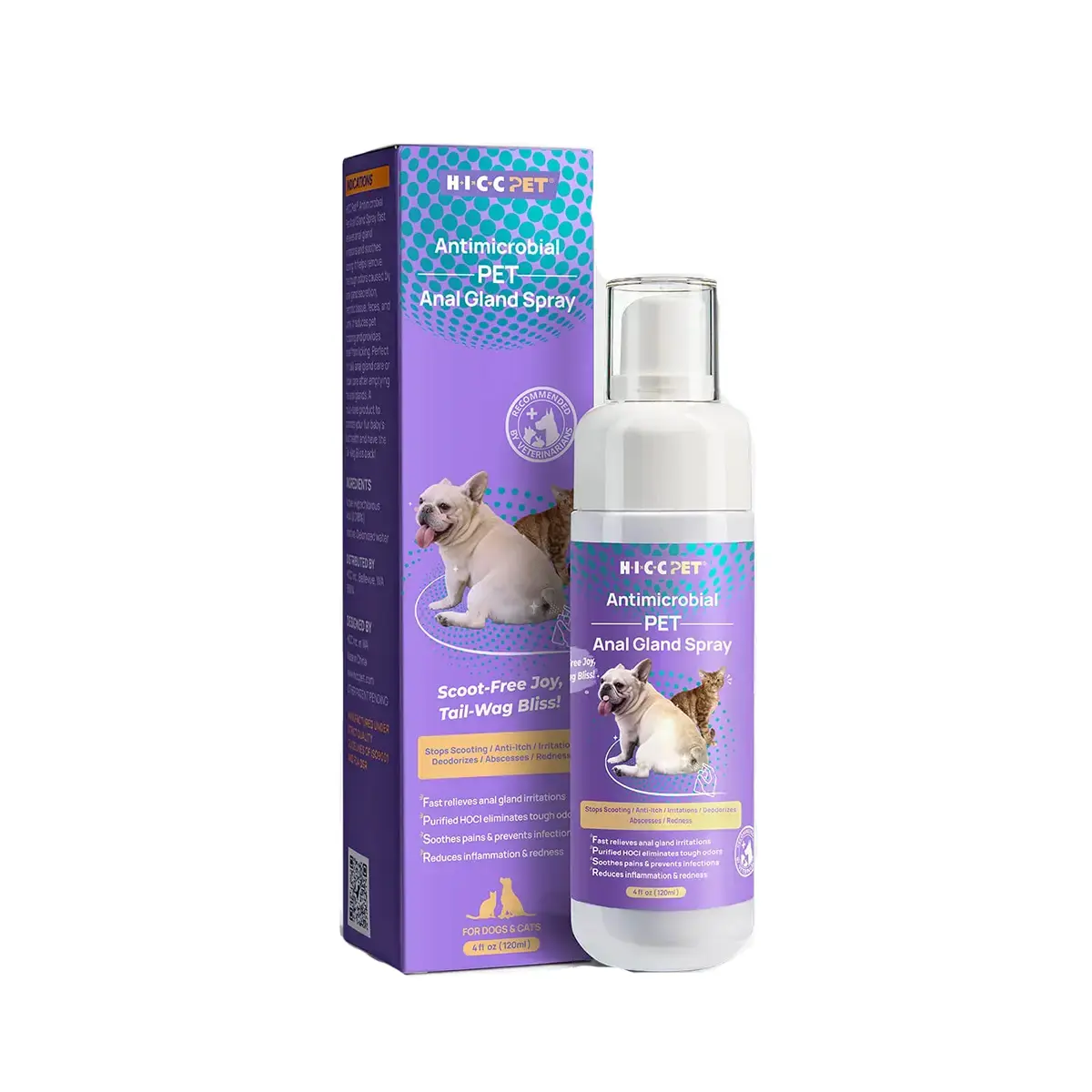
Choosing the Right Probiotics for Recovery
Not all probiotics are created equal. Many pet owners reach for the first bottle they see, but specific strains are better suited for recovery from antibiotics. Some traditional bacteria based probiotics can actually be killed by the very antibiotics your dog is taking. This makes them less effective if given during the treatment course.
The Power of Saccharomyces Boulardii
One of the most effective options is Saccharomyces boulardii. This is actually a type of beneficial yeast rather than a bacteria. Because it is a yeast, antibiotics cannot kill it. This means you can give it to your dog while they are still on their medication.
Studies show that S. boulardii significantly reduces the chances of antibiotic associated diarrhea. It acts as a placeholder in the gut, preventing harmful pathogens from taking over while the natural bacterial population is low. We carry several high quality supplements that feature this specific strain to help your dog through their recovery.
Soil Based Probiotics
Another great option includes soil based organisms like Bacillus subtilis and Bacillus coagulans. These are spore forming bacteria. They have a hard outer shell that protects them from stomach acid and most antibiotics. They are very hardy and can survive the journey to the lower intestine where they are needed most.
What to Look for on the Label
When you are shopping at our BaxterBoo warehouse or browsing our online store, check the labels for these details:
- CFU Count: This stands for Colony Forming Units. Look for a product with 1 to 10 billion CFUs.
- Specific Strains: Ensure the label lists the exact species, such as Enterococcus faecium or Lactobacillus acidophilus.
- Expiration Date: Probiotics are live organisms and must be fresh to work.
- Guaranteed Analysis: This ensures the number of live organisms promised is actually in the product.
Key Takeaway: Use yeast based or soil based probiotics during the antibiotic course to ensure the "good" microbes survive and provide immediate support.
The Importance of Prebiotics
Probiotics are the "seeds," but prebiotics are the "fertilizer." Prebiotics are types of dietary fiber that humans and dogs cannot digest. Instead, they travel to the colon and serve as food for the beneficial bacteria living there. Feeding the good bacteria helps them multiply faster and stay stronger.
Common prebiotics found in pet supplements include:
- Fructooligosaccharides (FOS)
- Inulin
- Mannan oligosaccharides (MOS)
- Chicory root
When you combine probiotics and prebiotics, the product is called a synbiotic. This combination is often the most effective way to jumpstart a damaged gut. If your dog is a picky eater, many of these come in flavored powders or chewables that taste like treats. Our selection of probiotic and prebiotic supplements offers several formats to consider.
Timing Your Dog's Probiotic Doses
One of the most common questions we get is when to actually give the supplement. If you give a bacterial probiotic at the exact same time as an antibiotic, the medication may kill the probiotic immediately. This wastes your money and provides no benefit to your pet.
The Two Hour Rule
If your dog is currently taking antibiotics, you should wait at least two hours between the antibiotic dose and the probiotic dose. This gives the medication time to be absorbed into the bloodstream. It reduces the direct contact between the medicine and the live cultures in the supplement.
Continuing After the Meds Are Done
Do not stop the probiotics the moment the antibiotic bottle is empty. The gut needs time to rebuild its natural defenses. It is usually best to continue probiotic support for at least two to four weeks after the final dose of medication. This ensures the new bacterial colonies have a chance to become permanent residents in the digestive tract.
Step-by-Step Recovery Plan
Step 1: Start probiotics early. / If possible, begin giving S. boulardii the same day your dog starts antibiotics. Step 2: Maintain the gap. / Always wait at least two hours after an antibiotic dose before giving the probiotic. Step 3: Monitor the stools. / Keep an eye on your dog's bathroom habits for any signs of diarrhea or straining. Step 4: Transition to prebiotics. / Once the meds are finished, use a supplement with prebiotics to feed the growing gut flora. Step 5: Follow up. / Continue the routine for at least one month post-treatment.
Vet Tip: If your dog develops severe watery diarrhea, bloody stools, or starts vomiting while on antibiotics, contact your veterinarian immediately. They may need to adjust the medication or provide prescription strength gut support.
Dietary Support During Gut Recovery
What you put in your dog's bowl is just as important as the supplements you provide. While your dog is recovering, their digestive system is sensitive. Certain ingredients can make it harder for the "good" bacteria to win the battle for gut health.
Avoid Starch and Sugar
Harmful bacteria and yeast thrive on sugar and starch. Many low quality dog foods are high in fillers and carbohydrates. During recovery, try to stick to a high protein diet. If your dog has a very upset stomach, your vet might recommend a temporary bland diet. This usually consists of plain boiled chicken and a small amount of white rice or pumpkin.
The Role of Prescription Diets
In some cases, a standard over the counter food is not enough. Our partnership with Pet's Choice allows you to access prescription pet foods through our pet pharmacy. These diets are specifically formulated for gastrointestinal support. They often contain highly digestible proteins and optimal fiber levels to help firm up stools and soothe inflammation.
Key Takeaway: A high protein, low starch diet prevents harmful bacteria from overgrowing while the gut is in a vulnerable state.
Monitoring for Long Term Health Issues
Sometimes, a single round of antibiotics can lead to long term changes in a dog's health. If the gut does not recover properly, you might notice signs of "leaky gut" or chronic inflammation. This can manifest as itchy skin, ear infections that keep coming back, or even food sensitivities.
When to Seek Extra Help
If your dog's digestion does not return to normal within a month, it is time for a deeper look. Your veterinarian might suggest a microbiome test. These tests involve sending a stool sample to a lab to see exactly which bacteria are missing. This data allows for a much more targeted approach to supplementation.
Advanced Options: Fecal Transplants
For dogs with severe, chronic gut damage after heavy antibiotic use, some vets suggest a Fecal Microbiota Transplant (FMT). This involves taking the beneficial bacteria from a healthy donor dog and introducing them to the sick dog. While it sounds intense, it is often done via oral capsules. This can provide a complete, balanced community of microbes that a single supplement cannot match. For an example of a microbiome-focused option, see the AnimalBiome DoggyBiome Gut Restore Supplement.
Managing Multiple Pets
If you have multiple dogs at home, remember that bacteria are shared through grooming and shared water bowls. If one dog is on antibiotics and has a disrupted gut, they can occasionally pass harmful pathogens to their housemates. It is often a good idea to give a maintenance dose of probiotics to all the pets in the house to keep everyone's immune systems strong.
How the BaxterBoo Pharmacy Can Help
Navigating pet health can feel overwhelming, especially when your dog is sick. We created our pharmacy to make this process easier for you. Through our partnership with Pet's Choice, we offer FDA approved medications and prescription diets.
If your vet has prescribed a specific gastrointestinal food or a high potency probiotic that requires a prescription, you can find it in our pharmacy section. This ensures you are getting genuine, safe products that have been handled correctly. We cannot run ads for these items, so we encourage our community to explore the pharmacy area of our site whenever a health need arises.
Programs to Support Your Pet's Health
To make long term gut health more affordable, consider these options:
- Autoship: Set up recurring deliveries for your dog's favorite probiotics and food. You save on your first order and get free MVP Gold membership.
- MVP Rewards: Earn up to 5 percent back on every purchase, including supplements and gear.
- Frequent Buyer Program: Many of the high quality food brands we carry offer "buy 10, get 1 free" deals.
Learn more about our Autoship programme when setting up recurring deliveries.
Final Steps for a Healthy Dog
Helping your dog recover from antibiotics is a journey that requires patience and the right tools. By focusing on high quality probiotic strains like S. boulardii, maintaining a two hour window between doses, and supporting the gut with prebiotics, you give your pet the best chance at a full recovery.
We have been serving pet owners since 2006, and our team is always here to help you find the right products for your dog’s specific needs. Whether you visit our warehouse in Vernon Hills or order online for home delivery, you are getting expertly curated items that we would give to our own pets.
- Start probiotics the same day as antibiotics.
- Wait two hours between doses.
- Continue for four weeks after meds end.
- Use the BaxterBoo pharmacy for prescription needs.
Bottom line: Consistent probiotic and prebiotic support is the most effective way to prevent long term digestive issues after a course of antibiotics.
FAQ
Can I just give my dog yogurt after antibiotics?
While yogurt contains live cultures, it is often not enough to repair the damage from antibiotics. Many dogs are sensitive to dairy, which can actually cause more diarrhea or gas. It is much better to use a concentrated canine probiotic supplement that contains billions of CFUs and specific strains formulated for a dog's digestive system.
How long does it take for a dog's gut to recover after antibiotics?
Every dog is different, but it typically takes between two and four weeks for the gut microbiome to begin stabilizing. In some cases, if the antibiotic course was very long or strong, it can take several months to return to full health. Consistent use of prebiotics and probiotics during this window is essential for a faster recovery.
Is it better to give probiotics during or after the antibiotic course?
It is best to do both. Giving a yeast based probiotic like S. boulardii during the treatment helps prevent diarrhea from starting. Continuing with a broad spectrum bacterial probiotic after the antibiotics are finished helps rebuild the permanent bacterial colonies that your dog needs for long term health.
What are the signs that my dog needs more gut support?
If your dog has persistent loose stools, excessive gas, a gurgling stomach, or a sudden change in skin quality, their gut may still be out of balance. Some dogs also show signs of anxiety or lethargy when their microbiome is disrupted. If these symptoms continue for more than a week after finishing their meds, consult your veterinarian about prescription options from our pharmacy.






- Site & Contents BaxterBoo.com. BaxterBoo is located in the United States.
- Privacy & Security
- Terms of Use
- Accessibility Statement
