
 Save 15% on your 1st Autoship learn more

 Email us
 Live Chat
 FAQs





Introduction
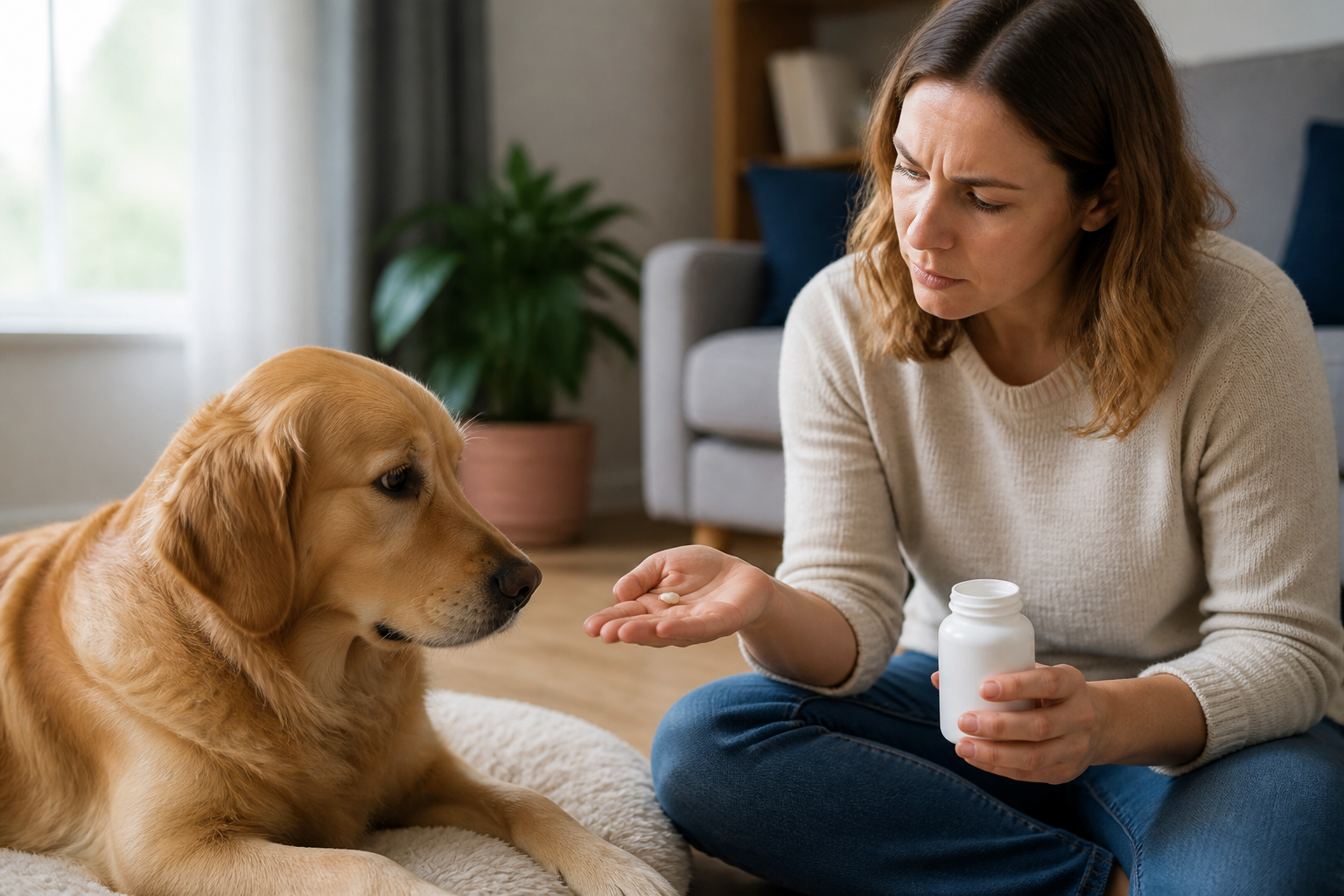
You decided to start your dog on a probiotic to help with their itchy skin or gassy stomach. Now, you are suddenly dealing with loose stools and extra trips outside. It feels frustrating to see a supplement meant for wellness cause a new problem. At BaxterBoo, we talk to pet parents every day who are navigating these exact hurdles. We know you want to support your dog's health without making them uncomfortable. This post explains why "good bacteria" can sometimes trigger temporary digestive upset. We will cover how to manage the adjustment period and when a change in stool consistency requires a call to your veterinarian. Our goal is to help you use these tools safely to keep your dog feeling their best.
Quick Answer: Yes, probiotics can cause temporary diarrhea in dogs. This usually happens because the balance of bacteria in the gut is shifting. Most cases are mild and resolve within a few days as the digestive system adjusts to the new supplement.
Understanding the Microbiome Shift
Your dog's gut is home to billions of tiny organisms. These include bacteria, fungi, and yeast. This community is called the microbiome. It handles everything from breaking down kibble to supporting the immune system. When the microbiome is balanced, your dog usually has firm stools and steady energy.
When you introduce a probiotic, you are adding millions of new, live bacteria into this environment. These new residents have to find a place to live. They often compete with the existing bacteria for space and nutrients. This "turf war" in the intestines can cause a temporary disruption. This disruption is what leads to loose stools or gas.
The shift is not necessarily a bad thing. It often means the probiotic is actively changing the environment. However, the body needs time to regulate this new influx. If the change happens too fast, the colon may release extra water. This results in the diarrhea you are seeing.
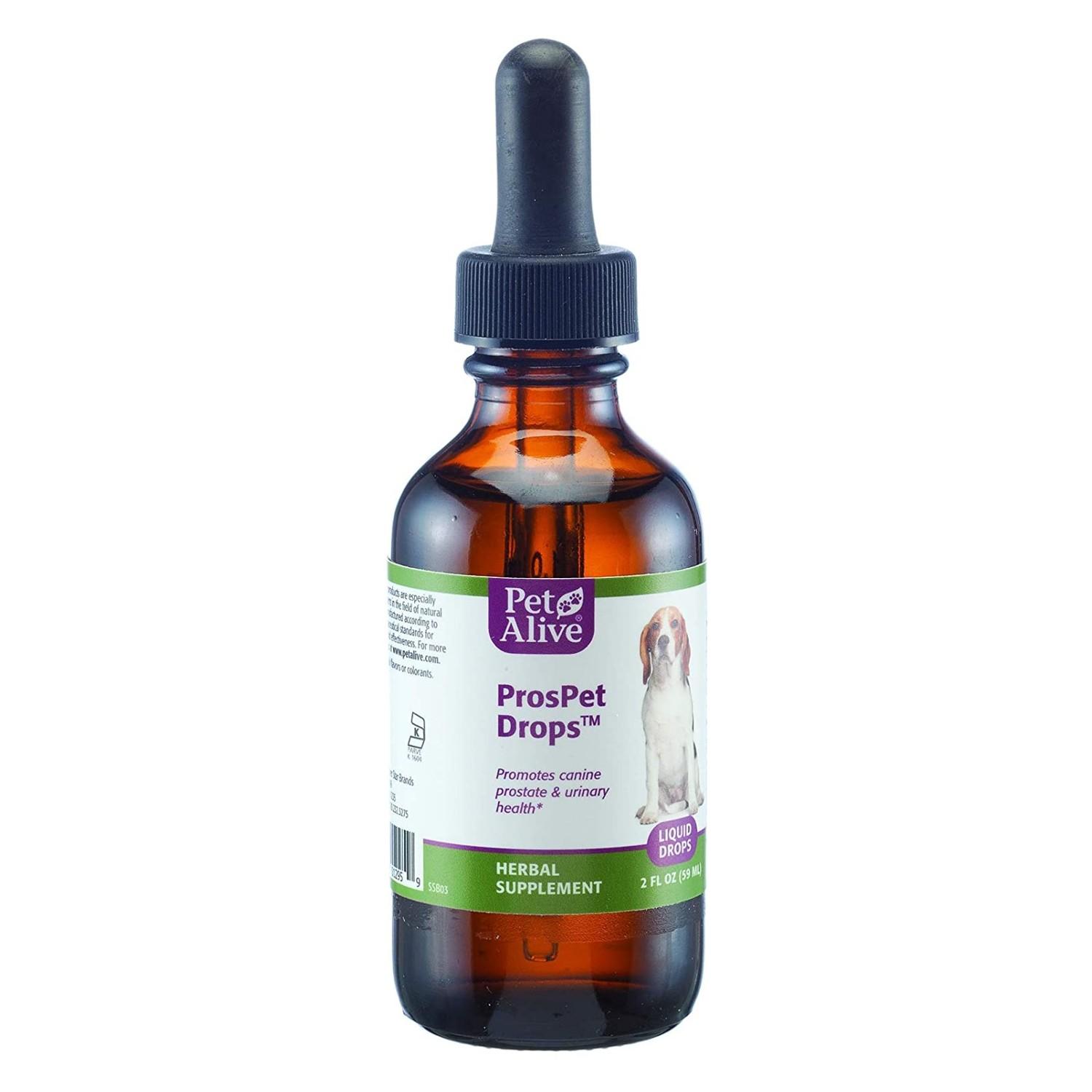
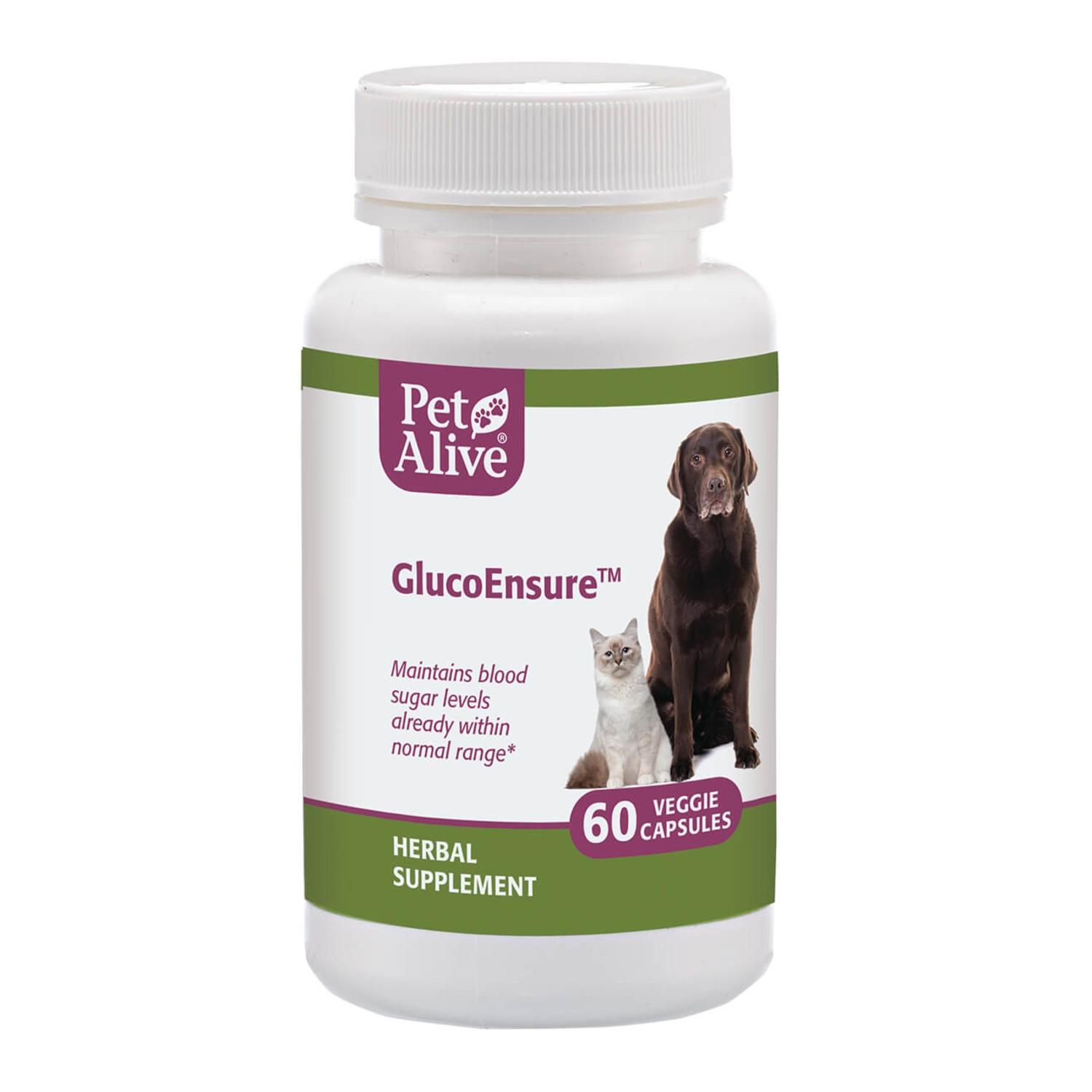
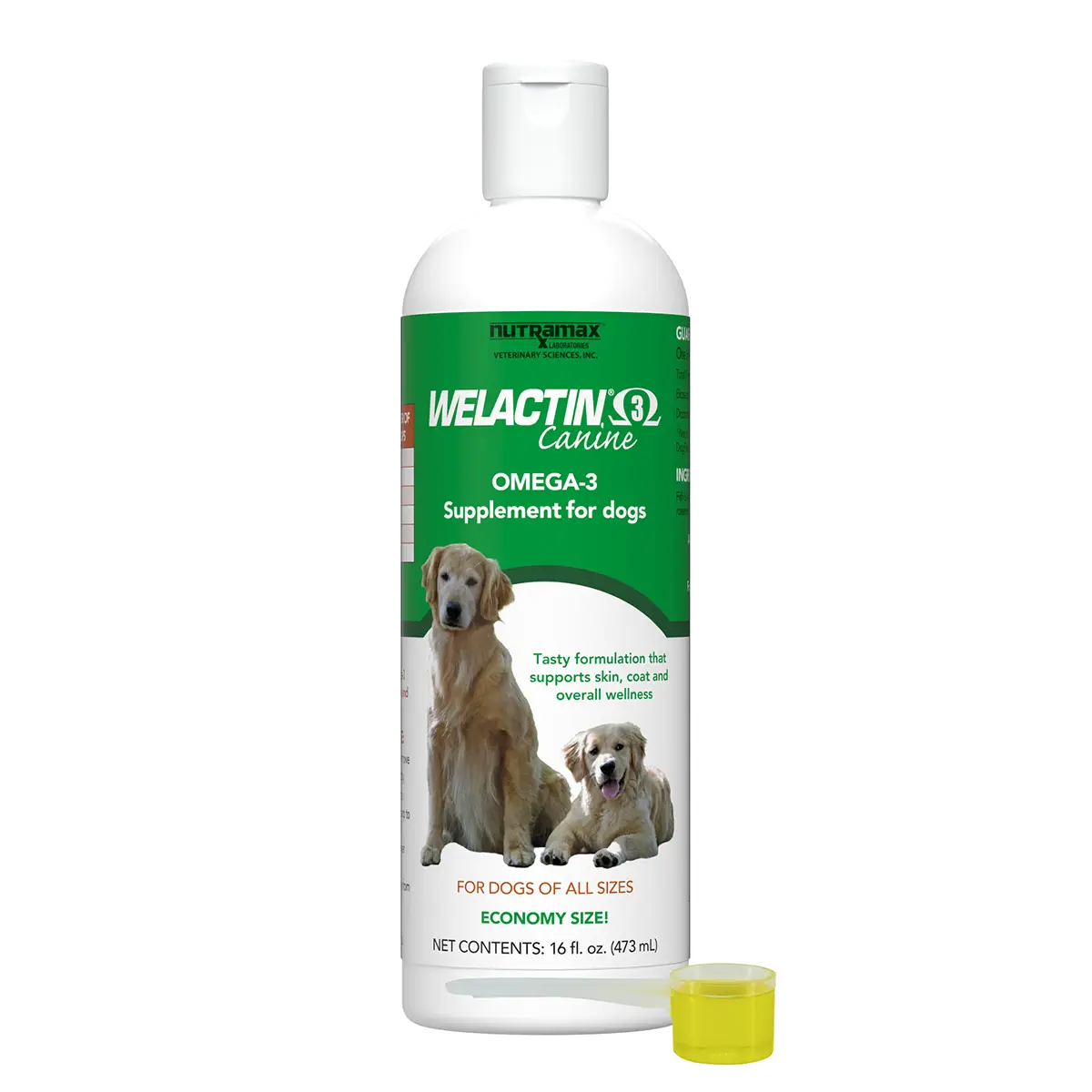
Dog Digestive & Urinary Aids









Why Probiotics Trigger Loose Stools
There are three main reasons why a probiotic leads to a mess on the carpet. Understanding these can help you decide if you should stick with the supplement or try something else.
1. Rapid Changes in Bacterial Populations
If you give a full dose of a high-potency probiotic right away, it can overwhelm the gut. The sudden presence of so many new microbes can trigger an inflammatory response. The body tries to flush out the "intruders" before it realizes they are helpful. This results in a quick transit time through the colon.
2. The Die-Off Effect
As good bacteria take over, some of the harmful bacteria may die off. When certain bacteria die, they can release metabolic byproducts. These substances can irritate the lining of the intestines. This is sometimes called a "Herxheimer reaction" in humans, and a similar process can happen in dogs. It is a sign of transition, but it can be uncomfortable for your pet.
3. Added Ingredients and Fillers
Sometimes the probiotic bacteria are fine, but the "carrier" is the problem. Many chews and powders use flavors like beef, chicken, or cheese. Some use binders like maltodextrin or soy. If your dog has a food sensitivity, they might be reacting to the flavor rather than the probiotic itself. We always recommend checking the full ingredient list on brands like Zesty Paws or Honest Paws to ensure there are no known triggers for your pet.
Common Side Effects to Watch For
Diarrhea is the most common issue, but it is not the only sign that your dog's gut is adjusting. You might notice a few other changes in the first week of supplementation.
| Side Effect | What It Looks Like | How Long It Lasts |
|---|---|---|
| Gas | More frequent or smellier flatulence. | 3 to 5 days. |
| Bloating | A slightly firm or round belly after eating. | 2 to 4 days. |
| Soft Stool | Stool that holds shape but is "mushy." | 3 to 7 days. |
| Mild Nausea | Your dog might eat more grass or seem less excited for treats. | 1 to 2 days. |
Key Takeaway: Minor digestive changes are normal when starting a probiotic. If your dog is still acting happy and eating well, you can usually wait a few days for the symptoms to pass.
For additional supplement-selection guidance, see our pet supplement guide.
Step-by-Step: How to Introduce Probiotics Safely
The best way to avoid diarrhea is to avoid a "shock" to the system. We recommend a slow introduction for any new supplement or food.
- Step 1: Start with a fractional dose. Give only one-quarter of the recommended daily amount for the first three days.
- Step 2: Observe the stool. If the stool remains firm, move up to a half-dose for the next three days.
- Step 3: Watch for behavior changes. Note any increase in gas or a decrease in appetite.
- Step 4: Reach the full dose. Only move to the full label recommendation once your dog has had three days of normal stools at the half-dose level.
- Step 5: Maintain consistency. Give the probiotic at the same time every day to keep the bacterial levels steady.
A product such as AnimalBiome DoggyBiome Gut Maintain for Dogs can be reviewed alongside your veterinarian when considering a digestive-support option.
Vet Tip: If your dog has a history of severe allergies or chronic GI issues, consult your veterinarian before starting a probiotic. They may prefer a specific prescription strain or a gradual schedule tailored to your dog's medical history.
When Diarrhea Becomes a Red Flag
While mild loose stool is often part of the process, it should never be severe. You need to know the difference between a minor adjustment and a real medical problem.
You should stop the probiotic and call your vet if you notice:
- Blood in the stool: Any red streaks or dark, tarry stools require immediate attention.
- Vomiting: Probiotics should not cause your dog to lose their meals.
- Extreme Lethargy: If your dog seems weak or refuses to get up, it is a sign of a deeper issue.
- Signs of Pain: Whining, pacing, or a "hunched" posture suggests abdominal pain.
- Duration: If the diarrhea lasts longer than three or four days without improving, the supplement may not be a good fit.
Key Takeaway: Never "push through" severe symptoms. If your dog is losing fluids rapidly, they can become dehydrated quickly. This is especially dangerous for puppies and senior dogs.
For another look at common causes of loose stool, read what can cause diarrhea in dogs.
The Role of Prebiotics
You might see the word "prebiotic" on your supplement label. These are different from probiotics. Prebiotics are types of fiber that act as food for the good bacteria. Think of probiotics as the new "seeds" you are planting and prebiotics as the "fertilizer."
Common prebiotics include pumpkin, chicory root, and inulin. While these are helpful, too much fiber too fast can also cause gas and diarrhea. If your probiotic supplement is a "synbiotic" (meaning it has both), the fiber content might be the reason for the loose stools. If your dog is very sensitive, you may want to find a probiotic-only product first.
Our dog digestive health category includes probiotic and prebiotic options for dogs.
Probiotics During Antibiotic Treatment
One of the most common times pet owners use probiotics is when their dog is on antibiotics. Antibiotics are great for killing infections, but they are not picky. They kill the good bacteria along with the bad. This often leads to "antibiotic-associated diarrhea."
Giving a probiotic during this time can help maintain the balance. However, timing is everything. If you give the probiotic at the same time as the antibiotic, the medication might just kill the new good bacteria immediately.
A digestive-support product such as AnimalBiome DoggyBiome Gut Restore Supplement may be worth discussing with your veterinarian when digestive issues continue.
Vet Tip: Give probiotics at least two to three hours before or after the antibiotic dose. This gives the live cultures a better chance of surviving and helping the gut. Continue the probiotic for at least a week after the antibiotics are finished to help the gut recover.
Choosing Quality Over Marketing
Not all probiotics are created equal. The pet supplement industry is not as strictly regulated as medications. This means some products might not actually contain the live bacteria they claim on the label.
When shopping at our warehouse or online, look for:
- CFU Count: This stands for Colony Forming Units. It tells you how many live bacteria are in each serving. Look for counts in the billions.
- Specific Strains: Look for names like Enterococcus faecium, Lactobacillus acidophilus, or Bifidobacterium animalis. These are well-researched for dogs.
- Expiration Dates: Bacteria must be alive to work. Always check that the product is fresh.
- Storage Requirements: Some probiotics must be refrigerated to stay alive. If the label says "keep cold" and it has been sitting on a hot shelf, the bacteria may be dead.
When You Need a Prescription Approach
Sometimes a standard over-the-counter supplement is not enough. For dogs with chronic conditions like Inflammatory Bowel Disease (IBD) or severe food allergies, a more clinical approach is needed.
Our dog pharmacy offers access to prescription-strength probiotics and therapeutic diets through our partnership with Pet's Choice. These products are FDA-approved and formulated for specific medical needs. If your vet recommends a prescription diet like Farmina Vet Life, you can fulfill that through our pharmacy system. This ensures you are getting the exact strain and potency your vet requested for your dog's specific condition.
Bottom line: Prescription probiotics undergo more testing for consistency and safety than standard retail supplements.
Supporting Your Dog's Long-Term Health
Probiotics are just one part of a healthy lifestyle. To keep your dog's digestion on track, consider their whole routine. A consistent diet of high-quality food, like Open Farm or Stella and Chewy's, provides the foundation. Regular exercise also helps keep the digestive tract moving properly.
If you find a probiotic that works, our Autoship programme is a great way to stay consistent. You can save on your first order and ensure you never run out. Regular use is key because most probiotic bacteria do not stay in the gut forever. They need to be replenished to continue providing benefits.
Our MVP Rewards programme also helps you earn points on every supplement purchase. This makes it easier to afford the high-quality brands that use better manufacturing standards. We want to make it simple for you to provide the best care possible for your pet.
Conclusion
It is normal to worry when a supplement causes a reaction like diarrhea. In most cases, this is just a sign that your dog's body is learning to work with the new bacteria. By starting with a small dose and watching for red flags, you can safely navigate the adjustment period. Most dogs will see an improvement in their digestion and overall health within a week or two. If the issues persist, your veterinarian can help you find a different strain or check for underlying health problems.
- Start with a very small dose and increase it over 7 to 10 days.
- Check for "hidden" ingredients in flavored chews that might cause allergies.
- Separate probiotic doses from antibiotic doses by at least two hours.
- Stop use immediately if you see blood, vomiting, or extreme lethargy.
Key Takeaway: Patience is the most important ingredient when starting a new gut health routine. Give the microbiome time to find its new balance.
If your dog has chronic digestive issues that require professional guidance, visit the our dog pharmacy section. We work with Pet's Choice to provide the medications and prescription diets your vet recommends to keep your dog's gut in top shape.
FAQ
How long does diarrhea last after starting probiotics?
In most healthy dogs, the adjustment period lasts between three and five days. If you introduce the supplement very slowly, you may not see any diarrhea at all. If the loose stools last longer than a week or seem to be getting worse, you should stop the supplement and consult your vet to rule out other causes.
Can I give my dog human probiotics to save money?
While some human probiotic strains are safe for dogs, the concentrations and "fillers" are often different. Some human products contain sweeteners like xylitol, which is highly toxic to dogs. It is always safer to use a product formulated specifically for a dog's unique digestive pH and bacterial needs.
What should I do if the diarrhea is watery?
Watery diarrhea can quickly lead to dehydration, especially in smaller dogs. If the stool is purely liquid, stop giving the probiotic immediately and provide plenty of fresh water. You may want to offer a bland diet of plain boiled chicken and white rice for 24 hours while you contact your veterinarian for advice.
Can probiotics cause my dog to be more gassy?
Yes, extra gas is one of the most common side effects when starting a probiotic. As the new bacteria begin to ferment fibers and interact with the gut lining, they can produce more gas than usual. This typically peaks around day three and should subside as the microbiome reaches a new state of balance.






- Site & Contents BaxterBoo.com. BaxterBoo is located in the United States.
- Privacy & Security
- Terms of Use
- Accessibility Statement
