
 Save 15% on your 1st Autoship learn more

 Email us
 Live Chat
 FAQs
FAQs





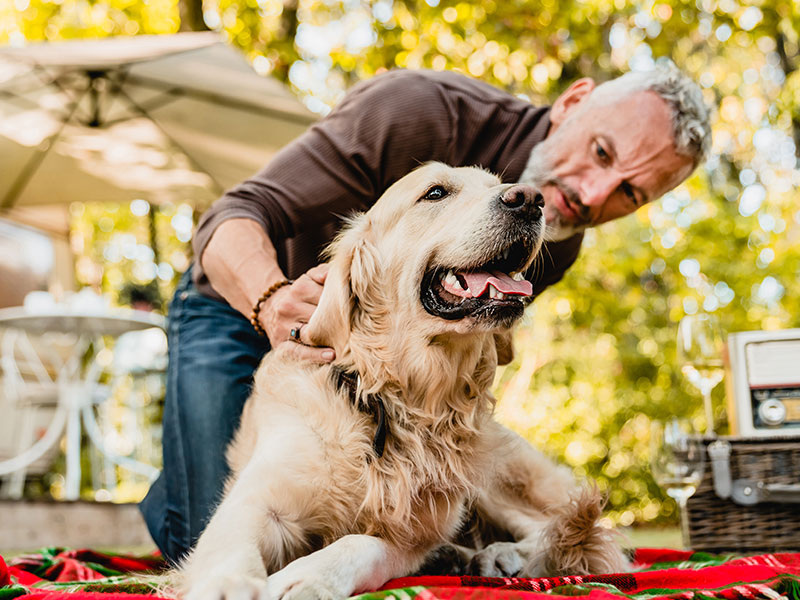
A dog can develop a lump on its body at any age. However, as a dog ages, it develops risk factors for skin issues or cancer, which makes an older dog more likely to develop a lump. Aging dogs are also more likely to develop harmless lumps. However, young dogs can develop warts, hematomas, or cancer cells that often correlate with other health issues. For this reason, it's important to understand how to check for lumps, what they may be, and when to see your veterinarian.
How To Check for Lumps on Your Dog
To check your dog for lumps, slowly run your hands over his entire body, remembering to check the neck, behind the ears, the armpit, and the tail. If you can, look inside your dog's mouth as well. Some dogs get antsy during what feels like "weird petting" to them. If yours is having trouble holding still, consider giving him a Kong toy with his favorite treat inside to keep him still. If you check your dog for lumps about once a month, you are more likely to catch anything serious in its early stages.
Different Types of Lumps on Dogs
There are several types of lumps that can appear on dogs. Many of them are common and not dangerous. Some are rarer and may need vet care.
-
Abscesses – An abscess will likely feel hot to the touch and be painful when touched. If you suspect your dog has an abscess, it's important to have your vet treat it right away. An abscess is an infection and if left untreated, it can travel to other parts of his body.
-
Cancerous Tumors – Cancerous tumors may look like a lipoma or an abscess, but will be harder and not feel hot or sensitive to the touch. If you suspect your dog has a tumor, talk to your vet to determine a treatment plan.
-
Cysts – If your dog's oil glands are blocked, he may develop a cyst. These are similar to human pimples, although they can grow much larger. Cysts will usually go away on their own, but don't try to pop them, as doing so can lead to an infection.
-
Hematomas – A hematoma is a type of bruise. If your dog was recently injured, he may develop one. It may be hard, be tender to the touch, or appear swollen but will typically go away on its own.
-
Lipomas – These are one of the most common types of lumps and aren't worrisome. Lipomas are fatty benign tumors that can appear on any part of the body and are most common as a dog ages. These are soft, easy to move, and usually don't require removal unless they are limiting your pet's mobility.
What To Do if You Find a Lump on Your Dog
Don't panic if you find a lump on your dog. It is most likely something benign and may not even need veterinarian care. If it doesn't seem to hurt your pet and doesn't feel hot to the touch, take some additional steps. First, measure the size of it. Your vet will have you keep an eye on it and call if you notice it getting larger. He or she may decide to remove it just to ensure it doesn't affect your pet's quality of life.
Keep an eye on the location of it as well. Take a picture of where it is and describe the lump. Regardless of its size, shape, or location, schedule an appointment with your veterinarian. This way, if it does happen to be cause for concern, he or she can assess the situation and determine a course of treatment immediately. In the meantime, monitor the area to see if it seems painful or itchy, or if it bleeds or oozes pus. Keep track of your pet as well to ensure he is eating, drinking, and displaying normal behavior. When you do take your dog to the vet, remember to do so safely by using a crate or a seat belt made for dogs during the trip.
How a Vet Diagnoses a Lump on a Dog
If your dog's veterinarian thinks the mass may be suspicious, there are several methods he or she may use to assess it and determine if surgical removal or some other course of treatment is necessary. One of the most common ways to diagnose a lump is to perform blood work on your pet. The blood sample can tell the veterinarian if the mass is infected or causing your pet to become anemic or lack organ function.
An x-ray is another common method of diagnosis. Chest or abdomen x-rays can help to ensure there is no cancer that has spread to your pet's organs. He may also undergo an ultrasound, which can give the vet a clearer picture than the x-ray can. This is because it can tell how large an internal mass is and whether it is affecting your pet's organs.
Finally, your pet may undergo a fine needle aspirate or a biopsy. A fine needle aspirate uses a small needle to pull cells from the mass, allowing a pathologist to examine them under a microscope. If your pet needs a biopsy, he'll undergo anesthesia to have a portion or all of the mass removed. An outside laboratory then inspects it to determine what type of mass it is and whether further treatment is necessary.
Just like humans, dogs get more lumps and bumps as they age. The chances are that nothing serious is wrong with your dog, especially if he is a senior pet. Contacting your veterinarian and keeping an eye on the spot will help to ease your mind and ensure your dog's health.








- Site & Contents BaxterBoo.com. BaxterBoo is located in the United States.
- Privacy & Security
- Terms of Use
- Accessibility Statement
