
 Save 15% on your 1st Autoship learn more

 Email us
 Live Chat
 FAQs
FAQs





Introduction
You are likely familiar with the sight of dog hair drifting across your hardwood floors or clinging to your favorite sweater. If your dog has a thick double coat, it can feel like you are losing a battle against a never-ending supply of fur. At BaxterBoo, we understand that finding the right grooming tool is about more than just a clean house. It is about keeping your dog comfortable and their skin healthy. This article explores whether deshedding brushes are a safe choice for your pup and how to use them effectively. We will cover the different types of tools available and how to avoid common mistakes that could damage your dog's coat. Understanding these tools helps you maintain a happy, healthy pet with a lot less mess.
Quick Answer: Deshedding brushes are excellent for dogs with undercoats when used correctly. They remove loose fur before it falls out, though they require a gentle touch to avoid skin irritation or hair breakage.
The Difference Between Brushing and Deshedding
Many owners use the terms brushing and deshedding interchangeably. However, they serve very different purposes in a grooming routine. A standard brush typically focuses on the topcoat. It removes surface debris, smooths the fur, and helps distribute natural skin oils. This is what you do for daily maintenance to keep your dog looking tidy.
Deshedding is a more intensive process. It targets the undercoat, which is the soft layer of fur beneath the visible top layer. This undercoat is what usually ends up on your furniture. Deshedding tools are designed to reach through the topcoat and pull out those loose, dead hairs before they shed naturally. While every dog benefits from a regular brush, only certain breeds truly need a dedicated deshedding tool.
Are Deshedding Brushes Safe for Dogs?
The short answer is yes, but safety depends entirely on your technique and your dog's coat type. Some popular deshedding tools use a fine-toothed metal edge that looks almost like a serrated blade. If you use too much pressure, these metal teeth can scrape the skin or cut through healthy hair. This is why some professional groomers have mixed feelings about specific brands.
When used with a light hand, these tools are safe and effective. They help prevent painful mats and allow the skin to breathe. If you have a dog with a single coat, like a Poodle or a Maltese, a traditional deshedding tool could actually be harmful. These dogs do not have an undercoat to remove. Using a heavy-duty deshedding tool on them could cause "brush burn" or lead to bald patches.
Vet Tip: Always check your dog's skin for redness or scratches during and after a grooming session. If your dog pulls away or seems in pain, you may be pressing too hard or using the wrong tool for their coat type.
Identifying Your Dog's Coat Type
Before you pick up a tool, you must know what kind of fur you are working with. This determines whether a deshedding brush is a helpful asset or a potential risk.
Double-Coated Breeds
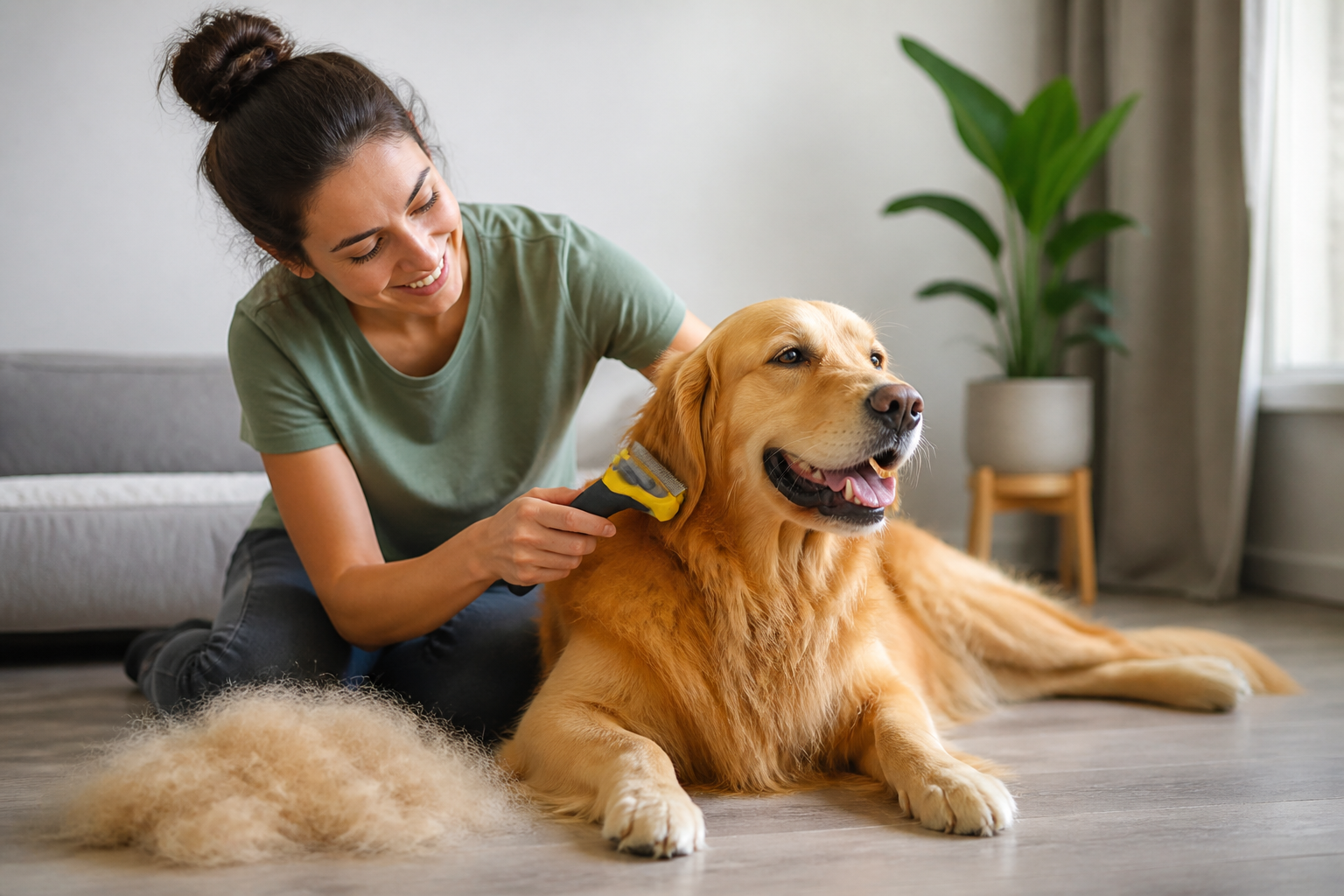
Dogs like Labrador Retrievers, Golden Retrievers, German Shepherds, and Huskies are classic examples of double-coated breeds. They have a tough outer layer and a soft, dense undercoat. These dogs "blow" their coats twice a year as the seasons change. For these breeds, a deshedding tool is a lifesaver. It helps manage the sheer volume of fur that these dogs produce.
Single-Coated Breeds
Breeds like Yorkies, Greyhounds, and Boxers have only one layer of hair. Because they lack a dense undercoat, the hair stays attached until it reaches the end of its growth cycle. A deshedding tool is generally unnecessary and too harsh for these dogs. A soft bristle brush or a rubber curry comb is a much better choice for removing the small amount of loose hair they produce.
Wire-Haired and Curly Breeds
Wire-haired dogs like Terriers or curly-coated dogs like Poodles require specific care. Deshedding tools can sometimes ruin the texture of a wire coat. For curly coats, the hair usually gets trapped in the curls instead of falling to the ground. This leads to matting rather than shedding. These dogs need slicker brushes and metal combs rather than deshedding blades. For additional guidance, see our guide to grooming curly-haired dogs.
Key Takeaway: Only use specialized deshedding tools on dogs with a clear undercoat. For single-coated or hair-type breeds, stick to gentler brushes to avoid skin damage.
Choosing the Right Deshedding Tool
We carry a wide variety of grooming supplies at BaxterBoo to suit every dog's unique needs. Selecting the right tool depends on the length and thickness of your dog's fur. You can explore our dog grooming supplies to compare brushes, combs, shampoos, and other grooming essentials.
- Undercoat Rakes: These have long, rounded metal pins. They are perfect for dogs with very thick, long fur like Newfoundlands or Great Pyrenees. The pins reach deep without scratching the skin.
- Edge-Style Tools: Tools like the Furminator use a fine-toothed stainless steel edge. These are highly effective for short-to-medium double coats. They catch the finest undercoat hairs with ease.
- Rubber Curry Brushes: These are the gentlest option. They work well for short-haired dogs. The rubber nubs massage the skin and pull away loose hair through friction.
- Slicker Brushes: While technically a general brush, a high-quality slicker brush can help remove a surprising amount of loose undercoat on medium-haired dogs.
How to Use a Deshedding Brush Properly
Proper technique is the difference between a successful grooming session and a trip to the vet for skin irritation. Follow these steps to ensure your dog has a positive experience.
Step 1: Inspect the coat. / Check for any mats, tangles, or skin sores before you begin. Never use a deshedding tool on matted fur, as it will pull painfully on the skin.
Step 2: Wash and dry. / It is best to use these tools on a completely dry dog. Many owners find that a good bath helps loosen the hair first. Just make sure the coat is 100% dry before you start brushing. Our guide to the dos and don'ts of bathing your dog offers additional bath-time tips.
Step 3: Follow the grain. / Always brush in the direction that the hair grows. Never go against the grain or sideways, as this can cause the metal teeth to snag and cut the skin.
Step 4: Use a light touch. / You do not need to press down. Let the weight of the tool do the work. Imagine you are peeling a thin-skinned fruit. If you press too hard, you go too deep.
Step 5: Move around. / Do not stay in one spot for too long. Excessive strokes in a single area can cause "brush burn," leaving the skin red and raw.
Key Takeaway: Deshedding is most effective when done in short, frequent sessions rather than one long, aggressive session.
Managing Shedding from the Inside Out
While a good brush is essential, shedding starts with your dog's health. A dull, brittle coat will shed more than a healthy, shiny one. Nutrition plays a massive role in how much hair ends up on your carpet.
High-quality food brands like Stella & Chewy's or NutriSource provide the essential fatty acids needed for skin health. Omega-3 and Omega-6 supplements can also make a significant difference. If your dog has dry, flaky skin, they may shed more as the skin becomes irritated. You can browse our skin and coat health products for nutrition and care options.
In some cases, excessive shedding can be a sign of an underlying medical issue. Allergies, hormonal imbalances, or parasites can all lead to hair loss. If you notice your dog is losing hair in patches or has very red skin, it is time for a veterinary visit. Our pharmacy offers FDA-approved medications for allergies and skin conditions through our partnership with Pet's Choice. Having a prescription on file allows you to get the specific care your dog needs delivered right to your door.
The Benefits of Regular Grooming
Beyond just reducing the mess in your home, regular deshedding has several benefits for your dog. It prevents the undercoat from becoming "impacted." When dead hair stays trapped against the skin, it can block airflow. This leads to hot spots and skin infections.
Grooming is also a great way to bond with your pet. Many dogs grow to love the attention and the massage-like feel of a good brush. It also gives you a chance to check for lumps, bumps, or ticks that might be hiding in a thick coat.
- Reduces dander and allergens in the home
- Prevents painful matting near the skin
- Helps your dog stay cooler in the summer by removing the insulating "winter" undercoat
- Allows you to monitor your dog's overall skin health
Bottom line: A consistent deshedding routine keeps your dog comfortable and helps maintain a cleaner living environment.
Seasonal "Coat Blowing"
Twice a year, most double-coated dogs go through a major shed. This is often called blowing the coat. It usually happens in the spring as they lose their heavy winter layer and again in the fall as they prepare for new growth. During these times, you might need to use your deshedding tool more frequently. Our article on how Australian Shepherds shed also explores seasonal coat changes.
If you are a member of our MVP Rewards programme, you can earn points on all your grooming supplies during these heavy shedding seasons. We carry over 500 brands at BaxterBoo, ensuring you can find the specific rake or brush your dog needs to get through the seasonal transition.
When to Seek Professional Help
If your dog's coat is severely matted, do not attempt to use a deshedding tool. Mats often sit very close to the skin. Trying to pull them out with a brush can cause skin tears. In these cases, a professional groomer is the safest option. They have the experience to safely clip away mats without hurting your pet.
Also, be mindful of your dog's behavior. If they are terrified of the brush, do not force it. You can work on "cooperative care" by giving treats like Greenies or small pieces of freeze-dried liver while showing them the brush. Slowly build up to a single stroke, followed by a reward. This makes the process a positive experience rather than a scary chore.
Common Deshedding Mistakes to Avoid
Even experienced owners can make mistakes that lead to coat damage. Avoid these common pitfalls to keep your dog's fur in top shape.
- Brushing a wet coat: Hair is more elastic and prone to breakage when wet. Always wait for the coat to dry.
- Using the wrong tool: Using a long-pin rake on a short-haired Lab will not do much. Using a sharp edge tool on a Poodle could hurt them. Match the tool to the coat.
- Ignoring the sensitive areas: Be extremely careful around the belly, ears, and legs. The skin is thinner in these areas and much easier to scratch.
- Over-brushing: It is possible to have too much of a good thing. Stick to a schedule of once or twice a week for most double-coated dogs.
Vet Tip: If your dog is shedding excessively and also showing signs of lethargy or changes in appetite, consult your vet. This could indicate a thyroid issue or other metabolic condition that requires a professional diagnosis.
Supporting Your Dog's Skin Health
A healthy coat starts with healthy skin. If your dog's skin is healthy, the hair follicles will be stronger. This does not stop shedding entirely, but it ensures the hair that remains is vibrant and strong.
Consider using a deshedding shampoo or conditioner during bath time. These products often contain ingredients that help "release" the dead undercoat, making your brushing session much more productive. Brands like Furminator offer entire lines of shampoos designed to work with their tools. After the bath, a good blow-dry can actually lift a lot of the loose hair out, making it easier to brush away.
Summary of At-Home Grooming Success
Managing shedding is a multi-step process. It involves internal health, the right bathing routine, and the correct tools. By selecting a high-quality deshedding brush and using it with a gentle, patient technique, you can drastically reduce the amount of fur in your home.
We pride ourselves on being a hybrid retailer that offers both the convenience of online shopping and the expertise of a local pet store. Our warehouse in Vernon Hills, Illinois, is stocked with everything you need to keep your dog's coat looking its best. Whether you prefer the convenience of our Autoship programme for your grooming sprays and treats or you like to hand-pick your brushes, we are here to help.
Bottom line: Deshedding brushes are safe and beneficial tools for double-coated dogs as long as you prioritize skin safety and use the correct technique.
FAQ
How often should I use a deshedding brush on my dog?
For most double-coated dogs, once or twice a week is sufficient for 10 to 20 minutes per session. During the heavy shedding seasons in spring and fall, you may need to increase this to three times a week. Over-brushing can lead to skin irritation, so always monitor the condition of your dog's skin.
Can a deshedding brush cause bald spots?
Yes, if used incorrectly or on the wrong coat type. If you stay in one spot for too long or apply too much pressure, you can remove too much hair or break the topcoat. Always use long, gentle strokes and move across the dog's body rather than focusing on a single area.
Should I use the brush on a wet or dry dog?
You should always use a deshedding brush on a completely dry coat. Wet hair is weaker and more likely to be pulled out or broken by the metal teeth of the brush. Brushing a dry coat allows the tool to glide through the fur and effectively catch the loose undercoat without causing damage.
Are there breeds that should never use a deshedding brush?
Single-coated breeds, hair-type breeds, and many non-shedding breeds should avoid traditional edge-style deshedding tools. This includes Poodles, Bichons, Maltese, Shih Tzus, and Greyhounds. These dogs lack the dense undercoat that the tool is designed to remove, and using one could easily result in skin scrapes or "brush burn."






