
 Save 15% on your 1st Autoship learn more

 Email us
 Live Chat
 FAQs





Introduction
You are petting your cat on a sunny afternoon when you notice a dusting of white specks across their dark fur. At first, you might think it is just dust or a bit of litter. When you look closer, you realize these are flakes of skin. Seeing bad cat dandruff can be a bit of a shock for any pet owner. While a few occasional flakes might not seem like a big deal, a significant amount of dandruff usually means something is off with your cat’s health or environment. We see this often at BaxterBoo, where owners come to us looking for ways to restore that signature feline shine. This post covers why these flakes appear, when you should worry, and how to get your cat’s coat back to its best. Understanding the root cause is the first step toward a flake-free lap cat.
Quick Answer: Cat dandruff is the visible buildup of dead skin cells on the fur. While minor flaking can happen during seasonal changes, heavy dandruff often stems from issues like obesity, parasites, allergies, or underlying medical conditions that prevent proper grooming.
Understanding Feline Dandruff vs Dander
It is common to use the terms dandruff and dander as if they are the same thing. They are actually quite different. Every healthy cat produces dander. These are microscopic skin cells that shed naturally as the skin renews itself. You cannot see dander with the naked eye. It is the protein found in this dander that often triggers allergies in humans.
Dandruff is much larger. These are visible flakes of dead skin that have clumped together. They are often white or gray and sit on top of the fur or deep near the skin. If you can see it, it is dandruff. Seeing bad cat dandruff is a sign that the natural shedding process has sped up or that your cat is unable to clear those cells away through normal grooming.
Cat Skin & Coat Care













Why Your Cat Has Bad Dandruff
There are many reasons why a cat might develop a flaky coat. Some are simple environmental fixes. Others require a trip to the vet for a formal diagnosis.
Difficulty with Self-Grooming
Cats are famous for their cleanliness. They spend a large portion of their waking hours grooming. This process does more than just clean the fur. It spreads natural oils across the skin and removes dead skin cells. If a cat stops grooming, those cells build up and turn into dandruff.
Obesity is a leading cause of grooming issues. If a cat is carrying too much weight, they simply cannot reach certain areas. You will often see bad dandruff along the lower back and at the base of the tail in overweight cats. Arthritis is another common barrier. Senior cats with stiff joints may find it painful to twist and reach their back or hindquarters.
Environmental Factors and Humidity
The air inside your home plays a major role in skin health. This is especially true during the winter months. When the heater runs constantly, it pulls moisture out of the air. This dries out your cat's skin. Just like humans get itchy and flaky in the winter, cats do too.
Nutritional Deficiencies
A cat’s skin and coat require specific nutrients to stay healthy. High-quality proteins and fats are essential. If a diet is low in omega-3 fatty acids, the skin barrier can weaken. This leads to dryness and flaking. We carry many brands like Open Farm and Stella and Chewy's that focus on these essential nutrients to support skin health.
Key Takeaway: If your cat has dandruff primarily on their lower back, it is often a sign they are physically unable to groom that area due to weight or joint pain.
Identifying Parasites and "Walking Dandruff"
Not all flakes are just dry skin. Sometimes, the "dandruff" you see is actually alive. Cheyletiella mites are parasites that cause a condition known as walking dandruff. These mites are large enough to be seen. As they move under the scales of the skin, it looks like the flakes are crawling.
Other parasites can also cause skin irritation that leads to flaking. Fleas are a major culprit. Even if you do not see a flea, your cat might have flea allergy dermatitis. A single bite can cause a massive reaction. This results in redness, itching, and heavy dandruff. Our cat pharmacy offers FDA-approved flea and tick preventives through our partnership with Pet's Choice. These medications often require a prescription, but they are the most effective way to handle a parasitic infestation.
Symptoms of Walking Dandruff
- Large, visible flakes that seem to move.
- Intense itching and scratching.
- Redness and small bumps on the skin.
- A coat that feels oily or unkempt.
Underlying Health Conditions
Sometimes bad cat dandruff is a symptom of a deeper internal problem. The skin is the largest organ of the body. It often reflects what is happening inside.
Hormonal and Systemic Issues
Hyperthyroidism and diabetes are two conditions that can change the quality of a cat’s skin and fur. These diseases affect the metabolism and can lead to a greasy or very dry coat. Kidney disease is another concern. Chronic dehydration from kidney issues can leave the skin thin and flaky.
Skin Infections and Allergies
Bacterial and fungal infections like ringworm can cause localized or widespread flaking. These usually come with other signs like hair loss or crusty sores. Allergies are also common. Cats can be allergic to ingredients in their food or environmental triggers like dust and pollen.
Vet Tip: If your cat's dandruff is accompanied by increased thirst, changes in appetite, or lethargy, schedule a veterinary exam immediately. These can be signs of systemic diseases like diabetes or hyperthyroidism.
How to Manage Cat Dandruff at Home
If your vet has ruled out serious medical conditions, you can take steps at home to improve your cat’s skin health.
Establish a Grooming Routine
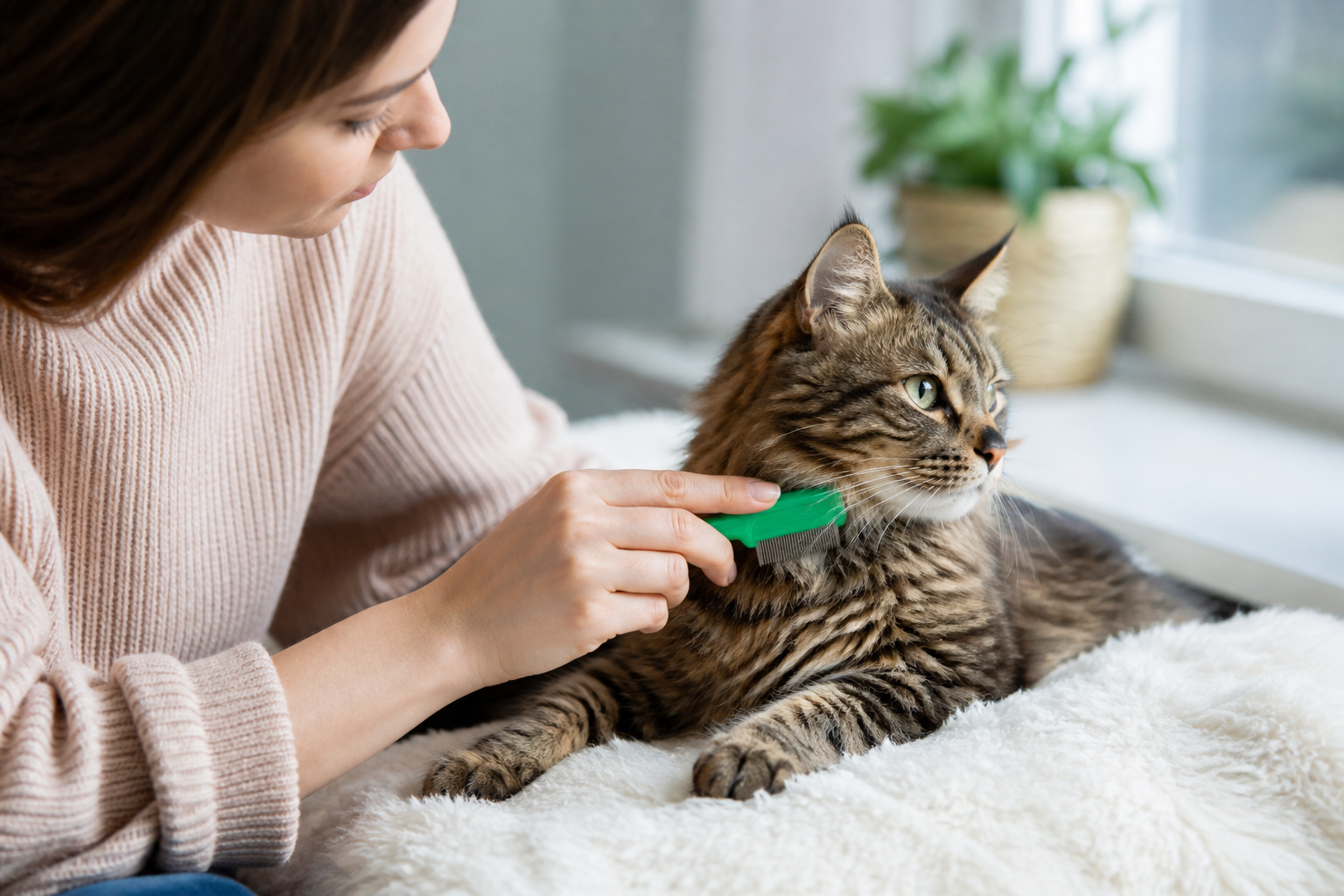
Brushing is the most effective way to manage dandruff manually. For short-haired cats, a weekly session is usually enough. Long-haired cats like Persians or Maine Coons need daily attention. Brushing moves the natural oils from the base of the hair down the entire shaft. It also lifts away the dead skin before it can clump into large flakes.
At BaxterBoo, we recommend choosing a brush that matches your cat's coat type. A slicker brush is great for removing loose undercoat. A rubber grooming mitt is often better for cats with sensitive skin. Browse our cat grooming supplies to find tools for your cat’s coat.
Step-by-Step Grooming for Flaky Cats
- Choose a calm moment. Wait until your cat is relaxed or sleepy.
- Start with a gentle touch. Use a soft brush or grooming mitt to get them used to the feeling.
- Work in sections. Focus on the areas where the dandruff is worst, typically the lower back.
- Brush in the direction of hair growth. This avoids pulling the skin and making the irritation worse.
- Offer a reward. Use a healthy treat like those from Vital Essentials or PureVita to make the experience positive.
Improve Indoor Humidity
If the air in your home is dry, consider using a humidifier. Placing one near the area where your cat sleeps can make a big difference. This adds moisture back into the skin and respiratory system.
The Role of Nutrition and Supplements
What goes into your cat’s body shows up on their skin. Transitioning to a high-quality diet can often clear up mild dandruff in a matter of weeks.
Essential Fatty Acids
Omega-3 and omega-6 fatty acids are the building blocks of healthy skin. They help maintain the moisture barrier. Many premium foods like Acana or Orijen include these naturally through fresh fish ingredients. You can also add a supplement to their existing food. Products like Zesty Paws or Honest Paws offer oils that are easy to pump over a meal. Explore our cat skin and coat health collection for related nutrition and care options.
Hydration and Wet Food
Cats are notorious for having a low thirst drive. Chronic mild dehydration is a frequent cause of dry skin. One of the easiest ways to fix this is by adding wet food to their diet. Canned foods from brands like Tiki Cat or Fussie Cat have high moisture content. This keeps the skin hydrated from the inside out. You can compare wet and dry options in our cat food category.
| Feature | Dry Food Only | Wet & Dry Mix |
|---|---|---|
| Moisture Level | Low (approx. 10%) | High (approx. 75%+) |
| Skin Hydration | Relies on water bowl | Direct hydration from food |
| Convenience | Can stay out all day | Needs to be picked up |
| Impact on Dandruff | May contribute to dryness | Supports a supple coat |
Bottom line: Increasing your cat's moisture intake through wet food and omega fatty acids is a primary defense against dry, flaky skin.
When to Use the BaxterBoo Pharmacy
For many cats, over-the-counter solutions are not enough. If your cat has a skin infection, severe allergies, or parasites, they need medical-grade treatment. This is where our pharmacy becomes a vital resource for pet owners.
Through our partnership with Pet's Choice, we provide access to FDA-approved medications. This includes prescription diets specifically formulated for skin sensitivities. Brands like Farmina Vet Life offer specialized nutrition that can only be purchased with a vet's authorization. If your vet prescribes a medicated shampoo, an antifungal, or a specific flea treatment, we can help fulfill that order. This ensures your cat gets the exact care they need without you having to hunt for specialized products.
Specialized Care for Senior and Overweight Cats
If your cat is struggling with bad dandruff because they cannot reach their back, you have to help them.
Weight Management
Managing your cat’s weight is a long-term solution for skin health. When a cat returns to a healthy weight, they can resume their own grooming. Talk to your vet about a weight loss plan. This often involves measuring food carefully and using low-calorie treats from brands like RedBarn.
Support for Aging Joints
For cats with arthritis, grooming is a physical challenge. Providing joint supplements can help. Ingredients like glucosamine and chondroitin support mobility. Cosequin is a trusted name in this area. When a cat feels less pain, they are more likely to stretch and groom those hard-to-reach spots. You might also consider using waterless shampoo or grooming wipes. These allow you to clean your cat’s coat without the stress of a full bath. You can also review our cat healthcare options for additional support.
Frequently Asked Questions about Cat Dandruff
Many owners feel frustrated when dandruff persists. It takes time for the skin to heal and for a new, healthy coat to grow in. Consistency is the most important factor in any treatment plan.
Is cat dandruff contagious?
Normal dandruff caused by dry skin or obesity is not contagious to humans or other pets. However, if the dandruff is caused by parasites like Cheyletiella mites or a fungal infection like ringworm, it can spread. "Walking dandruff" can move between cats, dogs, and even humans. If you suspect a parasite or infection, keep the affected cat separate and talk to your vet.
Should I bathe my cat to get rid of dandruff?
Most cats do not need regular baths. In fact, bathing too often with the wrong soap can strip away natural oils and make dandruff worse. If a bath is necessary, use a moisturizing shampoo specifically formulated for cats. Never use human dandruff shampoo on a pet. These products often contain ingredients that are toxic to cats if licked off the fur.
How long does it take for dandruff to go away?
Skin cells take time to regenerate. If you change your cat’s diet or start a new grooming routine, do not expect overnight results. It usually takes three to four weeks to see a visible improvement in the coat. If you are treating a medical condition or parasites, follow your vet's timeline for follow-up exams to ensure the treatment is working.
Can stress cause my cat to have flaky skin?
Yes, stress can impact a cat's skin health. When a cat is stressed, their immune system can weaken, and they may either over-groom or stop grooming entirely. Changes in the home, such as a new pet or a move, can trigger these skin changes. Providing enrichment with toys from Jackson Galaxy or Kong can help lower stress levels and improve overall well-being. For more feline wellness ideas, read this guide to supporting your cat’s immune system.
Summary of Next Steps
Dealing with bad cat dandruff requires a mix of environmental changes, better nutrition, and sometimes medical intervention. Start by assessing your cat's ability to groom and the humidity in your home. If the flakes are accompanied by itching or redness, a vet visit is the most important step.
- Audit the diet: Ensure they are getting enough omega fatty acids and moisture.
- Start brushing: Help your cat reach the spots they cannot manage alone.
- Check for pests: Ensure flea and tick prevention is up to date.
- Consult a pro: Use our pharmacy for prescription needs and talk to your vet about underlying health.
Key Takeaway: Bad dandruff is rarely just a surface issue; it is a signal to look deeper at your cat's mobility, diet, and internal health.
The best way to stay on top of your cat's health needs is through our Autoship program. This ensures you never run out of the high-quality food or supplements that keep their skin healthy. Plus, you will save on your orders while keeping your cat in top condition.
FAQ
Why does my cat have so much dandruff on her lower back?
The lower back and the base of the tail are the most common areas for dandruff because they are the hardest for a cat to reach. If a cat is overweight or has arthritis, they cannot twist enough to groom these spots effectively. This leads to a buildup of dead skin cells and natural oils that eventually flake off as heavy dandruff.
Can I use human dandruff shampoo on my cat?
No, you should never use human dandruff shampoos on cats. These products are formulated for the pH level of human skin and often contain active ingredients like zinc pyrithione or selenium sulfide. These ingredients can be highly toxic to cats if they ingest them while grooming. Always use a shampoo specifically designed for felines or a product recommended by your veterinarian.
Does bad cat dandruff mean my cat has fleas?
Dandruff can be a symptom of fleas, but it is not a guarantee. Cats with flea allergies often develop dry, flaky skin and scabs from intense scratching. Even if you do not see active fleas, the irritation from a single bite can cause skin issues. It is best to use a consistent flea preventive from our pharmacy to rule out parasites as a cause of the flaking.
Is "walking dandruff" dangerous for my family?
Walking dandruff is caused by the Cheyletiella mite, which is highly contagious. While these mites prefer animal hosts, they can temporarily jump to humans and cause an itchy rash. If your cat is diagnosed with this condition, it is important to treat all pets in the household and clean bedding thoroughly. Your veterinarian can provide the necessary prescription treatments to eliminate the infestation.






- Site & Contents BaxterBoo.com. BaxterBoo is located in the United States.
- Privacy & Security
- Terms of Use
- Accessibility Statement
