
 Save 15% on your 1st Autoship learn more

 Email us
 Live Chat
 FAQs
FAQs





Introduction
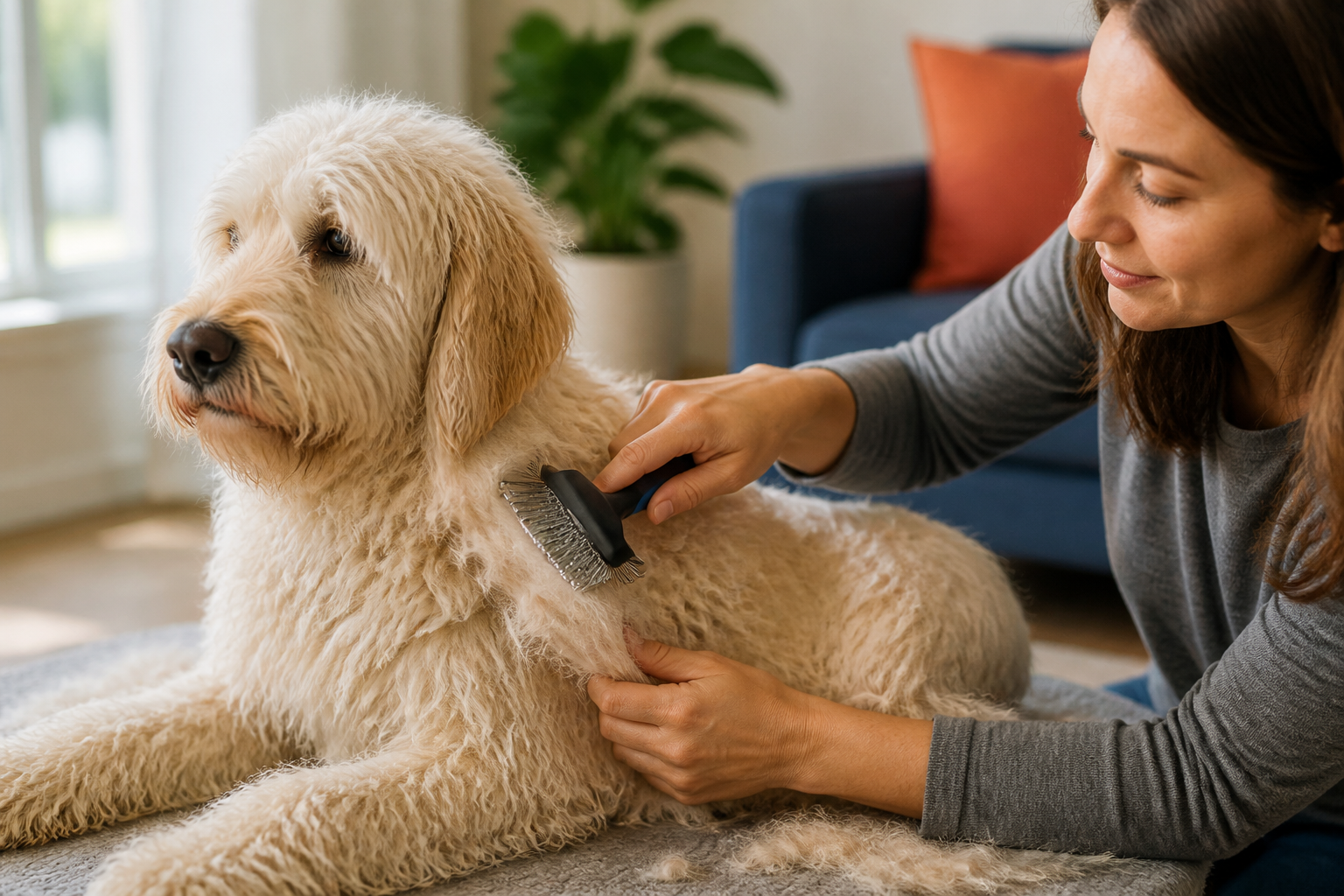
You are petting your dog after a long walk and your fingers snag on a hard, tight knot behind their ear. No matter how much you smooth the fur, that lump does not budge. This is a common frustration for owners of long-haired or double-coated dogs. Finding a mat can feel overwhelming, especially if your dog is sensitive to grooming. At BaxterBoo, we understand that maintaining a coat is about more than just looks. It is about keeping your pet comfortable and healthy. This post covers the specific tools you need to break through those stubborn knots and how to prevent them from coming back. Choosing the right brush depends on your dog's coat type and the severity of the tangles.
Quick Answer: The best brush for matted dog hair is a dematting rake with serrated, stainless steel blades designed to cut through knots. For daily maintenance and surface tangles, a high-quality slicker brush is the most effective tool for most coat types.
Understanding Why Mats Form
Mats are more than just messy hair. They are dense tangles of live and dead fur that have woven together close to the skin. They often form in high-friction areas. These include the neck where the collar sits, the armpits, and the area behind the ears. Moisture also plays a role. If your dog loves to swim or goes out in the rain without a thorough brushing afterward, their fur is much more likely to clump.
When loose hair from the undercoat is not brushed away, it gets trapped by the surrounding live hair. Over time, these fibers lock together. If left alone, these mats grow larger and tighter. They eventually pull on the skin, which can cause significant pain for your dog. In some cases, a very tight mat can even restrict blood flow to the skin or hide a developing infection.
The Best Tools for the Job
Not all brushes are created equal. Using the wrong tool on a mat can actually make the situation worse by pulling on the skin without breaking the knot. We carry a wide variety of expertly curated tools at our Vernon Hills warehouse to handle every level of matting. Explore our dog grooming supplies to compare brushes, combs, conditioners, and other coat-care essentials.
Dematting Rakes and Combs
A dematting rake is the most important tool for a dog that already has solid knots. Unlike a standard brush, these tools feature sharp, serrated blades. These blades are usually curved so the sharp edge never touches the skin. Browse our dog brushes and combs for dematting tools and other options designed for tangled coats.
When you pull the rake through a mat, the blades cut through the center of the tangle. This breaks the knot into smaller, manageable pieces that you can then brush out. It allows you to save the length of the coat rather than cutting the entire chunk of fur out with scissors.
Slicker Brushes
Slicker brushes have a flat or slightly curved head with rows of thin, wire pins. These pins are often angled to help grab loose hair and debris. A slicker brush is the best tool for daily prevention and for fluffing the coat.
If you find a very small, loose tangle, a slicker brush can often tease it apart. It is also excellent for dogs with medium to long hair, such as Golden Retrievers or Doodles. It works by pulling the hair away from the skin to ensure you are grooming the entire length of the strand.
Undercoat Rakes
For double-coated breeds like Huskies, Shepherds, or Newfoundlands, an undercoat rake is essential. These tools have long, blunt tines that reach deep into the fur. They are designed to pull out the "dead" undercoat before it has a chance to weave into the topcoat.
Many owners find that using an undercoat rake twice a week significantly reduces the number of mats they find. It targets the source of the problem before a knot can even begin to form.
Metal Finishing Combs
Often called "greyhound combs," these are simple metal tools with teeth spaced at different intervals. One side usually has wider spacing, while the other is finer. These are not meant for heavy-duty detangling. Instead, they are the ultimate test of your work. Once you think you have brushed through a mat, run the fine side of the comb from the skin to the tips. If it catches, you still have work to do.
Key Takeaway: Use a dematting rake for existing knots, a slicker brush for general grooming, and a metal comb to check for hidden tangles close to the skin.
How to Safely Remove a Mat
Removing a mat requires patience. If you rush, you risk hurting your dog, which can make them fear grooming in the future. Follow these steps to clear a knot safely.
Step 1: Locate the base. / Gently hold the fur at the base of the mat, between the knot and the skin. This prevents the tool from pulling directly on your dog's sensitive skin.
Step 2: Use a detangling spray. / Apply a pet-safe conditioning spray to the area. This provides "slip" and helps the fibers slide past each other more easily. Our grooming tools collection includes coat-care products that can support your grooming routine.
Step 3: Finger pick. / Try to pull the mat apart slightly with your fingers. Do not pull away from the dog. Instead, try to peel the knot open from the center like you are opening a piece of fruit.
Step 4: Rake the edges. / Start at the very tip of the hair, furthest from the skin. Use your dematting rake to pick at the edges of the knot. Do not try to pull the tool through the entire mat at once.
Step 5: Work toward the skin. / As the edges of the mat loosen, move your tool slightly closer to the skin. Continue with short, picking motions until the blades have cut through the bulk of the tangle.
Step 6: Finish and check. / Once the mat is broken up, use your slicker brush to remove the loose fluff. Finally, run your metal comb through the area to ensure it is completely clear.
When Mats Become a Health Concern
Sometimes a mat is too tight or too large to handle at home. If the fur is "pelted" (a solid sheet of matted hair against the skin), trying to brush it out can cause skin tears. These situations require professional help from a groomer or a veterinarian.
Tight mats can trap moisture against the skin, leading to "hot spots" or bacterial infections. Parasites like fleas or ticks also love to hide under mats where they are safe from your brush. If you notice a foul smell, redness, or discharge around a matted area, your pet may need medical attention.
Our dog healthcare category includes products for skin and coat care. Our pharmacy offers FDA-approved medications for skin conditions and infections through our partnership with Pet's Choice. If your veterinarian prescribes a medicated shampoo or a topical treatment for a skin issue caused by matting, we can help fulfill that need. This is part of our commitment to providing value without compromise for every stage of your pet's health.
Vet Tip: Never use household scissors to cut out a mat. Dog skin is very thin and can easily be pulled into the knot. This often leads to deep accidental cuts that require stitches. If a mat is too close to the skin to use a dematting tool, see a professional.
Prevention is the Best Medicine
The easiest way to deal with a mat is to never let it form in the first place. This requires a consistent routine. Different coats have different needs, but the principles of prevention remain the same.
- Brush before the bath. Water acts like glue for existing tangles. Always ensure your dog is 100 percent tangle-free before they get wet.
- Check the "friction zones." Make it a habit to check behind the ears and in the armpits every single day. These are the most common spots for small knots to start.
- Use the right products. High-quality conditioners can help keep the hair shaft smooth, making it harder for fibers to lock together.
- Stick to a schedule. For long-haired dogs, daily brushing is often necessary. Double-coated dogs may only need a thorough session twice a week.
At BaxterBoo, we carry over 500 brands to help you find the perfect grooming match for your dog. Whether you have a tiny Yorkie or a massive Saint Bernard, having the right tools in your cabinet makes the process faster and more enjoyable for both of you. You can also browse our selection of BASS Brushes products for additional coat-care options.
Key Takeaway: Consistent grooming prevents the pain and skin issues associated with severe matting.
Special Considerations for Coat Types
The "best" brush often depends on the texture of the hair. A tool that works for a Golden Retriever might not be effective for a Poodle.
Curly and Corded Coats
Dogs like Poodles, Bichons, and various "Oodle" mixes have hair that grows continuously. It does not shed out in the traditional sense. Instead, the hair that falls out gets caught in the curls. This creates a high risk for matting. For these dogs, a long-pinned slicker brush is essential. It needs to reach all the way through the curls to the skin. For more guidance, see our post on how to groom a dog with curly hair.
Silky Single Coats
Yorkshire Terriers and Maltese dogs have hair that is very similar to human hair. It is fine and can break easily. For these breeds, a soft-bristle brush or a pin brush with rounded tips is best. You want to be very gentle when removing small tangles to avoid damaging the delicate coat.
Heavy Double Coats
Huskies, Akitas, and Malamutes have a dense, woolly undercoat. During "blowing season," this hair comes out in clumps. If you do not remove it, it will mat almost instantly. The undercoat rake is your best friend here. It is designed to pull that dead wool out while leaving the guard hairs of the topcoat intact.
Choosing Quality Gear
When you shop for grooming supplies, look for ergonomic handles. Brushing out a matted dog can take time, and your hands will appreciate a comfortable grip. Stainless steel pins and blades are also a must. They are more durable and easier to sanitize than plastic or low-quality metal.
We take pride in being a real warehouse superstore that pet owners can trust. Every product we stock is handpicked because it actually works. We don't just sell brushes; we use them on our own pets. This hands-on experience allows us to guide you toward the tools that will make your grooming routine successful.
Bottom line: Matching the tool to your dog's specific hair texture is the secret to easy grooming and fewer mats.
Conclusion
Finding a mat on your dog doesn't have to be a disaster. With a serrated dematting rake and a bit of patience, you can clear most tangles safely at home. Remember to work slowly from the outside in and always protect the skin from being pulled. If the skin looks irritated or the mat is too tight, reach out to your vet for guidance. Keeping your dog's coat in top shape is a great way to bond while ensuring they stay comfortable. To make your grooming routine even easier, consider our Autoship program. You can get your favorite detangling sprays and grooming wipes delivered right to your door while earning MVP Rewards on every purchase.
Key Takeaway: Invest in a high-quality dematting rake and a slicker brush to keep your dog's coat healthy and pain-free.
FAQ
How do I remove a mat that is tight against the skin?
If a mat is pressed firmly against the skin, do not try to brush it out or cut it with scissors. Use a professional grooming clipper with a short blade to gently shave under the mat. If you are not comfortable using clippers, take your dog to a professional groomer or your veterinarian to avoid skin injuries.
Can I use human hair conditioner to help detangle my dog's fur?
It is best to use products specifically formulated for pets. Human conditioners often have a different pH balance than what a dog's skin requires. Some human products also contain ingredients or scents that can irritate a dog's sensitive nose or skin. Stick to high-quality pet detanglers for the best results.
Is it better to brush a dog's hair when it is wet or dry?
You should always brush your dog while the coat is dry. Water causes the hair shafts to swell and can make existing mats much tighter. If you find a mat during a bath, apply conditioner and wait until the dog is completely dry before attempting to remove it with your dematting tools.
Why does my dog get mats even though I brush them every day?
You might only be brushing the top layer of fur. This is common when using a soft brush on a thick coat. To prevent "hidden" mats, make sure you are using a tool that reaches all the way to the skin. Check your work with a metal comb to ensure the teeth can glide through from the skin outward without catching.






