
 Save 15% on your 1st Autoship learn more

 Email us
 Live Chat
 FAQs
FAQs





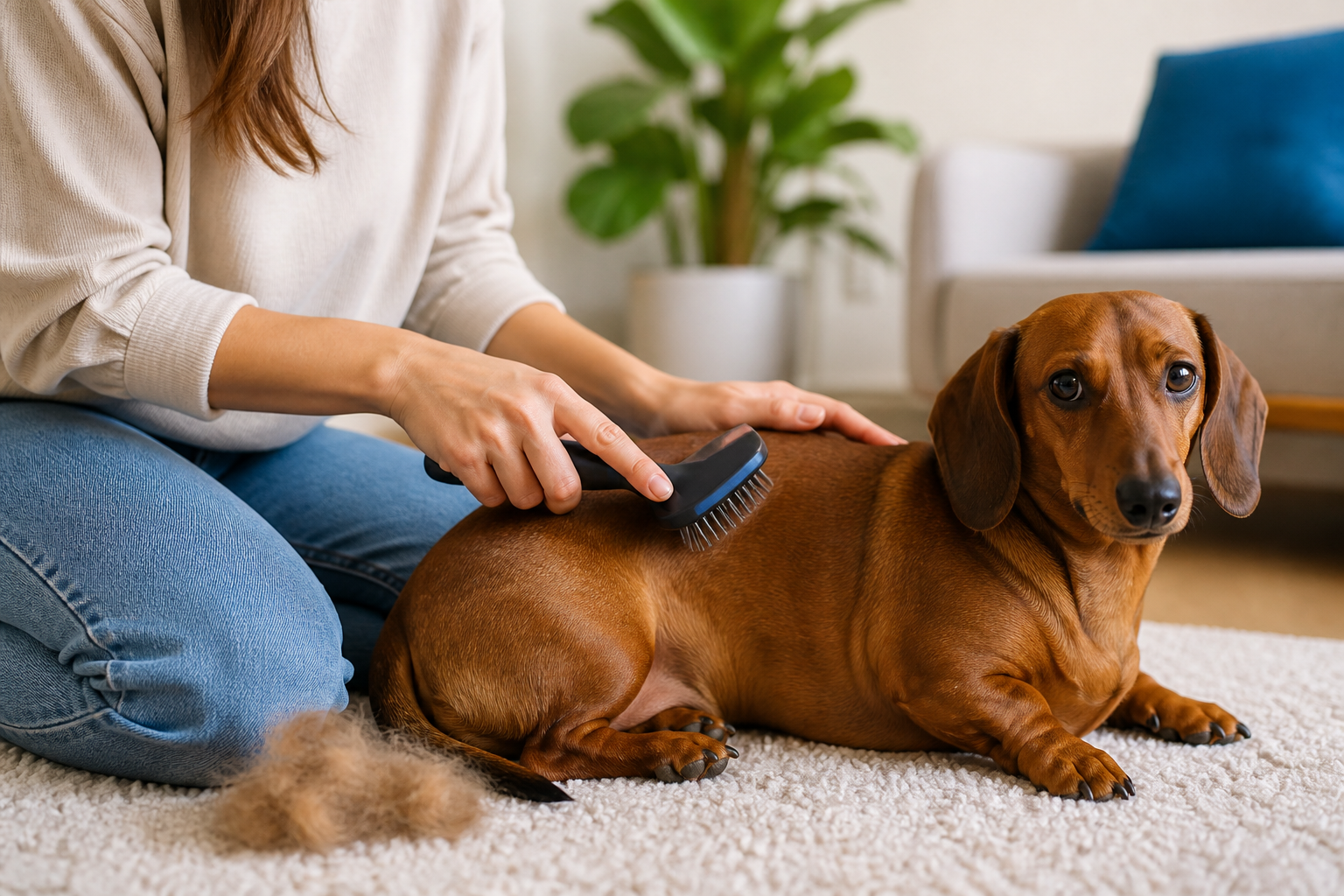
Introduction
You might think that owning a short-haired dog means you get a pass on the daily grooming grind. Then you sit down on your velvet sofa and realize it is covered in tiny, needle-like hairs that seem woven into the fabric. Short-haired breeds like Boxers, Labradors, and Beagles may not get mats or tangles, but they certainly shed. At BaxterBoo, we know that the right tool makes the difference between a house full of fur and a sleek, happy pup. Choosing the best brush for a short-haired dog depends entirely on the thickness of their coat and how much they tend to drop. This guide will help you identify your dog's specific coat type and match it with the tools that actually work.
Understanding Short Hair Coat Types
Not all short hair is created equal. A Doberman Pinscher has a very different coat than a Pug or a Labrador. Before you grab a brush, you need to know what you are working with.
Short-haired dogs generally fall into two categories. Smooth-coated dogs have a single layer of hair that lies flat against the skin. These include Great Danes, Greyhounds, and Boxers. Then there are short-coated dogs with a dense undercoat. These are often double-coated breeds like Labradors, Corgis, or German Shorthaired Pointers.
If your dog has a dense undercoat, you will deal with much more shedding. These dogs "blow" their coats twice a year. During these seasons, a simple wipe-down won't be enough. You will need tools that can reach past the top layer to pull out the dead fluff underneath. Smooth-coated dogs have fewer shedding "seasons" but tend to shed consistently year-round.
Quick Answer: The best brush for most short-haired dogs is a rubber curry brush. It gently pulls loose hair from the skin while massaging the dog. For dogs with dense undercoats, a slicker brush or a dedicated de-shedding tool is often necessary.
The Rubber Curry Brush: The Essential Tool
If you only buy one grooming tool for a short-haired dog, make it a rubber curry brush. These are often circular or oval-shaped with soft rubber nubs. Unlike metal-bristled brushes, they are nearly impossible to use incorrectly. They feel like a massage to the dog, which makes grooming a positive experience. The U-Groom Rubber Curry Brush for Dog and Cats is one option designed for this type of routine.
The rubber creates a light static charge and a physical grip that "grabs" loose hair. As you move the brush in circular motions, the dead hair clumps together. It also stimulates the skin to produce natural oils. This is what gives short-haired breeds that healthy, mirror-like shine.
Rubber brushes are also perfect for bath time. You can use them to work shampoo deep into the coat. This helps lift dirt and loose hair that a hand wash might miss. Many owners find that a good scrub with a rubber brush during a bath reduces shedding for the next week.
Benefits of Rubber Brushes
- Gentle on sensitive skin and bony areas like hips or spines.
- Easy for puppies to get used to.
- Massages the skin to improve circulation.
- Highly effective at removing fine, loose hairs.
Key Takeaway: Rubber curry brushes are the safest and most effective all-around tool for smooth-coated breeds because they remove hair without the risk of skin irritation.
Bristle Brushes for Shine and Finishing
A bristle brush is exactly what it sounds like. It features a dense collection of natural or synthetic bristles. These are not designed to pull out deep undercoat hair. Instead, they are finishing tools. The dog brushes and combs collection includes bristle, slicker, curry, and de-shedding options.
When you use a bristle brush, you are distributing the natural oils from the skin down the hair shaft. This is essential for breeds like the Miniature Pinscher or the Boston Terrier. These dogs can develop dry, flaky skin if their oils aren't moved around.
Look for a brush with shorter, tightly packed bristles for short-haired dogs. Longer, softer bristles are better for long-haired dogs and won't do much for a short coat. A quick daily session with a bristle brush can significantly reduce the amount of dander and loose "dust" on your dog.
Dealing with Dense Undercoats
If your short-haired dog feels "plush" or thick when you pet them, they likely have an undercoat. Labradors are the classic example. They have a water-resistant top coat and a soft, insulating undercoat.
For these dogs, a rubber brush might not be enough during the spring and fall. You may need a slicker brush or an undercoat rake. A slicker brush has fine wire pins that are slightly angled. It can reach into the dense fur to grab the soft undercoat before it falls out on your carpet.
When using a slicker brush on a short-haired dog, you must be careful. Because the hair is short, the wire pins can easily scratch the skin if you press too hard. Always use a light touch. If your dog flinches or the skin turns red, you are pressing too firmly.
Vet Tip: Always check your dog’s skin for lumps, bumps, or red patches while grooming. If you notice persistent itching or hair loss, consult your veterinarian. Our pet pharmacy carries prescription treatments through our partnership with Pet's Choice.
De-shedding Tools and When to Use Them
You have probably seen de-shedding tools with metal edges that look like small combs. These are incredibly popular for a reason. They can remove a massive amount of hair in a single session. However, they require the most caution.
These tools are designed to reach through the top coat and pull out the loose undercoat. They are excellent for heavy shedders. If you have a Lab-mix that seems to leave a second dog's worth of fur on the floor every day, a de-shedding tool is a lifesaver.
Do not use these tools every day. Once a week is usually plenty. Because the metal teeth are sharp, over-using them can cause "brush burn" or even damage the healthy top coat. Think of a de-shedding tool as a specialized treatment rather than a daily maintenance brush.
De-shedding Safety Checklist
- Only use on a completely dry coat.
- Follow the direction of hair growth.
- Do not stay in one spot for too long.
- Avoid sensitive areas like the stomach and ears.
- Stop immediately if the skin looks irritated.
Grooming Mitts: A Gentle Alternative
Some dogs are very sensitive to being brushed. They might see a traditional brush and run for the hills. For these pets, a grooming mitt is a perfect solution. These are gloves with rubber nubs on the palm. The Katziela Gentle Pet Grooming Gloves are one option to consider.
Your dog thinks they are just getting a long petting session, but the glove is actually doing the work. Grooming mitts are excellent for very short-haired dogs with thin skin, such as Greyhounds or Whippets. These breeds have very little body fat, so traditional brushes can be uncomfortable against their bones.
Grooming mitts are also great for head and face area. You can gently rub the glove over the dog's cheeks and neck where a stiff brush might be too bulky or scary.
The Importance of Skin Health
Grooming is about more than just looking good. It is a vital part of your dog's overall health. Short-haired dogs are more prone to environmental skin irritations because they don't have a thick barrier of fur.
Regular brushing allows you to spot fleas, ticks, or skin infections early. If you see tiny black specks that look like pepper, that is often flea dirt. This is a sign you need to start a flea and tick preventive. Our flea and tick collection offers grooming and preventive care options.
At BaxterBoo, we believe that a healthy coat starts from the inside out. If your dog's coat is dull or they are shedding excessively, it could be a sign of a nutritional gap. Many owners see a massive improvement in coat quality by switching to a high-quality food like Acana or Open Farm.
Step-by-Step: The Ideal Short Hair Grooming Routine
Consistency is better than intensity. Brushing for five minutes three times a week is better than one thirty-minute session once a month.
Step 1: Start with the rubber brush. / Move the brush in circular motions all over the body. This loosens the dead hair and brings it to the surface.
Step 2: Follow with long strokes. / Use the rubber brush or a grooming mitt in long strokes following the direction of hair growth. This "sweeps" away the loosened fur.
Step 3: Use a bristle brush for shine. / Finish the session by brushing from neck to tail with a bristle brush. This flattens the coat and spreads those healthy oils.
Step 4: Wipe down with a damp cloth. / A quick wipe with a microfiber cloth or a pet wipe will pick up the last few stray hairs that the brush missed.
Key Takeaway: A multi-step approach ensures you remove both the deep-seated loose hair and the surface dander for a truly clean coat.
Seasonal Shedding Shifts
Most short-haired dogs shed more when the days get longer in the spring and shorter in the fall. This is a biological response to changing light levels. It is the dog's body preparing for a temperature change.
During these peaks, you will need to increase your grooming frequency. You might find that you need to use a de-shedding tool or a slicker brush more often during these weeks. Many people find that signing up for Autoship on grooming supplies like wipes and de-shedding tools ensures they are never caught unprepared when the "fur-nado" starts.
If the shedding seems constant and heavy regardless of the season, look at your dog's skin. Is it red? Do they have a smell? If so, it might be time for a vet visit.
Special Considerations for Senior Dogs
As dogs age, their skin becomes thinner and less elastic. Their coat might also become coarser or thinner. For senior short-haired dogs, comfort is the priority.
Use the softest tools possible. A grooming mitt or a very soft rubber brush is usually best. Be extra careful around joints that might be arthritic. A senior dog might find it painful to have their legs manipulated for grooming, so go slow and keep sessions short.
Senior dogs also benefit from supplements that support skin and joint health. We carry a wide range of options like Cosequin or Zesty Paws that can help keep their coat healthy and their movements comfortable.
Training Your Dog to Love Brushing
If your dog hates the brush, you have a long road ahead of you. The key is to start slow and use plenty of positive reinforcement.
Place the brush on the floor and let your dog sniff it. Give them a high-value treat like a piece of Real Meat Co jerky. Once they are comfortable with the object, touch them briefly with the brush, then give another treat.
Gradually increase the number of strokes between treats. Never pull on a tangle or press too hard. You want the dog to associate the brush with "spa time" and snacks. For many dogs, a lick mat smeared with peanut butter is a great distraction during a grooming session.
Grooming the Hard-to-Reach Spots
Don't forget the tail, the back of the legs, and the belly. Short hair can get surprisingly dirty in these areas. The hair on the tail is often a different texture than the hair on the back. It may require a finer-toothed comb or a more vigorous scrub with the rubber brush.
Be very gentle on the belly. The skin there is thin and sensitive. A soft grooming mitt is usually the best choice for the underside of a dog. This is also the best time to check for any rashes or signs of parasites that like to hide in warm, hidden areas.
Bottom line: A complete grooming routine covers the whole dog, from the tip of the nose to the end of the tail, using tools appropriate for the sensitivity of each area.
Building Your Short Hair Grooming Kit
You don't need a professional salon setup, but a few key items will make your life much easier. We recommend keeping these essentials in a dedicated bin so you can grab them whenever you have a few spare minutes.
- A high-quality rubber curry brush (like the Kong ZoomGroom).
- A soft-to-medium bristle brush.
- A grooming mitt for sensitive days and the face.
- Pet-safe wipes for a quick clean-up between baths.
- A de-shedding tool if your dog has a dense undercoat.
Maintaining this kit is simple. Wash your rubber brushes and mitts with warm, soapy water once a month to remove built-up oils and dander. For bristle brushes, use a comb to pull out the trapped hair.
When to Seek Professional Help
Even with the best tools at home, some jobs are better left to the pros. If your short-haired dog has developed a "funky" smell that won't go away with a bath, it could be a skin infection or a problem with their anal glands.
Professional groomers also have high-velocity dryers. These are like reverse vacuums that blow the loose hair right off the dog. For a heavy-shedding breed like a Lab or a Pug, a professional "de-shedding treatment" once a season can make your home maintenance much easier.
If your dog has extreme anxiety about grooming, a professional groomer who is experienced with fearful dogs can often help. They have specialized tables and restraints that keep the dog safe and secure.
The Connection Between Diet and Shedding
If you are brushing every day and still seeing a mountain of fur, look at the bowl. A dog's coat is one of the first things to suffer when their nutrition is poor. Dogs need specific fatty acids like Omega-3 and Omega-6 to maintain skin elasticity and hair follicle strength.
Brands like Farmina and Orijen focus on high-protein, nutrient-dense recipes that support coat health. You can browse our dog food category for options that fit your dog's routine. If your vet suggests a prescription diet for skin issues, our pharmacy can fulfill those orders through Pet's Choice.
Adding a supplement like salmon oil can also make a noticeable difference in just a few weeks. You will see less shedding and a much softer, glossier coat. This makes the physical act of brushing even easier because the hair is less prone to breaking. For more ideas, read about supplements for skin and coat support.
Conclusion
Grooming a short-haired dog is about consistency and the right tools. While they may not need the intensive clipping or de-matting of a Poodle, breeds with short coats still require regular care to manage shedding and skin health. A rubber curry brush is your most important investment, providing a gentle way to remove loose hair while bonding with your pet. By matching your tools to your dog's specific coat density and keeping a regular schedule, you can keep your home cleaner and your dog more comfortable.
- Use a rubber brush for daily hair removal and massage.
- Finish with a bristle brush to distribute oils and add shine.
- Monitor skin health during every session to catch issues early.
- Support the coat from the inside out with premium nutrition.
Key Takeaway: The best grooming routine for a short-haired dog combines mechanical hair removal with skin health monitoring and proper nutrition.
For all your grooming needs, visit our dog grooming collection or check out our Anxiety & Calming tools if your pup needs a little extra help staying relaxed during brush time.
FAQ
Does brushing a short-haired dog actually reduce shedding?
Yes, regular brushing is the most effective way to manage shedding in short-haired breeds. By manually removing the dead hair with a rubber brush or de-shedding tool, you catch the fur before it has a chance to fall onto your furniture or clothing. For best results, brush your dog outside or in a room with easy-to-clean floors a few times a week.
Can I use a human hairbrush on my short-haired dog?
It is not recommended to use human brushes on dogs. Human brushes are designed for much finer hair and different skin sensitivity. The bristles or pins on a human brush can be too sharp for a dog's skin, especially in areas where the coat is thin. Investing in a tool designed specifically for pets, like a rubber curry brush, is safer and much more effective at grabbing pet fur.
Why is my short-haired dog shedding so much all of a sudden?
Sudden, excessive shedding can be caused by several factors, including seasonal changes, stress, or a change in diet. If the shedding is accompanied by bald spots, redness, or constant scratching, it may indicate an underlying health issue like allergies or parasites. In these cases, it is best to consult your veterinarian to rule out medical conditions and ensure your pet is on the right track.
How do I stop my dog from being afraid of the brush?
The best way to overcome grooming fear is through slow desensitization and positive reinforcement. Start by letting your dog sniff the brush while giving them treats. Gradually move to touching them with the back of the brush, then progress to a single gentle stroke. Always pair the grooming session with something they love, like a special treat or extra praise, to build a positive association over time.






