
 Save 15% on your 1st Autoship learn more

 Email us
 Live Chat
 FAQs





Introduction
You are petting your cat when you notice a dusting of white flakes along their lower back. This common sight often leaves pet owners wondering if they are looking at simple dry skin or a sign of a larger health concern. While cats are famous for their self-grooming skills, they sometimes need a helping hand to manage skin irritation and flaking. Choosing the best cat shampoo for dandruff is about more than just cleaning the fur. It requires finding a formula that hydrates the skin without stripping away natural oils.
At BaxterBoo, we have spent years testing and selecting products that actually work for sensitive feline skin. This guide covers the difference between standard dander and clinical dandruff, the ingredients that provide real relief, and when it is time to move from over the counter solutions to a medicated approach. By understanding what your cat’s skin needs, you can restore their coat to its soft, flake-free state.
Quick Answer: The best cat shampoo for dandruff contains moisturizing ingredients like colloidal oatmeal and aloe vera to soothe dry skin. For more persistent flaking, a medicated shampoo containing salicylic acid or sulfur can help break down scale and promote healthy skin cell turnover.
Understanding Feline Dandruff vs. Dander
It is important to distinguish between normal dander and actual dandruff. Every cat has dander. These are microscopic skin cells that shed naturally as part of the skin’s regeneration process. Because they are so small, you rarely see them unless you have an allergy. Dandruff is different. It consists of larger, visible white flakes that often clump together. It usually indicates that the skin is either too dry or is producing cells faster than it can shed them.
Several factors contribute to these flakes. In the winter, dry indoor air can zap moisture from the skin. In older cats, a decrease in grooming due to arthritis can lead to a buildup of dead skin and oils. If you notice flakes mainly at the base of the tail, it might be that your cat simply cannot reach that spot anymore. Identifying the location and frequency of the flakes is the first step in choosing the right wash.
Common Causes of Flaky Skin
- Low humidity in the home environment.
- Poor nutrition or lack of Omega-3 fatty acids.
- Inability to groom due to age or weight.
- Over-bathing with harsh soaps.
- Underlying skin infections or parasites.
Key Takeaway: Normal dander is invisible to the eye, while dandruff presents as visible white flakes often caused by environmental dryness or reduced grooming.
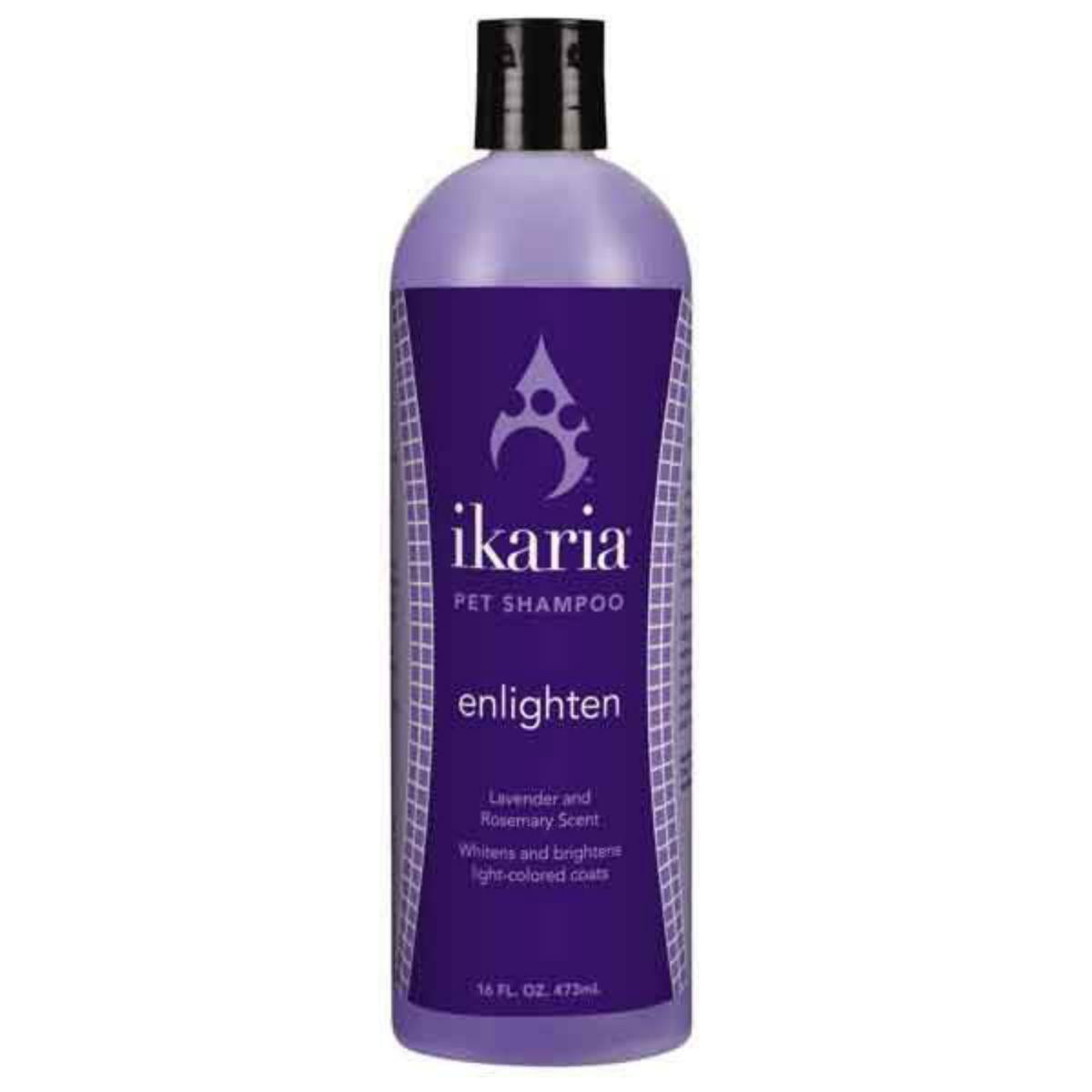
Cat Shampoos & Conditioners



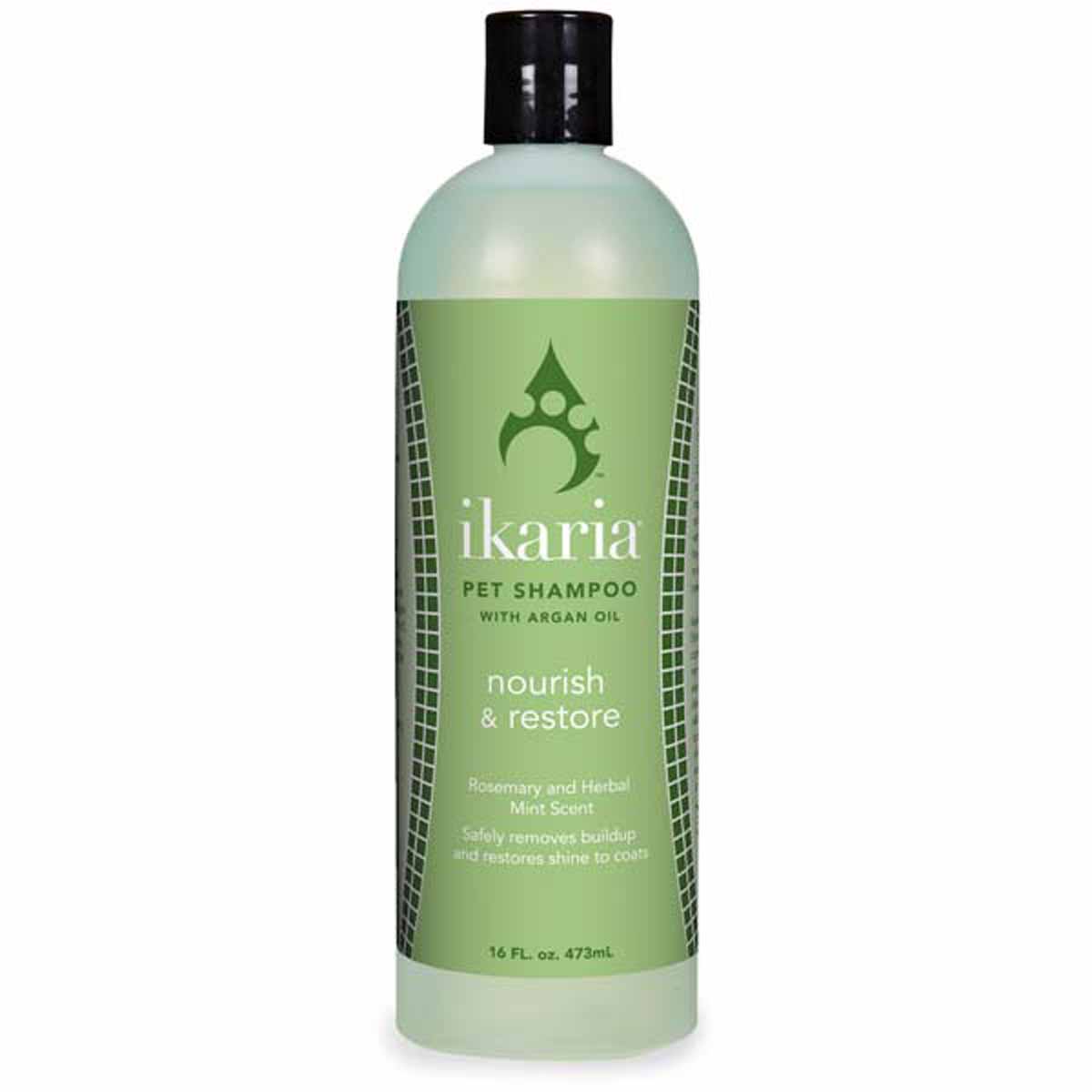
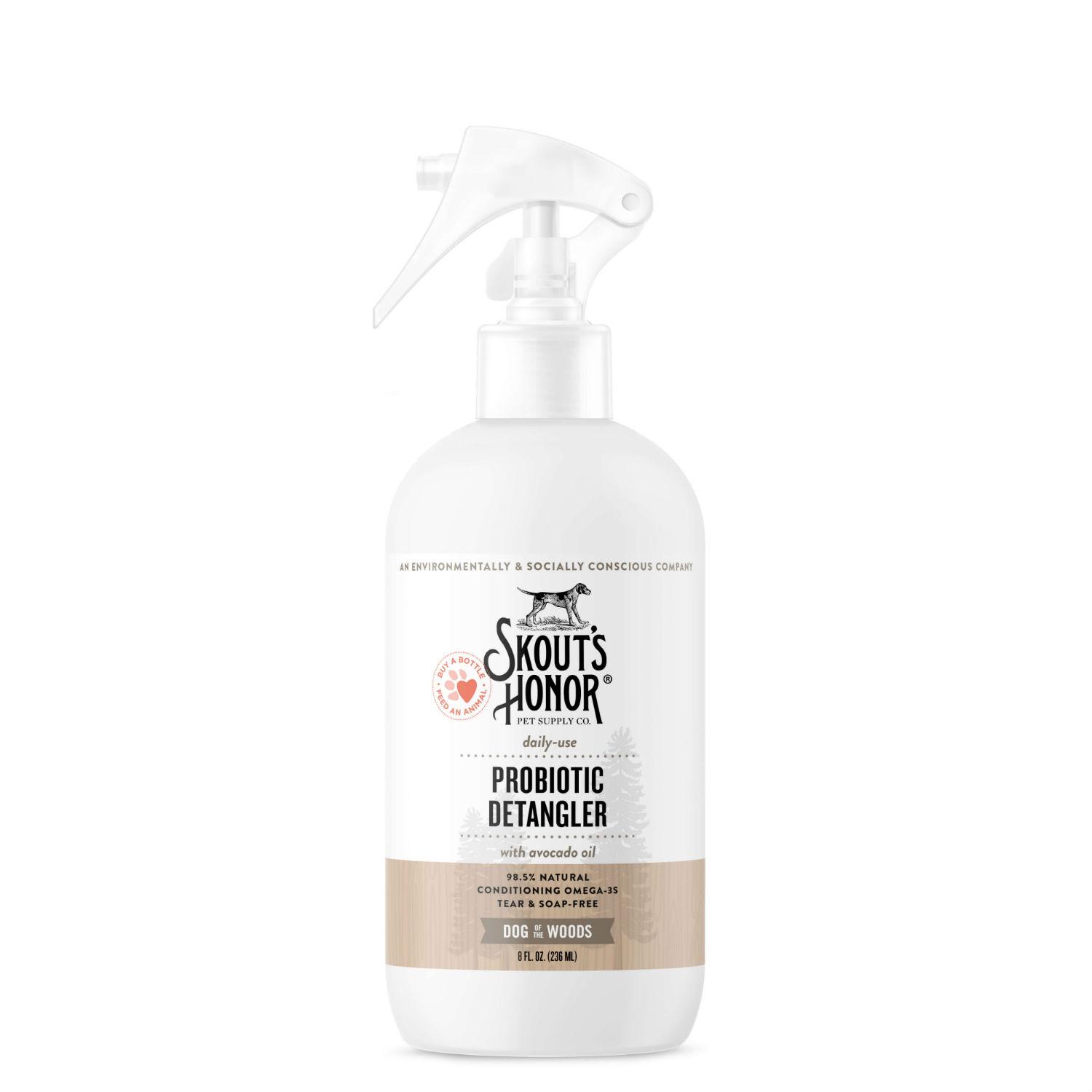
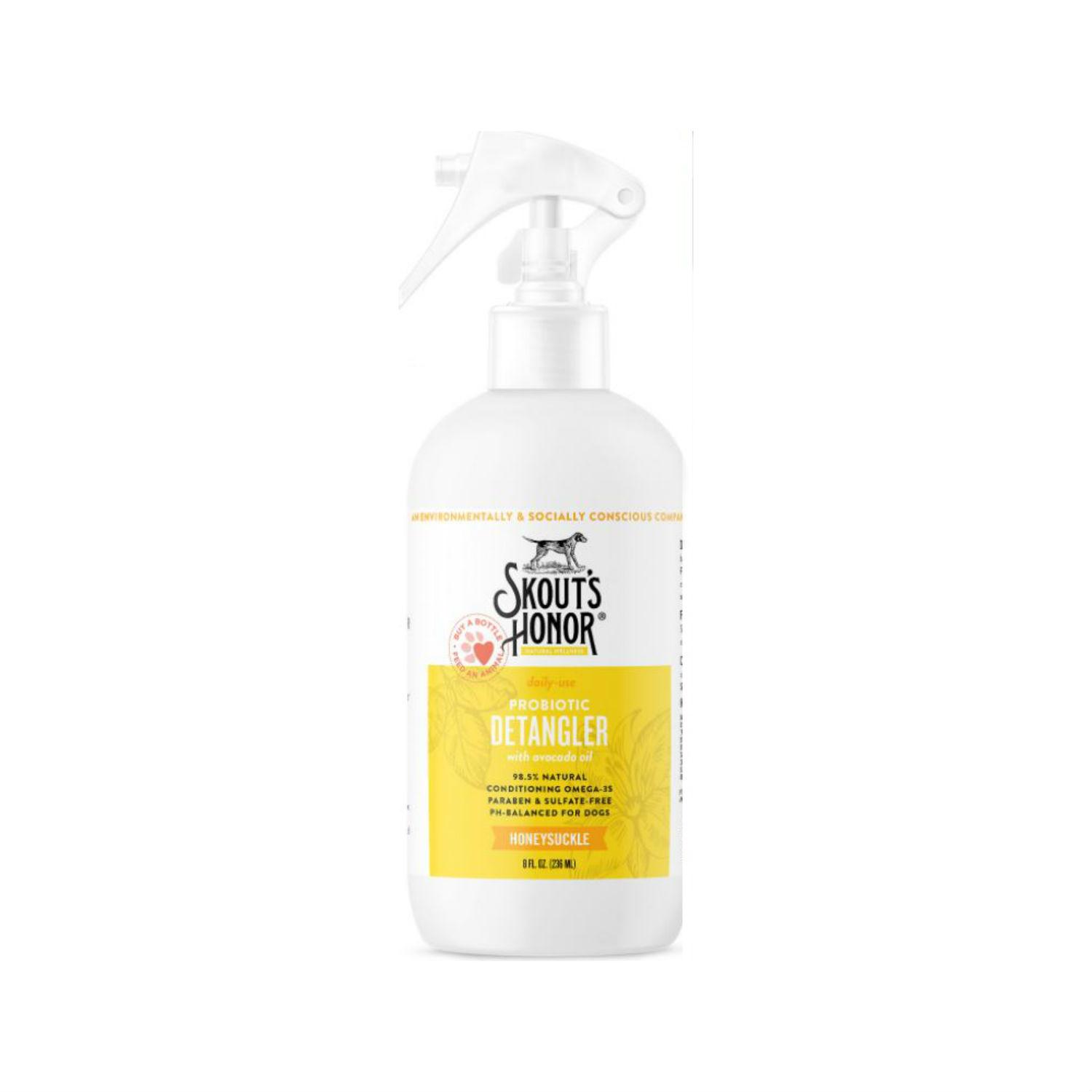
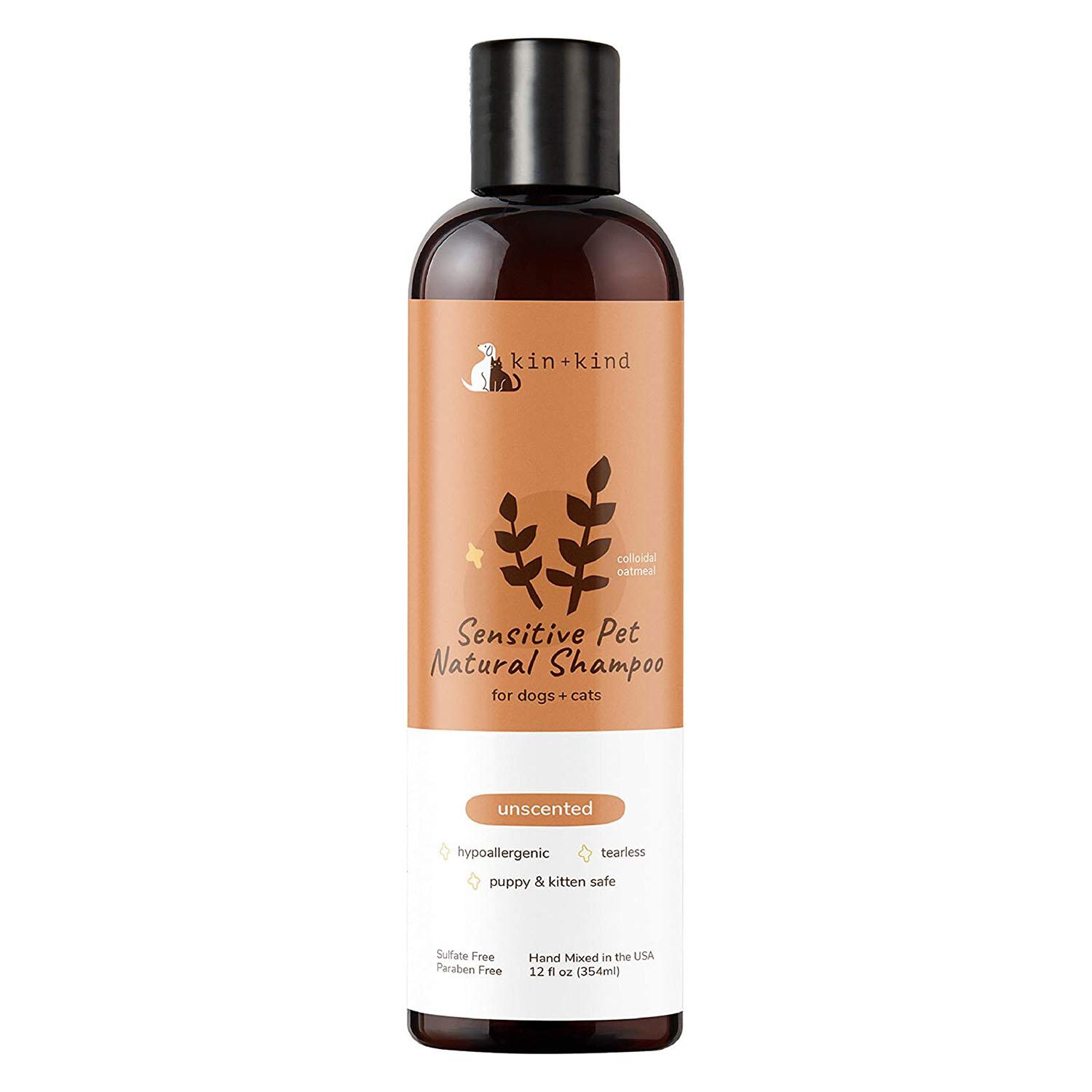
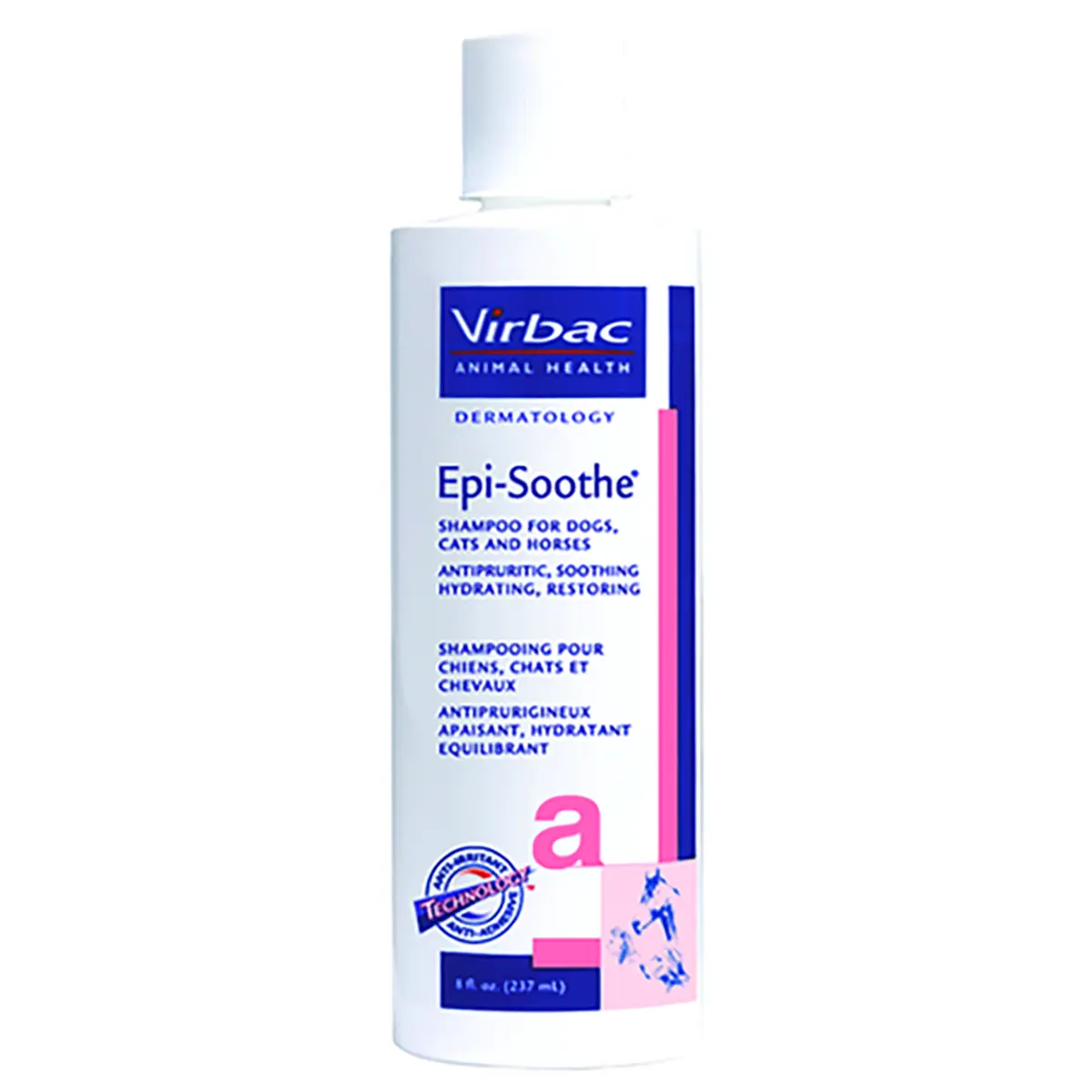
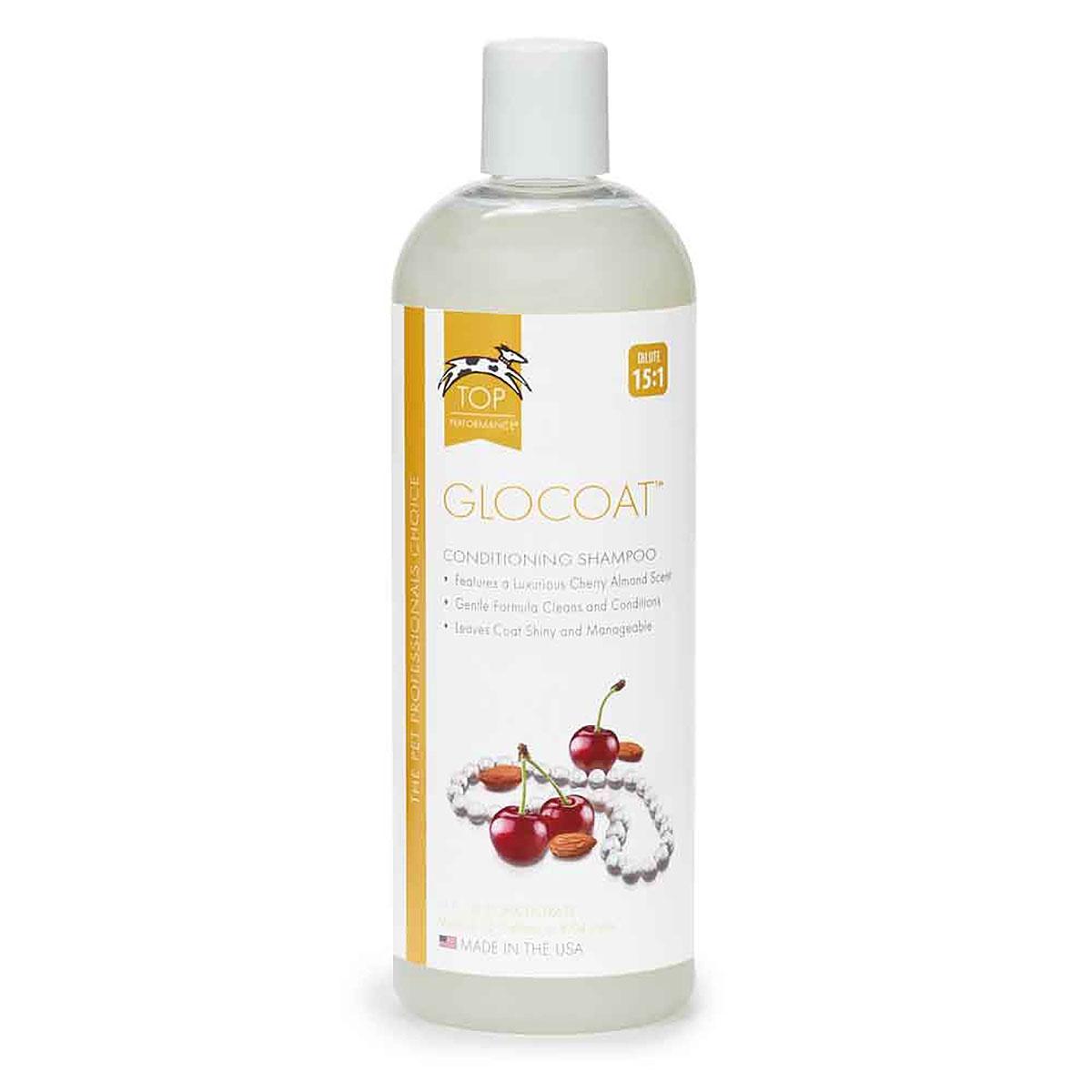
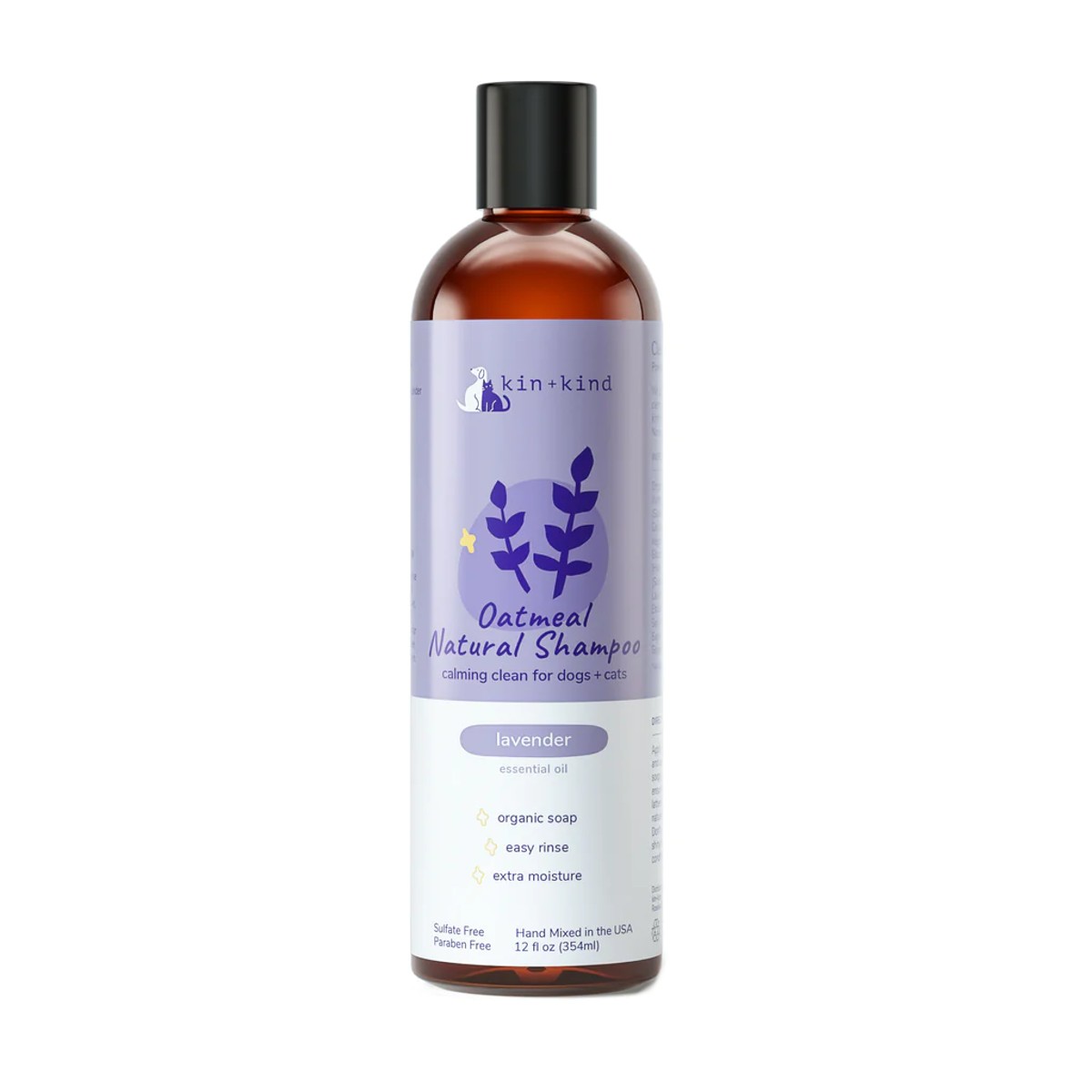
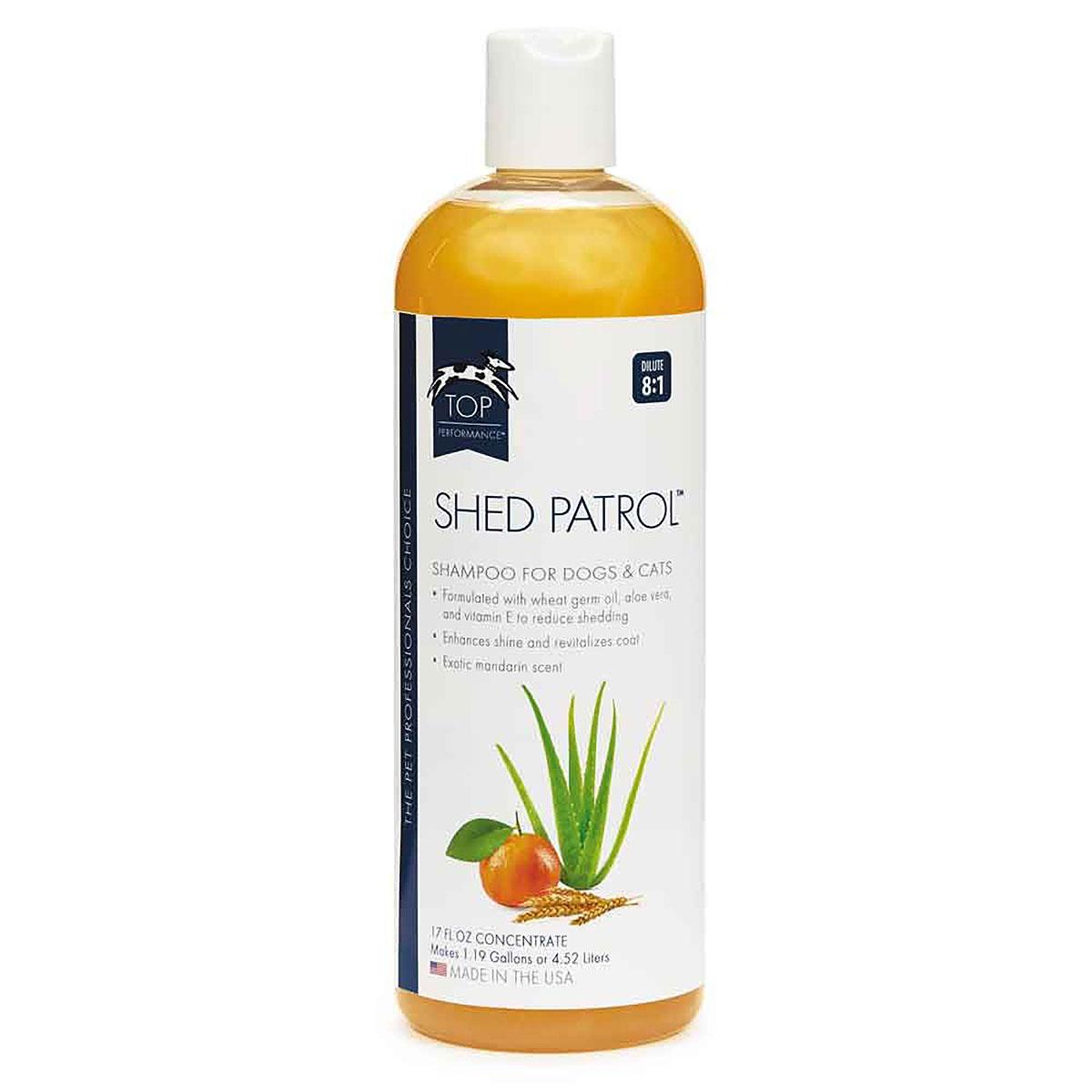
What to Look for in a Dandruff Shampoo
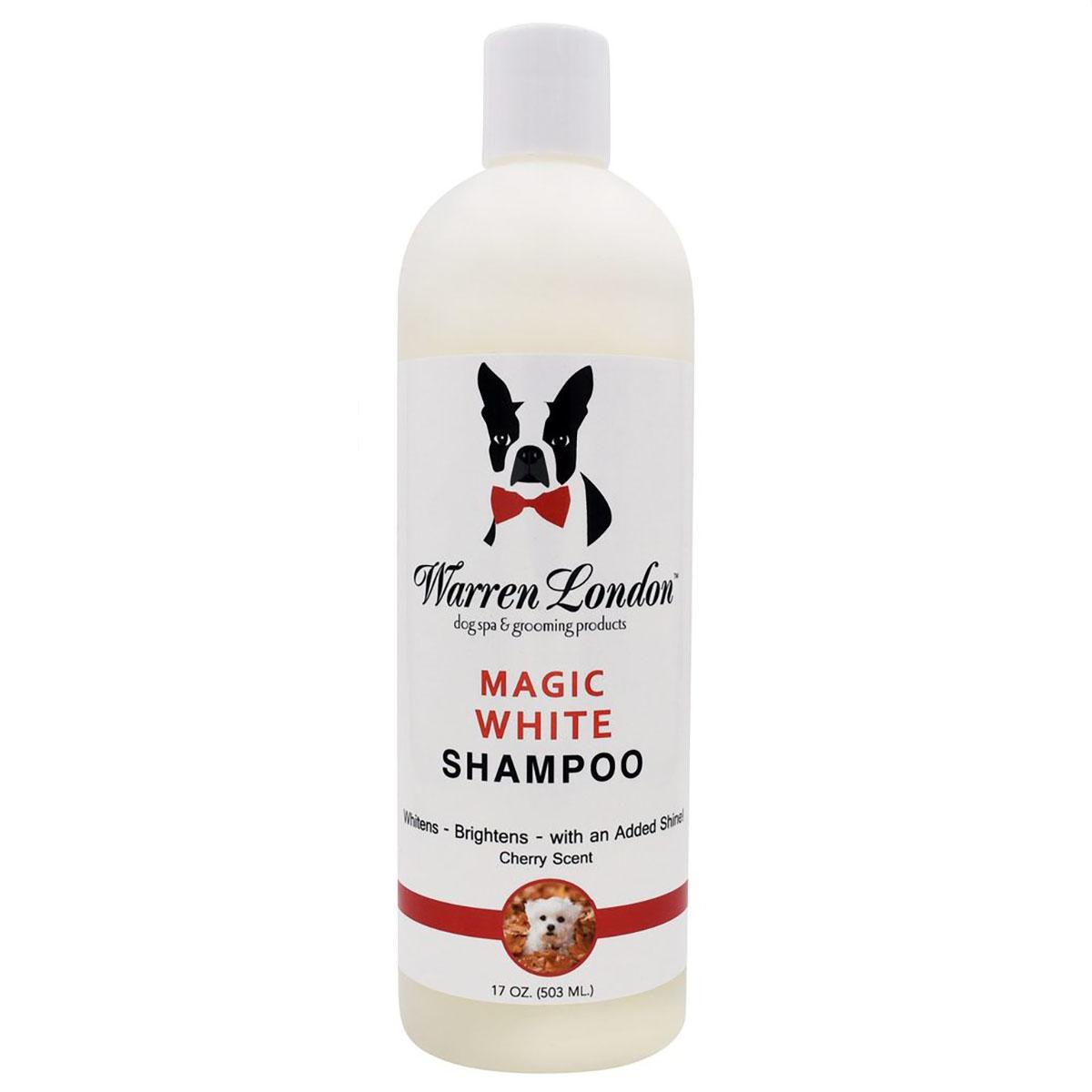
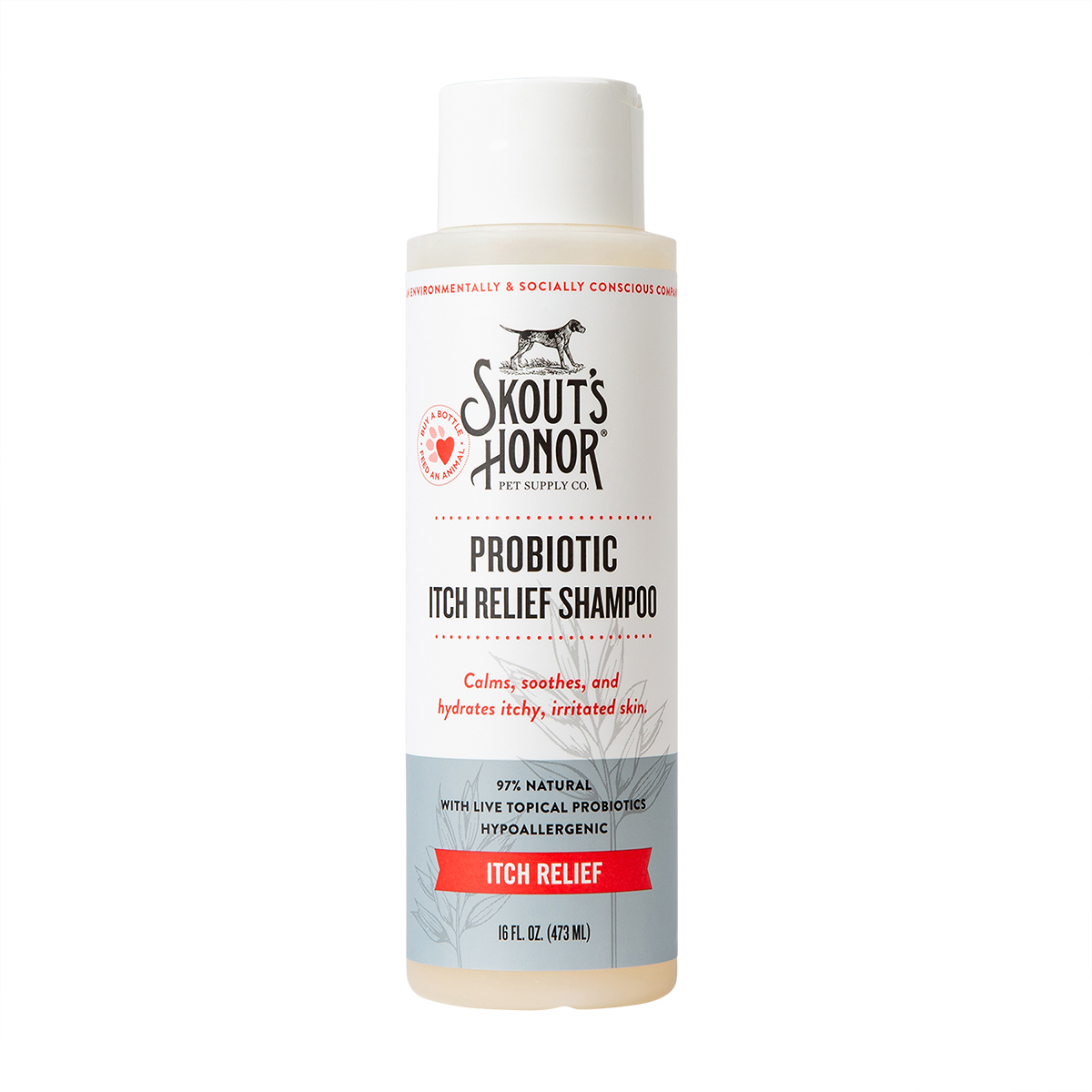
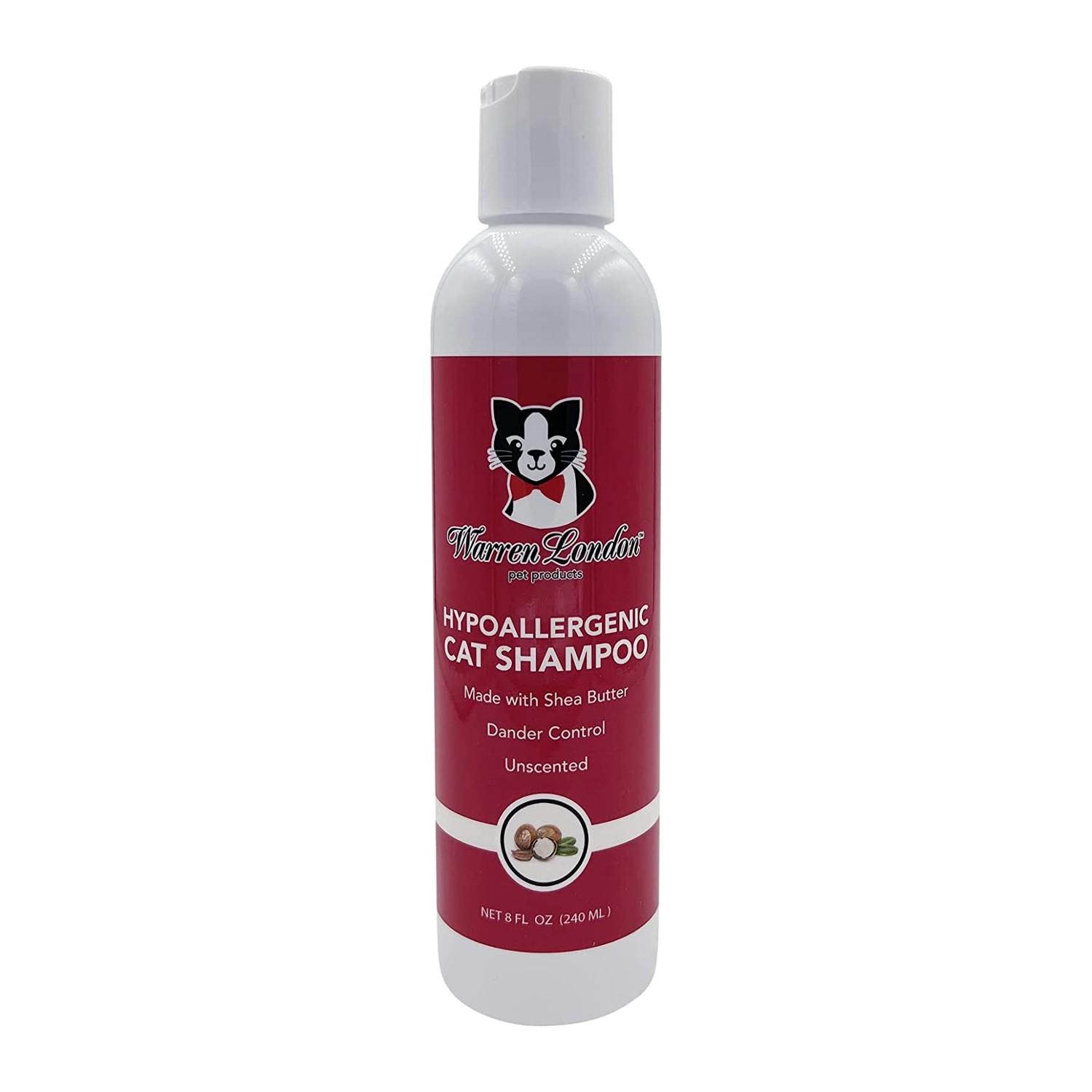
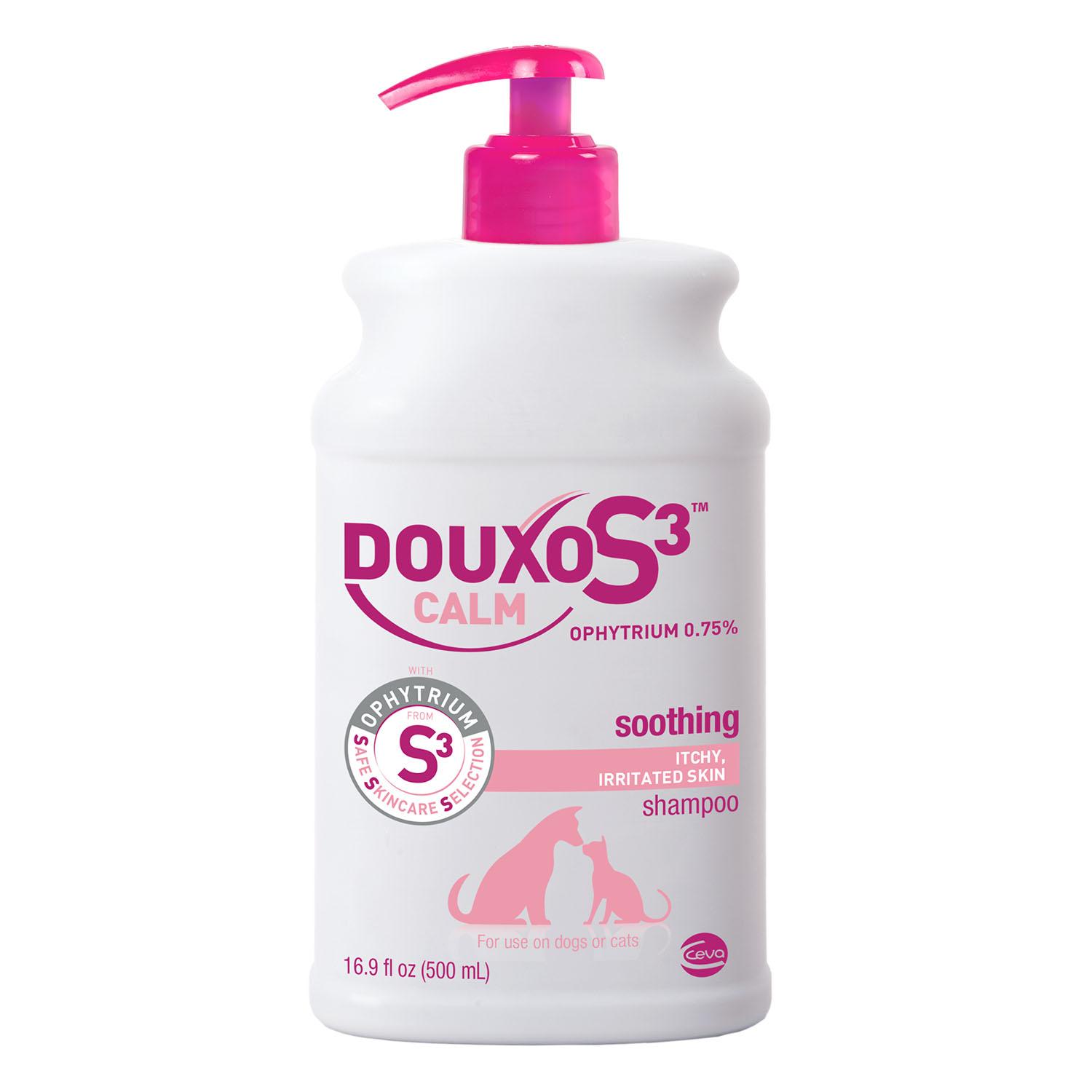
When you shop for a shampoo to treat flakes, the ingredient list is your most valuable tool. Cat skin is thinner and has a different pH balance than human skin. Using human products or even some dog products can cause severe irritation. You want a formula that focuses on "sebostatic" and "keratolytic" properties if the dandruff is oily, or "emollient" properties if the skin is dry.
Soothing and Hydrating Ingredients
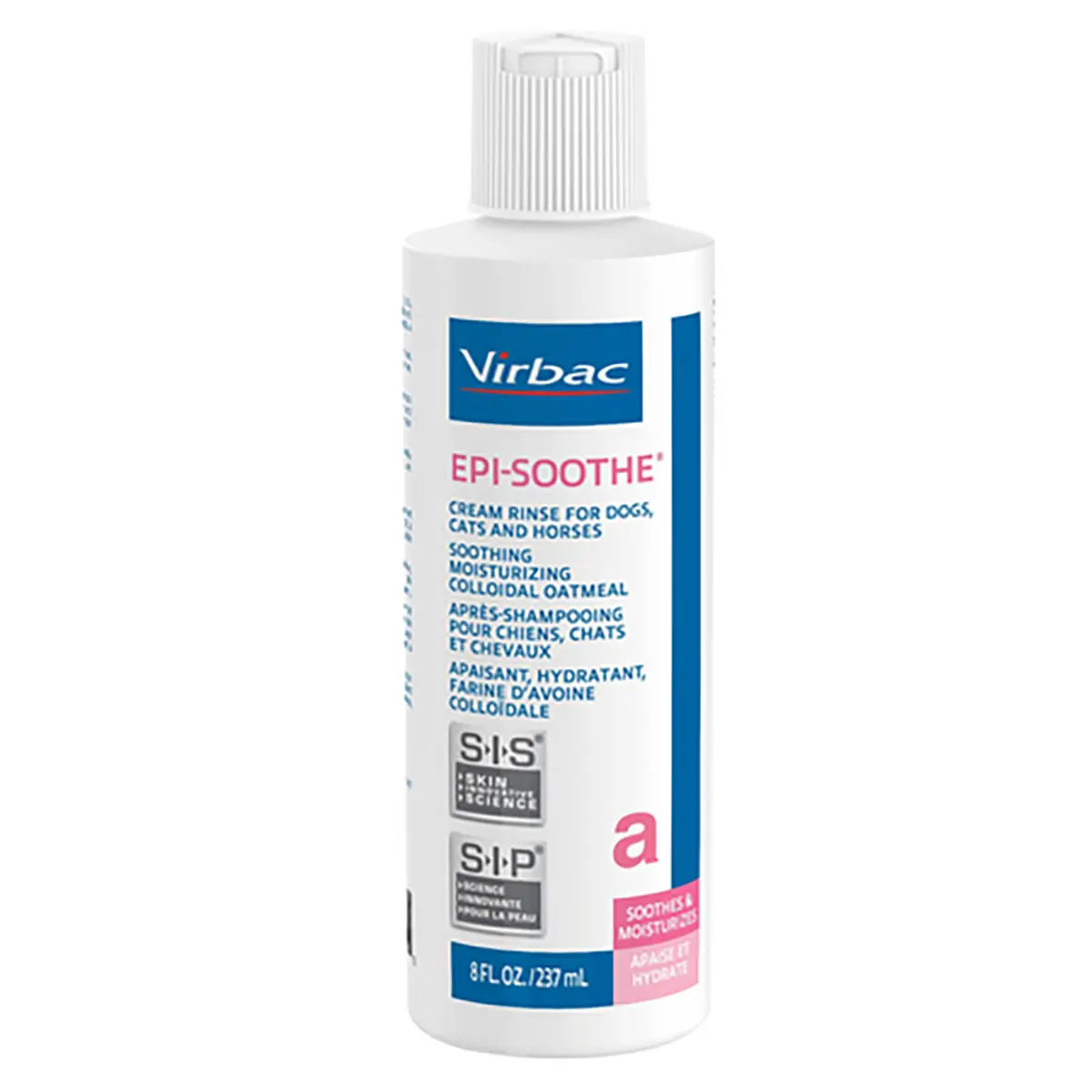
For most cats, dandruff is caused by simple dryness. In these cases, you want ingredients that pull moisture into the skin and lock it there. Colloidal oatmeal is a gold standard. It forms a protective barrier and reduces itchiness. Aloe vera is another excellent choice for its cooling properties. Look for shampoos that list these as primary ingredients rather than small additives at the end of the list.
A fragrance-free option such as earthbath® Oatmeal & Aloe Shampoo focuses on colloidal oatmeal and aloe vera for dry, sensitive skin.
Medicated Ingredients for Scaling
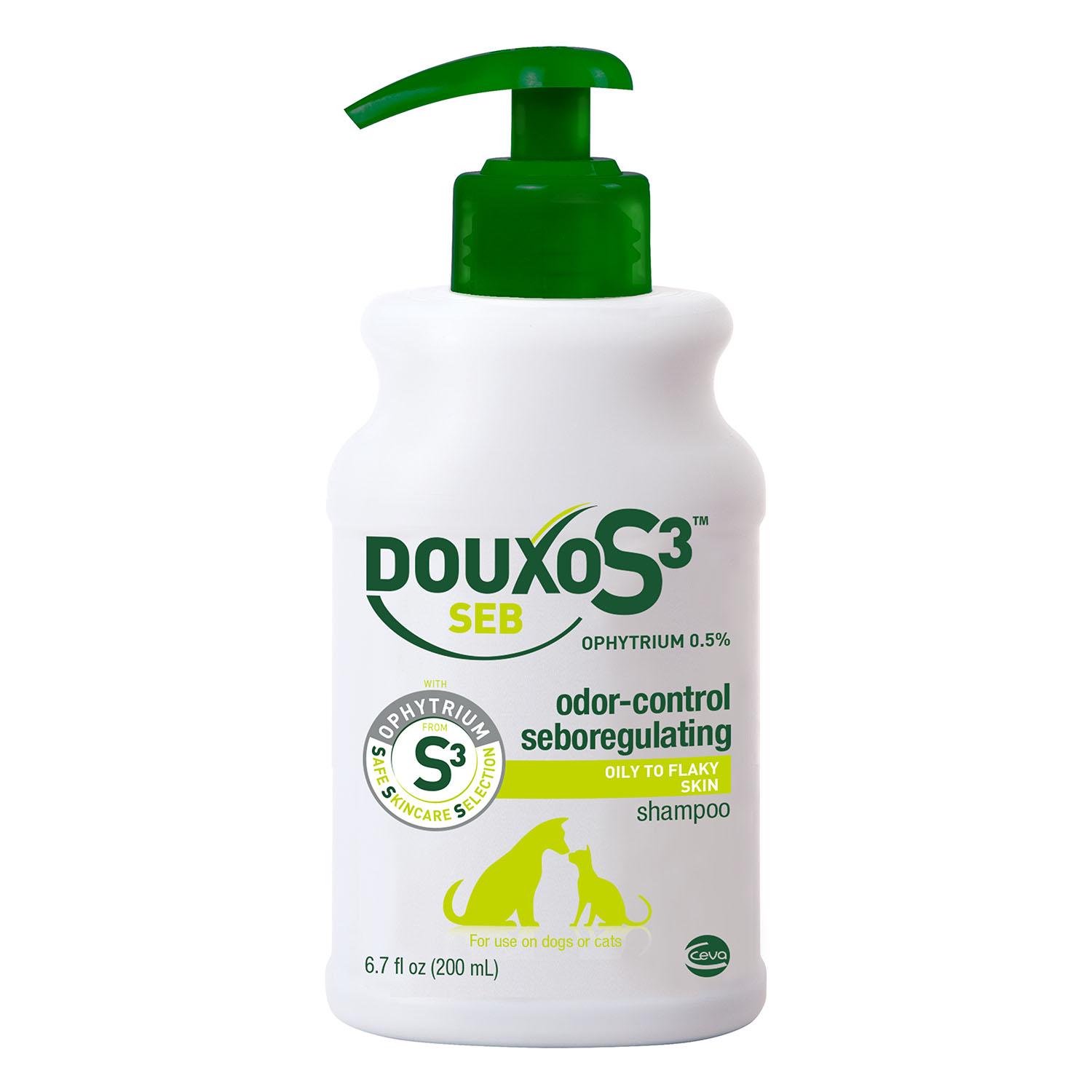
If the dandruff is thick or accompanied by oily skin, you may need something stronger. Salicylic acid and sulfur are common in medicated cat shampoos. These ingredients help soften the outer layer of the skin, making it easier for flakes to wash away. They also help slow down the overproduction of skin cells. While these are effective, they can be drying, so they are often paired with conditioners to keep the coat soft.
Vet Tip: If your cat has red, raw, or smelly skin along with dandruff, skip the standard shampoo and see a veterinarian. These signs often point to a bacterial or fungal infection that requires prescription medication from a pharmacy.
Top Categories of Cat Shampoo for Dandruff
We carry a wide variety of brands at BaxterBoo that cater specifically to skin health. Every cat has a different tolerance for water, so the delivery method of the shampoo matters just as much as the ingredients. Some cats will sit through a full bath, while others require a more hands-off approach.
For more options, browse our cat grooming collection, which includes shampoos, conditioners, brushes, wipes, and other grooming supplies.
Traditional Liquid Shampoos
These are the most effective for deep cleaning. Brands like Earthbath or TropiClean offer hypoallergenic options that are soap-free. This is important because soap can leave a residue that actually causes more itching and flaking. A traditional wash allows the ingredients to sit on the skin for several minutes, which is necessary for medicated components to work.
Waterless and Foam Shampoos
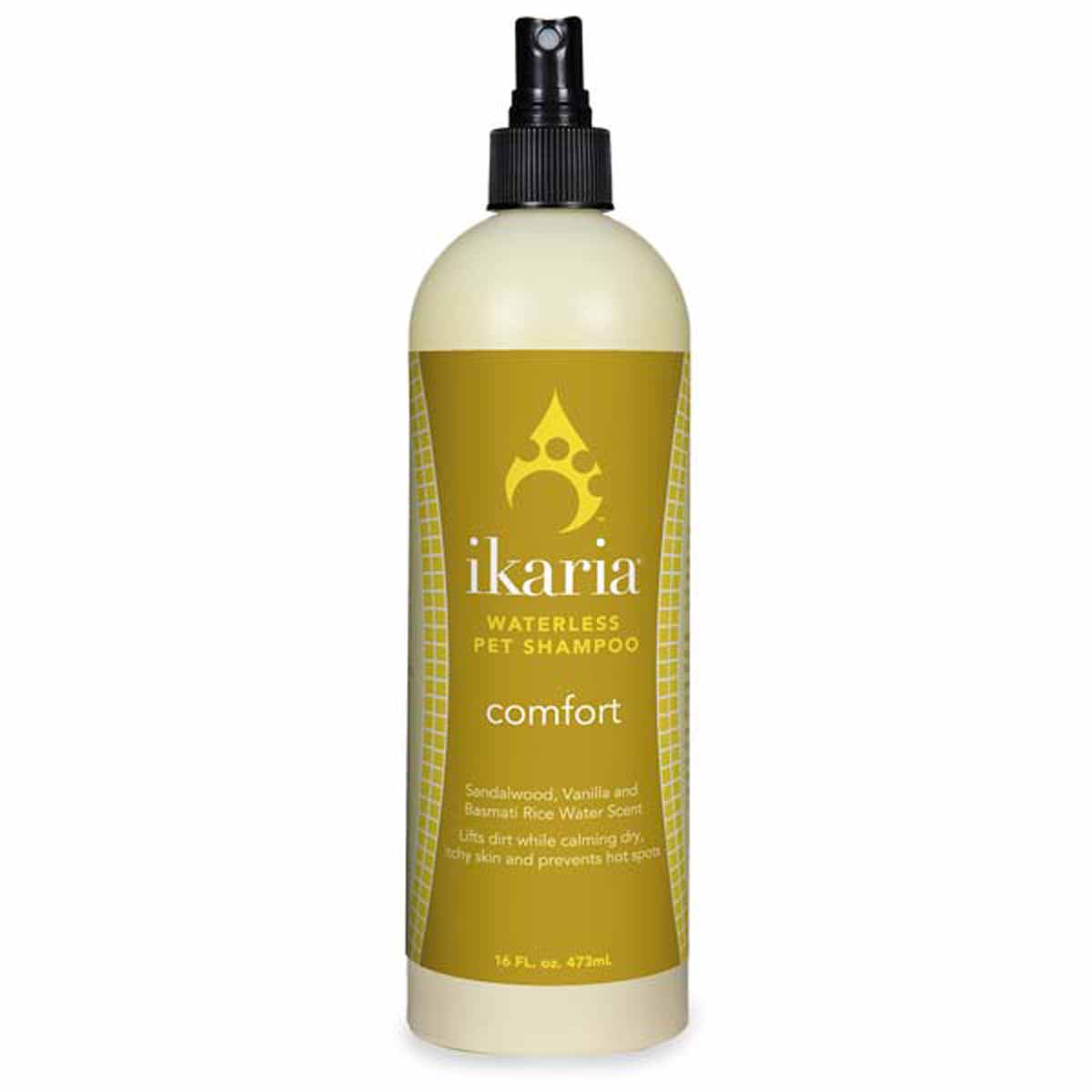
If a bathtub is a war zone in your house, waterless shampoos are a great alternative. These are foams or sprays that you massage into the coat and then towel off. They do not provide the same deep hydration as a full bath, but they are excellent for removing surface flakes and refreshing the skin between deeper cleanings. Burt's Bees offers a popular waterless cat shampoo with honey that helps maintain moisture.
For cats that dislike baths, Vet's Best Dry Clean Waterless Cat Bath provides a no-rinse foam option with moisturizing ingredients.
Medicated and Prescription Options
For chronic conditions like seborrhea, a standard grooming shampoo might not cut it. We work with Pet's Choice to provide access to a full pharmacy for these specific needs. Medicated shampoos like those containing chlorhexidine or ketoconazole are often required if the dandruff is caused by yeast or bacteria. These products are formulated to treat the root cause of the flaking rather than just washing away the symptoms.
For skin and coat products designed for more specialized needs, explore our cat skin and coat care selection.
Bottom line: Choose a liquid shampoo for deep hydration or a foam shampoo for cats that are highly stressed by water.
How to Properly Bathe a Cat with Dandruff
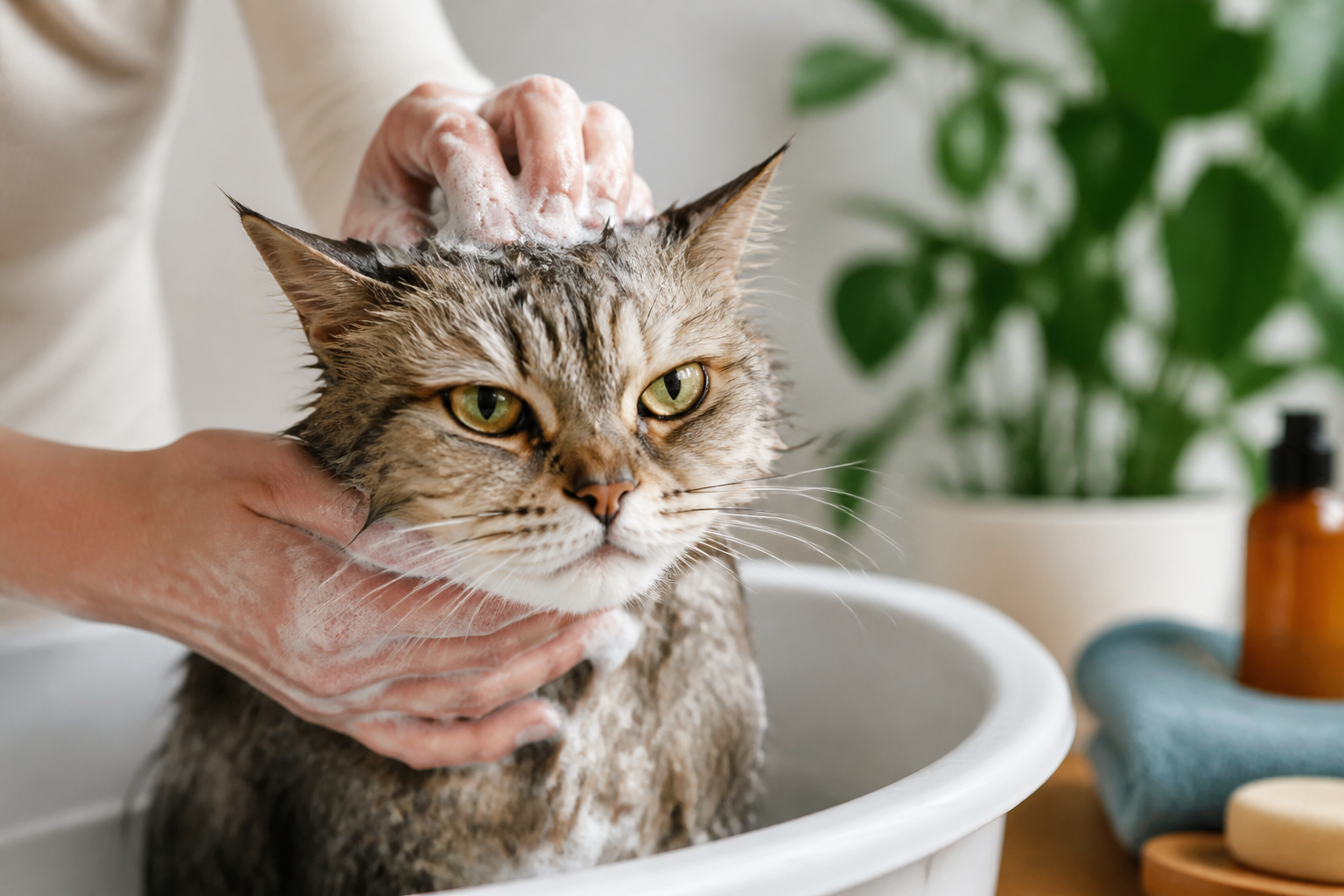
The way you wash your cat is just as important as the product you use. Scrubbing too hard or using water that is too hot can irritate the skin further. The goal is to be gentle and give the shampoo enough time to actually penetrate the fur and reach the skin.
Step 1: Brush the coat thoroughly. / Brushing removes loose fur and breaks up large clumps of dandruff before the water hits. This allows the shampoo to reach the skin more easily.
Step 2: Use lukewarm water. / Water that is too hot will dry out the skin even more. Ensure the water is barely warm to the touch. Use a handheld sprayer or a pitcher to wet the cat slowly, avoiding the ears and eyes.
Step 3: Massage and let sit. / Apply the shampoo and work it into a light lather. If you are using a medicated or oatmeal-based shampoo, it usually needs to sit for five to ten minutes. This is the hardest part, so keep your cat calm with treats or a lick mat.
Step 4: Rinse completely. / Dried shampoo residue is a major cause of skin irritation. Rinse until the water runs clear and you no longer feel any slickness on the fur.
Step 5: Blot dry. / Do not rub the cat vigorously with a towel. Instead, blot the fur to soak up moisture. If your cat tolerates a hair dryer, use the lowest, coolest setting to avoid burning or drying the skin.
When Shampoo Isn't Enough: The Pharmacy Connection
Sometimes, dandruff is a symptom of a deeper internal issue. If you have tried several high-quality shampoos and the flakes persist, the problem might be hormonal or related to an allergy. Cats with hyperthyroidism or diabetes often develop coat issues. In these cases, a topical wash is only a temporary fix.
Our cat pharmacy offers FDA-approved medications and prescription diets that can address these underlying health problems. Through our partnership with Pet's Choice, we can help you fulfill prescriptions for medicated shampoos, allergy medications, and supplements that support skin health from the inside out. Prescription diets specifically formulated for skin sensitivities can also make a massive difference in the quality of your cat’s coat.
Key Takeaway: Persistent dandruff that does not respond to over-the-counter shampoo may require a prescription treatment or a specialized diet available through a licensed pharmacy.
Supporting Skin Health from Within
The best cat shampoo for dandruff works better when the cat is healthy on the inside. Skin is an organ, and its health is directly tied to nutrition. If your cat’s diet is low in essential fatty acids, their skin will likely be dry and prone to flaking.
For additional background on choosing nutritional support, see our guide to pet supplements.
The Role of Omega Fatty Acids
Fish oil and plant-based oils like flaxseed are rich in Omega-3 and Omega-6 fatty acids. These nutrients help maintain the skin's lipid barrier. This barrier is what keeps moisture in and allergens out. Adding a supplement from brands like Zesty Paws or Honest Paws can significantly reduce dandruff over time. These supplements are often available in oils that you can pump directly onto your cat's food.
You can also explore our omega supplements for cats when looking for skin and coat support.
Hydration and Environment
Cats are notorious for not drinking enough water. Low systemic hydration leads to dry skin. Providing a water fountain can encourage more drinking. Additionally, during the winter months, a humidifier in the room where your cat spends the most time can prevent their skin from drying out due to central heating.
- Add a fish oil supplement to daily meals.
- Use a humidifier in dry environments.
- Ensure the cat has access to fresh, flowing water.
- Brush daily to distribute natural skin oils.
Vet Tip: Always consult your veterinarian before starting a new supplement or changing your cat's diet, especially if they have pre-existing conditions like kidney disease.
Comparing Shampoo Types for Dandruff
| Shampoo Type | Best For | Key Ingredient | Pros |
|---|---|---|---|
| Oatmeal-Based | General dry skin | Colloidal Oatmeal | Very gentle, soothing, soap-free |
| Medicated | Heavy scaling/Oily skin | Salicylic Acid/Sulfur | Breaks down flakes, treats seborrhea |
| Waterless Foam | Stressed cats | Aloe/Honey | No water needed, easy to use |
| Hypoallergenic | Sensitive cats | Coconut-based cleaners | Minimal ingredients, no fragrances |
Managing the Grooming Routine
Consistency is the secret to a flake-free cat. You do not want to bathe a cat too often, as this can actually backfire and cause more dryness. For a cat with dandruff, a bath once every 4 to 6 weeks is usually sufficient. Between baths, focus on daily brushing. Brushing acts like a massage for the skin, stimulating blood flow and spreading the natural oils produced at the base of the hair follicles across the entire coat.
If you find that your cat is struggling to groom themselves because of their age, consider using grooming wipes. These are pre-moistened with conditioning ingredients and are much less stressful than a full bath. They are particularly useful for cleaning the hard to reach areas on a senior cat’s back where dandruff tends to congregate.
For cats that need a gentler option between full baths, browse our waterless cat grooming products.
Bottom line: A combination of monthly bathing and daily brushing is the most effective way to manage and prevent feline dandruff.
Summary of Flake Prevention
Maintaining a healthy coat requires a multi-faceted approach. While finding the best cat shampoo for dandruff is a priority, you must also look at the environment and the cat’s overall health. At BaxterBoo, we aim to provide all the tools you need, from the grooming tub to the pharmacy.
- Select a shampoo with hydrating ingredients like oatmeal or aloe.
- Use medicated products for heavy scaling or oily dandruff.
- Incorporate Omega fatty acids into the diet to support the skin barrier.
- Brush daily to help your cat manage their natural oils.
- Consult a vet if the skin appears red, irritated, or has a strong odor.
Our pharmacy partnership with Pet's Choice ensures that even the most stubborn skin conditions can be treated with professional-grade products. Whether you need a simple soothing wash or a prescription-strength solution, we have the resources to help your cat feel comfortable in their own skin again. You can also save on these recurring needs by using our Autoship programme, which ensures you never run out of your cat's favorite skin and coat supplies.
FAQ
Can I use human dandruff shampoo on my cat?
No, you should never use human dandruff shampoos like Head and Shoulders on a cat. These products are formulated for the human scalp, which has a much different pH level than a cat's skin. Many human shampoos also contain ingredients like zinc pyrithione or selenium sulfide, which can be toxic to cats if they lick their fur after the bath.
How often should I wash a cat with dandruff?
For most cats, once every four to six weeks is plenty. Washing a cat too frequently can strip away the natural oils they need for skin health, which may actually make the dandruff worse. If the dandruff is severe or caused by a medical condition, your veterinarian might recommend a more frequent schedule using a specific medicated shampoo.
Why does my cat get more dandruff in the winter?
Indoor heating systems significantly drop the humidity levels in your home during the winter. This dry air pulls moisture out of your cat's skin, leading to flaking. Using a humidifier and adding a skin and coat supplement to their food during the colder months can help combat this seasonal dryness.
Is cat dandruff a sign of an allergy?
It can be. Dandruff is often a secondary symptom of environmental or food allergies. When a cat has an allergic reaction, their skin can become inflamed and dry, leading to flakes. If the dandruff is accompanied by excessive licking, scratching, or hair loss, it is a good idea to speak with a vet about potential allergy testing or a trial of a prescription diet.




- Site & Contents BaxterBoo.com. BaxterBoo is located in the United States.
- Privacy & Security
- Terms of Use
- Accessibility Statement
