
 Save 15% on your 1st Autoship learn more

 Email us
 Live Chat
 FAQs
FAQs





Introduction
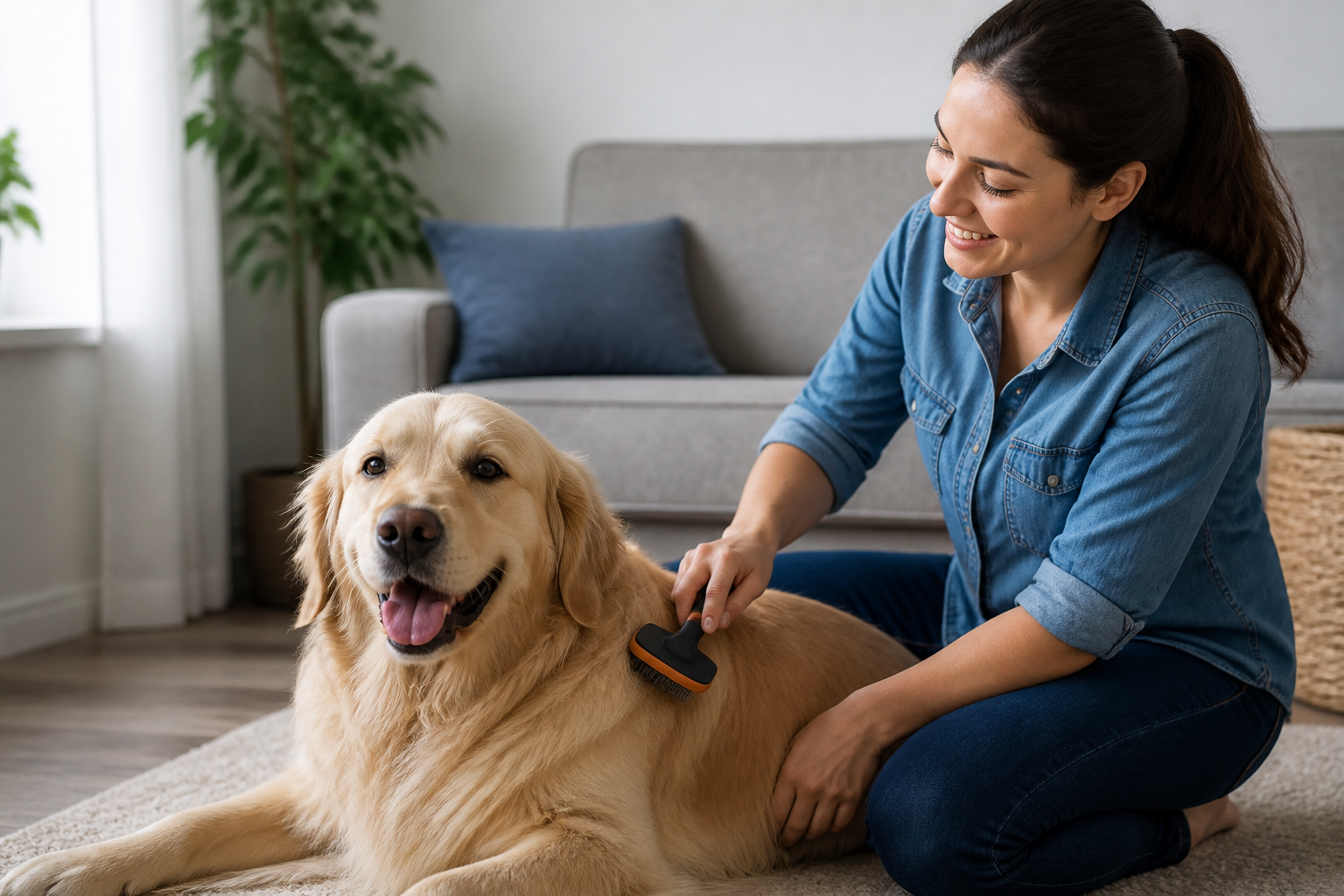
You just finished vacuuming the living room. You turn around only to see a fresh clump of fur drifting across the hardwood like a tiny tumbleweed. If you own a heavy shedder, you know that dog hair is not just a cleaning chore. It is a constant presence on your clothes, your furniture, and even in your morning coffee. At BaxterBoo, we have helped thousands of pet owners move from frustrated to focused with the right grooming routine. Choosing the best de shedding brush for dogs is about more than just picking a popular tool. It is about matching the blade or bristles to your dog's specific coat type to remove loose fur before it ends up on your rug. This guide will help you understand how de-shedding tools work and how to use them safely.
Quick Answer: A de-shedding brush uses a specialized edge to reach through the topcoat and pull out loose undercoat hair before it falls out naturally. These tools are most effective for double-coated breeds and should be used once or twice a week on a completely dry coat.
Why Dogs Shed and How De-Shedding Brushes Help
Shedding is a natural process where old or damaged hair falls out to make room for new growth. Most dogs have a double coat. This consists of a tough outer layer called the guard hair and a soft, dense undercoat for temperature regulation. The undercoat is usually what you find stuck to your leggings. When a dog "blows" their coat during seasonal changes, the undercoat releases in massive amounts.
A standard pin brush or slicker brush is great for surface tangles. However, those brushes often slide right over the dense undercoat. A de-shedding brush and comb collection is designed with unique teeth that penetrate the topcoat without cutting it. The tool grabs onto the dead, loose hairs of the undercoat and pulls them out. We have seen that consistent use can reduce the amount of fur in your home by up to 90 percent. This process also helps distribute natural skin oils across the fur. This keeps the coat shiny and the skin hydrated.
Choosing the Right Tool for Different Coat Types
Not every dog needs the same kind of brush. Using a heavy-duty undercoat rake on a dog with a single, thin coat could actually cause pain or skin damage. You need to identify your dog's coat type before you start shopping.
Double-Coated Breeds
Breeds like Golden Retrievers, German Shepherds, and Huskies have a thick, woolly undercoat. They need a tool with longer teeth or a stainless steel edge that can reach deep into the fur. A de-shedding edge tool is often the go-to choice here. These tools have a comb-like edge that mimics a tiny rake.
Short-Haired Breeds
Labs, Beagles, and Pugs shed more than people expect. Their hair is short but very dense. For these dogs, a rubber curry brush or a short-tooth de-shedding tool works best. Rubber brushes use friction to pull loose hair from the skin. They also provide a massage that most dogs find very relaxing.
Long-Haired Breeds
Dogs with long, silky hair like Setters need a gentler approach. You must remove all mats and tangles with a standard comb before using a de-shedding tool. If the de-shedding edge hits a knot, it will pull on the skin and cause distress.
Key Takeaway: Always match the tooth length of the brush to the thickness of your dog's undercoat to ensure the tool reaches the loose hair without scratching the skin.
The Different Types of De-Shedding Brushes
Our team at BaxterBoo has tested various designs over the years. There are three main categories you will encounter when looking for a de shedding brush for dogs.
Stainless Steel Edge Tools
These are the most popular options for heavy shedders. They feature a fine-toothed metal comb attached to an ergonomic handle. Some models include a button that pushes the collected fur off the teeth for you. These are highly effective but require a light touch.
Undercoat Rakes
An undercoat rake looks like a small gardening tool. It has one or two rows of rounded metal pins. These are excellent for dogs with very thick or long fur. The pins go deep into the coat to pull out large clumps of "dead" hair. They are less likely to irritate the skin than an edge tool if you are a beginner.
Blade-Style Tools
Some tools use a unique wave-pattern blade. These do not have traditional teeth. Instead, they use a tiny serrated edge to catch the tips of the hair and pull them out. These are often used for horses as well but work wonders on large dog breeds with coarse fur.
Step-by-Step Guide to De-Shedding Your Dog
Using a de-shedding tool is different from a quick daily brush-through. It is a more intensive process that requires patience and the right environment.
Step 1: Inspect the skin. / Before you start, run your hands over your dog. Look for any sores, bruises, or skin irritations. Do not use a de-shedding tool over these areas.
Step 2: Remove mats and tangles. / Use a standard slicker brush or a wide-tooth comb to get rid of any knots. A de-shedding tool is not a detangler. Pulling it through a mat will hurt your dog.
Step 3: Ensure the coat is dry. / Never use a de-shedding edge on wet hair. Wet hair is more elastic and prone to breakage. You want the fur to be completely dry so the tool can grab the loose hairs easily.
Step 4: Use long, gentle strokes. / Position the tool against the coat and move it in the direction of hair growth. Do not apply heavy downward pressure. Let the weight of the tool and the design of the teeth do the work.
Step 5: Move around the body. / Avoid staying in one spot for too long. If you brush the same area repeatedly, you can cause "brush burn," which is a painful skin irritation.
Step 6: Clear the tool regularly. / As hair builds up on the teeth, remove it. A clogged brush will not work efficiently and might pull at the coat.
Vet Tip: If your dog has a sudden increase in shedding along with bald spots or red skin, consult your veterinarian. Excessive hair loss can sometimes signal an underlying health issue like a thyroid imbalance or skin infection.
Avoiding Brush Burn and Skin Irritation
The most common mistake owners make with a de shedding brush for dogs is being too aggressive. The metal teeth on these tools are effective because they are precise. If you press too hard, those teeth can scratch the epidermis.
Check the skin frequently during your grooming session. If you see the skin turning pink or red, stop immediately. You should also be very careful around sensitive areas. The belly, the insides of the legs, and the tail have thinner skin. We recommend using a softer brush, like a rubber curry brush, for those spots.
Bottom line: A de-shedding tool should glide across the coat, not scrape the skin.
When Shedding is More Than a Grooming Issue
Sometimes, even the best brush cannot keep up with the fur. While some shedding is normal, it can also be influenced by diet and overall health. A dog with poor nutrition may have a brittle coat that sheds excessively.
At BaxterBoo, we offer more than just brushes. Our dog pharmacy carries FDA-approved medications and supplements through our partnership with Pet's Choice. If your dog is shedding due to environmental allergies or skin sensitivities, your vet might prescribe a specific treatment or a prescription diet. Managing the skin from the inside out often makes the grooming process much easier. You can find these prescription items in our medical and mobility section.
Maintaining Your Grooming Tools
A high-quality de-shedding brush is an investment. Most are made with stainless steel teeth, but they still need care to stay effective.
- Clean the tool after every use. Use a small brush to remove dander and hair from the teeth.
- Disinfect the tool if you have multiple pets. A simple wipe with rubbing alcohol can prevent the spread of skin issues.
- Store the brush with the teeth protected. Many tools come with a plastic guard. Use it to prevent the teeth from getting bent or dulled in a drawer.
- Dry the metal edge immediately if it gets damp. Even stainless steel can corrode over time if left in a humid grooming bag.
Training Your Dog to Enjoy Grooming
Many dogs are wary of de-shedding tools because they feel different from a standard brush. If your dog runs away when they see the brush, you need to change their association with it.
Start by letting them sniff the tool while it is on the floor. Pair this with a high-value treat. Once they are comfortable, touch the tool to their side without actually brushing. Give another treat. Slowly build up to a single stroke, then a full session. Keeping the sessions short at first will help your dog stay calm. We find that grooming is a great time to bond, as long as it is a stress-free experience.
Supporting Skin Health Through Diet
A healthy coat starts with the right nutrients. Omega-3 and Omega-6 fatty acids are essential for maintaining the skin barrier. If the skin is healthy, the hair follicles remain strong. This can naturally reduce the amount of "non-seasonal" shedding.
We carry a variety of supplements like fish oil or chewables from brands like Zesty Paws and Honest Paws. These are formulated to support skin and coat health. If your vet recommends a specific supplement or a high-protein food like Orijen or Acana, you can often save money by using our Autoship programme. This ensures you never run out of the supplies that keep your dog's coat in top shape.
The Value of Regular Grooming
Regularly using a de shedding brush for dogs does more than keep your house clean. It allows you to check for lumps, bumps, or parasites like fleas and ticks. Getting familiar with your dog's body through grooming means you will notice changes much faster.
For those who want to earn rewards while they shop for grooming gear, the MVP Rewards programme is a great option. You can earn points on every purchase of brushes, shampoos, and treats. If you are a new customer, remember that we offer a ten dollar reward on your first order of thirty-nine dollars or more when you are signed in at checkout.
Summary of De-Shedding Best Practices
Managing a shedding dog takes consistency. You cannot stop shedding entirely, but you can certainly control where the hair goes. By choosing the right tool for your dog's coat and using it with a gentle hand, you make the process better for both of you.
- Identify the coat type before choosing a tool.
- Only use de-shedding brushes on completely dry fur.
- Always remove mats and tangles first.
- Keep grooming sessions short and positive with treats.
- Watch for skin irritation and stop if the skin turns red.
Key Takeaway: Proper de-shedding reduces household cleanup and improves your dog's skin health by removing dead hair and distributing natural oils.
Conclusion
A de shedding brush for dogs is one of the most effective tools in a pet owner's kit. Whether you are dealing with a seasonal "coat blow" or the daily hair of a short-coated breed, the right brush makes all the difference. At BaxterBoo, we are committed to providing the gear and the guidance you need to keep your pet happy and your home hair-free. For the best results, combine your grooming routine with high-quality nutrition and regular veterinary checkups. If you are ready to tackle the fur tumbleweeds in your home, browse our dog grooming supplies to find the perfect match for your dog's coat.
FAQ
How often should I use a de-shedding brush on my dog?
For most double-coated breeds, using a de-shedding tool once or twice a week is sufficient. During heavy shedding seasons in the spring and fall, you might need to use it more frequently. Always monitor your dog's skin for any signs of redness or irritation to ensure you are not over-brushing.
Can I use a de-shedding brush on a puppy?
It is best to wait until a puppy is about a year old and their adult coat has fully come in. Puppies have very sensitive skin and their soft puppy fur does not usually have a dense undercoat that requires a de-shedding tool. Use a soft slicker brush or a rubber curry brush to get them used to the grooming process instead.
Will a de-shedding tool cut my dog's fur?
When used correctly, a high-quality de-shedding tool does not cut the topcoat or the skin. It is designed to slide through the guard hairs and only catch the loose, dead undercoat. However, if you apply too much pressure or use the tool on a matted coat, it can cause hair breakage or skin damage.
What should I do if my dog hates being brushed?
Start with very short sessions and use plenty of high-value treats to create a positive association. You can also try a gentler tool like a rubber curry brush to get them comfortable with the sensation before moving to a metal de-shedding edge. If your dog remains highly stressed, consult a professional groomer or your vet for advice on low-stress grooming techniques.






