
 Save 15% on your 1st Autoship learn more

 Email us
 Live Chat
 FAQs





Introduction
If you have ever noticed your dog constantly tilting their head, scratching at their ears, or if you have caught a whiff of a musty, corn-chip-like smell coming from their head, you are likely dealing with a yeast overgrowth. This is a common struggle for many pet parents, and it can be incredibly frustrating for both you and your dog. At BaxterBoo, we talk to owners every day who are looking for ways to stop the cycle of itchy, red, and smelly ears. While topical cleaners are important, many people do not realize that the root of the problem often starts in the gut. This post covers how probiotics can help manage yeast levels, which specific strains to look for, and how to support your dog's immune system from the inside out. Understanding the connection between digestive health and skin issues is the first step toward long-term relief for your dog.
Quick Answer: Probiotics help manage yeast ears by populating the gut with beneficial bacteria that compete with yeast for resources. Strains like Lactobacillus acidophilus and Bifidobacterium animalis support a healthy immune response and help maintain an acidic environment that is inhospitable to yeast overgrowth.
Understanding the Connection Between the Gut and Yeast Ears
It might seem strange to treat an ear problem by looking at what goes into your dog's stomach. However, the skin and the ears are often reflections of what is happening inside the body. The gut microbiome is a complex ecosystem of trillions of bacteria, fungi, and other microbes. When this ecosystem is balanced, the immune system functions efficiently and yeast levels remain under control.
When the balance shifts, a condition called dysbiosis occurs. This is when harmful bacteria or fungi, like Malassezia or Candida, begin to multiply rapidly. Yeast is naturally present on a dog's skin and in their ears in small amounts. It only becomes a problem when it grows out of control. Once the yeast population in the gut explodes, it can lead to systemic inflammation. This inflammation often manifests in the "warm" spots of the dog's body, such as the paws, groin, and ear canals.
We have operated our warehouse since 2006, and over the years, we have seen how many chronic ear issues are tied to recurring gut imbalances. Antibiotics, while necessary for treating infections, can sometimes worsen this cycle. They kill off the bad bacteria causing an infection, but they also wipe out the good bacteria that keep yeast in check. This is why many dogs develop a "yeasty" smell or discharge shortly after a round of antibiotics.
Dog Vitamins & Supplements






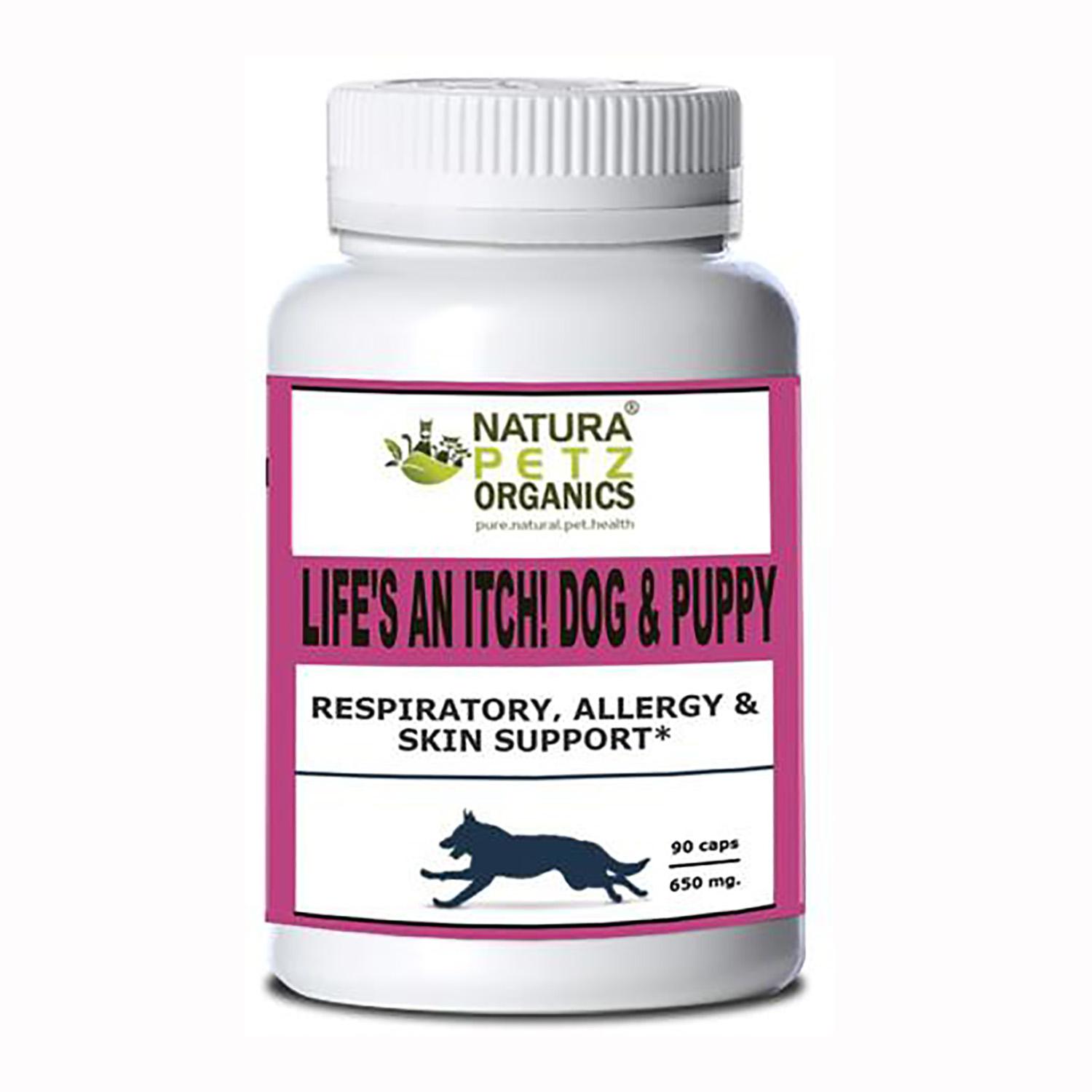
How Probiotics Work to Control Yeast Overgrowth
Probiotics are live, beneficial microorganisms that provide health benefits when consumed in the right amounts. They are often called friendly bacteria. Their primary job is to restore and maintain the natural balance of the microbiome. For dogs struggling with yeast ears, probiotics serve several critical functions.
First, they engage in competitive exclusion. This means they physically take up space and consume the food sources that yeast would otherwise use to grow. By crowding out the yeast, probiotics make it much harder for fungal colonies to expand.
Second, certain probiotic strains produce organic acids, such as lactic acid. This helps lower the pH level in the digestive tract. Yeast thrives in more alkaline environments, so making the environment more acidic helps inhibit its reproduction.
Third, about 70 to 80 percent of a dog's immune system is located in the gut. By supporting the gut lining and communicating with immune cells, probiotics help the body identify and respond to yeast overgrowth more effectively. This reduces the systemic inflammation that leads to the redness and itching you see in your dog's ears.
For digestive support, explore our dog probiotic collection.
Key Probiotic Strains for Dog Ear Health
Not all probiotics are the same. Different strains have different jobs. When you are looking for a supplement at BaxterBoo to help with yeasty ears, you should look for specific names on the ingredient label.
Lactobacillus Acidophilus
This is one of the most well-researched strains for dogs. It is excellent at producing lactic acid, which helps maintain a healthy pH in the gut. It also supports the immune system and helps protect the intestinal lining. By creating an environment that yeast dislikes, it acts as a primary defense against fungal overgrowth.
Bifidobacterium Animalis
This strain is often used to help with digestion and stool quality, but it also plays a role in immune function. It helps reduce the duration of digestive upset and supports a balanced inflammatory response throughout the body.
Saccharomyces Boulardii
Interestingly, this is actually a beneficial type of yeast, not a bacteria. It is very hardy and can survive the journey through the stomach acid. It is particularly useful if your dog is currently taking antibiotics, as it is not killed by antibiotic medication. It helps prevent the "yeast bloom" that often happens after a dog finishes a prescription.
Bacillus Coagulans
This is a spore-forming probiotic. Spore-forming means it has a natural protective coating that makes it very stable and heat-resistant. It is excellent for supporting the gut-skin axis and has been shown to help dogs with environmental allergies that lead to secondary ear infections.
Enterococcus Faecium
This strain helps with the absorption of nutrients and the overall balance of bacteria in the small intestine. It is a common inclusion in many high-quality dog supplements and food formulations.
Key Takeaway: Effective probiotics for yeast issues should include multiple strains, particularly Lactobacillus and Bifidobacterium. These work together to lower gut pH and crowd out fungal colonies.
For additional background on choosing supplements, read our guide to pet supplements.
Recognizing the Signs of a Yeast Infection vs. Bacteria
Before starting a probiotic regimen, it is helpful to know what you are looking at. Ear issues in dogs generally fall into three categories: yeast, bacteria, or mites.
- Yeast Infections: Usually have a very distinct "yeasty" or "musty" odor. The discharge is often dark brown or black and can look waxy or greasy. The ear canal is usually very red and itchy.
- Bacterial Infections: These often smell more "foul" or like rotting material. The discharge is frequently yellow, green, or even bloody. These are often more painful than yeast infections and may require prescription drops from a veterinarian.
- Ear Mites: These are tiny parasites. The discharge they produce looks like dry, dark coffee grounds. Mites are highly contagious between pets.
Vet Tip: If your dog's ear is hot to the touch, oozing yellow or green fluid, or if your dog is yelping when you touch the area, please consult your veterinarian immediately. These are signs of a severe bacterial infection or a ruptured eardrum that requires professional medical intervention and possibly prescription medication through our dog pharmacy.
Factors That Contribute to Yeasty Ears
While probiotics are a powerful tool, they work best when you address the environmental and dietary factors that feed yeast. Yeast loves two things: sugar and moisture.
Diet and Carbohydrates
Many commercial dog foods are high in carbohydrates like corn, wheat, soy, or potatoes. When these carbohydrates are digested, they break down into sugars. Sugar is the primary fuel source for yeast. If your dog has chronic yeast issues, you may want to look into low-glycemic food options. Brands like Farmina, Zesty Paws, and The Honest Kitchen offer formulations that focus on high-quality proteins and limited starches, which can help starve the yeast from the inside out.
You can compare formulas in our NutriSource dog food selection.
Moisture and Anatomy
Dogs with floppy ears, like Basset Hounds, Labradors, or Cocker Spaniels, are more prone to ear issues. Their ear flaps trap moisture and heat, creating a perfect "greenhouse" for yeast to grow. Similarly, if your dog loves to swim, moisture can get trapped in the canal. Always dry your dog's ears thoroughly after baths or swimming.
Allergies
Environmental allergies to pollen, dust, or mold can cause inflammation in the ear canal. This inflammation produces excess wax and heat, which then allows the naturally occurring yeast to overpopulate. In these cases, supporting the immune system with probiotics and Omega-3 fatty acids is essential.
How to Choose a Quality Probiotic Supplement
When shopping for dog probiotics for yeast ears, the options can be overwhelming. Here is what to look for on the label to ensure you are getting a product that actually works.
- CFU Count: This stands for Colony Forming Units. It tells you how many live microbes are in each dose. For a dog with active yeast issues, you generally want a product with at least 1 billion to 5 billion CFUs per serving.
- Guaranteed Analysis: Ensure the product guarantees the live count at the time of consumption, not just at the time of manufacture.
- NASC Seal: Look for the National Animal Supplement Council seal. This indicates the company meets strict quality control standards.
- Inclusion of Prebiotics: Prebiotics are types of fiber, like chicory root or inulin, that feed the probiotics. They help the beneficial bacteria thrive once they reach the gut.
- Form Factor: Probiotics come in powders, chews, and capsules. Choose the one your dog is most likely to eat consistently. Consistency is more important than the format.
Bottom line: A high CFU count and a variety of strains are more important than fancy packaging; look for the NASC seal to ensure quality.
For another perspective on probiotics, prebiotics, and digestive support, explore this holistic nutrition guide.
Step-by-Step: Transitioning Your Dog to Probiotics
If your dog has a sensitive stomach, you should introduce any new supplement slowly. Even though probiotics are beneficial, a sudden influx of new bacteria can sometimes cause temporary gas or loose stools.
- Step 1: Start small. Give half the recommended dose for the first three to five days.
- Step 2: Observe your dog. Watch for any significant changes in digestion. A little extra gas is normal as the microbiome shifts.
- Step 3: Increase to the full dose. Once your dog is comfortable, move to the full daily amount suggested on the packaging.
- Step 4: Maintain consistency. Probiotics work best when given at the same time every day. This keeps a steady population of "good guys" in the gut.
The Role of the BaxterBoo Pharmacy and Prescription Care
Sometimes, despite our best efforts with diet and supplements, an ear infection becomes too severe for home management alone. This is common in dogs with deep-seated allergies or anatomical issues. In these cases, your veterinarian might prescribe medicated ear drops, antifungal pills, or a specific prescription diet.
Through our partnership with Pet's Choice, we offer a full-service pharmacy that carries FDA-approved medications and prescription pet foods. If your vet determines that your dog needs a prescription-strength antifungal like Ketoconazole or a specific diet like Royal Canin or Farmina Vet Life, we can help fulfill those needs.
Prescription diets for skin and coat are formulated to exclude common allergens and provide specific nutrients that support the skin barrier. When combined with a daily probiotic, these professional tools can finally break the cycle of chronic infections. It is always better to treat a severe infection correctly the first time rather than letting it linger and potentially damage the ear canal permanently.
Practical Daily Ear Maintenance Tips
In addition to using dog probiotics for yeast ears, a few simple grooming habits can make a massive difference.
- Routine Cleaning: Use a vet-approved ear cleaner once a week. Squirt the cleaner into the ear, massage the base for 30 seconds, and let your dog shake. Gently wipe the visible part of the ear with a cotton round.
- Avoid Q-Tips: Never stick a cotton swab down into the ear canal. This can push debris further down or even puncture the eardrum.
- Check After Walks: If your dog runs through tall grass, check for "foxtails" or seeds that might have fallen into the ear. These can cause massive irritation and secondary infections.
- Watch the Paws: If your dog is licking their paws and has smelly ears, the yeast is likely systemic. Make sure you are using probiotics and consider a probiotic shampoo or paw soak to manage the external yeast.
For routine maintenance, consider our dog ear care products.
Summary of Yeast Management
Managing yeast is a long game. It often takes 4 to 6 weeks of consistent probiotic use and dietary changes to see a visible difference in the ears. Because yeast is a living organism, it will try to "rebound" if you stop treatment too early.
- Support the gut with high-quality probiotics.
- Reduce dietary sugars and starches.
- Keep the ears dry and clean.
- Address underlying allergies with the help of your vet.
- Use professional pharmacy resources for stubborn or severe infections.
Key Takeaway: Yeast management requires a two-pronged approach: cleaning the ears externally and balancing the gut microbiome internally with probiotics and a proper diet.
Conclusion
Dealing with a dog’s yeasty ears can be a long and sometimes smelly journey, but you do not have to do it alone. By focusing on the gut-skin axis and using targeted dog probiotics for yeast ears, you are addressing the source of the problem rather than just masking the symptoms. We are here to help you find the right supplements, from Zesty Paws to NutriSource, and our pharmacy partnership ensures you have access to prescription care when it is needed most. Start by checking your dog's food label for hidden sugars and consider adding a high-quality probiotic to their daily routine. For more help with your dog's health needs, you can explore our dog health and supplement products or our Autoship programme to help ensure you never run out of the supplements your dog relies on.
FAQ
How long does it take for probiotics to help with a dog's yeast ears?
It generally takes about 4 to 6 weeks of consistent daily use to see a noticeable change in a dog's ear health. This is because the probiotics need time to colonize the gut, shift the pH balance, and influence the immune system's inflammatory response. You might see improved digestion sooner, but skin and ear improvements usually take longer as the body's internal balance resets.
Can I give my dog human probiotics for their ear yeast infection?
It is best to use probiotics specifically formulated for dogs. While some strains are shared between species, dogs have a different natural balance of gut flora and a much more acidic stomach environment than humans. Dog-specific supplements are designed to survive the canine digestive process and often contain strains like Enterococcus faecium that are specifically beneficial for dogs.
Why do probiotics help ears if they are taken orally?
The gut and the skin are linked through the immune system in what is often called the gut-skin axis. When the gut is inflamed or overrun with yeast, the immune system stays on high alert, leading to systemic inflammation that shows up in the ears and on the skin. By calming the gut and balancing the microbiome, probiotics reduce this overall inflammation, making the ears a less hospitable place for yeast to bloom.
Can a change in dog food help my dog's chronic yeast ears?
Yes, diet is a major factor in yeast management because yeast feeds on sugar derived from processed carbohydrates. Switching to a food with a lower glycemic index or a limited-ingredient diet can help "starve" the yeast. Many owners find success by combining a high-protein, low-carb diet with daily probiotics and Omega-3 supplements to support the skin's natural barrier.




- Site & Contents BaxterBoo.com. BaxterBoo is located in the United States.
- Privacy & Security
- Terms of Use
- Accessibility Statement
