
 Save 15% on your 1st Autoship learn more

 Email us
 Live Chat
 FAQs





Introduction
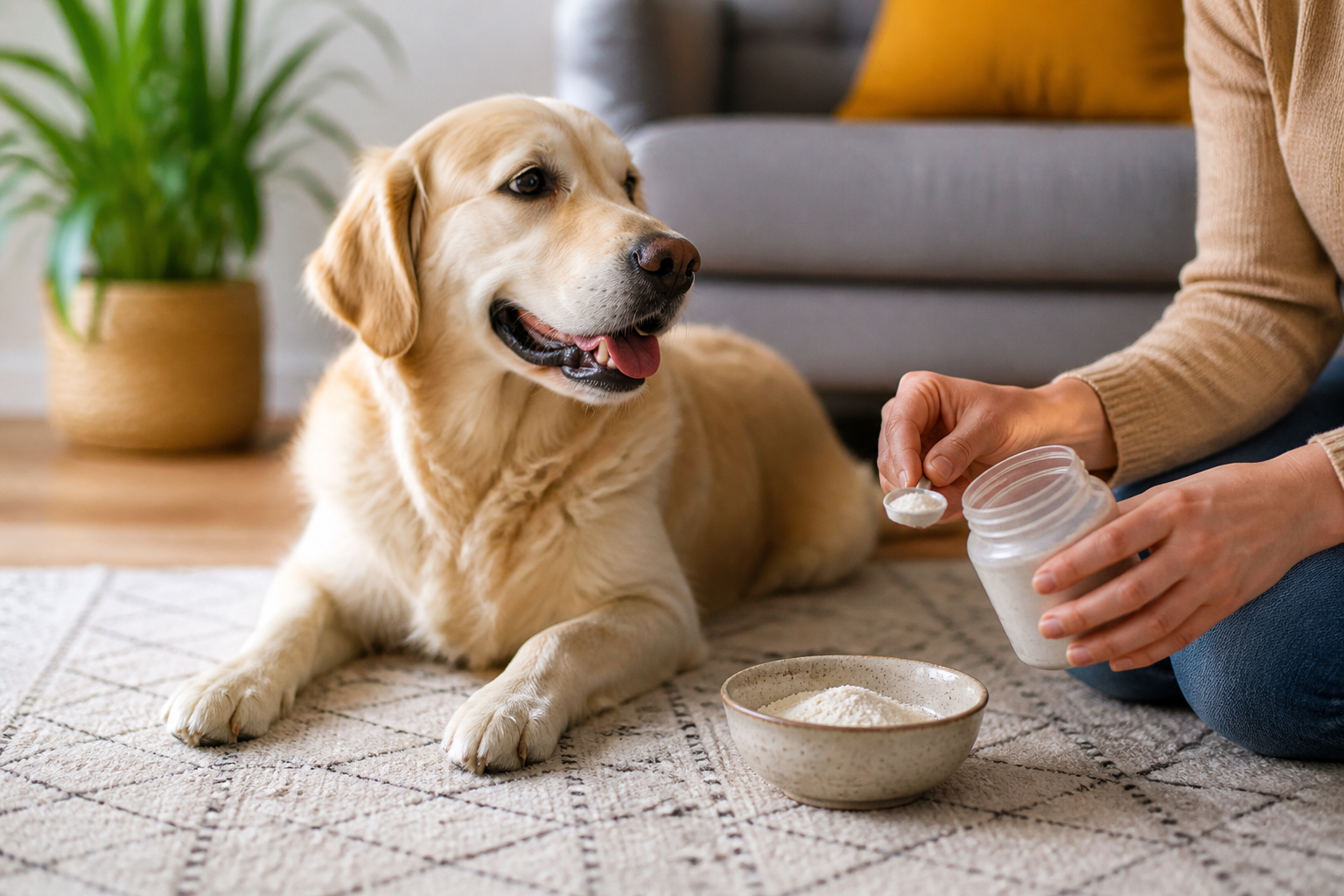
If your dog is constantly licking their paws or you have noticed a persistent, corn chip smell coming from their fur, you are likely dealing with a yeast overgrowth. This common issue often leads to red, itchy skin and chronic ear infections that seem to return the moment treatment stops. At BaxterBoo, we understand how frustrating this cycle is for both you and your pup. We want to help you understand how internal gut health directly influences the condition of your dog’s skin and ears. This guide covers the specific probiotic strains that support a healthy microbial balance and how to choose a supplement that actually works. By focusing on the gut-skin axis, you can help build your dog’s natural defenses from the inside out.
Quick Answer: The best probiotics for dog yeast infections contain specific strains like Lactobacillus acidophilus and Saccharomyces boulardii. Look for products that guarantee live cultures (CFUs) through the expiration date and include prebiotics to feed the beneficial bacteria.
Understanding the Yeast and Gut Connection
Yeast is a natural resident on your dog's skin and in their digestive tract. In small amounts, it is perfectly harmless. Problems arise when the environment shifts, allowing the yeast to multiply out of control. This overgrowth often happens after a round of antibiotics, a change in diet, or due to environmental allergies.
The gut and the skin are closely linked through what experts call the gut-skin axis. About 70 percent of a dog's immune system resides in the digestive tract. When the gut microbiome is out of balance, the immune system can become overreactive or underproductive. This imbalance makes the skin a perfect breeding ground for yeast species like Malassezia.
Probiotics do not act as a direct antifungal medication. Instead, they work by crowding out harmful organisms. When you introduce beneficial bacteria, they compete with yeast for nutrients and space on the intestinal walls. This competition helps keep yeast numbers in check before they can contribute to systemic inflammation that affects the skin.
Key Takeaway: Managing yeast requires a two-pronged approach that addresses the active skin irritation externally while rebuilding the immune system internally through gut support.
Dog Vitamins & Supplements




Five Essential Checks for Probiotic Labels
The pet supplement market is not strictly regulated, which means many products do not contain the live bacteria they promise. To find a probiotic that will actually help your dog, you must look past the marketing and read the ingredient panel carefully.
| Label Feature | What to Look For (Green Flag) | What to Avoid (Red Flag) |
|---|---|---|
| Strain Naming | Genus, species, and strain ID (e.g., L. acidophilus La-14) | Vague terms like "probiotic blend" or genus-only names |
| CFU Count | Guaranteed live count at the time of expiration | "At time of manufacture" or no count listed |
| Quality Seals | NASC Quality Seal or third-party testing mentions | No evidence of independent quality control |
| Ingredients | Dog-specific formulas without sugar or corn syrup | Human products containing xylitol or artificial sweeteners |
| Added Prebiotics | Inulin, FOS, or chicory root to feed the bacteria | Probiotics without a corresponding food source |
When you see a specific strain ID, it means the manufacturer is using a version of the bacteria that has been studied for its stability and effectiveness. Generic "Lactobacillus" could be any of hundreds of variations, many of which may not survive the trip through your dog's stomach acid.
The Most Effective Strains for Yeast Support
Not all probiotics serve the same purpose. Some are great for occasional diarrhea, while others are better suited for long-term immune support. For dogs struggling with yeast, look for these specific organisms. You can compare options in our dog probiotic category.
Lactobacillus Acidophilus
This is one of the most well-researched strains for canine health. It produces lactic acid, which lowers the pH level in the digestive tract. Yeast thrives in more alkaline environments but struggles to reproduce when the pH is slightly acidic. By maintaining this acidic barrier, Lactobacillus acidophilus makes the gut a much less welcoming place for yeast overgrowth.
Saccharomyces Boulardii
This is actually a beneficial type of yeast. It is particularly helpful because it is not killed by antibiotics. If your dog is taking medication for a secondary skin infection, Saccharomyces boulardii can stay active in the gut to prevent the yeast "bloom" that often follows antibiotic use. It helps maintain the integrity of the gut lining, preventing toxins from leaking into the bloodstream.
Bifidobacterium Animalis
This strain is excellent for general immune regulation. It helps the body respond more appropriately to allergens. Since many yeast infections are triggered by underlying skin allergies, keeping the immune response calm can prevent the initial skin inflammation that yeast loves.
Vet Tip: If your dog has a severe or persistent infection with open sores or a heavy discharge, consult your veterinarian for a diagnosis. Yeast overgrowth is often secondary to underlying issues like hypothyroidism or deep-seated allergies that require a professional treatment plan.
When to Use the BaxterBoo Pharmacy
While over-the-counter probiotics provide excellent support, some yeast infections are too advanced for supplements alone. Chronic ear infections or systemic yeast dermatitis often require prescription-strength antifungal medications or specialized diets.
Our pet pharmacy provides access to FDA-approved medications and prescription pet foods through our partnership with Pet's Choice. If your veterinarian prescribes an antifungal like Ketoconazole or a prescription hydrolyzed protein diet from brands like Farmina Vet Life or Royal Canin, we can fulfill those orders. Combining a prescription treatment with a high-quality probiotic is often the fastest way to get a dog back to a comfortable, itch-free life.
Key Takeaway: Supplements support wellness, but the BaxterBoo pharmacy is your resource for the medical grade treatments required to clear deep, painful infections.
Dietary Changes to Support Probiotics
A probiotic can only do so much if the dog's diet is actively feeding the yeast. Yeast thrives on sugar and simple carbohydrates. Many commercial kibbles are high in starches like corn, wheat, or potatoes, which break down into sugars during digestion.
If your dog is prone to yeast, consider switching to a low-carb diet. Brands like Stella and Chewy's, Open Farm, or Orijen offer high-protein, low-carbohydrate options that starve the yeast of its primary fuel source. Some owners find success with raw or freeze-dried diets, which are naturally low in starch. For another perspective on choosing supplements, see this pet supplement guide.
- Avoid Honey and Molasses: Check treat labels for hidden sugars used as binders.
- Limit High-Sugar Fruits: While blueberries are great antioxidants, limit sweeter fruits like bananas for yeast-prone dogs.
- Add Fresh Greens: Fiber from steamed broccoli or green beans acts as a prebiotic, helping your probiotic supplements work more effectively.
Bottom line: A low-starch diet creates the ideal environment for beneficial probiotic bacteria to flourish while naturally inhibiting yeast growth.
How to Start Your Dog on Probiotics
Starting a probiotic too quickly can sometimes cause temporary gas or loose stools as the gut microbiome shifts. It is best to introduce the new supplement gradually to ensure your dog's system adjusts comfortably.
Step 1: Start with a fractional dose. Give your dog about a quarter or half of the recommended daily dose for the first three to four days. This allows the digestive system to adapt to the new influx of bacteria.
Step 2: Monitor stool quality. Check your dog's bowel movements. If you notice significant gas or softening of the stool, stay at the lower dose for a few extra days before increasing it.
Step 3: Reach the full daily dose. Once your dog is handling the small amount well, move up to the full dose recommended on the packaging. Consistency is vital, so try to give the probiotic at the same time every day.
Step 4: Commit to an eight-week trial. While digestive improvements might happen in a week, skin and coat changes take much longer. Skin cells take weeks to turn over. You should evaluate the success of a probiotic at the two-month mark rather than after just a few days.
Identifying Yeast Symptoms Early
Knowing the signs of a flare-up allows you to act before the infection becomes painful. Yeast has a very distinct presentation compared to bacterial infections or simple dry skin. For additional paw-related guidance, read how to keep your dog's paw pads healthy.
- The "Frito" Smell: A musty, fermented odor, especially on the paws or in the ears.
- Rusty Fur: Paws that look reddish-brown due to the enzymes in the dog's saliva during constant licking.
- Elephant Skin: Skin that becomes thick, black, and leathery, usually in the armpits or groin.
- Head Shaking: Constant tilting or shaking of the head often points to yeast in the ear canals.
- Greasy Discharge: A waxy, yellowish, or brown buildup in the ears or on the skin surface.
If you spot these signs, it is time to look at both topical cleaning and internal probiotic support. For external relief, we carry a variety of antifungal shampoos and ear flushes that can help manage the surface yeast while your supplements work on the gut.
The Role of Prebiotics
You will often see the term "synbiotic" on high-quality supplements. This simply means the product contains both probiotics (the live bacteria) and prebiotics (the food for the bacteria). Without prebiotics, the beneficial bacteria may starve before they can colonize the gut.
Common prebiotics include inulin, chicory root, and fructooligosaccharides (FOS). These are types of fiber that your dog cannot digest, but the probiotic bacteria love to eat. When the bacteria ferment this fiber, they produce short-chain fatty acids like butyrate. Butyrate is essential for a strong gut lining and helps reduce overall inflammation in the body.
If the probiotic you choose does not contain prebiotics, you can add them through whole foods. A small spoonful of plain canned pumpkin (not pie filling) or a bit of steamed asparagus can provide the necessary fiber to help your probiotics thrive.
Key Takeaway: A probiotic without a prebiotic is like a plant without soil. Ensure your supplement provides both for the best results.
Why Quality Matters for Yeast Support
Many inexpensive probiotics are made with low-stability strains that die on the shelf. Because these are live organisms, they are sensitive to heat, light, and moisture. This is why BaxterBoo only carries brands that prioritize stability and testing.
We recommend looking for brands like Zesty Paws, NutriSource, or Purina Pro Plan FortiFlora. Companies such as Nutramax invest in the science required to ensure that the 5 billion CFUs listed on the label are actually still alive when you open the container. Some formulas use micro-encapsulation, which puts a tiny protective coating around each bacterium to help it survive the trip through the stomach's harsh acid.
For dogs with severe allergies, check for "hypoallergenic" probiotics. Some chews use chicken or beef flavoring that might trigger a reaction in sensitive dogs. In those cases, a flavorless powder or a capsule that can be hidden in a safe treat is often a better choice.
Maintaining Long-Term Success
Once you have cleared the initial yeast infection, do not stop the probiotics. Dogs prone to yeast often have a genetic or physiological tendency toward microbial imbalance. Continuing a daily probiotic can help prevent future flare-ups and keep the immune system in a balanced state.
Many owners find that using our Autoship programme is the easiest way to stay consistent. It ensures you never run out of your chosen supplement, and you get the added benefit of MVP Gold membership for extra savings. Maintaining that daily routine is the best way to avoid the expensive vet visits and uncomfortable symptoms that come with a major yeast bloom.
Key Takeaway: Prevention is much easier and cheaper than treatment. A daily probiotic is a small investment in your dog's long-term comfort and skin health.
FAQ
Can human probiotics work for a dog's yeast infection?
While some strains are the same, human probiotics are formulated for a different digestive pH and may contain ingredients like xylitol which is toxic to dogs. It is always safer to use a dog-specific formula designed to survive the canine digestive tract.
How long does it take for probiotics to clear up yeast?
You should see digestive improvements within one to two weeks, but skin and ear issues usually take four to eight weeks to show significant change. Consistency is necessary because the gut microbiome needs time to shift and the skin needs time to heal.
Does apple cider vinegar help with dog yeast?
Apple cider vinegar can be used as a topical rinse to change the pH of the skin, making it less hospitable to yeast. However, it does not address the internal gut imbalance, so it should be used alongside a probiotic for the best results.
Can my dog take probiotics while on antibiotics?
Yes, but you should space them out. Give the probiotic at least two hours before or after the antibiotic dose so the medication doesn't immediately kill the beneficial bacteria. A yeast-based probiotic like Saccharomyces boulardii is especially effective during antibiotic treatment.






- Site & Contents BaxterBoo.com. BaxterBoo is located in the United States.
- Privacy & Security
- Terms of Use
- Accessibility Statement
