
 Save 15% on your 1st Autoship learn more

 Email us
 Live Chat
 FAQs





Introduction
It starts with a subtle twitch of your dog's tail and ends with you and your family scrambling to open every window in the house. We have all been there. While occasional gas is a normal part of canine life, room-clearing odors that happen daily are often a sign that something is off in your dog's digestive tract. At BaxterBoo, we have spent years helping pet parents navigate the complexities of gut health to find real solutions for these smelly situations. This guide explores how the right supplements can rebalance your dog's internal ecosystem and bring some fresh air back to your living room. We will cover the specific bacterial strains that target gas, why some dogs get gassier before they get better, and how to choose a high-quality formula. Managing flatulence is about more than just your nose. It is about supporting your dog's overall wellness from the inside out.
Why Dogs Pass Excessive Gas
To understand how probiotics for dog farts work, you first have to understand why the gas is there in the first place. Most flatulence is the result of bacteria in the lower intestine breaking down food that was not fully digested earlier in the process. When this fermentation happens, it produces gases like hydrogen sulfide, which is responsible for that classic rotten egg smell.
Dietary changes are the most frequent trigger for sudden gas. If you recently switched your dog to a new protein source or a different brand of kibble without a slow transition, their gut bacteria might be struggling to keep up. Even high-quality ingredients can cause temporary gas if the body is not used to them.
Beyond diet changes, speed eating is a major contributor. When a dog gulps down their food, they swallow a significant amount of air. This is known as aerophagia. That air has to go somewhere, and it often exits as frequent, though usually less smelly, flatulence.
Common Dietary Culprits
Certain ingredients are notorious for causing gas in dogs because they are harder to break down. These include:
- Dairy products like milk, cheese, or ice cream
- Soybeans and soy-based fillers
- High-fiber legumes such as peas, beans, and lentils
- Excessive fats from table scraps or low-quality treats
- Cruciferous vegetables like broccoli or cauliflower
Key Takeaway: Most dog farts are caused by undigested food fermenting in the colon or swallowed air from eating too fast. Identifying these triggers is the first step in clearing the air.
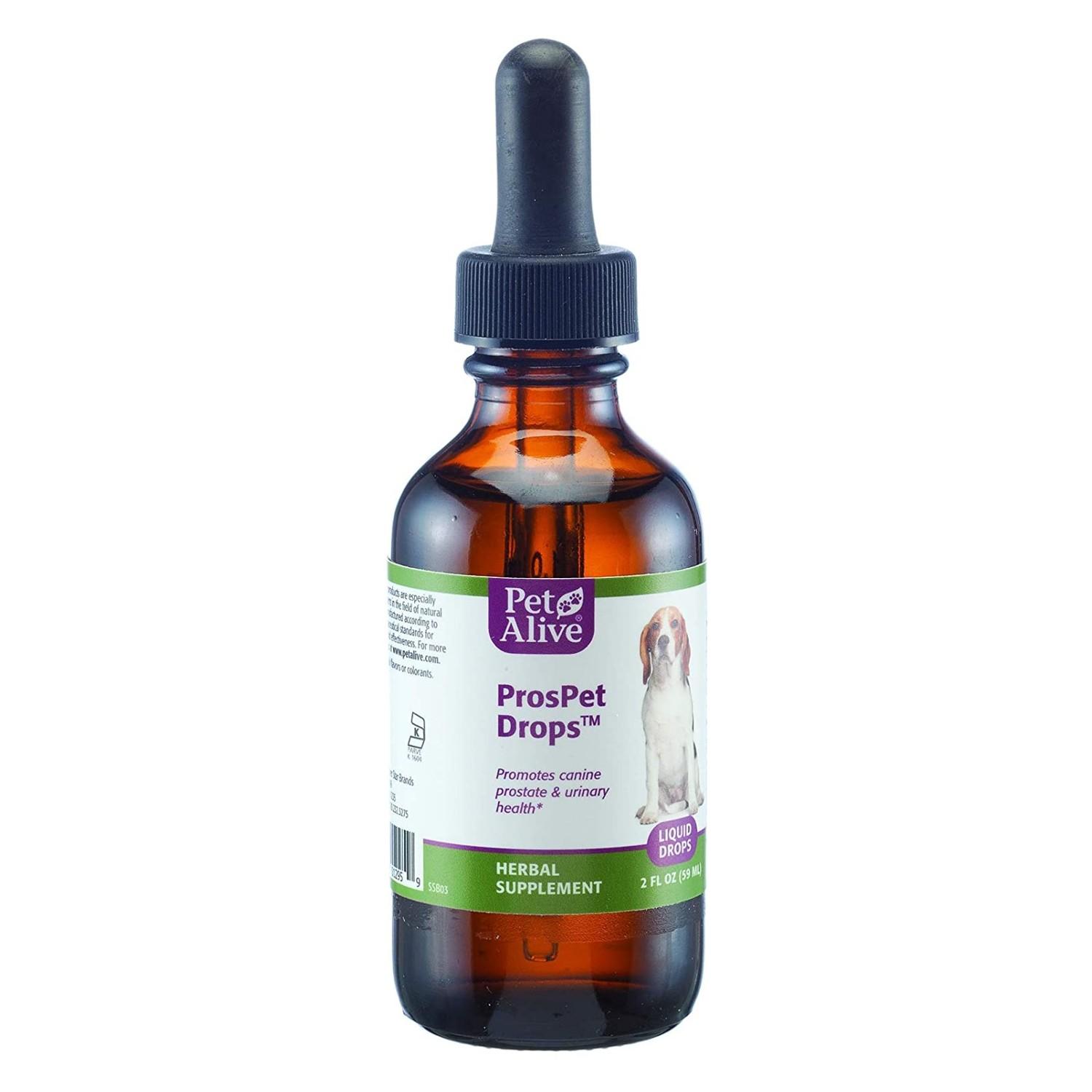
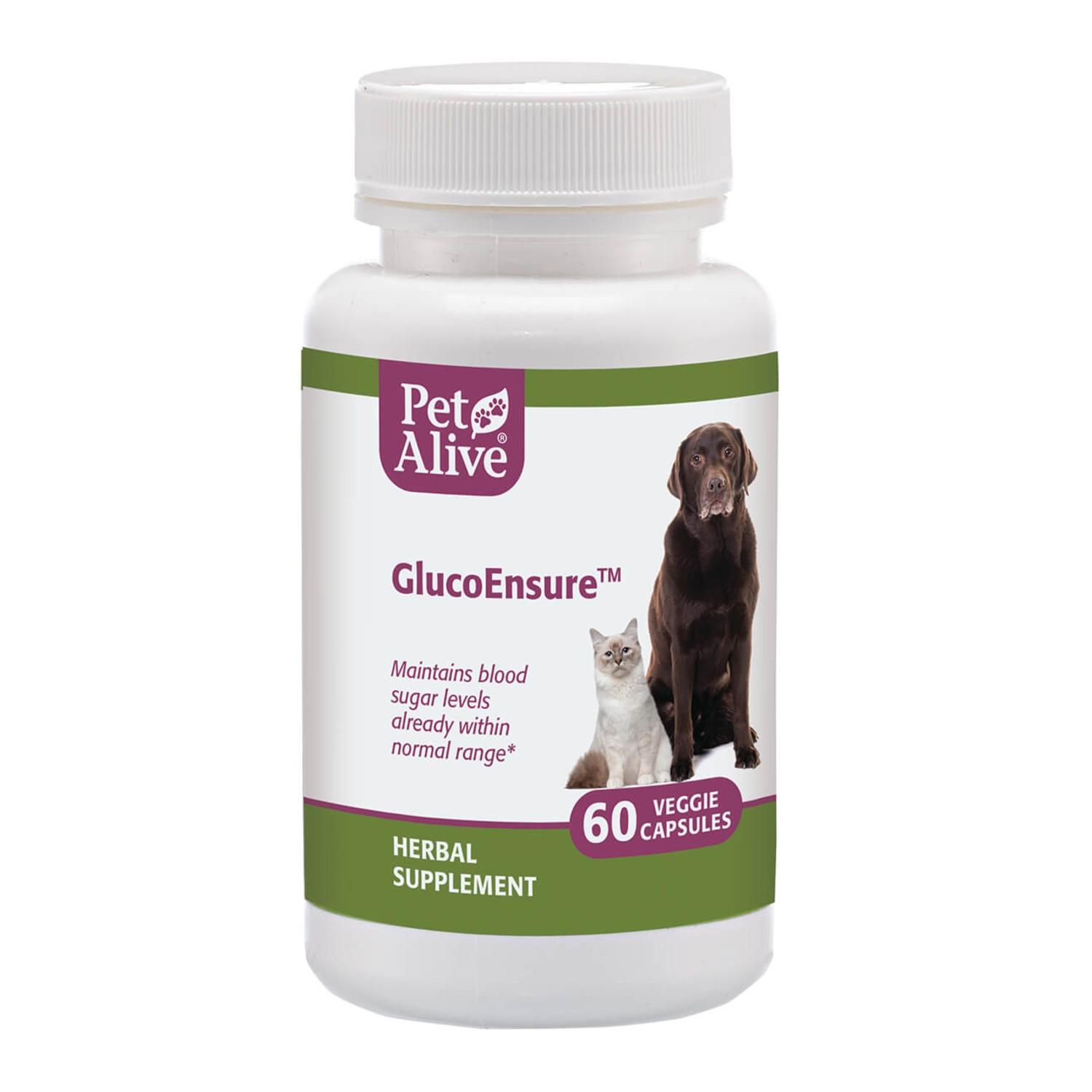
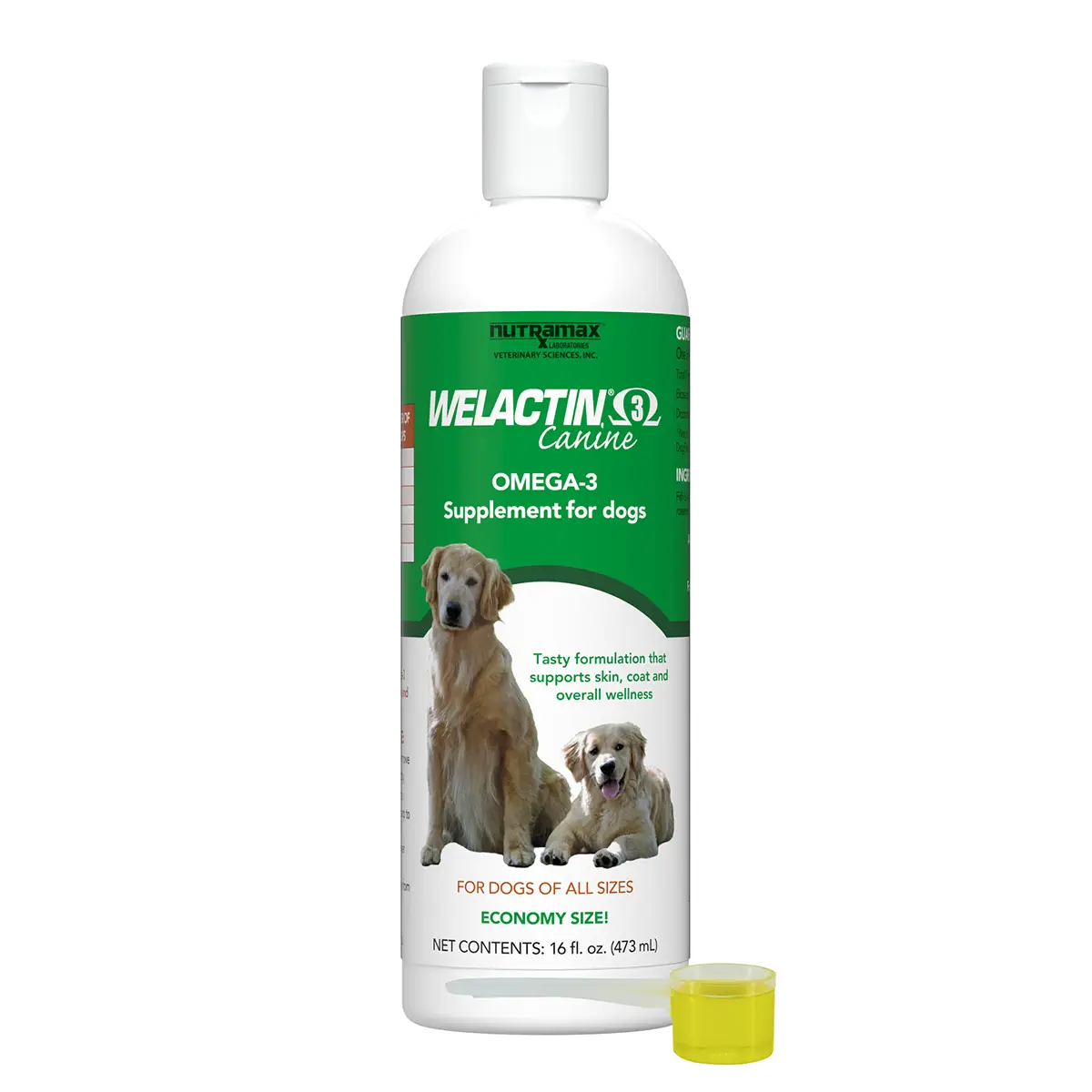
Dog Digestive & Urinary Aids









The Role of the Gut Microbiome
Your dog's gut is home to trillions of microorganisms, including both beneficial bacteria and potentially harmful pathogens. This community is called the microbiome. When the gut is healthy, the "good" bacteria keep the "bad" bacteria in check. This balance is essential for proper digestion, nutrient absorption, and a strong immune system.
When the balance shifts and harmful bacteria begin to outnumber the beneficial ones, it results in a state called dysbiosis. One of the primary symptoms of dysbiosis is excessive, foul-smelling gas. Harmful bacteria produce more odorous gases during fermentation than their beneficial counterparts. By introducing probiotics, you are essentially sending in reinforcements to help the good bacteria regain control and reduce the production of smelly byproducts.
How Probiotics Reduce Flatulence
Probiotics are live, beneficial microorganisms that provide health benefits when consumed in adequate amounts. When you give your dog a probiotic supplement, these "friendly" bacteria travel to the intestines and begin to colonize.
They help reduce gas in several ways. First, they improve the overall efficiency of digestion. When food is broken down more effectively in the upper digestive tract, there is less leftover material for gas-producing bacteria to ferment in the lower tract. Second, probiotics can change the acidity of the gut, making it a less welcoming environment for the pathogens that cause the worst odors. You can explore our dog digestive health supplements for formulas designed to support everyday gut care.
Quick Answer: Probiotics help with dog farts by rebalancing the gut microbiome and improving digestive efficiency. This reduces the amount of undigested food that ferments in the colon, which is the primary cause of foul odors.
Choosing the Right Probiotic Strains
Not all probiotics are created equal. Different strains of bacteria perform different jobs within the canine body. When you are specifically looking for probiotics for dog farts, certain strains have more clinical evidence behind them than others. Our dog probiotic selection includes chews, powders, and other supplement formats.
Bacillus Subtilis
This is a spore-forming bacterium that is incredibly hardy. Because it can form a protective shell, it survives the harsh, acidic environment of the dog's stomach to reach the intestines where it is needed. Research has shown that Bacillus subtilis can significantly reduce the frequency of flatulence and improve stool quality in dogs.
Pediococcus Acidilactici
This strain is often used alongside Bacillus subtilis to support the immune system and competitive exclusion. This means it takes up space on the intestinal walls, preventing harmful, gas-producing bacteria from attaching and multiplying. It is particularly helpful for dogs with sensitive stomachs or those prone to digestive upsets.
Enterococcus Faecium
This is one of the most common strains found in high-quality pet supplements. It is highly effective at helping dogs manage acute diarrhea and general digestive imbalance. It helps stabilize the gut environment quickly, which can be a lifesaver if a sudden diet change has caused a gas explosion.
Lactobacillus and Bifidobacterium
These families of bacteria are well-known in human nutrition but are also vital for dogs. Strains like Lactobacillus acidophilus and Bifidobacterium animalis help maintain the long-term health of the intestinal lining. A healthy lining prevents "leaky gut," a condition where toxins can escape the digestive tract and trigger inflammation and gas.
Vet Tip: Look for a multi-strain probiotic that includes at least one spore-forming strain like Bacillus subtilis. These are often more effective at surviving the journey through the stomach to reach the lower intestine where gas is formed.
Understanding CFUs and Potency
When reading a supplement label, you will see a measurement called CFUs, or Colony Forming Units. This tells you how many live, active bacteria are in each serving. For general maintenance, a supplement with 1 to 5 billion CFUs is often sufficient.
However, if your dog is dealing with severe, chronic gas, your veterinarian might recommend a higher potency formula. It is important to remember that more is not always better. A supplement with 50 billion CFUs of a single, weak strain is less effective than one with 5 billion CFUs of hardy, research-backed strains.
When Gas Indicates a Deeper Issue
While most gas is dietary, sometimes it is a symptom of a medical condition that requires professional intervention. If your dog's gas is accompanied by other symptoms, it is time to schedule a visit with your veterinarian.
Signs that the gas might be more serious include:
- Chronic diarrhea or very loose stools
- Frequent vomiting
- Weight loss despite a normal appetite
- Abdominal pain or bloating (a hard, distended belly)
- Excessive "gurgling" sounds from the stomach
- A sudden loss of interest in food
Conditions like Inflammatory Bowel Disease (IBD), Irritable Bowel Syndrome (IBS), Small Intestinal Bacterial Overgrowth (SIBO), or food allergies can all cause extreme flatulence. In these cases, a standard over-the-counter probiotic may help, but your dog might require a prescription-strength solution.
Our BaxterBoo Pharmacy works with Pet's Choice to provide FDA-approved medications and prescription diets for these chronic conditions. If your vet determines that your dog needs a specialized therapeutic diet or medication to manage their gut health, we can help fulfill those needs with the same convenience as your standard pet supplies.
The "Worse Before Better" Phase
A common mistake pet owners make is stopping a probiotic supplement after only a few days because the dog's gas seems to have increased. This is often a normal part of the process known as the adjustment period.
As the new, beneficial bacteria begin to colonize the gut, they naturally displace the old, harmful bacteria. This "die-off" of bad bacteria can temporarily release more gas and toxins. Your dog's system is essentially performing a spring cleaning. This phase usually lasts between three to seven days.
How to Manage the Adjustment Period
- Start slow: If the recommended dose is one scoop, start with a quarter or half scoop for the first few days.
- Split the dose: Give half the probiotic with breakfast and half with dinner to keep the gut environment stable.
- Be patient: Give the supplement at least two to three weeks of consistent use before deciding if it is working.
- Monitor stool: A slight softening of the stool is normal, but if your dog develops watery diarrhea, stop the supplement and consult your vet.
Key Takeaway: Temporary increases in gas are common when starting a probiotic. This usually indicates that the beneficial bacteria are successfully changing the gut environment.
Beyond Probiotics: Other Ways to Stop the Smell
While probiotics for dog farts are a powerful tool, they work best when combined with good feeding habits. If your dog is a "vacuum cleaner" at mealtime, a probiotic might not be enough to counter the air they are swallowing.
Slow Feeders and Puzzle Bowls
Using a slow-feed bowl can extend mealtime from thirty seconds to five minutes. This forces your dog to take smaller bites and significantly reduces the amount of air they swallow. This simple change can often reduce "noisy" gas by fifty percent or more. Browse our slow-feed dog bowls for options that can make mealtime more controlled.
Proper Food Storage
Rancid fats in dog food are a major cause of digestive upset and smelly farts. Always keep kibble in its original bag, and place that bag inside an airtight container. This prevents the fats from oxidizing when exposed to air. Try to use up a bag of food within six weeks of opening it.
High-Quality Treats
We often spend a lot of time picking the perfect kibble but then give our dogs treats filled with soy, corn, and artificial colors. These "hidden" ingredients can undo all the hard work of a high-quality diet and a probiotic. At BaxterBoo, we handpick treats from brands like Stella and Chewy's and Vital Essentials that use simple, whole-food ingredients that are easy on the stomach. Our Vital Essentials selection offers freeze-dried food and treat options.
Transitioning to New Food
If you decide to change your dog's diet to help with gas, the transition must be gradual. A sudden switch is a recipe for a digestive disaster. Follow this seven-day schedule for the best results:
- Days 1-2: 75% old food, 25% new food.
- Days 3-4: 50% old food, 50% new food.
- Days 5-6: 25% old food, 75% new food.
- Day 7: 100% new food.
Adding a probiotic during this transition can help the gut bacteria adapt to the new nutrient profile more quickly, reducing the likelihood of transitional gas. For more supplement-selection guidance, read our pet supplement guide.
The Importance of Prebiotics
You will often see the word "prebiotic" on supplement labels. While probiotics are the live bacteria, prebiotics are the non-digestible fibers that act as food for those bacteria. Think of probiotics as the lawn seeds and prebiotics as the fertilizer.
Common prebiotics include chicory root, inulin, and fructooligosaccharides (FOS). Choosing a supplement that contains both (often called a synbiotic) ensures that the beneficial bacteria have the energy they need to thrive once they arrive in your dog's gut.
Summary Checklist for a Less Gassy Dog
If you are ready to tackle the "stink" in your home, follow these steps to support your dog's digestive health:
- Consult your vet to rule out underlying conditions like IBD or allergies.
- Select a probiotic with hardy strains like Bacillus subtilis.
- Introduce the supplement slowly to minimize the initial adjustment period.
- Switch to a slow-feed bowl if your dog eats too quickly.
- Audit your dog's treats for hard-to-digest fillers like soy or dairy.
- Ensure all food is stored in airtight containers to prevent rancidity.
Bottom line: Combining targeted probiotics with slow feeding and high-quality ingredients is the most effective way to manage excessive canine flatulence.
Working With Your Veterinarian
We cannot emphasize enough that chronic, severe gas should always be discussed with a professional. While we provide the tools and supplements to support wellness, your vet provides the diagnosis. If your dog is struggling with ongoing health issues, remember that our pharmacy partnership with Pet's Choice allows us to provide prescription medications and diets safely and affordably.
We have been operating since 2006, and in that time, we have seen how much a healthy gut can change a dog's life. A dog that feels good on the inside is more active, has a shinier coat, and, importantly, is a much more pleasant companion to have on the couch.
Final Thoughts
Managing dog farts does not have to be a losing battle. By understanding the causes of gas and the power of the gut microbiome, you can take practical steps to clear the air. Probiotics offer a safe, natural way to support the "good" bacteria that keep digestion running smoothly. Whether you choose a flavored chew or a convenient powder to sprinkle on dinner, consistency is key. We invite you to explore our selection of gut health supplements and digestive aids to find the perfect fit for your pup.
If you are looking for long-term savings on the products your dog needs every day, consider our Autoship programme. You will save on your first order and earn a free MVP Gold membership, making it easier than ever to keep your dog's gut in balance month after month.
FAQ
Can I give my dog human probiotics for gas?
It is best to avoid using human probiotics for your dog because their gut microbiome has a different composition and pH level. Human supplements often contain much higher doses or different strains that may not be effective for a dog's digestive tract. Additionally, some human supplements contain sweeteners like xylitol, which is highly toxic to dogs.
How long does it take for probiotics to stop dog farts?
You might see an improvement in as little as a few days, but for most dogs, it takes two to four weeks of consistent use to see a significant change. This time allows the beneficial bacteria to colonize the gut and rebalance the microbiome. If you do not see an improvement after a month, you may need a different strain or a visit to the vet.
Why did my dog's gas get worse after starting probiotics?
This is usually due to a "detox" or adjustment period where the beneficial bacteria are crowding out harmful, gas-producing bacteria. As the bad bacteria die off, they can release gases and toxins that temporarily increase flatulence. This phase typically lasts less than a week and is a sign that the supplement is beginning to work.
Are there certain breeds that are naturally gassier?
Yes, brachycephalic (flat-faced) breeds like Bulldogs, Pugs, and Boxers are often gassier because they tend to swallow more air while eating and breathing. For these breeds, using a slow-feed bowl and a high-quality probiotic is especially important to manage the extra air in their digestive systems. Consistent gut support can help minimize the odor associated with that swallowed air.




- Site & Contents BaxterBoo.com. BaxterBoo is located in the United States.
- Privacy & Security
- Terms of Use
- Accessibility Statement
