
 Save 15% on your 1st Autoship learn more

 Email us
 Live Chat
 FAQs





Introduction
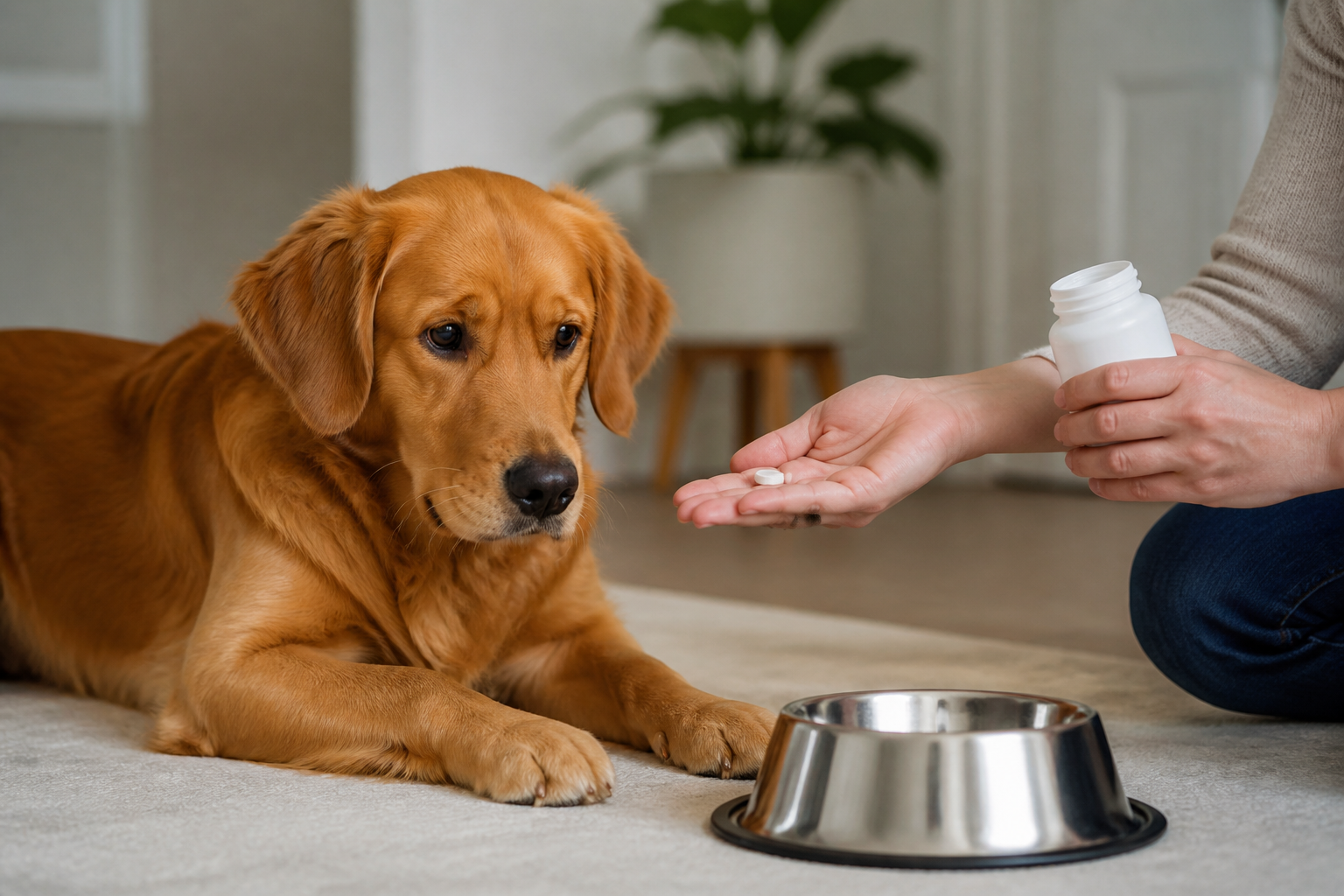
You walk into the kitchen and find an empty bag of chewable supplements on the floor. Your dog looks proud, but you realize they just ate a month of probiotics in five minutes. At BaxterBoo, we hear stories like this often because many high quality supplements are designed to taste like delicious treats. While these beneficial bacteria are essential for a healthy gut, you might wonder if there is a limit to how much your pet can handle. This post covers what happens when your pet gets too much probiotics dog owners should watch for specific signs. We will explore the common side effects, how to handle an accidental overdose, and when it is time to call your veterinarian. Knowing the facts helps you stay calm and provide the right care during a digestive upset.
What Are Probiotics and Why Do Dogs Need Them?
Probiotics are live, beneficial bacteria and yeasts that live in your dog’s digestive tract. These microorganisms are often called good bacteria because they help balance the gut environment. They play a major role in breaking down food, absorbing vitamins, and keeping the immune system strong. A healthy gut contains a diverse population of these microbes. When the balance is disrupted by stress, illness, or antibiotics, harmful bacteria can take over.
Introducing a probiotic supplement helps restore this balance. We carry many trusted brands like Zesty Paws and Honest Paws that offer targeted support for various life stages. These products typically contain specific strains like Lactobacillus acidophilus or Bifidobacterium animalis. These strains are chosen because they can survive the acidic environment of the stomach to reach the intestines.
Quick Answer: While probiotics are generally very safe, a dog can have too much. An overdose usually leads to temporary digestive issues like gas, bloating, and diarrhea rather than long term toxicity.
Dog Digestive Health









Can a Dog Have Too Much Probiotics?
The short answer is yes. While it is very difficult for a dog to suffer a fatal overdose from probiotics alone, taking too many can overwhelm their digestive system. Think of the gut as a small community with limited space. When you suddenly flood that space with billions of new inhabitants, the existing system can become stressed. This often leads to a temporary imbalance rather than the harmony you were hoping to achieve.
Most dog probiotics are measured in Colony Forming Units or CFUs. A standard daily dose might range from one billion to ten billion CFUs depending on the size of the dog. If a small dog eats a bottle containing hundreds of billions of CFUs, their body will struggle to process the sudden influx. The excess bacteria may ferment in the gut, leading to the production of gas and organic acids.
Common Signs of a Probiotic Overdose
If your dog gets into their supplement stash, you will likely see signs within a few hours. The most common symptoms are gastrointestinal. Every dog reacts differently based on their size and current health status. You can also review our dog digestive health collection for products designed to support digestive needs.
- Loose Stools or Diarrhea: This is the most frequent sign. The gut tries to flush out the excess bacteria quickly.
- Excessive Gas: You may notice your dog is much flatulent than usual. This happens as the bacteria ferment in the digestive tract.
- Bloating and Discomfort: The abdomen might feel tight or look slightly swollen. Your dog might pace or seem unable to get comfortable.
- Changes in Appetite: Some dogs may refuse their next meal because their stomach feels unsettled.
- Vomiting: While less common than diarrhea, some dogs may vomit if the supplement contains rich flavors or if the volume of treats eaten was high.
Key Takeaway: Most side effects from too much probiotics are localized to the digestive tract. They usually resolve within 24 to 48 hours as the body eliminates the excess bacteria.
The Difference Between Side Effects and Overdose
It is important to distinguish between a normal adjustment period and an actual overdose. When you first start a supplement, your dog might have mild gas or slightly softer stools for two or three days. This is often called a die off effect or an adjustment period. It means the microbiome is shifting.
An overdose is different. It occurs when a dog consumes a massive quantity at once. The symptoms of an overdose are usually more sudden and intense. If your dog is lethargic, acting weak, or cannot stop vomiting, this is more than a simple probiotic reaction. You should always consider if the supplement contained other ingredients like xylitol or high levels of Vitamin D, which can be much more dangerous than the bacteria themselves.
Step-by-Step: What to Do if Your Dog Eats Too Many Probiotics
If you discover your dog has raided the supplement cabinet, do not panic. Follow these steps to manage the situation effectively.
Step 1: Check the label immediately. / Look for the total count of CFUs and check the inactive ingredients for anything toxic like xylitol or excessive minerals.
Step 2: Assess your dog’s current state. / Note if they are acting normal, hiding, or showing signs of physical distress like a bloated belly.
Step 3: Provide plenty of fresh water. / Digestive upset can lead to dehydration, so ensure they have constant access to a clean water bowl.
Step 4: Skip the next scheduled dose. / Do not give any more probiotics or rich treats for at least 24 hours to let the digestive system rest.
Step 5: Monitor their bathroom habits. / Keep a close eye on the frequency and consistency of their stool over the next two days.
Managing the Recovery Period
Once the initial shock to the system has passed, focus on soothing the gut. You might consider a bland diet for a day or two. Plain boiled chicken and white rice are gentle on an inflamed digestive tract. Avoid adding any spices, oils, or butter to the food.
Keep the environment calm. Stress can worsen digestive issues in dogs. Short, slow walks are better than intense play sessions while their stomach is settling. If the diarrhea is persistent, your veterinarian might recommend a prescription hydration fluid or a specific binder to help firm up the stool. For additional guidance about digestive upset, read what can cause diarrhea in dogs.
Vet Tip: If your dog has a pre-existing condition like Inflammatory Bowel Disease or a severely weakened immune system, contact your vet immediately after an overdose. These pets are more sensitive to shifts in gut bacteria and may require medical intervention sooner than healthy dogs.
When Probiotics Aren't Enough: Using the BaxterBoo Pharmacy
Sometimes, what looks like a simple reaction to a supplement is actually a sign of a deeper health issue. If your dog has chronic diarrhea, frequent vomiting, or severe food allergies, probiotics might only be one small part of the solution. For pets with ongoing health management needs, we offer a specialized pet pharmacy service.
Our pharmacy provides access to FDA-approved medications and prescription pet foods. If your veterinarian determines that your dog needs a prescription diet like Farmina Vet Life or Royal Canin Veterinary Diet, we can fulfill those orders for home delivery. This is especially helpful for dogs managing chronic conditions where a standard over-the-counter probiotic is not sufficient. Having a dedicated pharmacy makes it easier to get exactly what your vet prescribes without making multiple trips.
Choosing the Right Probiotic to Prevent Issues
Not all probiotics are created equal. To avoid future issues, it is vital to choose a product specifically formulated for dogs. Human probiotics often contain different strains or concentrations that are not ideal for canine digestion. Some human supplements also contain sweeteners like xylitol, which is highly toxic to dogs.
At BaxterBoo, we handpick every product we carry. We look for brands that offer transparency in their labeling. A good supplement should list the specific strains and the guaranteed CFU count at the time of expiration, not just at the time of manufacture. Our dog healthcare category makes it easier to compare supplements and other wellness products.
Popular Probiotic Forms
| Form | Best For | Considerations |
|---|---|---|
| Soft Chews | Picky eaters | Often higher in calories and flavors |
| Powders | Mixing with wet food | Easy to adjust the dose precisely |
| Capsules | Hiding in pill pockets | Good for dogs with food sensitivities |
| Liquids | Rapid absorption | Usually requires refrigeration |
Transitioning to a New Probiotic Safely
To prevent the digestive upset that looks like an overdose, always introduce new supplements slowly. Start with a half dose or even a quarter dose for the first few days. This allows the natural bacteria in the gut to acclimate to the newcomers without causing a revolt.
If you are switching brands, do not stop one and start the other at full strength the next day. A gradual transition over a week is much safer. This is particularly important for senior dogs or puppies, as their systems are often more sensitive to change. For another look at digestive support during early life stages, read why puppies may benefit from holistic ingredients.
Bottom line: Slow and steady is the best approach when introducing any new supplement to your dog's diet.
The Role of Prebiotics
You will often see the term "prebiotics" on probiotic labels. These are not live bacteria. Instead, they are types of fiber that act as food for the good bacteria. While prebiotics are helpful, too much fiber can also cause gas and bloating. If your dog ate a large amount of a combination supplement, the fiber content might be contributing to their discomfort just as much as the bacteria.
Common prebiotics include inulin and chicory root. These are found in many high quality dog foods like those from Acana or Orijen. When you combine a high fiber diet with a high fiber supplement, you might find that your dog becomes quite gassy. Balance is key to a happy stomach.
Trusting the Experts at BaxterBoo
We have been operating since 2006, and our team in Vernon Hills, Illinois, knows that pet health can be complicated. We carry over 500 trusted brands because we believe in providing options that fit every budget and health need. Whether you are looking for a simple daily chew or a specialized prescription diet, we curate our selection to ensure quality.
Our MVP Rewards program allows you to earn up to 5% back on these essential purchases. For items your dog needs every month, like probiotics or flea and tick protection, our Autoship program offers extra savings and a free MVP Gold membership. This ensures you never run out of the supplies that keep your pet feeling their best.
When to Contact Your Veterinarian
While most probiotic overdoses are minor, you should never hesitate to seek professional advice if you are worried. Some symptoms require a vet's expertise to ensure there is no lasting damage.
Contact your vet if you notice:
- Blood in the stool or black, tarry stools.
- Persistent vomiting that prevents the dog from holding down water.
- Extreme lethargy or a refusal to move.
- Signs of a severe allergic reaction, such as facial swelling or hives.
- Symptoms that do not improve after 48 hours of a bland diet.
Your vet can perform a physical exam and may run blood work to check for electrolyte imbalances. They can also provide professional strength anti-nausea medication or subcutaneous fluids if your dog is dehydrated.
Healthy Gut, Happy Dog
Probiotics remain one of the most beneficial supplements you can give your dog. They support everything from skin health to immune function. An accidental overdose is usually a temporary hurdle that results in a messy day and a lesson learned about secure storage. By keeping supplements in a locked cabinet and following dosing instructions, you can enjoy the benefits of these good bacteria without the side effects.
We are here to support you through every stage of pet ownership. From the first puppy vitamins to senior joint support and prescription medications from our pet pharmacy, we provide the tools you need for a long, healthy life together.
Key Takeaway: Proper storage and slow introduction are the two best ways to avoid the complications of too much probiotics.
FAQ
Can a dog die from eating too many probiotics?
It is extremely unlikely for a healthy dog to die from a probiotic overdose alone. The most serious risks come from secondary issues like severe dehydration from diarrhea or if the supplement contains a toxic ingredient like xylitol. Always check the full ingredient list if your dog eats a large amount.
How long does it take for probiotic side effects to go away?
Most dogs will return to normal within 24 to 48 hours after the excess bacteria have passed through their system. If your dog is still having watery diarrhea or vomiting after two days, you should consult your veterinarian to rule out other causes or infections.
Should I stop giving probiotics if my dog gets diarrhea?
If the diarrhea is mild and you just started the supplement, try reducing the dose by half. If the diarrhea is severe or was caused by an accidental overdose, stop the supplement entirely for a few days. Once the stool is firm again, you can very slowly reintroduce the probiotic at a much lower starting dose.
Are human probiotics safe for my dog in an emergency?
It is best to avoid giving human probiotics to dogs. Human formulas often contain different strains and much higher concentrations than a dog needs. Some also contain artificial sweeteners or flavorings that can cause more harm than good. Stick to products specifically designed for canine physiology.




- Site & Contents BaxterBoo.com. BaxterBoo is located in the United States.
- Privacy & Security
- Terms of Use
- Accessibility Statement
