
 Save 15% on your 1st Autoship learn more

 Email us
 Live Chat
 FAQs





Introduction
You might notice your dog is a bit more gassy than usual after dinner. Perhaps a stressful weekend at the boarding kennel led to loose stools or a grumbling tummy. These moments make many pet owners wonder if a simple change in diet could help. At BaxterBoo, we talk to pet parents every day at our Vernon Hills warehouse who are looking for ways to support their dogs' gut health without a cabinet full of supplements. Adding probiotics directly through daily meals has become a popular solution. This post covers how these beneficial bacteria work, what specific strains to look for, and how to tell if your dog actually needs them. Understanding the balance of the canine microbiome is the first step toward a happier, more comfortable pet.
Quick Answer: Probiotics are live, beneficial bacteria that support a dog's digestive and immune health. When included in dog food, they help maintain a balanced gut microbiome, which can reduce gas, firm up stools, and support overall wellness.
Understanding the Canine Microbiome
The gut is more than just a place where food is broken down. It is a complex ecosystem filled with billions of bacteria, yeasts, and other microbes. This community is called the microbiome. When the microbiome is balanced, your dog feels great. The "good" bacteria help digest food, produce essential vitamins, and keep "bad" bacteria in check.
Problems start when this balance shifts. This is often called dysbiosis. It can happen because of stress, a sudden change in diet, or a round of antibiotics. Antibiotics are designed to kill harmful bacteria, but they often wipe out the beneficial ones too. This leaves the gut vulnerable. Providing probiotics through food is a way to "re-seed" the gut with the helpful workers it needs to function correctly.
Dog Food






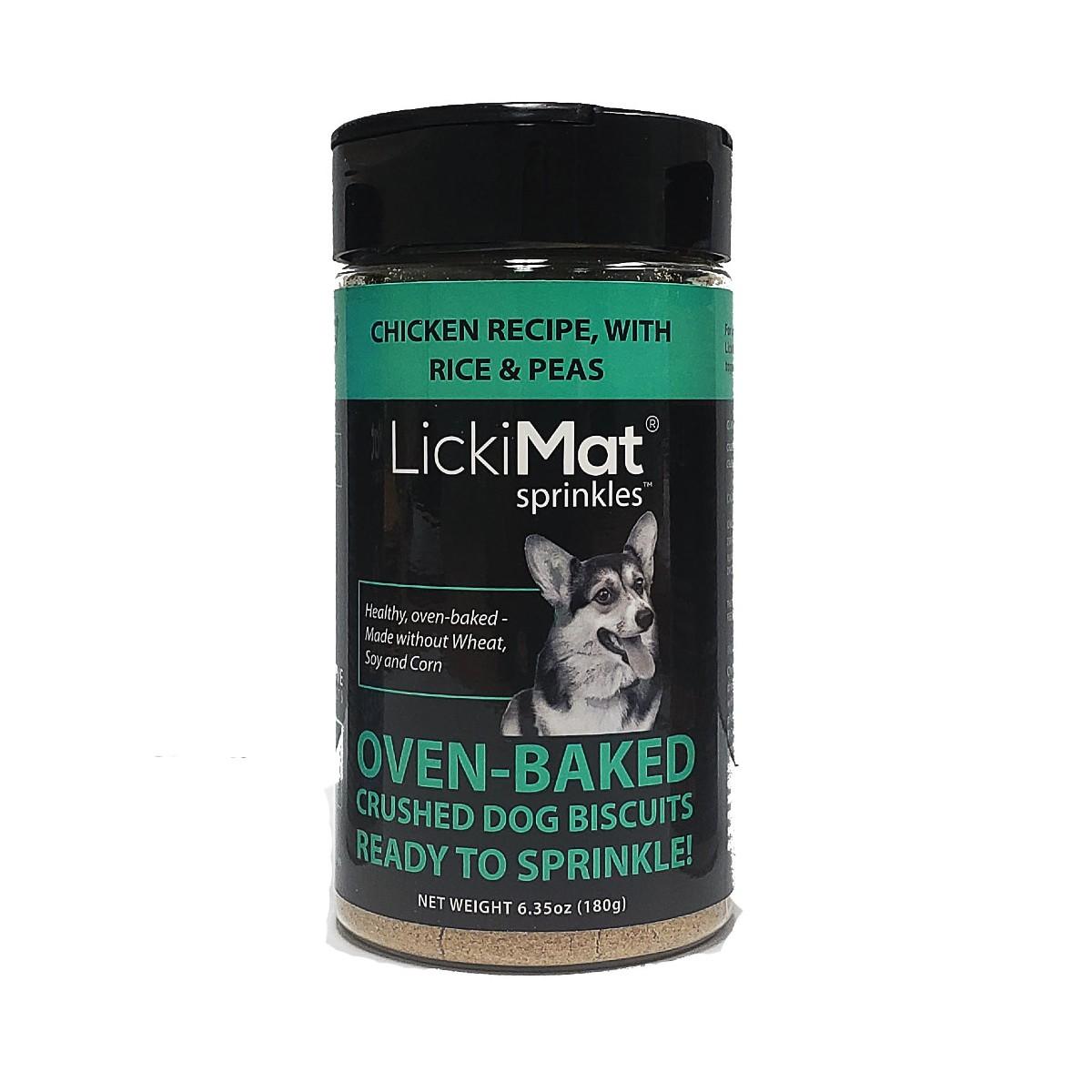
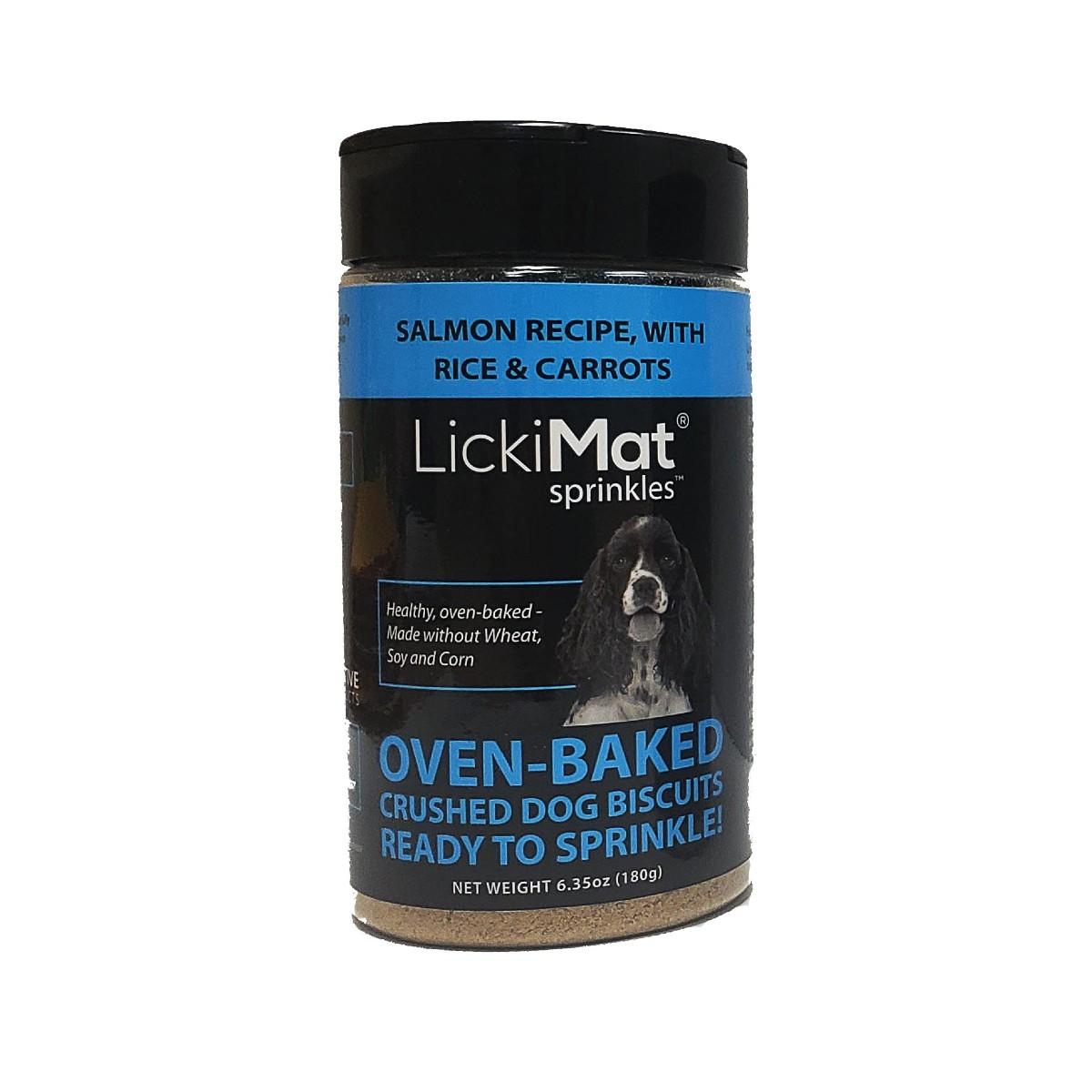
How Probiotics Support Digestive Health
The most obvious benefit of probiotics is better digestion. They help break down nutrients so your dog’s body can actually use them. If you see undigested food in the stool or if your dog has frequent bouts of diarrhea, the gut might need support.
Specific strains of bacteria help regulate how fast or slow food moves through the colon. This regulation helps firm up loose stools and can also help with constipation. By improving the efficiency of the digestive tract, probiotics often reduce the amount of gas produced during fermentation in the gut.
Key Takeaway: A healthy gut microbiome acts as the first line of internal defense for your dog. It influences everything from nutrient absorption to how your dog responds to stress.
The Link Between the Gut and the Immune System
Many pet owners are surprised to learn that about 70 percent of a dog's immune system lives in the gut. The intestinal lining is a barrier between the rest of the body and external pathogens. Probiotics help strengthen this barrier.
When the gut is healthy, the immune system is less likely to overreact to environmental triggers. This is why some dogs with seasonal allergies or skin irritations see improvement when they switch to a probiotic-rich diet. It is not a cure for allergies, but it helps the body manage inflammation more effectively.
Mental Wellness and the Gut-Brain Axis
Research into the "gut-brain axis" shows that the stomach and the brain are in constant communication. A distressed gut can lead to a distressed mind. Some specific probiotic strains, like Bifidobacterium longum, have been studied for their ability to help dogs stay calm.
If your dog paces, barks excessively, or seems anxious during storms, their gut health might be a contributing factor. While food alone cannot fix deep-seated behavioral issues, a balanced microbiome provides a steadier foundation for training and behavior modification.
Vet Tip: If your dog has chronic digestive issues, severe weight loss, or persistent vomiting, consult your veterinarian. These can be signs of underlying conditions like IBD or parasites that require medical diagnosis.
Probiotics vs. Prebiotics: Knowing the Difference
You will often see both terms on a bag of high-quality dog food. They are not the same thing, but they work as a team.
- Probiotics: These are the live, beneficial bacteria themselves. Examples include Lactobacillus acidophilus or Enterococcus faecium.
- Prebiotics: These are non-digestible fibers that act as food for the probiotics. They are like fertilizer for a garden. Common sources in dog food include chicory root, inulin, and beet pulp.
Feeding probiotics without prebiotics is less effective. The good bacteria need a food source to grow and colonize the gut. Most premium brands carried by us, such as NutriSource or Wellness, include both to ensure the bacteria thrive.
Can Probiotics Survive the Manufacturing Process?
This is a common concern for pet owners. Most dry dog food is made using a process called extrusion, which involves high heat. High heat usually kills live bacteria.
To solve this, reputable manufacturers add the probiotics after the cooking and cooling process. They often spray a "probiotic mist" onto the kibble right before it goes into the bag. This ensures the bacteria remain dormant until they are eaten and reach the moisture of the digestive tract.
How to check for quality in probiotic dog food:
- Look for a "guaranteed analysis" on the back of the bag.
- The label should list the specific strains included.
- Look for the number of CFUs (Colony Forming Units) at the time of manufacture.
- Check for an expiration date, as live cultures eventually lose potency.
Specific Strains to Look For
Not all bacteria are created equal. Different strains serve different purposes. When reading a label, look for these common and effective canine probiotics:
| Probiotic Strain | Primary Benefit |
|---|---|
| Lactobacillus acidophilus | Supports overall digestion and helps with stool consistency. |
| Enterococcus faecium | Known for helping with acute diarrhea and stress-related gut issues. |
| Bifidobacterium animalis | Supports immune function and can help reduce the duration of diarrhea. |
| Bacillus coagulans | A hardy strain that survives stomach acid well to reach the intestines. |
| Bifidobacterium longum | Often associated with the gut-brain axis and maintaining calm behavior. |
Signs Your Dog Might Need a Probiotic Diet
Not every dog needs added probiotics, but certain life stages and situations make them very useful. If your dog is healthy and has perfect stools, you may not see a massive change. However, consider a switch if you notice any of the following:
- Frequent Gas: If your dog "clears the room" regularly, their gut fermentation is out of balance.
- Stomach Gurgling: Loud digestive noises can indicate discomfort or gas buildup.
- Stressful Events: Transitioning to a new home, boarding, or traveling can cause "stress colitis."
- Food Sensitivities: Dogs that seem sensitive to many ingredients often benefit from the digestive "boost" probiotics provide.
- Antibiotic Use: If your vet has prescribed antibiotics, a probiotic can help restore the natural flora afterward.
For more ideas, read about dog food for sensitive stomachs.
Transitioning to a New Food
If you decide to switch to a dog food with probiotics, do it slowly. A sudden change in diet is the most common cause of the very digestive upset you are trying to fix.
Step 1: Mix 25 percent of the new probiotic food with 75 percent of the old food for three days. Step 2: Move to a 50/50 mix for the next three days. Step 3: Feed 75 percent new food and 25 percent old food for another three days. Step 4: Switch completely to the new food.
Watch your dog's stool during this time. A little bit of soft stool is normal during a transition, but it should firm up within a week.
For additional guidance, see these tips for easy diets for dogs with sensitive stomachs.
The Role of Prescription Diets and the Pharmacy
Sometimes, general retail dog food is not enough. For dogs with chronic gastrointestinal disease, severe allergies, or kidney issues, a veterinarian might recommend a prescription diet. These diets are formulated with highly specific probiotic levels and hydrolyzed proteins.
Our pet pharmacy at BaxterBoo offers a wide range of FDA-approved medications and prescription pet foods. Through our partnership with Pet's Choice, we can help you manage your dog's ongoing health needs with professional-grade nutrition. If your vet has suggested a specific therapeutic diet like Royal Canin Veterinary Diet or Farmina Vet Life, you can fulfill those orders through our specialized pharmacy services.
Using Human Foods as Probiotics
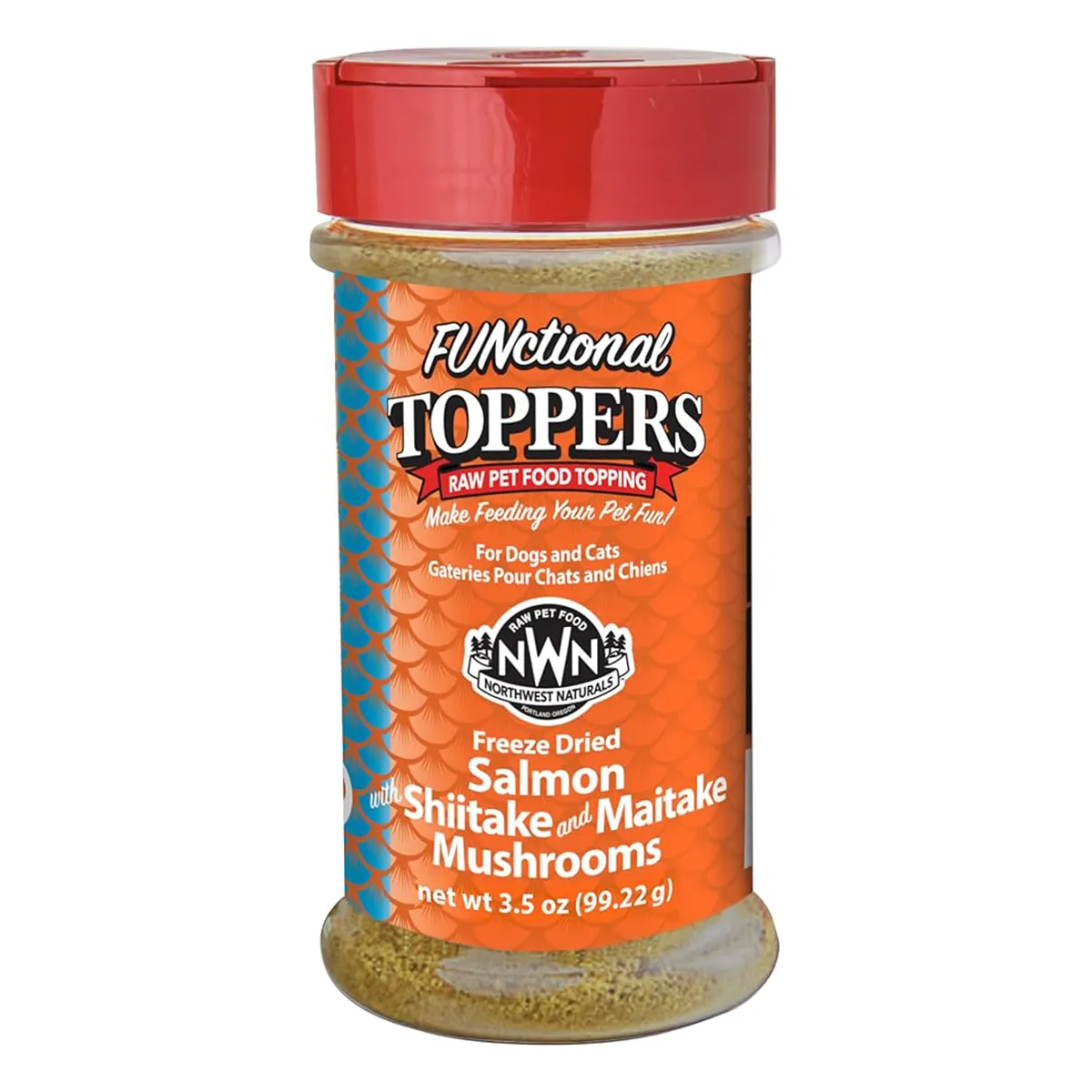
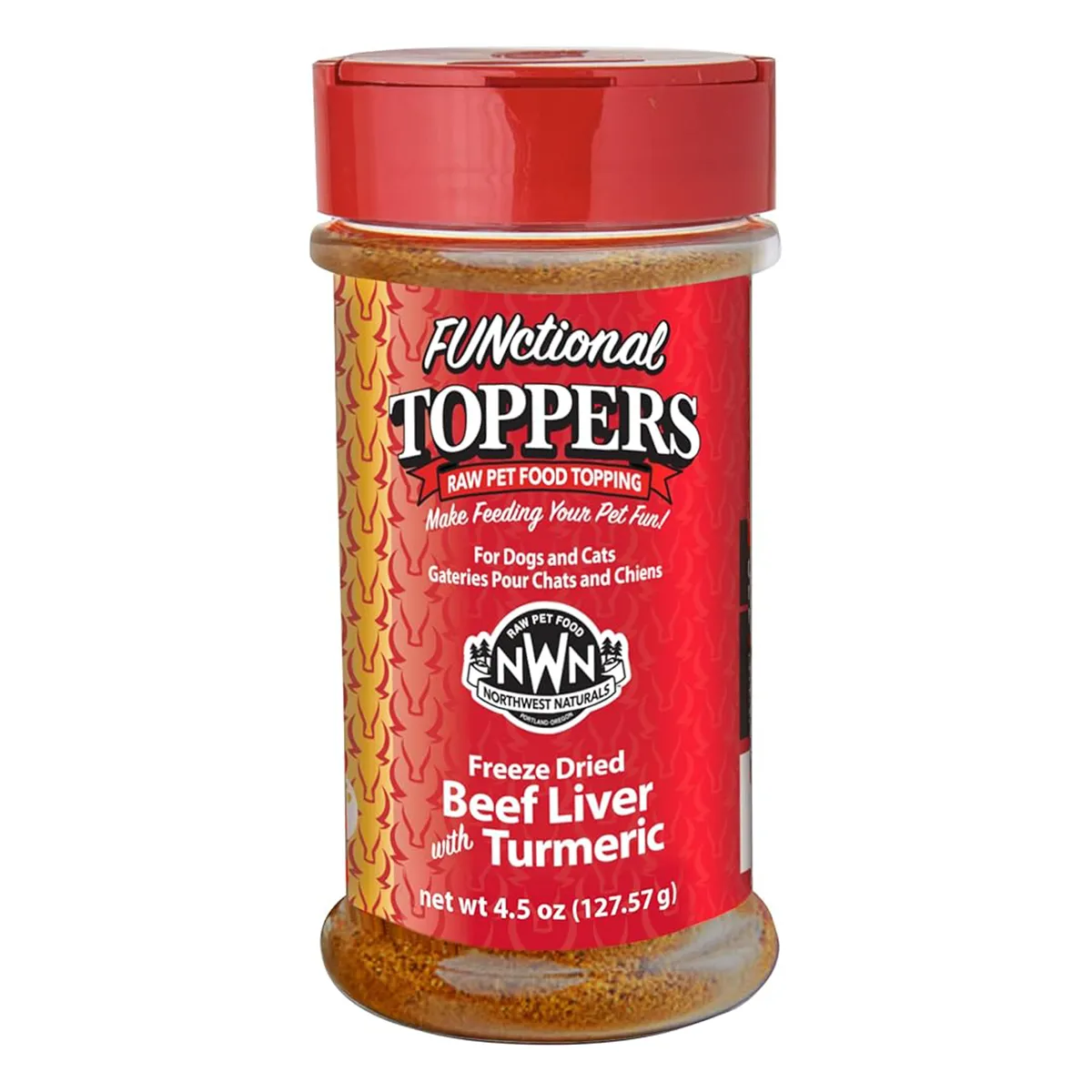
Some owners prefer to add natural "toppers" to their dog's kibble. While this can be helpful, you must be careful with human-grade items.
- Plain Yogurt: This contains Lactobacillus, but many dogs are lactose intolerant. Only use plain, non-fat, unsweetened varieties.
- Kefir: This is a fermented milk drink that often has more probiotic strains than yogurt. Again, check for dairy sensitivity.
- Fermented Vegetables: Some dogs enjoy a tiny bit of sauerkraut (plain, no spices).
Warning: Never feed your dog any human food containing Xylitol (often labeled as birch sugar). It is highly toxic to dogs and can be found in some "low sugar" yogurts or nut butters.
Supplements vs. Probiotic Food
Should you buy a separate supplement or just get the food?
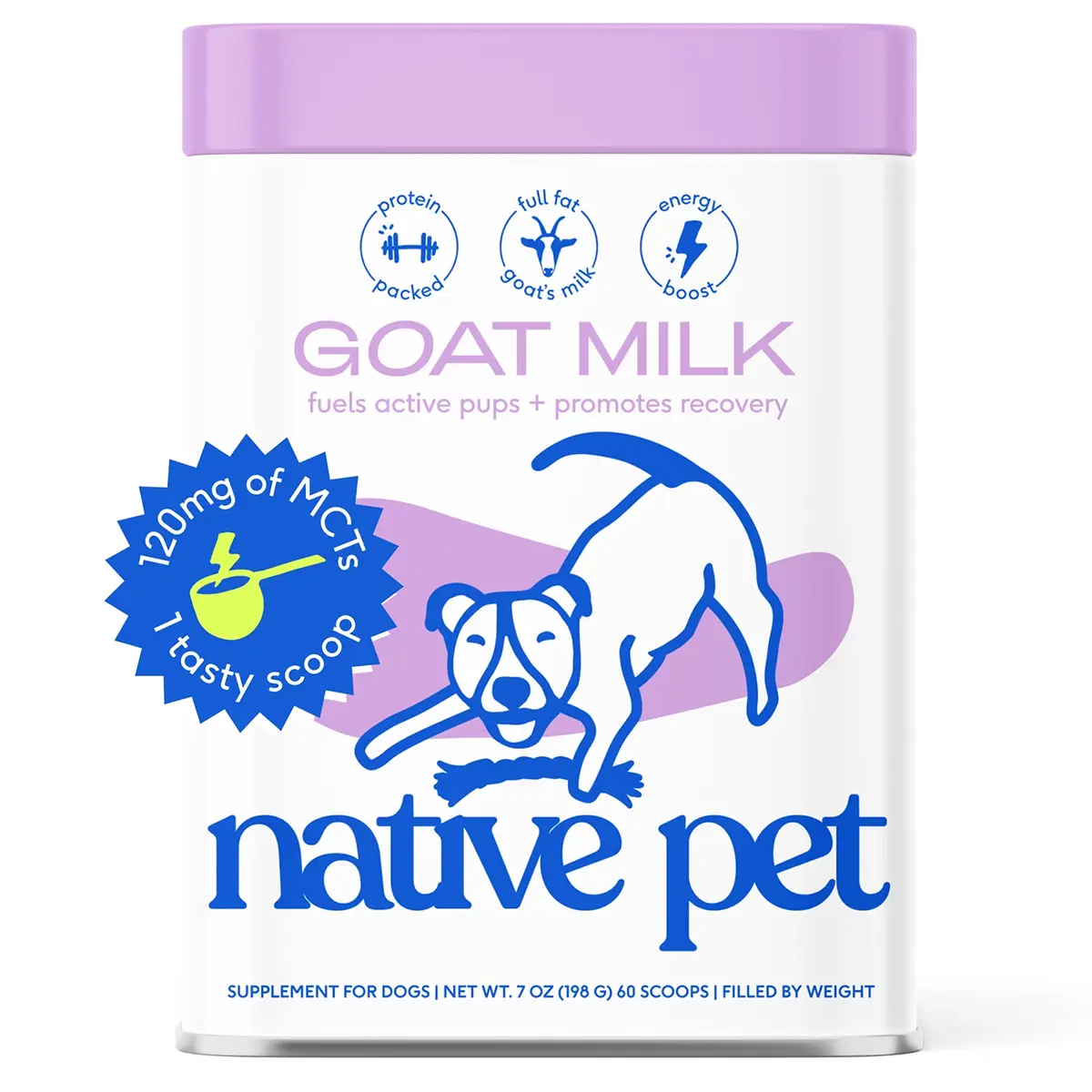
If your dog has a temporary issue, like diarrhea from eating something they shouldn't have, a high-dose supplement powder or paste is often best. These provide a massive "burst" of bacteria to settle the gut quickly. You can also explore probiotic digestive support for dogs.
For long-term maintenance, probiotic dog food is more convenient and cost-effective. It provides a steady, daily dose that keeps the microbiome stable over time. Many owners find that a combination works well: they feed a probiotic kibble daily and keep a supplement on hand for high-stress times like holiday travel or vet visits.
You can also review the ultimate pet supplement guide when comparing food and supplement options.
Storage Matters
Since probiotics are live organisms, how you store the bag matters. Heat, light, and moisture are the enemies of these bacteria.
- Keep the food in its original bag, as these are designed to be moisture barriers.
- Seal the bag tightly with a clip or use an airtight container.
- Store the food in a cool, dry place. Avoid the garage or a damp basement.
- Check the "Best By" date. Probiotics are less likely to be active in food that is past its prime.
Bottom line: Probiotic dog food is a practical, everyday tool for maintaining digestive balance and supporting the immune system.
Summary of Benefits
Choosing a food with added probiotics can simplify your pet care routine while providing several health advantages:
- Reduces the frequency of loose stools and diarrhea.
- Helps control excessive gas and bloating.
- Supports the immune system's ability to fight off pathogens.
- May improve skin health and reduce itching related to gut inflammation.
- Can help maintain a calmer temperament through the gut-brain connection.
We carry over 500 brands, many of which specialize in this type of digestive support. Whether you have a puppy with a sensitive tummy or a senior dog that needs extra help absorbing nutrients, there is a probiotic formula that can fit your needs. Our MVP Rewards program also helps you earn points on these repeat purchases, making it easier to stick to a high-quality diet.
Conclusion
Investing in your dog's gut health is one of the most effective ways to support their overall longevity and comfort. While it might seem like a small addition, the billions of tiny workers in a bag of probiotic dog food do a lot of heavy lifting. They protect the immune system, smooth out digestion, and can even help with your dog's mood. If you're ready to make the switch, look for quality brands that guarantee live cultures and specific strains. For dogs with more complex medical needs, remember that our pharmacy is here to help with prescription-strength options.
Key Takeaway: Consistent, daily intake of probiotics is more effective for long-term health than occasional supplementation.
Ready to explore your options? Check out our full collection of dog food to find the best probiotic-rich recipes for your pet. You can also sign up for our Autoship programme to ensure you never run out and save on your first order.
FAQ
How long does it take for probiotic dog food to work?
You may notice an improvement in gas and stool quality within a few days to a week. However, for more systemic benefits like skin health or immune support, it can take four to six weeks of consistent feeding. The bacteria need time to colonize the gut and shift the balance of the microbiome.
Can I give my dog probiotics every day?
Yes, daily use is safe and actually recommended for most dogs. Consistent dosing helps keep the microbiome stable, especially for dogs that are prone to digestive upset or have ongoing food sensitivities. If your dog has a severely compromised immune system, check with your vet before starting any probiotic regimen.
Does cooking probiotic dog food kill the bacteria?
Most high-heat cooking processes will kill probiotics, which is why premium brands add them to the kibble after it has cooled. When choosing a food, look for brands that specify their probiotics are added after the extrusion process or are "micro-encapsulated" to survive both the shelf and the stomach acid.
Will probiotics help my dog's bad breath?
Bad breath often starts in the gut or the mouth. If your dog's breath smells because of digestive issues or gas from the stomach, probiotics can help by balancing the bacteria in the digestive tract. However, if the smell is from plaque or gum disease, you will need to focus on dental cleaning and treats alongside gut health.






- Site & Contents BaxterBoo.com. BaxterBoo is located in the United States.
- Privacy & Security
- Terms of Use
- Accessibility Statement
