
 Save 15% on your 1st Autoship learn more

 Email us
 Live Chat
 FAQs
FAQs





Introduction
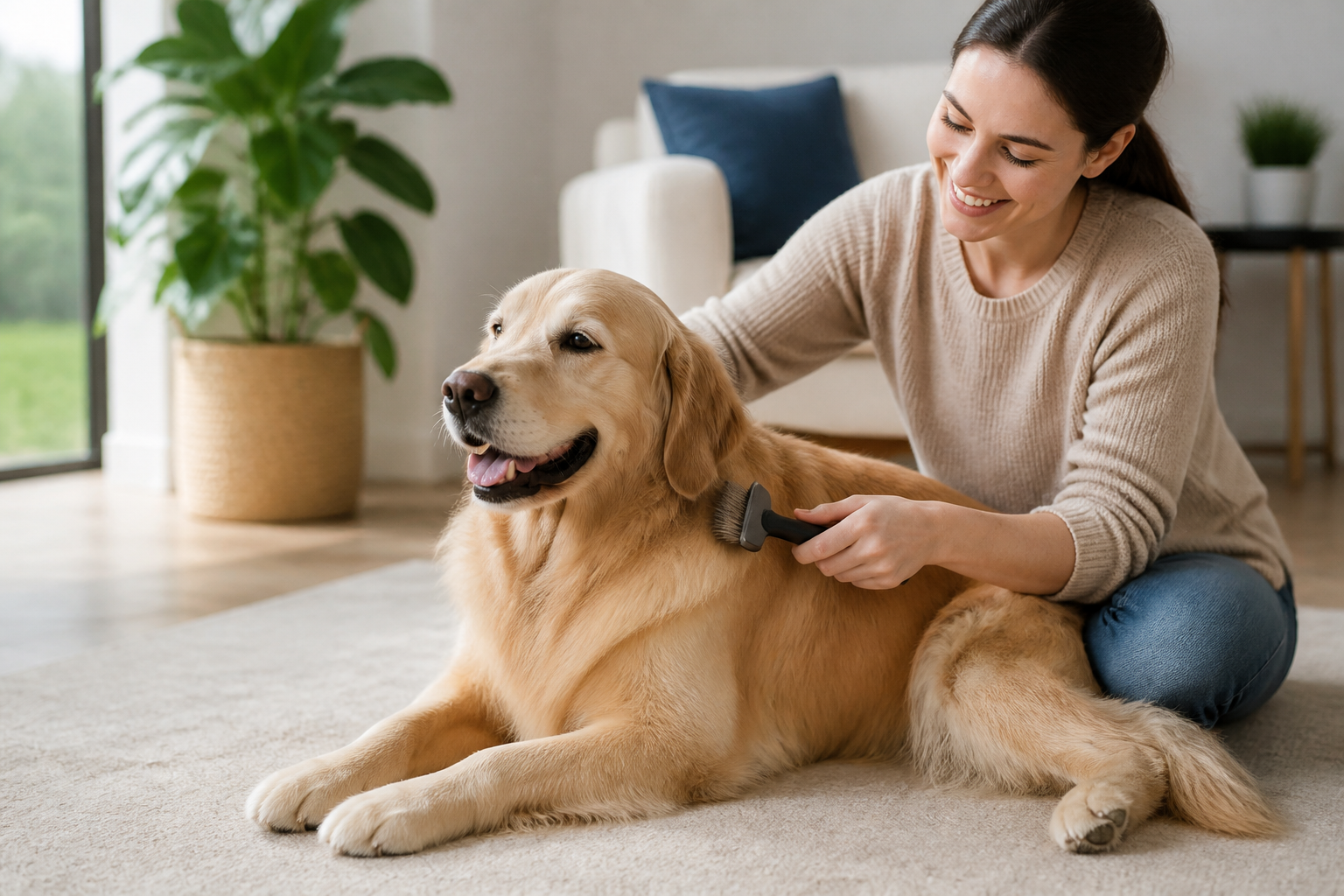
You are relaxing on the couch when you notice a small tumbleweed of fur drifting across the floor. Or perhaps you reach down to scratch your dog behind the ears and feel a stubborn, tight knot forming in their coat. These moments often lead pet owners to wonder if a more frequent grooming schedule is necessary. You want your dog to look their best and feel comfortable, but you also worry about overdoing it or irritating their skin. At BaxterBoo, we know that grooming is about more than just aesthetics. It is a vital part of your pet’s health and a great way to bond. This article covers whether daily brushing is safe, how coat types change the rules, and the best tools for the job. You will learn how to maintain a healthy coat without causing discomfort.
Quick Answer: Yes, you can brush your dog every day, and for many breeds, it is highly recommended to prevent matting and manage shedding. However, you must use the correct tools for their specific coat type and use a gentle touch to avoid skin irritation known as brush burn.
Understanding the Benefits of Daily Brushing
Brushing your dog every day offers several benefits that go beyond keeping your furniture clean. When you run a brush through their hair, you are doing more than just removing loose fur. You are also distributing natural oils across the skin and coat. These oils act as a natural conditioner, giving the hair a healthy shine and keeping the skin hydrated.
Daily sessions also act as a mini health check. It is the perfect time to look for fleas, ticks, or unusual lumps and bumps that might be hidden under thick fur. Catching these issues early often leads to better outcomes. If you notice persistent skin redness or unusual hair loss during your daily routine, it may be time to consult your veterinarian. Our dog pharmacy provides access to FDA-approved treatments for skin conditions and allergies through our partnership with Pet's Choice.
Furthermore, a daily routine helps puppies and nervous dogs get used to being handled. If you make the session a calm, rewarding experience with plenty of praise, your dog will eventually look forward to it. This makes professional grooming visits or veterinary exams much less stressful for everyone involved.
Determining Frequency by Coat Type
The answer to the question of daily brushing depends heavily on what kind of coat your dog wears. Not every dog requires the same level of maintenance. Some breeds can handle daily sessions with ease, while others only need a quick pass once or twice a week.
Smooth and Short Coats
Dogs with smooth coats, such as Boxers, Pointers, and Dalmatians, have very short hair that lies close to the body. These dogs are the lowest maintenance in terms of tangles, but they still shed. Brushing once or twice a week is usually enough to remove dead hair and stimulate blood flow.
Short-coated dogs like Beagles and Labrador Retrievers have slightly more hair than smooth-coated breeds. A weekly session is a good baseline here. Using a rubber curry brush in a circular motion is a great way to pull up loose fur that a standard brush might miss.
Double and Heavy Coats
If you live with a German Shepherd, Siberian Husky, or Samoyed, you know all about the "blow out" seasons. These dogs have a soft undercoat for insulation and a tougher outer coat for protection. For these breeds, brushing at least a few times per week is a must. During heavy shedding seasons, daily brushing is often the only way to keep the fur under control.
Heavy-coated dogs like Newfoundlands or Chow Chows require even more attention. Their thick fur can hide mats easily, especially around the neck and hindquarters. Brushing these dogs 2 to 3 times a week is critical to prevent the coat from becoming a tangled mess.
Curly, Drop, and Silky Coats
Breeds like Poodles, Yorkies, and Cocker Spaniels fall into the high-maintenance category. Because their hair keeps growing and does not shed out like fur, it tangles very easily. For silky-coated dogs, we recommend brushing daily if possible. This prevents small tangles from turning into painful mats that require shaving. For additional guidance, see our guide on how to groom a dog with curly hair.
Key Takeaway: While short-coated dogs only need weekly brushing, long-haired, curly, and double-coated breeds benefit significantly from daily grooming to prevent painful matting and skin issues.
Choosing the Right Tools for the Job
Using the wrong brush can make the experience uncomfortable for your dog and ineffective for you. Having a small kit of quality tools is an investment in your dog's comfort. We carry a wide variety of brushes and grooming supplies from trusted brands to help you get the job done right. Explore our dog brushes and combs to compare tools for different coat types.
- Slicker Brushes: These have fine, short wires close together on a flat or curved surface. They are excellent for removing mats and tangles in medium to long-haired or curly dogs.
- Bristle Brushes: These are best for smooth and short-coated dogs. They remove surface dust and distribute oils without irritating the skin.
- Pin Brushes: These look similar to human hairbrushes and are ideal for long-coated dogs to provide a finished look after tangles are removed.
- Rubber Curry Brushes: These are great for short-haired dogs. The rubber nubs massage the skin and pull away loose hair.
- Undercoat Rakes: These are essential for double-coated dogs. They reach through the topcoat to pull out the loose fluff of the undercoat.
Vet Tip: If you notice your dog's skin looks red or they pull away during brushing, you might be applying too much pressure or using a tool that is too abrasive. Always check the skin for "brush burn," which is a red, irritated rash caused by over-brushing a specific area.
How to Prevent Brush Burn
When you start brushing your dog every day, the risk of skin irritation increases. This is especially true for dogs with thin coats or sensitive skin. Brush burn occurs when the bristles or pins of the brush scrape against the skin repeatedly. It can be quite painful and may even lead to minor infections if the dog licks the area.
To avoid this, always use a light hand. You do not need to press hard to get results. If you are working on a stubborn mat, hold the base of the hair near the skin with your fingers. This ensures that the tugging happens against your hand rather than the dog's skin.
Always move the brush in the direction of hair growth. Going against the grain can be uncomfortable and cause the hair to break. If your dog has very sensitive skin, consider using a detangling spray before you begin. This adds a layer of lubrication to the hair, allowing the brush to glide through more easily. Learn more about bathing and brushing best practices for maintaining a comfortable grooming routine.
A Step-by-Step Guide to a Daily Brushing Routine
Creating a routine makes the process efficient and enjoyable. If you follow a consistent pattern, your dog will know what to expect.
Step 1: Perform a quick scan / Run your hands over your dog's body to feel for any new lumps, ticks, or particularly large mats that need extra care.
Step 2: Apply detangler if needed / For long or curly hair, a light mist of detangling spray can prevent hair breakage and make the process smoother.
Step 3: Start with the head and neck / Use a gentle touch around the ears and face. These are sensitive areas where mats often form due to collar friction.
Step 4: Move to the body and legs / Brush in sections, moving from the front to the back. Pay close attention to the "armpits" and the back of the thighs where friction is highest.
Step 5: Finish with the tail / Many dogs are sensitive about their tails, so save this for last when they are most relaxed.
Step 6: Reward and praise / Give your dog a small treat or plenty of belly rubs once the session is over to reinforce the positive behavior.
Key Takeaway: A structured routine prevents you from missing hidden spots like the belly or behind the ears where mats are most likely to form.
Managing Mats and Tangles Safely
If you find a mat during your daily brushing, do not panic and do not reach for the scissors immediately. Cutting out a mat with scissors is risky because it is very easy to accidentally nick the skin. Instead, try to work it out with your fingers first.
Apply a small amount of detangler or even a tiny bit of cornstarch to the knot to help the hairs slide apart. Use a slicker brush or a metal comb to gently pick at the edges of the mat, starting from the outside and moving toward the center. If the mat is tight against the skin and will not budge, it is safer to have a professional groomer or a veterinarian remove it.
Neglected mats can cause serious health issues. They trap moisture against the skin, which can lead to hotspots or fungal infections. They can also become so tight that they pull on the skin every time the dog moves, causing constant discomfort. If you find your dog is prone to frequent matting despite daily brushing, their coat might benefit from a professional trim to a more manageable length.
When Brushing Reveals Skin Issues
Sometimes, daily brushing sessions reveal more than just shed hair. You might notice dry, flaky skin, or your dog might seem excessively itchy. While regular brushing helps, these symptoms often point to underlying issues like seasonal allergies, parasites, or nutritional gaps. You can browse our dog skin and coat care products for additional grooming and coat-support options.
If the skin looks inflamed or has a strange odor, a veterinary visit is necessary. For ongoing skin support, your vet might recommend medicated shampoos or specific supplements. Our pharmacy at BaxterBoo carries a range of prescription products that can help manage chronic skin conditions. You can easily manage these recurring needs through our Autoship programme, which ensures you never run out of the supplies your dog needs to stay comfortable.
Vet Tip: If your dog is scratching excessively even after a thorough brushing, check for signs of fleas or environmental allergies. A veterinarian can help determine if a prescription flea preventive or an allergy medication is necessary to provide relief.
Brushing and Seasonal Changes
Dog owners often notice that their brushing routine needs to ramp up during the spring and fall. Most dogs "blow" their coats during these times to prepare for the change in temperature. During these weeks, you might find that you need to brush your dog every day regardless of their coat type.
For double-coated breeds, this is the time when the undercoat comes out in large clumps. Using an undercoat rake during these seasons is the most effective way to manage the mess. If you stay on top of it daily, the shedding period will feel much shorter and more manageable. If you let it go for a week, you may find that the undercoat has become trapped by the topcoat, leading to massive mats that are difficult to remove.
Making Brushing Fun for Your Dog
If your dog hides the moment they see the brush, you need to change their association with grooming. Start with very short sessions, even just thirty seconds of light brushing followed by a high-value treat. Gradually increase the time as your dog becomes more comfortable.
Always choose a time when your dog is already relaxed, such as after a long walk or a play session. Avoid brushing them when they are hyper or frustrated. Using a calm voice and keeping your own energy relaxed will help your dog stay settled. For some dogs, a "lick mat" smeared with a bit of peanut butter can keep them occupied and happy while you work through their coat.
Checklist for a Successful Brushing Session
- Choose a quiet, well-lit area where your dog feels safe.
- Select the brush that matches your dog's specific coat type.
- Keep a detangling spray on hand for stubborn knots.
- Check for skin redness, lumps, or parasites before you start.
- Use short, gentle strokes in the direction of hair growth.
- End every session with a reward to build a positive habit.
Conclusion
Brushing your dog every day is a fantastic way to maintain their health and keep your home a little cleaner. While short-haired dogs might only strictly need a weekly session, most dogs benefit from the extra attention and skin stimulation that a daily routine provides. It allows you to catch health issues early and keeps the coat looking its best.
At BaxterBoo, we want to help you make grooming a stress-free part of your day. Whether you need a new slicker brush or a replenishing supply of detangler, our dog grooming supplies can help you get started. If your daily grooming reveals a need for skin support or flea prevention, our pharmacy is here to provide FDA-approved solutions. Consider joining the MVP Rewards programme to earn points on your grooming supplies and keep your pet's coat in peak condition year-round.
FAQ
Can I brush my dog too much?
Yes, it is possible to over-brush, leading to skin irritation known as brush burn. This usually happens if you use too much pressure or spend too much time on a single area. To prevent this, use a gentle touch and keep the sessions focused on moving through the entire coat rather than scrubbing one spot.
What is the best brush for a dog that sheds a lot?
For heavy shedders, especially those with a double coat, a combination of a slicker brush and an undercoat rake is usually best. The slicker brush catches loose surface hair, while the rake reaches deep into the undercoat to remove the fluff before it falls out on your floor.
Should I brush my dog when their hair is wet?
It is generally better to brush your dog when their hair is dry. Wet hair is more elastic and prone to breakage, and knots can actually tighten when they get wet. If you must brush a wet dog, use a wide-toothed comb and a leave-in conditioner to minimize damage.
Does daily brushing help with dog allergies?
Brushing every day can help reduce the amount of dander and loose fur in your home, which may provide some relief for humans with mild pet allergies. For the dog, brushing removes environmental allergens like pollen or dust trapped in their fur, which can help if the dog suffers from skin sensitivities.






