
 Save 15% on your 1st Autoship learn more

 Email us
 Live Chat
 FAQs
FAQs





Introduction
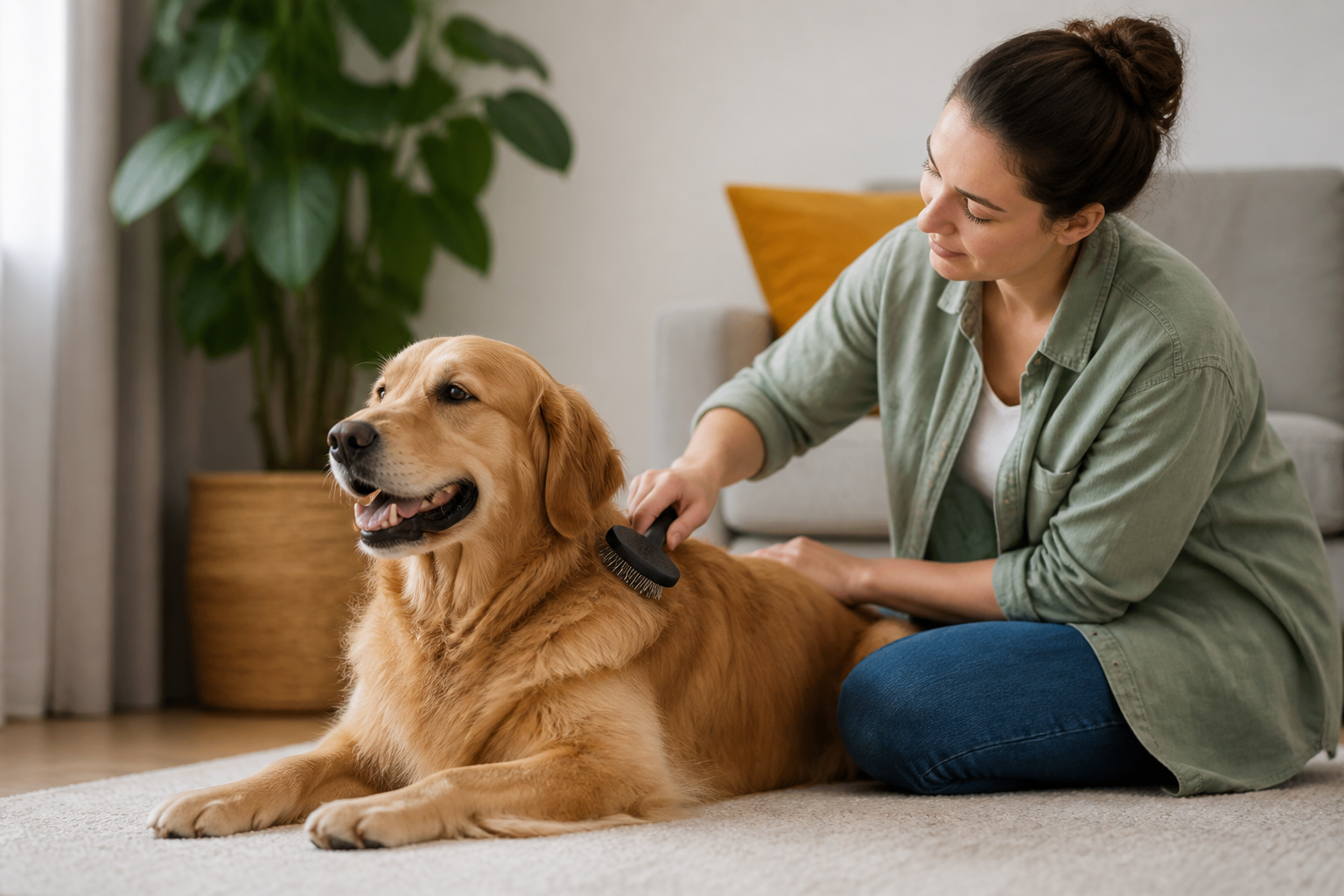
You might be sitting on the living room floor with a pile of fur next to you that looks like a second dog. You have been brushing for twenty minutes and the hair just keeps coming. It is a common moment for many pet owners. You want your dog to look great and feel comfortable, but you might worry if you are overdoing it. At BaxterBoo, we know that grooming is one of the best ways to bond with your pet. However, there is a fine line between a healthy grooming session and causing skin irritation. While regular brushing is necessary for almost every breed, doing it too often or with too much pressure can lead to problems. This post covers how to identify over-brushing, the specific needs of different coat types, and how to build a safe routine.
The Risks of Over-Brushing Your Dog
Many people are surprised to learn that you can actually brush a dog too much. This usually happens in one of two ways. You might be brushing too frequently throughout the week. Or, you might be brushing too hard in a single session. Both of these habits can lead to a condition known as brush burn.
Brush burn is essentially skin irritation caused by the repetitive scraping of bristles or pins against the skin. It looks like a red, angry rash. In some cases, it can even cause small scratches or sores that are prone to infection. If you notice your dog flinching or pulling away when you reach for the brush, they might already be feeling the effects of over-grooming.
Quick Answer: Yes, you can brush your dog too much. Excessive repetition or using too much pressure can cause skin irritation called brush burn, which leads to redness, sores, and hair breakage.
Beyond skin irritation, over-brushing can damage the hair itself. If you use a deshedding tool or a wire brush too aggressively, you can snap the hair shafts. This leaves the coat looking dull and frizzy instead of sleek and healthy. It is especially common in breeds with double coats where owners try to "stop" the shedding by brushing for hours.
Understanding Coat Types and Brushing Frequency
Every dog has a unique coat that dictates how much grooming they truly need. A Boxer has very different requirements than a Poodle or a Husky. To avoid over-brushing, you must understand what your specific dog needs.
Smooth and Short Coats
Dogs with smooth coats, like Dalmatians or Pointers, are low maintenance but still need some attention. Their hair is short and lies close to the body. Because there is very little "cushion" between the brush and the skin, these dogs are the most susceptible to brush burn.
For these breeds, brushing once or twice a week is usually plenty. You should use a soft bristle brush or a rubber curry brush. These tools massage the skin and distribute natural oils without scratching the surface. If your dog is shedding heavily, you can use a shedding blade, but you must be extremely gentle.
Double Coats
Double-coated dogs like German Shepherds, Samoyeds, and Huskies are the champions of shedding. They have a soft, dense undercoat for insulation and a coarser outer coat for protection. It is tempting to brush these dogs every day to keep the fur off your furniture.
However, you should aim for a thorough brushing two to three times a week. During "blowout" seasons in the spring and fall, you may need to brush more often. Use a long-toothed undercoat rake to reach the trapped fur without scraping the skin. If you focus too long on one spot, you can actually create bald patches or irritate the skin beneath the thick fur. For more seasonal shedding guidance, see our tips on managing a double-coated dog’s shedding.
Curly and Drop Coats
Breeds like Poodles, Bichons, and Yorkshires have hair that grows continuously. They do not shed much, which is great for your rugs, but it means they mat very easily. These dogs actually require the most frequent brushing.
Daily brushing is often recommended for drop coats to prevent tangles. For curly coats, every other day is usually a safe bet. The goal here is to keep the hair separated and smooth. Because you are working with hair rather than fur, you can be a bit more frequent, provided you use a detangling spray to reduce friction.
Silky and Wire Coats
Silky coats, like those on Cocker Spaniels, need daily or every-other-day attention. Their hair is fine and prone to knots. Wire-coated dogs, such as Schnauzers, have a rough outer coat that needs weekly brushing to remove dead hair and maintain the texture.
Key Takeaway: Matching your tool and frequency to your dog's specific coat type is the best way to prevent skin damage while keeping the coat healthy.
Signs You Are Brushing Too Much
It is important to watch your dog's skin and behavior during and after a grooming session. Your dog will usually tell you if the brushing is becoming uncomfortable.
- Redness or Rash: If the skin looks pink or red after you finish, you are likely using too much pressure or staying in one spot too long.
- Sensitivity to Touch: If your dog yelps or shies away when you touch an area you recently brushed, the skin is irritated.
- Bald Spots: Unless your dog has a medical condition, you should not be seeing bare skin. If you are, you have over-brushed that area.
- Skin Bumps: Over-brushing can cause folliculitis, which is an inflammation of the hair follicles. This looks like small red bumps or pimples.
If you see these signs, give the skin a rest. Stop all brushing for at least a week to let the skin heal. If the redness looks like it is spreading or if you see signs of infection like pus or a foul smell, it is time to see a professional.
Vet Tip: If your dog develops skin sores or persistent redness from grooming, consult your veterinarian. They can check for secondary infections and may recommend a medicated topical treatment or shampoo from our pet pharmacy to help the skin recover.
The Importance of the Right Tools
Using the wrong tool is the fastest way to cause brush burn. A brush designed for a thick-coated Alaskan Malamute will be far too harsh for a thin-skinned Greyhound. Our warehouse at BaxterBoo is filled with hundreds of grooming options because we know that one size does not fit all. You can compare different options in our dog brushes and combs category.
Slicker Brushes
These have fine, short wires close together. They are excellent for removing mats and tangles in medium to long hair. However, because the wires are sharp, you must use a light touch. Never press a slicker brush directly into the skin.
Bristle Brushes
These are the safest option for almost every dog. They come in varying degrees of stiffness. They are ideal for short-haired dogs and for finishing the coat on longer-haired breeds. They are the least likely to cause brush burn.
Undercoat Rakes
These tools have long, blunt tines. They are designed to pass through the topcoat and pull out loose undercoat hair. They are very effective for double-coated breeds. Use them with a "raking" motion rather than a "scrubbing" motion.
Rubber Curry Brushes
These are fantastic for short-haired dogs and for use during baths. The rubber nubs massage the skin and pull away loose hair without any risk of scratching. They are nearly impossible to over-use.
| Tool Type | Best For | Risk Level |
|---|---|---|
| Slicker Brush | Mats and tangles | Moderate (wires can scratch) |
| Bristle Brush | Smoothing and shine | Low |
| Undercoat Rake | Thick undercoats | Moderate (if used with high pressure) |
| Rubber Curry | Short coats and baths | Very Low |
Best Practices for a Safe Grooming Routine
To ensure you aren't brushing too much, follow a structured routine. This keeps the session productive and safe for your pet's skin.
Step 1: Inspect the skin.
Before you start, run your hands over your dog. Look for existing red spots, ticks, or lumps. If the skin already looks irritated, skip the brushing.
Step 2: Use a detangling spray.
Mist the coat lightly with a grooming spray. This lubricates the hair, making it easier for the brush to slide through. This reduces the number of strokes needed to clear a tangle, which protects the skin.
Step 3: Use the "arm test" for pressure.
If you aren't sure if you are pressing too hard, try the brush on your own forearm. If it feels scratchy or uncomfortable to you, it is definitely too hard for your dog.
Step 4: Keep the brush moving.
Avoid the "spot-cleaning" trap. Do not brush the same three-inch area for five minutes. Move across the body in sections. If a mat is stubborn, work on it for thirty seconds, move to another area, and come back to it later.
Step 5: End on a positive note.
Reward your dog with a treat. This ensures they associate the brush with good things. If they have a positive experience, they will be less likely to get restless, which helps you maintain a steady, gentle hand.
When Brushing Reveals Health Issues
Sometimes, what looks like over-brushing is actually an underlying health concern. If your dog is losing hair in patches or has very dry, flaky skin, it might not be your grooming technique. It could be allergies, parasites, or a nutritional deficiency. Our skin and coat care collection offers grooming products for different coat-care needs.
Many dogs suffer from seasonal allergies that make their skin incredibly sensitive. In these cases, even a gentle brushing can feel like a lot. If you notice your dog is constantly itchy or has a "yeasty" smell, you should visit your vet.
Our pharmacy offers FDA-approved medications and prescription diets through our partnership with Pet's Choice. These can help manage chronic skin conditions that make grooming difficult. Whether your dog needs flea protection or a specific diet for sensitive skin, having access to a real pharmacy ensures you get exactly what your vet ordered.
Brushing Your Senior Dog
Senior dogs require a different approach to grooming. Their skin tends to become thinner and less elastic as they age. They may also have fatty lumps (lipomas) or warts that can be easily nicked by a brush.
Additionally, older dogs often suffer from joint stiffness or arthritis. Standing for a long grooming session can be painful for them. When grooming a senior, keep the sessions very short. Let them lie down on a soft orthopedic bed while you work. Focus on one quadrant of the body per day rather than trying to do a full-session all at once. This prevents both physical exhaustion and skin irritation. You can also browse our senior dog supplies for products suited to older pets.
Seasonal Changes in Grooming
Your brushing schedule should change with the weather. In the spring, many dogs "blow" their winter coats. This is the period where it feels like you can't brush enough. During these weeks, you might increase your sessions to once a day for double-coated breeds.
In the winter, the air in our homes becomes very dry. This can lead to static and brittle hair. Using a moisturizing grooming spray is essential during the colder months. If you find the coat is getting very static-heavy, you are likely brushing too much for the dry conditions. Scale back and focus on skin health.
Bottom line: Your grooming routine should be flexible, increasing during shedding season and decreasing if the skin shows any signs of dryness or redness.
Conclusion
Brushing your dog is a vital part of pet care, but more is not always better. By understanding your dog's coat type and using the right tools, you can keep them looking sharp without risking brush burn or hair damage. Always keep an eye on the skin for redness and listen to your dog's body language. If you find that grooming is revealing skin issues or if your dog is shedding excessively due to health reasons, remember that we are here to help.
Our pharmacy carries a wide range of prescription skin treatments and supplements to support coat health. You can also look into our Autoship programme to ensure you never run out of the brushes, sprays, and treats that make grooming a success. Regular, gentle care is the secret to a happy, healthy pet.
FAQ
How can I tell if I have given my dog brush burn?
Brush burn typically appears as bright red skin or a series of red streaks in the area you were grooming. You may also notice your dog licking the area excessively or acting sensitive when you touch them. In some cases, the skin may feel warm to the touch or develop tiny bumps.
Can I brush a puppy every day?
You can brush a puppy daily, but the goal should be socialization rather than heavy grooming. Use a very soft bristle brush and keep the sessions under five minutes. This teaches them to enjoy the process and helps you avoid irritating their very delicate puppy skin.
Is it okay to brush my dog when their coat is wet?
Generally, it is better to brush your dog before a bath or after they are completely dry. Wet hair is more elastic and prone to snapping. Additionally, mats often tighten when they get wet, making them much harder to remove without hurting the dog's skin. For additional bathing guidance, read our article on the dos and don'ts of bathing your dog.
Why does my dog keep shedding even after I brush them?
Brushing removes dead hair that has already detached from the follicle, but it does not stop the natural growth cycle. If the shedding seems extreme or you see bald spots, it could be related to diet, stress, or a medical issue. Consult your vet to rule out underlying conditions like thyroid issues or allergies.






