Save 15% on your 1st Autoship learn more

 Email us
 Live Chat
 FAQs
FAQs





Introduction
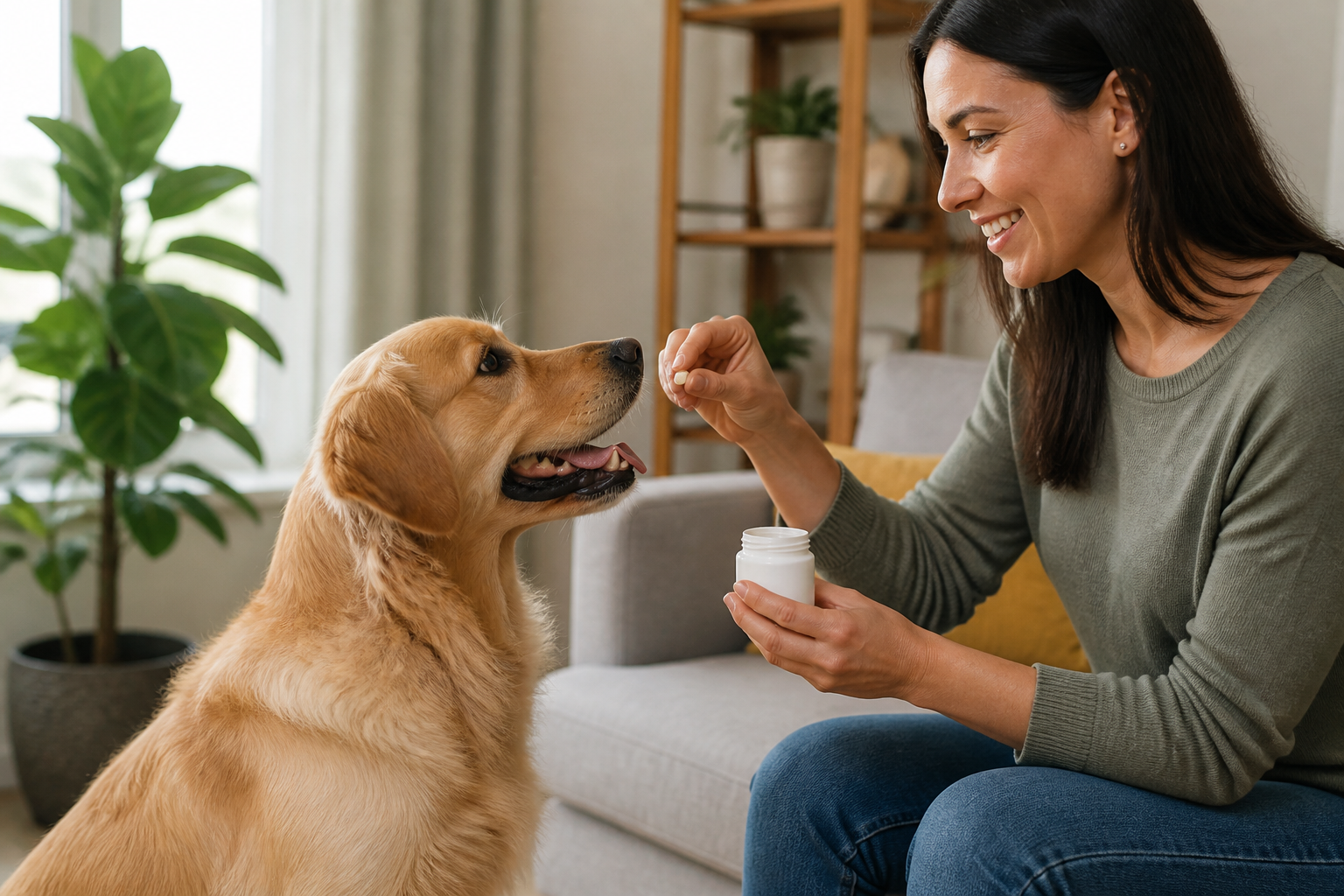
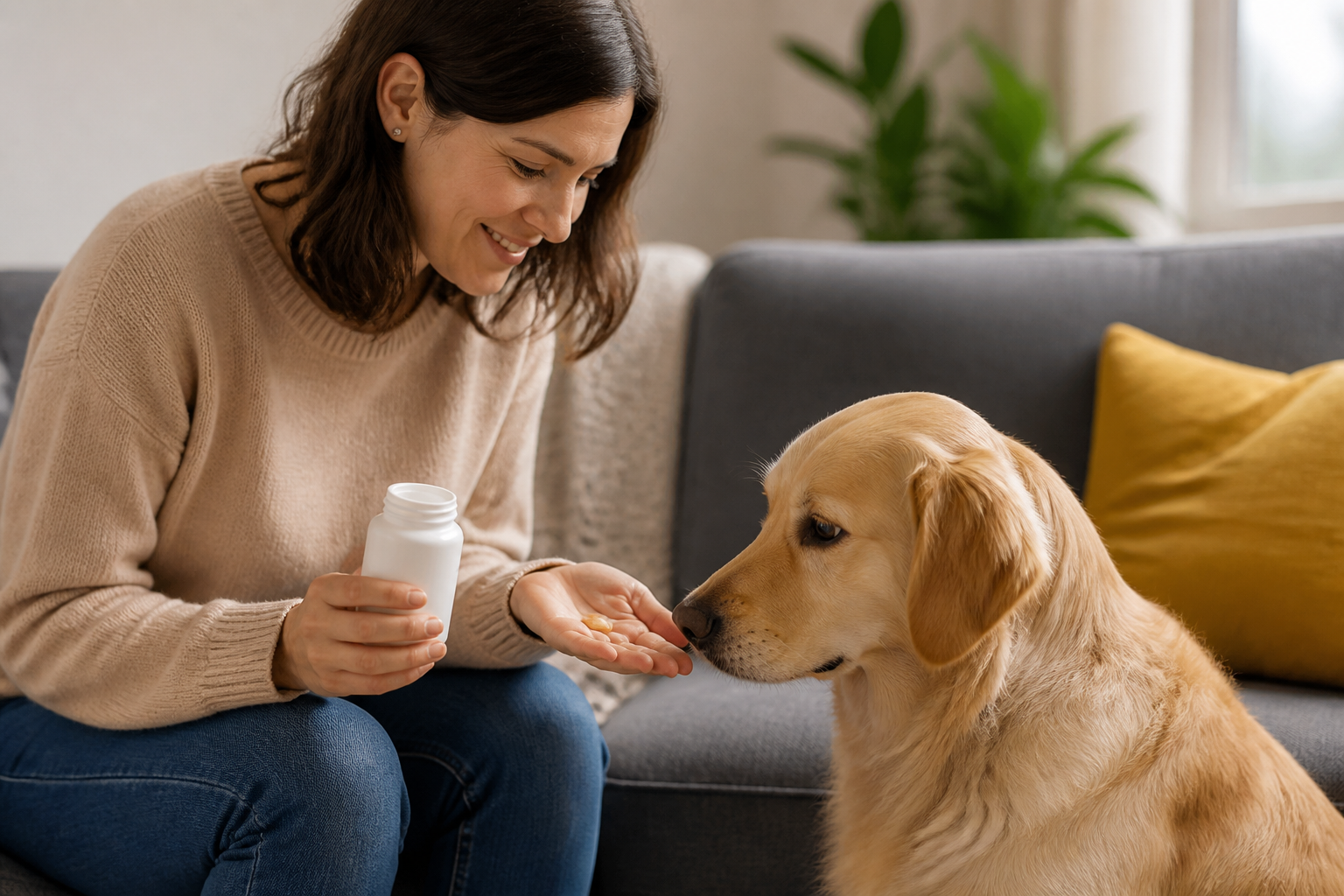
You are standing in your kitchen, looking at a bottle of your own digestive supplements, then looking down at your dog who has been dealing with a noisy, grumbly stomach all morning. It is a common thought for many pet owners. If these "good bacteria" help your digestion, surely they can do the same for your best friend. At BaxterBoo, we have spent years helping pet parents navigate these exact types of wellness questions from our warehouse superstore. While you might be tempted to share your supplements, the answer to whether you can give a dog human probiotics is a bit more complex than a simple yes or no. This post covers the safety risks, the biological differences between our guts, and how to choose the right support for your dog.
Quick Answer: Yes, you can technically give a dog human probiotics, as most strains are not toxic. However, they are often ineffective because dogs have a different gut microbiome and a much more acidic stomach than humans.
The Biological Difference Between Humans and Dogs
To understand why human probiotics might not be the best choice, we have to look at how a dog's body works. A dog's digestive system is built to handle things that would make a human very sick. Because dogs evolved as scavengers, their stomachs are significantly more acidic than ours. This high acidity is a defense mechanism designed to kill off harmful bacteria like Salmonella or E. coli found in raw or spoiled food.
This same acid also destroys many of the delicate probiotic strains found in human supplements. Most human probiotics are formulated to survive a much milder environment. By the time that human-grade capsule reaches your dog's lower intestine where it is supposed to work, the stomach acid has often neutralized the beneficial bacteria entirely.
Furthermore, the actual makeup of the bacteria in a dog’s gut, known as the microbiome, is unique to their species. While we share a few common strains, dogs require specific types of bacteria to break down their protein-heavy diets and support their specific immune needs. Using a human supplement is like trying to use a map of Chicago to navigate through our home town of Vernon Hills. It might have some of the same features, but it is not the right tool for the job.
Potential Risks of Using Human Probiotics
While the bacteria themselves are usually harmless, the other ingredients in human supplements can be dangerous. Many human vitamins and probiotics are formulated with additives to make them shelf-stable or more palatable for people. These additions can lead to serious health complications for a dog.
One of the biggest concerns is Xylitol. This is an artificial sweetener often found in chewable or gummy human probiotics. While safe for us, Xylitol is highly toxic to dogs and can cause life-threatening drops in blood sugar or liver failure. Even in small amounts, it is a veterinary emergency.
Other ingredients to watch for include:
- Artifical flavorings or colors that may cause allergic reactions.
- High levels of dairy or lactose used as a filler, which many dogs cannot digest.
- Fiber sources that are too concentrated for a dog’s shorter digestive tract.
- Herbal additions like certain types of ginseng or extracts that are not tested for canine safety.
Vet Tip: Always check the inactive ingredients list on any human supplement for Xylitol, also labeled as birch sugar or wood sugar. If your dog accidentally ingests a supplement containing Xylitol, contact your veterinarian or an animal poison control center immediately.
Specific Canine Strains to Look For
When you are shopping for a supplement, you want to see specific strains that have been proven to help dogs. Because we carry over 500 trusted brands, we have seen which formulations consistently perform well. Look for labels that mention these specific types of "friendly" bacteria.
Enterococcus Faecium
This is one of the most common and effective strains for dogs. It is particularly good at helping to shorten the duration of diarrhea. It is a hardy bacterium that can survive the trip through the acidic stomach to reach the intestines.
Bifidobacterium Animalis
This strain is a powerhouse for digestive health. It has been shown in clinical studies to reduce the time it takes for a dog to recover from acute diarrhea. It also supports the general immune system, which is vital since about 70 percent of a dog's immune system is located in their gut.
Lactobacillus Acidophilus
This is one of the few strains we actually share with our dogs. It helps improve stool quality and can be useful for dogs that have frequent bouts of gas or bloating. It is often included in high-quality dog foods as a "fermentation product."
Bifidobacterium Longum
This is a fascinating strain that researchers have linked to the gut-brain axis. In some studies, dogs taking this specific probiotic showed a decrease in anxious behaviors like barking, pacing, or spinning. If you have a dog that gets stressed during thunderstorms or car rides, this strain might be beneficial.
When Should Your Dog Take Probiotics?
Probiotics are not just for when your dog has a "runny" situation. There are several scenarios where adding these beneficial microbes can make a big difference in their daily comfort. We often recommend them for dogs going through major life changes.
Stress is one of the biggest disruptors of gut health. When a dog is stressed, their body produces cortisol, which can flip the balance of bacteria in the gut toward the "bad" side. This is why many dogs get diarrhea when they are boarded at a kennel or when you move to a new house. Starting a probiotic a few days before a stressful event can help prevent these issues. For more ideas, read about helping your dog transition during a move.
Antibiotics are another common reason. While antibiotics are necessary to kill infections, they are not picky. They kill the good bacteria along with the bad. This often leads to secondary digestive upset. Giving a probiotic during and after a course of antibiotics can help "re-seed" the gut. Just make sure to give the probiotic a few hours before or after the medication so the antibiotic doesn't kill the new bacteria instantly.
Key Takeaway: Probiotics are most effective when used preventatively before stressful events or as a recovery tool after a course of antibiotics or a bout of digestive upset.
The Role of Prebiotics
You will often see the term "prebiotic" on the same labels as probiotics. It is helpful to think of probiotics as the "seeds" and prebiotics as the "fertilizer." Prebiotics are types of fiber that humans and dogs cannot digest, but the good bacteria in the gut love to eat.
Common prebiotics include chicory root, inulin, and beet pulp. When these fibers reach the colon, they ferment and provide the energy the probiotics need to grow and multiply. A supplement that contains both is often called a "synbiotic." Using a combination product is usually more effective than using a probiotic alone, as it ensures the new bacteria have a food source the moment they arrive. Products such as Nutramax Proviable Digestive Health Supplement combine probiotics and prebiotics in one formula.
Common Sources of Prebiotics for Dogs
- Pumpkin: Pureed pumpkin (not pie filling) is a great source of fiber and acts as a natural prebiotic.
- Apples: Sliced apples (without seeds) provide pectin, which supports gut health.
- Bananas: These offer resistant starch that feeds beneficial bacteria.
- Supplements: Many powders we stock at BaxterBoo include concentrated inulin for maximum effect.
Human Foods with Natural Probiotics
If you want to stick to whole foods rather than powders or pills, there are some "human" options that are safe for dogs. However, you must be very selective. Not every fermented food that is good for you is good for them.
Plain, unsweetened yogurt is the most popular choice. It contains live cultures like Lactobacillus. However, many dogs are lactose intolerant. If you give your dog yogurt and they get gassy or have loose stools, they likely cannot handle the dairy. Always ensure the yogurt is free of fruit, sugar, and sweeteners.
Kefir is another option that is often better tolerated than yogurt. It is a fermented milk drink that usually contains a wider variety of bacterial strains than standard yogurt. Because the fermentation process breaks down much of the lactose, it is sometimes easier on a dog’s stomach. A small spoonful added to their kibble is a great way to introduce these microbes.
Avoid fermented human foods like sauerkraut or kimchi. While they are packed with probiotics, they usually contain high amounts of salt, onions, or garlic. Onions and garlic are toxic to dogs, and excessive salt can lead to dehydration or sodium ion poisoning.
Signs Your Dog Might Need Gut Support
How do you know if it is time to consider a probiotic? Sometimes the signs are obvious, but other times they are more subtle. A dog with a healthy gut usually has consistent energy levels, a shiny coat, and regular, firm bowel movements.
If you notice any of the following, a probiotic might be a helpful addition to their routine:
- Excessive Flatulence: If your dog is clearing the room on a regular basis, their gut bacteria might be out of balance.
- Bad Breath: While dental issues are often the cause, chronic bad breath can also start in the gut.
- Itchy Skin: There is a strong link between gut health and skin allergies. A balanced microbiome can help regulate the immune response that causes itching.
- Inconsistent Stools: Moving between firm and soft stools frequently is a classic sign of an "unhappy" digestive tract.
- Coprophagia: This is the technical term for dogs eating stool. Sometimes dogs do this because they are instinctively trying to ingest the enzymes or bacteria their own gut is missing.
Bottom line: While often triggered by a specific event like illness, chronic signs like gassiness or itchy skin can also indicate that your dog’s microbiome needs long-term support.
Choosing the Right Format: Powders, Chews, or Pills?
Once you decide to start a supplement, you have to choose the format. This mostly depends on your dog’s personality and how they feel about their food. We carry a variety of options to suit different needs.
Powders are often the most cost-effective and highest in "Colony Forming Units" (CFUs). You simply sprinkle the powder over their food. Most are flavored with beef or chicken to make them more enticing. Powders are excellent for picky eaters because they can be mixed thoroughly into wet food.
Chews are very convenient. They look and taste like treats, so most dogs take them willingly. These are great for pet owners on the go or for dogs that are suspicious of powders in their bowls. However, make sure the chews are stored in a cool, dry place. Heat can kill the live bacteria inside. A chewable option is NaturVet Advanced Probiotics & Enzymes Soft Dog Chew.
Capsules and pills are best for dogs that are not picky about taking medication. You can hide them in a pill pocket or a bit of plain peanut butter. Capsules are often the best at protecting the bacteria from stomach acid, as the shell is designed to dissolve slowly.
The Importance of Quality Control
The supplement industry for pets is not as strictly regulated as the pharmaceutical industry. This means that what is on the label is not always what is in the bottle. When we select brands for our shelves, we look for companies that perform third-party testing.
Check the label for a "Guaranteed Analysis." This should tell you exactly how many live bacteria (CFUs) will be present at the time the product expires, not just at the time of manufacture. If a brand only lists the count "at the time of manufacture," many of those bacteria may be dead by the time you buy the bottle.
Also, pay attention to storage requirements. Some probiotics are shelf-stable, but others must be refrigerated to keep the bacteria alive. If you buy a refrigerated probiotic and leave it on your counter for a week, you are likely just giving your dog an expensive bit of flavored powder with no living benefits.
How to Introduce Probiotics Safely
When you start any new supplement, you should go slow. Even though these are "good" bacteria, adding a large amount at once can cause a temporary upset as the gut environment shifts.
Step 1: Start with a half dose. / Do this for the first three to five days to let their system adjust. Step 2: Monitor their stool and gas. / Look for any sudden changes or signs of discomfort like bloating. Step 3: Gradually increase to the full recommended dose. / Follow the weight-based instructions on the packaging. Step 4: Maintain a consistent schedule. / Give the supplement at the same time every day to keep the bacterial levels steady.
If your dog develops severe diarrhea or starts vomiting after starting a probiotic, stop the supplement and contact your vet. This is rare, but some dogs have sensitivities to the proteins or fillers used in the supplement.
Moving Beyond Supplements: Prescription Diets and the Pharmacy
Sometimes a simple over-the-counter probiotic is not enough. If your dog has a chronic condition like Inflammatory Bowel Disease (IBD) or severe food allergies, they may need more specialized care. This is where our pet pharmacy becomes a vital resource for your pet's health.
Through our partnership with Pet's Choice, we offer a real pharmacy that carries FDA-approved medications and prescription pet foods. Brands like Royal Canin and Farmina Vet Life offer specialized diets that are formulated with unique fiber blends and highly stable probiotic strains specifically for therapeutic use.
If your veterinarian has prescribed a specific medication to manage your dog's digestive health or a prescription-only probiotic like certain high-potency formulations, we can help fulfill those needs. Having a single place to get your dog's regular food, their favorite toys, and their essential medications makes managing a chronic condition much easier for you and more consistent for your dog.
Managing Senior Dog Gut Health
As dogs age, their digestive efficiency often declines. Senior dogs may not absorb nutrients as well as they used to, and their microbiome can become less diverse. This is why we often see older dogs becoming more sensitive to changes in their diet or more prone to constipation.
Probiotics for seniors often include extra digestive enzymes. These enzymes help break down proteins and fats before they reach the lower intestine, making the job easier for the "good" bacteria. Keeping an older dog's gut healthy is also key to maintaining their weight and muscle mass, as it ensures they are actually getting the nutrition out of the food you are providing.
If your senior dog is on multiple medications for joints or heart health, a probiotic can help protect their stomach lining and ensure their digestion stays on track despite the heavy load of pills. We always recommend checking with your vet to ensure the probiotic won't interfere with their specific medication schedule.
The Gut-Brain Connection in Dogs
It might seem strange to think that bacteria in the stomach could change how a dog feels, but the "gut-brain axis" is a real biological pathway. The gut and the brain are connected by the vagus nerve, which acts like a two-way highway for signals.
About 90 percent of the body's serotonin—the "feel-good" hormone—is actually produced in the digestive tract. When the gut is inflamed or the microbiome is out of balance, it can interfere with this production. This can lead to a dog feeling more "on edge" or anxious.
By using specific strains like Bifidobacterium longum, you are essentially supporting the production of these calming chemicals. While it is not a replacement for behavioral training or, in severe cases, prescription anti-anxiety medication from our pet pharmacy, it is a powerful tool in a holistic approach to canine mental health.
Vet Tip: For dogs with severe separation anxiety or noise phobias, probiotics should be used as a support tool alongside a veterinarian-led behavior plan. Do not rely on supplements alone for serious behavioral health issues.
Conclusion
While you can technically give your dog human probiotics in a pinch, they are rarely the most effective choice. Between the risk of toxic ingredients like Xylitol and the fact that a dog's acidic stomach often kills off human-grade strains, it is much better to choose a species-specific supplement. A dedicated canine probiotic ensures your dog gets the right bacteria strains in a format they can actually use. Whether you are dealing with a temporary tummy ache or managing long-term allergies, supporting the microbiome is a foundational part of pet wellness.
- Always check human supplements for Xylitol and dairy fillers.
- Look for canine-specific strains like Enterococcus faecium.
- Introduce new supplements gradually to avoid further upset.
- Consider prescription options through our pharmacy for chronic issues.
Key Takeaway: Species-specific probiotics are safer and more effective than human versions because they are designed to survive the high acidity of the canine stomach and address the unique needs of a dog's microbiome.
If you are ready to support your dog’s digestive health, browse our dog probiotic selection and digestive aids in the Medical & Mobility section. For those whose dogs need a more specialized approach, our pharmacy is ready to help with prescription diets and medications through our Pet's Choice partnership.
FAQ
Can I give my dog yogurt for probiotics?
Yes, you can give your dog small amounts of plain, unsweetened yogurt as a natural source of probiotics. However, many dogs are lactose intolerant and may experience gas or diarrhea from the dairy. Always ensure the yogurt contains no Xylitol, sugar, or fruit additives.
How long does it take for probiotics to work in dogs?
The timeline depends on what you are treating. For acute diarrhea, you might see improvements within 24 to 48 hours. For chronic issues like skin allergies or anxiety, it often takes four to six weeks of consistent daily use to see a noticeable difference.
What happens if my dog accidentally eats my human probiotics?
If the supplement does not contain Xylitol or other toxic additives, your dog will likely be fine, though they may experience some temporary gas or bloating. If the supplement contains Xylitol, it is a medical emergency and you must contact a veterinarian immediately.
Should I give my dog probiotics every day?
For many dogs, a daily probiotic is a great way to maintain long-term immune and digestive health. It is particularly beneficial for senior dogs or those with sensitive stomachs. However, it is always best to consult your vet to determine the right frequency for your dog's specific health profile.