Save 15% on your 1st Autoship learn more

 Email us
 Live Chat
 FAQs
FAQs





Introduction
You are sitting on the sofa petting your cat when you notice small white flakes scattered across their fur. It looks like a dusting of salt or snow against their dark coat. This is a common discovery for many cat owners. At BaxterBoo, we know that these flakes can be a sign of simple dryness or a hint at an underlying health issue. This post covers the various causes of feline skin flakes and offers practical steps to clear them up. We will look at grooming habits, dietary changes, and environmental fixes. You will also learn when those flakes require a trip to the veterinarian for professional care. Our goal is to help you restore your cat's coat to its natural, glossy shine.
Understanding the Difference Between Dandruff and Dander
It is easy to confuse cat dandruff with normal dander. Every cat produces dander. Dander consists of microscopic dead skin cells that shed naturally as part of the skin's renewal process. Because these cells are so tiny, you usually cannot see them with the naked eye. Dander is what often triggers allergies in humans because it carries specific proteins from a cat's saliva.
Dandruff is different because it is visible. It appears as larger, white or yellowish flakes that get trapped in the fur. While dander is a healthy part of being a cat, dandruff usually indicates that the skin is too dry, too oily, or irritated.
Quick Answer: Cat dandruff consists of visible white flakes of dead skin trapped in the fur. It differs from dander, which is microscopic and a normal part of the skin's shedding process.
If you see these flakes, it means the skin cells are shedding faster than normal or the cat is not removing them through grooming. You might notice them most often along the lower back and at the base of the tail.
Common Causes of Flaky Skin in Cats
Finding help with cat dandruff starts with identifying the cause. Several factors can lead to a flaky coat. Some are simple environmental fixes, while others involve the cat's internal health.
Low Humidity and Dry Air
Dry air is a major culprit, especially during the winter months. When you turn on the heater in your home, it strips moisture from the environment. This can cause a cat's skin to lose its natural hydration. If your cat spends a lot of time near heat vents or radiators, their skin may become particularly brittle and flaky.
Nutritional Deficiencies
A cat's skin and coat require specific nutrients to stay healthy. Protein and essential fatty acids are the building blocks of healthy skin. If a diet is low in Omega-3 or Omega-6 fatty acids, the skin's moisture barrier can weaken. This leads to moisture loss and the characteristic white flakes of dandruff.
Weight and Mobility Issues
If a cat is overweight, they may have trouble reaching certain parts of their body to groom. The middle of the back and the base of the tail are the most common spots for dandruff to accumulate in obese cats. Similarly, senior cats with arthritis may find it painful to twist and reach their hindquarters. When a cat stops grooming an area, dead skin cells and natural oils build up, creating a flaky, greasy mess.
Parasites and Infections
Parasites are a frequent cause of skin irritation. Fleas are the most common, but mites can also cause significant flaking. One specific type of mite causes a condition often called walking dandruff. These mites look like moving white specks on the skin. Fungal infections like ringworm can also cause scaling and hair loss.
Vet Tip: If your cat is losing patches of hair or has red, crusty sores alongside the dandruff, consult your veterinarian. These can be signs of ringworm or a bacterial infection that requires prescription medication.
The Role of Grooming and Maintenance
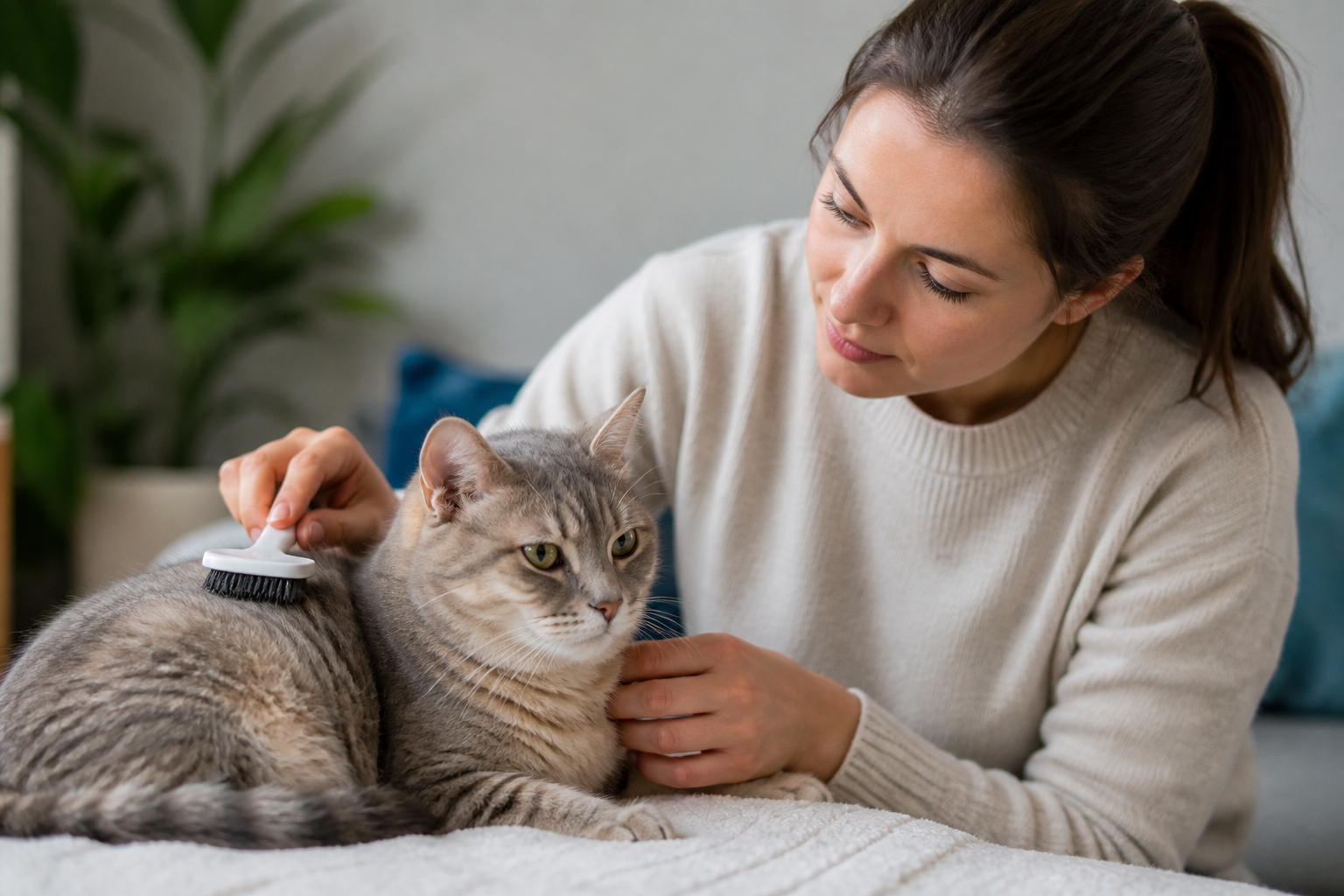
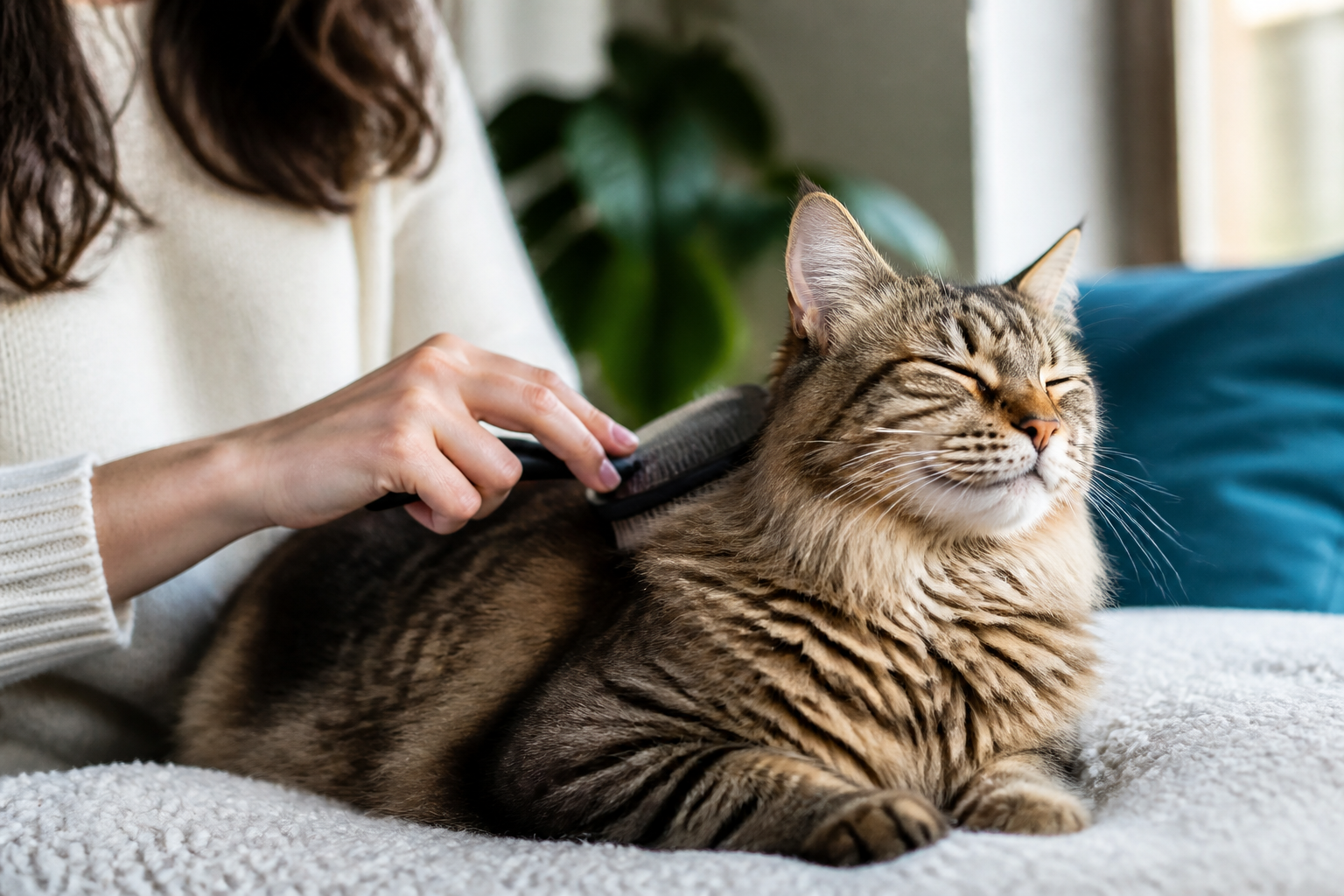
Regular grooming is one of the most effective ways to provide help with cat dandruff. When you brush your cat, you are doing more than just removing loose hair. You are stimulating the skin and distributing natural oils across the entire coat. These oils act as a natural moisturizer. Explore our cat grooming supplies for brushes, combs, shampoos, and other coat-care tools.
For short haired cats, a soft bristle brush or a rubber grooming mitt works well. For long haired cats, you may need a sturdy comb to reach through the undercoat. Brushing should be a gentle, relaxing experience. If your cat has a lot of flakes, daily brushing can help clear the buildup.
- Choose a brush that matches your cat's coat length.
- Focus on the lower back and base of the tail.
- Look for mats or tangles that might be trapping dead skin.
- Keep grooming sessions short and offer treats to build a positive association.
Brushing also allows you to check for flea dirt. Flea dirt looks like small black pepper flakes. If you see black specks along with white flakes, parasites are likely the cause of the skin irritation.
Bottom line: Daily brushing removes dead skin cells and spreads healthy oils that keep the coat moisturized.
Improving Hydration from the Inside Out
Many cats live in a state of mild dehydration. This often happens because cats have a low thirst drive. In the wild, they get most of their water from their prey. A diet consisting only of dry kibble can lead to dry skin if the cat does not drink enough water.
You can encourage your cat to take in more moisture by making small changes. Consider adding a bit of wet food to their daily routine if they only eat dry food. Wet food has a much higher water content and provides immediate hydration to the skin. You can also read our guide to sensitive stomach cat food for more information about moisture-rich options.
Another option is to use a pet water fountain. Many cats prefer running water over standing water in a bowl. The sound and movement can entice them to drink more frequently. You should also ensure that water bowls are cleaned daily and placed in locations where the cat feels safe.
Fatty Acid Supplements
Sometimes, even a high quality diet needs a boost. Supplements containing fish oil or plant based omegas can make a significant difference. These fatty acids help repair the skin's barrier. Brands like Zesty Paws or Honest Paws offer options specifically formulated for feline skin health. Always check with your vet before starting a new supplement to ensure it is appropriate for your cat's specific needs.
Environmental Adjustments for Sensitive Skin
If your home feels dry, your cat's skin probably feels dry too. Adding moisture to the air can provide direct help with cat dandruff. A room humidifier placed in the area where your cat sleeps can prevent the skin from drying out overnight.
You should also be mindful of the cleaning products you use. Harsh chemicals on floors or laundry detergents used on cat beds can cause contact dermatitis. This irritation leads to scratching and flaking. Switching to pet safe, fragrance free cleaners can sometimes resolve mystery skin issues.
Step 1: Identify the areas where your cat spends the most time.
Step 2: Place a humidifier in these rooms, especially during winter.
Step 3: Monitor the humidity levels to keep them between 40 and 50 percent.
Step 4: Clean the humidifier regularly to prevent mold or bacteria growth.
When to Utilize the BaxterBoo Pharmacy
If your cat's dandruff is caused by an underlying medical condition, standard grooming might not be enough. Conditions like hyperthyroidism or diabetes can affect skin health and require professional intervention. In these cases, your veterinarian may prescribe a specific medicated shampoo or a prescription diet. When appropriate, you can browse our cat pharmacy for prescription treatments.
Our pharmacy provides access to FDA-approved medications and prescription pet foods through our partnership with Pet's Choice. This includes diets from brands like Royal Canin and Farmina Vet Life that are formulated for skin sensitivities. If your vet determines that a parasite like walking dandruff is the cause, our pharmacy also carries the necessary treatments.
Key Takeaway: Prescription diets and medicated treatments are often necessary for chronic skin conditions. You can fulfill these through the BaxterBoo pharmacy with a valid prescription from your vet.
Using a pharmacy you trust ensures that you receive authentic products handled with care. Prescription foods for skin health often contain precise ratios of nutrients that over the counter foods may lack. This targeted nutrition can be the turning point for a cat struggling with persistent flakes.
Managing Parasites and Fleas
Even indoor cats can get fleas. Humans can carry them inside on their clothes, or they can hitch a ride on other pets. Fleas cause intense itching. As the cat scratches, they damage the skin, leading to inflammation and dandruff. For additional guidance, read about flea and tick prevention products.
Consistency is the most important part of parasite prevention. Use a monthly preventive year round. Products like Frontline or NexGard are designed to stop infestations before they start. If your cat already has dandruff, clearing the parasites is the first step toward healing the skin.
When treating for fleas, remember to treat the environment as well. Wash cat bedding in hot water and vacuum carpets thoroughly. This removes flea eggs and larvae that might be waiting to reinfest your pet. If the dandruff persists after the fleas are gone, the cat may have a flea allergy that requires a vet's help to manage.
Bathing a Cat with Dandruff
Most cats do not need regular baths. They are excellent at cleaning themselves. However, if your cat has a very greasy coat or a massive buildup of flakes, a bath might help.
You must use a shampoo specifically formulated for cats. Human shampoos have a different pH balance and can strip away the very oils your cat needs. Look for moisturizing ingredients like oatmeal or aloe vera.
Note: Most cats find baths stressful. Stress can actually cause a sudden "flare" of dandruff in some cats. Only bathe your cat if it is absolutely necessary or recommended by your vet.
If you do bathe your cat, ensure the water is lukewarm. Hot water can further dry out the skin. Rinse the coat thoroughly to make sure no soap residue remains. Any leftover shampoo will cause itching and more flaking once the coat dries.
The Connection Between Stress and Skin
Cats are sensitive creatures. Changes in the household, like a new pet or a move, can cause significant stress. When a cat is stressed, their body can react in various ways, including changes to the skin and coat. For related products, explore our cat stress and anxiety collection.
A stressed cat might over-groom or stop grooming entirely. Both behaviors lead to coat problems. Providing a stable environment with plenty of vertical space and hiding spots can help. You might also consider calming supplements or pheromone diffusers like Jackson Galaxy solutions to help them feel more secure.
If the dandruff appeared suddenly after a major life change, stress is a likely factor. Focus on routine and gentle interaction to help your cat settle back into their normal habits.
When to See a Veterinarian
While a few flakes can often be managed at home, some situations require a professional diagnosis. Dandruff can be a secondary symptom of more serious internal health problems.
Schedule a vet visit if you notice:
- The dandruff is accompanied by intense, non-stop itching.
- Your cat has bald patches or thinning fur.
- The skin looks red, inflamed, or has an odor.
- Your cat is drinking significantly more water or using the litter box more often.
- There are large "sheets" of skin peeling off rather than small flakes.
A veterinarian can perform a skin scraping to look for mites under a microscope. They can also run blood work to rule out metabolic issues like hyperthyroidism or kidney disease. Early detection of these conditions often leads to much better outcomes and a faster return to a healthy coat.
Key Takeaway: Persistent or severe dandruff is often a symptom of an internal health issue. A vet consult is the best way to ensure your cat receives the correct treatment.
Choosing the Right Food for Skin Health
Nutrition is the foundation of a healthy coat. High quality cat foods use real meat as the first ingredient and avoid excessive fillers. Brands like Stella and Chewy's, Open Farm, and Tiki Cat prioritize biological appropriateness. Browse our cat food collection to compare wet, dry, and specialized options.
When looking for a food to help with cat dandruff, check the label for:
- Specific animal proteins (like salmon, chicken, or turkey).
- Omega-3 and Omega-6 fatty acids.
- Zinc and Vitamin E.
- Probiotics for gut health, which is linked to skin health.
If your cat has a food allergy, they might need a limited ingredient diet. These foods remove common allergens like beef or dairy and use alternative protein sources. Transitioning to a new food should be done slowly over seven to ten days to avoid upsetting the cat's stomach.
Bottom line: A high quality, moisture rich diet is the most effective long term solution for maintaining healthy feline skin.
Summary of Next Steps
Managing cat dandruff requires a multi-pronged approach. You need to address the immediate flakes while also looking for the root cause. Start with gentle, daily brushing to clear the buildup and distribute natural oils. Evaluate your cat's diet and hydration levels to ensure they are getting the nutrients they need.
If the air in your home is dry, especially during winter, consider adding a humidifier. Keep your cat on a strict parasite preventive schedule to avoid irritation from fleas and mites. Most importantly, monitor your cat's overall behavior. If they seem uncomfortable or the flaking is severe, reach out to your veterinarian.
Through our BaxterBoo site, you can find the tools you need for success. From high quality brushes and grooming mitts to premium food and supplements, we have curated the best options for your cat. Our pharmacy and Pet's Choice partnership are also here to support you if your cat needs specialized medical care. For regularly purchased essentials, consider our Autoship programme.
- Start a daily brushing routine.
- Increase moisture in the diet with wet food or a fountain.
- Check for signs of parasites like fleas or mites.
- Consult a vet for any redness, hair loss, or persistent flaking.
By staying consistent with these steps, you can help your cat feel comfortable in their own skin again. A flake free coat is more than just a beauty goal. It is a sign of a healthy, happy cat.
FAQ
Why does my cat have white flakes on their back?
White flakes on a cat's back are usually dandruff, which consists of dead skin cells that have not been shed properly. This area is common for dandruff because it is harder for some cats to reach during their normal grooming routine. It can be caused by dry air, a lack of fatty acids in the diet, or mobility issues like arthritis.
Can I use human dandruff shampoo on my cat?
No, you should never use human dandruff shampoo on a cat. These products have a pH balance designed for humans and often contain ingredients that are toxic to cats if licked off the fur. Always use a shampoo specifically formulated for felines, and consult your vet before giving your cat a bath for skin issues.
Is cat dandruff a sign of fleas?
Dandruff can be a side effect of a flea infestation. When fleas bite, they cause irritation and scratching, which damages the skin and leads to flaking. If you see black specks along with the white flakes, those specks are likely flea dirt, and you should begin a parasite treatment immediately.
How can I get rid of my cat's dandruff naturally?
The best natural way to reduce dandruff is through regular brushing and improved hydration. Brushing spreads natural oils that moisturize the skin, while adding wet food to the diet hydrates the skin from the inside out. Using a humidifier in your home can also help by preventing the air from drying out your cat's skin.