Save 15% on your 1st Autoship learn more

 Email us
 Live Chat
 FAQs
FAQs





Introduction
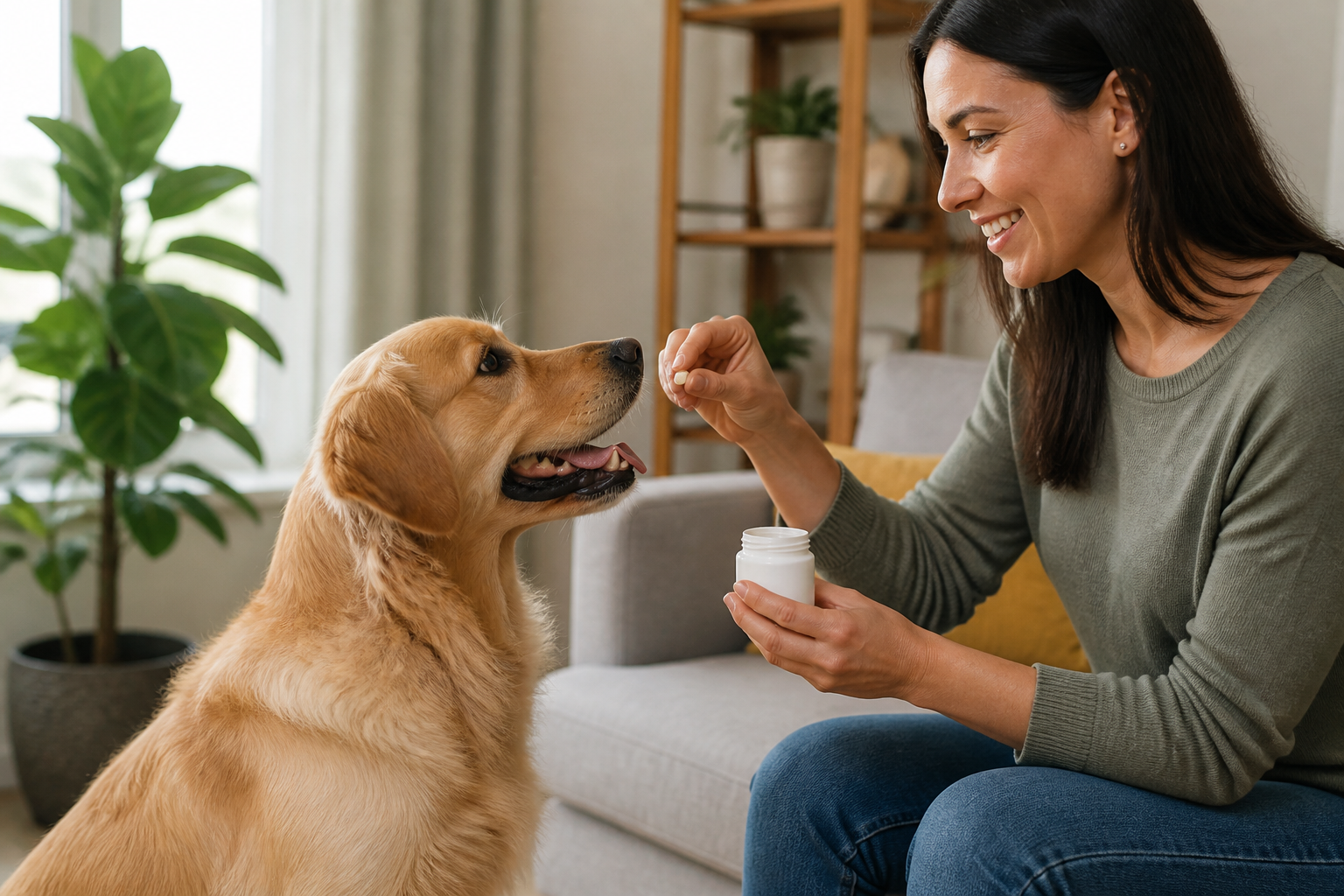
You might be standing in your kitchen, looking at a new bag of supplements and wondering if one chew is enough or if you should be doing more. Perhaps you are dealing with a dog who has frequent "room-clearing" gas or occasional loose stools that make neighborhood walks stressful. At BaxterBoo, we know that gut health is the foundation of your dog's overall wellness. This guide explains the ideal frequency for probiotic administration, whether your dog needs short-term help or a lifelong routine. We will cover the differences between daily and occasional dosing, how to handle probiotics during antibiotic treatments, and what signs to look for to ensure the supplements are working. The goal is to provide a consistent environment for beneficial bacteria to thrive in your dog's digestive tract.
Quick Answer: Most dogs benefit from receiving probiotics once daily. While short-term use for 10 to 14 days can help with minor upsets, long-term daily use is usually necessary to maintain a balanced microbiome and support the immune system.
The Difference Between Daily and Occasional Use
The canine gut is a complex ecosystem filled with billions of microscopic organisms. This community is called the microbiome. It helps your dog digest food, produces essential vitamins, and serves as a primary line of defense for the immune system. When you introduce a probiotic, you are adding "good" bacteria to this environment.
Consistency is more important than the specific time of day. If you give a probiotic only when you see a problem, the beneficial bacteria may not have enough time to establish themselves. Occasional use often results in the new bacteria being flushed out of the system before they can provide real benefits.
Daily use creates a steady "signal" in the gut. This regularity allows the beneficial strains to compete with harmful bacteria for resources and space. For most healthy dogs, a single daily dose is the standard recommendation for maintaining this balance. Explore our dog probiotic selection for daily supplement options.
Key Takeaway: The gut microbiome is a living system that requires constant, daily input to maintain a healthy balance of beneficial bacteria.
Short-Term Support for Specific Digestive Events
There are times when your dog only needs a temporary boost. These situations usually involve a known "trigger" that might disrupt the gut. In these cases, you might use a probiotic for a few weeks rather than indefinitely.
Common reasons for short-term use include:
- Dietary Transitions: When you switch to a new brand of food, the sudden change in ingredients can cause an upset. Giving a probiotic for a week before and a week after the switch helps the gut adapt.
- Mild Digestive Upset: If your dog ate something they should not have, a 10 to 14-day course of probiotics can help firm up stools and reduce gas.
- Stressful Events: Boarding, travel, or even moving to a new house can spike cortisol levels. High stress often leads to "stress diarrhea." Starting a probiotic three to five days before the event can provide a protective buffer.
If your dog is healthy and has a robust stomach, these short bursts of support might be all they ever need. We often see pet owners use this approach during the holidays or when the family goes on vacation. For additional food-related digestive guidance, read how dry food can contribute to diarrhea in dogs.
Long-Term Benefits of Ongoing Supplementation
For many dogs, gut health is an ongoing project rather than a one-time fix. Senior dogs, for example, often experience a natural decline in the diversity of their gut bacteria. Daily supplementation can help bridge that gap and support nutrient absorption.
Long-term use is also beneficial for dogs with chronic sensitivities. If your dog always seems to have a "sensitive stomach" or is prone to seasonal itching, the gut-skin axis may be at play. The immune system is closely linked to the gut. Keeping the microbiome stable can help regulate the body's inflammatory responses.
We carry brands like Zesty Paws, Honest Paws, and Stella and Chewy's that offer daily probiotic options designed for lifelong use. When you choose a daily routine, you are making probiotics a part of your dog's fundamental wellness plan, much like their regular exercise or high-quality kibble.
Bottom line: While short-term use manages temporary triggers, long-term use supports the immune system and age-related changes in gut health.
Timing and Dosing: Does the Hour Matter?
Most pet owners find it easiest to give supplements during mealtime. This is generally the best approach for a few practical reasons. First, the food acts as a buffer against stomach acid. This helps more of the live bacteria survive the journey into the intestines where they are needed.
Second, linking the supplement to a meal makes it easier for you to remember. If your dog eats twice a day, you can choose either breakfast or dinner for their probiotic. There is no significant evidence that morning is better than evening, provided the timing remains consistent.
How to Transition to a New Routine
Step 1: Consult your veterinarian. / Ensure the supplement is appropriate for your dog's specific health history.
Step 2: Choose a delivery method. / Pick a chew, powder, or capsule that your dog will actually accept.
Step 3: Start with a half dose. / Give your dog's system a few days to adjust before moving to the full label recommendation.
Step 4: Monitor for 30 days. / It can take several weeks to see the full impact on coat quality and energy levels.
Managing Probiotics with Medications and Antibiotics
Antibiotics are life-saving tools, but they are not selective. They kill both the harmful bacteria causing an infection and the beneficial bacteria in the gut. This is why dogs on antibiotics often develop diarrhea or lose their appetite.
Giving probiotics during a course of antibiotics is highly recommended. However, you must be careful with the timing. If you give the probiotic at the same time as the antibiotic, the medication might kill the beneficial bacteria in the supplement before they can do any work.
Vet Tip: When your dog is taking antibiotics, wait at least two hours after the medication dose before giving the probiotic. This window allows the antibiotic to be absorbed and gives the "good" bacteria a better chance of survival.
After the antibiotic course is finished, continue the probiotic for at least two to four weeks. This helps repopulate the gut and prevents secondary issues like yeast overgrowth or long-term digestive sensitivity. Our dog pharmacy carries prescription diets and medications that may be required for more severe infections. If your dog is on long-term medication for a chronic condition, always ask your vet before adding new supplements.
Choosing the Right Delivery Method
The best probiotic is the one your dog will actually eat. If you have to fight your dog to swallow a pill every day, the stress might negate the benefits of the supplement. Thankfully, modern probiotics come in several palatable forms.
| Format | Best For | Pros |
|---|---|---|
| Soft Chews | Picky eaters | Tastes like a treat; no mess. |
| Powders | Mixing with wet food | Easy to hide; can be measured precisely. |
| Capsules | Targeted delivery | Protects bacteria from stomach acid; long shelf life. |
| Pastes | Acute issues | Fast-acting; easy to dose for puppies or seniors. |
We recommend brands like PetLab Co. and Zesty Paws for their highly palatable soft chews. For dogs on a limited-ingredient diet, a pure powder like those from Honest Paws might be a better choice to avoid extra flavorings or binders. You can also compare options in our dog digestive health category.
Signs the Probiotics Are Working
You likely started this journey because of a specific symptom. However, the signs of a healthy gut are not always immediate. You should look for small, incremental changes over the first month of daily use.
Common signs of improvement include:
- Stool Consistency: Stools should be firm, well-formed, and easy to pick up.
- Reduced Flatulence: A significant drop in the frequency and odor of gas.
- Improved Appetite: A dog with a comfortable gut is usually more interested in their meals.
- Better Breath: Digestive issues can sometimes cause "gut-based" bad breath.
- Skin and Coat Health: Less itching and a shinier coat often appear after 6 to 8 weeks.
If you do not see any changes after two months, you may need a different strain of bacteria. Strains like Enterococcus faecium are great for diarrhea, while Bifidobacterium longum is often used for dogs with high anxiety.
Key Takeaway: Success with probiotics is measured in weeks, not days. Look for better stool quality first, followed by improvements in skin and energy.
Safety and Vet Consultations
Probiotics are remarkably safe for the vast majority of dogs. Because they are a supplement and not a drug, they have a wide margin of safety. However, a small number of dogs might experience increased gas or bloating during the first few days of use. This is usually just the microbiome adjusting and typically resolves quickly.
There are specific cases where you must exercise caution. If your dog has a severely compromised immune system, introducing any bacteria—even "good" ones—could be risky. Dogs undergoing chemotherapy or those with severe inflammatory bowel disease should only take probiotics under strict veterinary supervision.
Vet Tip: If your dog is lethargic, refuses to eat for more than 24 hours, or has blood in their stool, stop the probiotics and call your veterinarian immediately. These symptoms suggest a more serious underlying condition that requires a professional diagnosis.
Our BaxterBoo Pharmacy, operating in partnership with Pet's Choice, provides access to prescription-strength probiotics and specialized diets for dogs with chronic health needs. If your vet determines that over-the-counter options are not enough, we can help fulfill those prescription needs directly.
Conclusion
Giving your dog probiotics is a simple yet powerful way to support their lifelong wellness. For the best results, aim for a daily routine rather than occasional dosing. This consistency allows the beneficial bacteria to stabilize the gut, support the immune system, and improve everything from stool quality to skin health. Whether you choose a tasty soft chew or a flavorless powder, the key is to stay patient and let the microbiome adjust.
To make things even easier, consider our Autoship programme. You can save on your first order and ensure you never run out of your dog’s favorite supplements. Plus, you will earn points through the MVP Rewards programme every time you shop. If your dog’s digestive needs require more than just a supplement, talk to your vet about our pharmacy options for prescription support. A healthy gut leads to a happier, more active life for your best friend.
FAQ
Can I give my dog human probiotics?
While some human probiotics are safe, they are not always effective for dogs. Dogs have different gut flora and a much more acidic stomach environment than humans. It is better to use a dog-specific formula designed to survive the canine digestive process and provide the specific strains your dog needs.
Is it possible to give my dog too many probiotics?
It is very difficult to "overdose" on probiotics because the body typically flushes out excess bacteria. However, giving way too much can cause temporary digestive upset, such as gas, bloating, or diarrhea. Always follow the weight-based dosing instructions on the product packaging to avoid these minor side effects.
How long does it take for probiotics to work in dogs?
You might see improvements in stool quality within a few days if you are treating a minor upset. For chronic issues like skin allergies or long-term immune support, it usually takes four to six weeks of daily use. Consistency is the most important factor in how quickly you will see results.
Should I give probiotics to my dog on an empty stomach?
Most experts recommend giving probiotics with a meal. The food helps buffer the live bacteria against harsh stomach acids, ensuring more of them reach the intestines alive. Additionally, giving supplements with food reduces the chance of an upset stomach or nausea in sensitive dogs.