Save 15% on your 1st Autoship learn more

 Email us
 Live Chat
 FAQs
FAQs





Introduction
If you have ever watched your dog frantically scratch at their ears or seen them tilt their head with a look of pure discomfort, you know how frustrating ear issues can be. Chronic ear infections are one of the most common reasons pet owners visit the vet. Many owners find themselves in a cycle of temporary fixes followed by yet another flare-up. At BaxterBoo, we see this struggle often among our community of pet parents. While traditional treatments are often necessary, many people are now looking toward probiotics for dog ear infections as a way to support long-term health. This post covers how beneficial bacteria can support the ear microbiome, the difference between oral and topical options, and how to tell when it is time to move from supplements to a prescription. We believe that a proactive approach to wellness can help your dog get back to their happy, head-shaking-free self.
Quick Answer: Probiotics do not cure active ear infections, which usually require veterinary care. However, they can help prevent future infections by balancing the bacteria and yeast on the skin and in the gut. By supporting the immune system and outcompeting harmful microbes, probiotics offer a natural way to maintain ear hygiene and comfort.
Understanding the Canine Ear Canal
To understand why infections happen, it helps to look at the unique anatomy of a dog’s ear. Unlike the human ear canal, which is relatively straight, a dog’s canal is shaped like an L. This design is excellent for catching sound, but it is also excellent at trapping moisture, debris, and heat. This dark, warm environment is the perfect breeding ground for bacteria and yeast.
When the delicate balance of the ear is disrupted, these microbes multiply rapidly. This leads to inflammation, redness, and the classic "doggy ear smell." If your dog has floppy ears, like a Basset Hound or a Cocker Spaniel, the problem is often compounded. The ear flap acts like a lid, further reducing airflow and keeping the moisture locked inside the canal.
Common triggers for these imbalances include:
- Swimming or bathing without proper drying.
- Excessive wax buildup that clogs the canal.
- Allergies to pollen, dust, or food ingredients.
- Foreign objects like grass seeds or small burrs.
- Hormonal imbalances that change skin chemistry.
How Probiotics Support Ear Health
The term probiotic refers to live, beneficial microorganisms that provide health benefits to the host. Most people associate them with digestion, but their influence extends far beyond the stomach. There is a strong connection between the gut and the skin, often called the gut-skin axis. When a dog has a healthy, diverse population of "good" bacteria in their digestive tract, their immune system is better equipped to manage inflammation and fight off pathogens elsewhere in the body, including the ears.
Probiotics work through a process called competitive exclusion. Essentially, the beneficial bacteria take up space and consume resources that "bad" bacteria or yeast would otherwise use to grow. By populating the ear or the gut with these helpful microbes, you make it much harder for harmful organisms to gain a foothold.
Key Takeaway: Probiotics help maintain a stable environment in the ear by outcompeting harmful yeast and bacteria for space and nutrients. This biological barrier supports the skin’s natural defenses and can reduce the frequency of chronic ear irritation.
Oral vs. Topical Probiotics
When you start looking for probiotics for dog ear infections, you will find two main delivery methods: oral supplements and topical cleaners. Both serve a purpose, but they work in different ways.
Oral Probiotic Supplements
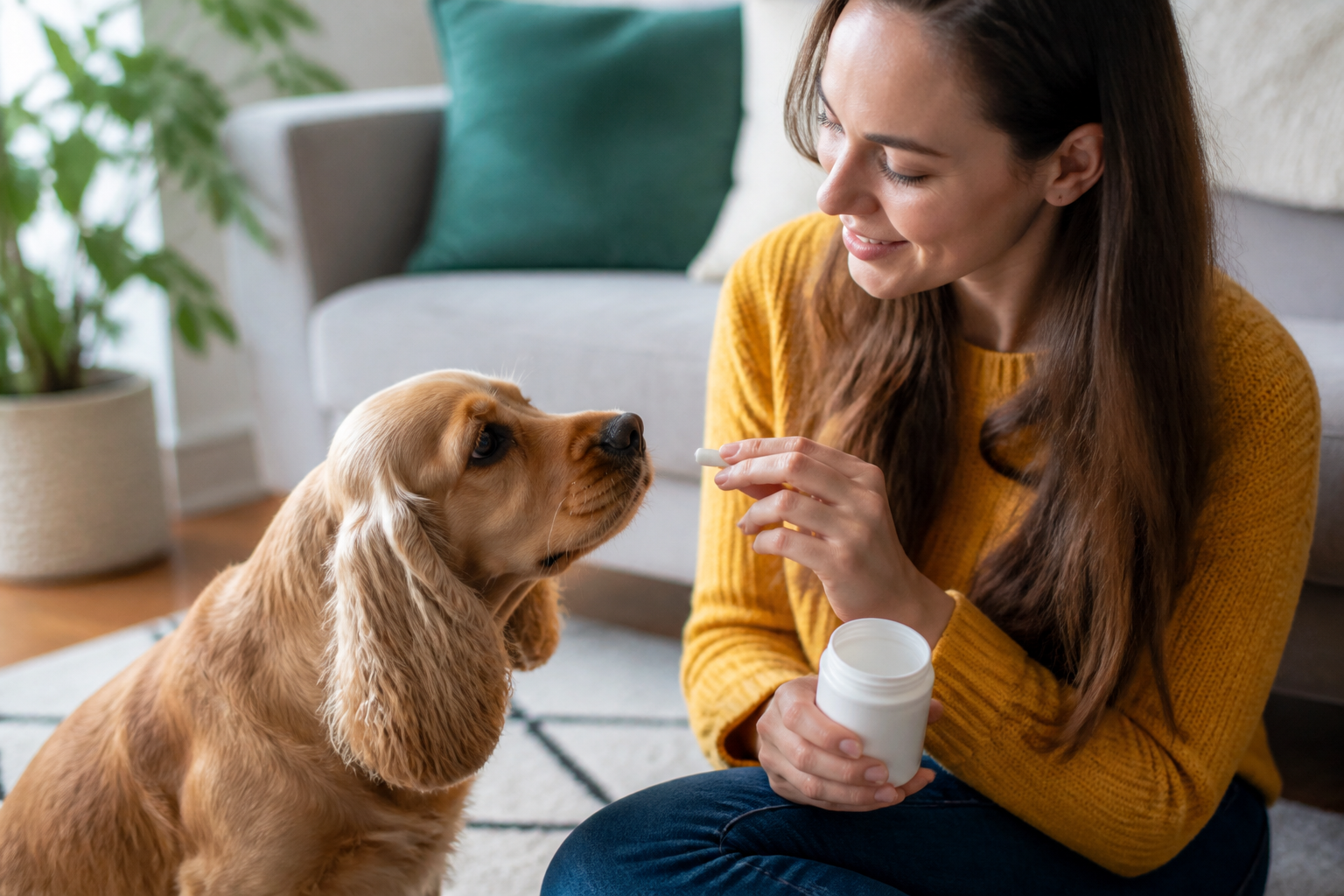
These come in the form of soft chews, powders, or capsules. Brands like Zesty Paws and Honest Paws offer formulations that include specific strains of bacteria like Lactobacillus and Bifidobacterium. These supplements work from the inside out. They support the overall immune response and are particularly helpful if your dog’s ear issues are tied to food sensitivities or general skin allergies. For additional guidance, explore our dog probiotic selection.
Topical Probiotic Cleaners
Topical options, such as those from Skout’s Honor, are applied directly to the ear canal. These products contain live cultures that work immediately on the skin's surface. A probiotic ear cleaner can help break down the biofilm that harmful bacteria hide under. Using a topical spray or wash can be a modern, gentle alternative to harsh chemical cleaners that might strip away the ear’s natural protective oils. You can compare options in our dog ear care collection.
The Role of Yeast in Ear Infections
Yeast is a fungus that naturally lives on a dog’s skin in small amounts. However, if the immune system is weak or the ear environment is too moist, yeast can grow out of control. This usually results in a dark, waxy discharge and a very distinct odor that many owners describe as smelling like corn chips or old socks.
Chronic yeast overgrowth is often a sign of an underlying issue, such as a food allergy. In these cases, supporting the gut with probiotics is essential. We carry several brands, like The Honest Kitchen and NutriSource, that focus on digestive health as a gateway to overall skin wellness. When the gut is balanced, the body can better regulate yeast production, leading to clearer ears and less itching. For broader supplement-planning ideas, read our pet supplement guide.
Vet Tip: If your dog has a foul odor, green or yellow discharge, or seems to be in significant pain, skip the supplements and head to the vet. Active infections often involve deep-seated bacteria that require prescription-strength antibiotics or antifungals to clear safely.
Step-by-Step: How to Clean Your Dog's Ears Safely
If you are using a probiotic ear cleaner, the application method is just as important as the product itself. Proper technique ensures the solution reaches the deeper parts of the L-shaped canal without causing damage.
Step 1: Get your supplies ready. / Have your probiotic cleaner, cotton balls or gauze, and some high-value treats nearby to make the experience positive.
Step 2: Position your dog. / Hold your dog gently but firmly. If you have a large dog, having them sit between your legs can help keep them still.
Step 3: Apply the solution. / Lift the ear flap and fill the canal with the cleaner. Do not stick the tip of the bottle into the ear; just let the liquid flow in.
Step 4: Massage the base. / Gently massage the base of the ear for about 30 seconds. You should hear a "squishing" sound as the cleaner breaks up wax and debris.
Step 5: Let them shake. / Step back and let your dog shake their head. This is a natural way for them to move the loosened debris out of the canal.
Step 6: Wipe away the excess. / Use a cotton ball to wipe the visible part of the inner ear. Never use Q-tips, as these can push debris further down and potentially rupture the eardrum.
For a ready-to-use option, consider Nutri-Vet Ear Cleanse for Dogs.
Bottom line: Regular cleaning with a probiotic solution can prevent the buildup of debris that leads to infection while maintaining the ear's natural bacterial balance.
Dietary Considerations for Ear Health
What goes into your dog's bowl has a direct impact on their ear health. Many dogs who suffer from recurring "yeasty" ears are reacting to specific proteins or excessive carbohydrates in their diet. When a dog has a food sensitivity, it often manifests as inflammation in the ears.
For dogs with chronic issues, we often suggest looking at limited ingredient diets or prescription options. Brands like Farmina Vet Life offer specialized formulas designed to support skin health and manage sensitivities. If your veterinarian recommends a specific therapeutic diet, our pharmacy can help. Through our partnership with Pet's Choice, we provide FDA-approved prescription pet foods and medications that can be delivered right to your door.
Probiotics are most effective when paired with a high-quality diet. Look for foods that include:
- Omega-3 fatty acids from fish oil to reduce inflammation.
- Prebiotic fibers like chicory root to feed the "good" bacteria.
- High-quality, easily digestible proteins.
- Low glycemic index carbohydrates to avoid feeding yeast growth.
When to Visit the Pharmacy
While probiotics are a fantastic tool for maintenance, they cannot replace medicine when an infection has taken hold. If your vet diagnoses a bacterial or fungal infection, your dog may need prescription drops, such as those containing Mometamax or Posatex.
The BaxterBoo pharmacy is a resource for these more serious health needs. Because we work with Pet's Choice, you can find the same FDA-approved medications your vet carries, often at a more competitive price. If your dog also needs flea and tick protection to prevent ear mites—another common cause of ear irritation—we carry oral and topical preventives like NexGard and Frontline. Browse our dog pharmacy when your veterinarian prescribes medication.
Managing a chronic condition like otitis externa often requires a multi-pronged approach. You might use a prescription drop to clear the initial infection and then transition to a probiotic cleaner and a daily supplement to keep the ears healthy in the long term.
Maintaining Consistency with Your Pet’s Routine
The secret to success with probiotics for dog ear infections is consistency. A single dose of a supplement or one cleaning session is unlikely to solve a long-term problem. It often takes several weeks of daily probiotic use to see a noticeable change in a dog’s skin and ear health.
To make things easier, we offer our Autoship program. This ensures you never run out of your favorite probiotic chews or ear cleaners. Plus, it provides savings on your orders and a free MVP Gold membership. For many pet owners, having these supplies show up automatically is the best way to stay on track with a preventative health routine.
We also suggest keeping a "health log" if your dog is prone to ear issues. Note when you see redness, when you clean the ears, and what your dog has been eating. Over time, you may notice patterns, such as flare-ups after swimming or during high-pollen seasons. This information is incredibly valuable for your veterinarian and can help you adjust your probiotic and cleaning schedule.
Summary of Probiotic Benefits
Integrating probiotics into your dog’s life is a gentle way to support their natural defenses. By focusing on the microbiome, you are addressing the environment that allows infections to start rather than just treating the symptoms.
Key benefits of a probiotic-focused routine include:
- Reduced frequency of yeast overgrowth and its associated odor.
- A stronger immune response to environmental allergens.
- Less reliance on harsh chemical cleaners that can irritate sensitive skin.
- Improved gut health, which leads to better nutrient absorption and overall vitality.
For another topical option, Pure and Natural Pet's Canine Ear Cleansing Serum can be considered as part of a regular ear-care routine.
Key Takeaway: A healthy ear starts with a healthy microbiome. Combining oral probiotics with topical cleaners creates a comprehensive defense system for dogs prone to ear discomfort.
Conclusion
Caring for a dog with recurring ear issues requires patience and the right tools. Probiotics for dog ear infections offer a promising way to break the cycle of irritation by supporting the body’s own microbial balance. Whether you choose a topical cleaner like Skout’s Honor or a daily soft chew from Zesty Paws, you are taking a meaningful step toward your pet’s long-term comfort. Remember that while supplements are powerful, they work best alongside a high-quality diet and regular veterinary check-ups. If your pup’s ear issues persist, we are here to help with our wide selection of wellness products and our specialized pharmacy for any prescription needs. For the best results, start a routine today and stick with it. Your dog’s happy, healthy ears will be the best reward.
Bottom line: Use probiotics as a preventative foundation, but always keep your veterinarian involved for diagnosis and prescription treatment when necessary.
FAQ
Can I use human probiotics for my dog’s ear infections?
While some strains of bacteria are common to both humans and dogs, it is best to use products specifically formulated for pets. Canine-specific probiotics are designed to survive the unique pH of a dog’s digestive system and target the strains of bacteria most beneficial to their skin and gut. Human products may also contain ingredients like xylitol that are toxic to dogs.
How long does it take for probiotics to start helping my dog's ears?
Every dog is different, but most owners see an improvement in ear odor and wax buildup within two to four weeks of consistent use. For chronic issues related to the gut-skin axis, it can take up to 90 days for the microbiome to fully balance. Consistency is the most important factor in seeing real results.
Will probiotics clear up a dark, smelly discharge in my dog’s ear?
If the discharge is caused by a minor yeast imbalance, a probiotic cleaner can help restore the environment. However, dark or foul-smelling discharge often indicates a more serious infection or an infestation of ear mites. You should always have a veterinarian examine the discharge to rule out a deeper infection that might require prescription medication.
Can my dog take probiotics while they are on antibiotics for an ear infection?
Yes, and many vets actually recommend it. Antibiotics are effective at killing "bad" bacteria, but they also wipe out the "good" bacteria in the gut. Giving your dog an oral probiotic supplement during and after a course of antibiotics can help prevent secondary issues like diarrhea or yeast overgrowth that often follow antibiotic treatment.