Save 15% on your 1st Autoship learn more

 Email us
 Live Chat
 FAQs
FAQs





Introduction
You likely started your dog on a probiotic to help resolve a gurgly stomach or loose stools. It is incredibly frustrating when the very supplement meant to help seems to make the problem worse. We see this situation often at BaxterBoo when pet owners are trying to support their dog's digestive wellness. While these supplements are generally very safe, the sudden introduction of new bacteria can sometimes cause a temporary backslide in stool quality. This post covers why probiotics might trigger diarrhea, how to tell if it is a normal adjustment, and when you should contact your veterinarian. Understanding the relationship between these "good" bacteria and your dog's unique system is the first step toward long term gut health.
Quick Answer: Yes, probiotics can cause temporary diarrhea in dogs as their gut microbiome adjusts to the new bacteria. This is usually mild and should resolve within a few days, but if you see blood, vomiting, or extreme lethargy, you should stop the supplement and consult your veterinarian.
Why Probiotics Can Trigger Loose Stools
It seems like a paradox. You give a supplement to fix the gut, and the gut reacts by speeding up. This happens because the canine digestive tract is a complex ecosystem. When you introduce billions of live microorganisms, you are essentially changing the neighborhood. The existing bacteria must compete for space and nutrients with the newcomers. This shifting balance can cause temporary inflammation or an influx of water into the colon, leading to loose stools.
Another factor is the production of short chain fatty acids, often called SCFAs. As the probiotic bacteria break down fiber in the gut, they produce these acids. SCFAs are excellent for long term health, but a sudden spike in them can stimulate the intestines to move faster. When things move too quickly through the colon, the body does not have enough time to absorb water. The result is the diarrhea you see on your morning walk.
Finally, consider the ingredients other than the bacteria. Many probiotics are flavored with chicken, beef, or dairy to make them tasty for your dog. If your dog has a specific food sensitivity to one of these proteins, the diarrhea might be an allergic reaction to the flavoring rather than a response to the probiotic itself. We always recommend checking the full ingredient list for any binders or fillers like maltodextrin or lactose that might upset a sensitive stomach. You can also explore our dog digestive health category when comparing digestive support options.
The Difference Between Adjustment and Illness
Most dogs who experience loose stools from a new probiotic will stay acting like themselves. They should still be excited for mealtime, ready for play, and have plenty of energy. If the diarrhea is a simple adjustment, it is usually "soft serve" consistency rather than water. It should also improve within three to five days as the gut reaches a new equilibrium.
However, you must be able to recognize when the situation has moved beyond a simple adjustment. Serious symptoms require a call to the vet and an immediate pause on the supplement. If your dog is straining to go or seems to be in pain when you touch their abdomen, those are red flags.
| Sign | Normal Adjustment | Potential Red Flag |
|---|---|---|
| Stool Consistency | Soft or loose but formed | Watery or purely liquid |
| Frequency | Slightly more often | Constant urgency or straining |
| Appetite | Normal and enthusiastic | Refusing food or water |
| Energy Level | Bouncy and alert | Lethargic or depressed |
| Added Symptoms | Occasional gas | Vomiting or fever |
Vet Tip: If you notice any blood in the stool or if your dog vomits more than once after starting a probiotic, stop the supplement immediately. These signs are not part of a normal adjustment period and require professional veterinary diagnosis to rule out infections or more serious gastrointestinal issues.
How to Introduce Probiotics Safely
The best way to avoid a mess on the carpet is to start slow. Many pet owners make the mistake of giving a full dose on the first day. This can overwhelm the digestive system. Think of it like starting a new exercise routine. You would not run a marathon on day one, and you should not expect your dog’s gut to handle a massive influx of bacteria overnight.
Step 1: Start with a quarter dose. / Give this small amount for two or three days to see how their stomach reacts.
Step 2: Observe the stool. / If the consistency remains normal, move up to a half dose for another few days.
Step 3: Reach the full dose gradually. / This slow climb allows the existing gut flora to adapt without causing a major rebellion in the intestines.
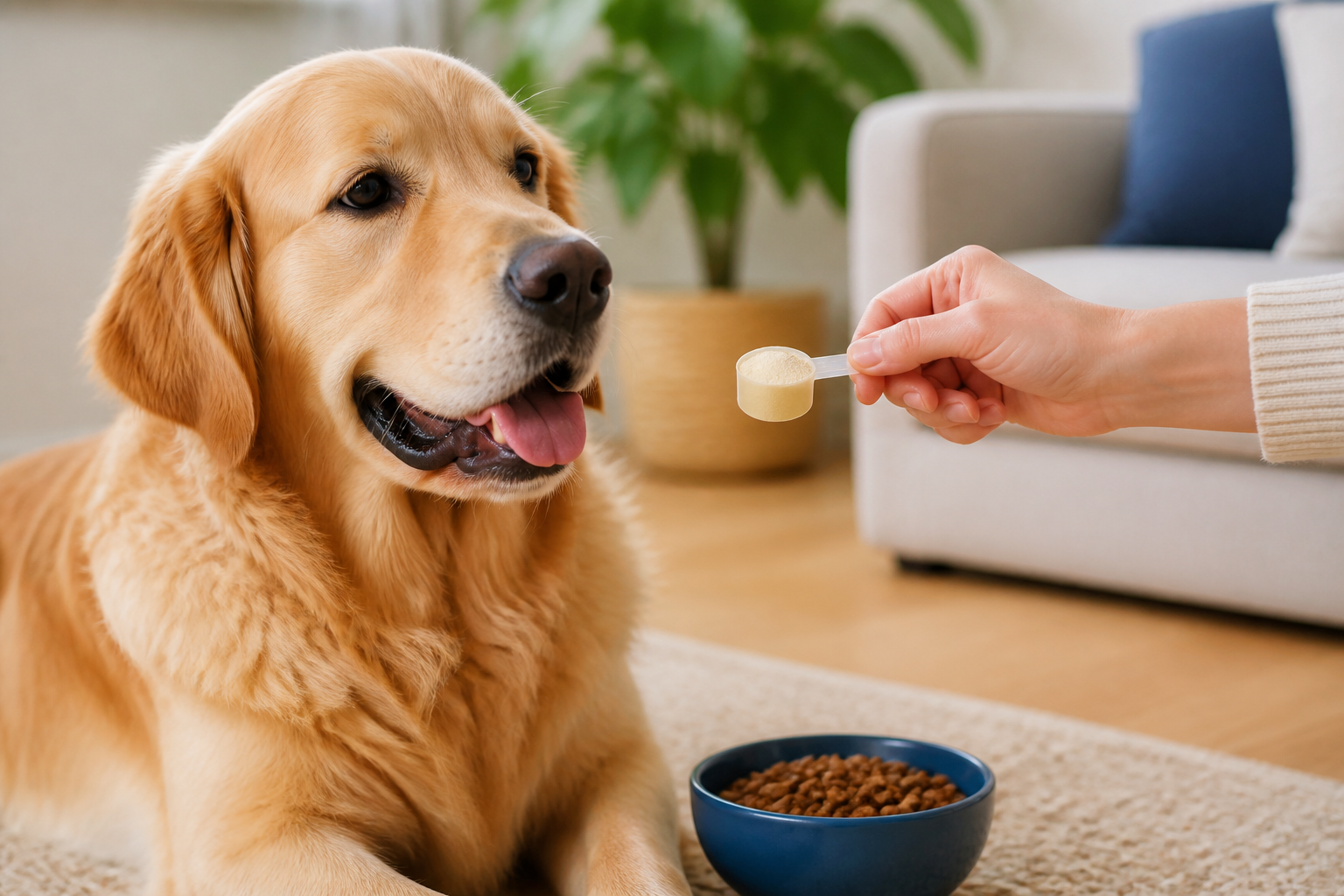
Step 4: Give the supplement with a meal. / Feeding probiotics alongside food can help buffer the stomach and may reduce the chance of nausea or sudden urgency.
Key Takeaway: A slow transition is the most effective way to prevent probiotic-induced diarrhea. By spreading the introduction over a week, you give the gut biome time to rebalance without triggering a significant inflammatory response.
Choosing Quality Over Quantity
Not all probiotics are created equal. The market is full of options, and it is easy to get lost in the numbers. You might see "10 Billion CFU" on one label and "1 Billion" on another. While a high Colony Forming Unit count sounds better, the specific strains matter more than the raw number. Different strains of bacteria do different jobs. For example, Enterococcus faecium is often used for acute diarrhea, while Bifidobacterium animalis is frequently used for general gut health and stool quality.
We carry several trusted brands at BaxterBoo, including Zesty Paws, Honest Paws, and Cosequin. The Honest Paws Wellness Pre+ Probiotic Dog Supplement is one option formulated for canine digestive support. When you are looking at labels, look for the NASC Quality Seal. This seal from the National Animal Supplement Council means the manufacturer has passed a comprehensive facility audit and maintains strict quality control standards. It also ensures that what is listed on the label is actually inside the bottle.
What to Look for on a Probiotic Label
- Specific strain names (e.g., Lactobacillus acidophilus)
- A guaranteed CFU count through the expiration date, not just at the time of manufacture
- The NASC Quality Seal for third-party verification
- Clear storage instructions, as some live cultures require refrigeration
- An expiration date that is clearly visible
When Your Dog Needs More Than a Supplement
Sometimes diarrhea is not a side effect of a supplement. It might be the symptom of an underlying condition that the probiotic simply cannot fix on its own. If your dog has chronic loose stools, they might be dealing with a food allergy, a parasitic infection like giardia, or an inflammatory bowel condition. Probiotics are excellent supportive tools, but they are not a replacement for medical treatment.
If your veterinarian determines that your dog has a chronic health issue, they may prescribe a specific therapeutic diet or medication. Our pet pharmacy offers FDA-approved medications and prescription pet foods through our partnership with Pet's Choice. This includes prescription diets from brands like Royal Canin and Farmina Vet Life that are formulated for dogs with extreme digestive sensitivities. These products often work in tandem with high-quality probiotics to restore health over several months.
Bottom line: Probiotics are wellness supports, but chronic or severe diarrhea needs a veterinary diagnosis and may require prescription intervention through a licensed pharmacy.
Common Myths About Probiotics and Diarrhea
There is a common misconception that if a dog gets diarrhea after a probiotic, it means the product is "detoxing" the system. In veterinary medicine, we do not really use the term detox this way. Diarrhea is not a sign of toxins leaving the body. It is a sign of intestinal irritation. If the diarrhea persists, the product is not working for your dog, or the dose is too high.
Another myth is that human probiotics are just as good for dogs. While human products are not necessarily toxic, they are designed for the human gut microbiome. Dogs have a more acidic stomach and a shorter digestive tract. They also have different native bacteria. Using a species-specific supplement ensures that the bacteria can actually survive the trip through the stomach acid to colonize the lower intestines where they are needed.
Managing the Mess While They Adjust
If your dog is currently experiencing a mild bout of loose stools while adjusting, you can help them feel better. Make sure they have constant access to fresh, clean water. Diarrhea can lead to dehydration quickly, especially in small breeds or senior dogs. You might also ask your vet about a temporary bland diet of boiled chicken and white rice. This can help "reset" the gut while you pause the probiotic and wait for the stools to firm up.
Once the stools are back to normal, you can try reintroducing the probiotic at a much lower dose. If the diarrhea returns even with a tiny amount, that specific formula might not be the right fit for your dog. Every dog is an individual. What works wonders for your neighbor's dog might not suit yours. Do not be afraid to switch brands or try a different delivery method, such as moving from a chew to a flavorless powder. For additional context about diet-related digestive upset, read what can cause diarrhea after a diet change.
Key Takeaway: Persistence is not always the answer. If a probiotic causes consistent upset, listen to your dog's body and try a different strain or a more specialized prescription diet from our pharmacy if recommended by your vet.
Conclusion
Probiotics are a fantastic tool for supporting your dog's immune system and digestive health. While it is common for dogs to experience a brief period of loose stools when starting a new supplement, this should never be a long term or severe issue. By choosing high-quality brands at BaxterBoo, starting with a very low dose, and watching for red flags, you can safely navigate the transition to a healthier gut. Remember that your veterinarian is your best resource for any persistent health concerns. If your dog's stomach issues require more than a daily supplement, our pharmacy is here to help with prescription options. For regular users of supplements and food, our Autoship programme is a great way to save money and ensure you never run out of the essentials.
FAQ
How many days does probiotic diarrhea last in dogs?
In most cases, a mild adjustment period should only last between three and five days. If your dog’s stools do not begin to firm up after a few days of a reduced dose, you should pause the supplement and speak with your vet. Prolonged diarrhea can lead to dehydration and nutrient imbalances that need professional attention.
Can I give my dog a human probiotic if they have diarrhea?
It is generally better to use a probiotic specifically formulated for dogs because their gut microbiome is different from ours. Human products may contain higher doses than a dog needs or ingredients like xylitol that are toxic to pets. A canine-specific product ensures the bacterial strains are chosen for their ability to survive the unique environment of the dog's digestive tract.
Should I stop giving the probiotic if my dog has gas?
Mild gas is a very common side effect and usually means the bacteria are active and fermenting fiber in the gut. As long as your dog is not in pain, bloated, or acting lethargic, you can usually continue the supplement at a lower dose. If the gas is accompanied by a very hard, distended belly, you should seek veterinary care immediately as this can be a sign of a more serious condition.
Is it better to give probiotics on an empty stomach or with food?
Most manufacturers recommend giving probiotics with a meal to help buffer the bacteria against stomach acid and reduce the risk of nausea. Feeding the supplement with food can also slow down the transit time, which may help prevent the sudden urgency or loose stools associated with a new supplement. Always check the specific instructions on your product's label for the best results.