
 Save 15% on your 1st Autoship learn more

 Email us
 Live Chat
 FAQs
FAQs





Introduction
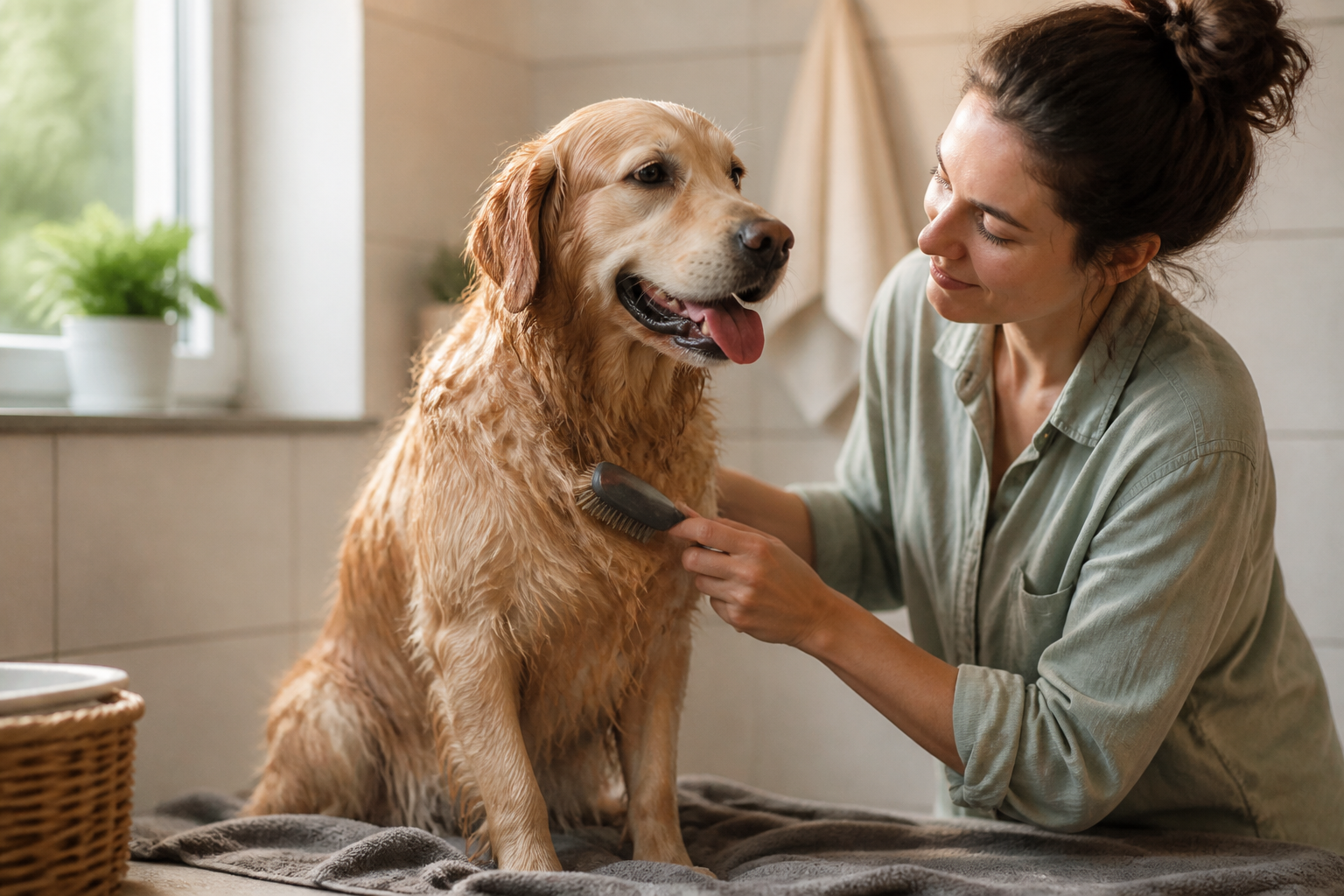
You just finished rinsing your dog, and they are currently a soggy, shivering mess on the bathroom floor. As you reach for the towel, you might wonder if now is the perfect time to work out those stubborn tangles while the hair is slick. At BaxterBoo, we hear this question from many owners who want to simplify their grooming routine without causing their pets discomfort. While the short answer is yes, the full answer depends entirely on your technique and the products you use. This post explains exactly when it is safe to brush a wet coat and when you should wait for the fur to dry completely. Brushing a wet dog can either be a time saving miracle or a recipe for hair breakage.
Quick Answer: You can brush a dog when wet only if you have applied a high quality conditioner or detangling spray. Brushing a soaking wet coat without lubrication can stretch and break the hair shafts because wet fur is at its weakest tensile state.
The Science of Your Dog's Wet Coat
To understand why wet brushing is controversial, you have to look at the structure of the hair itself. A dog's hair is made of keratin proteins held together by different types of bonds. These include hydrogen bonds, which are easily broken by water. When your dog gets wet, the hair cuticle swells and the hair becomes more elastic. This sounds like a good thing, but it actually makes the hair much more fragile.
When you pull a brush through wet, unlubricated hair, the strands stretch like a rubber band. If they stretch too far, they snap or become permanently damaged. This lead to a frizzy, dull appearance once the coat finally dries. However, when you add a professional grade conditioner, you are providing a protective layer that helps the brush glide rather than pull.
The Three Main Hair Bonds
- Hydrogen Bonds: These are the most common and are broken by water. They reset as the hair dries.
- Disulfide Bonds: These are the strongest bonds and give the hair its shape. If these break, the coat looks damaged and lifeless.
- Salt Bonds: These are fragile and can be broken by changes in pH, such as using human shampoo on a dog.
Key Takeaway: Water makes hair more elastic but also more prone to breakage. Never brush a saturated coat unless you have used a product to provide "slip" between the hair strands.
Why Professional Groomers Often Brush in the Tub
If you visit a professional grooming shop, you might see them brushing dogs while they are still in the bathtub. This might seem to contradict the warning about wet hair being fragile. The secret is that professionals use the bathing process to manage the coat more efficiently. Working on a clean, conditioned coat is often easier than fighting through a dirty, dry one.
When a dog is dirty, their coat is full of dust, sebum, and microscopic debris. This grit acts like sandpaper against your grooming tools. Brushing a dirty dog can actually dull your expensive brushes and clipper blades much faster. By washing the dog first and applying a heavy duty conditioner, groomers can slide a brush through the hair to remove dead undercoat with minimal resistance. Explore our dog shampoo and conditioner collection when preparing for a bath.
Benefits of Brushing During the Bath
- Dander Control: Washing the dog first traps allergens, dust, and dander in the water. This prevents you from breathing in those particles while you brush.
- Product Distribution: Brushing while the conditioner is on ensures that the product reaches every layer of the coat, right down to the skin.
- Faster Deshedding: The weight of the water and the slickness of the conditioner help dead undercoat slide right out of the follicle.
Vet Tip: If you notice red patches, sores, or a strong odor while grooming your wet dog, they may have a skin infection or "hot spot" trapped under the fur. Our pet pharmacy offers FDA approved medicated shampoos and treatments through our partnership with Pet's Choice that can help manage these conditions.
When You Should Never Brush a Wet Dog
There are specific situations where taking a brush to a wet dog is a mistake. The biggest danger is dealing with mats. Many owners believe that getting a mat wet will help it slide out. In reality, water often acts like a glue for tangled hair. When a mat gets wet and then dries without being brushed out, it can tighten into a hard knot that is nearly impossible to remove without clippers.
If your dog is heavily matted, you should always handle the detangling process while the coat is dry. Use a high quality detangling spray to provide lubrication. If you get a matted dog wet before removing the knots, the moisture can become trapped against the skin. This leads to irritation and bacterial growth. For additional bathing guidance, read our tips for bathing your dog.
Avoid Wet Brushing If:
- The coat is dirty: Never brush a wet, unwashed coat. The grit will damage the hair and your tools.
- There are tight mats: Water will only make these mats tighter and harder to remove.
- You have no conditioner: Brushing a wet coat with just water is the fastest way to cause hair breakage.
Bottom line: Only brush a wet dog if the coat is clean and saturated with a professional conditioning product.
Essential Tools for Wet Brushing
Not all brushes are created equal when it comes to wet hair. You want a tool that can penetrate the coat without scratching the skin, which is softer and more sensitive when wet. We carry several brands at BaxterBoo that are designed for this specific purpose. Browse our dog brushes and combs to compare tools for different coat types.
A pin brush with rounded tips is often the best choice for wet grooming. These pins are designed to move through the hair without snagging. If you have a double coated breed like a Golden Retriever or a Sheltie, a rake style tool can help pull out the dead undercoat while the conditioner is still in the fur.
Recommended Tool Types
- Pin Brushes: Look for extra fine, rounded pins that feel gentle on your own skin.
- Wide Tooth Combs: These are perfect for checking your work and ensuring no tangles are hiding in the damp fur.
- Rubber Curry Brushes: Best for short haired breeds like Labs or Beagles to remove loose hair during the scrubbing phase.
We highly recommend using a leave in spray like Chris Christensen Ice on Ice. This product creates a protective barrier on the hair shaft. It repels dirt and helps your brush move through the hair effortlessly. You can also browse our dog grooming supplies for shampoos, conditioners, brushes, and bathing accessories.
The Correct Way to Brush a Wet Dog
If you decide to brush your dog while they are damp, follow a specific routine to protect their coat. The goal is to minimize tension and maximize the effectiveness of your products.
Step 1: Thoroughly wash the dog. / Use a high quality dog shampoo to remove all dirt and oils from the coat.
Step 2: Apply a generous amount of conditioner. / Let it sit for a few minutes to ensure it penetrates the hair shaft and softens the cuticles.
Step 3: Gently towel dry. / Blot the hair rather than rubbing it vigorously. Rubbing can create new tangles and cause frizz.
Step 4: Use a detangling spray. / Even with conditioner, a dedicated spray provides an extra layer of protection against breakage.
Step 5: Brush in sections. / Start from the bottom of the legs and work your way up the body. This prevents you from pulling on tangles from the top down.
Key Takeaway: Always use a "blotting" motion with your towel before brushing to prevent the hair from knotting further.
Managing Senior Dogs and Special Needs
Senior dogs often have thinner skin and may suffer from joint stiffness. For these pets, the grooming process should be as quick as possible. Wet brushing can actually be helpful here because it speeds up the deshedding process. However, you must be extremely gentle.
Older dogs may also have lumps, bumps, or skin tags that are harder to see when the hair is wet and flat. Move slowly to avoid nicking these areas with your brush. If your senior dog finds standing in the tub difficult, consider using a non slip mat to give them better traction.
Vet Tip: For senior pets managing mobility issues or chronic skin allergies, regular grooming is vital. If your vet has prescribed a specific medicated wash or oral medication, our pharmacy at BaxterBoo can help you manage those prescriptions conveniently.
Common Myths About Wet Brushing
There is a lot of conflicting advice in the pet world about grooming. One common myth is that you should never, under any circumstances, brush a wet dog. As we have discussed, this is only true if you are brushing a dirty or unconditioned coat. Another myth is that brushing a wet dog causes more shedding. Brushing doesn't create more shedding; it simply removes the hair that was already loose but trapped in the coat.
Some owners also believe that air drying is always better than using a blow dryer. For many breeds, especially those with thick undercoats, air drying can leave the skin damp for too long. This can lead to a "wet dog smell" caused by bacteria. Using a high velocity dryer on a damp, brushed coat is the best way to ensure the skin is dry and the hair is fluffy.
Bottom line: Wet brushing is a professional technique that is safe for home use as long as you prioritize lubrication and cleanliness.
Maintaining Your Gear
Since wet brushing involves moisture, you must take care of your tools. After a grooming session, make sure to dry your brushes thoroughly. Metal pins can rust if left damp, and wooden handles can crack over time. If you use a slicker brush, tap it out and let it air dry with the pins facing down.
If you are a frequent buyer of grooming supplies, our MVP Rewards program is a great way to save on replacements. You can earn points on every purchase of brushes, shampoos, and detanglers. Keeping your tools in top shape ensures that you aren't pulling on your dog's hair with rusty or damaged pins.
Conclusion
Brushing your dog when wet is a powerful tool in your grooming kit if done correctly. By focusing on a clean coat and using plenty of conditioner, you can reduce shedding and keep your dog's fur looking vibrant. Remember to always avoid brushing wet mats and to use tools designed for damp hair. If you stay consistent with your grooming routine, you will find that your dog's coat becomes much more manageable over time. For those looking to save time and money, consider setting up our Autoship programme for your favorite conditioners and detangling sprays. This ensures you never run out of the supplies you need to keep your dog's coat healthy and tangle free.
FAQ
Can I brush my dog right after a walk in the rain?
It is best to wait until you can wash them or at least apply a detangling spray first. Rainwater often carries dirt and pollutants that can make the hair gritty. Brushing a dirty, wet dog after a walk can lead to hair breakage and will likely dull your brush.
Why does my dog's hair feel frizzy after I brush it wet?
Frizz is usually a sign of hair breakage or lack of moisture. If you are brushing without enough conditioner, you are likely stretching the hair until it snaps. To fix this, always use a leave in conditioner and ensure you are blotting the hair dry rather than rubbing it with a towel.
Does wet brushing help with shedding?
Yes, wet brushing is one of the most effective ways to manage heavy shedding. The water and conditioner help release the dead undercoat that usually gets stuck in the topcoat. When combined with a high velocity dryer, wet brushing can significantly reduce the amount of hair you find around your house.
Is it better to brush a Doodle wet or dry?
Doodles and other curly coated breeds should generally be brushed when they are dry or only slightly damp with a detangling spray. However, during a bath, brushing through a thick layer of conditioner can help manage their curls. Never try to brush a wet, unconditioned Doodle, as their hair is highly prone to matting and breakage.






