
 Save 15% on your 1st Autoship learn more

 Email us
 Live Chat
 FAQs
FAQs





Introduction
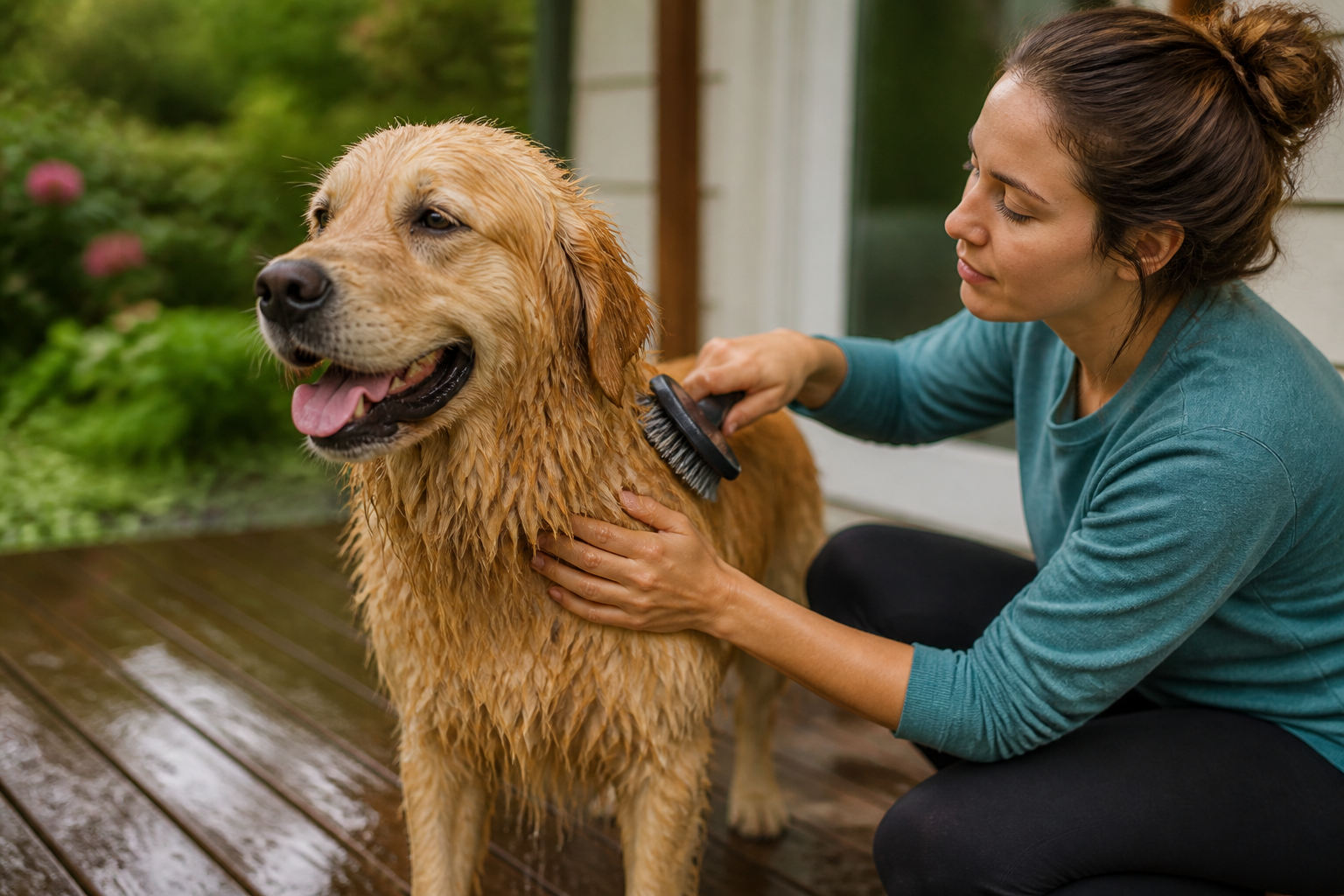
You might find yourself standing in the bathroom with a damp, shivering dog after a bath or a walk in the rain. Your first instinct is likely to grab a brush to smooth out those soggy clumps of fur before they dry into a tangled mess. It seems like a logical way to save time and keep your pet looking neat. However, the question of whether you should brush a dog while wet is a topic of much debate among professional groomers and pet owners alike. At BaxterBoo, we believe that understanding the science behind your dog's coat is the best way to keep them comfortable and healthy. This article covers the risks of brushing wet hair, the rare occasions when it is actually beneficial, and the specific tools you need for the job. You will learn how to protect the integrity of the hair shaft while maintaining a beautiful, mat-free coat.
Quick Answer: You can brush a dog while wet, but it is generally safer to brush them when they are dry. Wet hair is more elastic and prone to breakage, so you should only brush a wet coat if you are using a high-quality conditioner to provide lubrication.
The Science of Wet Pet Hair
To understand why brushing a wet dog can be risky, you have to look at the structure of the hair itself. Each strand of hair is held together by different types of bonds. Hydrogen bonds are the most relevant when it comes to water. These bonds are responsible for the hair's strength and shape. When water hits the coat, it breaks these hydrogen bonds. This makes the hair more elastic but also significantly weaker.
When your dog's hair is saturated with water, the outer layer, known as the cuticle, begins to swell. This swelling makes the hair shaft more vulnerable to friction. If you pull a brush through wet hair, you are stretching a strand that is already in its weakest state. This often leads to snapping, fraying, and long-term damage to the coat's texture.
Dry hair is structurally much stronger. It does not have the same level of elasticity, which means it resists the pulling force of a brush or comb more effectively. For most breeds, waiting until the coat is fully dry ensures that you are working with the hair at its most resilient.
Why Professionals Sometimes Brush Wet
Even though wet hair is fragile, many professional groomers actually prefer to do some brushing while the dog is in the tub. This is often called the wet brushing technique. The key difference between a professional doing this and an owner doing it at home is the use of products. A pro will never brush a wet dog without a significant amount of conditioner or a detangling spray.
Conditioner acts as a lubricant. It fills in the gaps in the swollen hair cuticle and allows the brush to glide through without snagging. This technique is particularly helpful for heavy shedders or double-coated breeds like Huskies or Golden Retrievers. The water and conditioner work together to help release the dead undercoat that might be trapped against the skin.
When done correctly, this can speed up the grooming process. It allows the groomer to remove a large amount of loose fur before the drying process even begins. This means less hair flying around the room when the high-velocity dryer starts up. However, this should only be done on a clean, conditioned coat.
Key Takeaway: Brushing wet hair without lubrication causes microscopic tears in the hair shaft, leading to a dull and frizzy appearance over time.
The Danger of Wet Mats
One of the most common reasons owners try to brush a wet dog is because they see mats forming. Unfortunately, this is often the worst time to tackle a tangle. Water acts like a glue for existing mats. When a knot gets wet, the hair fibers swell and tighten against each other.
If you try to brush out a wet mat, you will likely cause your dog a great deal of pain. The hair will not slide through the knot. Instead, the brush will simply pull on the skin. This can lead to brush burn, which is a painful irritation caused by the pins of the brush scraping the skin too hard.
Always try to find and remove mats before the bath. A thorough pre-bath brush-out is the gold standard for home grooming. If you miss a spot and find a mat after the bath, it is usually better to wait until the hair is dry and apply a detangling product before trying to work it out. For additional bath preparation tips, read our guide to bathing your dog.
How to Properly Brush a Wet Dog
If you decide to try the wet brushing method, you must follow a specific process to protect your dog's coat. This is not about a quick pass with a brush after a rainy walk. It is a deliberate grooming step.
Step 1: Wash the coat thoroughly.
Dirt and debris add friction to the hair. You must remove all grime with a high-quality shampoo before you even think about reaching for a brush. Brushing a dirty, wet dog can actually push grit further down toward the skin.
Step 2: Apply a generous amount of conditioner.
Do not skimp on this step. The conditioner provides the "slip" necessary for the brush to move. Let the conditioner sit for a few minutes to fully penetrate the hair shafts.
Step 3: Use a light towel dry.
Do not brush a dog that is dripping wet. Use a towel to gently squeeze out excess moisture. Avoid rubbing the towel vigorously, as this creates more tangles. The coat should be damp, not soaked.
Step 4: Use a gentle pin brush or wide-tooth comb.
Start at the ends of the hair and work your way up toward the skin. Use short, gentle strokes. If you feel any resistance, stop immediately and add more conditioner or water.
Bottom line: Only attempt wet brushing if the coat is clean and saturated with a moisturizing conditioner to prevent breakage.
Identifying Your Dog's Coat Type
The answer to whether you can brush while wet often depends on what kind of fur your dog has. Different textures react differently to moisture and tension.
Short-Haired Breeds
Dogs like Labradors, Boxers, or Beagles have short, sturdy coats. These dogs are the least likely to suffer from hair breakage when wet. For these breeds, using a rubber curry brush during the bath is a great way to remove loose hair. The rubber nubs are gentle on the skin and do not pull on the hair shafts.
Double-Coated Breeds
German Shepherds, Newfoundlands, and Pomeranians have a dense undercoat and a harsher outer coat. These dogs benefit from wet brushing specifically for deshedding. However, you must be careful not to pull too hard on the long guard hairs. The goal here is to move the dead undercoat out, not to stretch the topcoat.
Long-Haired and Silky Breeds
Yorkshire Terriers, Shih Tzus, and Maltese have hair that is very similar to human hair. This coat type is the most fragile when wet. Brushing these dogs while they are damp can lead to split ends and a thin-looking coat. For these breeds, it is almost always better to brush when dry, using a light mist of detangling spray for protection.
Curly-Coated Breeds
Poodles and Doodles have coats that continue to grow and can mat very easily. Many owners of these breeds find that brushing while damp with a leave-in conditioner helps keep the curls from frizzing. It also helps to define the curl pattern as the hair dries. For more coat-care guidance, see our tips on grooming curly-haired dogs.
Essential Tools for the Job
You cannot use just any brush on a wet dog. The wrong tool will scrape the skin or rip through the hair. We stock a wide variety of grooming tools in our dog grooming collection that are designed for different stages of the grooming process.
- Pin Brushes: These are often the best choice for wet brushing long or medium coats. Look for pins with rounded ends to protect the skin.
- Rubber Curry Brushes: These are perfect for short-haired dogs in the bath. They massage the skin and stimulate oil production.
- Slicker Brushes: These should generally be reserved for dry hair. The fine, bent wire bristles can be too aggressive for wet, swollen skin and hair.
- Wide-Tooth Combs: These are excellent for checking your work. If a wide-tooth comb can slide through the damp coat, you have successfully removed the major tangles.
Vet Tip: If you notice your dog's skin is red, bumpy, or has a strange odor after grooming, consult your veterinarian. These could be signs of a skin infection or a hot spot, which often require medicated treatment.
The Role of Brushing Sprays
If you aren't in the middle of a bath but your dog is damp from the rain, a brushing spray is your best friend. These sprays contain light oils or silicones that coat the hair. They provide the lubrication that water lacks.
Even if your dog is dry, many professionals recommend never brushing a "dry" coat. They suggest using a light mist of a grooming spray to reduce static and prevent breakage. This is especially important during the winter months when the air in our homes is dry. Static electricity can make the hair more brittle and prone to matting.
When you use a spray, you are essentially creating a barrier between the brush and the hair. This allows you to remove dust and dander without damaging the cuticle. It also leaves your pet smelling fresh between baths. Explore our dog shampoo and conditioner selection for bathing and coat-care products.
Managing Skin Health and Allergies
Brushing is about more than just looking good. It is a vital part of monitoring your dog's skin health. As you brush, you can look for fleas, ticks, lumps, or signs of irritation. For dogs with environmental allergies, regular brushing can help remove pollen and dust from the coat before they can irritate the skin.
If your dog suffers from chronic skin issues, the type of products you use while brushing becomes even more important. Some dogs may need prescription shampoos or topical treatments to manage conditions like seborrhea or yeast infections. Our pharmacy carries a range of FDA-approved medications and prescription diets through our partnership with Pet's Choice. If your vet has prescribed a specific medicated wash, follow their instructions closely regarding whether to brush the product through the hair or let it sit. For more information about sensitive coats, read our guide to sensitive-skin dog shampoos.
Ongoing skin health often requires a multi-pronged approach. This might include high-quality food rich in Omega-3 fatty acids, regular grooming, and the right medications. If your dog is constantly itchy or has flaky skin, a trip to the vet is the first step toward a solution.
Drying Techniques After Brushing
Once you have finished brushing your damp dog, the next step is ensuring they get dry quickly. Leaving a dog with a thick coat damp for too long can lead to skin problems. Moisture trapped against the skin is a breeding ground for bacteria and fungi.
If you have a dog with a very thick coat, a standard hair dryer from your bathroom might not be enough. Professional high-velocity dryers use a powerful stream of air to literally "blast" the water off the hair. This also helps to blow out any remaining loose undercoat that the brush might have missed.
If you are using a hand dryer, always use the cool setting. A dog's skin is much thinner and more sensitive than human skin. It is very easy to accidentally burn a dog with a hair dryer set to high heat. Move the dryer constantly and keep your hand near the area you are drying to monitor the temperature.
Common Mistakes to Avoid
Many well-meaning pet owners make simple errors that can turn a grooming session into a stressful experience. Avoiding these mistakes will keep your dog happy and their coat in top shape.
- Ripping through knots: Never pull a brush through a mat. If the brush gets stuck, pull it out and try to separate the hair with your fingers first.
- Neglecting the "friction areas": Mats usually start behind the ears, in the armpits, and where the collar sits. Make sure you check these areas even if the rest of the dog looks fine.
- Using the wrong brush: A brush designed for a Husky will likely be too painful for a Chihuahua. Match the tool to the coat.
- Forgetting to rinse: If you are brushing during a bath, make sure every bit of shampoo and conditioner is rinsed out. Residue can cause intense itching and flaking.
Key Takeaway: Proper grooming is a skill that takes practice. Starting slow and using the right products ensures a positive experience for your pet.
Maintaining a Routine
Consistency is the most important part of grooming. If you brush your dog for five minutes every day, you will rarely encounter a mat that requires a difficult wet-brushing session. Daily brushing keeps the coat clean, reduces shedding in your home, and builds a bond of trust between you and your pet.
For many owners, our Autoship programme is a helpful way to stay consistent. You can have your favorite shampoos, conditioners, and grooming sprays delivered on a schedule so you never run out. This is also a great way to save on the items you use most frequently.
If your dog is particularly anxious about grooming, try to keep sessions short and reward them with high-value treats. Over time, they will learn to associate the brush with positive attention. If the anxiety is severe, talk to your vet about calming supplements or medications that can make the process easier for both of you.
Conclusion
While you can brush a dog while wet, it is a technique that requires caution and the right products. For most everyday situations, waiting until the coat is dry is the safest way to prevent breakage and discomfort. If you do choose to brush a wet coat, always ensure the hair is clean and well-conditioned to provide the necessary lubrication. By choosing the right tools and maintaining a regular routine, you can keep your dog's coat healthy and beautiful. We are here to help you find everything you need for your grooming kit, from professional-grade brushes to soothing shampoos. Consider joining our MVP Rewards programme to earn points on your grooming supplies and other pet essentials.
FAQ
Is it better to brush a dog before or after a bath?
It is almost always better to brush your dog before a bath to remove as many mats and loose hairs as possible. Water can tighten existing tangles, making them much harder and more painful to remove once the coat is wet. Brushing beforehand also allows the shampoo to reach the skin more effectively, ensuring a deeper clean.
Does brushing a wet dog cause more shedding?
Brushing a wet dog does not cause more shedding, but it can make it look like the dog is losing more hair because the water and conditioner help release the dead undercoat. However, if you brush a wet dog without conditioner, you may be causing hair breakage rather than true shedding. This damage can make the coat look thinner and less healthy over time.
Can I use a human hairbrush on my wet dog?
You should avoid using human hairbrushes on your dog, as the bristles are often not designed for the density of pet fur. Human brushes can be too soft to reach the undercoat or too sharp for a dog's sensitive skin. It is much better to use a dedicated pet brush, like a pin brush or a rubber curry brush, which is specifically designed for your dog's coat type.
How do I stop my dog's hair from matting after a bath?
To prevent post-bath matting, ensure that you have thoroughly brushed your dog before they get wet. After the bath, use a leave-in conditioner or detangling spray while the coat is still damp, and then dry the dog thoroughly using a towel and a blow dryer. Brushing the coat as it dries can also help keep the hairs separated and prevent new knots from forming.






