
 Save 15% on your 1st Autoship learn more

 Email us
 Live Chat
 FAQs
FAQs





Introduction
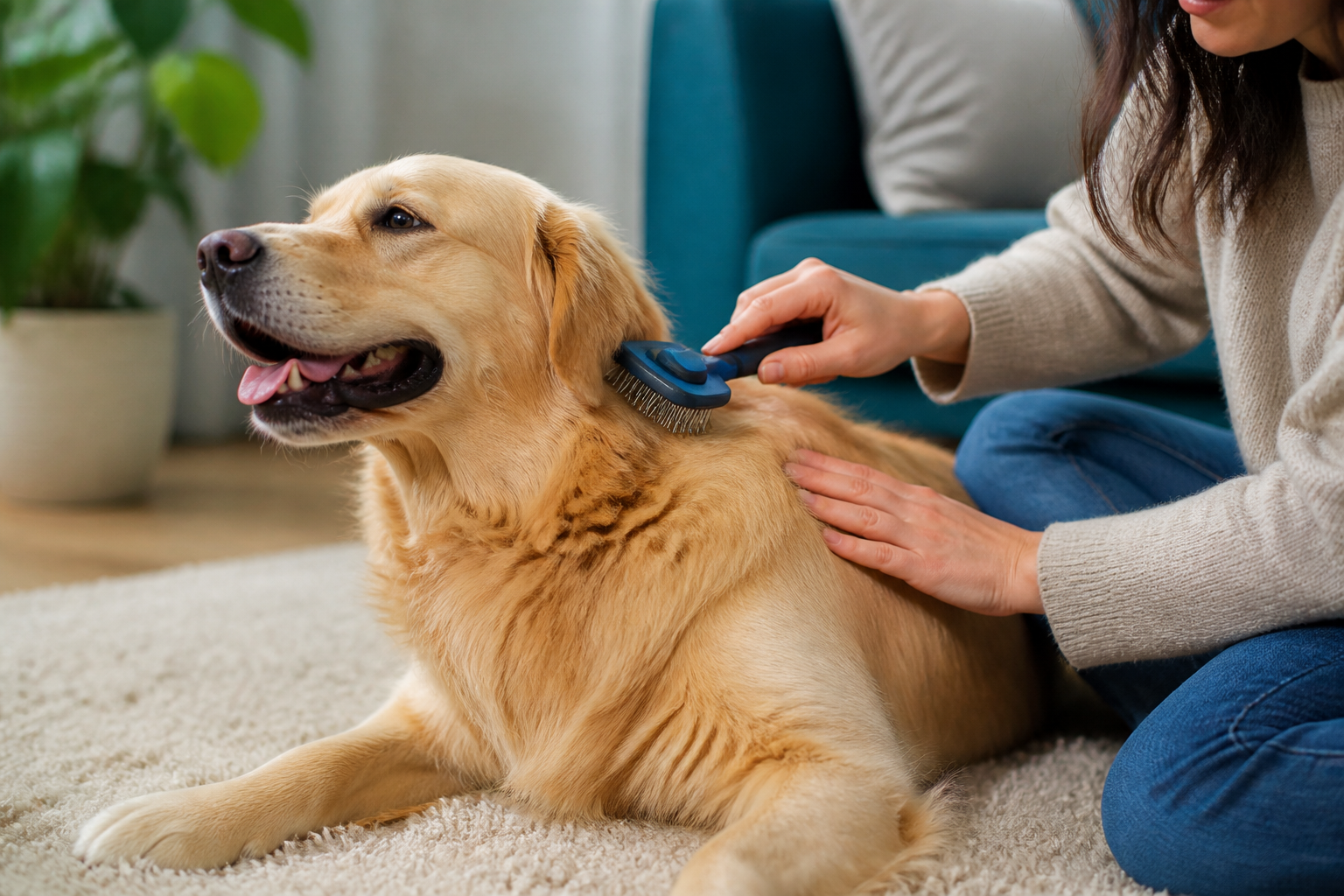
You are sitting on the living room rug with your dog. Every time you pet them, a small cloud of loose fur floats into the air. You have your favorite brush in hand, but you wonder if you should stick to the standard head to tail motion. You might have heard that brushing "backwards" or against the grain is a secret trick for a cleaner coat. At BaxterBoo, we know that grooming is about more than just looks. It is a vital part of your pet's skin and coat health. This post covers when it is safe to brush against the grain, which coat types benefit from it, and how to avoid causing your dog discomfort. Understanding your dog's specific fur type is the first step toward a successful grooming routine.
Quick Answer: You can brush a dog against the grain if they have a double coat or straight, medium-length fur. This technique helps lift the undercoat and loosen trapped hair. You should avoid it for dogs with thin skin, corded coats, or very short, prickly fur.
Understanding the Grain of Your Dog's Coat
The grain refers to the natural direction in which your dog's hair grows. For most dogs, this direction is from the head down toward the tail and from the spine down toward the legs. Brushing with the grain is the most common method. It lays the hair flat and creates a smooth, shiny appearance. Most dogs find this motion relaxing because it mimics the way we naturally pet them.
Brushing against the grain means moving your tool in the opposite direction of hair growth. This action lifts the hair away from the skin. It allows you to see the roots and the skin itself. For many owners, this is the only way to truly reach the dense undercoat where mats often start.
Key Takeaway: Brushing with the grain is for smoothing and finishing. Brushing against the grain is for deep cleaning and removing the heavy undercoat.
When to Brush Against the Grain
Brushing against the grain is often called back brushing. It is a technique used frequently by professional groomers. While it may look a bit messy at first, it serves several important purposes for certain breeds.
Removing the Undercoat
Dogs with double coats have a soft, insulating layer beneath their tougher outer guard hairs. Breeds like Golden Retrievers, Labradors, and Huskies are famous for this. Brushing only with the grain often just slides over the topcoat. By gently brushing against the grain, you lift those guard hairs. This gives your brush or rake direct access to the loose undercoat.
Checking Skin Health
It is hard to see what is happening at the skin level on a fluffy dog. Back brushing parts the hair. This makes it easier to spot issues. You can look for flea dirt, hot spots, or unusual lumps. Finding these problems early allows you to address them before they become serious. If you find signs of parasites, our dog pharmacy carries FDA approved flea and tick preventives through our partnership with Pet's Choice.
Adding Volume
For curly coated dogs like Poodles or Doodles, brushing against the grain is the key to that "fluffy" look. It separates the curls and prevents them from winding into tight mats. It also prepares the coat for an even trim if you are doing a bit of home grooming.
Coat Types That Benefit From Back Brushing
Not every dog should be brushed backwards. The effectiveness of this technique depends entirely on the texture and length of the fur.
- Double Coats: Think of Labs, Corgis, and German Shepherds. These dogs shed a lot. Back brushing helps manage the heavy seasonal "blow out" of their undercoat.
- Wavy or Straight Medium Fur: Breeds like Golden Retrievers or Spaniels often get mats behind the ears and on the legs. Back brushing these areas first can loosen the tangles.
- Curly Coats: Poodles and Bichons need their hair lifted to prevent the curls from felting together at the skin.
Vet Tip: Always check for skin sensitivity before trying a new grooming technique. If your dog has thin skin or existing irritations, brushing against the grain might cause "brush burn." Start with very light pressure and watch for any redness.
When to Stick With the Grain
Some dogs will find back brushing very uncomfortable. In these cases, it can actually damage the coat or irritate the skin.
Short and Smooth Coats
Dogs like Boxers, Great Danes, or Dalmatians have very short hair. There is no undercoat to lift. Brushing these dogs against the grain can feel prickly and annoying to them. It can also cause the short, stiff hairs to poke back into the skin. This leads to folliculitis or small red bumps.
Drop Coats
Breeds with long, silky hair that hangs down, like Yorkshire Terriers or Maltese, have "drop coats." Their hair is very similar to human hair. Brushing a Yorkie against the grain can cause breakage and split ends. It also ruins the natural part of their coat. For these breeds, always brush in the direction of growth.
Corded Coats
If you own a Puli or a Komondor, you should never brush against the grain. Their cords are carefully formed mats. Brushing them backwards would pull on the skin and ruin the structure of the coat.
The Importance of Brushing Sprays
One of the biggest mistakes owners make is brushing a dry coat. This is especially true when brushing against the grain. Dry hair is prone to static. It also breaks more easily when pulled in the opposite direction.
Using a light grooming spray or detangler provides lubrication. It allows the brush to slide through the hair without snagging. This makes the experience much more pleasant for your dog. We carry a variety of dog grooming supplies that can help keep the coat hydrated during your sessions.
How to Use a Spray
Step 1: Mist the coat lightly from about six inches away. / Do not soak the fur. You want a very fine dampness to reduce static.
Step 2: Use your fingers to work the spray into the dense areas. / Focus on the fluffier parts of the legs and tail.
Step 3: Begin your brushing routine. / The spray will help the tool glide through the undercoat.
Essential Tools for Every Coat
The tool you choose is just as important as the direction you brush. Using the wrong brush against the grain can be painful.
Slicker Brushes
These have fine wire bristles. They are excellent for back brushing double coats and curly coats. At BaxterBoo, we recommend choosing a slicker with coated tips if your dog has sensitive skin. This prevents the wires from scratching the surface of the skin. A Master Grooming Tools Ergonomic Slicker Dog and Cat Brush is one available option.
Undercoat Rakes
A rake is designed to go deep. It has long, blunt metal tines. This is the best tool for "raking" out the undercoat on a Husky or a Shepherd. You can use this with the grain to remove loose fur. Using it gently against the grain can help lift the heaviest layers of shedding hair.
Rubber Curry Brushes
For short haired dogs, stick to a rubber brush like the Kong ZoomGroom. These are gentle. Even if you move them in circles or against the grain, the soft rubber nubs massage the skin instead of scratching it.
Safety and Comfort Tips
Grooming should be a bonding time, not a struggle. If your dog hates being brushed, you might be pulling too hard or using the wrong angle.
- Be Gentle on the Belly: The skin on a dog's stomach and inner thighs is very thin. Never brush against the grain in these sensitive areas.
- Protect the Eyes: When brushing the face or "furnishings" around the head, always use your hand to shield the eyes.
- Use the "Pat and Pull" Method: Instead of long, sweeping strokes, use short motions. Pat the brush onto the fur and pull it away. This prevents the bristles from dragging across the skin.
- Watch for Signs of Stress: If your dog is panting, yawning, or trying to walk away, take a break. Forcing the issue can lead to grooming anxiety.
Bottom line: Respect your dog's limits and keep sessions short to build trust.
Managing Skin Conditions and Allergies
Sometimes, a coat looks dull or feels greasy no matter how you brush it. This can be a sign of underlying health issues. If your dog has chronic skin allergies or persistent dryness, brushing alone will not fix the problem.
You may need to switch to a specialized diet. Brands like Farmina and Royal Canin offer formulas designed specifically for skin and coat support. Our pharmacy provides access to prescription pet foods through our Pet's Choice partnership. You can also explore our selection of Royal Canin products.
Vet Tip: If you notice your dog is losing hair in patches or has a strong odor, it is time for a vet visit. Brushing against the grain can help you find these issues, but a professional should handle the diagnosis and treatment plan.
Seasonal Brushing Strategies
Your dog's coat changes with the seasons. In the spring and fall, most double coated dogs "blow" their coats. This is when back brushing is most effective.
During these heavy shedding months, you might need to brush daily. Using the back brushing technique once or twice a week during these periods can significantly reduce the amount of fur on your furniture. For the rest of the year, a standard brushing once a week is usually enough to maintain a healthy shine. For more seasonal shedding guidance, read our tips on managing a dog's shedding.
- Spring: Focus on removing the heavy winter undercoat.
- Summer: Keep the coat thinned out to help with cooling.
- Fall: Remove the summer coat to make room for new growth.
- Winter: Focus on preventing mats caused by wet weather and sweaters.
The Role of Professional Grooming
Even with the best tools at home, a professional groomer can offer a deeper clean. They use high velocity dryers that "blow out" the coat. This process is essentially a very powerful version of brushing against the grain. It removes every last bit of loose undercoat.
If you find that your dog's coat is getting ahead of you, do not be afraid to seek professional help. A groomer can also show you the exact angle to hold your brush for your dog's specific breed. They can help you identify if your dog has a "wire" coat, a "silky" coat, or a "double" coat.
Making Grooming Rewarding
You want your dog to see the brush and wag their tail. Use positive reinforcement to make this happen. Keep a bag of healthy treats nearby. Give a small reward after you finish a difficult area, like the back legs or the tail.
The MVP Rewards program is a great way to save on the treats and tools you use every day. You can earn points on every purchase to use toward future grooming supplies or high quality food.
A Note on Senior Dogs
As dogs age, their skin becomes thinner and less elastic. They may also develop arthritis in their hips and spine. Brushing against the grain can be more uncomfortable for seniors because it pulls on the skin differently than a smooth, downward stroke.
Be extra cautious with older pets. If they have lumps or fatty tumors (lipomas), brushing against the grain can accidentally snag the skin over these bumps. Always use a very soft touch and check for any new growths before you start your routine.
Conclusion
Brushing against the grain is a powerful tool in your grooming kit. When used correctly on double coated or curly breeds, it removes trapped fur and keeps the skin healthy. However, it is not a universal rule. Short haired dogs and drop coated breeds do best with traditional head to tail brushing. We recommend starting slowly with a light touch and a high quality grooming spray. If you notice any skin irritation or persistent itching, remember to consult your veterinarian. Our pharmacy is always available for prescription needs through our partnership with Pet's Choice. Whether you are prepping for a dog show or just trying to keep your sofa clean, the right technique makes all the difference. Consider signing up for our Autoship programme for your favorite grooming sprays and treats to ensure you never run out of the basics.
FAQ
Is it painful for a dog to be brushed against the grain?
It is not painful if your dog has a thick undercoat and you use the correct tools. However, it can be very uncomfortable for dogs with short hair or sensitive skin. Always use light pressure and watch your dog's body language for signs of distress.
Does brushing against the grain help with shedding?
Yes, for double coated breeds, it is one of the best ways to manage shedding. It lifts the loose undercoat that standard brushing often misses. This prevents the hair from falling out around your home later.
Should I brush my dog against the grain before a bath?
It is actually better to do a thorough brushing before a bath to remove mats. Water can make existing mats tighter and harder to remove. You can brush against the grain to loosen the undercoat, then use a de-shedding shampoo during the bath.
Can back brushing cause my dog to get a skin rash?
If you use a brush with sharp metal pins or apply too much pressure, you can cause "brush burn." This is a red, irritated rash. To avoid this, always use a grooming spray and ensure your brush is appropriate for your dog's skin sensitivity.






