
 Save 15% on your 1st Autoship learn more

 Email us
 Live Chat
 FAQs
FAQs





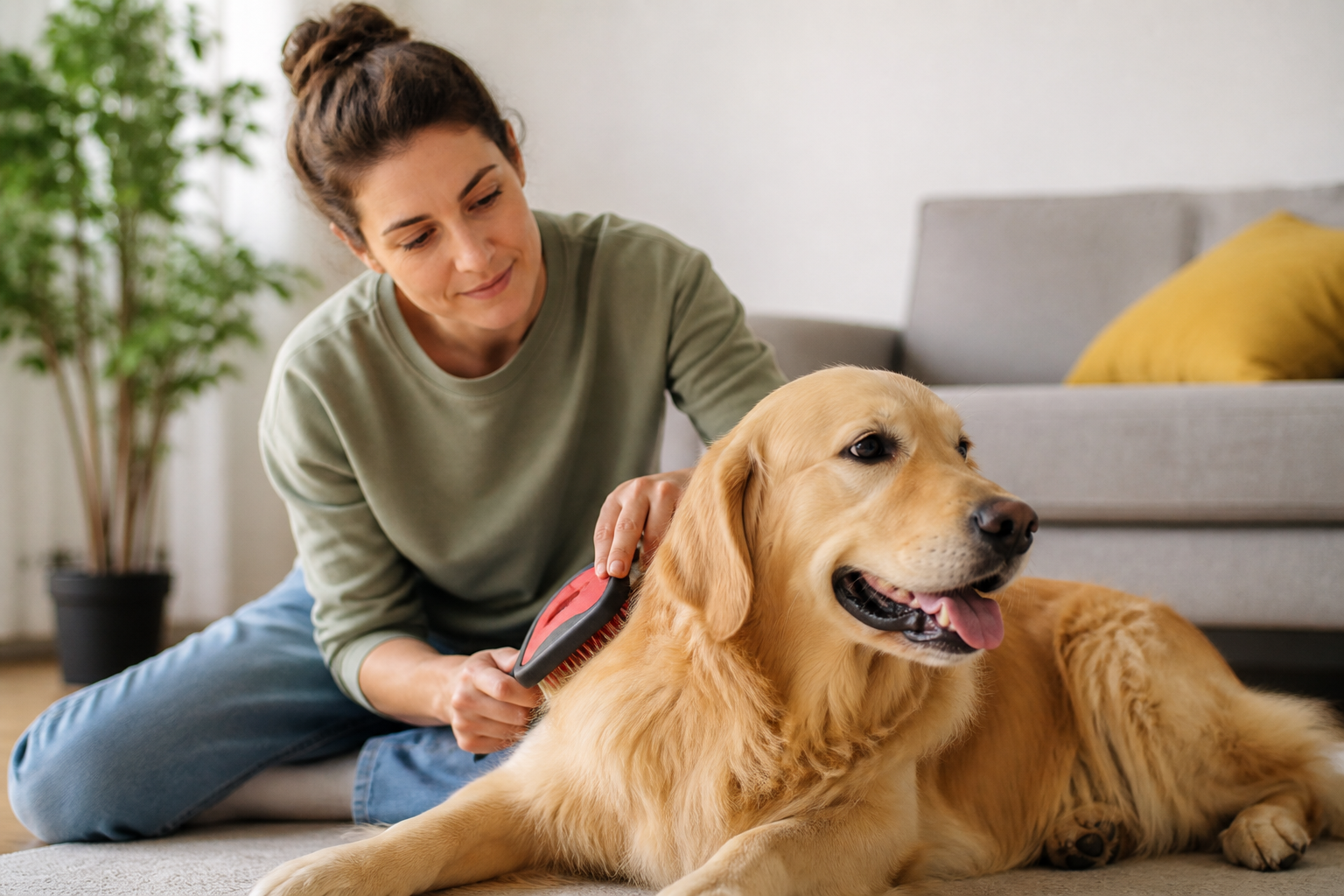
Introduction
You just applied a flea treatment to your dog and now you see those tiny pests scurrying through the fur. It is natural to want to grab a brush and help your dog get some relief immediately. However, rushing to groom your pet can sometimes do more harm than good depending on the type of medication you used. At BaxterBoo, we talk to pet owners every day who are navigating the frustrations of a flea infestation. We know you want to do what is best for your dog's comfort while ensuring the medicine actually works. This guide covers exactly when it is safe to brush your dog after various flea treatments and how to manage the grooming process without accidentally removing the product. The timing of your grooming routine is the key to breaking the flea life cycle for good.
Quick Answer: If you used a topical spot-on treatment, wait 24 to 48 hours before brushing or combing the application site. For oral medications, you can brush your dog immediately. Always check the specific product label because some formulas rely on skin oils that brushing can disturb.
The Importance of Timing with Topical Treatments
Topical treatments are some of the most popular flea preventives on the market. These are the liquids you squeeze onto the skin between your dog's shoulder blades. Brands like Frontline or PetArmor are common examples. These medications work by spreading through the natural oils in your dog's skin. This process is not instant. It takes time for the liquid to move from that one spot across the rest of the body.
If you brush your dog too soon after applying a topical liquid, you risk several problems. First, the bristles of the brush can physically lift the medication off the skin and hair. This reduces the amount of active ingredient left to fight the fleas. Second, brushing can stimulate the skin and spread the product into the fur rather than letting it soak into the oil layer of the skin. This makes the treatment less effective and can leave a greasy residue on your dog's coat that is hard to get out.
Most experts recommend a 24 to 48 hour waiting period. This window allows the product to dry completely and begin its distribution phase. During this time, you should also avoid touching the application site with your hands. If you must brush your dog's tail or legs, stay far away from the neck and shoulders where the medicine was applied. For more prevention options, explore our flea and tick collection.
Key Takeaway: Brushing too early after a topical application can strip away the medication before it has a chance to spread through the skin oils.
Brushing After Oral Flea Medications
Oral flea treatments have changed the game for many pet owners who prefer a cleaner application. Products like NexGard or Bravecto are given as a chewable tablet. Because the medication enters the bloodstream directly through the digestive system, there is no chemical residue on the fur or skin. This means there is no waiting period for grooming.
In fact, brushing your dog after they take an oral flea pill can be very helpful. Once the medicine starts working, fleas will often become hyperactive before they die. They may move to the surface of the coat, making them easier to see. You can use a flea comb from our grooming collection immediately to remove these dying pests and the debris they leave behind. This provides instant physical relief to your dog while the medicine handles the rest from the inside.
Benefits of Brushing After Oral Meds
- No risk of diluting or removing the medication.
- Immediate removal of "flea dirt" (flea waste) and eggs.
- Opportunity to check for skin irritation or flea bite dermatitis.
- Physical comfort for a dog who is likely very itchy.
How Brushing Fits into Flea Collars and Sprays
Flea collars work differently than spot-ons. A collar like Seresto releases low concentrations of active ingredients over several months. These ingredients also use the skin oils to travel across the body. You do not need to wait to brush your dog if they are wearing a flea collar. However, you should be careful not to snag the collar with your brush. Brushing actually helps distribute the oils that the collar releases, so a regular grooming routine is encouraged.
Flea sprays are another story. These are often used for immediate knockdown of a heavy infestation. Because sprays coat a large portion of the fur, you should wait until the spray is completely dry before brushing. Brushing a wet dog can cause the spray to clump or rub off onto your furniture. Once the coat is dry to the touch, a thorough brushing can help remove the dead fleas that the spray has killed. You can compare options in our flea and tick sprays and wipes category.
Managing the Flea Shuffle
When you apply a flea treatment, you might notice your dog starts scratching even more than before. This is sometimes called the flea shuffle. As the parasites are exposed to the medication, their nervous systems become overstimulated. They jump and bite more frequently just before they die. This can be very distressing for your dog.
If you used an oral medication, a gentle brushing with a soft slicker brush can help soothe the skin during this phase. If you used a topical, you have to be more patient. You can gently pet your dog on the belly or areas far from the application site to offer some comfort. Do not use a flea comb near the neck or back until the 48 hour mark has passed.
Vet Tip: If your dog develops severe redness, hives, or starts panting heavily after a flea treatment, stop grooming and contact your veterinarian immediately. These can be signs of an allergic reaction to the medication rather than just flea activity.
Choosing the Right Grooming Tools
Once the waiting period has passed, the type of brush you use matters. A standard brush is great for general coat health, but it might not be enough to handle the aftermath of a flea problem.
The Flea Comb
A flea comb has very fine, closely spaced teeth. It is designed to trap adult fleas, larvae, and eggs. This is the most important tool in your kit. When using a flea comb, keep a bowl of soapy water nearby. As you pull fleas off the dog, dunk the comb into the water to drown them. Otherwise, they may jump right back onto your pet or into your carpet.
The JW GripSoft Flea & Fine Dog Comb is designed for removing tangles, fleas, and eggs from your dog's coat.
The Slicker Brush
A slicker brush has fine wire bristles that are slightly hooked. This is excellent for removing dander and flea dirt from the undercoat. Flea dirt looks like small black pepper flakes. It is actually dried blood. Removing this debris is important because it serves as food for flea larvae living in your home.
Step-by-Step Grooming After Treatment
Step 1: Verify the wait time. / Ensure 48 hours have passed for topicals or that the coat is dry for sprays.
Step 2: Start at the head. / Work your way down the body toward the tail, following the direction of hair growth.
Step 3: Focus on "hot spots." / Spend extra time around the base of the tail, the armpits, and the neck where fleas love to hide.
Step 4: Clean your tools. / Sanitize your brushes and combs after each session to ensure no eggs are left behind.
When to Consult the Pharmacy
Sometimes over-the-counter treatments are not enough to stop a persistent infestation. If you are brushing your dog daily and still seeing live, active fleas after several weeks, it may be time for a stronger approach. Our pet pharmacy carries FDA-approved medications through our partnership with Pet's Choice. These include prescription-strength oral and topical options that often have a faster kill rate than standard retail products.
A veterinarian can help determine if your dog needs a prescription diet or medication to handle secondary skin infections caused by flea bites. Many dogs are allergic to flea saliva, leading to a condition called Flea Allergy Dermatitis. This can cause hair loss and scabbing that requires medical intervention. Having access to a real pharmacy means you can get these professional treatments delivered right to your door alongside your regular supplies.
Brushing and the Home Environment
Brushing your dog is only one part of the battle. Only about 5 percent of a flea population lives on your pet at any given time. The other 95 percent exists as eggs, larvae, and pupae in your carpets, furniture, and bedding. When you brush your dog, you are physically removing some of those life stages from the coat.
However, you must be careful where you groom your dog. If you brush them on the living room rug, you might be shaking flea eggs directly into the carpet fibers. We recommend grooming your dog on a hard surface like a tile floor or outside. This makes it easier to sweep or wash away any debris that falls off the coat. Following up with a thorough vacuuming of your home is essential. The vibrations from the vacuum actually encourage flea pupae to hatch, which allows them to be killed by the residual medication on your dog's skin. You can also explore home and yard flea treatments for additional supplies.
Safety Precautions for Post-Treatment Grooming
Safety should always come first when dealing with chemical treatments. Do not mix different types of flea products without professional advice. For example, do not apply a topical treatment and then put a flea collar on your dog the next day. This can lead to a toxic buildup of chemicals.
When brushing your dog after treatment, watch for any signs of skin sensitivity. Some dogs have very sensitive skin that can become irritated by the combination of flea bites and the alcohol bases used in many topical liquids. If the skin looks bright red or raw, skip the brushing for a few more days. Let the skin heal before you start pulling a comb through the hair.
- Never use cat flea products on dogs.
- Do not apply more than the recommended dose.
- Keep multiple pets separated until topical treatments are dry to prevent them from licking each other.
- Wash your hands thoroughly after grooming a recently treated pet.
Bottom line: Patience is vital when using topical treatments; giving the medicine 48 hours to settle ensures you aren't wasting your money or leaving your dog unprotected.
Maximizing Value and Protection
Managing a pet's health can get expensive, especially during flea season. Our MVP Rewards program allows you to earn points on every purchase, including flea preventives and grooming tools. These points can be redeemed for discounts on future orders, helping you stay consistent with your dog's care.
Consistency is the most important factor in flea prevention. Skipping even one month can allow a new infestation to take hold. This is why many of our customers use our Autoship program. You can set your flea medications to arrive every month or every few months. This ensures you never run out and your dog never has a gap in protection. Plus, Autoship orders often come with extra savings and a free MVP Gold membership, making it a practical choice for busy pet owners.
Beyond the Brush: Comprehensive Care
Brushing is a fantastic tool for monitoring your dog's health, but it is just one piece of the puzzle. A healthy coat starts from the inside. High-quality nutrition and supplements can help strengthen your dog's skin barrier, making them less susceptible to the irritation caused by flea bites. Brands like Zesty Paws or Cosequin offer supplements that support skin and coat health, which can be especially helpful for senior dogs or those with allergies. Browse our dog healthcare collection for additional care options.
If you are dealing with a particularly rough flea season, you might also consider Figo Pet Insurance. Having a flexible insurance plan can provide peace of mind if your dog develops a severe reaction or an illness like tapeworms, which are often spread by fleas. We believe in providing a holistic approach to pet care that combines expert products with practical insurance and pharmacy access.
Supporting Your Dog's Recovery
After the fleas are gone, your dog's skin may still be dry and itchy. This is the perfect time to transition from a flea comb to a more soothing grooming routine. Using a gentle oatmeal-based shampoo or a leave-in conditioner can help restore moisture to the skin. Remember to wait at least 48 hours after a topical flea treatment before giving your dog a full bath, as water can wash away the medication just like a brush can. For general bathing guidance, read our tips for bathing your dog.
Regular grooming sessions are a great way to bond with your dog while staying vigilant. By making brushing a positive experience with plenty of treats, you can turn a chore into a rewarding activity. This also makes it much easier to spot a single flea before it turns into a full-blown infestation.
Key Takeaway: A regular, gentle grooming routine is your best early warning system against future flea problems.
Conclusion
Brushing your dog after a flea treatment is an excellent way to provide relief and monitor the effectiveness of the medicine, provided you follow the right timeline. For topical treatments, waiting 48 hours is the gold standard for safety and efficacy. For oral medications, you can start grooming right away. Always use the right tools, like a fine-toothed flea comb, and maintain a clean environment to prevent reinfestation. If you find that over-the-counter options aren't doing the trick, our pharmacy is here to help with professional-strength solutions through our Pet's Choice partnership.
Next Steps:
- Check your dog's treatment label for specific drying times.
- Pick up a high-quality flea comb for your grooming kit.
- Explore our Medical & Mobility section for skin-soothing supplements.
- Sign up for Autoship to ensure you never miss a monthly dose of prevention.
FAQ
Can I use a flea comb right after applying a spot-on treatment?
No, you should wait at least 24 to 48 hours before using a flea comb on the area where a topical treatment was applied. Combing too soon can remove the medication from the skin and hair, making the treatment much less effective. If you must comb, stay away from the application site on the neck and shoulders.
Does brushing my dog help get rid of fleas faster?
Brushing does not kill fleas, but it is a vital part of the removal process. A flea comb physically removes adult fleas, eggs, and "flea dirt" from the coat, which can provide immediate itch relief for your dog. It also helps you monitor how well the medication is working by showing you the number of dead or dying fleas.
Why is my dog still scratching after I treated them and brushed them?
It is common for dogs to scratch for up to 24 hours after treatment because the fleas become hyperactive as they die. This "flea shuffle" can be very itchy. Additionally, if your dog has a flea allergy, the skin may remain irritated for several days even after the fleas are gone, which might require a soothing bath or a visit to the vet.
What should I do if I brushed my dog immediately after a topical treatment by mistake?
If you accidentally brushed the application site right after treatment, the medication may have been compromised. Do not immediately apply a second dose, as this could lead to toxicity. Instead, monitor your dog for continued flea activity and consult your veterinarian or our pharmacy experts for advice on when it is safe to retreat.






