
 Save 15% on your 1st Autoship learn more

 Email us
 Live Chat
 FAQs
FAQs





Introduction
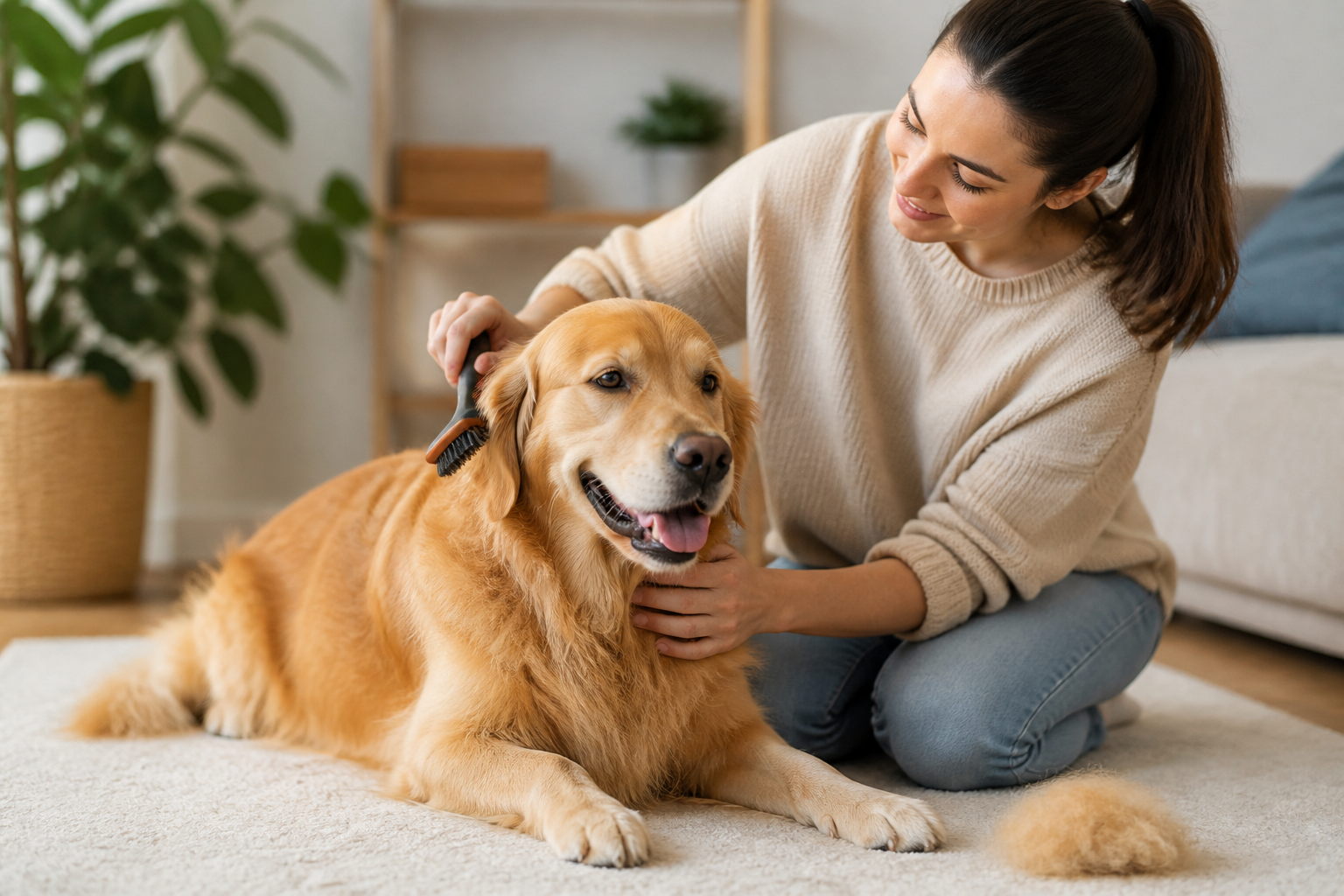
You might be sitting on the living room floor with your dog, enjoying a quiet evening of grooming, when you notice something concerning. Perhaps your dog flinches when the brush passes over their shoulder, or you see a patch of skin that looks a little pinker than usual. It is a common worry for dedicated pet owners who want to keep their companions looking sharp and feeling comfortable. At BaxterBoo, we know that grooming is one of the best ways to bond with your pet, but it is possible to have too much of a good thing.
This post covers the signs of over-brushing, the specific needs of different coat types, and how to choose the right tools to avoid skin damage. We will help you understand how to maintain a healthy coat without causing irritation or stress. Brushing should be a soothing routine, not a source of discomfort for your dog.
Quick Answer: Yes, you can over brush your dog. Excessive brushing or using the wrong tools can cause brush burn, which is a painful skin irritation, and can also lead to coat thinning or broken hair shafts.
Understanding the Risks of Over-Brushing
Brushing serves several purposes beyond making your dog look tidy. It removes loose fur, distributes natural skin oils, and helps prevent painful mats. However, when you brush too frequently or with too much pressure, you risk damaging the very thing you are trying to protect.
The most common result of over-grooming is a condition called brush burn. This is essentially a friction injury. It happens when the bristles or pins of a brush scrape against the skin repeatedly. It is especially common in areas where the skin is thin, such as the inner thighs, the armpits, or behind the ears. If your dog starts to pull away or lick a specific area after you have groomed them, they may be experiencing this discomfort.
Over-brushing can also strip the coat of its natural protective qualities. Dogs have oils on their skin that keep the hair supple and provide a barrier against allergens and moisture. Constant brushing can pull these oils away, leaving the skin dry and the hair brittle. Over time, this makes the coat more prone to tangling, which often leads owners to brush even more, creating a frustrating cycle.
Identifying Brush Burn and Skin Irritation
Recognizing the early signs of skin irritation can prevent a minor scrape from becoming a serious health issue. You should regularly inspect your dog's skin during and after every grooming session.
Look for these specific signs of over-brushing:
- Redness or a rash-like appearance on the skin
- Small red bumps or pimples
- Thinning patches of fur that were previously thick
- A dog that suddenly becomes "brush shy" or hides when the kit comes out
- Scabs or raw spots, particularly in areas with short fur
If you see these symptoms, it is time to put the brush down and let the skin heal. Continuing to groom an irritated area will only make the inflammation worse. In some cases, these raw spots can lead to secondary bacterial infections.
Vet Tip: If your dog's skin appears bright red, develops a discharge, or seems painful to the touch after grooming, please consult your veterinarian. They can determine if a prescription topical cream or a medicated shampoo from our pharmacy is necessary to soothe the inflammation and prevent a more serious skin infection.
How Coat Type Influences Grooming Needs
Every dog is different, and their breed or coat type dictates exactly how much brushing is appropriate. A routine that works for a Poodle would be far too intense for a Boxer. Understanding your dog's specific hair structure is the first step in avoiding over-grooming.
Smooth and Short Coats
Dogs like Boxers, Dalmatians, and Beagles have very short hair that sits close to the skin. These dogs are the most susceptible to brush burn because there is very little fur to act as a buffer between the brush and the skin. These breeds generally only need a light brushing once or twice a week. Using a rubber curry brush, like the Kong ZoomGroom, is often better than using metal pins for these dogs.
Double Coats
Breeds like German Shepherds, Huskies, and Labradors have a dense undercoat and a tougher outer layer. These dogs shed a lot, which often tempts owners to brush them daily. While they do need regular maintenance, over-using an undercoat rake can actually damage the guard hairs. During heavy shedding seasons, focus on removing the loose undercoat rather than scrubbing the skin.
Curly and Wire Coats
Poodles and Wirehaired Terriers have hair that traps loose fur rather than letting it fall out. This makes them prone to matting. While these dogs require more frequent grooming to prevent knots, the risk here is often "dry brushing." Brushing curly hair when it is completely dry can lead to breakage and frizz. Using a light conditioning spray can help the brush glide through without snapping the hair.
Drop Coats and Silky Coats
Yorkshire Terriers and Maltese have hair that is very similar to human hair. It grows continuously and can tangle easily. These dogs need daily attention, but you must be incredibly gentle. Because their hair is fine, it can pull on the skin easily, causing discomfort. Always use a soft pin brush or a wide-toothed comb to avoid unnecessary tugging.
Key Takeaway: Match your grooming frequency and tool choice to your dog's specific coat type to prevent skin damage while still managing shedding and tangles.
Selecting the Right Tools for the Job
Using the wrong tool is often the primary cause of over-brushing injuries. Even if you only brush your dog once a week, a tool that is too sharp or too stiff can cause immediate damage. Our warehouse stays stocked with various options because we know there is no one size fits all solution. Browse our dog grooming collection to compare brushes, combs, conditioners, and other grooming essentials.
Bristle Brushes
These are excellent for smooth-coated dogs or as a finishing tool for longer coats. They are generally the gentlest option. They work by moving oils along the hair shaft and removing surface dust. You are unlikely to cause brush burn with a soft bristle brush unless you are using extreme pressure.
Slicker Brushes
These have fine, short wires close together. They are fantastic for removing mats and loose hair in medium to long coats. However, these are the most common culprits of brush burn. The wire ends can be sharp. If you use a slicker brush, always use a light hand and avoid pressing the wires directly against the skin. For a specific option, consider the BASS Slicker Style Dog Brush.
Undercoat Rakes
Designed specifically for double-coated breeds, these reach through the topcoat to pull out the fuzzy undercoat. They are highly effective but should be used sparingly. If you keep pulling the rake over the same spot even after the hair has stopped coming out, you will irritate the skin.
Rubber Curry Brushes
These are the safest tools for sensitive dogs. The rubber nubs massage the skin and pull away loose fur without any risk of scratching or scraping. They are perfect for short-haired breeds and for use during bath time. You can explore our dog brushes and combs for rubber curry brushes, soft slickers, and other choices.
Bottom line: Quality tools used correctly are more effective and safer than cheap tools used with heavy pressure.
The Importance of Lubrication: Never Brush a Dry Coat
One of the biggest mistakes pet owners make is brushing their dog when the coat is bone-dry. This is especially true for dogs with medium to long hair. Dry hair has more friction, which leads to static and breakage. When you pull a brush through dry, tangled hair, you are more likely to yank on the skin, which causes pain and leads to over-brushing as you struggle to clear a knot.
Using a detangling spray or a leave-in conditioner makes a massive difference. These products provide lubrication that allows the brush to slide through tangles rather than catching on them. It protects the hair shaft and makes the whole experience more pleasant for your dog. The Top Performance GloCoat Pet Conditioner and Detangler Spray is one option for working through mats and tangles.
Step 1: Mist the coat. / Hold a detangling spray several inches away and lightly mist the area you plan to brush.
Step 2: Work in sections. / Use your fingers to spread the moisture through the fur and identify any large mats.
Step 3: Brush gently. / Start at the ends of the hair and work your way toward the skin, using the spray to help the tool glide.
Step 4: Treat your pet. / Give your dog a small reward, like a piece of a healthy treat, to associate grooming with a positive experience.
For additional bath-time guidance, see these dos and don'ts for bathing your dog.
Creating a Safe Grooming Routine
To avoid the pitfalls of over-brushing, you need a consistent but measured routine. Instead of one long, intense grooming session once a month, aim for shorter sessions more frequently. This keeps the coat manageable and prevents the need for the heavy-duty brushing that causes irritation.
For most dogs, a ten-minute session three times a week is plenty. This allows you to stay on top of shedding and tangles without overworking any single area of the skin. If you find a mat that is too tight to brush out easily, do not keep scrubbing at it with a brush. This is a common way to cause brush burn. Instead, use a specialized mat-breaker tool or consult a professional groomer.
We have found that dogs who are groomed in short, positive bursts are much more relaxed. If your dog is calm, you can be more precise with your movements, which significantly reduces the chance of accidental scratches. If your dog is wiggly or anxious, you are more likely to slip and cause a scrape.
When Grooming Leads to Health Concerns
Sometimes, what looks like over-brushing is actually an underlying skin condition. If you are being very gentle and brushing infrequently, but your dog still has red, itchy skin, the issue might be allergies or a skin infection rather than your grooming technique.
Environmental allergies, food sensitivities, and parasites like fleas can all cause skin inflammation. In these cases, brushing might actually make the dog feel better temporarily by scratching the itch, but it can lead to "hot spots" where the skin becomes raw and weepy.
If your dog is constantly itchy, we recommend talking to your vet about a comprehensive skin health plan. Our pharmacy offers a wide range of FDA-approved flea and tick preventives, as well as prescription diets like Royal Canin or Farmina Vet Life that are formulated for sensitive skin. Managing the underlying cause of the itch will make your grooming sessions much more effective and less likely to cause irritation.
Tips for Success with Sensitive Dogs
Some dogs have naturally thinner skin or are more sensitive to touch. For these pets, you have to be extra cautious. If you have a senior dog, for example, their skin can become thinner and less elastic over time, making them much more prone to injury.
- Use the "arm test" on your brushes: Run the brush against the inside of your own forearm. If it feels scratchy or painful to you, it is likely too harsh for your dog's skin.
- Keep your tools clean: Dirt and old hair buildup on a brush can harbor bacteria. Clean your brushes after every use with mild soap and water.
- Monitor the temperature: If you are using electric clippers or certain metal tools, they can heat up with friction. Check the temperature against your skin frequently.
- Know when to stop: If your dog's skin starts to look pink, stop for the day. It is better to leave a few tangles for tomorrow than to cause a painful burn today.
Key Takeaway: Patience is your best tool. If a coat is in bad shape, it may take several days of short, gentle sessions to get it back to health without causing skin damage.
Conclusion
Finding the right balance in your grooming routine is essential for your dog's comfort and health. While we all want our pets to have a beautiful, shiny coat, it is important to remember that the skin underneath is sensitive. By understanding your dog's coat type, choosing the right tools from the many options we carry, and staying alert for signs of irritation, you can ensure that grooming remains a positive experience.
Remember to keep your sessions short, use a detangling spray to reduce friction, and always listen to your dog's body language. If you ever find that your grooming routine has led to persistent skin issues, our pharmacy partnership with Pet's Choice is here to help with professional-grade solutions recommended by your vet.
To get started on a safer grooming path, take a look at our selection of BASS Brushes and grooming sprays. You can also explore our Autoship programme for eligible repeat-purchase items or learn about the MVP Rewards programme.
- Choose tools specific to your breed's coat type.
- Use light pressure and avoid repetitive strokes in one spot.
- Always use a detangling spray to prevent hair breakage.
- Inspect skin for redness or bumps after every session.
FAQ
What does brush burn look like on a dog?
Brush burn typically appears as a bright red or pink patch of skin that may look shiny or slightly swollen. You might also see small red bumps, scratches, or even tiny scabs if the bristles have broken the skin. It is most commonly found in areas with thin fur, such as the belly, armpits, or the base of the ears.
How often should I brush my double-coated dog to avoid over-grooming?
For double-coated breeds like Labs or Golden Retrievers, a thorough brushing two to three times a week is usually sufficient. During "blow out" seasons when they are shedding their undercoat heavily, you might increase this to daily sessions, but you must be careful to use a gentle touch and avoid digging the undercoat rake into the skin.
Can over-brushing cause my dog's hair to fall out?
Yes, excessive brushing can lead to coat thinning and hair loss. If you use a tool that is too aggressive, such as a de-shedding blade or a harsh slicker brush, it can snap the hair shafts or pull out healthy hair that isn't ready to shed. This results in a patchy, dull appearance rather than a smooth, healthy coat.
What should I do if I accidentally gave my dog brush burn?
If you notice skin irritation after grooming, stop brushing that area immediately to allow it to heal. You can clean the area with a very mild, pet-safe antiseptic or apply a soothing, vet-approved ointment. If the area becomes weepy, develops a foul odor, or doesn't improve within a couple of days, you should contact your veterinarian for a check-up.






