
 Save 15% on your 1st Autoship learn more

 Email us
 Live Chat
 FAQs
FAQs





Introduction
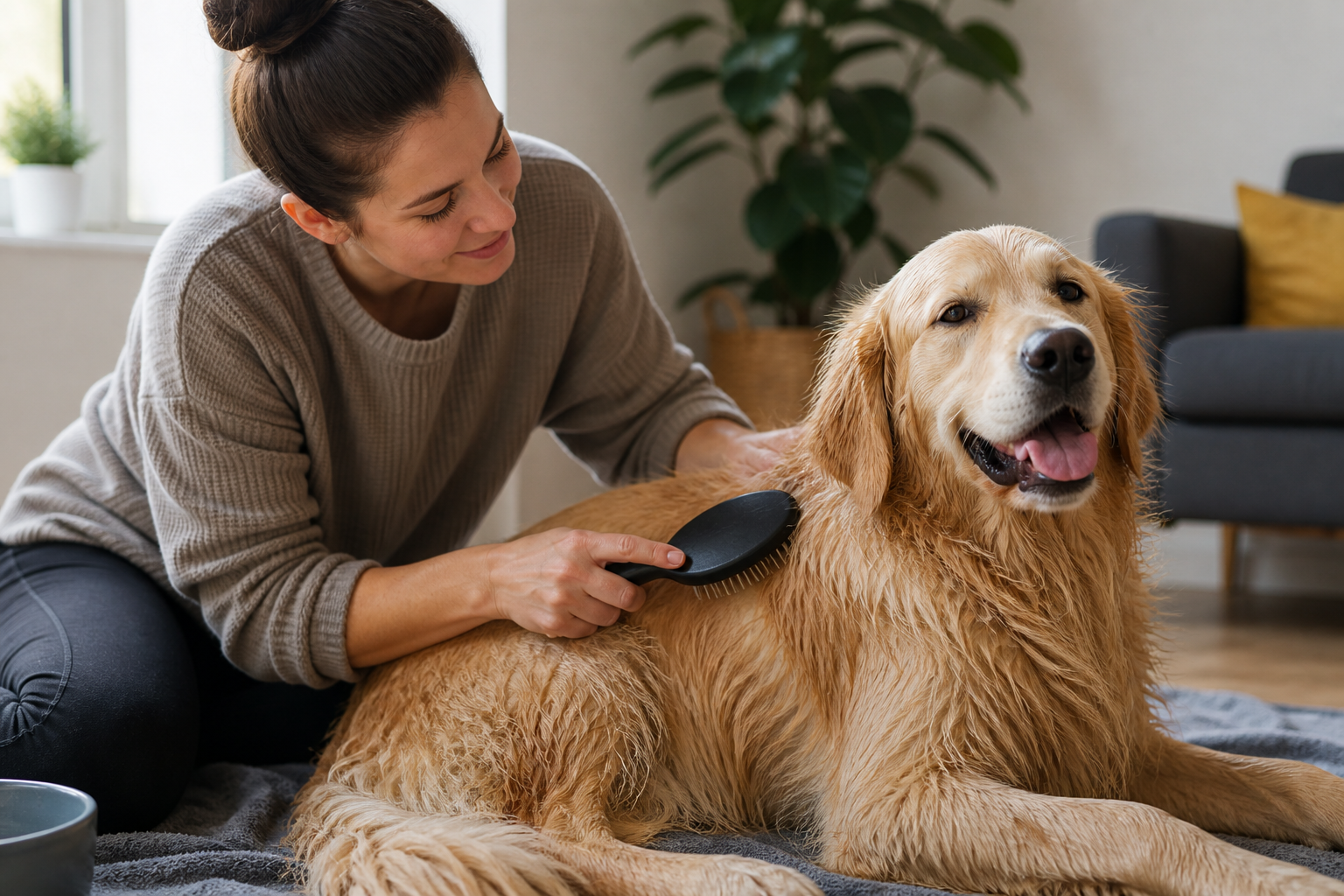
Standing in the bathroom with a damp, shivering dog after bath time is a familiar scene for many pet owners. You might look at your own detangling brush and wonder if it could work on those soggy curls or thick undercoat. At BaxterBoo, we know that grooming at home can feel like a balancing act between keeping your dog comfortable and keeping their coat healthy. Many owners worry that brushing wet hair will cause breakage or pain. However, using the right tools on a wet coat can actually make the process easier and more effective for certain breeds. This post covers the science of wet hair, the best tools to use, and how to protect your pet's skin during the process. Understanding the proper technique ensures your dog stays fluffy and mat-free without the struggle.
Quick Answer: Yes, you can use a wet brush on a dog. It is most effective when the coat is damp and saturated with conditioner or a grooming spray. Avoid pulling through heavy mats while the hair is soaking wet, as water makes the hair more elastic and prone to snapping.
The Science of Wet Dog Hair
To understand why wet brushing is a debated topic, we have to look at the structure of the hair itself. Every strand of your dog's fur is made of keratin. These strands are held together by different types of bonds. Hydrogen bonds are the ones most affected by water. When your dog's coat gets wet, these bonds break temporarily. This makes the hair more elastic and stretchier than it is when dry.
While elasticity sounds like a good thing, it actually makes the hair more fragile. If you pull too hard on a wet tangle, the hair will stretch until it hits a breaking point. This is why many professional groomers warn against rough brushing immediately after a bath. However, water also softens the hair cuticle. When you add a quality conditioner into the mix, the hair becomes slippery. This slip allows a brush to glide through the coat with less friction than dry hair would produce.
Key Takeaway: Water makes dog hair more flexible but also weaker. Always use a lubricant like conditioner or a detangling spray to prevent the hair from stretching and snapping.
Why Brushing a Wet Dog Can Be Beneficial
Many owners find that wet brushing is the only way to manage certain coat types. For dogs with long, silky hair or curly coats like Poodles and Doodles, dry brushing can be a nightmare. Dry hair creates static electricity. This static makes the hair fly around and stick together, which can actually cause more tangles as you work. For more guidance on curly coats, read our tips for grooming a curly-haired dog.
Wet brushing provides several specific advantages:
- It helps distribute conditioners and treatments evenly from the root to the tip.
- It removes loose undercoat more effectively during the shedding season.
- It prevents the formation of "pin knots" that often appear as the hair dries.
- It stimulates the skin and promotes healthy blood flow.
When you brush during the conditioning phase of a bath, you are using the product to protect the hair. This reduces the physical force needed to move the brush. We have found that this method is often much more comfortable for dogs that are sensitive to the "tugging" sensation of dry grooming.
When to Avoid Wet Brushing
While the technique is helpful, it is not always the right choice. You should never attempt to brush out a heavily matted dog while they are soaking wet. Mats act like sponges. When they get wet, the hair fibers tighten and shrink. Trying to brush through a wet mat is like trying to untie a wet knot in a shoelace. It is much harder and more painful for the dog.
If your dog has severe matting, it is best to address those tangles before the bath. Use a de-matting tool or a slicker brush on the dry coat first. If the mats are too close to the skin, you may need to consult a professional groomer or your veterinarian. Tight mats can trap moisture against the skin. This leads to hot spots or bacterial infections. You can find dematting tools and other options in our dog brushes and combs category.
Vet Tip: If your dog has red, irritated skin or a foul smell coming from matted areas, skip the brush and call your vet. Our pet pharmacy offers medicated shampoos and skin treatments through our partnership with Pet's Choice if your vet identifies a skin condition.
The Right Tools for the Job
You cannot use just any brush on a wet coat. A standard metal slicker brush can be too harsh on wet, sensitive skin. Instead, look for tools specifically designed for wet use. The "Wet Brush" brand is popular for a reason. These brushes use flexible bristles with rounded tips that give way when they meet resistance. This prevents the "ripping" sound and feel that comes with traditional brushes. Explore our dog grooming supplies for brushes, combs, conditioners, and bath-time essentials.
Pin Brushes
A high-quality pin brush is a staple for wet grooming. Look for pins that are polished and rounded. This ensures they do not scratch the skin. Pin brushes are excellent for long-haired breeds because they reach through the top layer to the skin without pulling.
Rubber Curry Brushes
For short-haired dogs like Labradors or Boxers, a rubber curry brush is the best wet grooming tool. You can use these while the dog is covered in shampoo. The rubber "fingers" massage the skin and pull out loose hair that is ready to shed. This is a great way to keep shedding under control before it ends up on your furniture.
Wide-Tooth Combs
A stainless steel comb is essential for checking your work. Once you think you have finished brushing, run a wide-tooth comb through the coat. If the comb catches, there is still a small tangle that needs attention.
Bottom line: The goal is to use tools that flex and glide rather than tools that pull and tear.
Step-by-Step Guide to Wet Brushing
If you want to try this technique, follow these steps to ensure a safe and pain-free experience for your pet.
Step 1: Pre-bath check. / Run your hands over your dog's body while they are dry. Locate any large mats and gently work them out with your fingers or a dry brush before getting the dog wet.
Step 2: Apply shampoo and rinse. / Clean the coat thoroughly. Make sure you rinse out all the soap, as leftover residue can make the hair feel sticky and harder to brush.
Step 3: Saturate with conditioner. / Apply a generous amount of dog-specific conditioner. Let it sit for a few minutes. This is the "magic" phase where the hair bonds are protected and lubricated. Find suitable options in our dog shampoo and conditioner collection.
Step 4: Section and brush. / While the conditioner is still in the hair, start brushing at the bottom of the legs and work your way up. Use short, gentle strokes. If you hit a snag, do not pull. Use your fingers to loosen it.
Step 5: Final rinse and pat dry. / Rinse the conditioner away. When drying, do not rub the dog vigorously with a towel. This creates new tangles. Instead, pat the coat firmly to soak up the water.
Maintaining the Coat Between Baths
You do not have to give a full bath to enjoy the benefits of wet brushing. Many owners use a grooming spray or a leave-in conditioner for daily maintenance. This provides the same lubrication as a bath-time conditioner without the mess.
At BaxterBoo, we recommend keeping a detangling spray on hand for quick sessions. Spray the coat until it feels slightly damp to the touch. This eliminates static and makes the brush slide through the fur. This is especially important during the winter months when indoor heating makes the air very dry. Dry air leads to brittle hair that breaks easily. A quick misting before your daily brush session can prevent months of damage. For a repeat-purchase routine, consider our Autoship programme.
Common Mistakes to Avoid
One of the most common errors is using human hair products on dogs. Human skin has a different pH level than dog skin. Using your own shampoo or conditioner can strip the natural oils from your dog's coat. This leaves the skin dry and itchy. Always choose products formulated specifically for canines.
Another mistake is brushing too hard. Because the wet brush feels "softer," some owners apply too much pressure. This can lead to "brush burn," which is a painful scraping of the skin. Always use a light hand. If your dog flinches or tries to move away, you are likely pulling too hard or using the wrong tool.
Key Takeaway: Success in wet brushing comes from the combination of moisture, lubrication, and a very gentle touch.
When Skin Health Becomes a Concern
Grooming is the best time to check your dog for lumps, bumps, or skin issues. If you notice your dog is constantly itchy despite regular grooming, they may have allergies. Sometimes, what looks like a simple tangle is actually a scab or a skin lesion.
If you find anything unusual, consult your veterinarian for a proper diagnosis. For ongoing health needs like flea prevention or allergy management, our pharmacy carries a wide range of FDA-approved medications. Through our partnership with Pet's Choice, we can help you manage your pet's skin health with the same care we put into choosing our grooming tools.
Why Quality Matters
We have been operating since 2006, and in that time, we have seen how much the right gear matters. Cheap brushes often have sharp edges on the bristles that can damage the hair shaft over time. Investing in a professional-grade brush pays off in the long run. Your dog will be more relaxed during grooming, and their coat will look significantly better. Learn more about our selection of BASS Brushes products for bathing and everyday grooming.
Our team at BaxterBoo handpicks every product we carry. We look for brands that prioritize animal comfort and durability. Whether you are looking for a basic pin brush or a specialized detangling tool, we choose items that we would use on our own pets.
Summary of Wet Brushing Tips
- Never brush a soaking wet coat without conditioner or spray.
- Work in small sections, starting from the ends of the hair.
- Use a flexible-bristle brush designed for wet hair.
- Pat dry with a towel instead of rubbing.
- Check for skin irritations during every session.
Bottom line: Wet brushing is a safe and effective way to manage difficult coats as long as you prioritize lubrication and use gentle tools.
FAQ
Is it better to brush a dog wet or dry?
It depends on the goal of the grooming session and the dog's coat type. Dry brushing is best for removing surface dirt and checking for mats, while wet brushing with conditioner is superior for deep detangling and managing shedding. For curly or long-haired breeds, wet brushing often causes less breakage and discomfort than dry brushing. For additional bath-time guidance, read our dos and don'ts for bathing your dog.
Can I use my own Wet Brush on my dog?
While the technology is the same, it is best to have a dedicated brush for your pet. Dogs carry different bacteria and oils on their skin than humans do. Additionally, dog hair is often much thicker and can wear out the bristles of a human brush faster. Using a brush designed for pets ensures the bristles are the right length and strength for their specific coat.
Does wet brushing help with shedding?
Yes, wet brushing is a very effective way to manage shedding. When the hair is wet and conditioned, the loose undercoat slides out much more easily. Using a rubber curry brush or a de-shedding tool during the bath can significantly reduce the amount of hair your dog drops around the house over the following week. Learn more about managing loose fur in our guide to dog shedding.
What if my dog hates the brush during bath time?
If your dog is already stressed by the water, adding a brush might be too much. Start by using your hands to massage the conditioner into their coat. Once they are comfortable with that, introduce a very soft rubber brush. Gradually work your way up to a pin brush as they become more relaxed with the routine.






