Save 15% on your 1st Autoship learn more

 Email us
 Live Chat
 FAQs
FAQs





Introduction
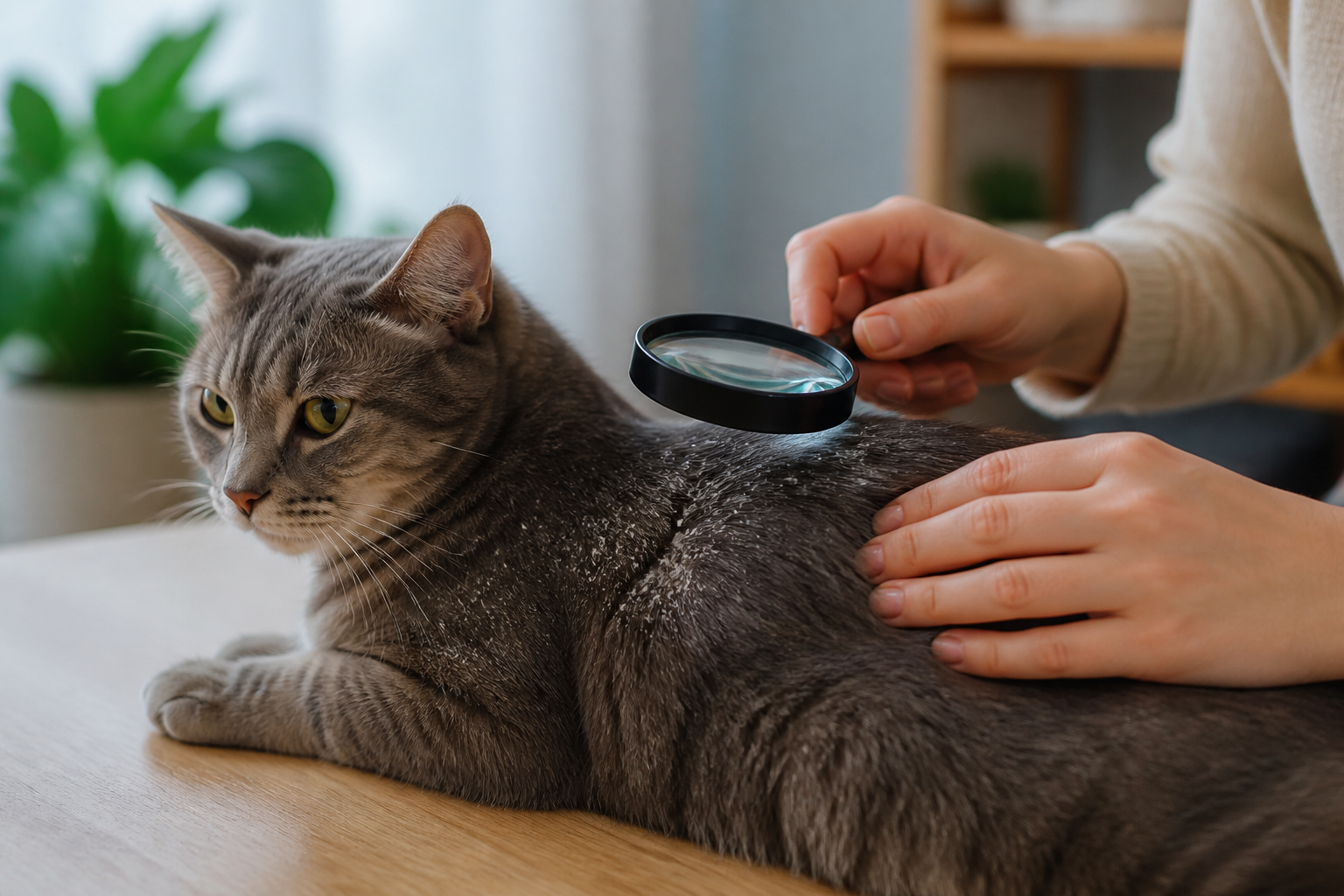
You are sitting on the sofa with your cat when you notice something odd in their fur. It looks like a heavy dusting of white flakes across their lower back. As you lean in to get a better look, the flakes appear to be shifting and vibrating on their own. This unsettling sight is the classic sign of walking dandruff, a skin condition caused by Cheyletiella mites. At BaxterBoo, we know how worrying it is when your cat is suddenly itchy or covered in mysterious flakes. We have spent years helping pet owners find the right solutions for skin health and parasite protection. This guide will help you understand the difference between standard feline dandruff and a contagious mite infestation. Recognizing these signs early ensures your cat gets the right relief and prevents the issue from spreading to the rest of your household.
Quick Answer: While standard dandruff consists of dead skin cells that stay still, walking dandruff is caused by mites that move the skin scales as they crawl. If the flakes seem to move or if your cat is suddenly very itchy and contagious to other pets, it is likely a mite infestation.
Understanding Cheyletiella Mites in Cats
Cheyletiella mites are large, parasitic mites that live on the surface of a cat's skin. The specific species that typically affects cats is known as Cheyletiella blakei. These parasites are much larger than many other types of mites, which is why they are often visible to the naked eye. They spend their entire 21 day life cycle on the host, where they feed on skin cells and tissue fluids.
The nickname walking dandruff comes from the way these mites move. As the mites crawl under the top layer of the skin, they push up dead skin cells and debris. To a pet owner, it looks like the dandruff itself is taking a stroll across the cat's fur. These mites are highly contagious and can easily move between cats, dogs, and rabbits.
The Life Cycle of the Mite
Understanding how these mites live helps you understand why they are so persistent. The female mites lay eggs and attach them to the cat's hair shafts using fine, silk like threads. Once the larvae hatch, they go through two nymph stages before becoming adults. This whole process happens right on your cat's body.
Unlike some other parasites, these mites do not burrow deep into the skin. Instead, they stay in the keratin layer. This makes them easier to see but also easier to spread through physical contact. While they prefer to stay on a host, adult mites can survive for up to 10 days in the environment. This means they can hide in bedding, carpets, or grooming tools.
Comparing Symptoms: Mites vs. Standard Dandruff
Standard dandruff, also known as seborrhea, is quite common in cats. It usually happens when the skin produces too many skin cells or when the natural oils are out of balance. However, Cheyletiella mites create a very different clinical picture. Learning to spot the subtle differences can save you a lot of time and unnecessary treatments.
Visual Clues and Movement
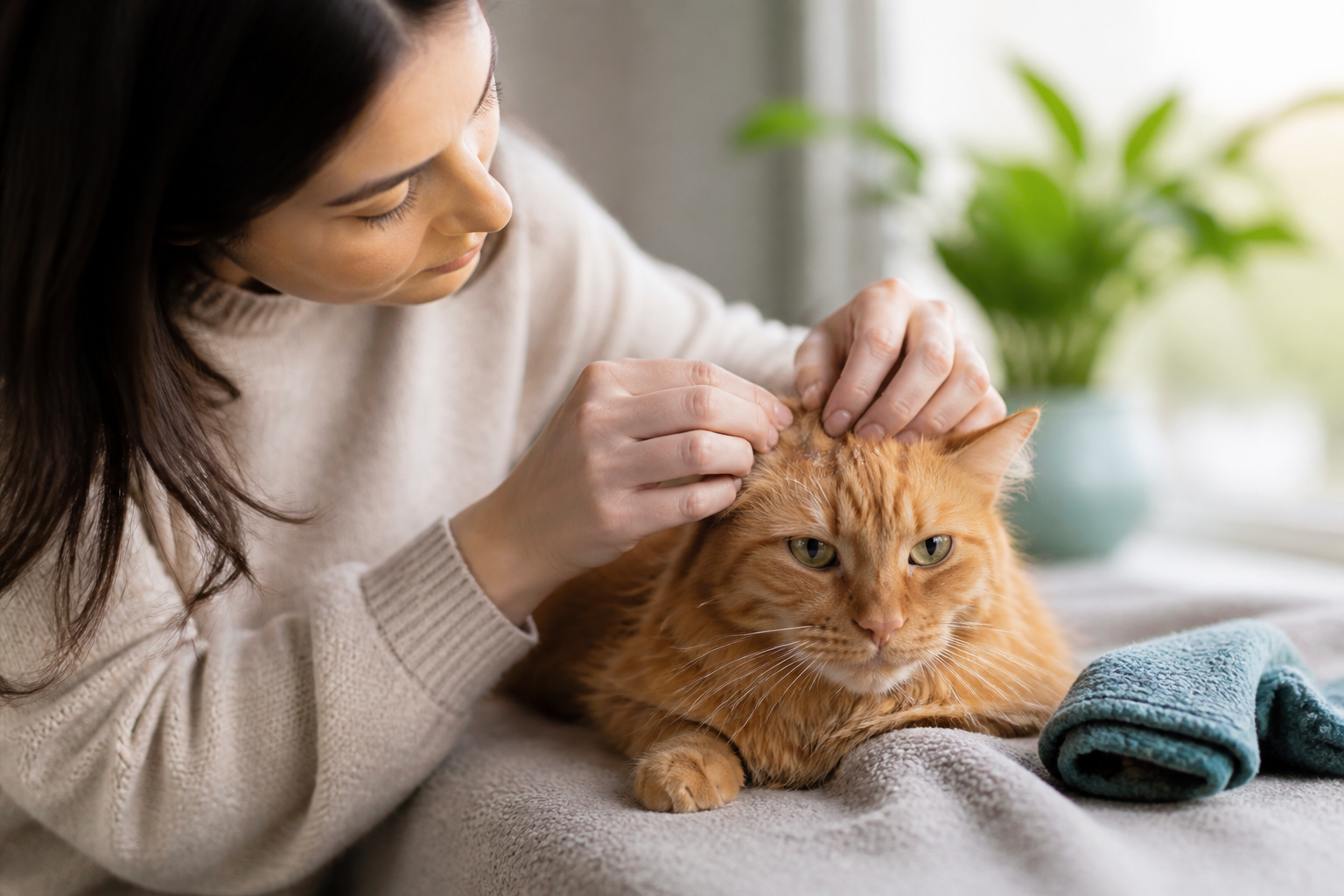
The most obvious difference is movement. If you see flakes that seem to be crawling or vibrating, you are almost certainly looking at mites. You can use a magnifying glass to get a better look. You might see the actual mites, which are white and have tiny, hook like mouthparts.
Standard dandruff is stationary. It might fall off when you brush your cat, but it will not move on its own while sitting on the fur. Standard dandruff also tends to be smaller and more uniform in shape. Mite related scaling often looks like larger, irregular chunks of skin.
Location on the Body
Both conditions can appear anywhere, but they have preferred neighborhoods. Standard dandruff is often found near the base of the tail or scattered evenly across the coat. It is frequently associated with obesity, as cats that cannot reach their back to groom will develop a buildup of dead skin.
Cheyletiella mites have a strong preference for the dorsal area. This means you will see the heaviest concentration of "walking" flakes along the neck, the middle of the back, and the top of the rump. If the flakes are heavily concentrated in a line down the spine, suspect mites first.
Contagion and Itchiness
Standard dandruff is not contagious. If one cat in a multi pet household has dry skin, the others will not "catch" it. Cheyletiellosis is the opposite. It spreads like wildfire through direct contact or shared bedding. If you notice multiple pets itching or flaking at the same time, it is a major red flag for parasites.
The level of itchiness also varies. Some cats with mites are intensely itchy and will scratch or overgroom until they create bald spots. Others might show no itching at all but still carry a heavy load of mites. Standard dandruff is usually only mildly itchy unless there is an underlying allergy involved.
Key Takeaway: If the dandruff is moving, concentrated along the spine, or appearing on multiple pets at once, you are likely dealing with Cheyletiella mites rather than simple dry skin.
Common Causes of Standard Feline Dandruff
If you have ruled out mites, you are likely dealing with regular dandruff. This is often a sign that the skin's natural barrier is struggling. Several environmental and internal factors can lead to those pesky white flakes.
- Low Humidity: In the winter months, indoor heating strips moisture from the air and your cat's skin.
- Poor Nutrition: A lack of Omega-3 fatty acids can lead to a dull coat and flaky skin.
- Grooming Issues: Senior cats or overweight cats may struggle to reach certain spots, leading to a buildup of dead skin.
- Over Bathing: Using harsh shampoos can strip away the essential oils that keep the skin supple.
We often see cats with dry skin issues in our Vernon Hills warehouse store, especially during the change of seasons. Providing a high quality diet and regular brushing can solve many of these basic dandruff problems. For additional grooming and skin-support options, explore our cat skin and coat health collection.
How Your Vet Diagnoses Walking Dandruff
If you suspect mites, a trip to the veterinarian is the necessary next step. Because these mites can be elusive, doctors use a few different methods to confirm their presence. They need to see the mites or their eggs under a microscope to make a definitive diagnosis.
One common method is the "Scotch tape test." The vet presses clear adhesive tape against the cat's fur to pick up debris and mites. They then place the tape on a glass slide for examination. Another method involves using a fine toothed flea comb to collect scales and hair.
When Mites Hide
Sometimes, even a thorough exam fails to find the mites. This is especially common in cats that groom themselves excessively. They may actually lick the mites and eggs off their fur before the vet can find them. In these cases, the vet might look for mites or eggs in a stool sample. If the cat is showing all the classic signs, the vet may suggest a "diagnosis by treatment." This means if the cat gets better after receiving mite medication, it confirms the mites were there all along.
Vet Tip: Always consult your veterinarian if you notice sudden skin changes or intense itching. They can perform a professional skin scraping or tape test to ensure you are treating the correct issue, as many skin conditions can look similar to the untrained eye.
Treatment Options for Cheyletiella Mites
Treating walking dandruff requires a two pronged approach. You must kill the mites on the cat and address the mites living in your home. Because these parasites are so contagious, every pet in your household must be treated at the same time. If you leave one pet untreated, they will simply act as a reservoir and reinfect the others.
Medical Treatments
There are several effective ways to clear an infestation. Many common flea and tick preventatives are highly effective against Cheyletiella mites. These include topical treatments containing ingredients like selamectin or fipronil. While some of these are used off label for mites, they have a long history of success.
The BaxterBoo pharmacy offers a wide range of FDA approved medications and prescription pet foods through our partnership with Pet's Choice. If your vet prescribes a specific flea and tick medication or a medicated shampoo to help with the irritation, our pet pharmacy is a convenient way to get those essential supplies delivered to your door.
Traditional Dips and Shampoos
In some cases, a vet might recommend a sulfur based dip. These are very effective but have a strong "rotten egg" smell. They must be applied carefully and allowed to dry on the cat's skin. Medicated shampoos can also help soothe the inflammation and wash away the excess scaling while the primary medication works to kill the parasites.
Household Management
Since mites can survive for about 10 days without a host, you must clean your environment. Focus on areas where your cat spends the most time.
- Wash Bedding: Use hot water and a high heat dryer setting for all pet blankets and soft toys.
- Vacuum Thoroughly: Vacuum all carpets, rugs, and upholstered furniture. Dispose of the vacuum bag or empty the canister outside immediately.
- Clean Grooming Tools: Soak brushes and combs in a disinfectant or very hot soapy water.
- Environmental Sprays: In severe cases, you may need to use a flea spray designed for the home to kill any roaming mites.
Bottom line: Successful treatment requires medicating all pets in the house and thoroughly cleaning the environment to prevent a cycle of reinfection.
Managing Standard Dandruff and Skin Health
If the diagnosis is standard dandruff, the focus shifts to hydration and nutrition. You want to support the skin from the inside out. This often involves making small changes to your cat's daily routine and diet.
Nutritional Support
Healthy skin starts with the right fuel. Look for cat foods that are rich in Omega-3 and Omega-6 fatty acids. These nutrients help maintain the skin's moisture barrier and give the coat a healthy shine. Brands like Farmina and Royal Canin offer specialized formulas for skin and coat health that we carry in our selection of Royal Canin products.
You can also add a fish oil supplement to your cat's meals. These are often very palatable for cats and provide a concentrated dose of the fats needed to reduce flakiness. Always check with your vet before starting a new supplement to ensure it is appropriate for your cat's specific health needs.
Grooming Habits
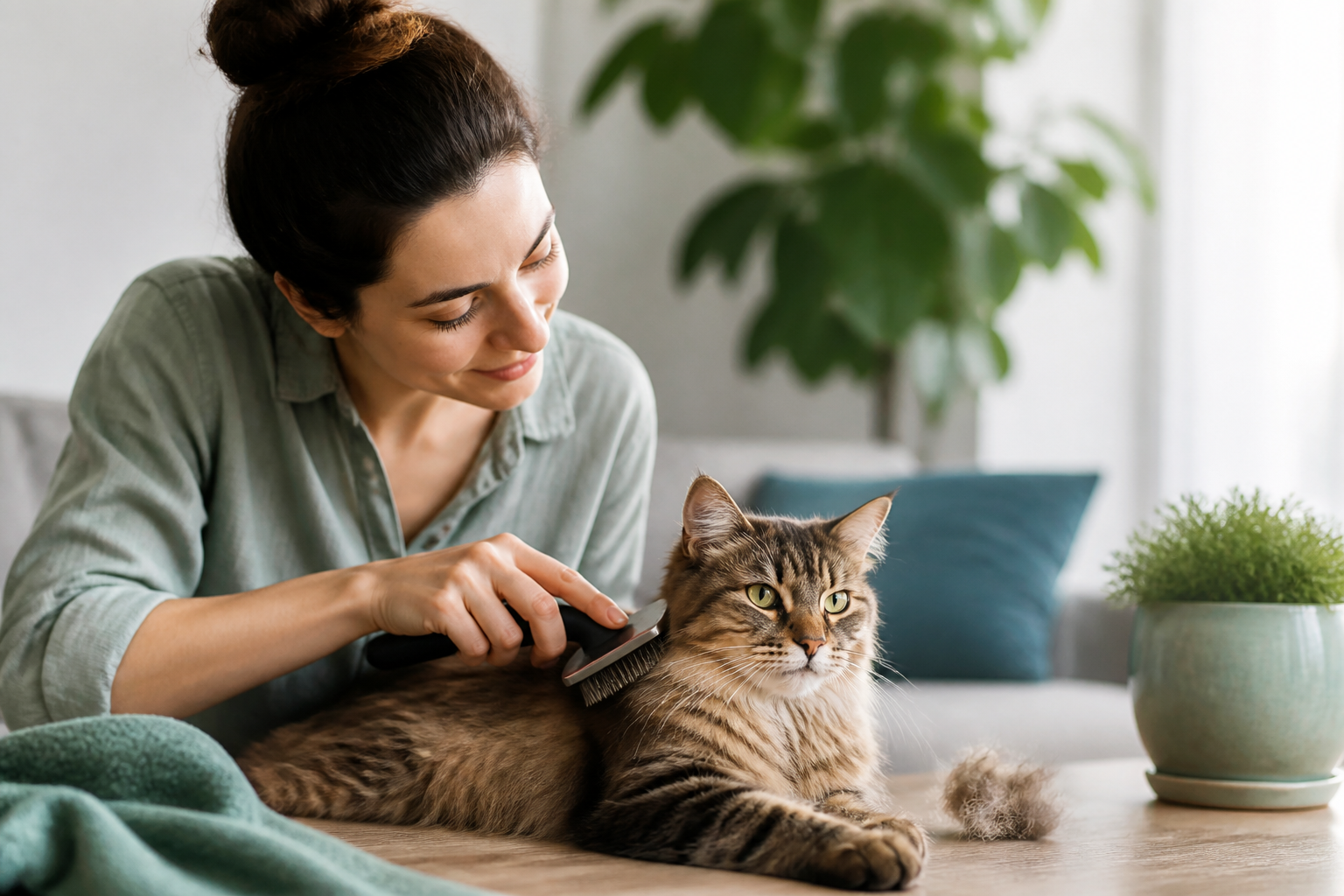
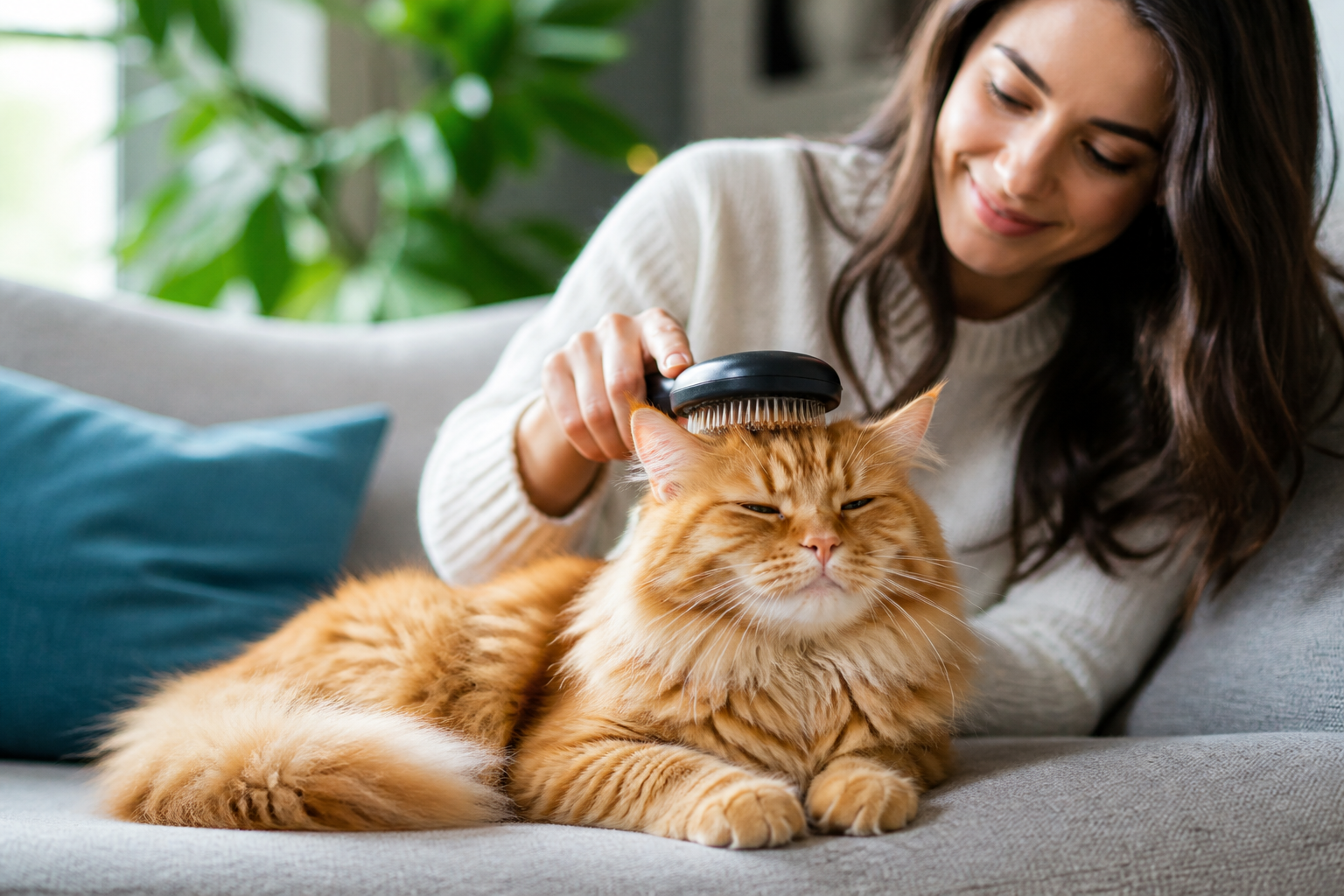
Regular brushing is one of the best ways to manage dandruff. Brushing distributes the skin's natural oils across the hair shafts and removes dead cells before they can clump together. For cats that struggle to groom themselves, a daily brushing session is essential.
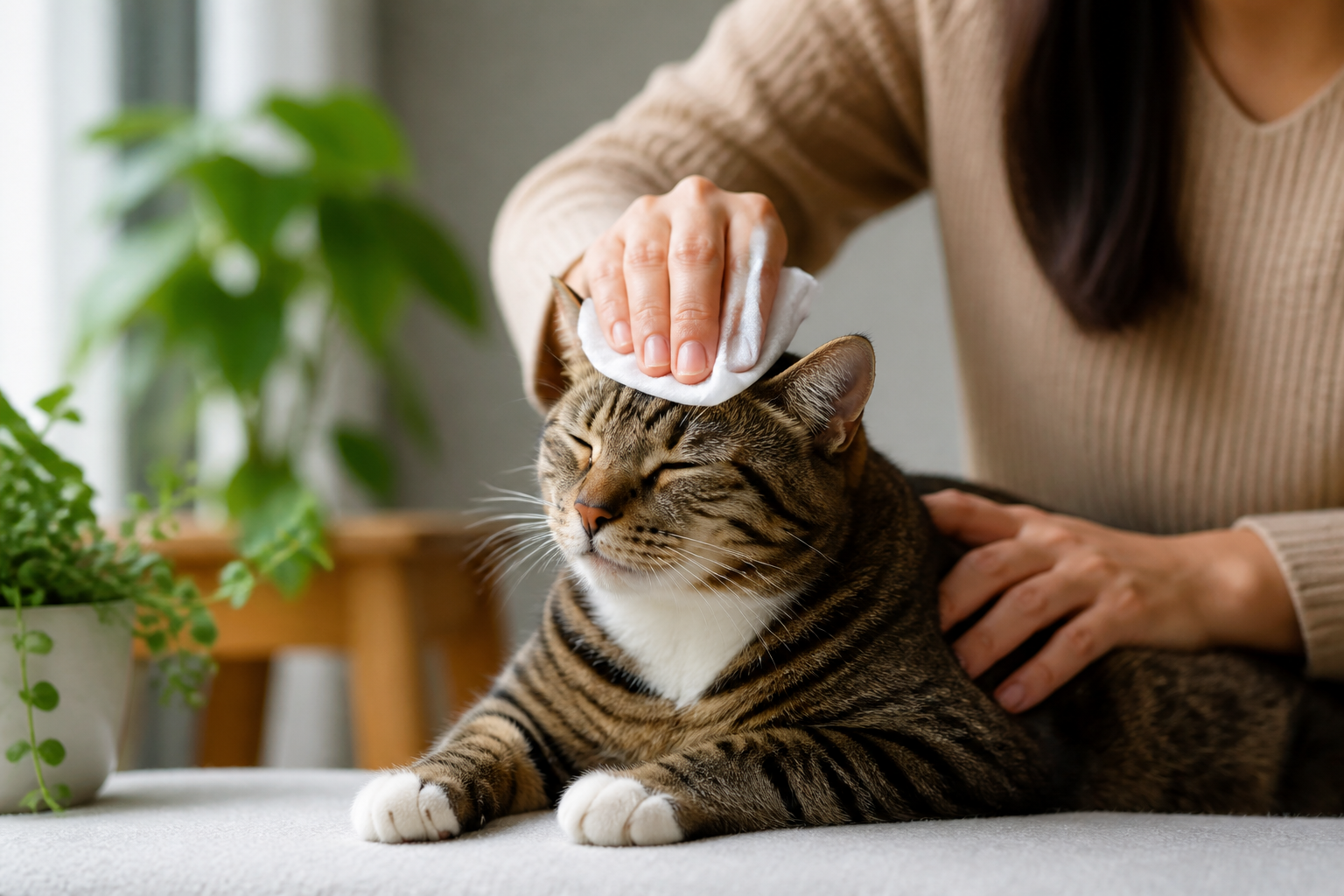
Using a moisturizing grooming wipe can also help. These wipes remove surface dander and add a bit of hydration to the fur without the stress of a full bath. If you do need to bathe your cat, always use a soap free, moisturizing shampoo designed specifically for felines.
Can Humans Get Walking Dandruff?
One of the most common questions we hear is whether these mites can affect people. The answer is yes, but with a caveat. Cheyletiella mites are zoonotic, which means they can jump from animals to humans. If you have been cuddling an infested cat, you might notice small, itchy red bumps on your arms, chest, or stomach.
The good news is that humans are not the natural host for these mites. They cannot complete their life cycle on human skin. This means that once you treat your pets and clean your home, the mites on you will disappear on their own within a few weeks. If you are experiencing significant skin irritation, it is always a good idea to speak with your own doctor.
The Importance of Prevention
Preventing a mite infestation is much easier than clearing one. The best defense is a consistent parasite prevention routine. Most monthly flea and tick preventatives that you already use will protect your cat from Cheyletiella mites as well. For more ideas about maintaining a consistent parasite routine, read our guide to flea and tick prevention products.
If you bring a new cat into your home, it is wise to keep them separated from your other pets until they have been cleared by a vet. This is especially important if the new cat came from a high density environment like a shelter or a large cattery. These are the places where "walking dandruff" is most likely to circulate.
Using Autoship for Consistency
Consistency is the enemy of parasites. Missing just one month of prevention can give mites or fleas the window they need to move in. Our Autoship program is a great way to ensure you never run out of your cat's essential preventatives. Plus, it saves you money on your orders and grants you a free MVP Gold membership.
Key Takeaway: Routine use of flea and tick preventatives is the most effective way to keep your cat and your home free from Cheyletiella mites.
Conclusion
Distinguishing between cat Cheyletiella mites and standard dandruff is vital for your cat's comfort. While simple dry skin is a cosmetic or nutritional issue, walking dandruff is a highly contagious parasitic infestation that requires medical intervention. Look for movement in the flakes, check for contagion among other pets, and watch for itching concentrated along the spine. If you suspect mites, schedule a visit with your veterinarian for a professional diagnosis.
- Mites cause "walking" flakes and are highly contagious.
- Standard dandruff is stationary and usually related to dry air or diet.
- Treat all pets in the household if mites are discovered.
- Maintain a clean environment to prevent reinfection.
Whether you need a high quality brush for daily grooming or FDA approved flea protection, we are here to help. Check out our cat flea and tick collection or visit our pet pharmacy to find the products your vet recommends for keeping your cat's skin healthy and flake free.
FAQ
Can I see Cheyletiella mites without a microscope?
Yes, you can often see these mites with the naked eye, though they look like tiny white specks. Because they are about 0.5 millimeters long, they are much larger than other common mites like ear mites. If you look closely at the "dandruff" on your cat's back, you might see the individual specks moving or shifting. Using a magnifying glass makes it much easier to identify the movement of the mites among the skin scales.
Is walking dandruff painful for my cat?
While not typically described as painful, walking dandruff is extremely uncomfortable and itchy for most cats. The mites bite the skin and feed on tissue fluids, which causes irritation and an allergic response. This leads to intense scratching, overgrooming, and sometimes secondary skin infections. Some cats are more sensitive than others and may develop red, crusty sores or significant hair loss from the constant irritation.
How did my indoor cat get Cheyletiella mites?
Indoor cats can contract walking dandruff through several indirect routes. If you have other pets that go outside or visit groomers, they can bring the mites into the home. Mites can also be transported on your clothes if you have been in contact with an infested animal elsewhere. Additionally, if your cat recently stayed at a boarding facility or visited a vet clinic, they may have picked up the mites from a shared space or grooming tool.
Will regular cat shampoo kill walking dandruff mites?
Standard cat shampoos are generally not strong enough to eliminate a Cheyletiella mite infestation. While a bath might wash away some of the surface mites and dander, it will not kill the eggs or the mites hidden deeper in the hair coat. You typically need a specialized medicated treatment, such as a sulfur dip or a veterinary recommended flea and tick preventative, to fully clear the infestation. Always consult your vet before using any medicated products to ensure they are safe for your cat.