
 Save 15% on your 1st Autoship learn more

 Email us
 Live Chat
 FAQs





Introduction
You are enjoying a quiet moment on the sofa when your cat jumps up for some attention. As you stroke their back, you notice a dusting of white flakes across their fur that looks like a light snowfall. This is a common sight for many pet owners, but it can leave you wondering if your cat has a skin issue or just needs a thorough brushing. At BaxterBoo, we know that a flaky coat is often the first sign that something in your cat's routine needs a small adjustment. This guide covers the most effective cat dandruff remedies, from simple grooming changes to nutritional upgrades. By understanding what causes these flakes, you can help your feline friend feel comfortable and keep their coat looking its best.
Understanding Cat Dandruff vs. Dander
Before you can fix the problem, you need to know exactly what you are seeing. Many people use the terms dander and dandruff interchangeably, but they are not the same thing. Every healthy cat produces dander. These are microscopic bits of skin that shed naturally as cells renew. You cannot usually see dander with the naked eye, but it is often what triggers allergies in humans.
Dandruff is the visible version of this process. It occurs when skin cells shed too quickly or clump together due to excess oil or extreme dryness. These flakes are large enough to be seen on the fur, especially on cats with darker coats. While dander is a sign of a healthy body, dandruff is usually a signal that the skin is irritated or that the cat is unable to groom effectively.
Quick Answer: Cat dandruff consists of visible white flakes of dead skin that accumulate on the fur. It is usually caused by dry skin, poor grooming, or environmental factors, but it can also signal underlying health issues like parasites or allergies.
Cat Skin & Coat Care













The Most Common Causes of Flaky Skin
Identifying the right cat dandruff remedies starts with finding the trigger. If you only treat the flakes without addressing the cause, the dandruff will keep coming back. Several factors contribute to skin irritation in felines.
Environmental Humidity
During the winter months, indoor heating strips moisture from the air. This dry environment can cause a cat's skin to lose its natural hydration. When the skin becomes too dry, it loses its elasticity and begins to flake off in small white specks.
Nutritional Deficiencies
A cat's coat is often a window into their internal health. If their diet lacks essential fatty acids, the skin barrier weakens. This makes it harder for the skin to retain moisture. Diets that are too low in fat or protein can lead to a dull, brittle coat and persistent dandruff.
Grooming Challenges
Cats are usually expert groomers. However, certain conditions make it difficult for them to reach every spot. Overweight cats often struggle to groom their lower back and the base of their tail. This is why you might notice a concentration of flakes in those specific areas. Senior cats with arthritis may also find it painful to twist and reach their back, leading to a buildup of dead skin.
Parasites and Infections
External parasites like fleas and mites can cause significant skin irritation. Some mites are even nicknamed walking dandruff because they look like moving white flakes. Fungal infections like ringworm can also cause scaling and flaking.
Effective Grooming Remedies
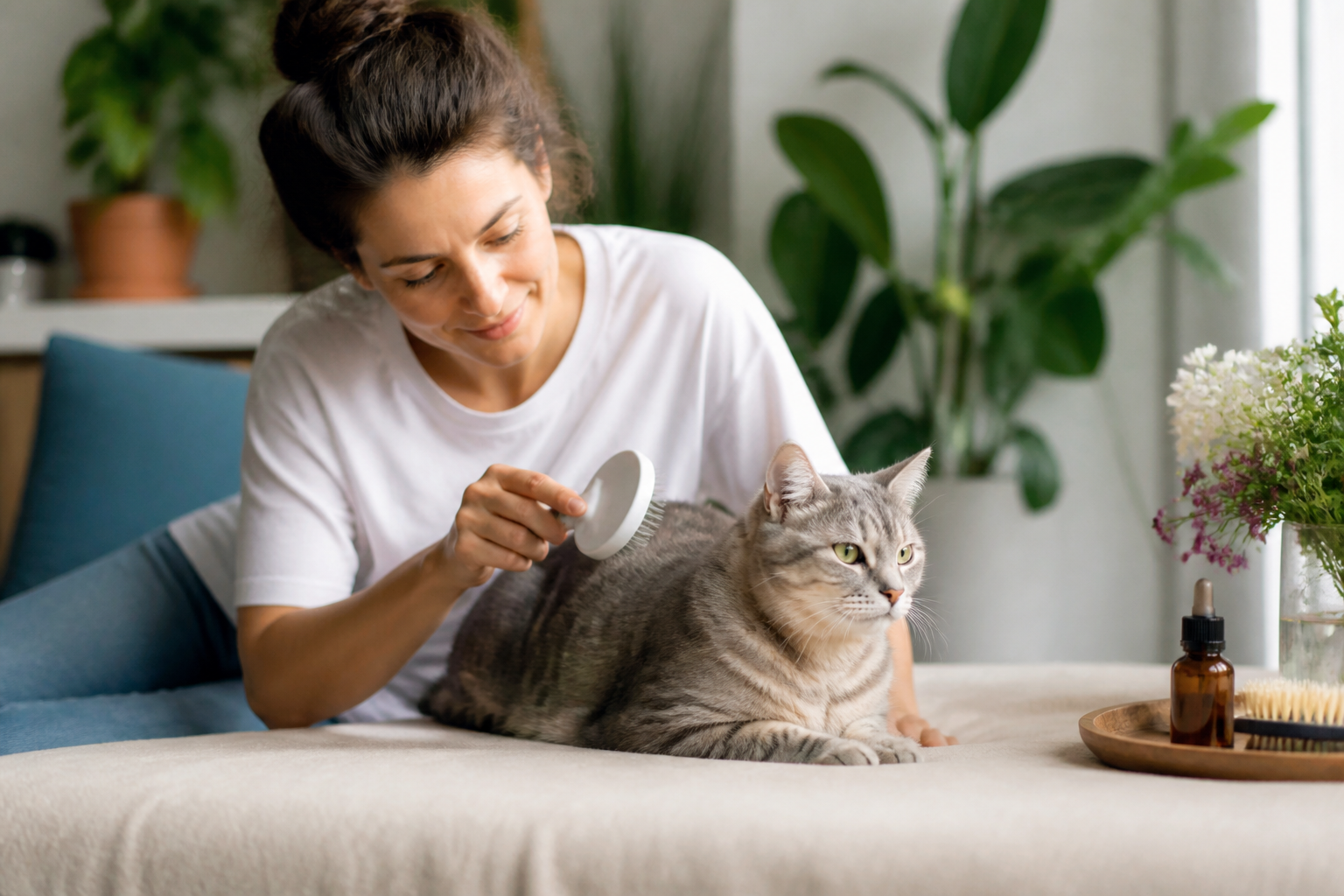
One of the simplest cat dandruff remedies is increasing the frequency of your grooming sessions. Regular brushing does more than just remove loose hair. It stimulates the skin and helps distribute natural oils across the entire body. Explore our cat grooming supplies for brushes, shampoos, wipes, and other coat-care essentials.
Choosing the Right Brush
The type of brush you use depends on your cat's coat length. For short-haired cats, a soft bristle brush or a rubber curry brush is ideal. These tools gently massage the skin and lift away dead cells without causing irritation. For long-haired cats, a slicker brush or a stainless steel comb helps reach the undercoat where flakes often hide.
Brushing Technique
When you brush for dandruff control, use long and gentle strokes. Focus on the areas where flakes are most prominent. If your cat has a thick undercoat, you may need to brush them daily to prevent the buildup of debris. Regular grooming also allows you to check for redness or sores that might require a vet visit.
Waterless Shampoos
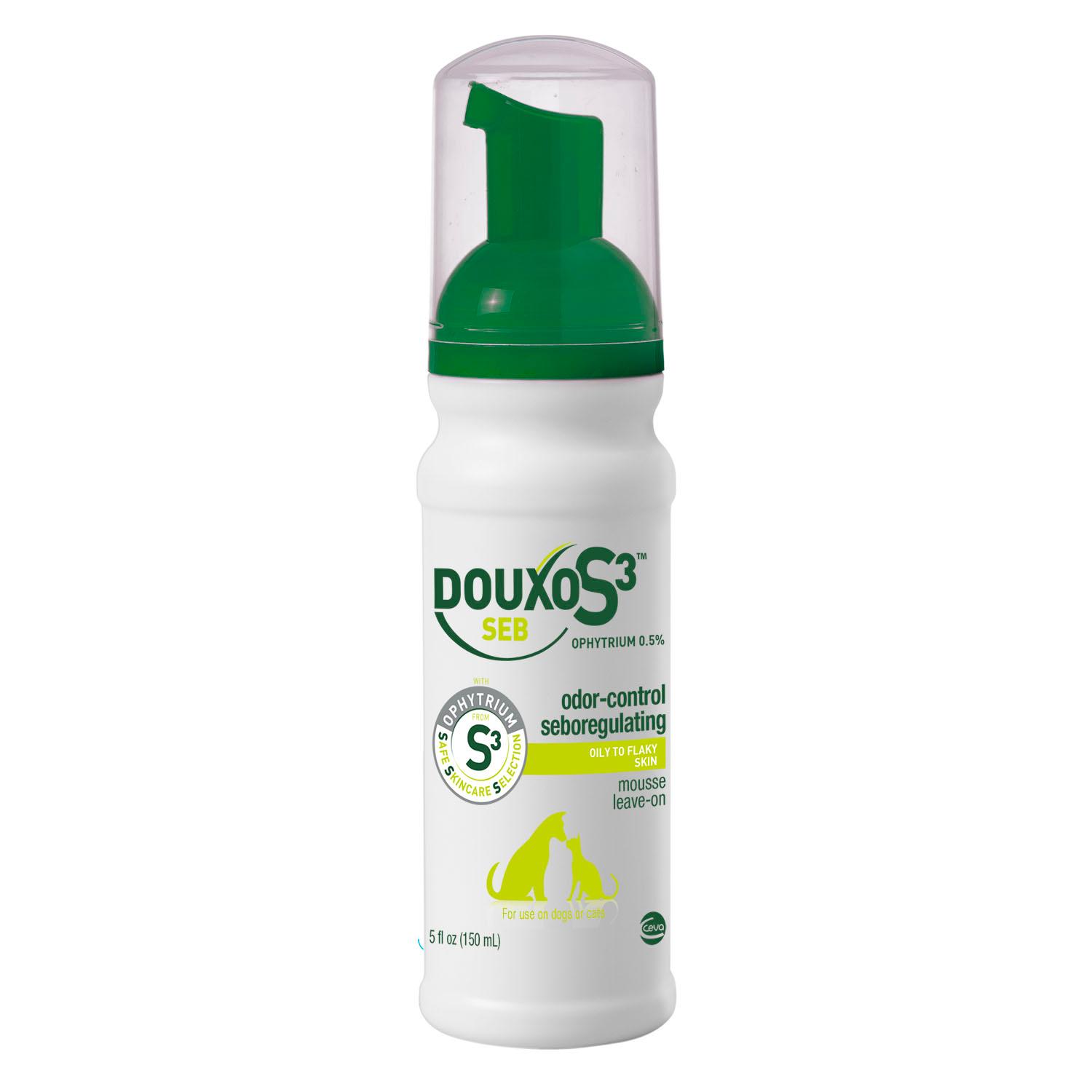
Most cats are not fans of traditional baths. Stress can actually make skin conditions worse. Instead of a full bath, try using a waterless foam shampoo or grooming wipes. These products are formulated to moisturize the skin and lift away flakes without the need for a tub. Look for ingredients like aloe vera or oatmeal to help soothe itchy areas. For low-stress cleanups, browse our waterless grooming options.
- Brush daily to distribute natural oils.
- Use a rubber curry brush for skin massage.
- Incorporate grooming wipes for quick cleanups.
- Focus on hard-to-reach areas like the lower back.
Key Takeaway: Regular grooming is the first line of defense against dandruff. It removes dead skin cells and ensures that natural oils reach every part of the coat.
Nutritional Support for Healthy Skin
What your cat eats has a direct impact on the quality of their skin. If you are looking for long-term cat dandruff remedies, you should look closely at their food bowl. You can compare recipes and formats in our cat food collection.
The Power of Omega Fatty Acids
Omega-3 and Omega-6 fatty acids are essential for maintaining a healthy skin barrier. These nutrients help reduce inflammation and keep the skin supple. Many high-quality brands we carry at BaxterBoo, such as Farmina and Tiki Cat, include these fats in their recipes. You can also add a liquid supplement like fish oil to their meals. Zesty Paws Wild Alaskan Omega-3 Blend Pollock & Salmon Oil Supplement for Dogs & Cats can be easily pumped over kibble or wet food.
Increasing Hydration
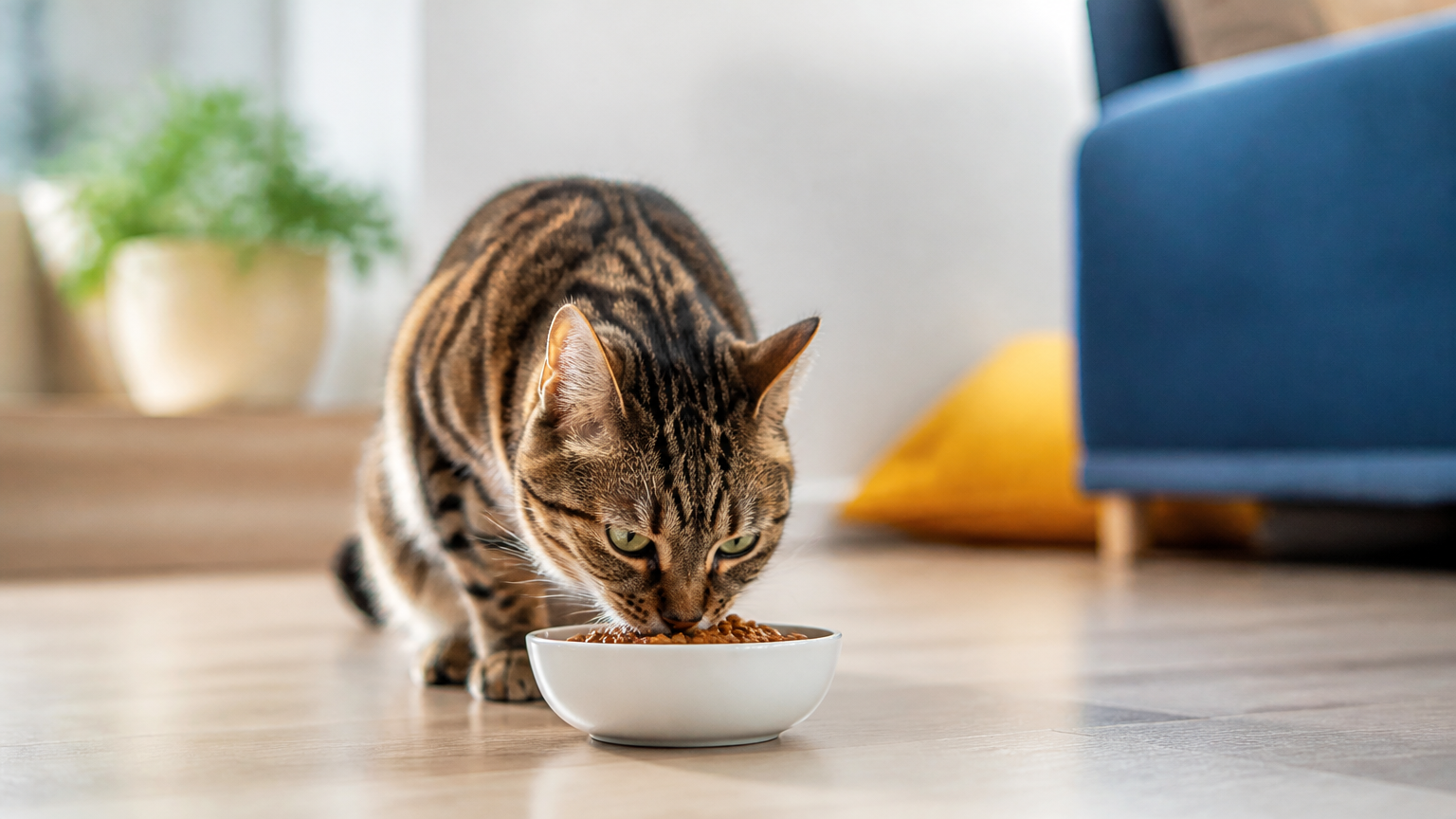
Dehydration is a major contributor to dry skin. Cats naturally have a low thirst drive. If they eat only dry kibble, they may not be getting enough moisture to keep their skin hydrated. Adding wet food to their daily routine is an easy way to boost water intake. You can also try a pet water fountain. Many cats prefer running water over a still bowl, which encourages them to drink more throughout the day.
High-Quality Protein
Skin and hair are made primarily of protein. If a cat's diet is filled with low-quality fillers, their body will prioritize internal organs over the coat. Switching to a protein-rich diet from brands like Orijen or Acana can provide the building blocks necessary for a shiny, flake-free coat.
Vet Tip: If your cat has persistent dandruff along with weight loss or changes in appetite, consult your veterinarian. These can be signs of metabolic issues like hyperthyroidism or diabetes that require professional diagnosis.
Environmental Adjustments
Sometimes the remedy is not about the cat but about the home environment. If you live in a dry climate or use a furnace during the winter, the air in your home is likely very dry.
Using a Humidifier
A simple humidifier can make a world of difference for a cat with dry skin. Place it in the room where your cat spends the most time. Increasing the humidity level helps prevent the skin from losing moisture to the air. This is especially helpful for hairless breeds or cats with very thin coats.
Reducing Stress
Stress can trigger a variety of skin issues in cats. When a cat is stressed, they may over-groom or stop grooming entirely. Both behaviors can lead to dandruff. Try to maintain a consistent routine and provide plenty of enrichment through toys and scratching posts. If your cat is particularly anxious, calming supplements from brands like Honest Paws may help them relax.
When to Use the BaxterBoo Pharmacy
In some cases, cat dandruff remedies require a more clinical approach. If the flakes are caused by parasites, allergies, or an underlying medical condition, standard grooming might not be enough. This is where our cat healthcare collection can help.
Managing Parasites
Flea infestations are a leading cause of skin irritation. Even indoor cats can get fleas. If you see black specks among the white flakes, those are likely flea droppings. We offer flea and tick preventives through our cat care collection. Using a monthly preventive like Frontline or NexGard can keep your cat's skin clear and comfortable. Browse our cat flea and tick products to explore available options.
Prescription Diets
If your veterinarian determines that your cat has a food allergy or a metabolic condition, they may prescribe a specific therapeutic diet. Our pharmacy carries prescription foods designed to manage skin sensitivities and weight. For example, Farmina Vet Life offers formulas for weight management that can help an obese cat regain the mobility needed to groom themselves properly.
Treating Infections
Skin infections caused by bacteria or fungus need professional treatment. Your vet might prescribe medicated shampoos or topical ointments. These products often contain ingredients that you cannot find in standard over-the-counter formulas. Having access to a full pharmacy ensures you can get the exact medication your vet recommends delivered right to your door.
Key Takeaway: When home remedies are not enough, our pharmacy provides access to prescription diets and medications to address the underlying medical causes of dandruff.
Addressing Weight and Mobility
If your cat is carrying extra weight, no amount of skin cream will solve the dandruff on their lower back. Obesity is a primary cause of poor grooming. When a cat cannot reach a certain area, dead skin and loose fur build up rapidly.
Weight Management Strategies
Helping your cat reach a healthy weight is one of the best long-term cat dandruff remedies. This involves a combination of portion control and increased activity. Use interactive toys from Jackson Galaxy or Kong to get your cat moving. Even ten minutes of play twice a day can help burn calories.
Supporting Senior Joints
For older cats, the issue is often joint stiffness rather than weight. Arthritis makes the twisting motions of grooming painful. You can help your senior cat by taking over the grooming duties they can no longer handle. Additionally, supplements containing glucosamine and chondroitin, such as Cosequin, can support joint health and make it easier for them to move comfortably.
- Switch to a weight-management formula if needed.
- Use slow-feeder bowls to prevent overeating.
- Provide stairs or ramps for easier access to favorite spots.
- Incorporate joint supplements for older felines.
Bathing Your Cat Safely
While most cats do not need regular baths, a therapeutic soak can be helpful for severe dandruff. However, you must use the right products. Human shampoos are too acidic for a cat's skin and can actually strip away essential oils, making the dandruff worse.
Choosing a Cat-Safe Shampoo
Look for moisturizing shampoos specifically formulated for felines. Ingredients like colloidal oatmeal, honey, and vitamin E are excellent for soothing dry skin. Always check the label to ensure the product is soap-free and pH-balanced for cats. For a gentle option, consider earthbath® Oatmeal & Aloe Shampoo - Fragrance Free.
The Bathing Process
If you must bathe your cat, make the experience as calm as possible. Use lukewarm water and a non-slip mat in the bottom of the sink. Gently massage the shampoo into the coat, focusing on the flaky areas. Rinse thoroughly, as dried soap residue can cause further irritation and itching. Dry your cat with a warm towel and keep them in a draft-free room until they are completely dry.
Bottom line: Bathing should be a last resort or done only with medicated products recommended by a professional to avoid further skin drying.
Monitoring for Serious Symptoms
Most of the time, dandruff is just a cosmetic issue. However, you should stay alert for signs that the skin condition is more serious. If the dandruff is accompanied by other physical changes, it is time to call the vet.
Watch for these warning signs:
- Patches of total hair loss or thinning fur.
- Red, raw, or bleeding skin.
- The presence of sores, scabs, or pustules.
- Intense itching that causes the cat to cry out or hide.
- A strong, unpleasant odor coming from the skin.
When you visit the vet, they may perform a skin scraping or blood tests. These tests help rule out conditions like Cheyletiella mites, ringworm, or hyperthyroidism. Once a diagnosis is made, you can find the necessary treatments through the pharmacy to get your cat back on the path to health.
Conclusion
Finding the right cat dandruff remedies involves looking at your cat's health from the inside out. Start by improving their daily grooming routine and ensuring they have a moisture-rich, high-quality diet. Simple changes like adding a humidifier or a fish oil supplement can often clear up mild flakes within a few weeks. If the problem persists or your cat seems uncomfortable, do not hesitate to seek professional help. Our pharmacy is available for prescription medication and therapeutic diet needs. By staying proactive about your cat's skin health, you can ensure their coat stays soft, shiny, and flake-free.
Bottom line: A combination of proper nutrition, consistent grooming, and environmental moisture is the best way to manage cat dandruff.
FAQ
Is it normal for my cat to have a little bit of dandruff?
A few occasional flakes can be normal, especially during seasonal changes or in very dry weather. However, if the dandruff is persistent, covers a large area of the body, or is accompanied by itching, it usually indicates an underlying issue that needs attention. Regular brushing and improving hydration are good first steps to resolve minor flaking.
Can I use human anti-dandruff shampoo on my cat?
No, you should never use human shampoo on a cat. The pH level of human skin is much different than that of a cat, and human products are often too harsh. Using human shampoo can damage your cat's skin barrier and lead to more severe irritation or even chemical burns. Always use products specifically labeled for use on felines.
Will changing my cat's food help with their dandruff?
Yes, nutrition plays a major role in skin health. Foods rich in Omega-3 fatty acids and high-quality proteins support the skin's natural moisture barrier. Many owners see a significant improvement in coat quality after switching to a premium brand or adding a salmon oil supplement to their cat's meals.
What is walking dandruff in cats?
Walking dandruff is a nickname for an infestation of Cheyletiella mites. These mites are large enough to be seen with the naked eye and look like white flakes moving across the cat's skin. This condition is highly contagious to other pets and can cause intense itching. If you suspect your cat has these mites, you should contact your veterinarian for a prescription treatment from a pharmacy.





- Site & Contents BaxterBoo.com. BaxterBoo is located in the United States.
- Privacy & Security
- Terms of Use
- Accessibility Statement
