
 Save 15% on your 1st Autoship learn more

 Email us
 Live Chat
 FAQs





Introduction
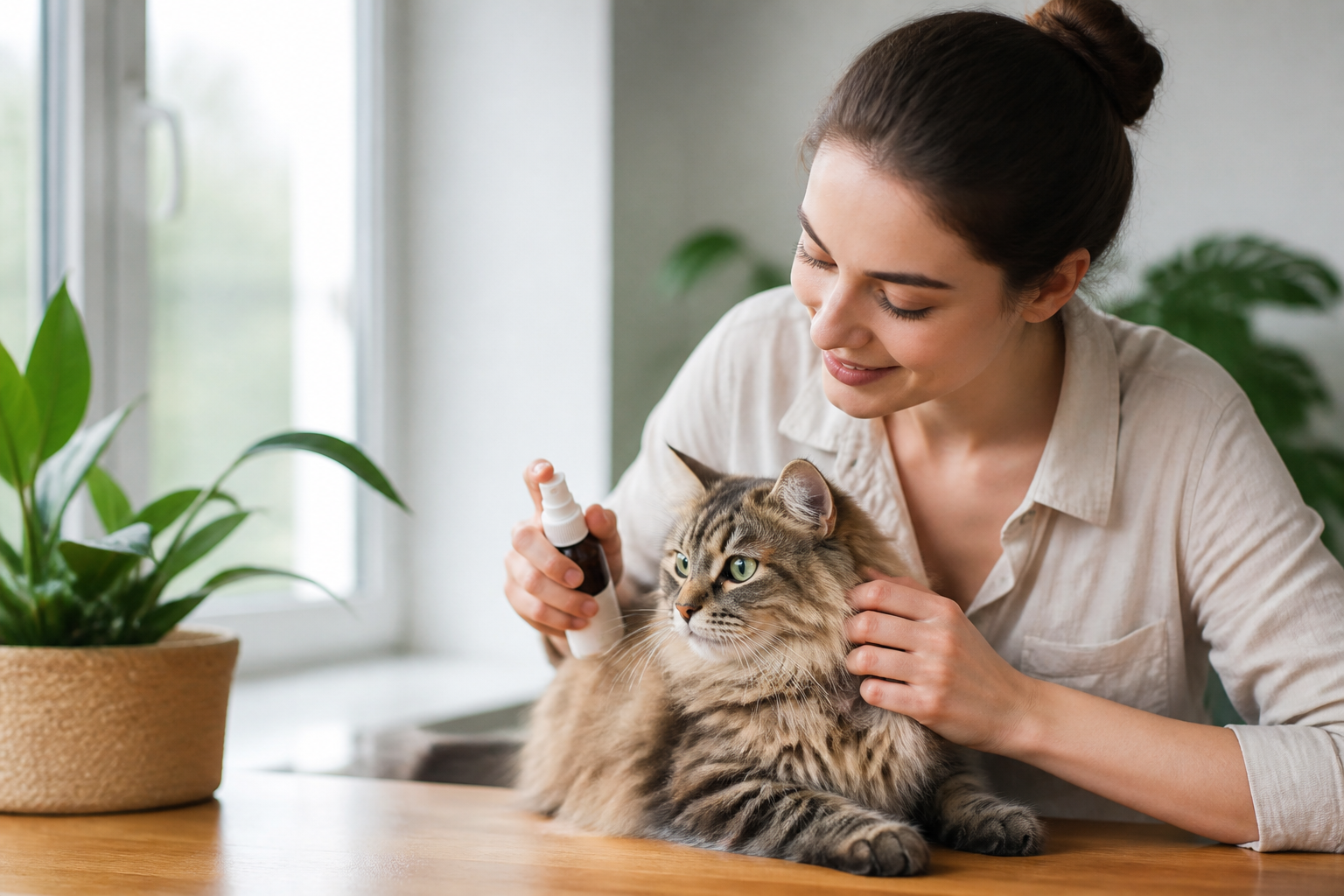
You are petting your cat and notice small white flakes scattered across their glossy black fur or resting on their favorite velvet chair. It is a common sight for many owners, but it often leads to a search for quick solutions. While those flakes are usually a sign of dry skin, they can sometimes point to deeper health or environmental issues. At BaxterBoo, we understand that maintaining a healthy coat is about more than just appearances. This article explores the causes of feline skin dryness, how a cat dandruff spray can provide relief, and the best ways to support your cat from the inside out. We will cover topical treatments, grooming techniques, and when a trip to the veterinarian is necessary for prescription care.
Understanding the Difference Between Dandruff and Dander
Many people use the terms dander and dandruff interchangeably, but they refer to different things. Understanding the distinction helps you choose the right products for your home and your pet.
Dandruff consists of visible flakes of dead skin cells that have clumped together. You can see these on your cat’s coat, especially if they have darker fur. It is usually a symptom of dry skin, poor grooming, or a reaction to the environment.
Dander is something every cat has. It consists of microscopic skin cells that shed naturally as part of the skin’s regeneration process. You cannot see dander with the naked eye. While dander itself is a normal biological function, it often carries a protein called Fel d1. This protein is found in a cat’s saliva and is the primary cause of allergies in humans. When a cat grooms themselves, the protein dries on the fur and skin, eventually becoming airborne on tiny dander particles.
Quick Answer: Cat dandruff is the visible white flakes of dead skin on a cat's fur. A cat dandruff spray helps by moisturizing the skin and mechanically removing these flakes during grooming.
Cat Skin & Coat Care





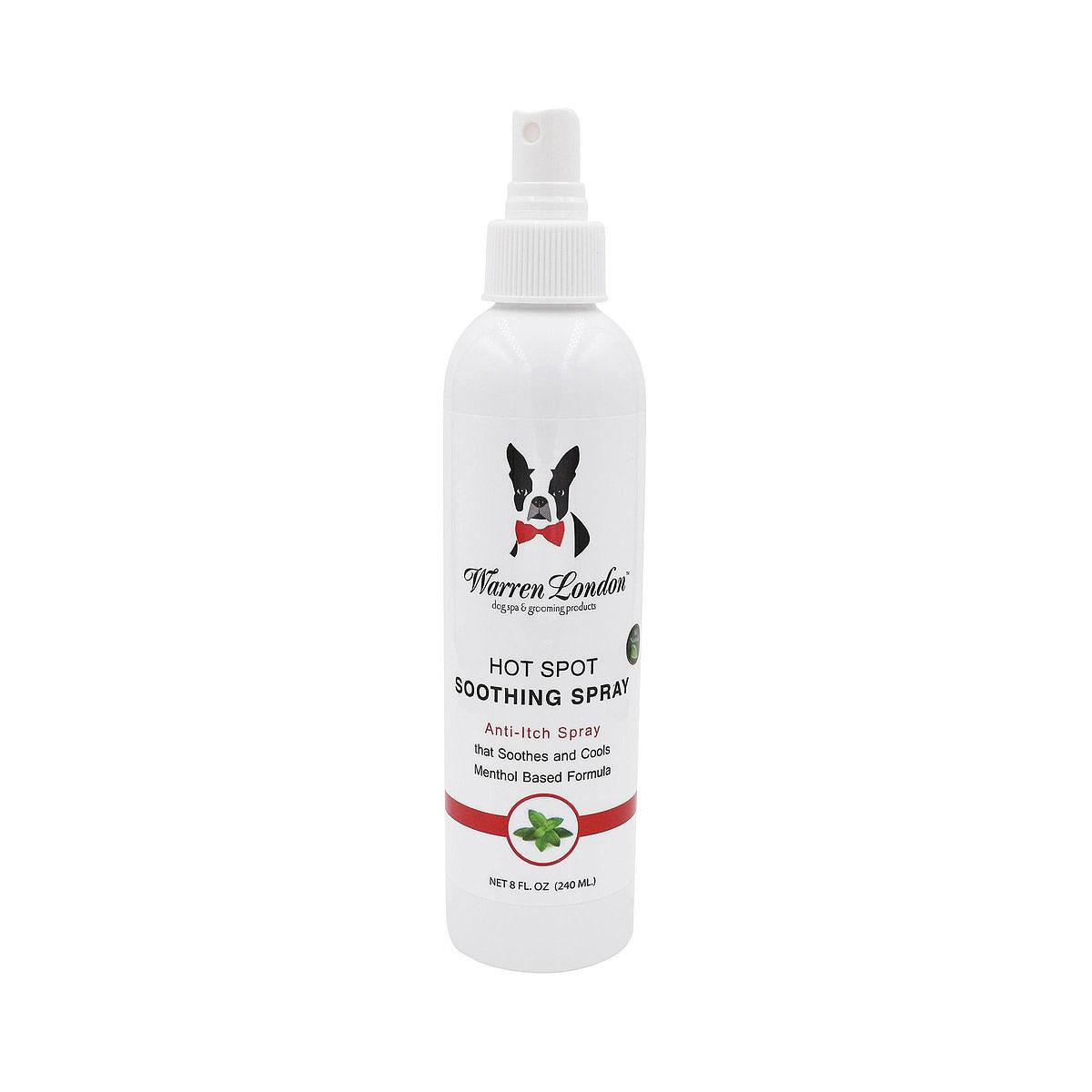



Common Causes of Feline Skin Flakes
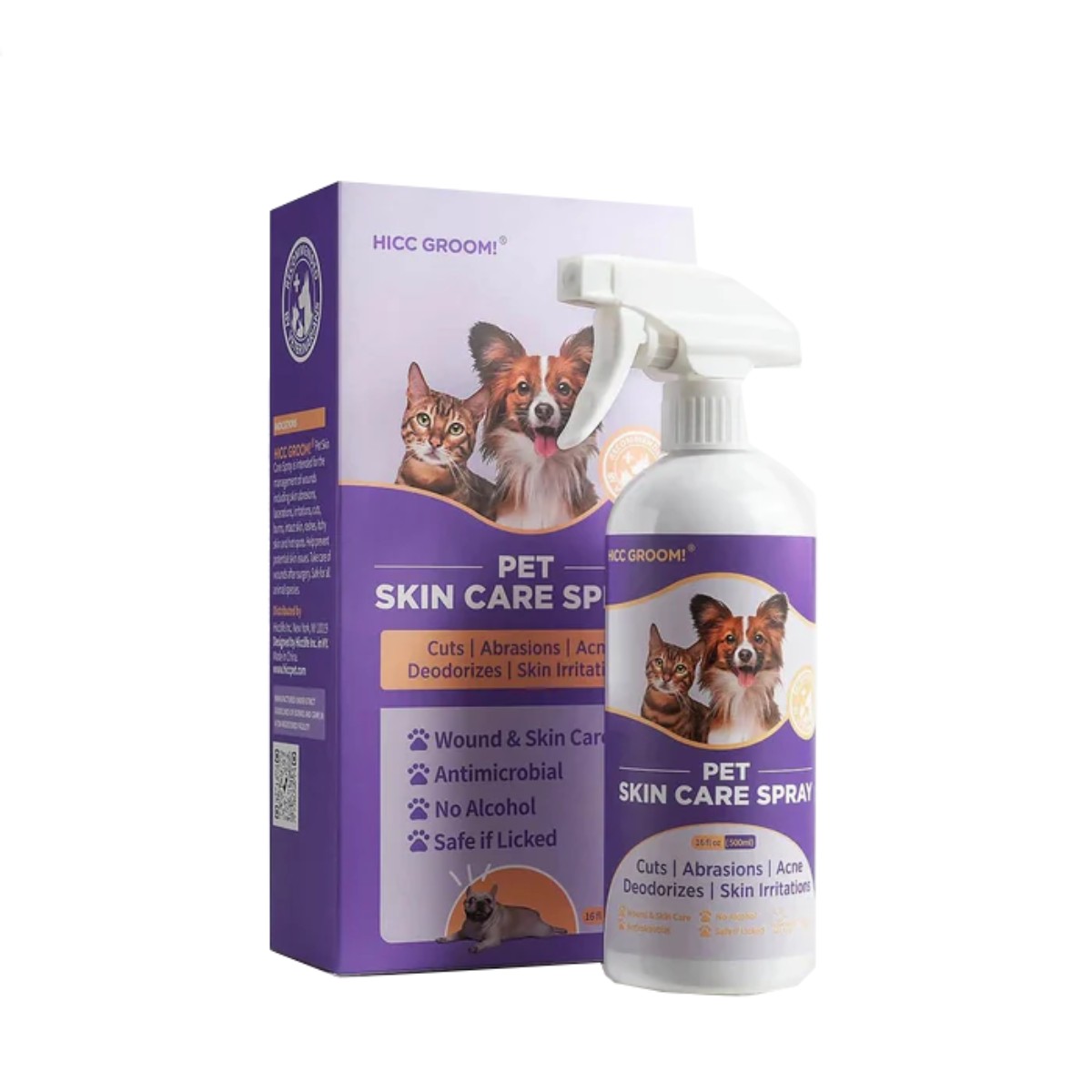
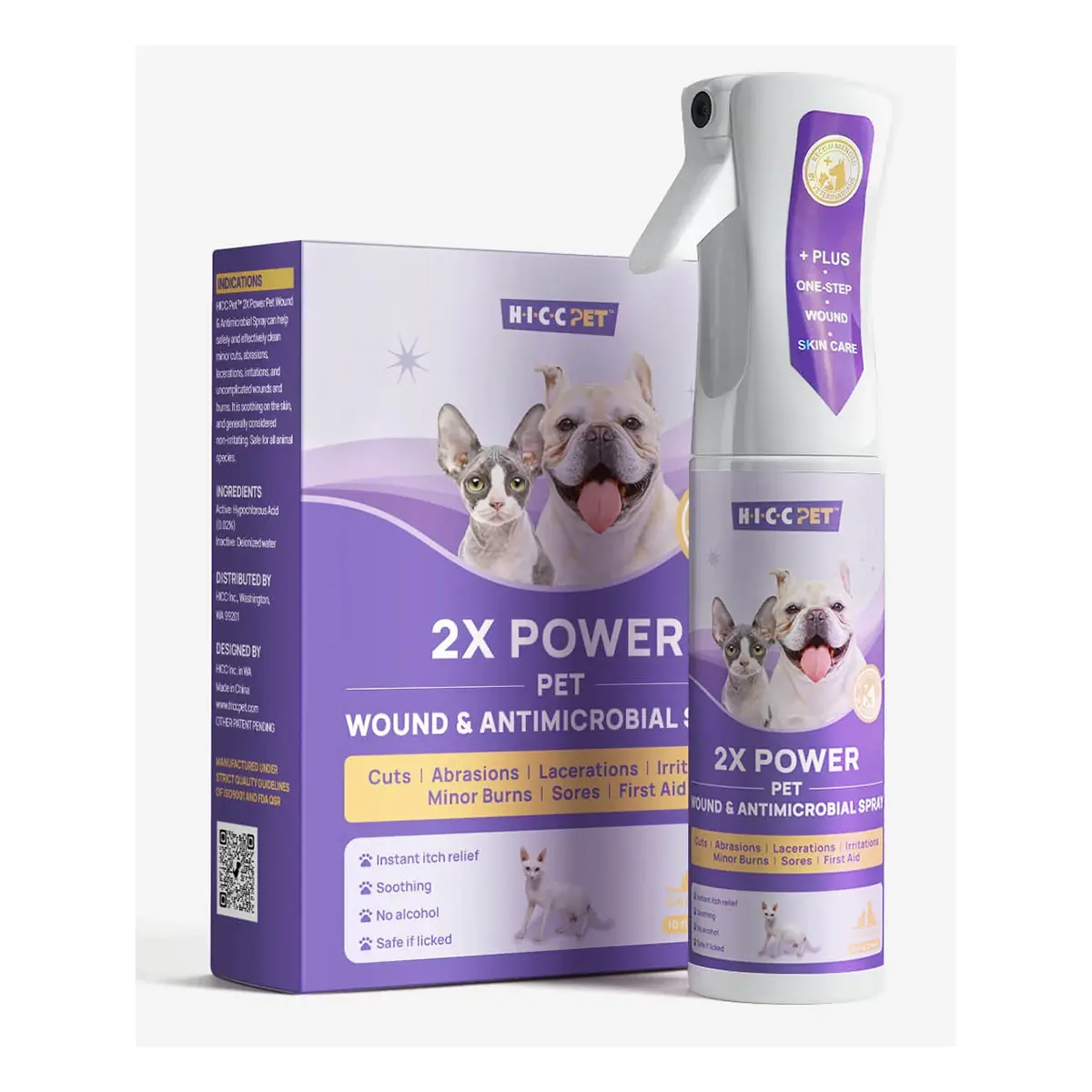
Before reaching for a cat dandruff spray, it is helpful to know why the flakes are appearing. Several factors contribute to skin irritation in felines.
Low Humidity and Environment
During the winter months, indoor heating systems strip moisture from the air. This often results in dry, itchy skin for both humans and pets. If your cat spends most of their time near a vent or radiator, their skin may flake more frequently.
Nutritional Deficiencies
A coat reflects what a cat eats. If a diet is low in essential fatty acids, specifically Omega-3 and Omega-6, the skin barrier can weaken. This leads to moisture loss and subsequent flaking. We see this often in cats on low-quality diets or with very low fat content.
Weight and Mobility Issues
If a cat is overweight, they may struggle to reach certain parts of their body, particularly the lower back and the base of the tail. When a cat cannot groom these areas, dead skin cells and natural oils build up, leading to heavy dandruff. Similarly, senior cats with arthritis may find it painful to twist and groom, resulting in a dull, flaky coat.
Grooming Habits
Cats are meticulous groomers, but sometimes they need a little help. Regular brushing moves natural oils across the skin and removes loose hair before it can trap dead skin cells. Without this assistance, the fur can become matted and the skin underneath can become irritated. Explore our cat grooming collection for brushes, wipes, shampoos, and other coat-care supplies.
Key Takeaway: Feline dandruff is often a sign of environmental dryness or a physical inability to groom properly. Addressing the root cause is just as important as using topical treatments.
How Cat Dandruff Spray Provides Relief
A quality cat dandruff spray or dander remover serves two main purposes. First, it adds immediate moisture to the skin and coat. Second, it helps neutralize allergens for the humans in the house.
Most sprays are designed as "leave-in" treatments. You do not need to give your cat a full bath, which is a relief for many feline owners. These products often contain humectants, which are ingredients that attract and lock in moisture.
Benefits for the Cat
- Soothing Itchiness: Dry skin is often itchy. Sprays can calm the irritation and reduce the urge to over-groom.
- Softening the Coat: Ingredients like glycerin or herbal extracts help soften the hair shafts.
- Supporting the Skin Barrier: Some formulas include vitamins that help strengthen the skin over time.
Benefits for the Owner
Products like Allerpet Cat Dander Remover are specifically designed to help people with allergies. These sprays bind to the allergens on the fur so they can be wiped away with a cloth. This prevents the proteins from becoming airborne and circulating through your home’s air vents.
Key Ingredients to Look For
When shopping for a cat dandruff spray, the ingredient list matters. Cats lick their fur constantly, so everything you put on their coat must be safe for ingestion.
Natural Botanical Extracts
Many effective sprays use chamomile, green tea, or rosemary. Chamomile is known for its soothing properties and can help calm red or irritated skin. Green tea extract provides antioxidants, while rosemary can help condition the hair.
Humectants and Conditioners
- Glycerin: This is a classic humectant that draws moisture into the skin.
- Allantoin: Often used to help heal minor skin irritations and provide a smooth texture.
- Panthenol (Pro-Vitamin B5): This helps strengthen the hair and improve elasticity.
- Aloe Vera: Known for cooling the skin, it is a common addition to moisturizing sprays.
What to Avoid
Avoid products with heavy artificial fragrances or essential oils that are toxic to cats, such as tea tree oil or peppermint oil. A cat’s sense of smell is much more sensitive than ours, and strong scents can be stressful for them. Look for formulas that are non-toxic and pH-balanced specifically for feline skin.
Vet Tip: Always check the label to ensure a product is specifically formulated for cats. Never use a human dandruff shampoo or spray on your cat, as our skin has a different pH level and human products can be toxic if licked.
Step-by-Step Guide to Applying Spray
Most cats are not fans of being sprayed directly. The sound and the sensation of a mist hitting their fur can cause them to bolt. Using a gentle approach will make the process much easier for both of you.
Step 1: Prepare your supplies. / Grab your cat dandruff spray, a soft microfiber cloth or washcloth, and a high-value treat.
Step 2: Create a calm environment. / Wait until your cat is relaxed. You can even place a towel over your lap and invite them to sit with you.
Step 3: Apply to the cloth first. / Instead of spraying the cat directly, spray the product onto the washcloth until it is damp but not dripping.
Step 4: Wipe against the grain. / Gently wipe your cat with the damp cloth. Start by going against the direction of hair growth to ensure the product reaches the skin.
Step 5: Smooth the fur down. / Finish by wiping in the direction of hair growth. Pay extra attention to the base of the tail and the lower back where flakes tend to congregate.
Step 6: Reward your pet. / Give them a treat immediately after you finish to create a positive association with grooming time.
Internal Support for Skin and Coat
While a cat dandruff spray handles the surface issues, internal health determines the long-term quality of the skin. Diet is the most powerful tool you have for managing chronic dryness.
The Role of Fatty Acids
Omega-3 and Omega-6 fatty acids are essential for maintaining the lipid barrier of the skin. This barrier keeps moisture in and irritants out. If your cat’s food is lacking these, you might see dull fur and persistent flakes. Many premium brands, such as Farmina or Stella & Chewy’s, include these fats in their recipes. You can also add a salmon oil supplement to their meals to provide an extra boost.
Hydration and Wet Food
Cats have a low thirst drive. In the wild, they get most of their moisture from their prey. If a cat eats only dry kibble, they may live in a state of mild dehydration. This often manifests as dry skin. Adding wet food to their daily routine or using a hydration supplement can significantly improve skin elasticity and reduce dandruff. For additional guidance about moisture-rich diets, read this guide to sensitive-stomach cat food and hydration.
Weight Management
As mentioned earlier, an overweight cat cannot groom effectively. If the dandruff is concentrated on the lower back, a weight management plan might be necessary. This often involves a combination of portion control and increased activity. For cats who need specific medical diets for weight loss, we provide these through our pharmacy at BaxterBoo.
Bottom line: A healthy coat starts with a balanced diet rich in fatty acids and proper hydration.
When Dandruff Indicates a Medical Problem
Not all flakes are caused by dry air or poor grooming. Sometimes, dandruff is a symptom of a more serious underlying condition. If you notice specific "red flag" symptoms, it is time to consult your veterinarian.
Parasites and Fungal Infections
Fleas, mites, and lice can all cause skin irritation that looks like dandruff. "Walking dandruff" is actually a specific type of mite called Cheyletiella. It looks like flakes, but the flakes are moving. Fungal infections like ringworm can also cause scaly skin and hair loss.
Allergic Reactions
Cats can develop allergies to ingredients in their food or environmental triggers like pollen or mold. These allergies often cause the skin to become inflamed and flaky. Your vet may recommend a limited-ingredient diet or an allergy medication to manage the symptoms.
Endocrine Disorders
Conditions like hyperthyroidism or diabetes can change the texture of a cat’s skin and coat. If you notice your cat is also drinking more water, losing weight, or acting unusually hungry alongside the skin changes, a medical checkup is essential.
Red Flags to Watch For:
- Red, inflamed, or bleeding skin
- Large patches of hair loss
- Intense scratching or biting at the skin
- Oily or greasy fur combined with flakes
- Visible sores or crusts
Vet Tip: If your cat is showing signs of extreme itchiness or hair loss, do not rely on over-the-counter sprays. Your veterinarian can diagnose the root cause and provide a prescription for medicated shampoos or oral medications.
Utilizing the BaxterBoo Pharmacy
When a simple grooming spray is not enough, medical intervention is the next step. Our pharmacy carries a wide range of FDA-approved medications and prescription diets through our partnership with Pet's Choice.
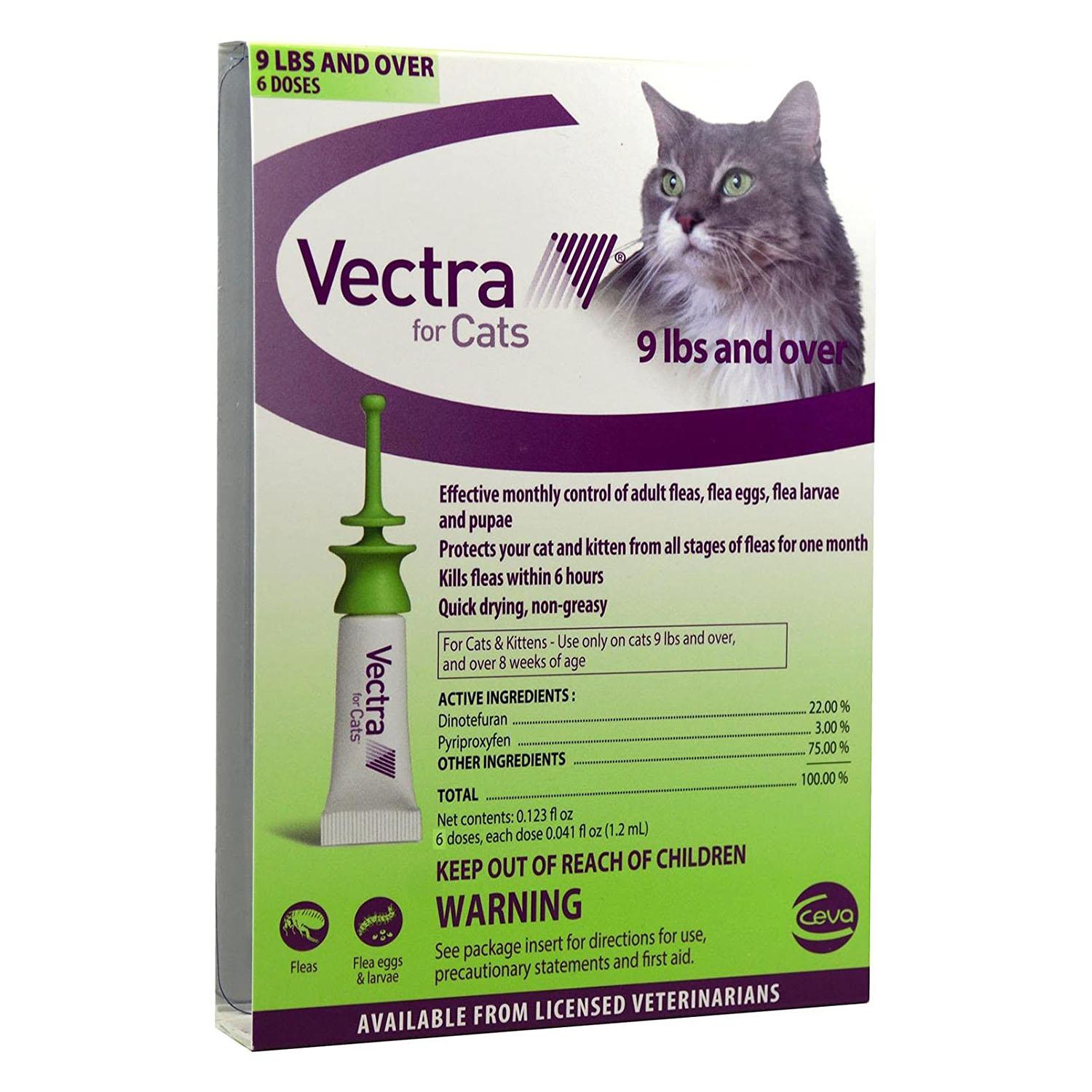
If your vet diagnoses your cat with a skin infection or a parasitic infestation, they may prescribe a specialized treatment. This could include prescription-strength flea preventives like Frontline or NexGard, or even a medicated wash. By using our pharmacy, you can have these essential health products delivered directly to your door, ensuring your cat gets the relief they need without a second trip to the clinic.
We also offer prescription diets for cats with severe food sensitivities. These specialized formulas are designed to eliminate common allergens and provide the specific nutrients needed to repair a damaged skin barrier. Managing a chronic condition is easier when you have a reliable source for your cat’s medical needs.
Environmental Adjustments
Beyond using a cat dandruff spray and improving nutrition, you can make changes to your home to support your cat’s skin.
Use a Humidifier
If you live in a dry climate or experience harsh winters, a humidifier can make a world of difference. Adding moisture back into the air helps prevent the skin from drying out in the first place. Aim to keep the humidity in your home between 30% and 50%.
Regular Brushing
Brushing is one of the best things you can do for a cat with dandruff. It stimulates blood flow to the skin and helps distribute natural oils. For cats with short hair, a rubber curry brush works well. For long-haired cats, a slicker brush or a metal comb is better for reaching through the undercoat. A U-Groom Combo Brush for Dogs and Cats offers both stainless-steel pins and boar bristles for home grooming.
Clean Bedding
Skin flakes and dander accumulate in the places where your cat sleeps. Washing their bedding regularly in a pet-safe, unscented detergent can reduce the buildup of allergens and bacteria that might irritate their skin.
Key Takeaway: Combining topical sprays with a more humid environment and regular brushing provides a multi-angled approach to skin care.
How to Choose the Right Grooming Tools
Not all brushes are created equal. The right tool depends on your cat's coat type and how sensitive their skin is.
Short-Haired Cats
Short-haired felines usually only need a gentle brushing once or twice a week. A soft-bristle brush or a rubber grooming mitt is often enough to remove loose hair and flakes without scratching the skin.
Long-Haired Cats
Cats with long, thick fur require more frequent attention. A stainless steel comb is excellent for finding small mats before they become a problem. Removing these mats is crucial because they trap moisture and debris against the skin, which can lead to localized dandruff and infections.
Senior and Sensitive Cats
If your cat has very thin skin or is older, use tools with rounded tips. Avoid harsh de-shedding tools that use blades, as these can be too aggressive for sensitive skin. The goal is to be as gentle as possible while still being effective.
Bottom line: Matching the grooming tool to your cat's specific coat type prevents skin irritation and makes the experience more enjoyable for them.
The Role of Professional Grooming
Sometimes, a cat's coat gets ahead of you. If a cat has severe matting or heavy dandruff that won't go away with home treatments, a professional groomer can help. They have the experience to give a "sanitary clip" or a full bath using professional-grade moisturizing shampoos.
A professional can also help with cats who are aggressive or highly stressed during grooming. They know how to handle felines safely and efficiently. Once the groomer has cleared away the old hair and flakes, it is much easier for you to maintain the skin at home using your cat dandruff spray.
Transitioning to a New Diet for Skin Health
If you decide to switch your cat's food to support their skin, do it slowly. A sudden change can cause digestive upset, which adds more stress to their body.
Step 1: Mix the food. / Start by mixing 25% of the new food with 75% of the old food for two or three days.
Step 2: Increase the ratio. / If your cat is doing well, move to a 50/50 split for the next three days.
Step 3: Almost there. / Move to 75% new food and 25% old food for the final two days.
Step 4: Full transition. / You can now serve 100% of the new, skin-supporting diet. Keep an eye on their coat over the next six to eight weeks, as skin changes take time to become visible.
Summary of Cat Skin Care
Managing cat dandruff is a journey that involves topical care, proper nutrition, and environmental management. A cat dandruff spray is an excellent tool for immediate relief and allergen control, especially for owners who suffer from allergies themselves. By choosing products with natural ingredients and avoiding harsh chemicals, you can keep your feline friend comfortable.
Remember to look at the whole picture. If the flakes are accompanied by itching or redness, a visit to the veterinarian is the best course of action. Whether you need a simple moisturizing spray or a prescription diet from our pharmacy, BaxterBoo is here to support your cat's health at every stage.
Key Takeaway: Effective skin care for cats combines topical hydration with internal nutritional support and regular, gentle grooming.
To find the right solutions for your pet, explore our cat grooming supplies. If you are looking for long-term savings on food and supplements that support healthy skin, consider our Autoship programme. It ensures you never run out of the essentials while providing extra savings on your orders.
FAQ
Is cat dandruff spray safe if my cat licks it?
Most cat dandruff sprays are formulated to be non-toxic because manufacturers know that cats are frequent groomers. Look for products that list natural ingredients like chamomile or green tea and avoid those with essential oils or harsh chemicals. It is always a good idea to supervise your cat for a few minutes after application until the product has dried or been wiped into the fur.
How often should I use a dander or dandruff spray on my cat?
For cats with mild dryness, using the spray once or twice a week is usually sufficient to manage flakes. If you are using the product to reduce allergens for a human in the house, you may want to apply it every three to four days. Always follow the specific instructions on the product label, as some formulas are more concentrated than others.
Can I use human dandruff shampoo on my cat?
No, you should never use human dandruff shampoos or sprays on a cat. Felines have a different skin pH than humans, and ingredients like coal tar or salicylic acid found in human products can be highly toxic to cats. Always stick to products labeled specifically for feline use to ensure they are safe for your pet's unique biology.
When should I stop using a spray and see a vet?
If you notice that the dandruff is getting worse despite regular treatment, or if it is accompanied by red skin, hair loss, or sores, you should see a vet. These symptoms often indicate a parasitic infection, an allergy, or an underlying medical condition like hyperthyroidism. A veterinarian can provide a proper diagnosis and potentially a prescription from a pharmacy to treat the root cause.






- Site & Contents BaxterBoo.com. BaxterBoo is located in the United States.
- Privacy & Security
- Terms of Use
- Accessibility Statement
