Save 15% on your 1st Autoship learn more

 Email us
 Live Chat
 FAQs
FAQs





Introduction
You are relaxing on the sofa with your cat when you notice a dusting of white flakes along their lower back. It looks like salt or tiny specks of snow resting against their dark fur. You might wonder if you are looking at a simple skin issue or something more serious. At BaxterBoo, we know that a shiny coat is a sign of a healthy cat. This guide explains why these flakes appear and how you can treat them at home. We will also help you identify when a visit to the veterinarian is necessary for your feline friend. Understanding the root cause of the dryness is the first step toward finding the right cat dandruff treatment.
Quick Answer: Cat dandruff treatment usually involves a combination of regular brushing, increased hydration, and dietary supplements like omega-3 fatty acids. If flakes are accompanied by itching or hair loss, a veterinary visit is necessary to rule out parasites or underlying health conditions.
Understanding Cat Dandruff and Dander
It is important to understand what you are seeing when you look at your cat's coat. Many owners confuse dandruff with dander, but they are not the same thing. Every cat produces dander. Dander consists of microscopic skin cells that shed naturally as part of the normal skin renewal process. You cannot see dander with the naked eye. It is the primary cause of allergies in humans because it carries proteins from the cat's saliva.
Dandruff is different because it is visible. It occurs when skin cells shed too quickly or clump together. This results in the white flakes you see on your cat's fur or on their favorite sleeping spots. While a few flakes might be normal during seasonal changes, excessive dandruff suggests that the skin is irritated or lacking moisture.
Recognizing the Symptoms
Dandruff is often just one sign of a skin issue. When you check your cat, look for these other common signs:
- Red or inflamed skin under the fur.
- A greasy or oily feeling to the coat.
- Patches of thinning hair or complete hair loss.
- Excessive licking or biting at specific areas.
- A dull coat that lacks its usual shine.
Key Takeaway: Dander is a normal, invisible part of feline life, while dandruff is a visible sign of skin irritation or a lack of moisture that requires attention.
Common Causes of Flaky Skin in Cats
There is rarely just one reason for feline skin flakes. Several factors often work together to dry out the skin. By identifying which factors apply to your pet, you can choose the most effective cat dandruff treatment.
Environmental Humidity
Low humidity is a leading cause of dry skin in cats. This is especially common during the winter months when home heating systems strip moisture from the air. If the air is dry, the skin’s natural barrier can crack and flake. Hairless breeds or cats with very thin coats are particularly sensitive to these environmental changes.
Grooming Difficulties
Cats are famously clean animals. They spend a large portion of their day grooming to remove loose hair and dead skin. If a cat stops grooming effectively, dandruff builds up. This often happens to senior cats who have arthritis. The stiffness makes it painful to reach their lower back or the base of their tail. Obesity is another common hurdle. Overweight cats physically cannot reach certain areas, leading to mats and flakes in those spots.
Nutritional Deficiencies
The skin is the largest organ of the body. It requires a significant amount of protein and healthy fats to stay healthy. If a cat’s diet is low in essential fatty acids, the skin becomes dry and brittle. Dehydration also plays a role. Many cats do not drink enough water and rely on their food for moisture. A diet consisting only of dry kibble can sometimes lead to chronic dehydration and flaky skin.
Effective Home Treatments for Cat Dandruff
If your cat is otherwise acting normal, you can start with some simple changes at home. Most cases of mild dandruff respond well to improved grooming and hydration.
Establishing a Brushing Routine
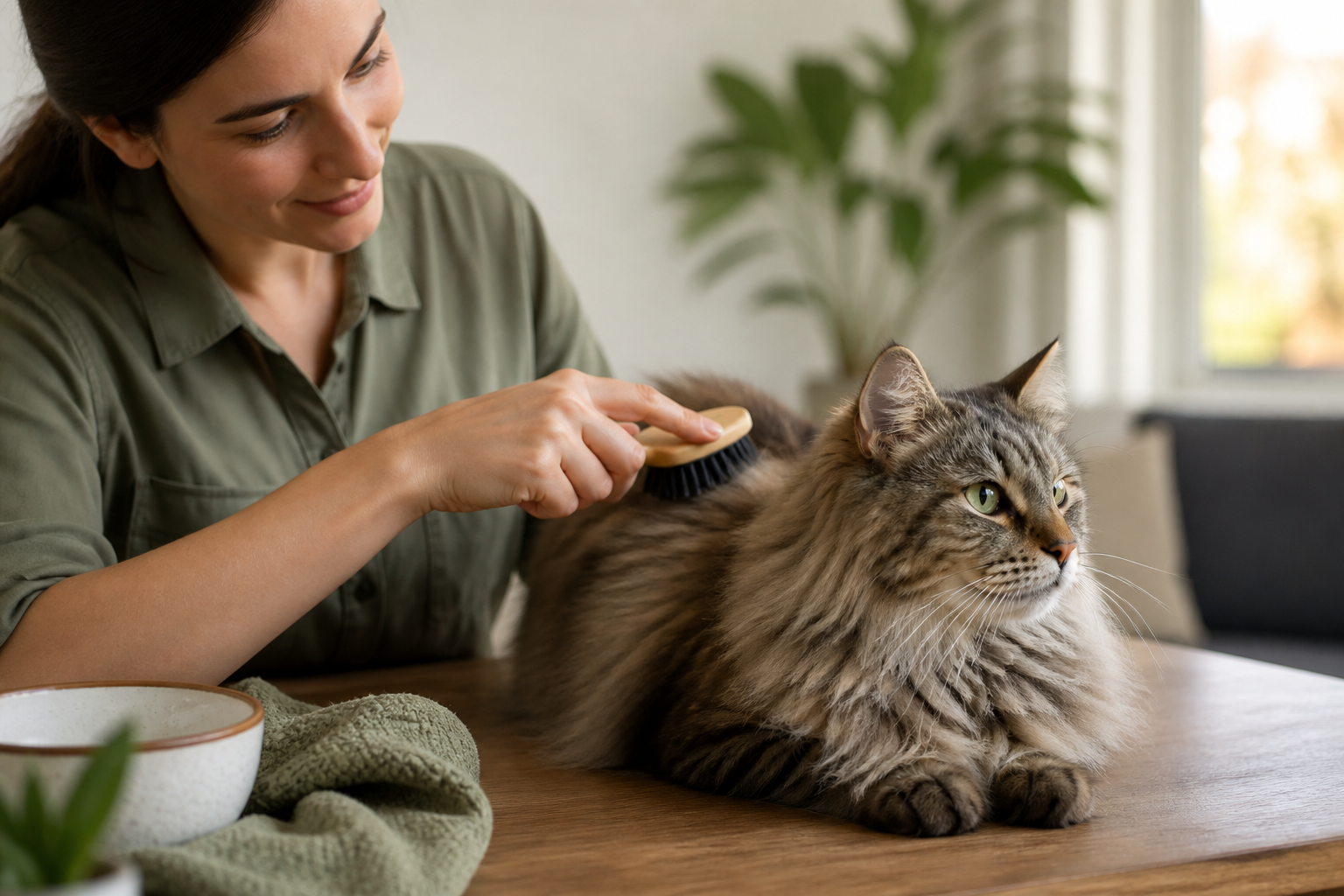
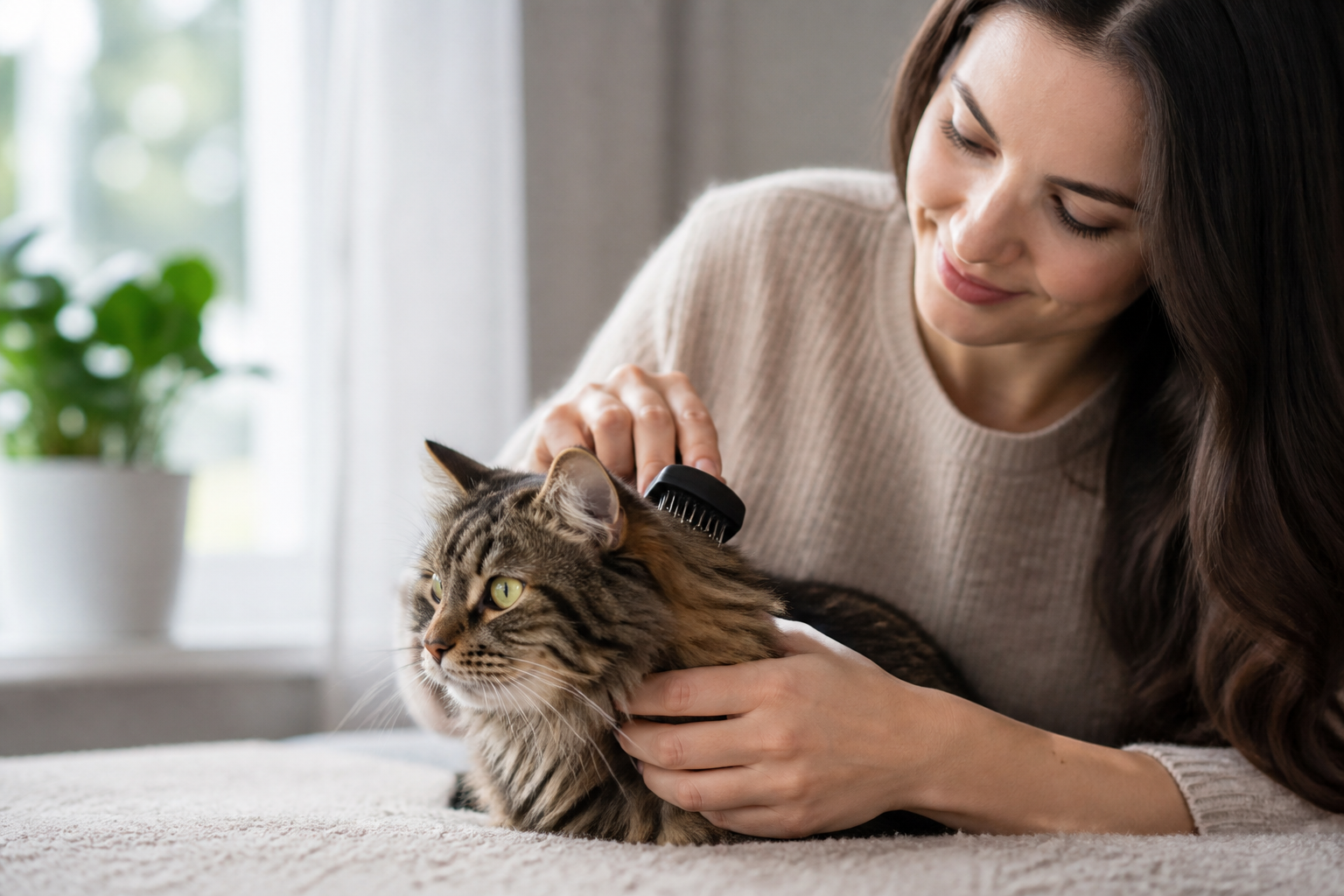
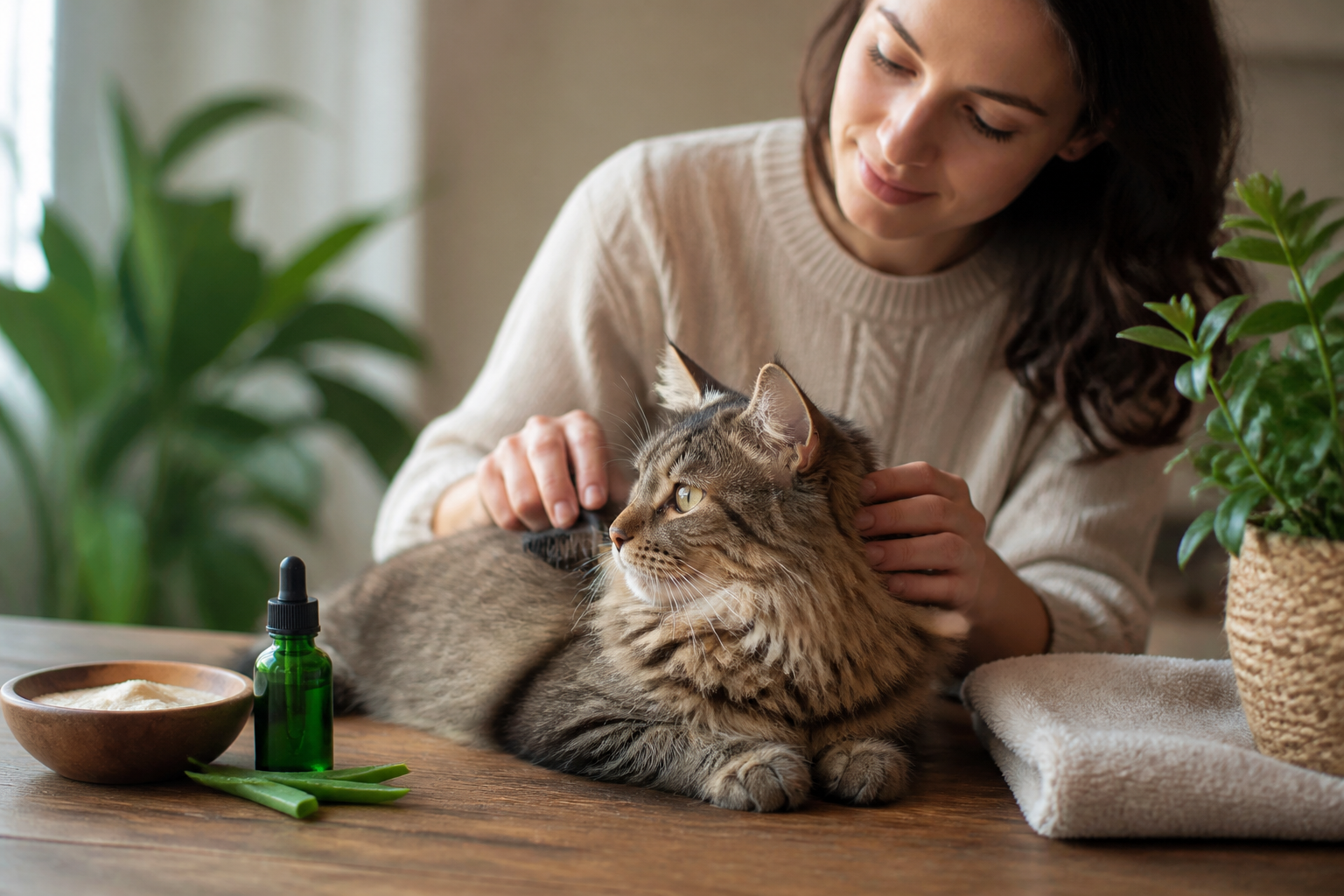
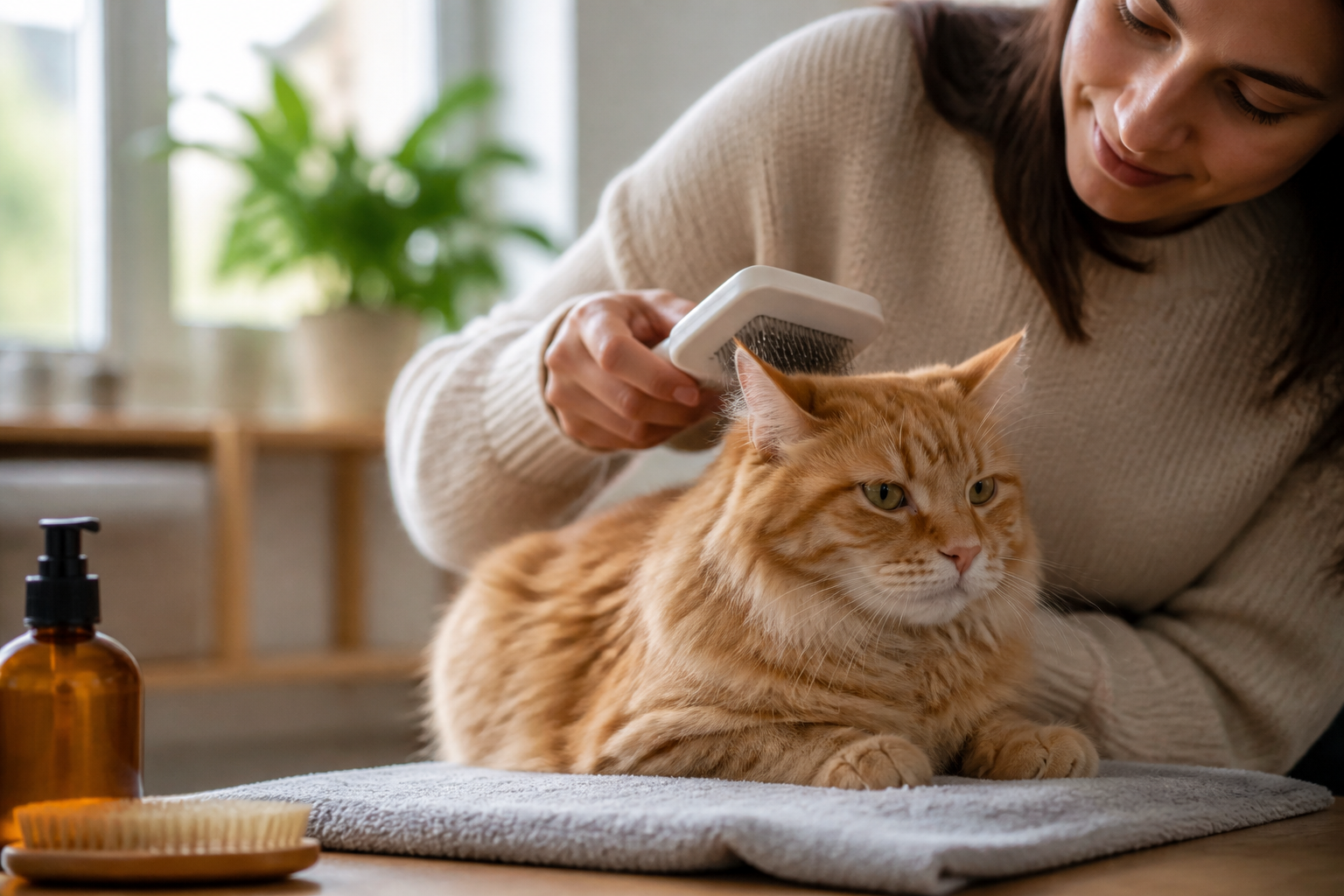
Brushing is one of the most effective ways to manage dandruff. It does more than just remove flakes. The action of the brush stimulates the skin and encourages the production of natural oils. It then helps spread those oils down the hair shaft. Explore our cat grooming supplies to find brushes and combs for different coat types.
Step 1: Choose the right tool for your cat's coat type. Long-haired cats need a slicker brush or a comb, while short-haired cats do well with a rubber grooming mitt.
Step 2: Brush gently in the direction of hair growth. Start with the areas the cat enjoys most, like the chin or neck.
Step 3: Gradually move toward the back and tail where dandruff is most common.
Step 4: Reward your cat with a healthy treat from a brand like Stella and Chewy's to make the experience positive.
For an all-purpose option, the U-Groom Combo Brush for Dogs and Cats has stainless-steel pins and boar bristles to help remove tangles and distribute natural oils.
Improving Hydration and Diet
Switching how your cat consumes water can make a big difference in their skin health. Cats often prefer running water over a still bowl. A pet fountain can entice them to drink more throughout the day. You should also consider their food. Adding wet food to their routine is a simple way to increase their daily moisture intake. Browse our cat food collection for dry, wet, and freeze-dried options.
Many high-quality brands we carry, such as Farmina and Open Farm, offer recipes specifically formulated for skin and coat health. Look for ingredients like salmon, flaxseed, or added fish oils. These provide the omega-3 and omega-6 fatty acids necessary to maintain a strong skin barrier. You can also explore wet cat food for skin and coat health when looking for moisture-rich recipes.
Bottom line: Regular grooming and increased moisture intake through wet food or fountains are the best first steps for treating mild feline dandruff at home.
Supplements and Topical Solutions
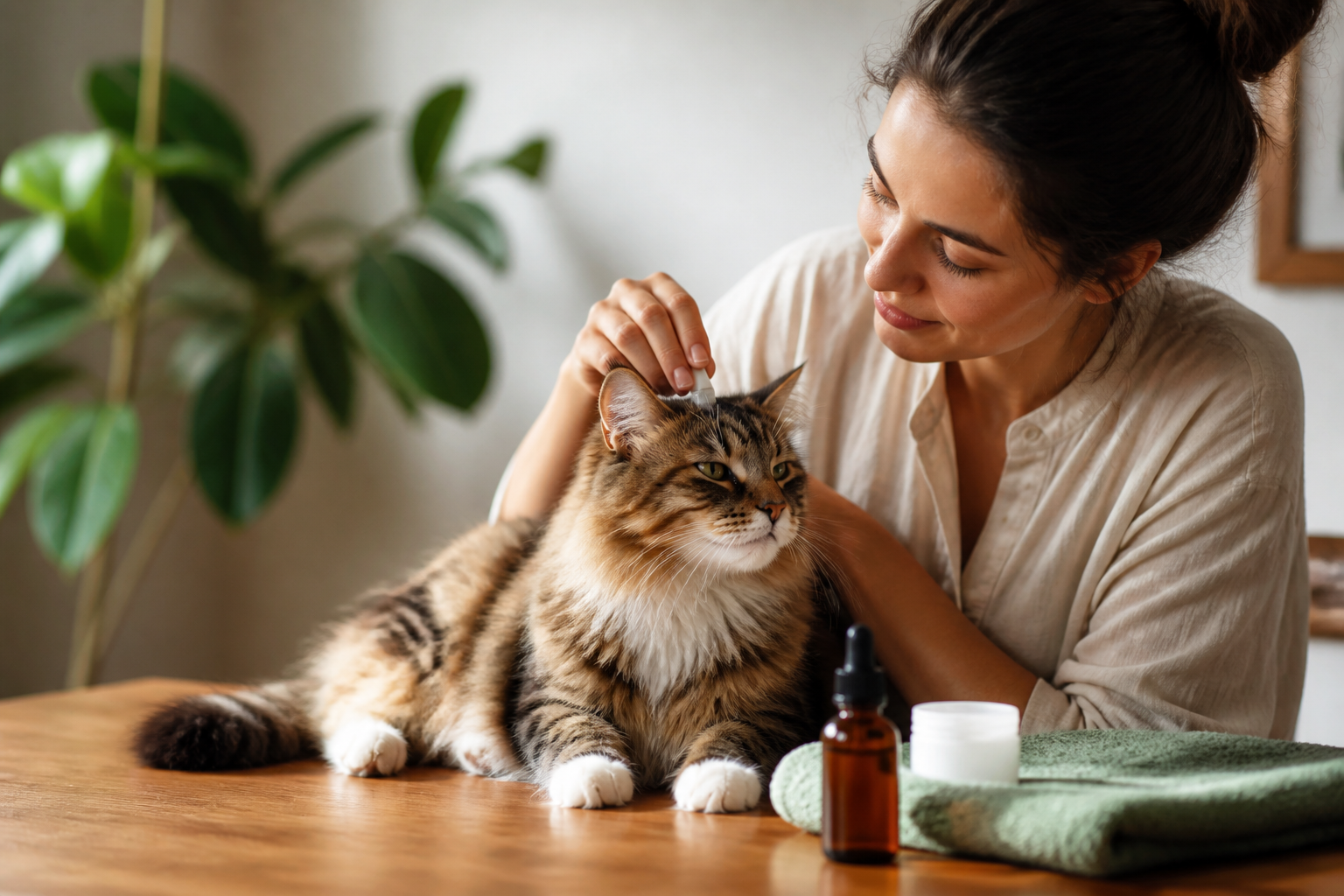
Sometimes a diet change is not enough to stop the flakes. In these cases, supplements can provide a concentrated boost of nutrients. Omega-3 fatty acid supplements are highly effective for skin health. They help reduce inflammation and keep the skin cells plump and hydrated. Our cat healthcare collection includes skin and coat products, vitamins, and supplements.
Choosing the Right Supplement
When looking for a supplement, quality matters. Brands like Zesty Paws or Honest Paws offer oils and chews designed specifically for pets. You can easily pump fish oil directly onto your cat's food. Most cats enjoy the taste, making it an easy addition to their morning routine. Always start with a small amount to ensure it does not upset your cat's stomach.
The Zesty Paws Wild Alaskan Omega-3 Blend Pollock & Salmon Oil Supplement is formulated for dogs and cats and supports skin and coat care.
The Role of Shampoos and Sprays
You might be tempted to give your cat a bath to wash away the flakes. However, frequent bathing can actually make dandruff worse by stripping away natural oils. Most cats find baths stressful, which can further irritate the skin.
If you must bathe your cat, use a moisturizing shampoo designed specifically for felines. Never use human dandruff shampoo, as the pH level is wrong and the ingredients can be toxic to cats. A waterless shampoo or a conditioning spray can be a better alternative. These products allow you to moisturize the coat without the stress of a full bath.
Vet Tip: Always consult your veterinarian before starting a new supplement routine. They can help you determine the correct amount based on your cat's weight and specific health needs.
When to Use the BaxterBoo Pharmacy
While home care works for many cats, some dandruff is caused by medical issues that require professional treatment. Our cat pharmacy offers prescription medications and veterinary diets through our pharmacy service. This is especially important for conditions like parasites or allergies.
Addressing Parasites
Parasites are a common but often overlooked cause of dandruff. Fleas can cause significant skin irritation and allergic reactions. Some mites, such as the Cheyletiella mite, are even nicknamed walking dandruff because they look like moving white flakes.
If your cat has parasites, you will need a prescription-strength treatment. We carry trusted brands like Frontline and NexGard through our pharmacy. Keeping your cat on a monthly preventative is the best way to ensure their skin remains clear of these pests. You can also review our cat flea and tick collection for available prevention products.
For additional guidance about parasite prevention, read our guide to flea and tick prevention products.
Prescription Diets and Medications
In some cases, dandruff is a symptom of a deeper health issue like hyperthyroidism or a severe food allergy. Your veterinarian may prescribe a specific therapeutic diet from brands like Royal Canin or Farmina Vet Life. These diets are formulated to manage specific conditions while providing the high levels of nutrients the skin needs to heal.
Our pharmacy makes it easy to manage these ongoing needs. You can upload your prescription and have the necessary food or medication delivered right to your door. This ensures your cat never misses a dose of the treatment they need to stay flake-free.
Key Takeaway: If home remedies do not work, use our pharmacy and Pet's Choice partnership to access prescription diets and parasite preventatives that target the root cause of skin issues.
Managing Your Cat’s Environment
The air inside your home has a direct impact on your cat's skin. If you live in a cold climate or use air conditioning frequently, the humidity levels may be too low. A humidifier in the room where your cat spends the most time can provide much-needed relief. Aim to keep the humidity between 40 and 50 percent.
You should also look at the products you use to clean your home. Harsh chemicals in floor cleaners or laundry detergents can cause contact dermatitis in cats. Since cats spend so much time on the floor and then lick their fur, they are highly exposed to these irritants. Switching to cat-friendly, non-toxic cleaners can help reduce skin inflammation.
Weight Management for Better Grooming
If your cat has dandruff because they are too heavy to groom themselves, weight management becomes a vital part of their skin care. This is a long-term process that involves both diet and exercise. Interactive toys from brands like Jackson Galaxy can encourage your cat to move more.
Pairing increased activity with a weight-controlled diet can help your cat reach a size where they can reach their back and tail again. Our Autoship programme is a great way to stay consistent with a weight management diet. You can save on your first order and ensure you never run out of the food your cat needs to stay healthy.
For more ideas about food, activity, and portion control, read how to help an indoor cat lose weight.
When to See a Veterinarian
Most dandruff is not an emergency, but it can be a sign of discomfort. You should schedule a veterinary visit if you notice any of the following:
- The dandruff appears suddenly and is very heavy.
- Your cat is losing clumps of hair.
- There are open sores, scabs, or red bumps on the skin.
- Your cat seems lethargic or has a change in appetite.
- The skin has a strong or unusual odor.
A veterinarian can perform a skin scraping or blood tests to find the exact cause. They might find that the dandruff is a secondary symptom of a condition like diabetes or kidney disease. In these cases, treating the primary illness is the only way to clear up the skin.
Vet Tip: If your cat is scratching so much that they are breaking the skin, they need medical attention. Open wounds can quickly lead to bacterial infections that require antibiotics.
Summary of Treatment Options
Managing cat dandruff is about consistency. You likely will not see results overnight, but a steady routine will improve your cat's comfort and coat quality over a few weeks.
- Daily Brushing: Use the right tools to distribute oils and remove dead skin.
- Dietary Support: Focus on high-quality proteins and omega fatty acids.
- Hydration: Use fountains and wet food to keep your cat hydrated from the inside out.
- Pharmacy Access: Utilize our pharmacy for prescription diets and flea protection.
- Environmental Care: Use a humidifier and avoid harsh cleaning chemicals.
Bottom line: A holistic approach that combines grooming, nutrition, and veterinary care is the most effective way to eliminate cat dandruff.
Conclusion
Cat dandruff is a common issue that often points to a need for more moisture or better grooming. By making small changes to your cat's daily routine, you can help them achieve a soft, flake-free coat. Whether you are adding a supplement to their meal or starting a new brushing habit, your efforts will make your feline friend much more comfortable. For those who need specialized support, our BaxterBoo pharmacy and Pet's Choice partnership are here to provide the prescription treatments your vet recommends. We invite you to explore our cat healthcare section to find the tools you need for your cat's health journey.
FAQ
Can I use human dandruff shampoo on my cat?
No, you should never use human dandruff shampoo on a cat. These products are formulated for the pH level of human skin, which is much more acidic than a cat’s skin. Many human shampoos also contain ingredients like zinc pyrithione or selenium sulfide, which can be toxic if your cat licks their fur after a bath.
Why does my cat only have dandruff on their lower back?
Dandruff is often concentrated on the lower back and the base of the tail because these are the hardest areas for a cat to reach. If a cat is senior, arthritic, or overweight, they may stop grooming these spots entirely. This leads to a buildup of dead skin and loose fur that eventually becomes visible dandruff.
Does cat dandruff mean my cat has fleas?
Not always, but fleas are a common cause of skin irritation that leads to flaking. When fleas bite, they inject saliva that can cause an allergic reaction called flea allergy dermatitis. This causes intense itching and dry, flaky skin. If you see black specks along with white flakes, those specks are likely flea dirt.
How long does it take for cat dandruff to go away?
The timeline for improvement depends on the cause of the dandruff. If the issue is environmental dryness, you might see a change within a week of using a humidifier. For nutritional issues or weight-related grooming problems, it may take four to six weeks of consistent diet and grooming changes to see a significant difference in the coat.