
 Save 15% on your 1st Autoship learn more

 Email us
 Live Chat
 FAQs
FAQs






Why Your Pet's Health May Depend on the Right Nutrition
Veterinary diet food is specialized, prescription-only nutrition designed to manage specific medical conditions in pets, from kidney disease to food allergies to urinary tract problems. Unlike regular pet food, these therapeutic diets contain precisely controlled nutrient levels that work alongside veterinary treatment to help pets recover from illness or manage chronic conditions.
If you're looking for veterinary diet food for your pet, here's what you need to know:
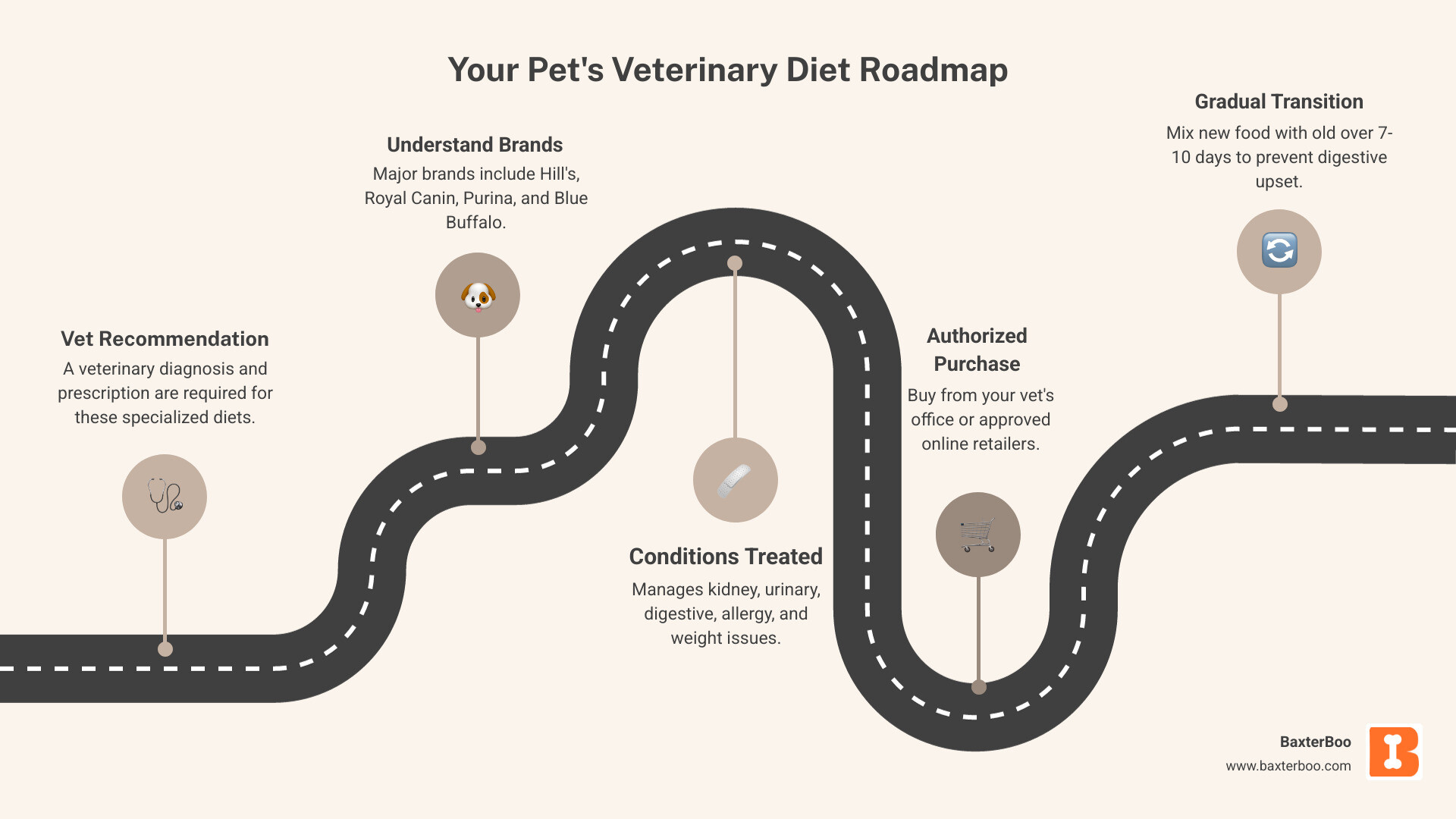
- You'll need a vet's recommendation - These foods require authorization because they're formulated for specific medical conditions
- Major brands include Hill's Prescription Diet, Royal Canin Veterinary Diet, Purina Pro Plan Veterinary Diets, and Blue Buffalo Natural Veterinary Diet
- Common conditions treated include kidney disease, urinary issues, digestive problems, food allergies, and weight management
- Purchase locations include your vet's office, authorized online retailers like BaxterBoo, and some pet stores with vet authorization
- Transition gradually over 7-10 days by mixing with current food to avoid digestive upset
When your veterinarian diagnoses a health condition in your pet, therapeutic nutrition often becomes part of the treatment plan. Research shows that 1 in 3 pet parents don't recognize their pet's weight issue, and many health problems go unmanaged until they become serious. That's where veterinary diet foods come in. They're developed by PhD nutritionists and veterinarians specifically to address medical needs that regular pet food can't handle.
These aren't just "premium" foods with a higher price tag. They're clinically tested formulations with therapeutic nutrient profiles. For example, Hill's Prescription Diet c/d Multicare can dissolve struvite stones in as little as 7 days (average 27 days), while their Metabolic formula helps pets naturally lose weight by activating their metabolism.
The good news? With the right therapeutic diet and your vet's guidance, many pets experience remarkable improvements, which Hill's calls "bouncebacks" from health setbacks.
What Are Veterinary Therapeutic Diets and Why Are They Prescribed?
When pets face health challenges, their diet often becomes a crucial component of their treatment and recovery. This is where veterinary diet food, also known as therapeutic or prescription pet food, steps in. These are specialized medical nutrition products formulated with precise nutrient profiles to help manage specific health conditions.

For example, a dog with kidney disease or a cat struggling with urinary stones needs a very different nutrient balance than a healthy animal. Regular pet food, designed for generally healthy pets, will not have the targeted levels of key nutrients required to support these fragile systems. That is why veterinarians prescribe these unique diets. They become part of a comprehensive treatment plan, working with medication and other therapies to promote healing and improve quality of life. The science behind these foods is substantial, with clinically tested nutrition designed by teams of PhD nutritionists and veterinarians.
The Critical Role of Your Veterinarian
The cornerstone of successful therapeutic nutrition is the veterinarian. Veterinarians do far more than write a prescription; they play a central role in recommending and managing veterinary diet foods.
They begin with a thorough health assessment and diagnosis of the condition your pet is facing. This might involve blood tests, urine analysis, imaging, and a detailed physical exam. Once a diagnosis is made, your vet can formulate a personalized nutrition plan and recommend a specific diet that addresses the underlying medical issue.
For instance, if your pet has a sensitive stomach, your veterinarian might suggest a highly digestible formula. If your pet is overweight, a calorie-controlled diet might be recommended. The veterinarian’s expertise ensures that the chosen food’s nutritional composition aligns with your pet’s individual needs. Ongoing management includes monitoring your pet’s response to the diet, making adjustments as needed, and recognizing and addressing any potential side effects. Their prescription authorization is the final, essential step in obtaining these specialized foods.
Why These Foods Require a Prescription
You might wonder why you cannot simply pick up a bag of "kidney support" food from a regular pet store shelf. The answer lies in the highly targeted nature and medical potency of these formulations. Veterinary diet foods are not merely upgraded versions of commercial pet food; they are medical-grade products with specific therapeutic nutrient levels.
These diets are designed with carefully balanced protein, fat, carbohydrates, minerals, and vitamins that can directly influence how a disease progresses. For example, a kidney diet will have closely controlled phosphorus and protein levels, while a urinary diet might adjust mineral content to influence urine pH. Using the wrong diet can worsen an existing condition or cause new health problems. These foods are not intended for healthy pets because their specialized nutrient profiles can be inappropriate for animals without a specific medical need.
The development of these foods is backed by extensive scientific research and rigorous clinical testing to ensure that they meet clear therapeutic goals. This focused formulation goes beyond the general nutritional guidelines set by organizations like AAFCO (Association of American Feed Control Officials) for healthy animals and instead targets disease management. As a result, veterinary oversight is crucial to prevent improper use and to ensure that your pet receives the correct nutritional support.
Common Health Conditions Managed by Veterinary Diets
Pets can suffer from a variety of health conditions, and nutrition plays a powerful role in how those conditions are managed. Many issues can be significantly improved, and symptoms reduced, through specialized veterinary diet foods. These therapeutic solutions are not just about feeding; they provide targeted nutritional support that can improve disease control and improve quality of life.
Leading brands offer extensive lines of products customized to address specific health challenges. Below are some of the most common conditions where these specialized diets can make a meaningful difference.
Kidney & Renal Support
Kidney disease is a common and serious condition in both dogs and cats, particularly as they age. When kidneys are not functioning properly, they struggle to filter waste products from the blood. Veterinary diet foods for kidney support are formulated to ease the workload on these vital organs.
Key nutritional considerations include:
- Controlled phosphorus: Reduced phosphorus content to help slow the progression of kidney damage.
- High-quality protein: Carefully moderated protein levels, using very high-quality sources to help maintain muscle mass while minimizing waste products.
- Omega-3 fatty acids: Often included to help reduce inflammation in the kidneys.
- Antioxidants and B vitamins: Added to support overall health and compensate for nutrients that may be lost due to increased urination.
These adjustments help protect kidney function and support your pet’s ability to maintain muscle mass, so they can live more comfortably for longer. For instance, Hill's Prescription Diet k/d is one well-known option for kidney care. BaxterBoo offers options like Blue Natural Veterinary Diet K+S Kidney Support for Dogs to help manage this condition.
Urinary Health
Urinary tract issues, such as bladder stones (struvite or calcium oxalate) and recurrent urinary tract problems, can be painful and distressing. Veterinary diet foods for urinary health are designed to create conditions in the bladder that discourage stone formation and promote dissolution of certain types of stones.
These diets use strategies such as:
- Mineral control: Regulating magnesium, phosphorus, and calcium levels.
- Urine pH management: Adjusting the diet to acidify or alkalize the urine, depending on the type of stone that needs to be dissolved or prevented.
- Increased moisture content: Wet food options increase water intake, helping dilute urine and flush the urinary tract.
Hill's Prescription Diet c/d Multicare, for example, is clinically proven to help reduce common urinary signs and can dissolve struvite stones in as little as 7 days (average 27 days). Purina Pro Plan Veterinary Diets UR Urinary Ox/St is another commonly used option for both dogs and cats.
Another good example of prescription urinary health dog food is the Farmina Vet Life Canine Urinary ST/Control Dry Dog Food.
Digestive & Gastrointestinal Care
Digestive upset, including conditions like inflammatory bowel disease (IBD), pancreatitis, or chronic diarrhea and vomiting, can severely affect a pet's comfort and ability to absorb nutrients. Therapeutic gastrointestinal diets are formulated to be gentle on the digestive system and support gut health.
They typically feature:
- Highly digestible ingredients: Easier for the gastrointestinal tract to break down and absorb, reducing strain.
- Prebiotic fibers: To nourish beneficial gut bacteria and support a healthy microbiome.
- Controlled fat levels: Especially important for pancreatitis or fat malabsorption.
- Appropriate protein sources: Sometimes novel or carefully selected proteins to avoid ingredients that may trigger digestive issues.
Hill's Prescription Diet i/d Digestive Care and Royal Canin Veterinary Diet Canine Gastrointestinal are examples of diets designed to support a sensitive digestive system.
Food Allergies & Skin Sensitivities
Itchy skin, chronic ear infections, and digestive upset can sometimes indicate food allergies or sensitivities. Identifying the exact allergen can be challenging, but specialized veterinary diet foods offer effective tools for managing these conditions.
These diets may include:
- Hydrolyzed proteins: Proteins that are broken down into very small fragments so the immune system is less likely to recognize them as allergens. Purina Pro Plan Veterinary Diets HA Hydrolyzed Chicken is one example.
- Novel protein sources: Using proteins pets have not eaten before (such as duck, venison, or rabbit) to reduce the chance of an allergic reaction. Blue Buffalo Natural Veterinary Diet HF Hydrolyzed Food is one such option.
- Limited ingredient diets (LID): Containing a small number of carefully selected ingredients to minimize potential triggers.
- Skin barrier support: Often enriched with omega-3 and omega-6 fatty acids to promote a healthy skin barrier and help reduce inflammation.
Hill's Prescription Diet z/d Skin/Food Sensitivities is another commonly used choice for pets with these issues.
Weight Management & Mobility
Obesity is increasingly common in pets, and excess weight can lead to diabetes, joint pain, decreased mobility, and a shortened lifespan. Mobility issues can also significantly affect an aging pet's daily comfort. Veterinary diet foods can help address both concerns.
For weight management, these diets often offer:
- Calorie control: Reduced calorie density to support safe, gradual weight loss.
- High fiber for satiety: To help pets feel full and satisfied between meals.
- L-carnitine: An amino acid that supports fat metabolism.
Hill's Prescription Diet Metabolic is clinically shown to help cats and dogs lose weight safely while helping them feel less hungry.
For mobility support, diets may include:
- Joint support ingredients: Such as glucosamine and chondroitin, which are building blocks for cartilage.
- Omega-3 fatty acids: Known for their anti-inflammatory properties, which can help ease joint discomfort.
Some diets, like Hill's Prescription Diet Metabolic + Mobility, combine both weight management and joint support. For additional mobility help, BaxterBoo also offers Nutrisource Amplifull Mobility Soft Chew Dog Supplement. For an overall dry dog food to help with weight management, we recommend: Purina Pro Plan Veterinary Diets OM Overweight Management Formula Dry Dog Food.
How to Choose and Use Your Veterinary Diet Food
Choosing and using veterinary diet food effectively requires careful planning and, most importantly, close collaboration with your veterinarian. Because these foods are a medical tool, understanding how to obtain them, how to use them, and how to support your pet during the change is essential for their health and well-being.
The process usually begins with your veterinarian's diagnosis and prescription. From there, you will handle purchasing and day-to-day feeding. It is important to buy from reputable sources so you receive authentic products. At BaxterBoo, we recognize how critical reliable access is for pets that depend on therapeutic diets.
Understanding Different Forms of Veterinary Diet Food
Just like regular pet food, veterinary diet foods come in various forms to suit different preferences and medical needs.
- Dry Food (Kibble): Often the most convenient and cost-effective option. Kibble can offer dental benefits because the chewing action can help reduce plaque and tartar buildup. Many pets enjoy the crunch and texture of dry food.
- Wet Food (Canned): Wet food is frequently recommended for its high moisture content, which is especially helpful for pets with urinary or kidney issues because it supports hydration. It is often more appealing for picky eaters or pets with dental problems, as it is easier to chew and has a stronger aroma.
- Specific Formulas: Within both dry and wet categories, you will find formulas custom for different conditions. For example, a "urinary care" dry food might be paired with a matching wet food in a mixed-feeding plan to combine dental benefits with increased hydration.
Sometimes veterinarians recommend mixing wet and dry food to keep mealtime interesting and to combine the advantages of both forms. This can be especially useful for pets recovering from illness who need extra encouragement to eat.
How to Successfully Transition Your Pet
Transitioning your pet to a new food, especially a specialized veterinary diet food, should be done gradually to avoid digestive upset. Sudden changes can lead to vomiting, diarrhea, or a refusal to eat.
Here is a common 7-10 day transition schedule:
- Days 1-2: Mix 25% new food with 75% old food.
- Days 3-4: Mix 50% new food with 50% old food.
- Days 5-6: Mix 75% new food with 25% old food.
- Days 7-10: Feed 100% new food.
During this process, watch your pet closely for any signs of digestive upset such as changes in stool, vomiting, or loss of appetite. If you notice issues, slow down the transition and contact your veterinarian for guidance.
For picky eaters, a slower transition may be helpful. You can also try warming wet food slightly to increase its aroma. For very selective cats, BaxterBoo has options that may appeal to their tastes. Find options for even the fussiest cats. Patience and consistency are important.
Potential Risks and Side Effects
While veterinary diet foods are valuable medical tools, they must be used correctly, which underscores the importance of veterinary supervision. The main risk is using the wrong diet for a particular pet or condition. For example, feeding a kidney diet to a healthy, growing puppy could result in nutritional deficiencies, and feeding a urinary-acidifying diet to a pet that requires urine alkalization could worsen their condition. These products are formulated for specific medical situations, and misuse can have serious consequences.
It is also important to monitor your pet closely after starting a new diet. Some pets may experience mild digestive upset during the transition, and not every pet will respond in the same way. If you see new or worsening symptoms at any point, contact your veterinarian promptly.
If you have questions at any stage of the process, your veterinarian is the primary resource for managing your pet's health and making sure the diet is working safely and effectively.
Frequently Asked Questions about Veterinary Nutrition
Navigating pet nutrition, especially when it involves specialized diets, often raises important questions. Below are answers to some of the most common queries about veterinary diet foods.
| Feature | Veterinary Diet Foods | Over-the-Counter Premium Foods |
|---|---|---|
| Purpose | Treatment/management of specific medical conditions | General wellness for healthy pets, improved nutrition |
| Nutrient Levels | Precisely controlled, therapeutic levels | Balanced for healthy pets, often higher protein/fat |
| Prescription Required? | Yes, typically from a veterinarian | No, widely available |
| Scientific Backing | Clinical research and veterinary formulation | Often based on general nutritional science and marketing |
| Ingredients | Specialized, sometimes novel or hydrolyzed proteins | High-quality, often natural/organic, but not therapeutic |
| Cost | Generally higher due to R&D and specialized ingredients | Varies, but often less than prescription diets |
| Oversight | Veterinary diagnosis, recommendation, and monitoring | Owner's choice, no professional oversight required |
How does a veterinary diet food differ from a "premium" store-bought food?
The key distinction lies in purpose and formulation. A "premium" store-bought food, even when made with high-quality ingredients, is designed to meet the nutritional needs of a healthy pet. These products may feature organic ingredients, novel proteins, or grain-free recipes, but their nutrient levels stay within standard ranges for generally healthy animals.
Veterinary diet foods, by contrast, are developed for specific medical purposes. They contain therapeutic nutrient levels that go beyond standard requirements. For example, a kidney diet will have carefully reduced phosphorus and protein, while a weight-loss diet will have fewer calories and more fiber. These are medically adjusted nutrient profiles created to address particular conditions.
Teams of veterinary nutritionists and scientists work to design and test these formulas. This focused research helps ensure that the diets provide targeted support for conditions like kidney disease, urinary issues, or severe allergies, and that they function as part of a veterinary treatment plan. For more expert insights into pet nutrition, you can visit resources such as Tufts University's Veterinary Nutrition website.
Can I use a veterinary diet for prevention?
Veterinary diet foods are primarily designed for the treatment and management of existing medical conditions, but in some cases they can also be used preventively under veterinary guidance.
For example, certain urinary diets are formulated to help prevent the recurrence of specific types of bladder stones after they have been treated. Some weight management diets may be used to help maintain a healthy weight in pets prone to weight gain.
However, using a therapeutic diet without a diagnosed medical need can be harmful. These diets often have altered nutrient balances that may not be appropriate for a healthy pet over the long term. A kidney diet that is low in protein, for instance, may not supply enough protein for a healthy, growing puppy. Any use of veterinary diet food, even for prevention, should therefore be recommended and monitored by your veterinarian.
Why is veterinary food more expensive?
The cost of veterinary diet food reflects several factors that distinguish these products from conventional pet diets:
- Research and Development Costs: Developing specialized formulas involves scientific research, feeding trials, and extensive work by veterinary nutritionists and scientists.
- Specialized Ingredients: Many veterinary diets use unique or highly processed ingredients, such as hydrolyzed proteins, specific fiber blends, or advanced nutrient complexes that are not found in standard pet foods.
- Quality Control and Testing: Because these diets serve a medical purpose, they undergo strict quality control and testing to help ensure consistency.
- Role in Medical Treatment: You are not just buying food; you are purchasing an important part of your pet’s treatment plan, similar in concept to a specialized medication or therapy.
While these diets can be more expensive upfront, improved health outcomes and a potential reduction in other medical costs can make them a worthwhile investment in your pet's long-term well-being.
Conclusion: The Future of Pet Wellness Through Nutrition
Veterinary diet food represents an important advancement in pet healthcare. It is not just about filling a bowl; it is about providing targeted, science-based nutrition that can play a major role in managing and treating many medical conditions. From supporting kidney function and dissolving certain urinary stones to managing allergies and promoting healthy weight loss, these diets can help pets recover from health setbacks and maintain a better quality of life.
Your partnership with your veterinarian is central to this process. Their expertise in diagnosis, diet selection, and ongoing monitoring ensures that your pet receives the right nutritional support for their specific condition.
Looking ahead, pet nutrition is likely to continue moving toward more personalized approaches, such as diets informed by genetic information, microbiome analysis, and advanced diagnostics. These developments may allow even more precise, proactive health management so pets can live longer, healthier lives.
BaxterBoo is committed to pet wellness, offering expertly curated, high-quality pet products, including vet-approved medications and organic options. We are proud to serve pet parents in Vernon Hills, IL, and across the United States, helping you steer the complexities of pet care with confidence. For your pet’s comfort and style, you can also shop our collection of dog apparel.






