Save 15% on your 1st Autoship learn more

 Email us
 Live Chat
 FAQs
FAQs





Introduction
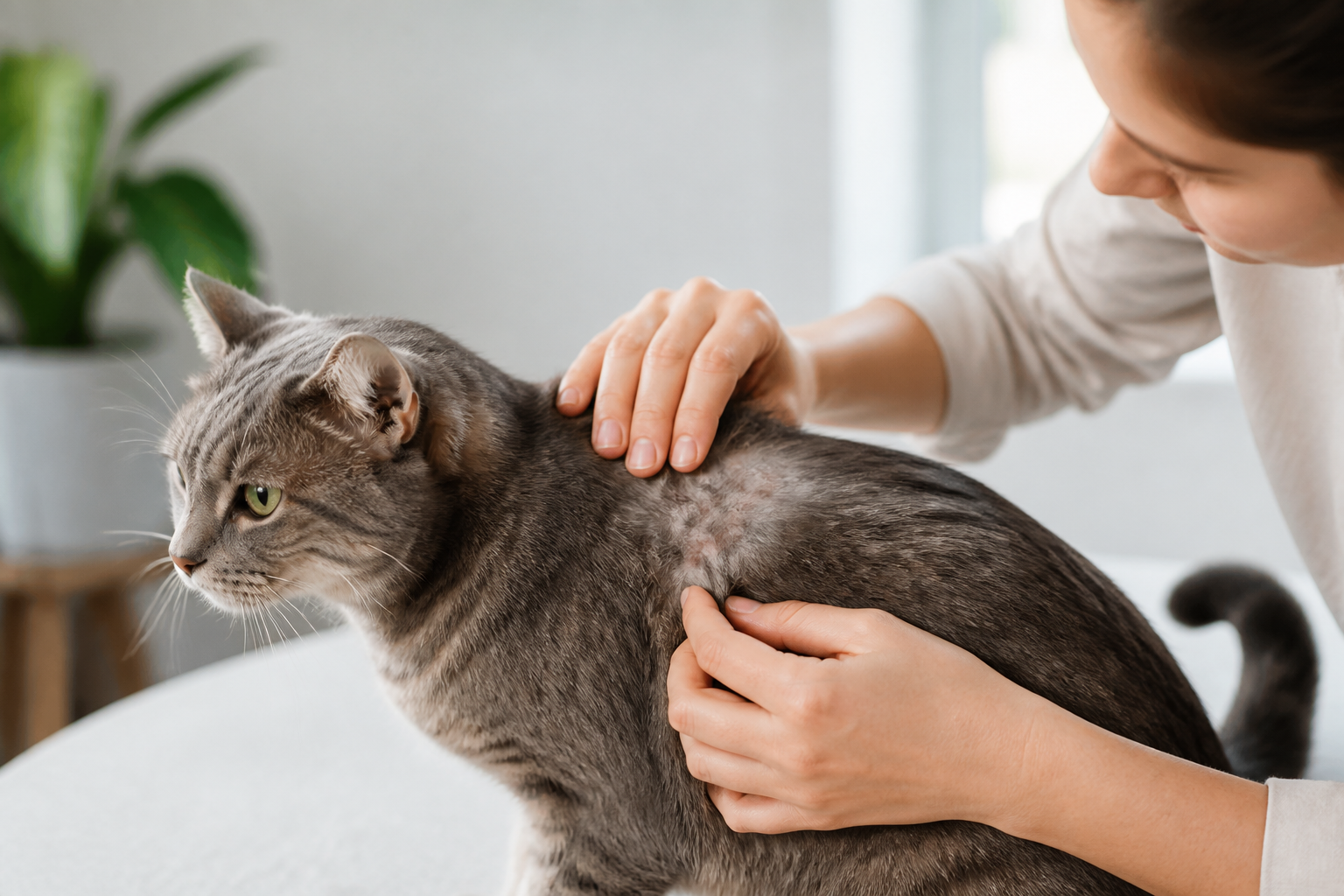
You are relaxing on the sofa with your cat when you notice a dusting of white flakes on their dark fur. As you reach down to pet them, you realize the hair along their lower back feels thin or perhaps you spot a small, round bald patch that was not there last week. These signs of cat hair loss and dandruff are common concerns for many pet owners who visit us at BaxterBoo. While a few flakes might seem like a minor cosmetic issue, they often point to underlying health needs or environmental stressors. This article covers the primary causes of feline skin irritation, the connection between flaking and fur loss, and practical steps to restore your cat's coat. Our goal is to provide the knowledge you need to help your feline friend feel comfortable and look their best again.
Quick Answer: Cat dandruff is often caused by dry skin, poor nutrition, or an inability to groom properly. When skin becomes irritated or itchy, cats may over-groom, leading to thinning fur and bald patches. Addressing the root cause involves a combination of high-quality diet, regular brushing, and veterinary care for potential parasites or infections.
Understanding the Connection Between Skin and Fur
A cat's skin is their largest organ. It serves as a protective barrier against the outside world. When the skin is healthy, the coat follows suit: it is shiny, supple, and sheds at a normal, manageable rate. However, when the sebaceous glands in the skin produce too much or too little oil, dandruff occurs.
Dandruff consists of dead skin cells that have clumped together. While it is normal for skin cells to die and regenerate, a visible "snow" of flakes indicates an imbalance. This imbalance often causes itchiness, a condition known as pruritus. When a cat feels itchy, their natural instinct is to lick, bite, or scratch the area. Because cat tongues are covered in tiny, sandpaper-like barbs called papillae, excessive grooming quickly leads to broken hairs and bald spots.
Common Causes of Cat Hair Loss and Dandruff
Identifying why your cat is losing hair or developing flakes is the first step toward a solution. The causes range from simple environmental factors to more complex medical conditions.
Environmental Factors and Dry Air
During the winter months, indoor heating systems strip moisture from the air. This frequently leads to dry, itchy skin for both humans and pets. If your cat spends a lot of time near heat vents, their skin may become dehydrated. This causes the top layer of skin to flake off more rapidly.
Poor Nutrition and Essential Fatty Acids
The process of renewing skin cells and growing fur can use up to thirty percent of a cat’s daily protein intake. If their food lacks high-quality, digestible protein, the skin and coat are often the first areas to show signs of neglect. Essential fatty acids, specifically Omega-3 and Omega-6, are vital for maintaining the skin's moisture barrier. Since cats cannot produce these on their own, they must get them from their diet.
A nutritious diet can be a useful starting point, so explore our cat food collection when comparing options for your feline.
Obesity and Mobility Issues
If a cat is overweight, they may physically struggle to reach certain parts of their body, particularly the lower back and base of the tail. When a cat cannot groom these areas, dead skin and loose hair build up. This leads to a greasy appearance, heavy dandruff, and eventually matting or hair loss. Senior cats with arthritis face similar challenges because the pain of twisting and reaching makes thorough grooming difficult.
Key Takeaway: Dandruff and hair loss are rarely just surface issues. They are typically symptoms of environmental dryness, nutritional gaps, or physical limitations that prevent a cat from maintaining their own hygiene.
Parasites and Fungal Infections
Parasites are a frequent culprit behind sudden skin changes. Even indoor cats can be affected by "hitchhiker" fleas brought in on a human's clothing or other pets.
Flea Allergy Dermatitis (FAD)
Many cats are allergic to the saliva of fleas. A single bite can trigger an intense immune response, causing the cat to scratch and chew at their skin until it is raw. This usually results in hair loss around the neck, thighs, and tail base. You might not always see the fleas themselves, but you may notice "flea dirt," which looks like small specks of black pepper on the skin.
For additional guidance on prevention options, read our guide to flea and tick prevention products.
Mites and "Walking Dandruff"
Cheyletiella mites are often mistaken for simple dandruff because the mites themselves are white and move around on the skin. This condition, aptly named walking dandruff, is highly contagious among pets. It causes significant scaling and irritation.
Ringworm
Despite the name, ringworm is a fungal infection, not a parasite. It lives in the hair follicles and skin, causing circular patches of hair loss that may look red or crusty. Ringworm is zoonotic, meaning it can spread from cats to humans. If you notice circular bald spots on your cat, it is vital to keep them away from other pets and contact a professional immediately.
Vet Tip: If your cat is losing hair in patches or has inflamed skin, consult your veterinarian for a definitive diagnosis. Our pharmacy at BaxterBoo offers a wide range of FDA-approved flea, tick, and fungal treatments through our partnership with Pet's Choice. These products often require a prescription to ensure they are the right fit for your cat's specific condition.
Medical Conditions and Hormonal Imbalances
Sometimes the cause of hair loss and dandruff is internal. Endocrine disorders and systemic diseases can manifest as poor coat quality.
Hyperthyroidism
An overactive thyroid gland is common in middle-aged and senior cats. It speeds up the metabolism and can lead to a "shaggy" or unkempt appearance. Cats with hyperthyroidism often have greasy hair, patches of fur loss, and dandruff because their body is functioning at an accelerated rate.
Allergies
Cats can develop allergies to things in their environment, such as pollen, dust mites, or mold. They can also have food sensitivities to specific protein sources. Allergic cats often have red, itchy skin and may develop small scabs known as miliary dermatitis. These cats will often over-groom their belly and legs, leaving the fur thin and the skin exposed.
Stress and Anxiety
Cats are sensitive to changes in their environment. A new baby, a move to a new house, or even a change in your work schedule can trigger stress. Some cats react to anxiety by grooming themselves excessively as a self-soothing behavior. This is known as psychogenic alopecia. The hair loss is typically seen in straight lines along the forelimbs or the abdomen.
How to Support Your Cat's Skin and Coat Health
Once you have ruled out serious medical issues with a veterinarian, you can take practical steps at home to improve your cat's skin health.
Improve the Diet
Look for foods that list a specific animal protein as the first ingredient, such as chicken, salmon, or turkey. Avoid foods with excessive fillers that provide little nutritional value. Brands like Farmina, Open Farm, and Stella and Chewy's offer high-quality options that prioritize protein and healthy fats.
You can also browse our selection of Open Farm products when comparing food choices.
Supplement with Omega Fatty Acids
Adding a skin and coat supplement can make a significant difference. Fish oil or krill oil supplements provide the DHA and EPA needed to soothe inflamed skin and lock in moisture. We carry several trusted supplement brands, including Zesty Paws and Honest Paws, which are formulated specifically for feline needs.
Establish a Brushing Routine
Regular brushing is the most effective way to manage dandruff. It removes dead skin cells and loose fur before they can cause irritation. Brushing also stimulates the skin to produce natural oils and helps distribute those oils across the entire coat.
Step 1: Choose the right tool. Use a soft slicker brush for most coats or a fine-toothed comb for cats with long hair.
Step 2: Start slowly. Brush in the direction of hair growth, focusing on one small area at a time.
Step 3: Check for lumps or sores. Use this time to inspect the skin for any new redness, bumps, or parasites.
Step 4: Reward your cat. Use a healthy treat to make the grooming session a positive experience.
Creating a Healthier Environment
Small changes in your home can alleviate skin dryness. If your cat suffers from dandruff during the winter, consider using a humidifier in the rooms where they spend the most time. This adds moisture back into the air and prevents the skin from becoming brittle.
Avoid over-bathing your cat. Most cats are excellent at cleaning themselves and do not require regular baths. Washing a cat too often, especially with human shampoo, strips the natural oils from their skin and can actually make dandruff worse. If a bath is necessary due to a mess or a medical requirement, always use a soap-free shampoo specifically formulated for cats.
For brushes, combs, and cat-safe shampoos, visit our cat grooming supplies.
Managing Weight for Better Grooming
If obesity is preventing your cat from grooming, weight management is essential. Switching to a weight-control diet and increasing daily play sessions can help your cat reach a healthier size. As they lose weight, their mobility will improve, allowing them to reach those hard-to-groom spots on their back. In the meantime, you should assist them by brushing the areas they cannot reach.
When to Seek Professional Help
While a few flakes of dandruff can often be managed with better food and regular brushing, certain symptoms require a visit to the clinic.
- Sudden or symmetrical hair loss
- Open sores, scabs, or bleeding skin
- Visible parasites like fleas or mites
- Constant scratching that interrupts sleep or play
- A foul odor coming from the skin or ears
- Lethargy or changes in appetite accompanying the skin issues
A veterinarian can perform a skin scraping or blood work to determine if an underlying condition like hyperthyroidism or a bacterial infection is the cause. If a prescription diet or medication is needed, we can help you manage those ongoing needs through our pharmacy services. Our partnership with Pet's Choice ensures you have access to the exact medications your vet recommends.
Bottom line: A healthy coat starts from within, but environmental support and regular grooming are the tools that keep dandruff and hair loss at bay.
Selecting the Right Grooming Tools
Not all brushes are created equal. The type of fur your cat has will dictate which tool is most effective for removing dandruff.
| Fur Type | Recommended Tool | Benefit |
|---|---|---|
| Short Hair | Soft Rubber Brush | Massages skin and removes loose surface hair. |
| Long Hair | Undercoat Rake | Reaches through the top layer to remove trapped dander. |
| Thick/Double Coat | Slicker Brush | Untangles fine hairs and smooths the coat. |
| Sensitive Skin | Boar Bristle Brush | Distributes oils without irritating the skin surface. |
Using the wrong tool can sometimes cause "brush burn" or skin irritation, which leads to more flaking. Always use a gentle touch, especially over bony areas like the spine and hips.
Stress Management for Better Skin
If your vet suspects stress is the cause of hair loss, focus on enrichment. Provide vertical space like cat trees and ensure they have a quiet place to retreat. Pheromone diffusers can also help create a sense of calm in the household. By reducing the urge to over-groom, you allow the fur to grow back naturally.
For additional ideas about managing feline stress, explore our stress and anxiety resources for cats.
Regular play with interactive toys provides a healthy outlet for energy and reduces anxiety. A confident cat is less likely to engage in the repetitive licking behaviors that lead to bald patches.
Conclusion
Managing cat hair loss and dandruff requires a patient, holistic approach. By focusing on high-quality nutrition, regular grooming, and a stress-free environment, you can resolve most common skin issues. We are here to support your journey with a curated selection of premium foods, supplements, and grooming gear. Whether you need a specific brush or are looking to start an Autoship order for a skin-support diet, BaxterBoo provides the products and expertise you need. Always remember that persistent skin issues deserve a professional opinion to ensure your cat stays happy and healthy.
FAQ
Can I use human dandruff shampoo on my cat?
No, you should never use human dandruff shampoo on a cat. These products often contain ingredients like zinc pyrithione or salicylic acid that can be toxic if your cat licks them off their fur. Furthermore, the pH level of human skin is different from that of a cat, so human products can cause severe irritation and dryness.
How long does it take for a cat's hair to grow back after hair loss?
Hair regrowth is a slow process and can take anywhere from several weeks to several months. You will usually see a fine "fuzz" appearing first, followed by the thicker guard hairs. If the underlying cause, such as fleas or stress, is not fully resolved, the hair may continue to be broken or thinned.
Does my cat need a bath to get rid of dandruff?
Most cats do not need a bath to treat dandruff and it may actually make the problem worse by drying out the skin. Instead of a full bath, try daily brushing and a high-quality Omega-3 supplement to improve skin oils from the inside out. If your cat is very greasy or dirty, use a waterless foam shampoo designed specifically for felines.
Is cat dandruff contagious to humans or other pets?
Simple dandruff caused by dry skin or nutrition is not contagious. However, if the "dandruff" is actually caused by Cheyletiella mites or ringworm, those conditions are highly contagious to other animals and sometimes humans. If you suspect a parasite or fungal infection, keep your pets separated and consult a veterinarian immediately.