Save 15% on your 1st Autoship learn more

 Email us
 Live Chat
 FAQs
FAQs





Introduction
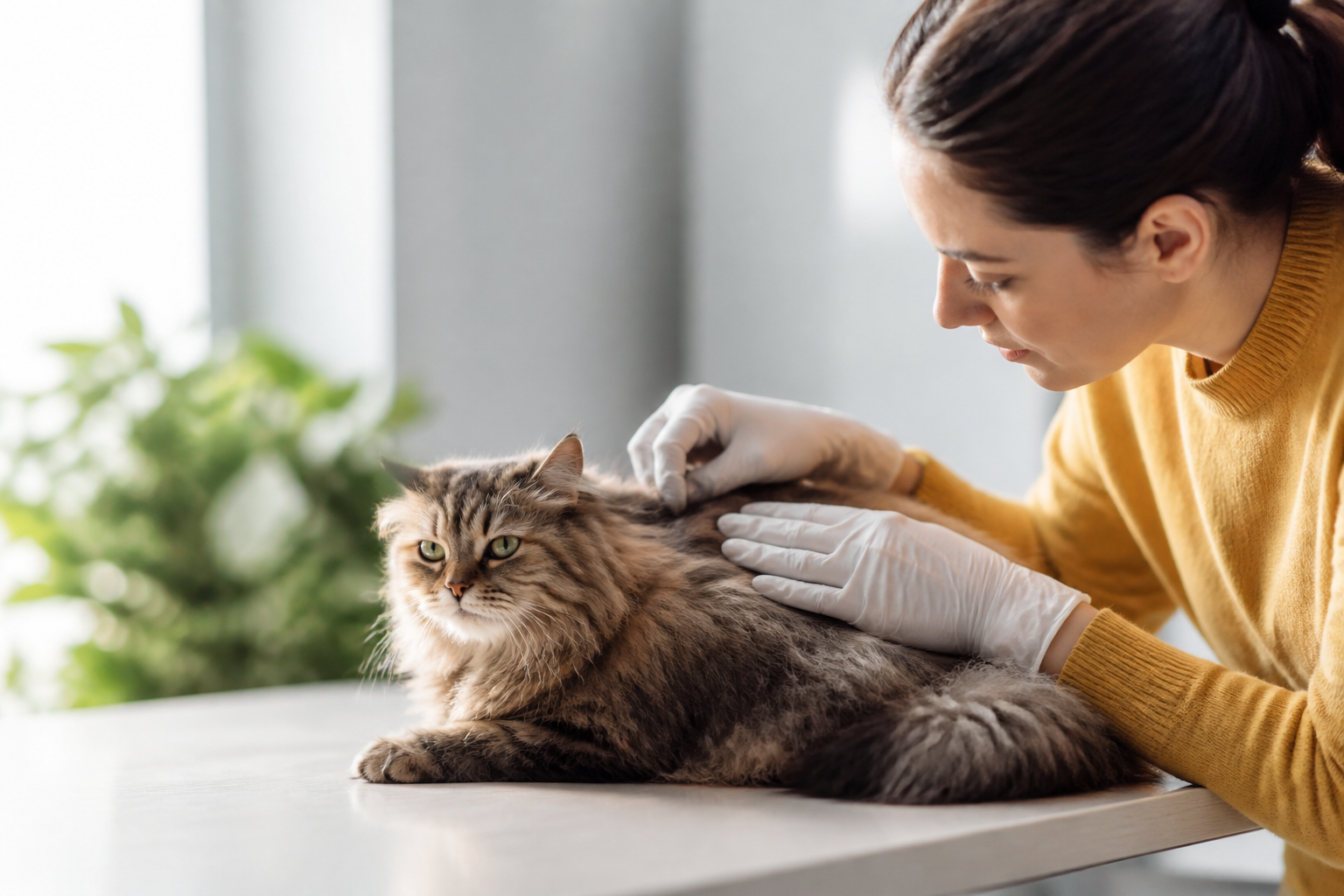
You are relaxing on the sofa with your cat when you notice a dusting of white specks on their glossy fur. As you look closer, you see that the hair around the base of their tail looks thinner than usual. This combination of cat hair loss and dandruff is a common concern for many owners, but it is rarely just a cosmetic issue. These flakes and bald patches are usually the first signs that something is out of balance with your cat’s skin health or internal wellness. At BaxterBoo, we see these symptoms frequently and know how much they can worry a dedicated pet parent. This post covers the primary causes of these skin changes, ranging from simple environmental factors to more complex medical conditions. By understanding the link between flaky skin and fur loss, you can take the right steps to restore your cat’s coat to its healthy, shiny state.
Quick Answer: Cat dandruff consists of visible white flakes of dead skin, often caused by dry air, poor nutrition, or underlying health issues like parasites. Hair loss typically follows when the skin becomes so irritated or infected that the follicles are damaged or the cat over-grooms to find relief.
Understanding the Difference Between Dandruff and Dander
It is important to start by clarifying what you are seeing on your cat’s fur. Many people use the terms dander and dandruff interchangeably, but they are very different in the world of feline health. Every healthy cat produces dander. Dander consists of microscopic skin cells that shed naturally as part of the body’s normal regenerative process. You cannot see dander with the naked eye, though it is often the primary trigger for human allergies to cats.
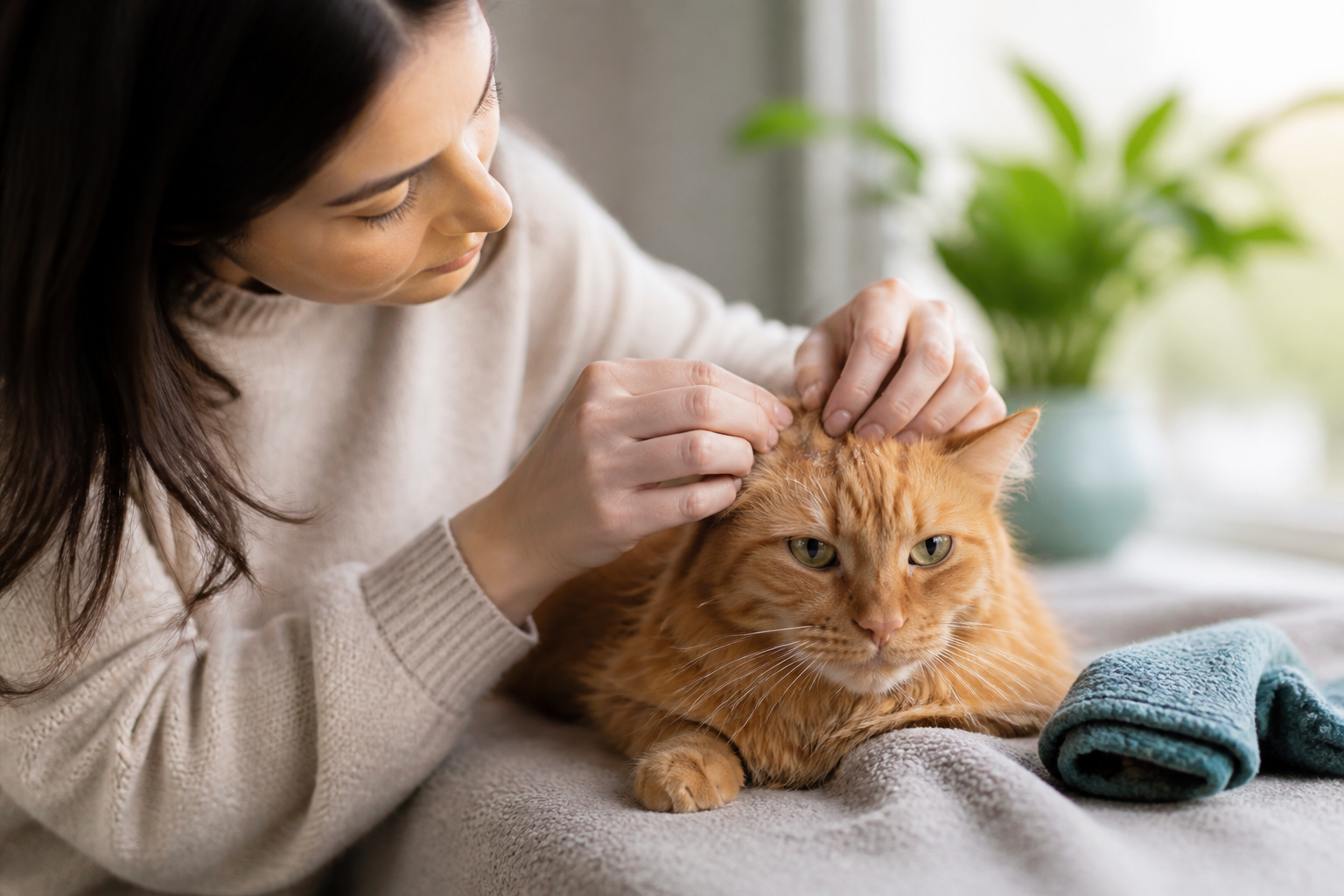
Dandruff is not a normal part of the shedding process. It consists of larger, visible flakes of skin that have clumped together. These flakes are often accompanied by an oily or excessively dry feel to the fur. When you see these white specks, it means the skin cells are turning over too quickly or the skin’s natural barrier is compromised.
If your cat is also losing hair, the situation has progressed beyond simple dryness. Hair loss, or alopecia, often happens because the skin is itchy. Your cat may be licking or biting at the area to soothe the irritation, which physically removes the fur. In other cases, the health of the hair follicle is so poor that the hair simply falls out.
Common Parasites That Cause Flaking and Fur Loss
Parasites are one of the most frequent causes of both dandruff and hair loss in cats. Even indoor cats can be affected by these tiny invaders.
Fleas and Flea Allergy Dermatitis
Fleas do more than just bite. Many cats suffer from flea allergy dermatitis, which is an allergic reaction to flea saliva. A single bite can trigger intense itching across the entire body. This leads to frantic grooming, resulting in thinning hair and broken skin. As the skin reacts to the irritation, it often produces a heavy amount of dandruff. You might notice small black specks alongside the white flakes. This black material is flea dirt, which is actually digested blood from the parasites.
For prevention options, explore our cat flea and tick collection.
Mites and Walking Dandruff
There is a specific type of mite called Cheyletiella that causes a condition nicknamed walking dandruff. If you look very closely at the white flakes on your cat, you might actually see them moving. These mites live on the surface of the skin and cause extreme scaling and irritation. This condition is highly contagious between pets and requires specific medical treatment to eradicate.
Mange and Other Mites
While less common in cats than dogs, certain types of mange mites can burrow into the skin. This causes thick crusting, hair loss, and heavy flaking. These conditions are usually very uncomfortable and require a veterinarian to perform a skin scraping for a proper diagnosis.
Vet Tip: If you notice your cat is itching intensely or you see actual movement among the skin flakes, consult your veterinarian immediately. Parasitic infections like Cheyletiella or severe flea allergies require professional diagnosis and prescription-strength treatments to resolve effectively.
For additional guidance about parasite prevention, read how flea collars work.
The Impact of Fungal Infections
Fungal infections are another significant driver of skin issues in felines. The most well known of these is ringworm, which is not a worm at all but a fungus.
Ringworm typically presents as circular patches of hair loss. The skin in these areas may look red, crusty, or scaly. While the classic presentation is a ring shape, it can also appear as generalized dandruff and thinning fur across the back. Ringworm is zoonotic, meaning it can spread from your cat to you or other members of your family.
Because ringworm spores are very hardy and can live in the environment for a long time, treating it involves more than just medicine for the cat. You will also need to deep clean your home to prevent reinfection. Our pharmacy carries various antifungal treatments through our partnership with Pet's Choice, though these often require a confirmed diagnosis and prescription from your vet.
Why Physical Limitations Lead to Dandruff
Sometimes the cause of dandruff and hair loss is not an infection but a physical inability to groom. Cats are fastidious groomers, and their rough tongues act as a natural comb to remove dead skin and loose hair.
Obesity and Grooming Reach
If a cat is overweight, they may lose the flexibility needed to reach certain parts of their body. The base of the tail and the lower back are the most common areas where "obesity dandruff" appears. When a cat cannot reach these spots, dead skin cells and natural oils build up, leading to thick flakes and matting. The trapped hair may eventually fall out or become so matted that it pulls away from the skin.
Arthritis and Joint Pain
Senior cats often suffer from arthritis. While they may want to groom, the act of twisting and bending can be painful. You might notice that your older cat’s coat looks spiked or greasy along the spine. This lack of grooming leads to an accumulation of dandruff. If the cat over-grooms a single easy-to-reach area to compensate for the spots they cannot touch, they may create bald patches in those locations.
Nutritional Foundations for Skin and Coat Health
The health of a cat's skin is often a direct reflection of what is in their bowl. Skin is the largest organ in a cat's body, and it requires a massive amount of protein and specific fats to maintain its integrity.
The Importance of Protein
Up to 30 percent of a cat's daily protein intake goes specifically toward maintaining their skin and coat. If a diet is low in high-quality, animal-based protein, the body will prioritize internal organs over the fur. This results in a brittle coat, slow hair regrowth, and flaky, thin skin.
Essential Fatty Acids
Omega-3 and Omega-6 fatty acids are crucial for the skin's lipid barrier. This barrier keeps moisture in and irritants out. Without enough of these fats, the skin becomes dry and prone to dandruff. Many commercial cat foods are processed at high heat, which can degrade these sensitive oils.
We carry several premium brands like Open Farm, Stella & Chewy's, and Farmina that prioritize these essential nutrients. Adding a supplement can also help. Brands like Zesty Paws or Honest Paws offer targeted skin and coat support that can be easily added to your cat's daily routine.
Key Takeaway: A high-quality diet rich in animal proteins and Omega fatty acids is the most effective long-term defense against dry skin and dull fur.
For more ideas about moisture-rich nutrition, read our guide to sensitive-stomach cat food.
Environmental and Lifestyle Factors
Your home environment can also play a role in your cat’s skin health. During the winter months, indoor heating systems strip moisture from the air. This low humidity dries out a cat’s skin just as it does yours.
- Low Humidity: Central heating creates a very dry environment. Consider using a humidifier in the rooms where your cat spends the most time.
- Over-bathing: Most cats do not need regular baths. Using the wrong shampoo or bathing too frequently can strip away the natural oils that protect the skin.
- Stress: Cats are sensitive creatures. Stress can lead to a condition called psychogenic grooming, where a cat compulsively licks their fur until they create bald spots. The stress also affects their immune system, making them more prone to skin flare-ups.
When to See the Veterinarian
While some cases of dandruff can be managed at home with better nutrition and grooming, many require professional help. You should schedule a visit with your vet if you notice any of the following:
- The skin is red, inflamed, or bleeding.
- There are distinct circular bald patches.
- Your cat is scratching or biting themselves constantly.
- The dandruff is accompanied by a foul odor.
- You see moving parasites on the skin.
- Your cat’s behavior has changed, such as hiding more or eating less.
A veterinarian can perform essential diagnostic tests, such as skin scrapings, fungal cultures, or blood work. These tests help rule out systemic issues like hyperthyroidism or diabetes, which can sometimes manifest as poor coat quality.
The Role of the BaxterBoo Pharmacy
For many cats, the solution to hair loss and dandruff involves more than just a new brush. If your vet diagnoses an underlying condition like an allergy, a parasitic infection, or a chronic illness, you may need specific medications or prescription diets.
Our pet pharmacy provides a convenient way to access these items. Through our partnership with Pet's Choice, we offer FDA-approved medications and prescription-strength flea and tick preventives. We also carry specialized veterinary diets from brands like Farmina Vet Life and Royal Canin. These diets are formulated to manage specific health concerns that contribute to skin issues, such as food sensitivities or weight management needs.
Practical Steps for Home Management
If your vet has ruled out serious illness, you can take several steps to improve your cat’s skin and coat at home.
Step 1: Increase Hydration. / Cats often have a low thirst drive. Switching to wet food or adding a water fountain can increase their water intake, which hydrates the skin from the inside out.
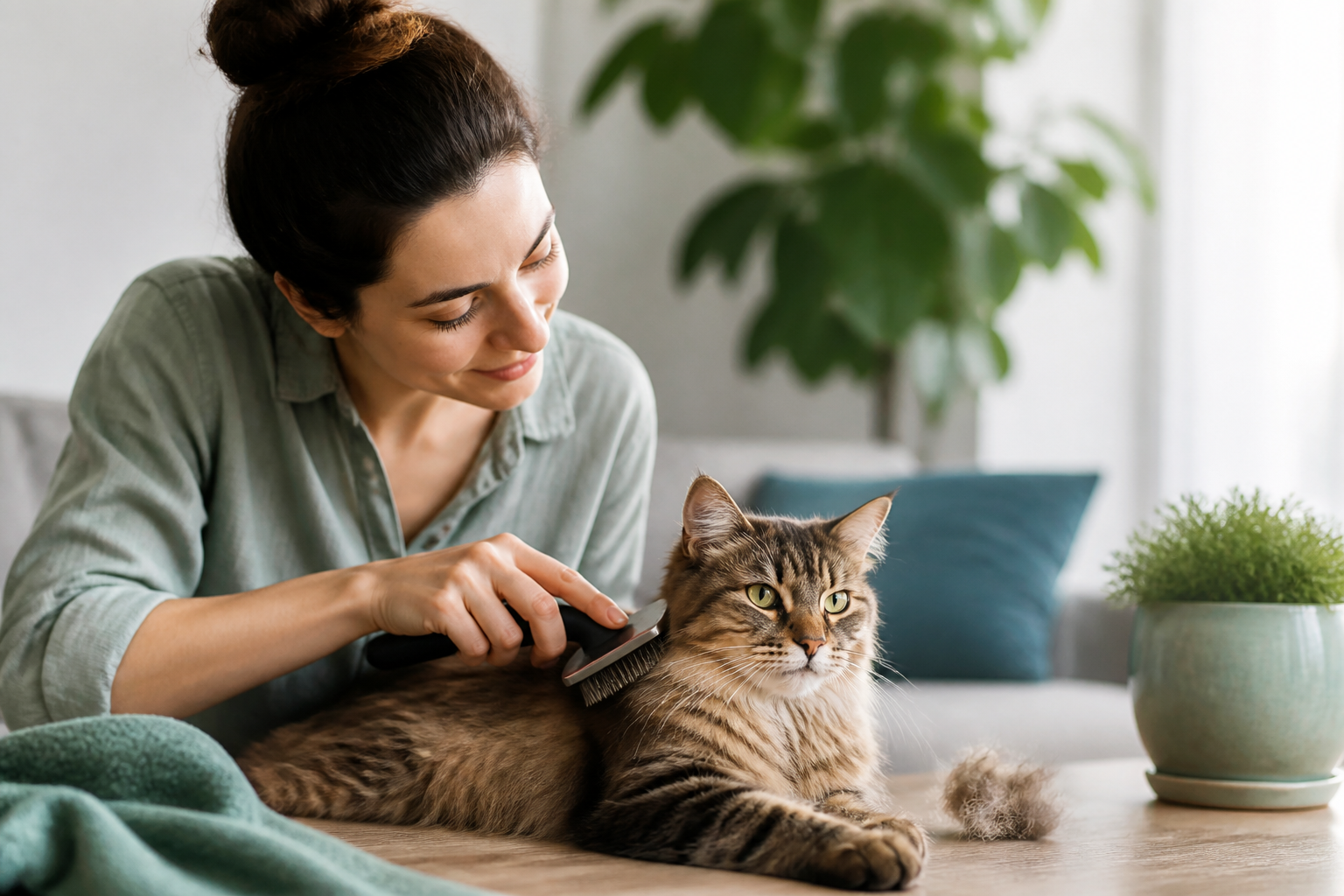
Step 2: Regular Brushing. / Use a soft slicker brush or a rubber grooming tool like the Kong ZoomGroom. This removes dead hair and distributes natural oils across the skin.
Step 3: Update Nutrition. / Transition to a high-quality food with named animal proteins. Look for formulas specifically labeled for skin and coat health.
Step 4: Use Supplements. / Introduce a fish oil or Omega-3 supplement. These help repair the skin barrier and reduce the inflammation that causes itching.
For daily coat care, browse our cat grooming supplies.
Key Takeaway: Managing dandruff is a multi-step process involving hydration, consistent grooming, and high-quality nutrition to support the skin’s natural barrier.
Summary of Treatment Options
| Cause | Potential Solution |
|---|---|
| Fleas/Parasites | Prescription preventives and environment cleaning |
| Poor Nutrition | High-protein diet and Omega-3 supplements |
| Arthritis/Obesity | Weight management and daily assisted grooming |
| Dry Air/Environment | Humidifiers and moisturizing topical foams |
| Ringworm/Fungus | Antifungal medications and vet-prescribed dips |
Choosing the Right Grooming Tools
Not all brushes are created equal when it comes to dandruff. If your cat has flaky skin, you want a tool that stimulates the skin without scratching it.
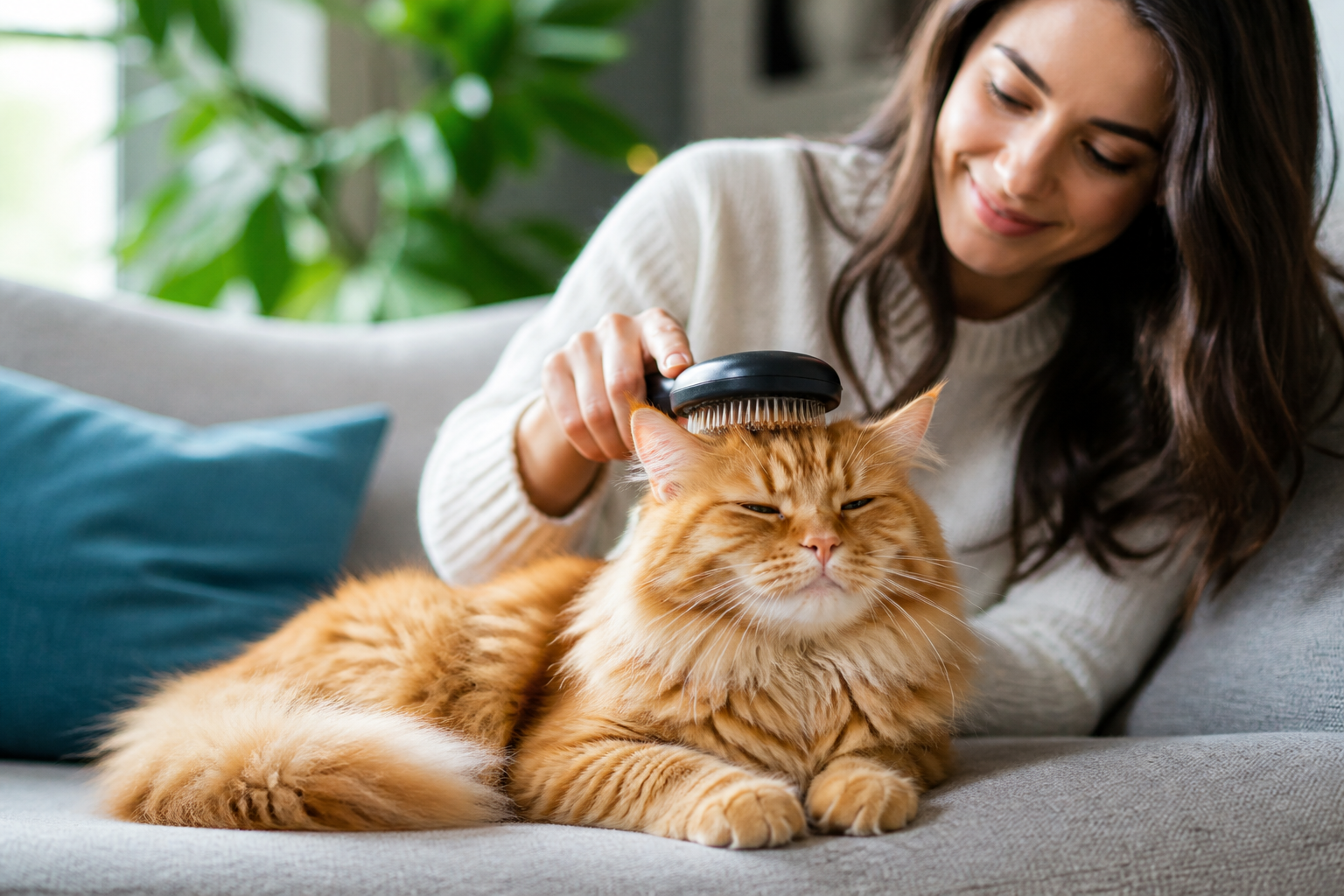
Rubber brushes are excellent for short-haired cats because they "grab" loose hair and massage the skin, which can help wake up the oil-producing glands. For long-haired cats, a stainless steel comb is better for reaching through the undercoat to prevent the mats that trap dandruff against the skin.
A product such as the U-Groom Combo Brush for Dogs and Cats can help remove tangles and distribute natural oils across the coat.
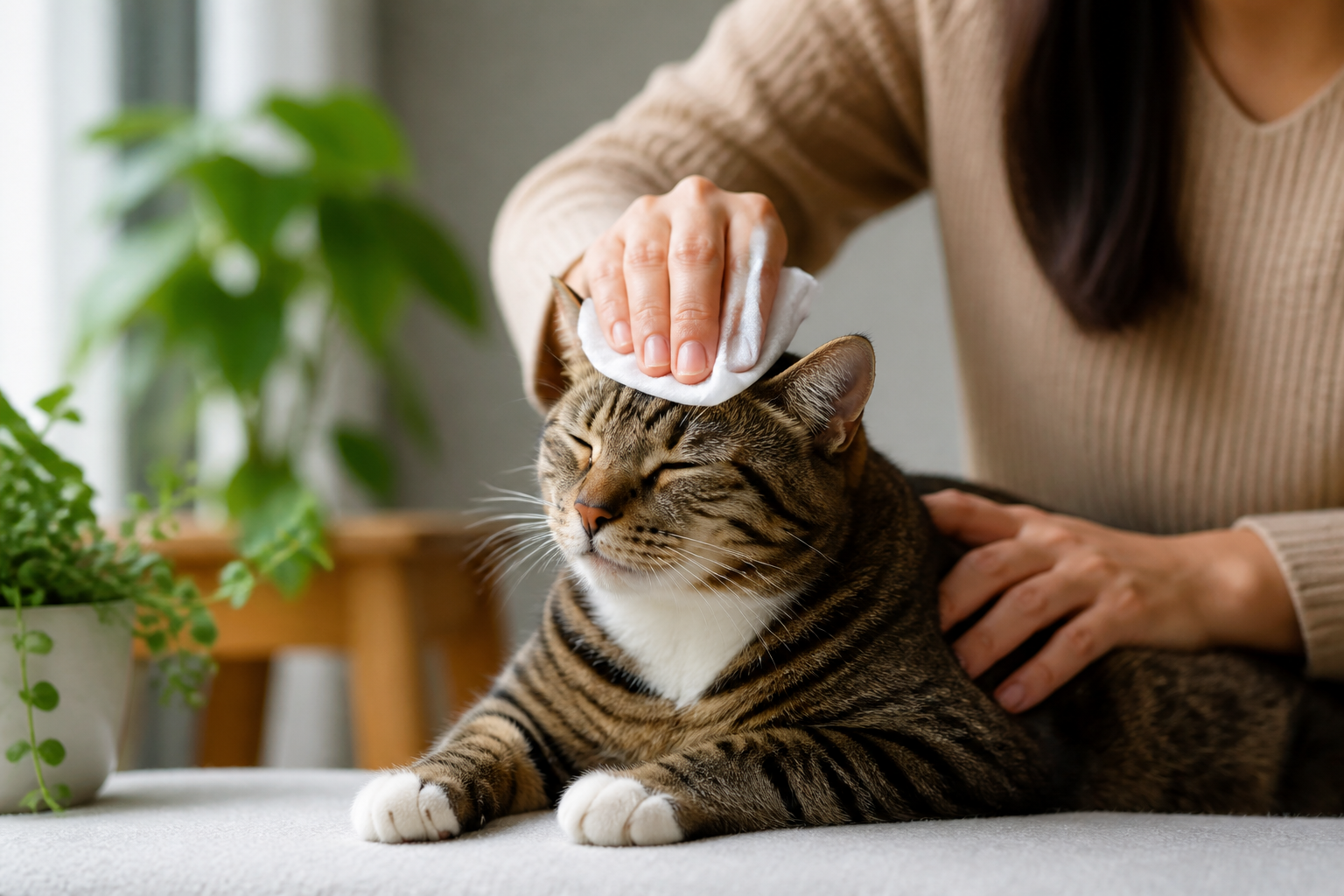
Avoid using human hair products on your cat. Human skin has a different pH level than cat skin. Using our shampoos or lotions can cause severe irritation, making the dandruff and hair loss much worse. Always stick to products specifically formulated for felines.
Long-term Prevention
Preventing a recurrence of dandruff and hair loss requires a consistent routine. This is where programs like our Autoship programme can be incredibly helpful. By setting up a recurring delivery for your cat’s preferred high-quality food and flea preventives, you ensure they never miss a day of the protection and nutrition they need. Plus, our MVP Rewards programme lets you earn points on every purchase, helping you save on the supplements and grooming gear that keep your pet healthy.
Dandruff and hair loss are your cat's way of telling you that their skin needs help. Whether the solution is a trip to the vet for a prescription or a simple change in their daily diet, addressing the problem early will keep your cat comfortable and their coat beautiful.
Bottom line: While cat dandruff is common, it is usually a sign of an underlying issue like poor nutrition, parasites, or a lack of grooming that requires your attention.
FAQ
Is cat dandruff contagious to humans?
Standard dandruff caused by dry skin or nutrition is not contagious. However, if the dandruff is caused by ringworm or Cheyletiella mites (walking dandruff), these can be transmitted to humans. It is always best to wash your hands after grooming a cat with flaky skin until a vet has ruled out infectious causes.
Can I use human dandruff shampoo on my cat?
No, you should never use human dandruff shampoo on a cat. These products are formulated for the pH of human skin and often contain ingredients like zinc or salicylic acid that can be toxic if your cat licks their fur. Use only shampoos specifically labeled for cats, or consult your vet for a medicated recommendation.
Why is my cat losing hair only at the base of the tail?
Hair loss and dandruff at the base of the tail are often linked to flea allergy dermatitis or an inability to groom. This area is a favorite spot for fleas to congregate and is also one of the hardest places for an overweight or arthritic cat to reach. A vet check can help determine if the cause is parasites or a mobility issue.
Does wet food help with cat dandruff?
Yes, wet food can be very beneficial for cats with dry skin. Many cats live in a state of mild dehydration because they do not drink enough water from a bowl. The moisture in wet food hydrates the body more effectively, which helps keep the skin supple and reduces the formation of dry flakes.