
 Save 15% on your 1st Autoship learn more

 Email us
 Live Chat
 FAQs





Introduction
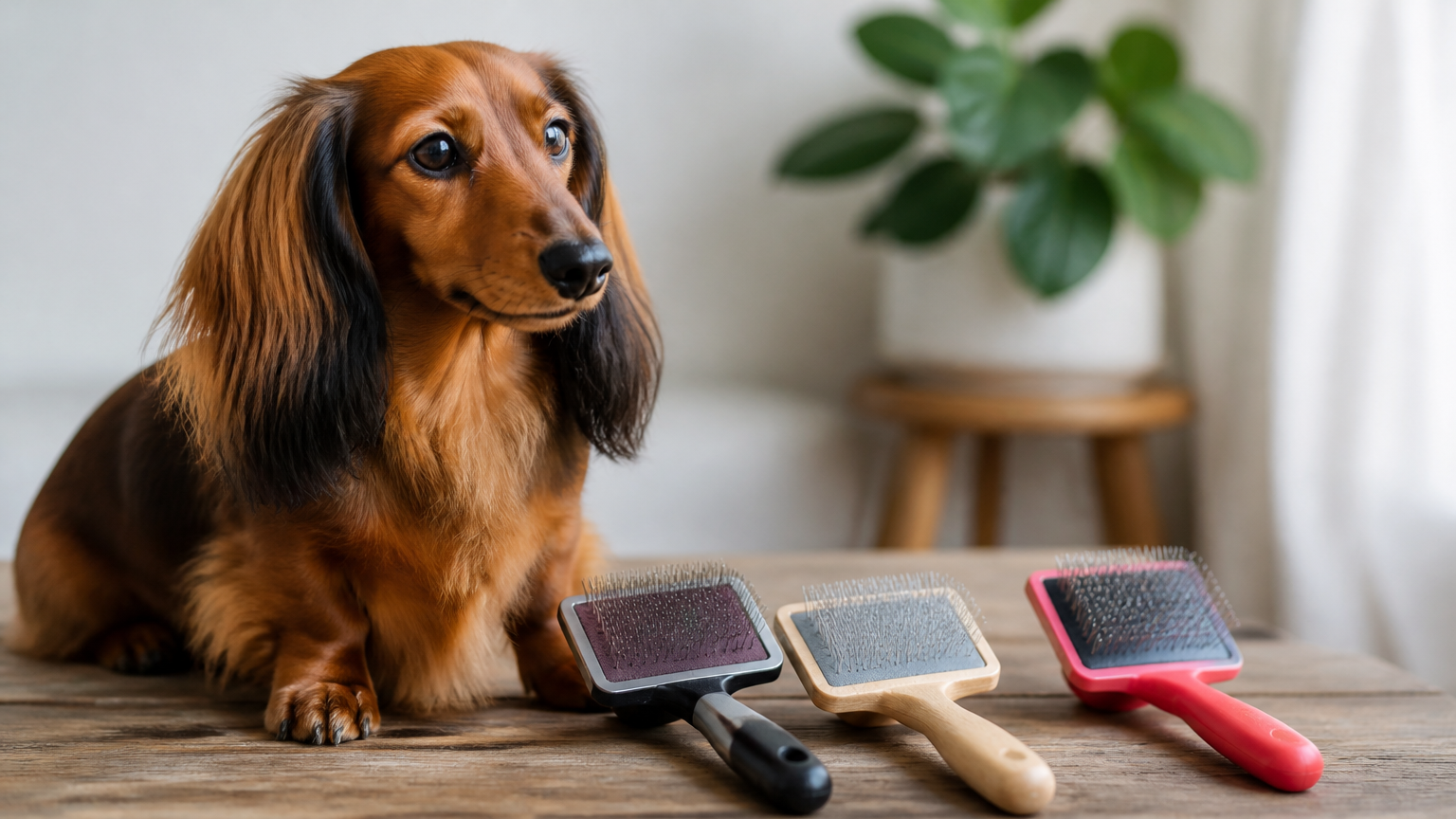
Your long-haired dachshund’s coat can look smooth on top while small tangles hide behind the ears or along the legs. A slicker brush can help, but a large head or a heavy hand can make grooming uncomfortable.
We recommend starting with a small slicker brush with fine pins and a comfortable handle. Pair it with a metal comb to check your work, and use both gently. At BaxterBoo, we know that choosing grooming tools can feel complicated when every brush promises a different result. The right choice is one you can control around your dog’s small body and use without pulling. A gentle routine matters more than an impressive-looking brush.
What Makes a Good Slicker Brush for a Dachshund?
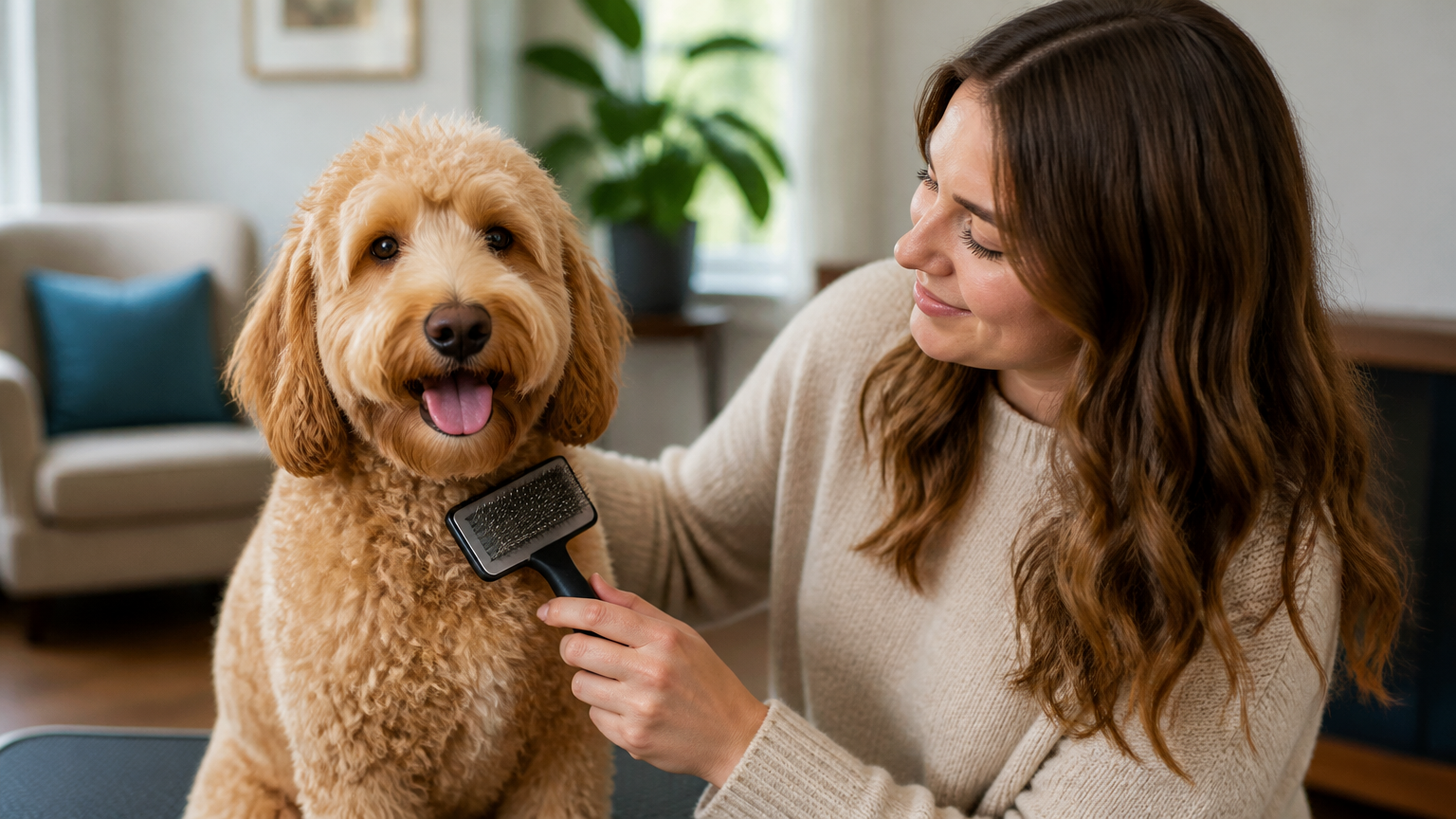
A slicker brush has closely spaced wire pins that help pick up loose hair and work through small tangles. For a long-haired dachshund, look for a small, easy-to-control head rather than one designed to cover a large dog’s back in a few passes.
The American Kennel Club’s brush guide recommends a light touch with slicker brushes because pressing too hard can cause discomfort. That matters on areas with little hair, such as the belly and legs.
As you compare brushes, look at these details:
- Head size: Choose a head you can maneuver around your dog’s ears, legs and chest without catching nearby skin.
- Pins and pad: Look for fine pins in a cushioned or flexible pad. Check that the pins are even and undamaged.
- Handle: Pick a grip that feels secure in your hand. Good control makes it easier to use short, gentle strokes.
- Cleaning: A self-cleaning button can make hair removal easier, but it is optional. A regular slicker can work well if you can remove the collected hair easily.
A soft-feeling pad does not make a brush impossible to misuse. Let the pins move through the hair without pressing or scraping them against the skin. Stop if your dog pulls away, the brush snags, or you see redness.
Should You Choose a Long-Pin Slicker?
Not automatically. Longer pins may be useful for a particularly thick coat, but more pin length is not the goal for every dachshund. Choose a brush that reaches through your dog’s coat while still giving you good control.
If your dog has fine feathering and a relatively flat coat, start with a small, gentle slicker rather than a large brush marketed for very dense coats. A groomer can help you assess the fit if the brush seems to skim the surface or catches on every pass.
Dog Brushes & Combs


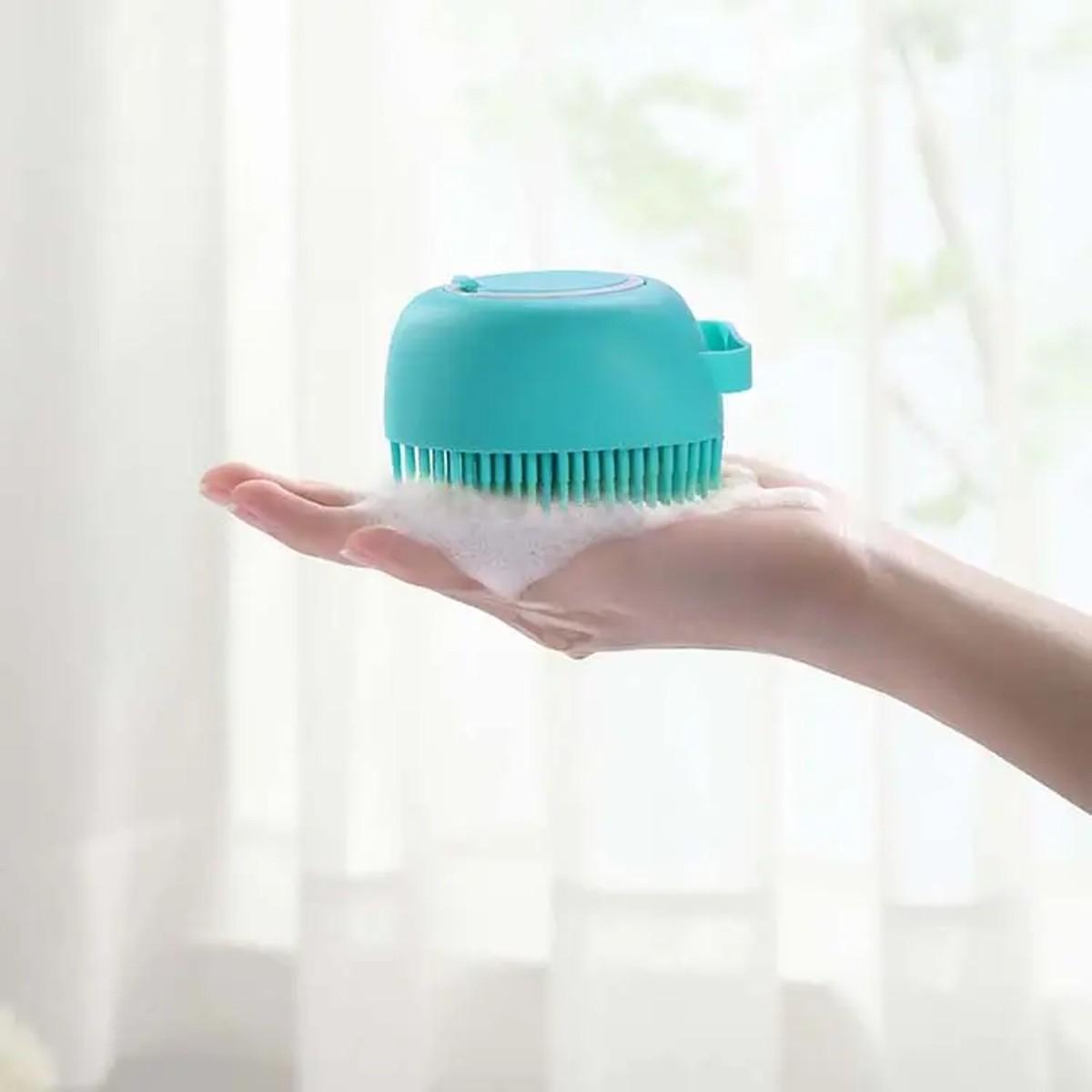


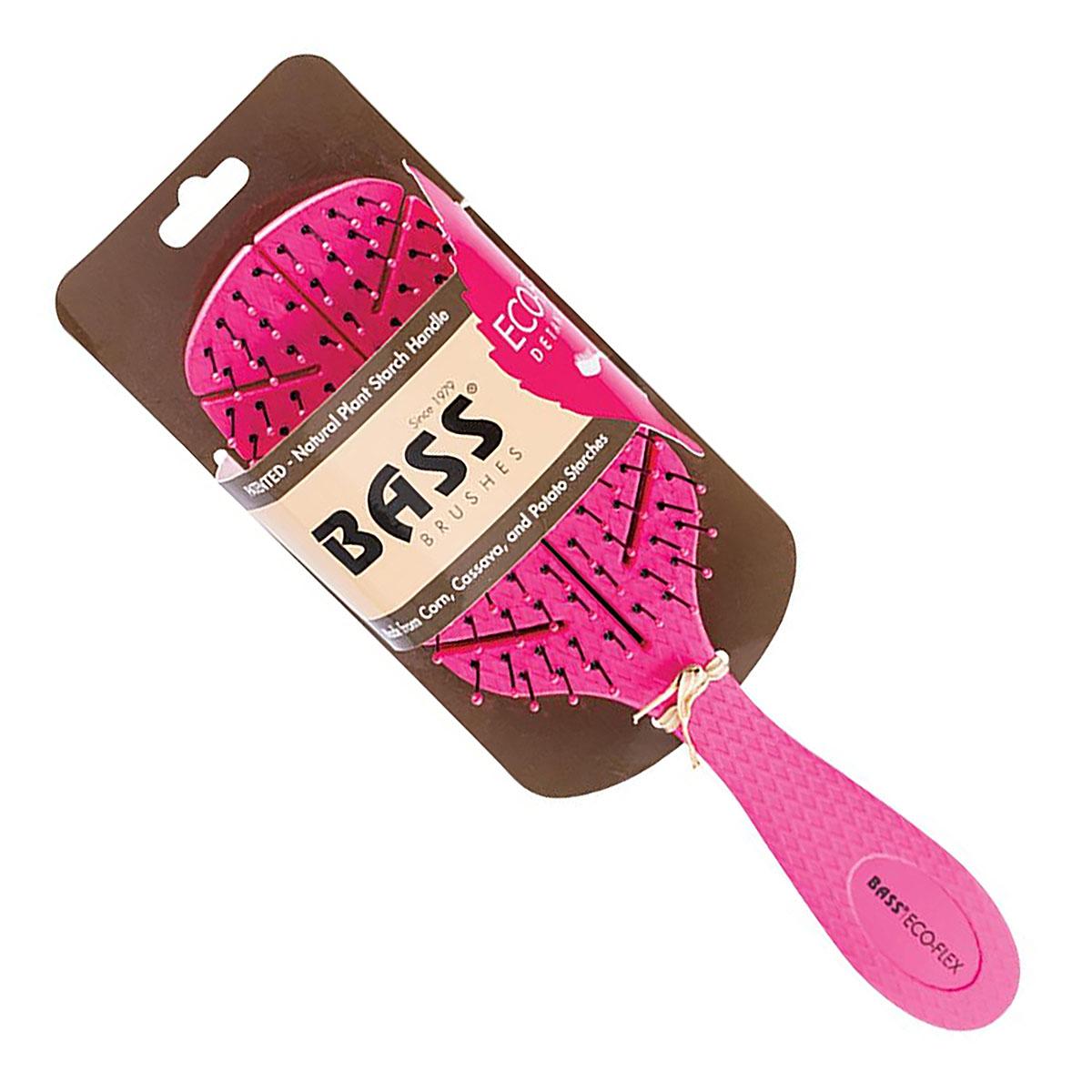
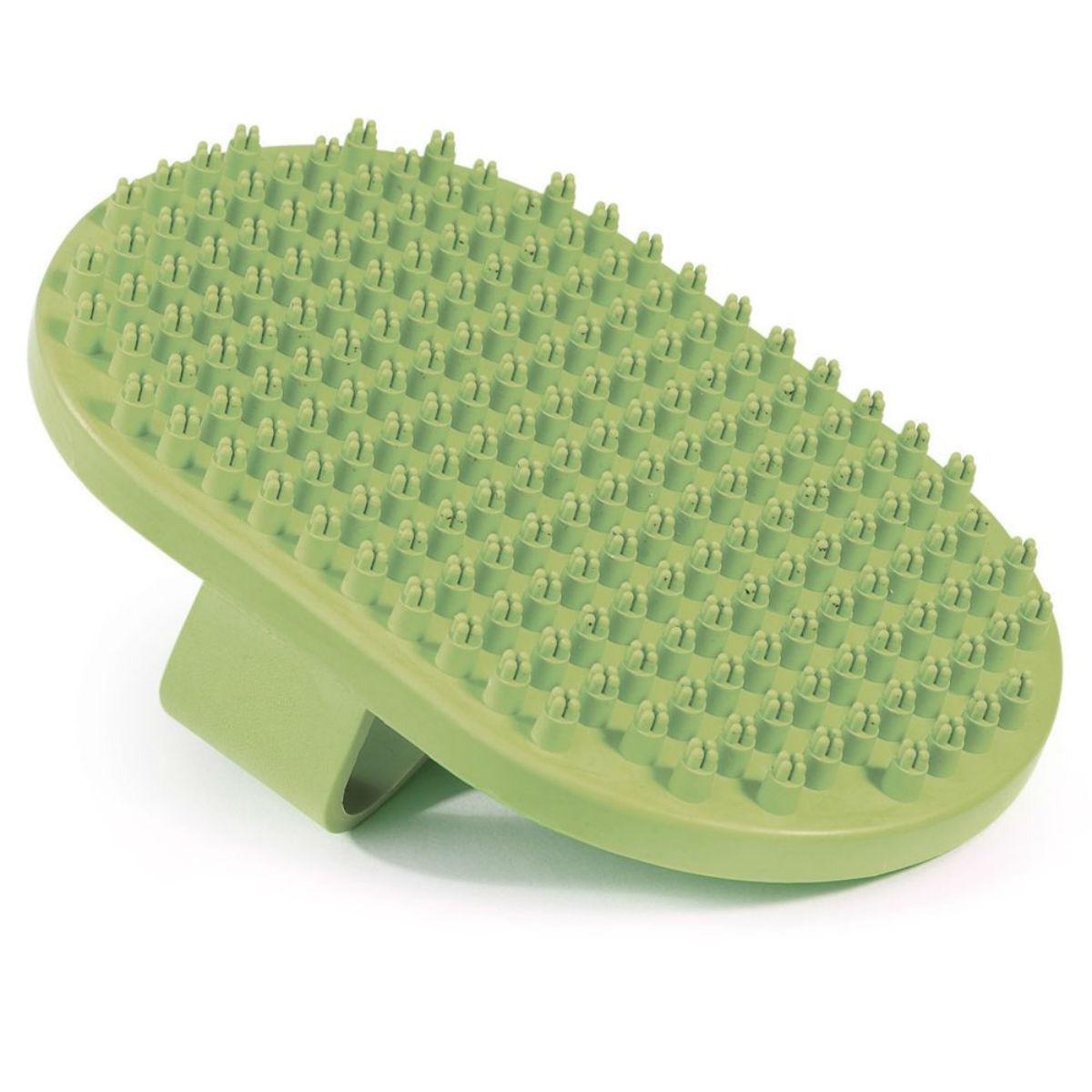


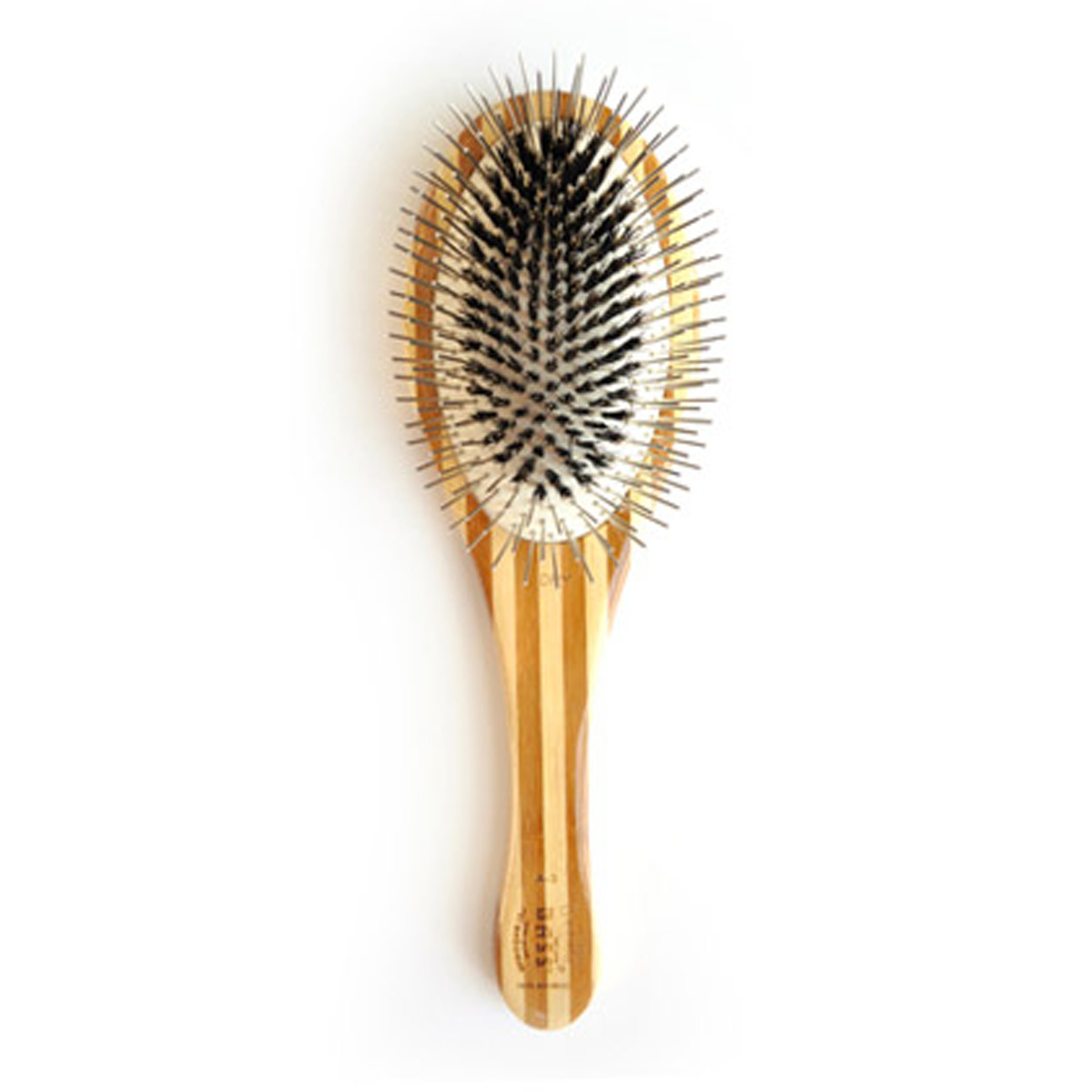
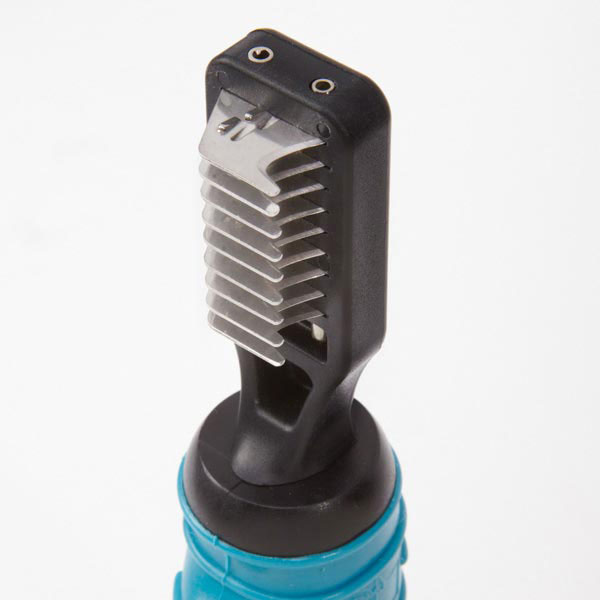


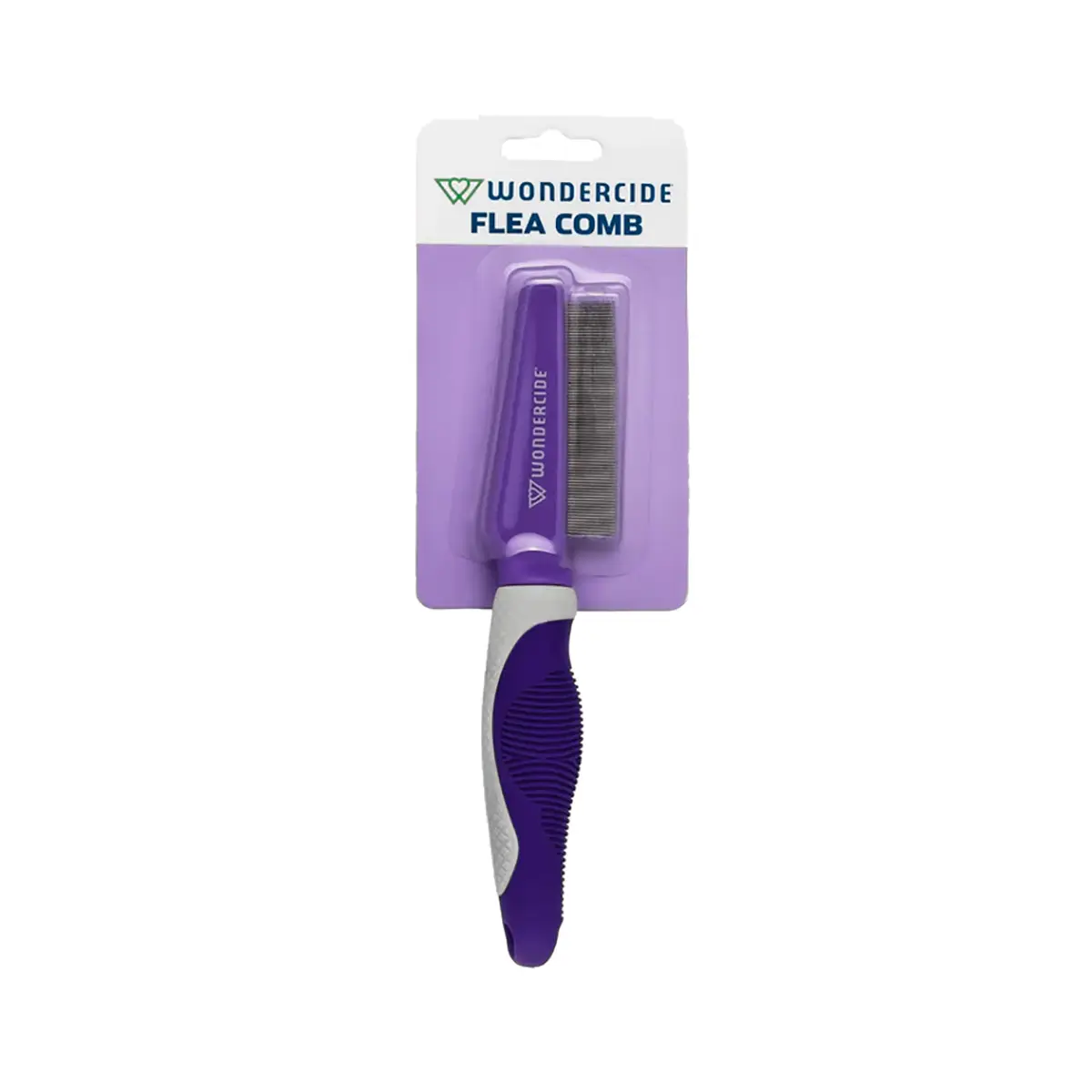

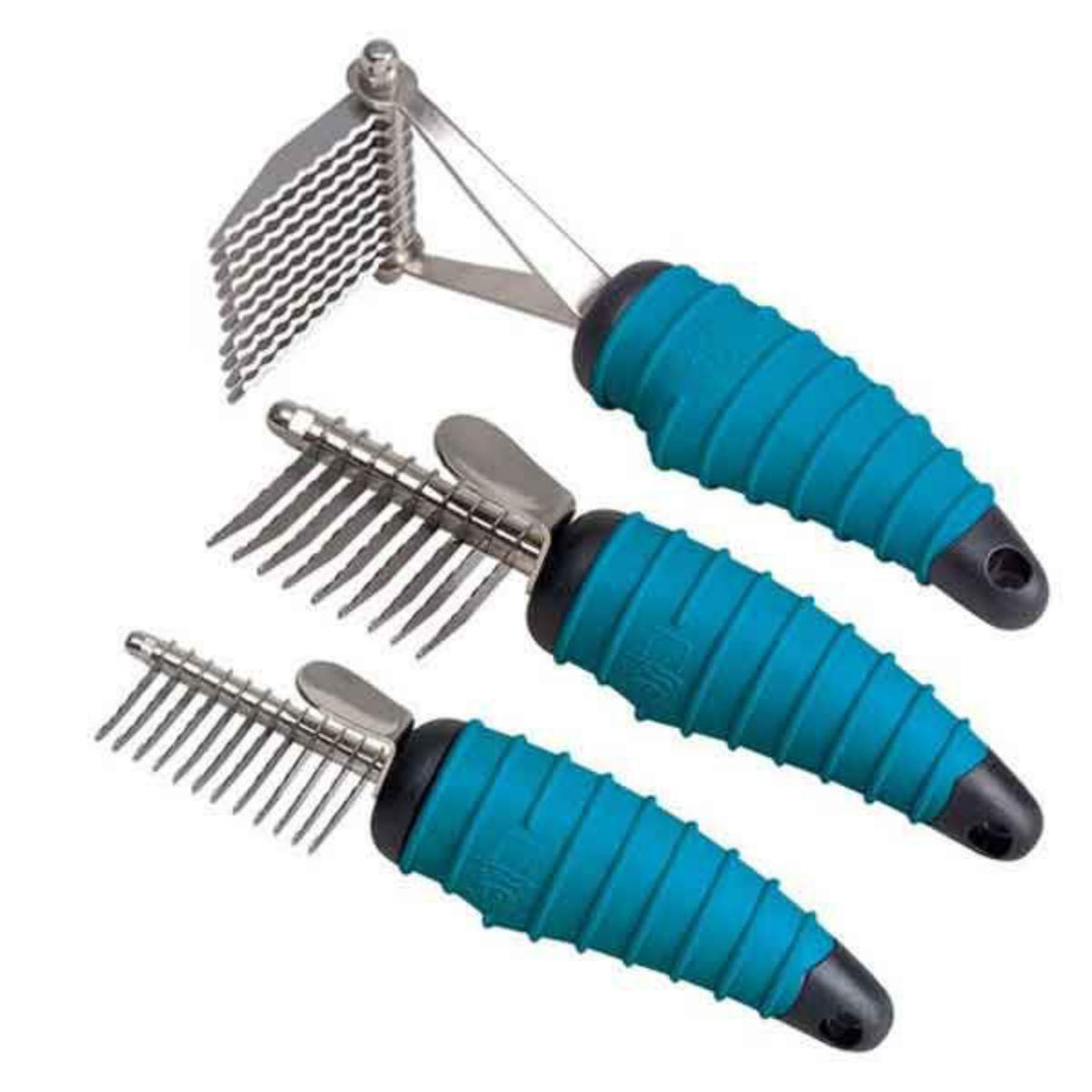
Slicker Brush, Pin Brush or Comb?
A slicker brush is useful, but it does not have to be your only grooming tool. Each tool does a slightly different job.
| Tool | Useful for | What to watch for |
|---|---|---|
| Small slicker brush | Picking up loose hair and gently working through minor tangles | Wire pins can irritate skin if you press or repeat strokes over one spot |
| Metal comb | Checking sections for tangles left beneath the surface | Teeth can pull on knots, so stop when the comb catches |
| Rounded-tip pin brush | Routine brushing and smoothing longer hair | It may pass over a small tangle without fully working it out |
| Soft bristle brush | Smoothing the outer coat | It is not a substitute for checking longer hair for knots |
For a simple starter kit, we would choose a small slicker and a metal comb with comfortably spaced teeth. A pin or bristle brush can be a useful extra if you prefer it for quick touch-ups.
The Dachshund Club of Queensland’s grooming advice includes a slicker for detangling and a pin or bristle brush for finishing. Your dog’s coat and comfort should guide which tools you reach for most often.
How to Brush Your Long-Haired Dachshund
Choose a quiet time when your dog is relaxed. A non-slip towel on the floor gives your dachshund a secure place to stand or lie down. If you use a raised surface, keep your dog supervised and do not let them jump off.
Step 1: Check the coat. Run your hands gently over the body and look for debris, tangles or sore-looking areas. Pay attention to the longer hair behind the ears, on the chest, under the legs and around the tail.
Step 2: Start with a small section. Separate a little hair with your fingers so you can see what you are brushing. Begin on an easy-to-reach area rather than starting with a sensitive ear or a knot.
Step 3: Use light strokes. Brush in the direction the hair grows, using short strokes through the coat. Avoid pressing the pins into the skin or brushing the same spot repeatedly.
Step 4: Work gently on loose tangles. Hold the hair near its base to limit pulling on the skin. Use your fingers to loosen the ends first, then work gradually toward the base with the brush or comb.
Step 5: Check with the comb. Gently comb the section you have brushed. If the comb catches, stop and work on that spot rather than pulling it through.
Step 6: Take a break. Clear collected hair from the brush and give your dog a pause. You can finish another area later if either of you is getting tired.
A smooth-looking surface is not always a full check. Parting the longer hair and following with a comb helps you find a small knot before it becomes harder to manage.
Vet Tip: If your dog reacts as though an area is painful, or you notice persistent redness, sores or unusual skin changes, pause grooming and ask your veterinarian to examine it.
Where to Check for Tangles
Long-haired dachshunds have areas of longer hair, often called feathering, that need more attention than the flatter hair along the back. Check these spots with your fingers before putting a brush through them:
- Behind and below the ears: Hair can knot where the ear moves against the neck. Support the ear gently and keep the pins away from its thin edges.
- Chest and under the front legs: A collar or harness can rub against longer hair. Lift the leg only as far as your dog can do so comfortably.
- Back of the legs: Separate the feathering into small sections rather than pulling the whole length at once.
- Tail: Hold the hair gently near its base and work through the longer ends. Do not pull on the tail itself.
- Feet: Look for caught debris and tangles around the longer hair. Ask a groomer for help with trimming if you are unsure how to do it safely.
If your dog wears walking gear regularly, check the hair underneath after you remove it. A quick look can catch a small knot before the next outing.
How Often Should You Use the Slicker?
A quick daily check is a useful starting point for a long-haired dachshund, especially around the ears and feet. The Dachshund Club of Queensland suggests a brief daily brush and a more thorough weekly session for the long-haired coat.
You do not need to make every check a full slicker session. On a day when the coat is clear, a gentle pass with a pin brush or comb may be enough. Use the slicker where it helps, and adjust the routine if your dog’s coat tangles more or less often.
Check after walks through grass or brush, too. Remove loose debris gently with your fingers rather than dragging it through the coat with the slicker.
Brushing collects hair that has already loosened. It will not stop your dog from shedding, and brushing harder will not make the routine more effective.
Bathing and Brush Care
Check for tangles before a bath and gently work out any loose ones. If your dog has a tight mat, ask a groomer for help instead of trying to wash or pull it out yourself.
Use a shampoo made for dogs and follow its directions. Afterward, towel-dry gently and let the coat dry before a thorough slicker session. Avoid tugging through wet knots.
Remove hair from the brush after use and clean it according to the manufacturer’s instructions. Replace it if the pins bend, loosen or become damaged.
When to Stop and Ask for Help
A small, loose tangle may separate with your fingers. A tight mat feels denser and may sit close to the skin. If you cannot loosen it without pulling, stop.
Do not slide scissors under a mat or cut close to the skin. It can be difficult to see where the skin begins, especially behind an ear or under a leg. A professional groomer can assess the mat and discuss a safe way to remove it.
A groomer can also show you how to hold the brush and check the coat. That is useful if your dachshund repeatedly struggles, the comb keeps catching, or you are unsure which brush suits the coat.
For skin irritation, persistent scratching, pain or another health concern, contact your veterinarian. A different brush may make grooming more comfortable, but it cannot diagnose the cause of a symptom.
Choosing Your Grooming Setup
A small slicker brush and a metal comb are a practical place to start. Choose tools that feel easy to control, then let your dachshund’s coat and comfort guide the routine.
- Pick a small slicker with fine, even pins and a secure handle.
- Use light strokes and check longer sections with a comb.
- Leave tight mats for a professional rather than pulling or cutting them out.
- Ask your veterinarian about painful or persistent skin concerns.
Key Takeaway: The right brush helps you work through the coat gently. It should not require force to get results.
When you are ready to put together your kit, explore the dog grooming category at BaxterBoo for a small slicker and a suitable comb.
FAQ
Can I use a slicker brush on my dachshund every day?
You can include a slicker in a daily routine if your dog is comfortable and you use it gently. You may only need a quick check or a different brush on days when the coat has no tangles. Avoid repeated strokes over the same area.
Is a slicker brush or a comb better for long-haired dachshunds?
They work well together. A slicker helps collect loose hair and address minor tangles, while a comb helps you check for knots left in the coat. If either tool catches, stop instead of pulling it through.
Can I use a slicker brush on a long-haired dachshund puppy?
A small, gentle slicker may be suitable, but keep the first sessions short and use very light pressure. Let your puppy get comfortable with being handled before expecting a full grooming session. A groomer or veterinarian can help you choose an appropriate tool.
Will a slicker brush stop my dachshund from shedding?
No. It can collect loose hair during grooming, which may leave less hair to fall around your home. If you are concerned about an unusual change in shedding or your dog’s skin, ask your veterinarian for advice.


- Site & Contents BaxterBoo.com. BaxterBoo is located in the United States.
- Privacy & Security
- Terms of Use
- Accessibility Statement
